

Bicolor Lespedeza
Lespedeza bicolor
Found in ‘Wildlife food plots’, roadsides, forests, woodlands, extensively naturalized and invasive. Weakley, Flora of the Southeastern United States (2025), Northern Tier edition What its natural habitat tells you
Not native to Virginia. How scores work Is it native here?
Profile 71%
- Height
- 5–10 feet
- Spread
- 5–10 feet
- Light
- Full sun
- Soil moisture
- Dry to somewhat dry
No photograph yet. Looking for an old drawing…
Do not plant. Listed invasive in Virginia.
Plant this instead
Choose your county to list local plants first.
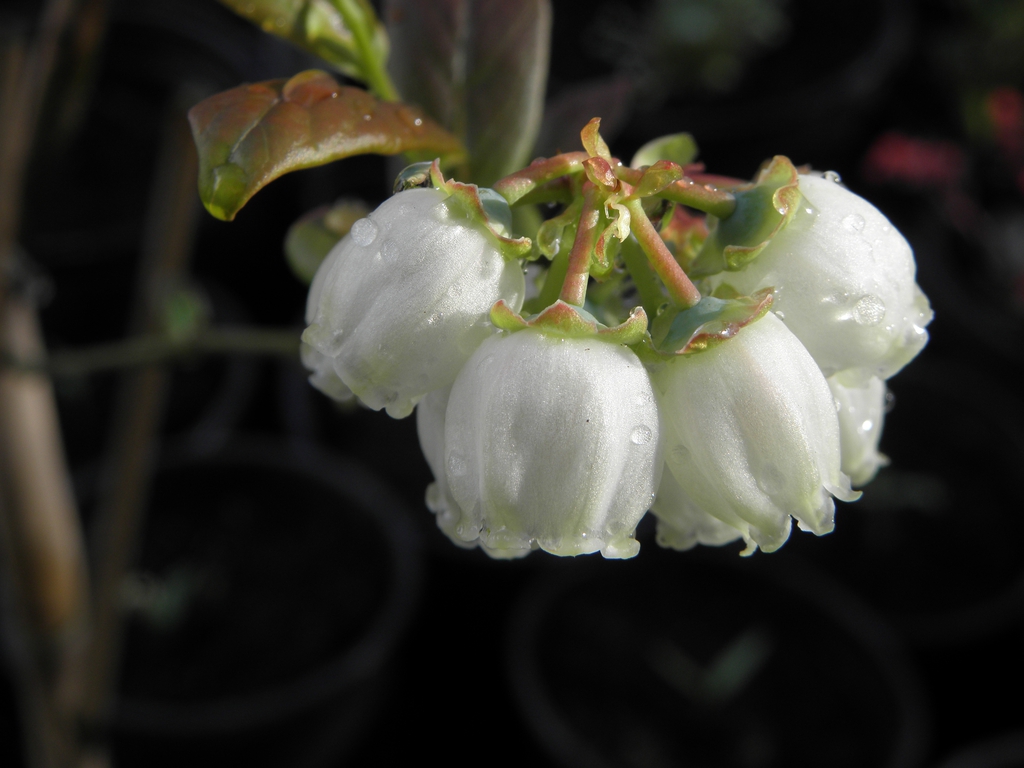
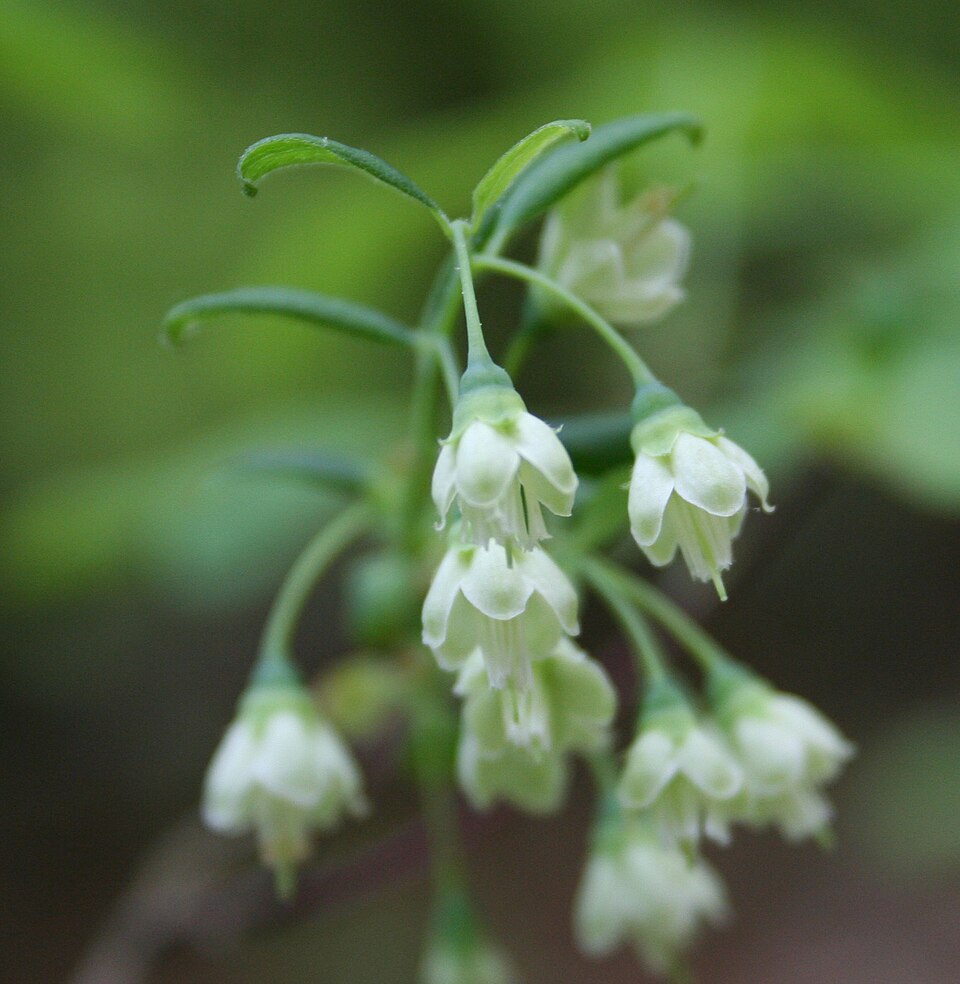
No recorded swaps for this county. Try the garden finder.
At a glance
- Life cycle
- Woody perennial
- Leaves
- Deciduous
- Bloom
- June to September
- Fruiting season
- August to November
Recorded in 68 Virginia counties.
Natural habitats
Places it grows wild. Not a planting requirement. Each habitat page lists the plants and wildlife also found there.
Roadsides, fields and disturbed ground
Ground opened by people: roadsides, old fields, pastures, fencerows and lots.
Forest or woodland where the source does not say how moist or dry.
Also found with this plant
Wildlife whose habitat models include habitats this plant grows in, in Virginia. Shared habitat, not food. 79 animals.
- Common NighthawkChordeiles minor
- Cooper's HawkAccipiter cooperii
- Dark-eyed JuncoJunco hyemalis
- Double-crested CormorantPhalacrocorax auritus
- Downy WoodpeckerPicoides pubescens
- Eastern BluebirdSialia sialis
- Eastern KingbirdTyrannus tyrannus
- Eastern PhoebeSayornis phoebe
- Eastern Screech-owlMegascops asio
- Eastern TowheePipilo erythrophthalmus
- Eastern Wood-peweeContopus virens
- Eurasian Collared-doveStreptopelia decaocto
- European StarlingSturnus vulgaris
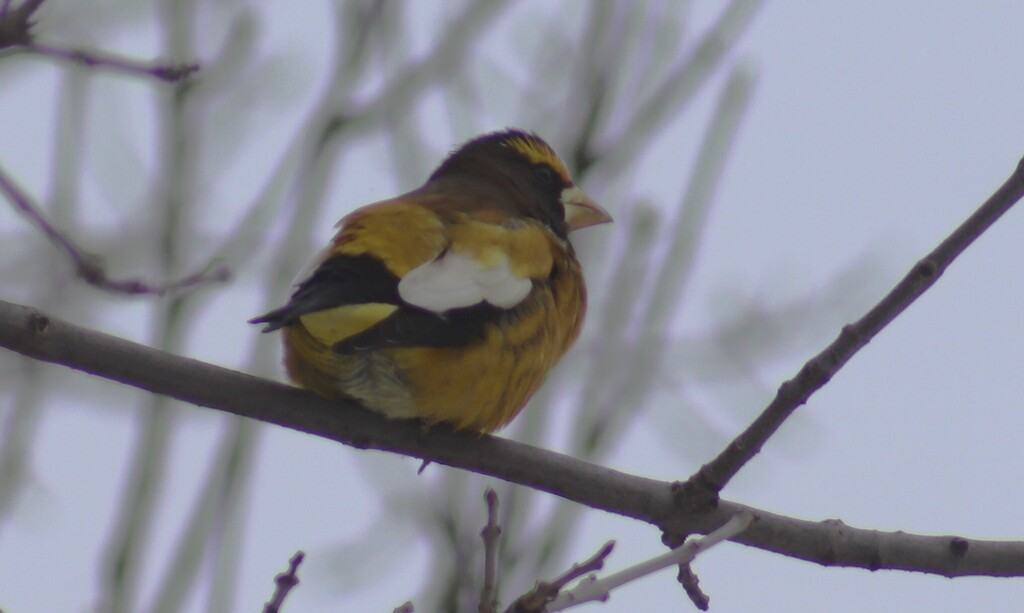
- Evening GrosbeakCoccothraustes vespertinus
- Fish CrowCorvus ossifragus
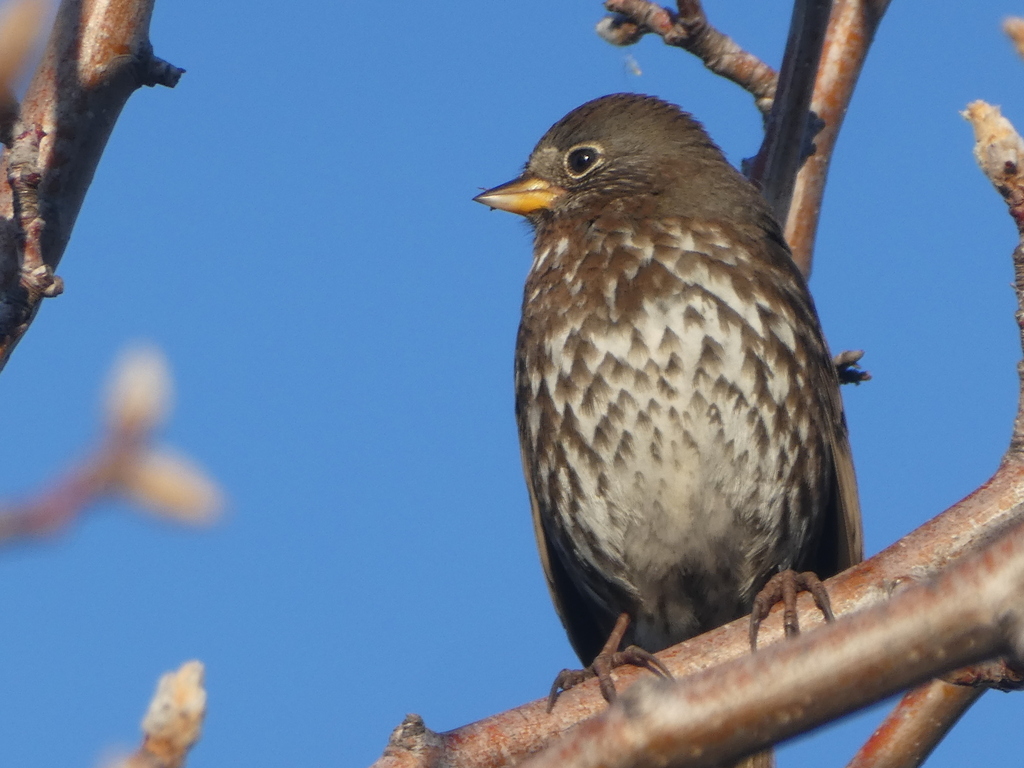
- Fox SparrowPasserella iliaca
- Golden-crowned KingletRegulus satrapa
- Great Crested FlycatcherMyiarchus crinitus
- Great Horned OwlBubo virginianus
- Hairy WoodpeckerPicoides villosus
- Hermit ThrushCatharus guttatus
- Hooded MerganserLophodytes cucullatus
- Mourning DoveZenaida macroura
- Northern BobwhiteColinus virginianus






















Who uses this plant?
 25CaterpillarsGenus host records with ranges including VA
Genus host records with ranges including VA · Lespedeza
- Adelphia petrellaRusty-Banded Adelphia
- Aristotelia roseosuffusellaPink-Washed Aristotelia
- Automeris ioIo Moth
- Caenurgina erechteaClover Looper Moth, Common Grass Moth, Forage Looper
- Cecropterus bathyllusSouthern Cloudywing
- Cecropterus confusisConfusing Cloudywing, Confused Cloudy Wing
- Cecropterus lyciadesHoary Edge
- Cecropterus pyladesNorthern Cloudywing
- Choristoneura obsoletanaObsolete Leafroller
- Colias eurythemeOrange Sulphur, Alfalfa Butterfly
Show all 25
- Cupido comyntasEastern Tailed-Blue
- Dasylophia anguinaBlack-Spotted Prominent
- Epargyreus clarusSilver-Spotted Skipper
- Gesta zaruccoZarucco Duskywing
- Helicoverpa zeaCorn Earworm Moth
- Hypena scabraGreen Cloverworm Bomolocha, Black Snout
- Morrisonia confusaConfused Woodgrain
- Ptichodis herbarumCommon Ptichodis
- Spodoptera frugiperdaFall Armyworm Moth
- Stilbosis tesquellaHog-Peanut Leaf-Sewer
- Strymon melinusGray Hairstreak
- Triclonella pergandeellaSweetclover Root Borer, Bush-Clover Triclonella
- Utetheisa ornatrixOrnate Moth, Pink Underwing, Rattlebox Moth, Bella Moth
- Cosmopterix lespedezae
- Porphyrosela desmodiella
 —BeesSoutheastern regional records
 —Specialist beesPollen specialists
 4BirdsRecorded genus food-resource interactions; not a state feeding claim
Recorded genus food-resource interactions; not a state feeding claim · Lespedeza
- Agelaius phoeniceusRed-winged Blackbird
- Colinus virginianusNorthern Bobwhite
- Meleagris gallopavoWild Turkey
- Molothrus aterBrown-headed Cowbird
Direct food only: birds recorded eating this genus across North America. Caterpillars on host plants also feed nesting birds. NC Native Plant Society: butterfly gardening
Plant details
- Family
- Fabaceae
- Hardiness
- Zones 4a–8b
- Flower color
- Pink or purple
- Fruit begins
- August
- Fruit ends
- November
Safety has not been reviewed for this plant; check toxicity and thorns before planting.
Growing sources and scope
- Bloom · “June to September” · Weakley, Flora of the Southeastern United States (2025), Carolinas & Georgia edition · Carolinas and Georgia
- Flower color · “Pink or purple” · NC Extension Plant Toolbox
- Fruit begins · “August” · Weakley, Flora of the Southeastern United States (2025), Carolinas & Georgia edition · Carolinas and Georgia
- Fruit ends · “November” · Weakley, Flora of the Southeastern United States (2025), Carolinas & Georgia edition · Carolinas and Georgia
- Hardiness · “Zones 4a–8b” · NC Extension Plant Toolbox
- Height · “5–10 feet” · NC Extension Plant Toolbox (ranked first; Fire Effects Information System: Lespedeza bicolor differs)
- Leaves · “Deciduous” · NC Extension Plant Toolbox
- Life cycle · “Woody perennial” · NC Extension Plant Toolbox
- Light · “Full sun (6 or more hours of direct sunlight a day)” · NC Extension Plant Toolbox
- Soil · “Occasionally dry; Very dry” · NC Extension Plant Toolbox
- Spread · “5–10 feet” · NC Extension Plant Toolbox
Also known as
Bush Clover; Bush Lespedeza; Shrubby Clover; Shrubby Lespedeza
Conservation status
| Virginia rank | SNA |
|---|---|
| Global rank | GNR |
| VA status | Not verified |
| Federal status | Not verified |
Sources
- Virginia DCR invasive plant list
- Digital Atlas of the Virginia Flora
- USDA PLANTS
- Weakley, Flora of the Southeastern United States (2025), Carolinas & Georgia edition
- NatureServe Explorer
- Shropshire & Tallamy 2025, Lepidoptera of North America north of Mexico, ZooKeys 1261 (ODbL)
- Noori, Seltmann & Orr 2026, A curated and integrated dataset for exploring global bee-plant interactions (GloBI), Zenodo, CC BY 4.0
- Smith, Bachelder, Russell, Morales, Mosher & Seltmann 2024, Bee-Specialization-Modeling v0.6.1 (specialist host table compiled from J. Fowler's pollen specialist bee lists), Zenodo, CC BY 4.0
- Hurlbert, Olsen, Sawyer & Winner 2021, Avian Diet Database, Scientific Data 8: 260 (CC0)
- Narango, Tallamy & Shropshire 2020, Few keystone plant genera support the majority of Lepidoptera species, Nature Communications