

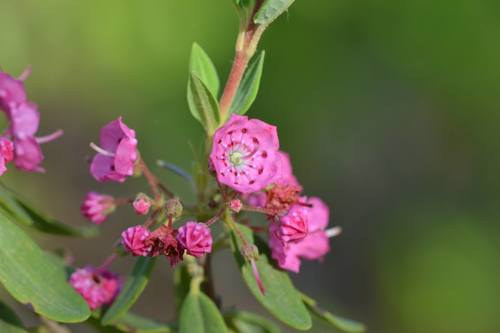
Carolina Laurel
Kalmia carolina
Found in pocosins and bay forests; mountain bogs and fens. Weakley, Flora of the Southeastern United States (2025), Northern Tier edition What its natural habitat tells you
Native to Virginia. How scores work Is it native here?
Profile 82%
- Height
- Up to about 5 feet
- Light
- Partial shade, Full sun
- Soil moisture
- Dry to wet
Rare or protected plant. Specialist conservation planting; excluded from routine garden suggestions. Plant caution source
Hidden from default planting suggestions. Wildlife value and native status remain unchanged.
At a glance
- Life cycle
- Perennial
- Fruiting season
- September to October
Not yet recorded · Spread · Leaves · Bloom
This plant is missing most of its facts, so Quercus is looking them up in old botany books.
Recorded in 7 Virginia counties.
Natural habitats
Places it grows wild. Not a planting requirement. Each habitat page lists the plants and wildlife also found there.
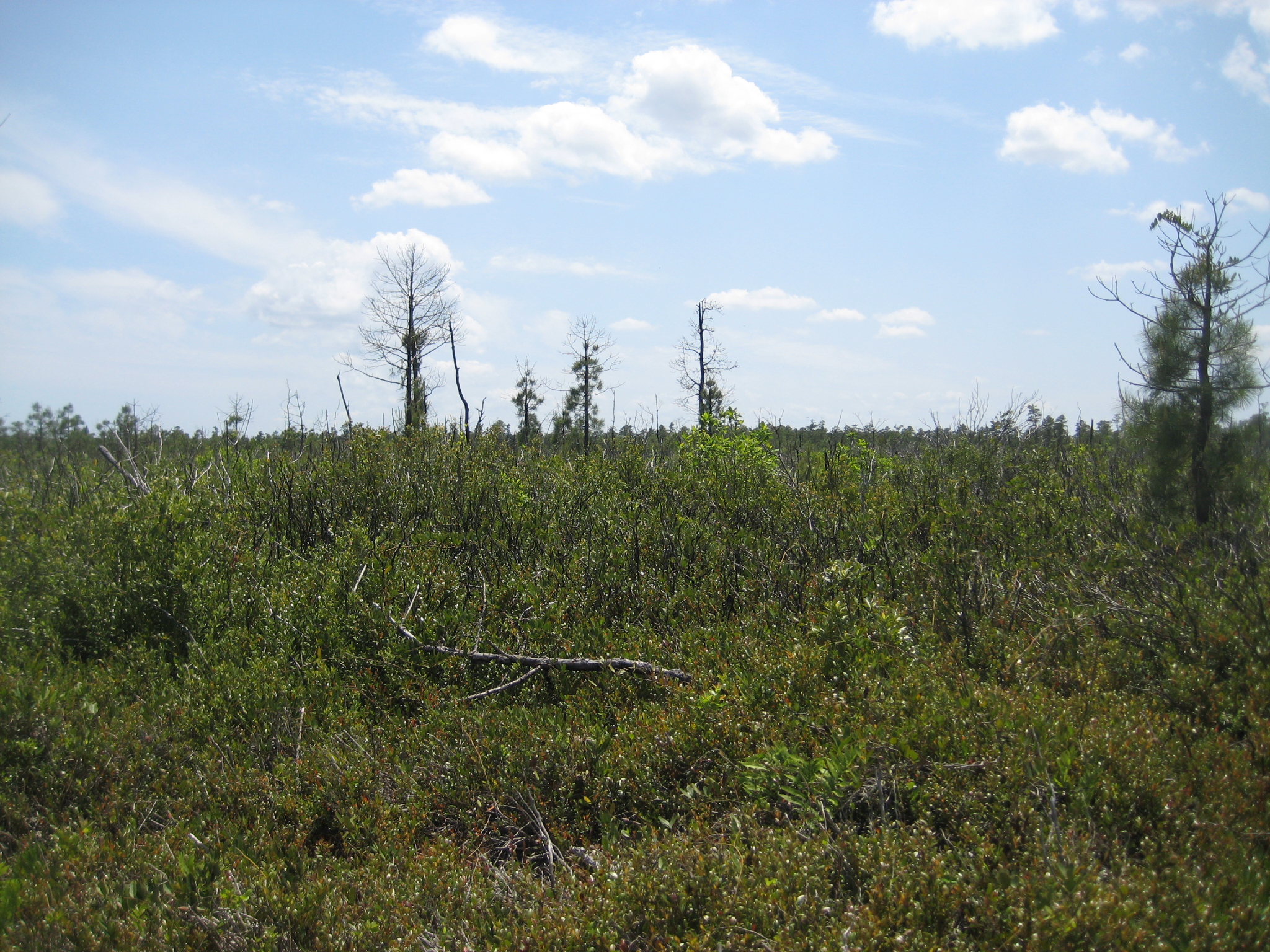
Wet, open, peaty mountain wetlands fed by seepage, often with sphagnum moss.
Also found with this plant
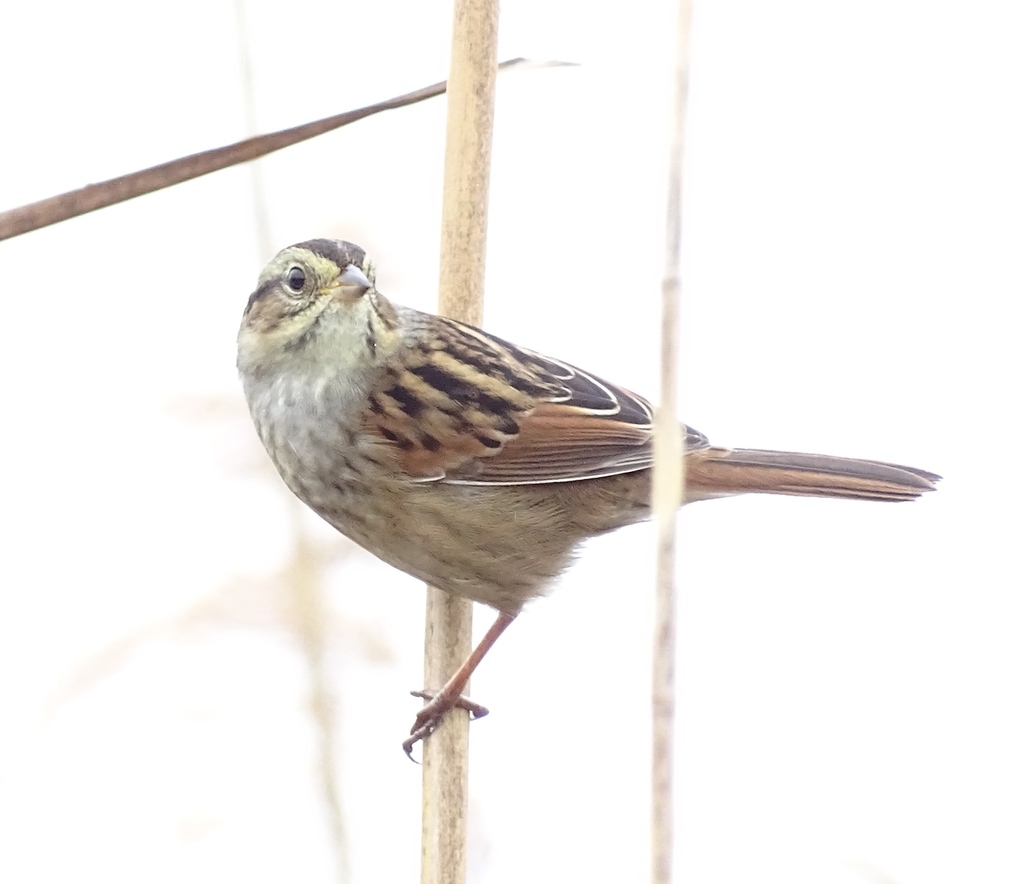
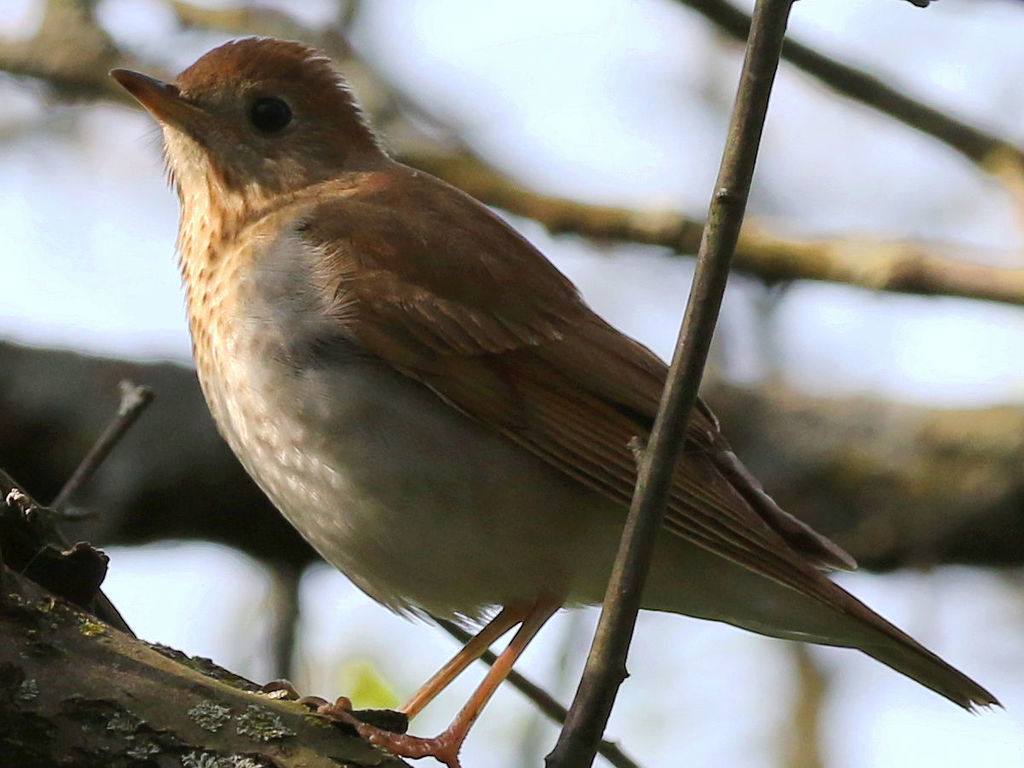
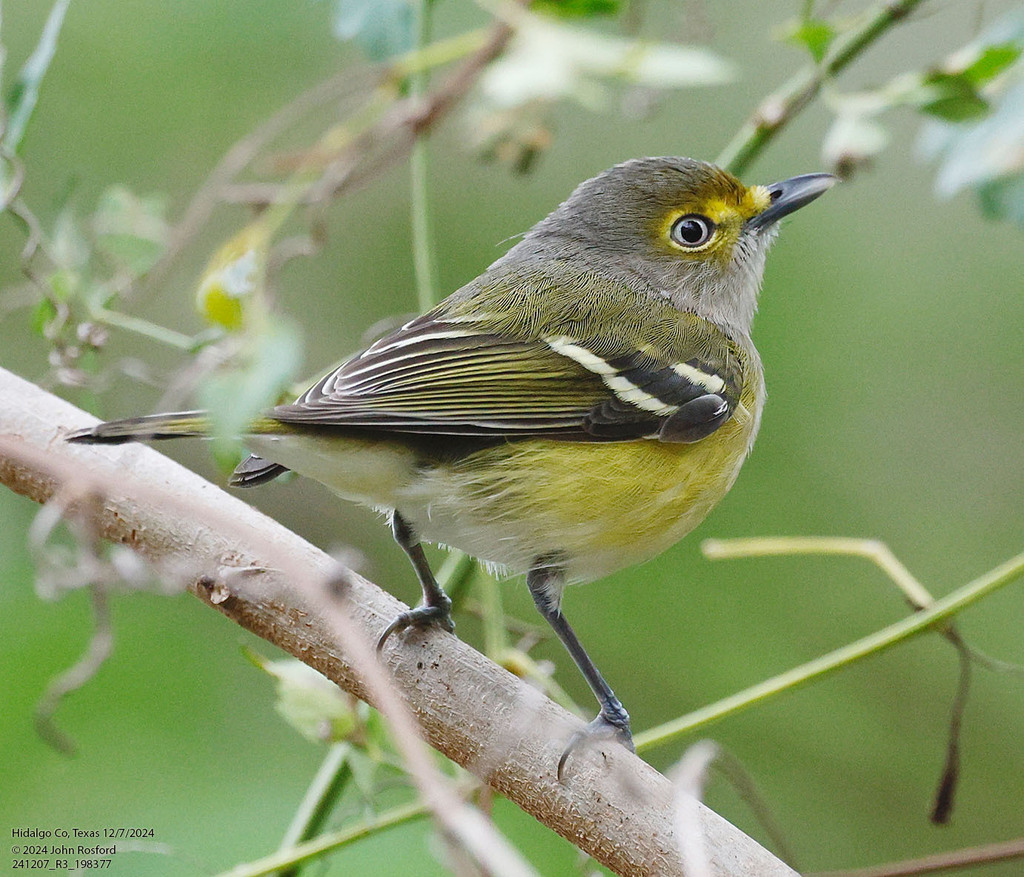
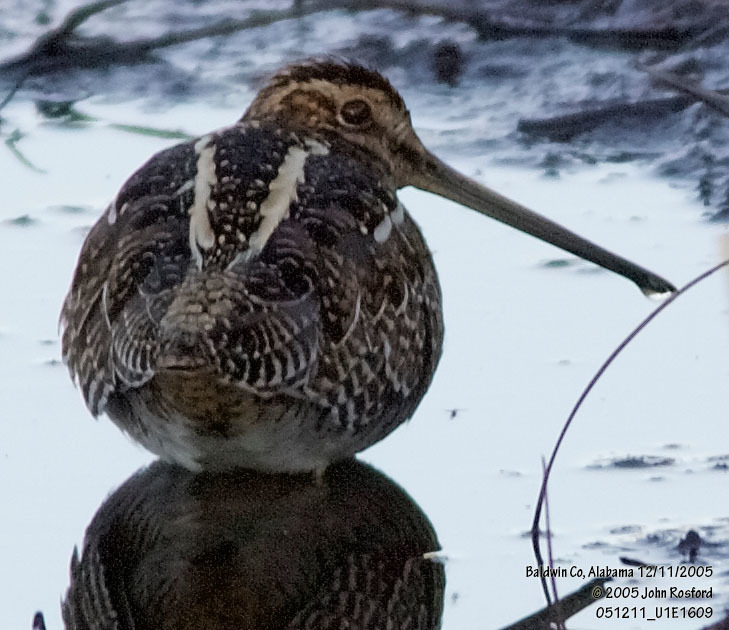
Wildlife whose habitat models include habitats this plant grows in, in Virginia. Shared habitat, not food. 73 animals.
- Pine SiskinCarduelis pinus
- Purple FinchCarpodacus purpureus
- Red-shouldered HawkButeo lineatus
- Red-tailed HawkButeo jamaicensis
- Red-winged BlackbirdAgelaius phoeniceus
- Ring-necked DuckAythya collaris
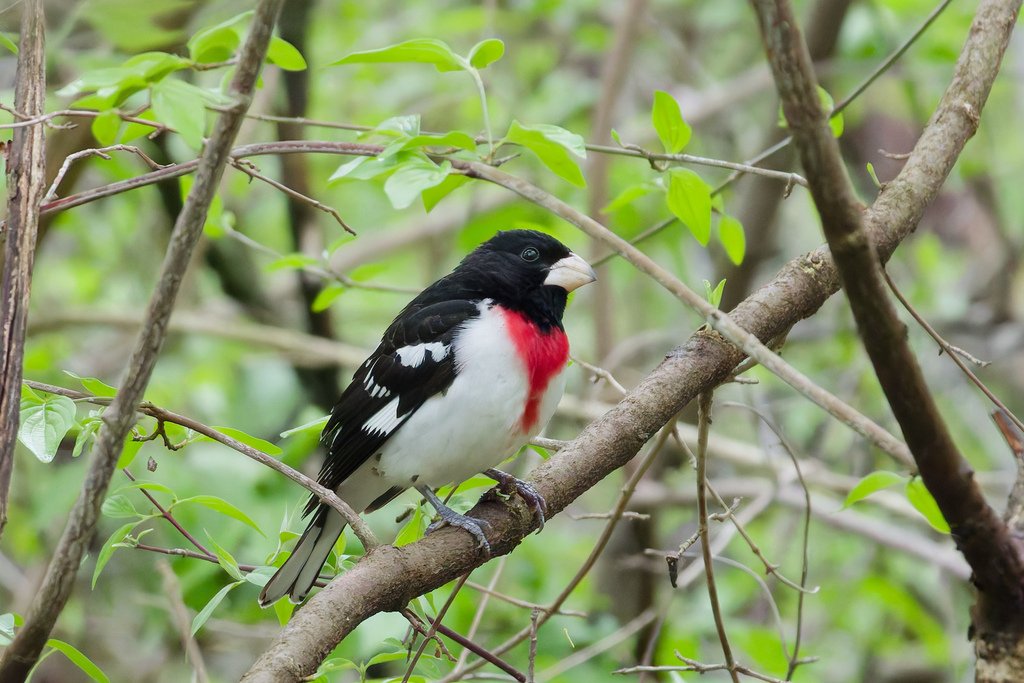
- Rose-breasted GrosbeakPheucticus ludovicianus
- Ruby-throated HummingbirdArchilochus colubris
- Ruffed GrouseBonasa umbellus
- Rusty BlackbirdEuphagus carolinus
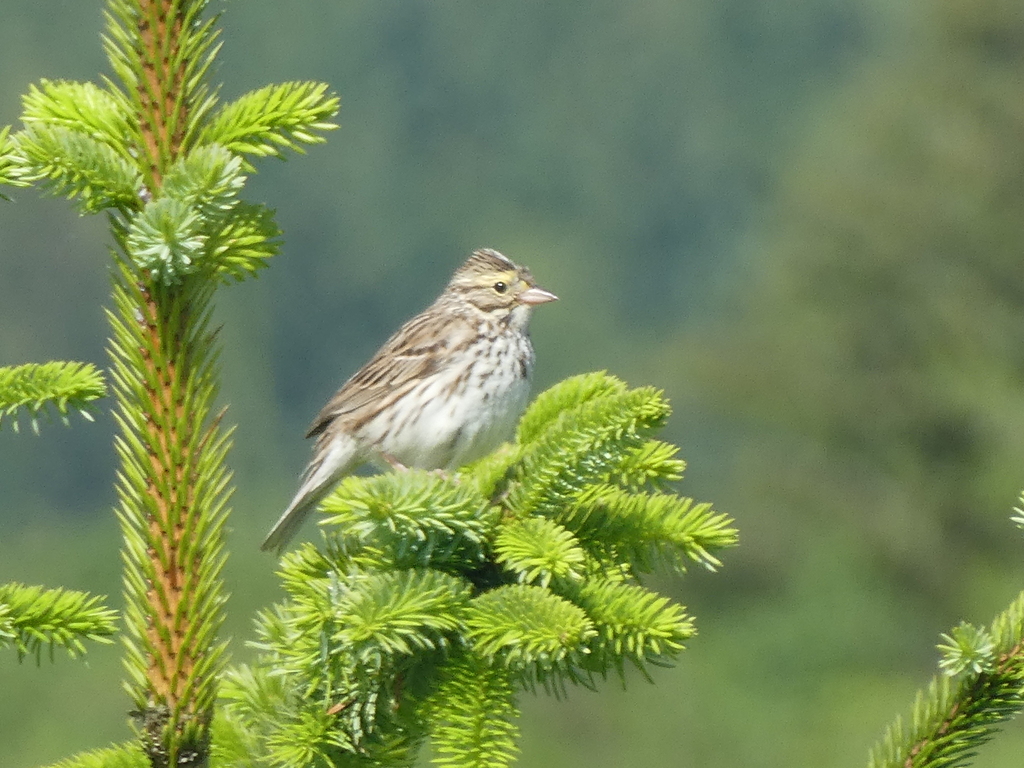
- Savannah SparrowPasserculus sandwichensis
- Sharp-shinned HawkAccipiter striatus
- Song SparrowMelospiza melodia
- Spotted SandpiperActitis macularius
- Swamp SparrowMelospiza georgiana
- Turkey VultureCathartes aura
- VeeryCatharus fuscescens
- White-eyed VireoVireo griseus
- Willow FlycatcherEmpidonax traillii
- Wilson's SnipeGallinago delicata
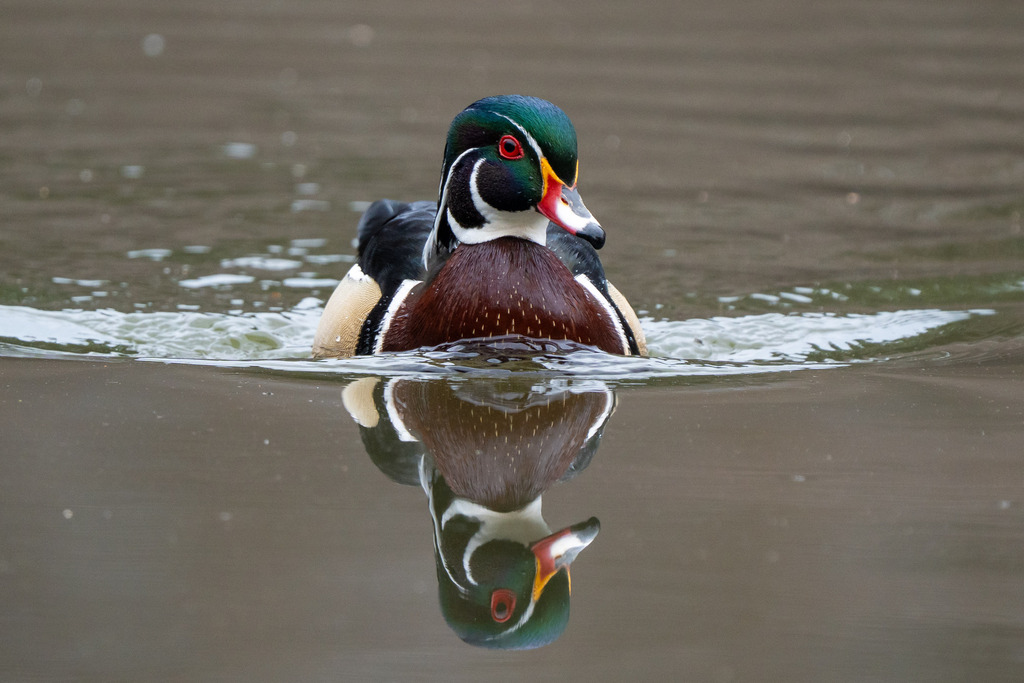
- Wood DuckAix sponsa
- Yellow-billed CuckooCoccyzus americanus
- Yellow-breasted ChatIcteria virens
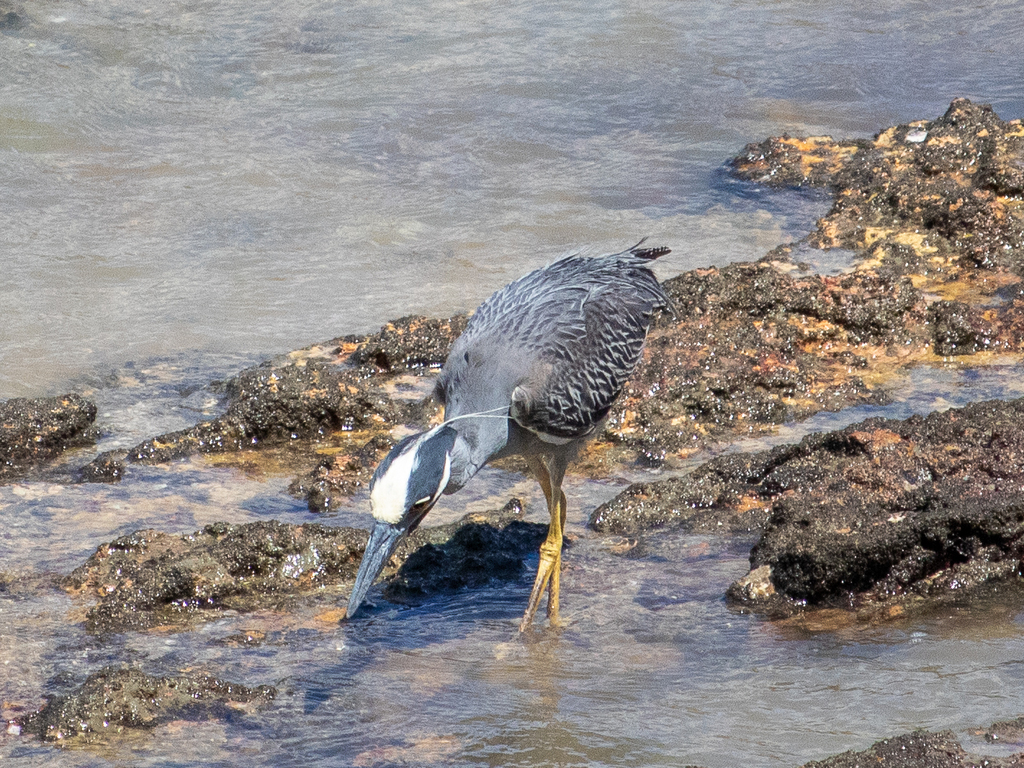
- Yellow-crowned Night-heronNyctanassa violacea















Who uses this plant?
 27CaterpillarsGenus host records with ranges including VA
Genus host records with ranges including VA · Kalmia
- Acleris maculidorsanaStained-Back Leafroller Moth
- Acleris minutaLesser Apple Leaf Folder, Yellowheaded Fireworm
- Archips georgianaFireworm, Georgia Leafroller
- Argyrotaenia marianaGray-Banded Leafroller Moth
- Callophrys augustinusThe Brown Elfin
- Callosamia prometheaPromethea Silkmoth, Promethea Moth
- Cladara limitariaMottled Gray Carpet, Yellow-Lined Conifer Looper, Yellow-Lined Forest Looper, Black-Angled Wave
- Darapsa choerilusAzalea Sphinx
- Eupithecia russeliataWhite-Lined Pug
- Hemipachnobia monochromateaSundew Dart
Show all 27
- Hyphantria cuneaFall Webworm
- Morrisonia evictaBicolored Woodgrain
- Nemoria rubrifrontariaRed-Fronted Emerald
- Orgyia leucostigmaWhite-Marked Tussock Moth
- Papilio palamedesPalamedes Swallowtail
- Phlogophora periculosaBrown Angle Shades
- Prionapteryx nebuliferaClouded Veneer Moth
- Probole amicariaFriendly Probole
- Probole nepiasariaHeath Probole
- Pseudexentera cressonianaShagbark Hickory Leafroller
- Sphinx kalmiaeFawn Sphinx, Laurel Sphinx
- Spiramater lutraDarling Mamestra, Splashed Arches, Otter Spiramater, Otter Arches
- Synanthedon rhododendriRhododendron Borer
- Tetracis cachexiataWhite Slant-Line
- Acrobasis amplexella
- Cenopis karacana
- Paralobesia rhoifructana
 6BeesSoutheastern regional records
Southeastern regional records · Kalmia
Individual names are not available yet.
Noori, Seltmann & Orr 2026, A curated and integrated dataset for exploring global bee-plant interactions (GloBI), Zenodo, CC BY 4.0 3Specialist beesPollen specialists
Pollen specialists · Kalmia
- Andrena bradleyi
- Andrena kalmiae
- Colletes productus
 3BirdsRecorded genus food-resource interactions; not a state feeding claim
Recorded genus food-resource interactions; not a state feeding claim · Kalmia
- Bonasa umbellusRuffed Grouse
- Lagopus lagopusWillow Ptarmigan
- Lagopus leucuraWhite-tailed Ptarmigan
Direct food only: birds recorded eating this genus across North America. Caterpillars on host plants also feed nesting birds. NC Native Plant Society: butterfly gardening
No records yet · Ants · Beetles · Flies · Adult butterflies / moths · Other wasps · Other insects
Plant details
- Family
- Ericaceae
- Flower color
- White, pink or purple
- Fruit begins
- September
- Fruit ends
- October
Growing sources and scope
- Flower color · “White, pink or purple” · Lady Bird Johnson Wildflower Center
- Fruit begins · “September” · Weakley, Flora of the Southeastern United States (2025), Carolinas & Georgia edition · Carolinas and Georgia
- Fruit ends · “October” · Weakley, Flora of the Southeastern United States (2025), Carolinas & Georgia edition · Carolinas and Georgia
- Height · “Up to about 5 feet” · Lady Bird Johnson Wildflower Center
- Life cycle · “Perennial” · Lady Bird Johnson Wildflower Center
- Light · “Partial shade; Full sun (documented habitat)” · Weakley, Flora of the Southeastern United States (2025), Carolinas & Georgia edition · Carolinas and Georgia
- Soil · “Dry; Moist; Wet (documented habitat)” · Weakley, Flora of the Southeastern United States (2025), Carolinas & Georgia edition · Carolinas and Georgia
Also known as
Kalmia angustifolia var. carolina
Conservation status
| Virginia rank | S2 |
|---|---|
| Global rank | G4 [G5] |
| VA status | Not verified |
| Federal status | Not verified |
Will it fit your yard?
Check this plant against your county, sun and soil moisture. Conditions are checked in your browser.
Sources
- Virginia DCR Natural Heritage rare plant list
- Digital Atlas of the Virginia Flora
- USDA PLANTS
- Vascular Plants of North Carolina (NC Natural Heritage Program)
- Weakley, Flora of the Southeastern United States (2025)
- NatureServe Explorer
- Shropshire & Tallamy 2025, Lepidoptera of North America north of Mexico, ZooKeys 1261 (ODbL)
- Noori, Seltmann & Orr 2026, A curated and integrated dataset for exploring global bee-plant interactions (GloBI), Zenodo, CC BY 4.0
- Smith, Bachelder, Russell, Morales, Mosher & Seltmann 2024, Bee-Specialization-Modeling v0.6.1 (specialist host table compiled from J. Fowler's pollen specialist bee lists), Zenodo, CC BY 4.0
- Hurlbert, Olsen, Sawyer & Winner 2021, Avian Diet Database, Scientific Data 8: 260 (CC0)
- Narango, Tallamy & Shropshire 2020, Few keystone plant genera support the majority of Lepidoptera species, Nature Communications