

Brownfruit Rush
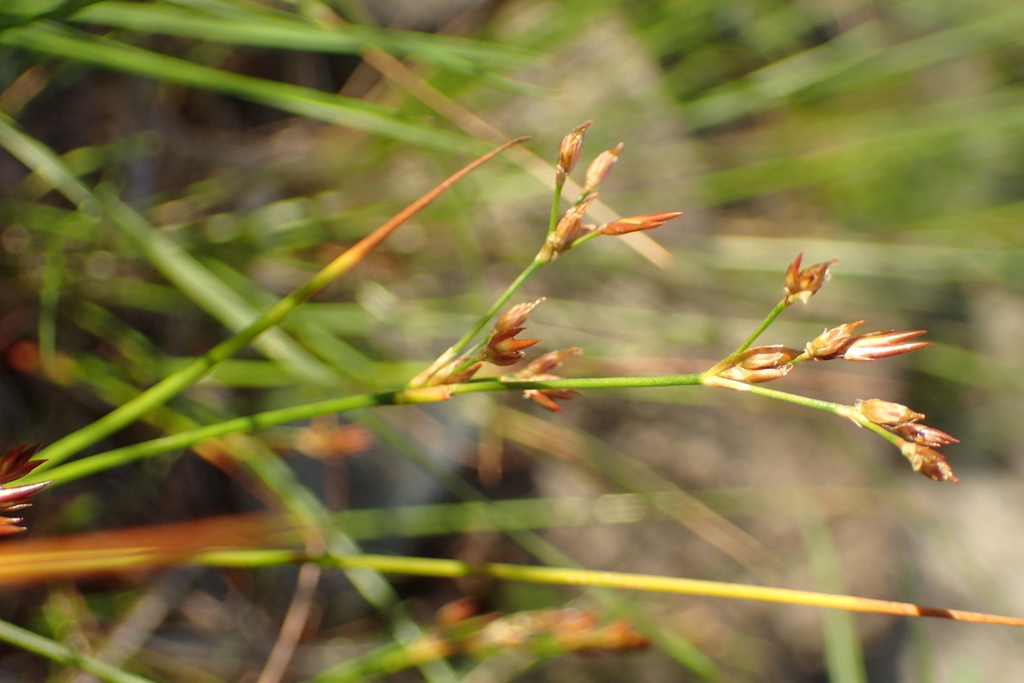
Juncus pelocarpus
Found in ditches, along pond and stream margins, seepage slopes, disturbed open areas, sea-level fens, interdunal swales, Atlantic white-cedar swamps. FloraQuest, phone app (app page) What its natural habitat tells you
Native to Virginia. How scores work Is it native here?
Profile 82%
- Light
- Partial shade, Full sun
- Soil moisture
- Moist to wet
Rare or protected plant. Specialist conservation planting; excluded from routine garden suggestions. Plant caution source
Hidden from default planting suggestions. Wildlife value and native status remain unchanged.
At a glance
- Bloom
- July to October
Not yet recorded · Height · Spread · Life cycle · Leaves
Height: NC species account not read yet.
Spread, life cycle and leaves: no source found yet.
This plant is missing most of its facts, so Quercus is looking them up in old botany books.
Recorded in 3 Virginia counties.
Natural habitats
Places it grows wild. Not a planting requirement. Each habitat page lists the plants and wildlife also found there.
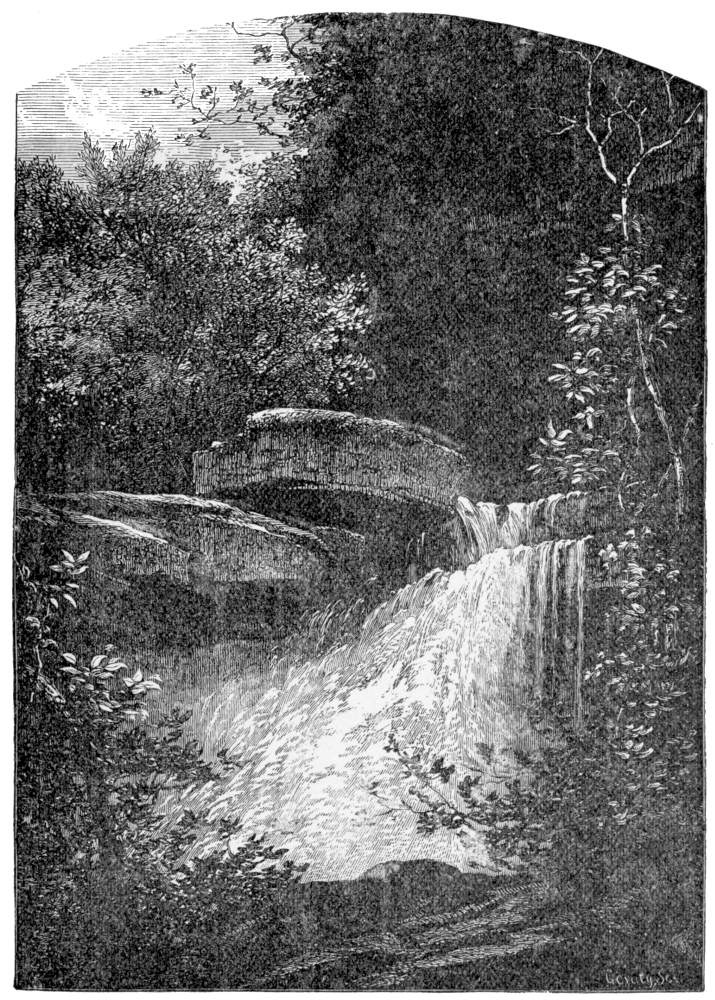
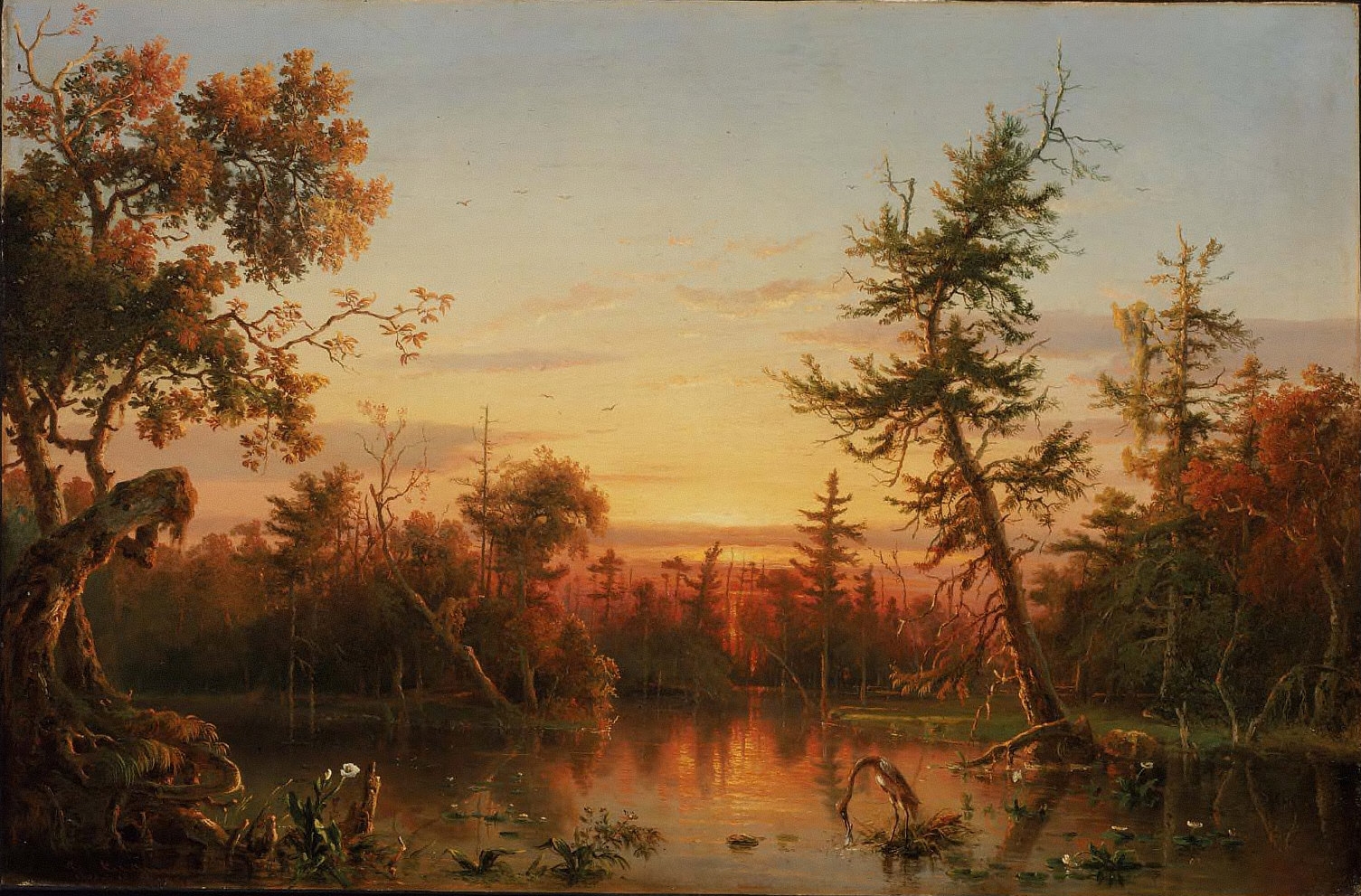
Streams, rivers and their banks

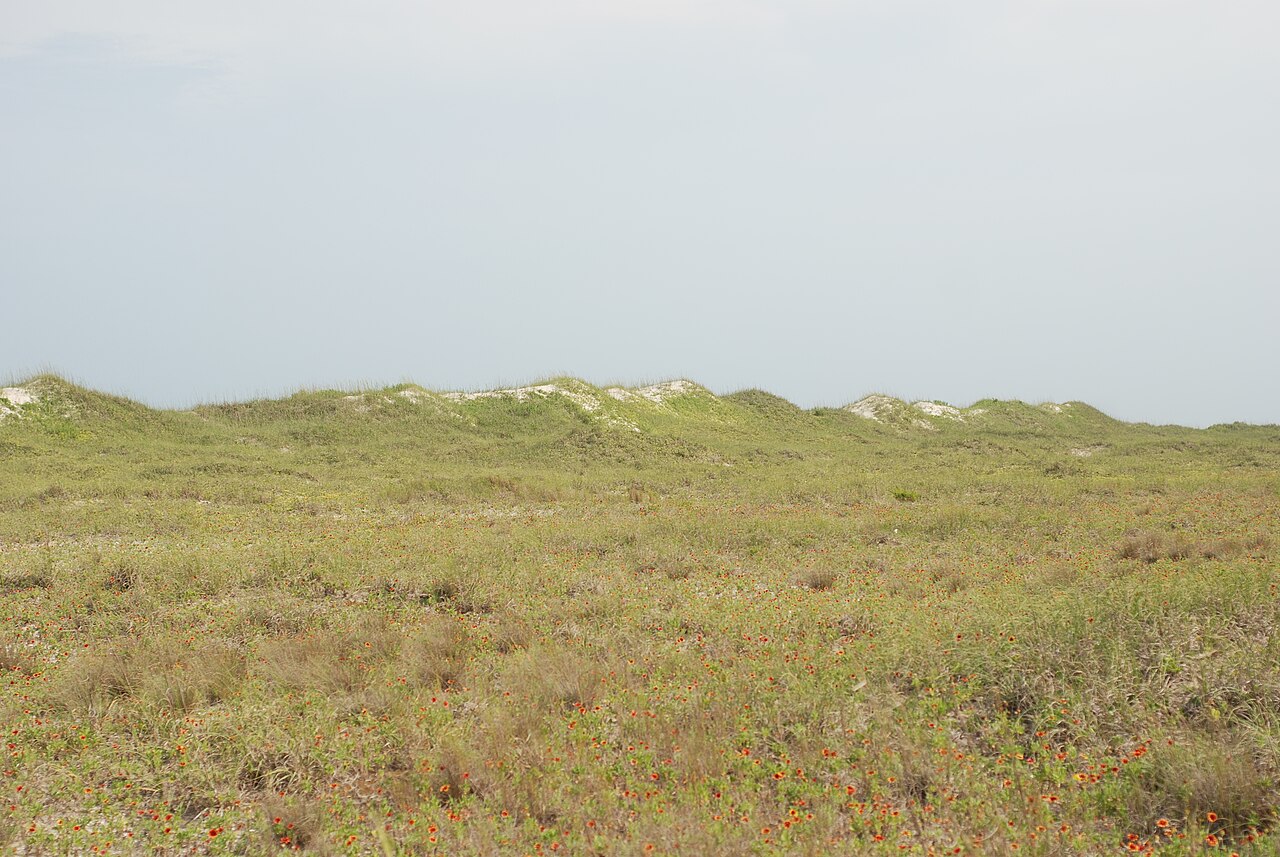

Roadsides, fields and disturbed ground
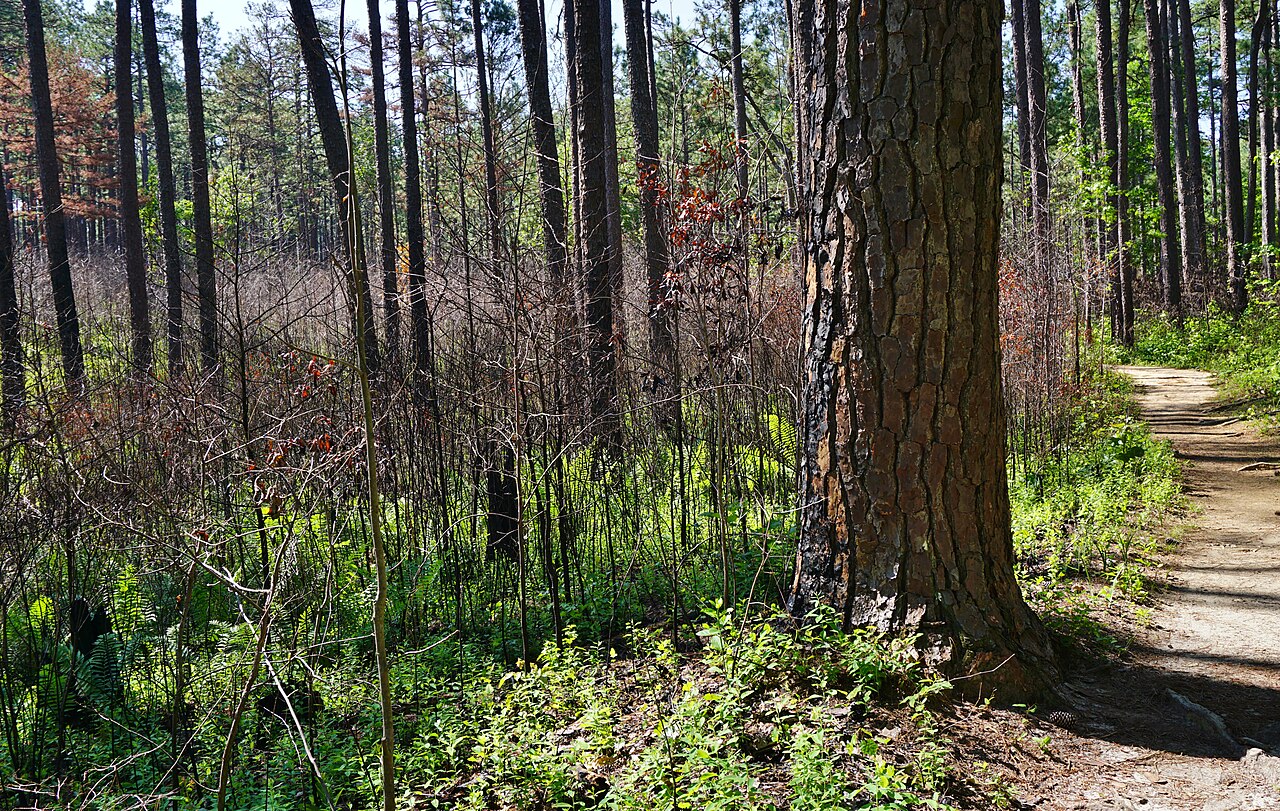
Ground opened by people: roadsides, old fields, pastures, fencerows and lots.
Wet, open, peaty mountain wetlands fed by seepage, often with sphagnum moss.
Who uses this plant?
 8CaterpillarsGenus host records with ranges including VA
Genus host records with ranges including VA · Juncus
- Acronicta insularisHenry's Marsh Moth, Cattail Caterpillar
- Bactra furfuranaRush Bactra
- Bactra verutanaJavelin Moth
- Cisseps fulvicollisYellow-Collared Scape Moth
- Coleophora cratipennellaStreaked Coleophora
- Globia subflavaYellow Sedge Borer, Yellowish Nonagria, Subflava Sedge Borer
- Xylena nuperaRed Swordgrass Moth, American Swordgrass Moth, False Armyworm
- Coleophora fagicorticella
 2BeesSoutheastern regional records
Southeastern regional records · Juncus
Individual names are not available yet.
Noori, Seltmann & Orr 2026, A curated and integrated dataset for exploring global bee-plant interactions (GloBI), Zenodo, CC BY 4.0 0Specialist beesPollen specialists
 5BirdsRecorded genus food-resource interactions; not a state feeding claim
Recorded genus food-resource interactions; not a state feeding claim · Juncus
- Alectoris chukarChukar
- Anas acutaNorthern Pintail
- Coturnicops noveboracensisYellow Rail
- Lagopus leucuraWhite-tailed Ptarmigan
- Plectrophenax nivalisSnow Bunting
Direct food only: birds recorded eating this genus across North America. Caterpillars on host plants also feed nesting birds. NC Native Plant Society: butterfly gardening
No records yet · Ants · Beetles · Flies · Adult butterflies / moths · Other wasps · Other insects
Plant details
- Family
- Juncaceae
Growing sources and scope
- Bloom · “July to October” · FloraQuest: Carolinas, Georgia (Southeastern Flora Team), phone app (app page) · Carolinas and Georgia
- Light · “Partial shade; Full sun (documented habitat)” · FloraQuest: Carolinas, Georgia (Southeastern Flora Team), phone app (app page) · Carolinas and Georgia
- Soil · “Moist; Wet (documented habitat)” · FloraQuest: Carolinas, Georgia (Southeastern Flora Team), phone app (app page) · Carolinas and Georgia
Also known as
Juncus abortivus
Conservation status
| Virginia rank | S2 |
|---|---|
| Global rank | G4G5 |
| VA status | Not verified |
| Federal status | Not verified |
Will it fit your yard?
Check this plant against your county, sun and soil moisture. Conditions are checked in your browser.
Sources
- Virginia DCR Natural Heritage rare plant list
- Digital Atlas of the Virginia Flora
- USDA PLANTS
- Vascular Plants of North Carolina (NC Natural Heritage Program)
- FloraQuest: Carolinas, Georgia (Weakley), phone app (app page)
- FloraQuest: South Central (Weakley), phone app (app page)
- FloraQuest: Florida (Weakley), phone app (app page)
- FloraQuest: Northern Tier (Weakley), phone app (app page)
- NatureServe Explorer
- Shropshire & Tallamy 2025, Lepidoptera of North America north of Mexico, ZooKeys 1261 (ODbL)
- Noori, Seltmann & Orr 2026, A curated and integrated dataset for exploring global bee-plant interactions (GloBI), Zenodo, CC BY 4.0
- Smith, Bachelder, Russell, Morales, Mosher & Seltmann 2024, Bee-Specialization-Modeling v0.6.1 (specialist host table compiled from J. Fowler's pollen specialist bee lists), Zenodo, CC BY 4.0
- Hurlbert, Olsen, Sawyer & Winner 2021, Avian Diet Database, Scientific Data 8: 260 (CC0)
- Narango, Tallamy & Shropshire 2020, Few keystone plant genera support the majority of Lepidoptera species, Nature Communications