

Large Whorled Pogonia
Isotria verticillata
Found in acidic, moist to dry forests, less typically seeps and bogs. Weakley, Flora of the Southeastern United States (2025), Northern Tier edition What its natural habitat tells you
Native to Virginia. How scores work Is it native here?
Profile 82%
- Height
- ranges from about 2 to 16 inches in height
- Light
- Deep shade, Full sun, Partial shade
- Soil moisture
- Dry to wet
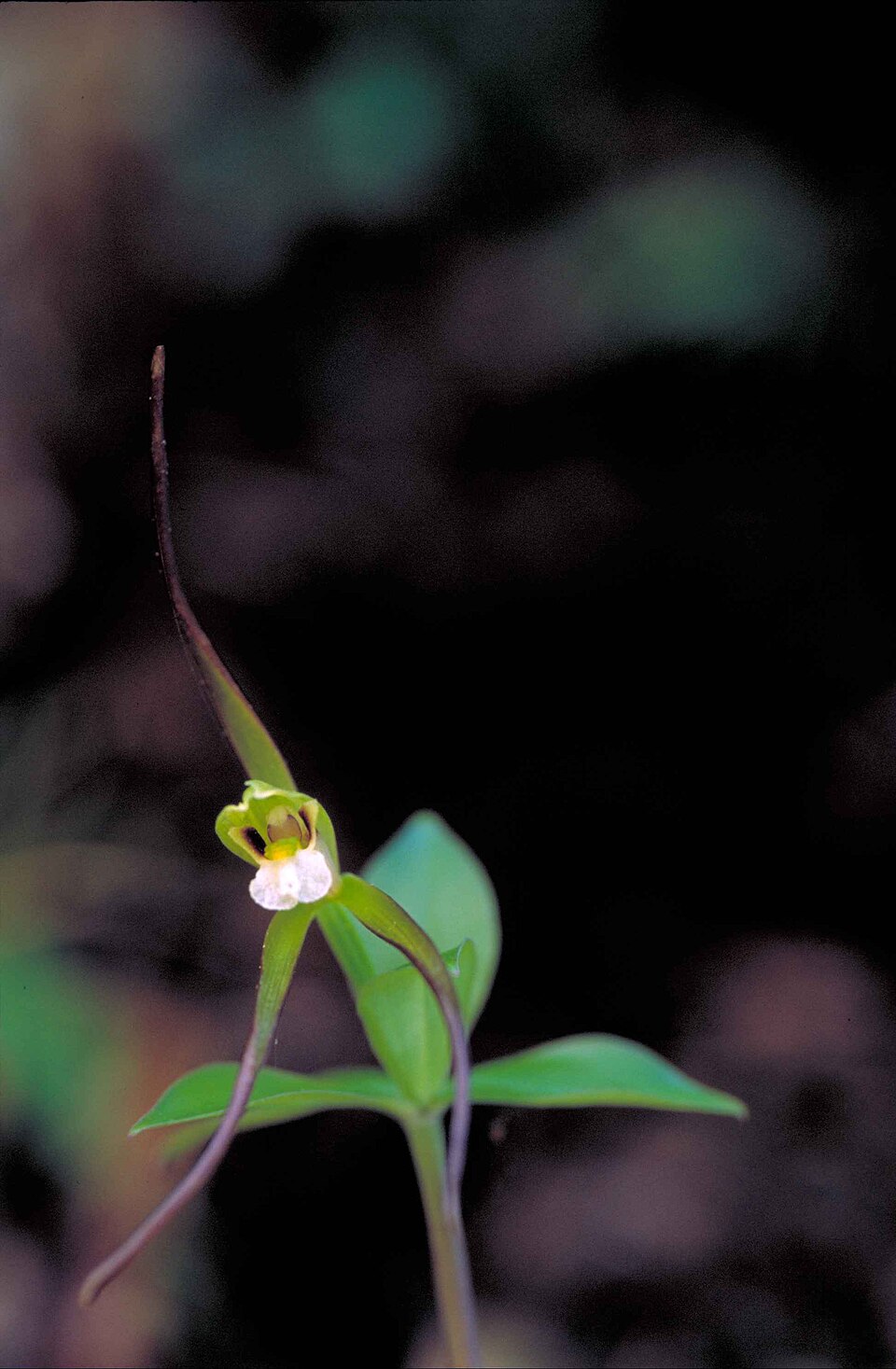
At a glance
- Life cycle
- Perennial
- Bloom
- March to July
- Fruiting season
- April to October
Not yet recorded · Spread · Leaves
Recorded in 82 Virginia counties.
Natural habitats
Places it grows wild. Not a planting requirement. Each habitat page lists the plants and wildlife also found there.
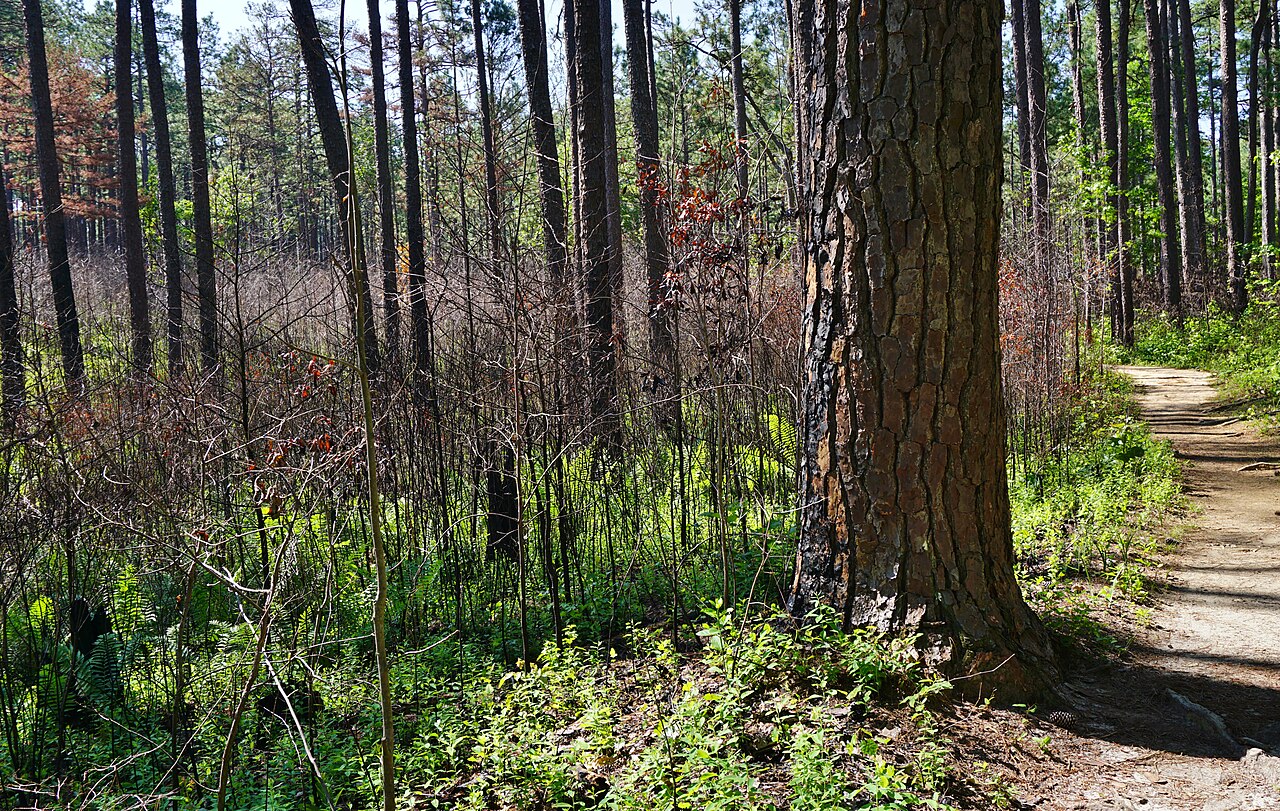
Forests and open woodlands on dry ridges and slopes, often oak or pine.
Also found with this plant
Wildlife whose habitat models include habitats this plant grows in, in Virginia. Shared habitat, not food. 148 animals.
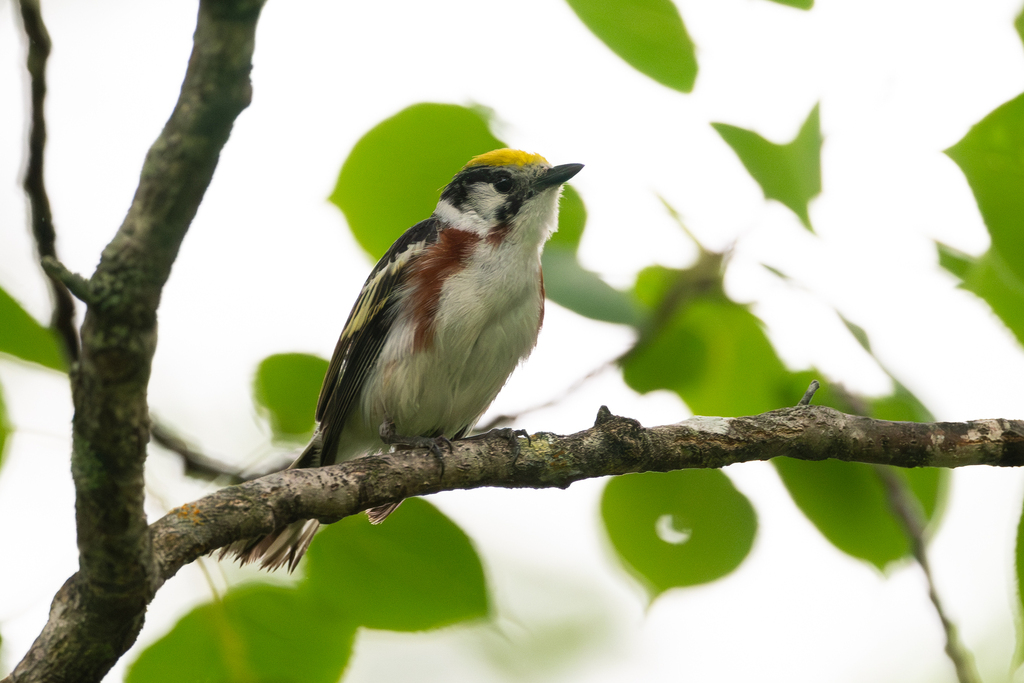
- Chestnut-sided WarblerDendroica pensylvanica
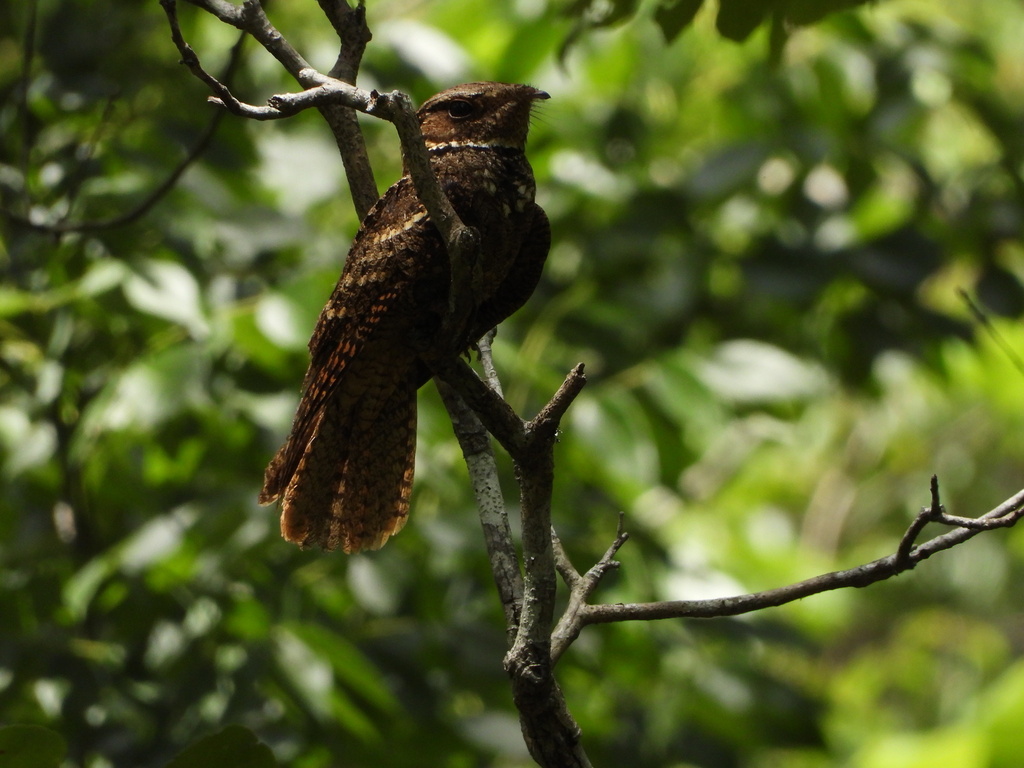
- Chuck-will's-widowCaprimulgus carolinensis
- Cliff SwallowPetrochelidon pyrrhonota
- Eastern BluebirdSialia sialis
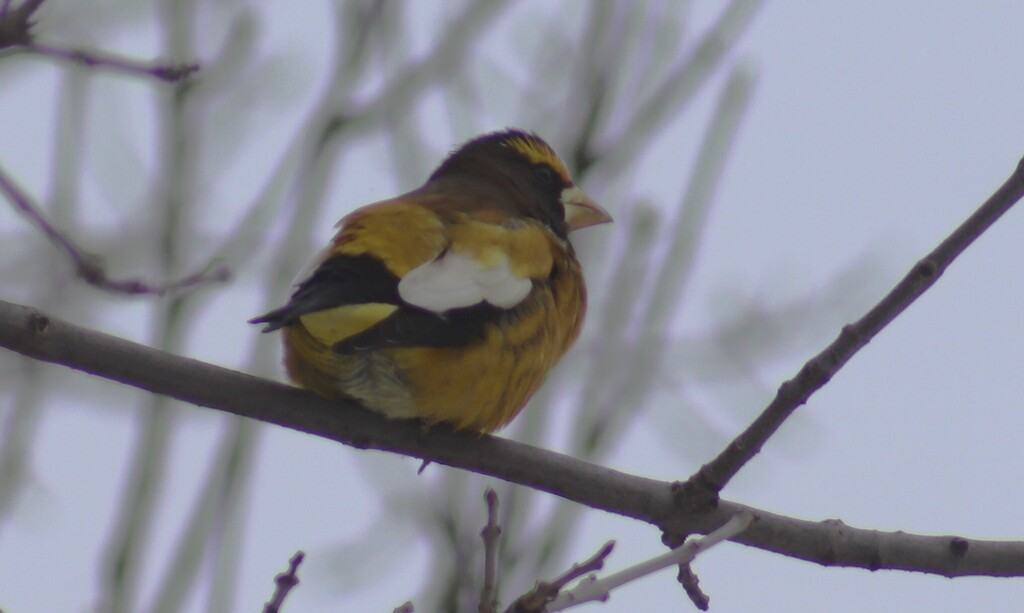
- Evening GrosbeakCoccothraustes vespertinus
- Great Blue HeronArdea herodias
- Great EgretArdea alba
- Green HeronButorides virescens
- Hermit ThrushCatharus guttatus
- Indigo BuntingPasserina cyanea
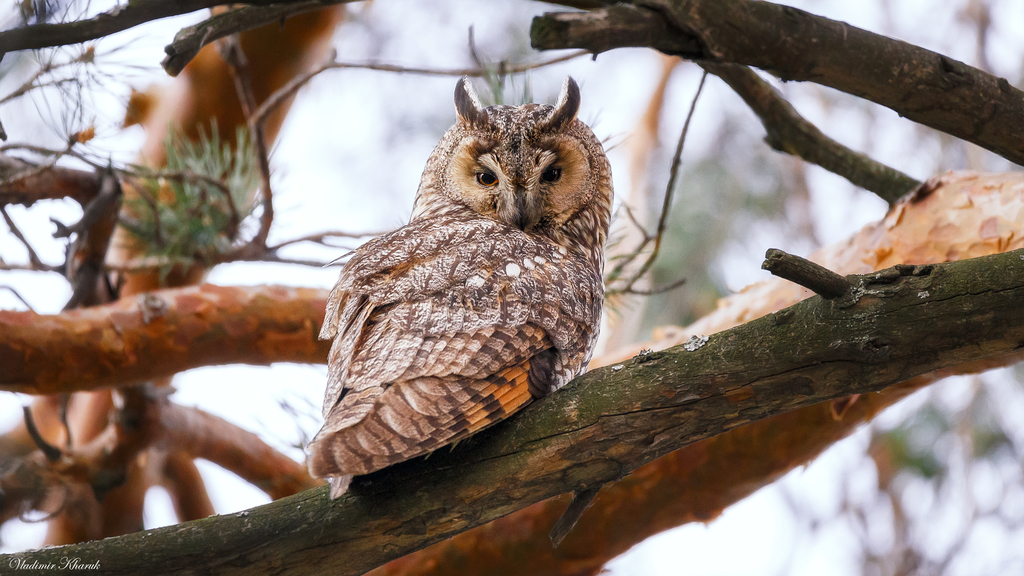
- Long-eared OwlAsio otus
- MallardAnas platyrhynchos
- Northern ParulaParula americana
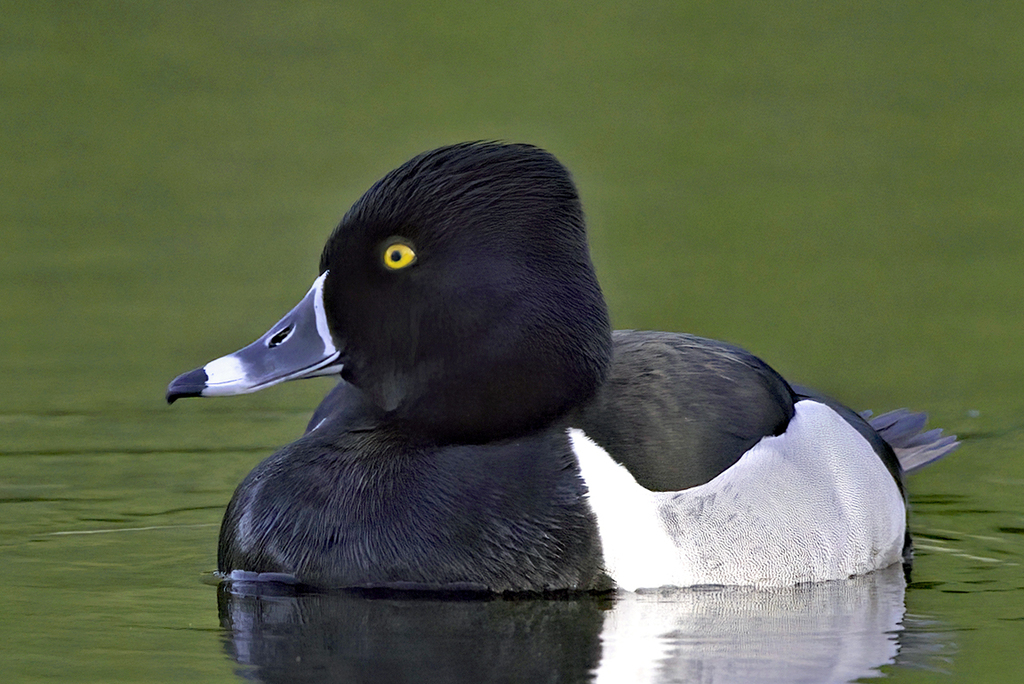
- Ring-necked DuckAythya collaris
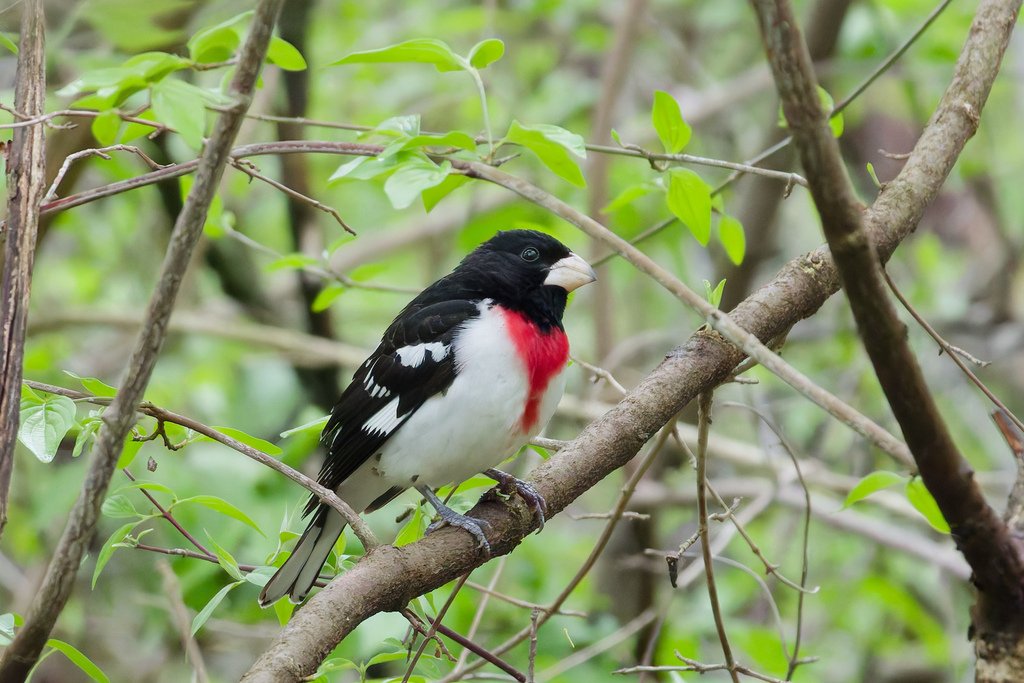
- Rose-breasted GrosbeakPheucticus ludovicianus
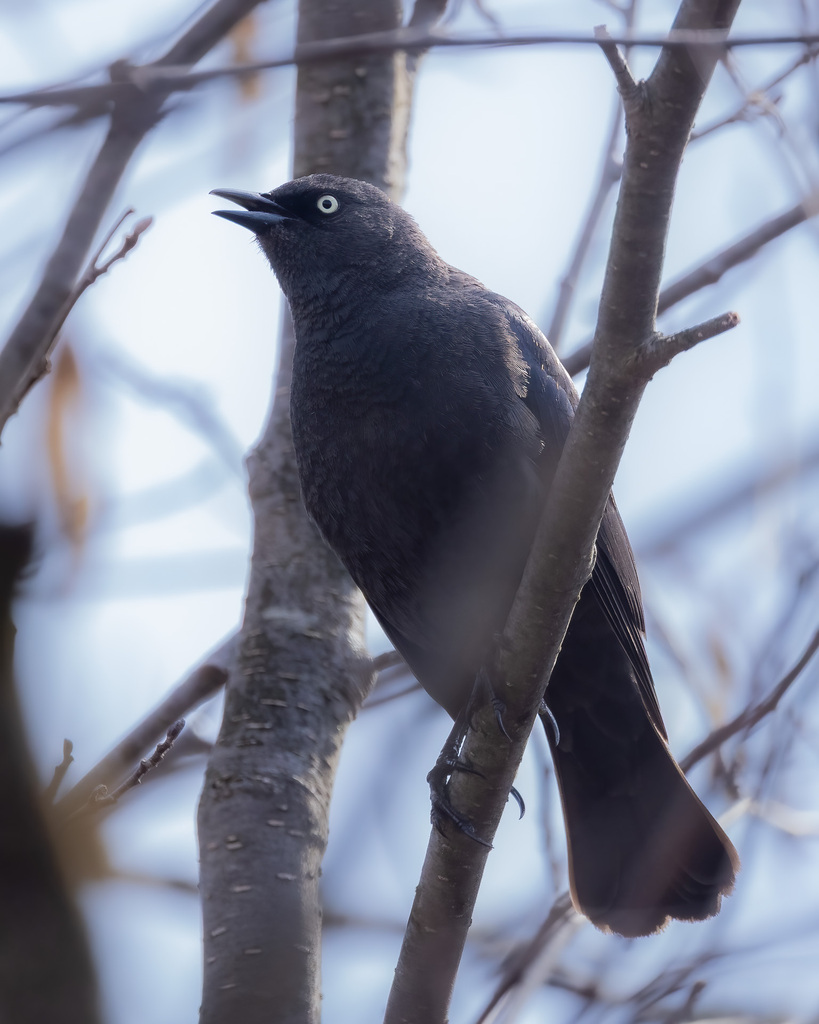
- Rusty BlackbirdEuphagus carolinus
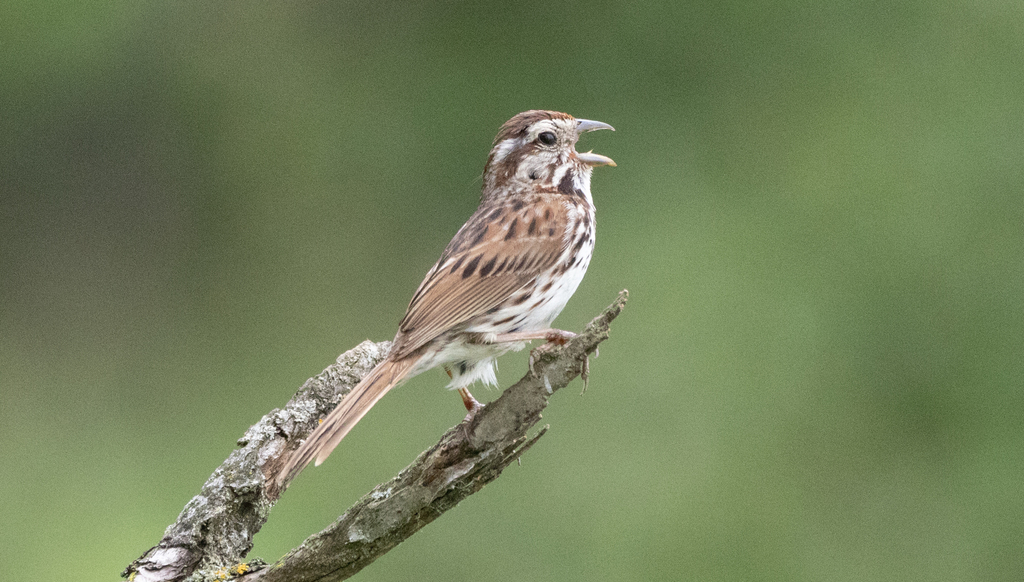
- Song SparrowMelospiza melodia
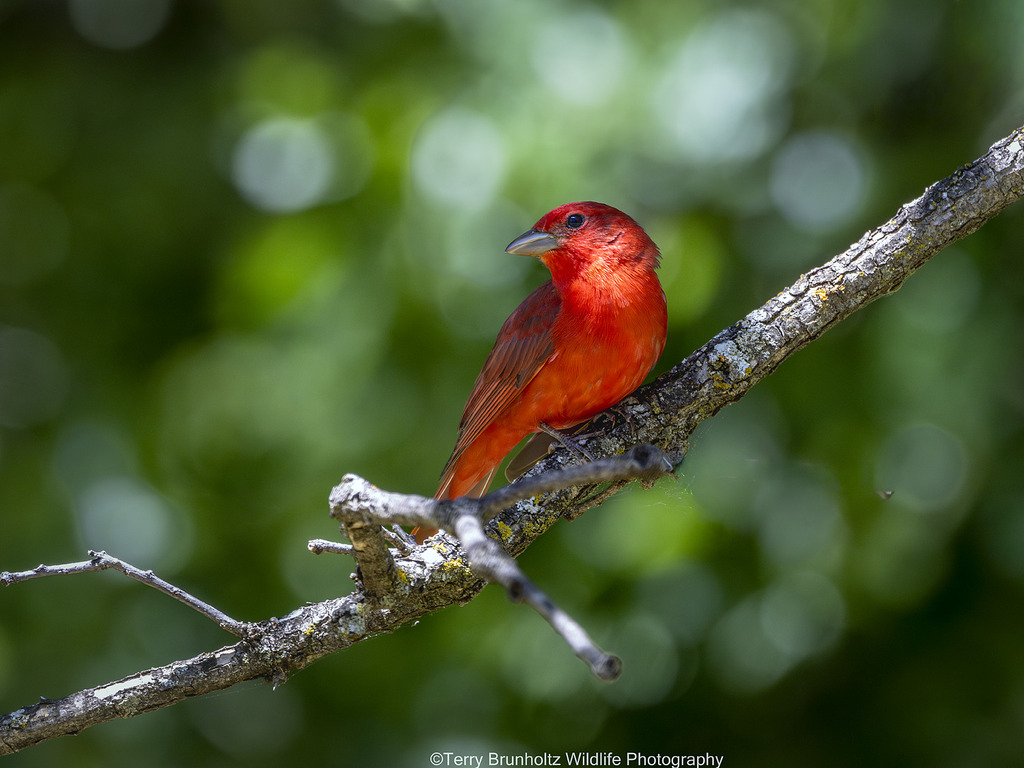
- Summer TanagerPiranga rubra
- White-throated SparrowZonotrichia albicollis
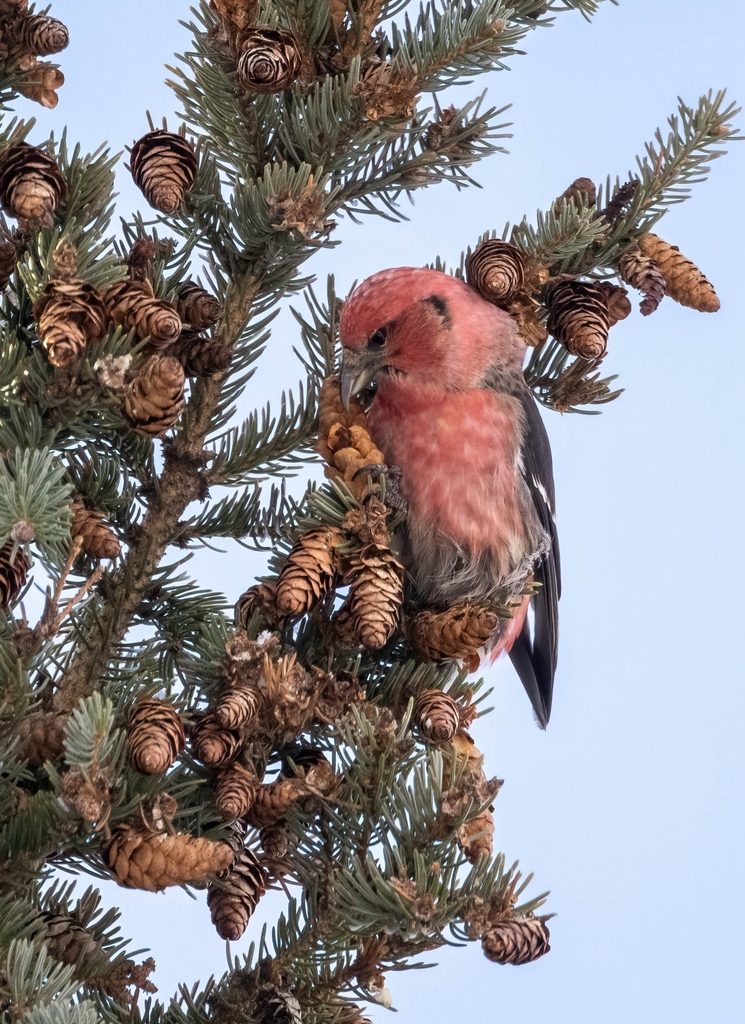
- White-winged CrossbillLoxia leucoptera
- Willow FlycatcherEmpidonax traillii
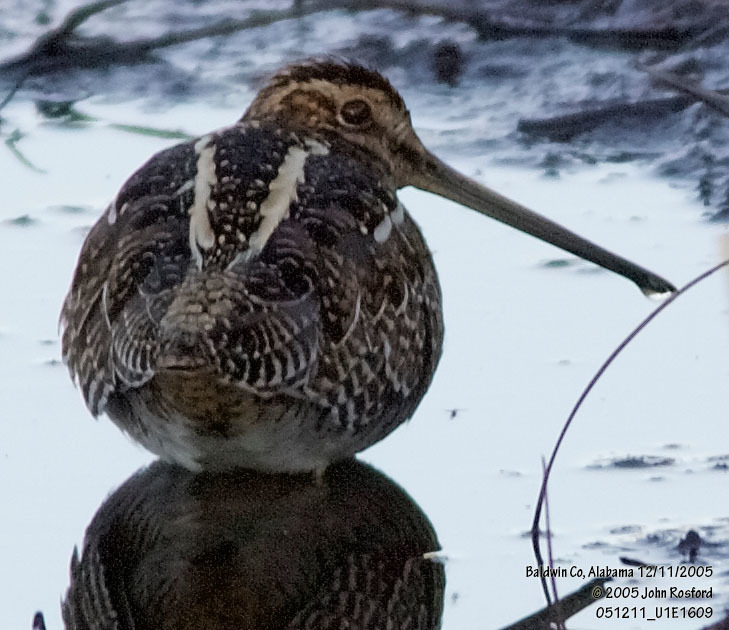
- Wilson's SnipeGallinago delicata
- Wood DuckAix sponsa
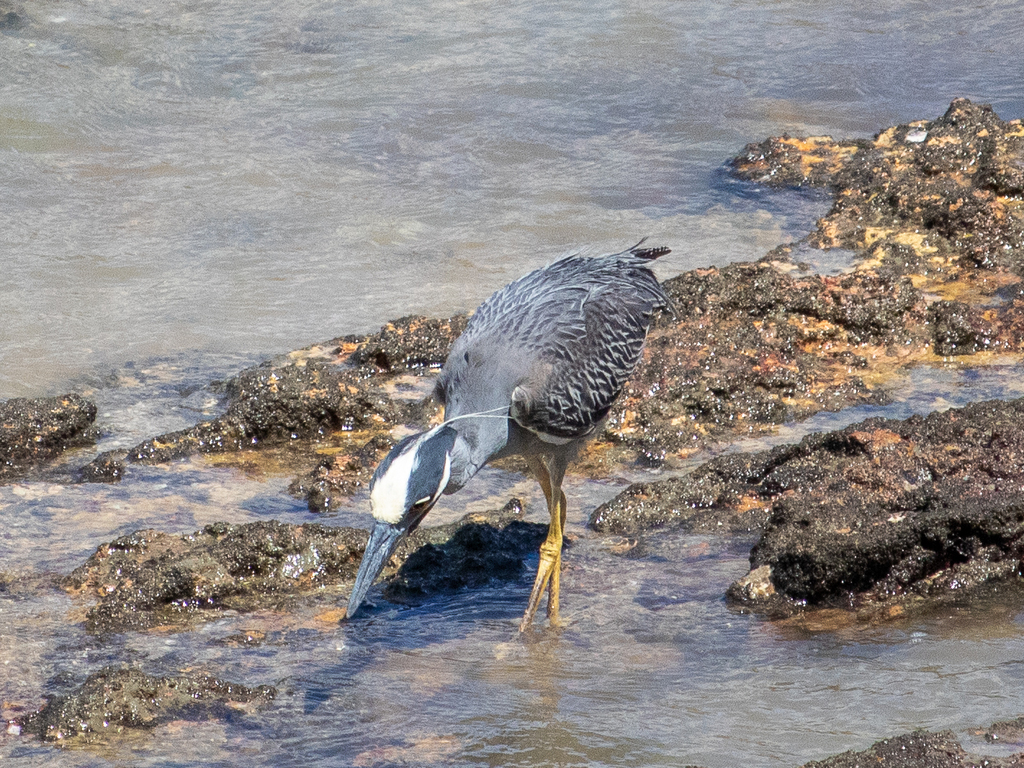
- Yellow-crowned Night-heronNyctanassa violacea













Who uses this plant?
 0CaterpillarsGenus host records with ranges including VA
 0BeesSoutheastern regional records
 0Specialist beesPollen specialists
 —BirdsRecorded genus food-resource interactions; not a state feeding claim
No records yet · Ants · Beetles · Flies · Adult butterflies / moths · Other wasps · Other insects
Plant details
- Family
- Orchidaceae
- Hardiness
- Zones 3b–10b
- Soil pH
- Acidic
- Flower color
- Yellow or green
- Fruit begins
- April
- Fruit ends
- October
Safety has not been reviewed for this plant; check toxicity and thorns before planting.
Growing sources and scope
- Bloom · “March to July” · Weakley, Flora of the Southeastern United States (2025), Carolinas & Georgia edition · Carolinas and Georgia
- Flower color · “Yellow or green” · NC Extension Plant Toolbox (ranked first; Lady Bird Johnson Wildflower Center differs)
- Fruit begins · “April” · Weakley, Flora of the Southeastern United States (2025), Carolinas & Georgia edition · Carolinas and Georgia
- Fruit ends · “October” · Weakley, Flora of the Southeastern United States (2025), Carolinas & Georgia edition · Carolinas and Georgia
- Hardiness · “Zones 3b–10b” · NC Extension Plant Toolbox
- Height · “ranges from about 2 to 16 inches (4-40 cm) in height” · Fire Effects Information System: Isotria verticillata (ranked first; Lady Bird Johnson Wildflower Center differs) · Source botanical description; original units and scope retained
- Life cycle · “Perennial” · NC Extension Plant Toolbox
- Light · “Deep shade (less than 2 hours to no direct sunlight); Full sun (6 or more hours of direct sunlight a day); Partial shade (direct sunlight only part of the day, 2-6 hours)” · NC Extension Plant Toolbox (ranked first; Lady Bird Johnson Wildflower Center differs)
- Soil · “Dry; Moist; Wet (documented habitat)” · Weakley, Flora of the Southeastern United States (2025), Carolinas & Georgia edition · Carolinas and Georgia
- Soil pH · “Acidic” · Lady Bird Johnson Wildflower Center
Conservation status
| Virginia rank | S5 |
|---|---|
| Global rank | G5 |
| VA status | Not verified |
| Federal status | Not verified |
Will it fit your yard?
Check this plant against your county, sun and soil moisture. Conditions are checked in your browser.
Sources
- Digital Atlas of the Virginia Flora
- USDA PLANTS
- Vascular Plants of North Carolina (NC Natural Heritage Program)
- Weakley, Flora of the Southeastern United States (2025)
- NatureServe Explorer
- Shropshire & Tallamy 2025, Lepidoptera of North America north of Mexico, ZooKeys 1261 (ODbL)
- Noori, Seltmann & Orr 2026, A curated and integrated dataset for exploring global bee-plant interactions (GloBI), Zenodo, CC BY 4.0
- Smith, Bachelder, Russell, Morales, Mosher & Seltmann 2024, Bee-Specialization-Modeling v0.6.1 (specialist host table compiled from J. Fowler's pollen specialist bee lists), Zenodo, CC BY 4.0
- Hurlbert, Olsen, Sawyer & Winner 2021, Avian Diet Database, Scientific Data 8: 260 (CC0)
- Narango, Tallamy & Shropshire 2020, Few keystone plant genera support the majority of Lepidoptera species, Nature Communications