

Spotted Jewelweed
Impatiens capensis
Found in moist forests, bottomlands, cove forests, streambanks, bogs. FloraQuest, phone app (app page) What its natural habitat tells you
Native to Virginia. How scores work Is it native here?
Profile 100%
- Height
- 2–5 feet
- Spread
- 1–3 feet
- Light
- Dappled sunlight, Deep shade, Partial shade
- Soil moisture
- Usually moist
Space about 2 ft apart from its recorded spread, about 25 per 100 sq ft. Enter your bed size for a count
Will it fit your yard?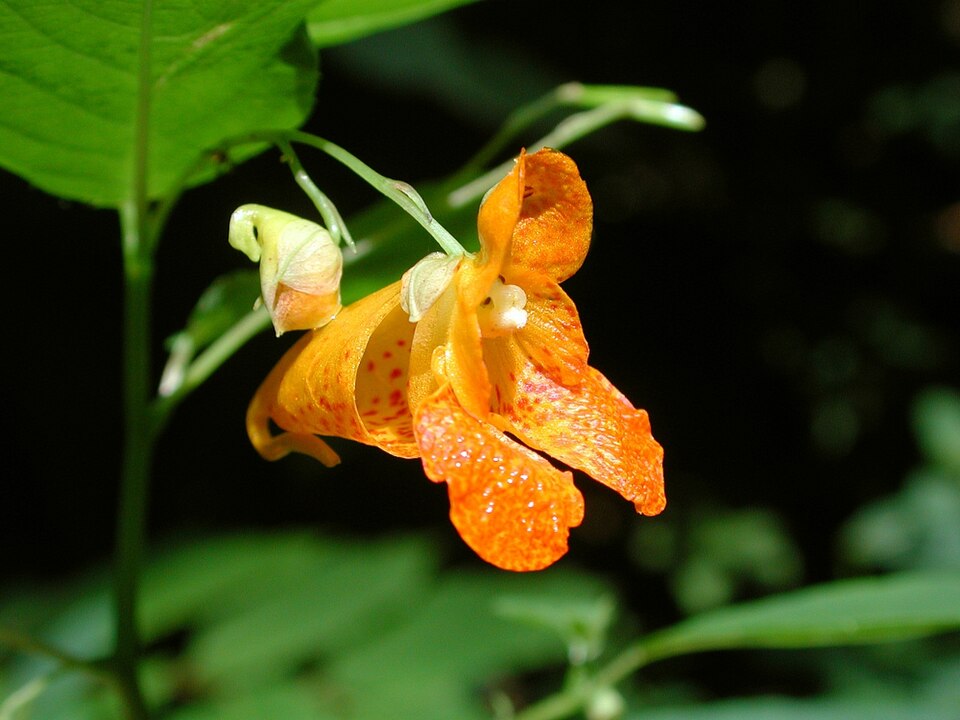
At a glance
- Life cycle
- Annual
- Leaves
- Deciduous
- Bloom
- May to November
- Fruiting season
- Summer to fall
Recorded in 104 Virginia counties.
Natural habitats
Places it grows wild. Not a planting requirement. Each habitat page lists the plants and wildlife also found there.
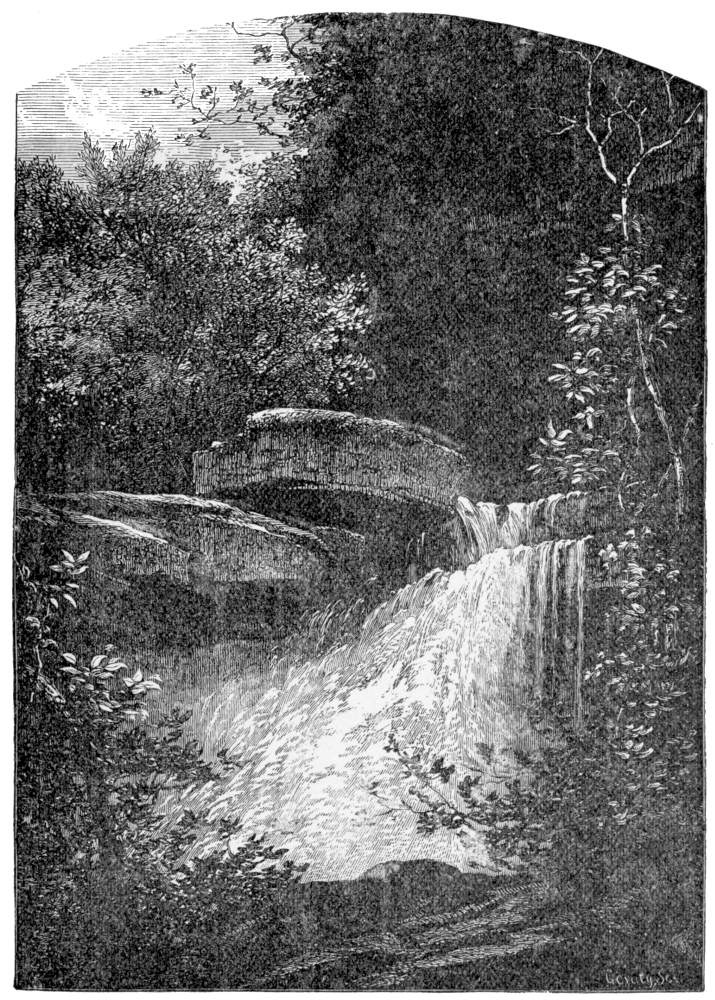
Streams, rivers and their banks
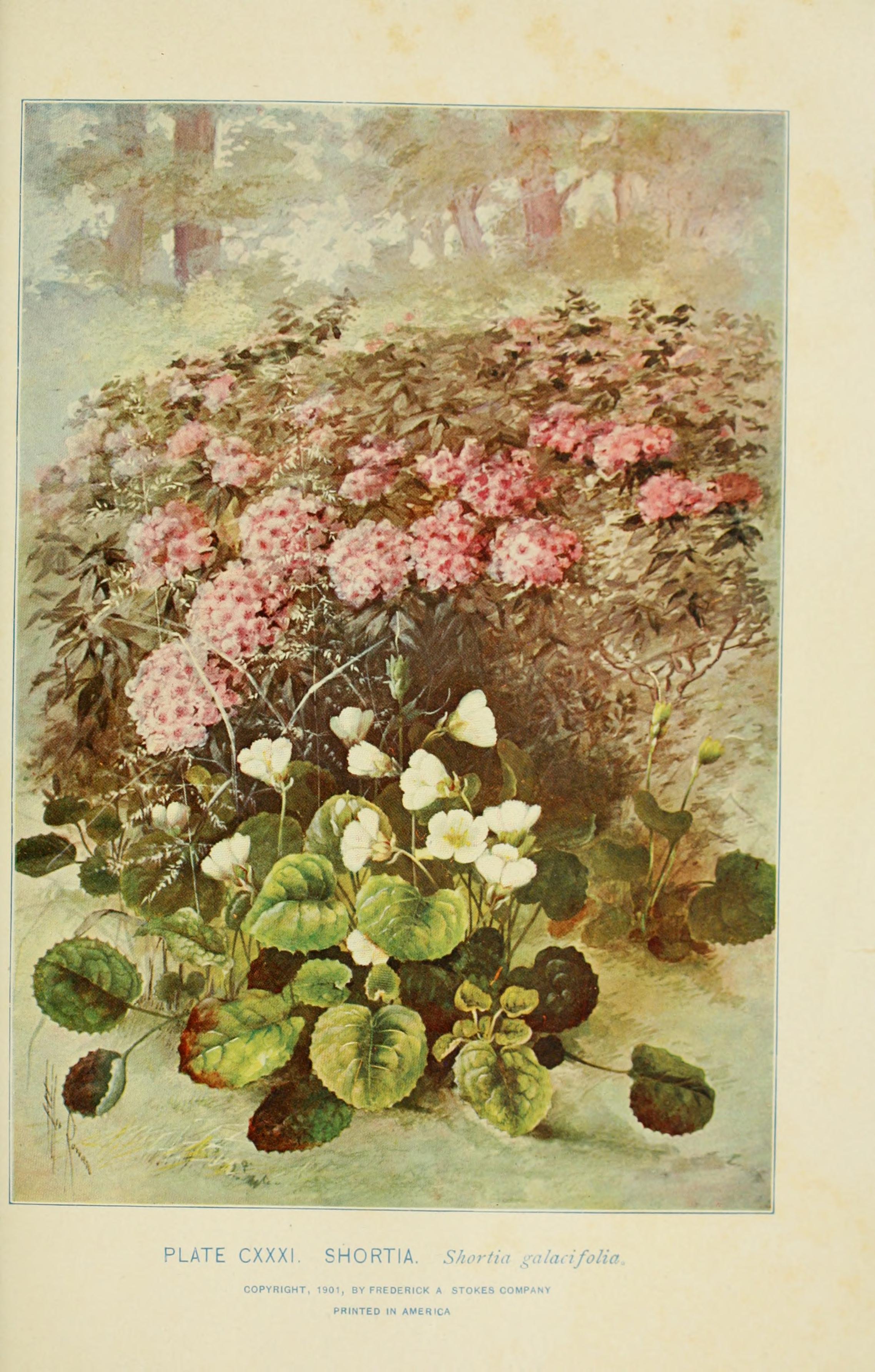
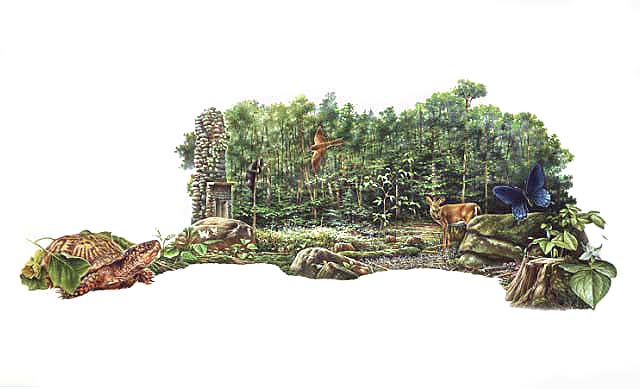
Floodplain and bottomland forests
Forests on low ground beside rivers and streams that flood from time to time.
Also found with this plant
Wildlife whose habitat models include habitats this plant grows in, in Virginia. Shared habitat, not food. 205 animals.
- Purple FinchCarpodacus purpureus
- Red-tailed HawkButeo jamaicensis
- Red-winged BlackbirdAgelaius phoeniceus
- Spotted SandpiperActitis macularius
- Yellow-billed CuckooCoccyzus americanus
- American RedstartSetophaga ruticilla
- Bald EagleHaliaeetus leucocephalus
- Belted KingfisherMegaceryle alcyon
- Black-and-White WarblerMniotilta varia
- Blue GrosbeakPasserina caerulea
- Blue-gray GnatcatcherPolioptila caerulea
- Brown CreeperCerthia americana
- Carolina WrenThryothorus ludovicianus
- Eastern TowheePipilo erythrophthalmus
- European StarlingSturnus vulgaris
- Great Crested FlycatcherMyiarchus crinitus
- Hairy WoodpeckerPicoides villosus
- Louisiana WaterthrushSeiurus motacilla
- Mourning DoveZenaida macroura
- Pine SiskinCarduelis pinus
- Red-headed WoodpeckerMelanerpes erythrocephalus
- Red-shouldered HawkButeo lineatus
- Ruby-crowned KingletRegulus calendula
- Ruby-throated HummingbirdArchilochus colubris

























Who uses this plant?
 17CaterpillarsGenus host records with ranges including VA
Genus host records with ranges including VA · Impatiens
- Argyrotaenia velutinanaRed-Banded Leafroller Moth, Jack Pine Tube Moth
- Caripeta divisataGray Spruce Looper Moth
- Choristoneura fumiferanaSpruce Budworm Moth
- Coelostathma discopunctanaThe Batman Moth
- Euchlaena obtusariaObtuse Euchlaena
- Euphyia intermediataSharp-Angled Carpet Moth, The Intermediate
- Orthodes majusculaRustic Quaker, Rustic Groundcat
- Pseudorthodes vecorsSmall Brown Quaker, Small Brown Groundcat
- Spilosoma latipennisPink-Legged Tiger Moth
- Spodoptera eridaniaSouthern Armyworm Moth
Show all 17
- Spodoptera frugiperdaFall Armyworm Moth
- Spoladea recurvalisHawaiian Beet Webworm
- Trichodezia albovittataWhite-Striped Black
- Vanessa virginiensisAmerican Lady, American Painted Lady
- Xanthorhoe lacustrataToothed Brown Carpet
- Olethreutes albiciliana
- Pristerognatha agilana
 17BeesSoutheastern regional records
Southeastern regional records · Impatiens
Individual names are not available yet.
Noori, Seltmann & Orr 2026, A curated and integrated dataset for exploring global bee-plant interactions (GloBI), Zenodo, CC BY 4.0 0Specialist beesPollen specialists
 3BirdsRecorded genus food-resource interactions; not a state feeding claim
Recorded genus food-resource interactions; not a state feeding claim · Impatiens
- Bonasa umbellusRuffed Grouse
- Colinus virginianusNorthern Bobwhite
- Pheucticus ludovicianusRose-breasted Grosbeak
Direct food only: birds recorded eating this genus across North America. Caterpillars on host plants also feed nesting birds. NC Native Plant Society: butterfly gardening
No records yet · Ants · Beetles · Flies · Adult butterflies / moths · Other wasps · Other insects
Plant details
- Family
- Balsaminaceae
- Hardiness
- Zones 2a–11b
- Soil pH
- Acidic to alkaline
- Flower color
- Yellow, orange or red
- Growth rate
- Rapid
- Growth habit
- Single crown
- Foliage color
- Green
- Fruit begins
- Summer
- Fruit ends
- Fall
Safety has not been reviewed for this plant; check toxicity and thorns before planting.
Growing sources and scope
- Bloom · “May to November” · FloraQuest: Carolinas, Georgia (Southeastern Flora Team), phone app (app page) (ranked first; USDA PLANTS, Prairie Moon 2026 Cultural Guide differ) · Carolinas and Georgia
- Flower color · “Yellow, orange or red” · NC Extension Plant Toolbox (ranked first; USDA PLANTS, Prairie Moon 2026 Cultural Guide differ)
- Foliage color · “Green” · USDA PLANTS · Nationwide species characteristics; local growing conditions may vary
- Fruit begins · “Summer” · USDA PLANTS · Nationwide species characteristics; local growing conditions may vary
- Fruit ends · “Fall” · USDA PLANTS · Nationwide species characteristics; local growing conditions may vary
- Growth habit · “Single crown” · USDA PLANTS · Nationwide species characteristics; local growing conditions may vary
- Growth rate · “Rapid” · USDA PLANTS · Nationwide species characteristics; local growing conditions may vary
- Hardiness · “Zones 2a–11b” · NC Extension Plant Toolbox
- Height · “2–5 feet” · NC Extension Plant Toolbox (ranked first; USDA PLANTS, Prairie Moon 2026 Cultural Guide differ)
- Leaves · “Deciduous” · NC Extension Plant Toolbox
- Life cycle · “Annual” · NC Extension Plant Toolbox
- Light · “Dappled sunlight (shade through upper canopy all day); Deep shade (less than 2 hours to no direct sunlight); Partial shade (direct sunlight only part of the day, 2-6 hours)” · NC Extension Plant Toolbox (ranked first; Prairie Moon 2026 Cultural Guide differs)
- Soil · “Moist; Occasionally wet” · NC Extension Plant Toolbox (ranked first; Prairie Moon 2026 Cultural Guide differs)
- Soil pH · “Acidic to alkaline” · NC Extension Plant Toolbox
- Spread · “1–3 feet” · NC Extension Plant Toolbox
Also known as
Orange Jewel Weed; Orange Touch Me Not
Conservation status
| Virginia rank | S5 |
|---|---|
| Global rank | G5 |
| VA status | Not verified |
| Federal status | Not verified |
Will it fit your yard?
Check this plant against your county, sun and soil moisture. Conditions are checked in your browser.
Sources
- Digital Atlas of the Virginia Flora
- USDA PLANTS
- Vascular Plants of North Carolina (NC Natural Heritage Program)
- FloraQuest: Carolinas, Georgia (Weakley), phone app (app page)
- NatureServe Explorer
- Shropshire & Tallamy 2025, Lepidoptera of North America north of Mexico, ZooKeys 1261 (ODbL)
- Noori, Seltmann & Orr 2026, A curated and integrated dataset for exploring global bee-plant interactions (GloBI), Zenodo, CC BY 4.0
- Smith, Bachelder, Russell, Morales, Mosher & Seltmann 2024, Bee-Specialization-Modeling v0.6.1 (specialist host table compiled from J. Fowler's pollen specialist bee lists), Zenodo, CC BY 4.0
- Hurlbert, Olsen, Sawyer & Winner 2021, Avian Diet Database, Scientific Data 8: 260 (CC0)
- Narango, Tallamy & Shropshire 2020, Few keystone plant genera support the majority of Lepidoptera species, Nature Communications