

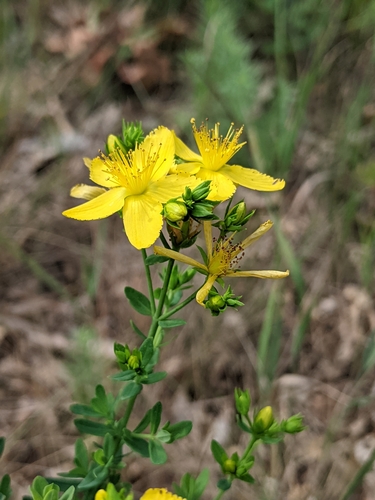
Common St. John's-wort
Hypericum perforatum
Not native to Virginia. How scores work Is it native here?
Profile 71%
- Height
- 1–3 feet
- Spread
- 9 inches–2 feet
- Light
- Full sun, Partial shade
- Soil moisture
- Usually moist
Plant this instead
Choose your county to list local plants first.
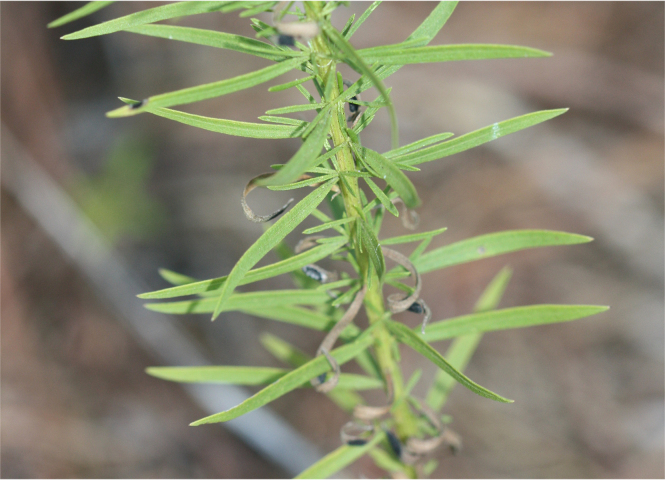
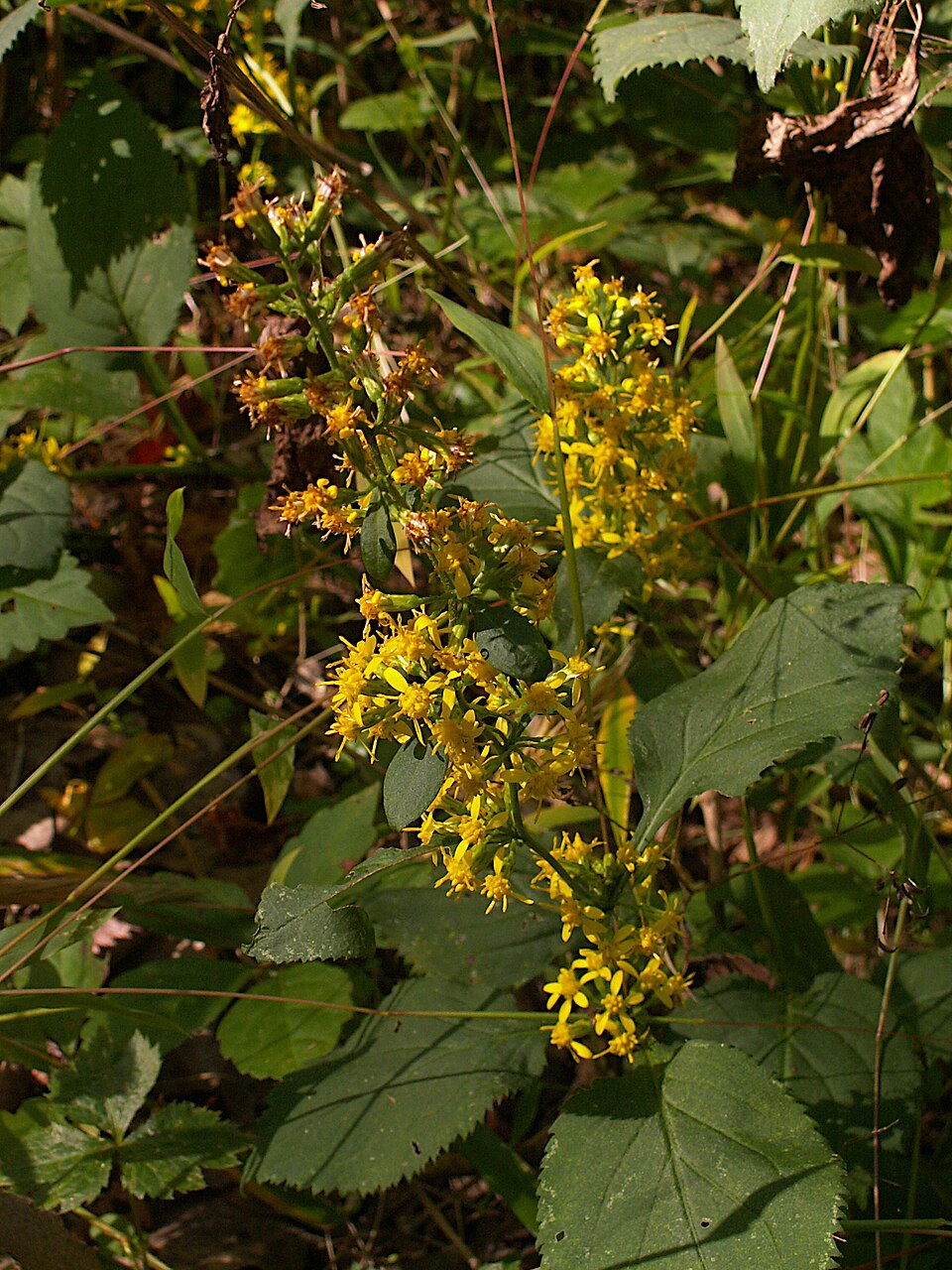
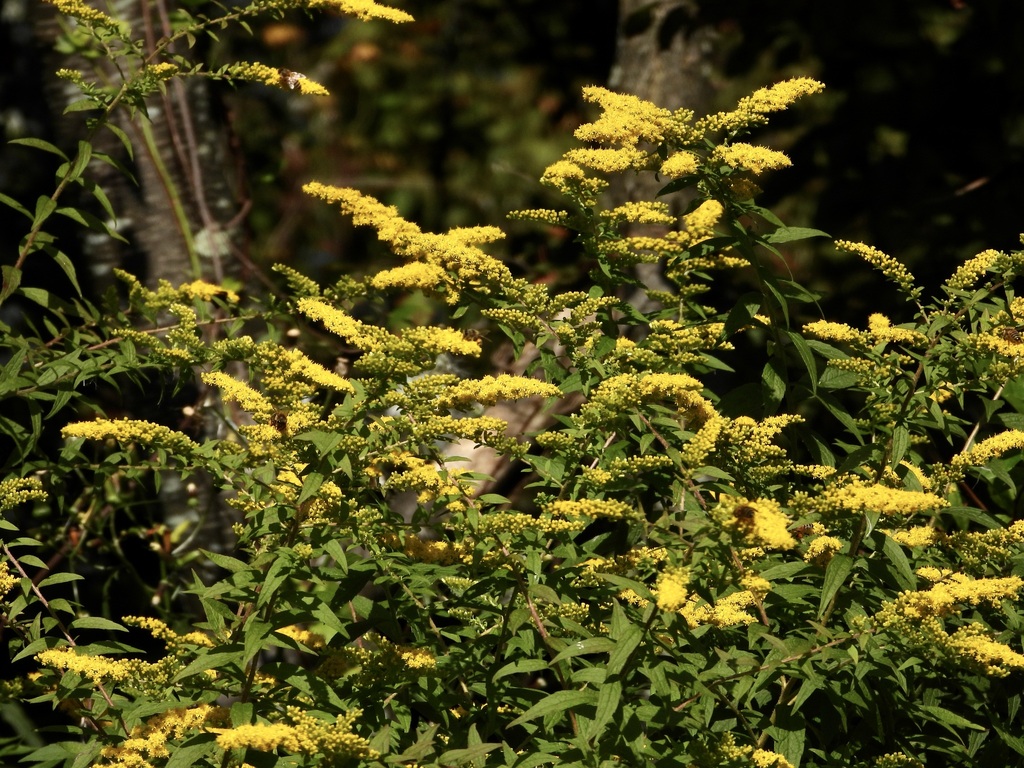
No recorded swaps for this county. Try the garden finder.
At a glance
- Life cycle
- Perennial
- Leaves
- Deciduous
Not yet recorded · Bloom
Recorded in 97 Virginia counties.
Also found with this plant
Wildlife whose habitat models include habitats this plant grows in, in Virginia. Shared habitat, not food. 88 animals.
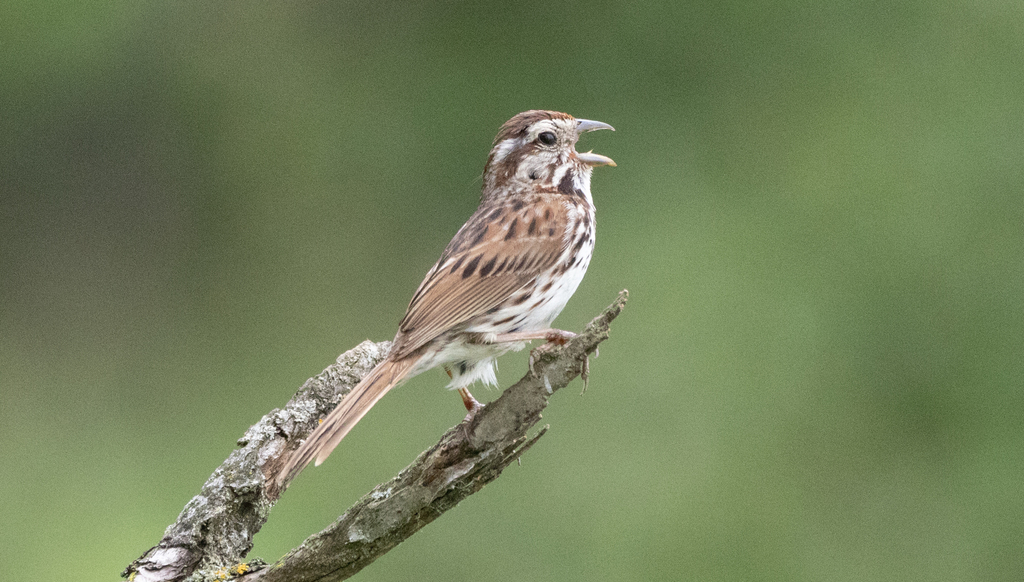
- Song SparrowMelospiza melodia
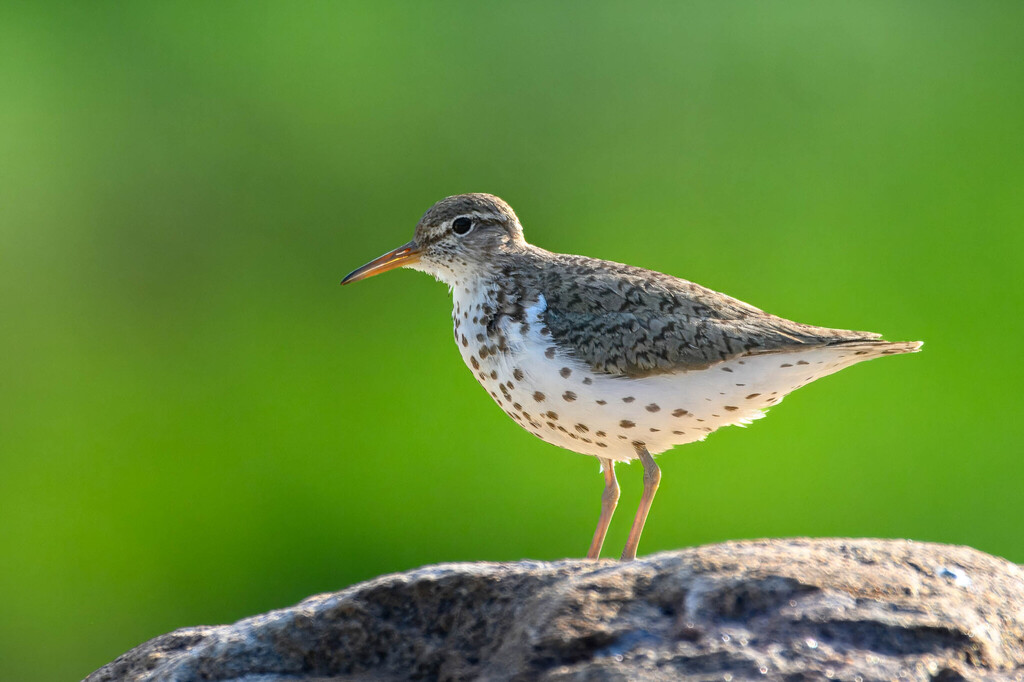
- Spotted SandpiperActitis macularius
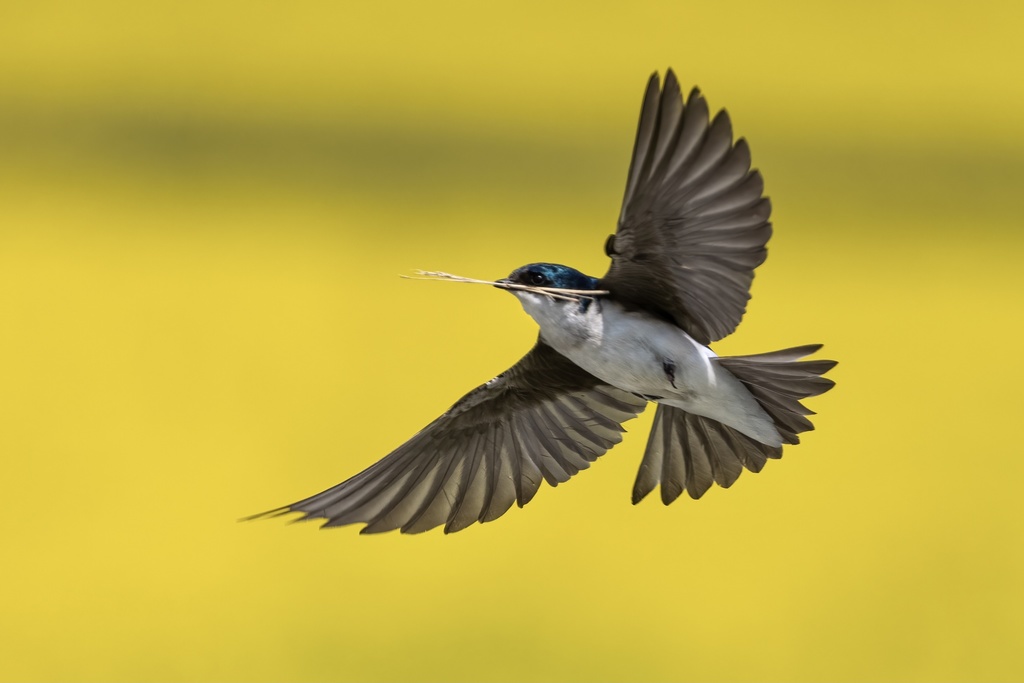
- Tree SwallowTachycineta bicolor
- Tufted TitmouseBaeolophus bicolor
- Turkey VultureCathartes aura
- White-breasted NuthatchSitta carolinensis
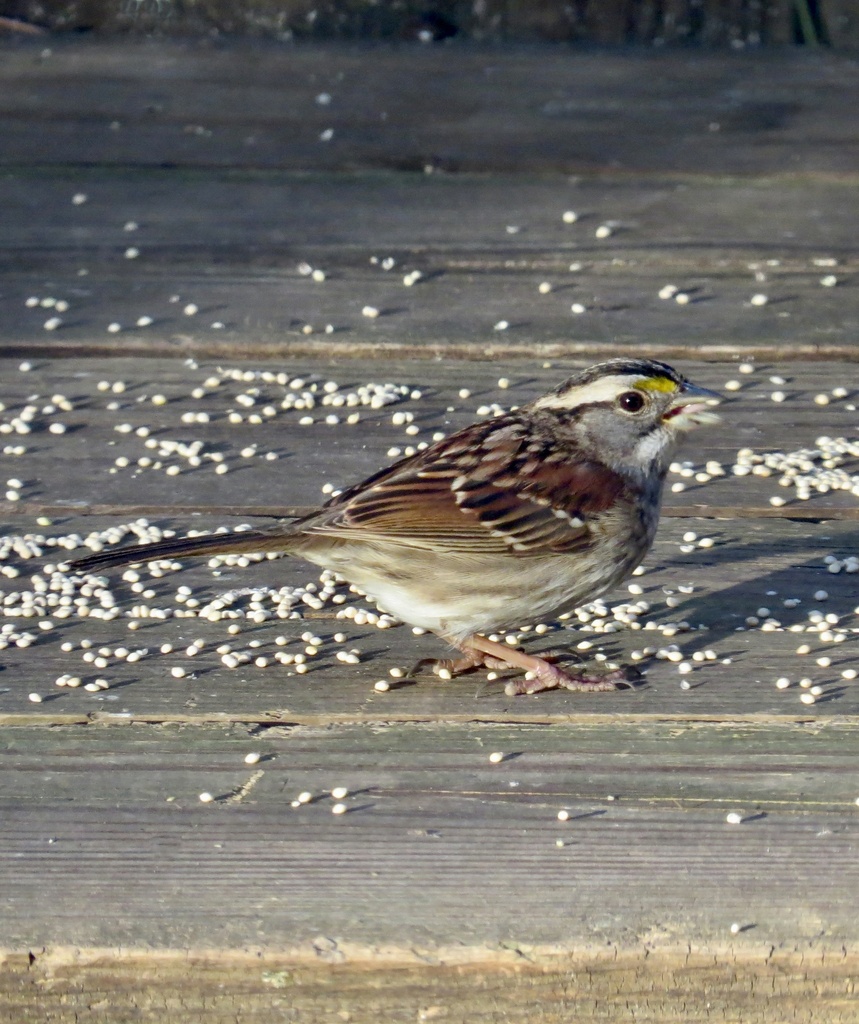
- White-throated SparrowZonotrichia albicollis
- Willow FlycatcherEmpidonax traillii
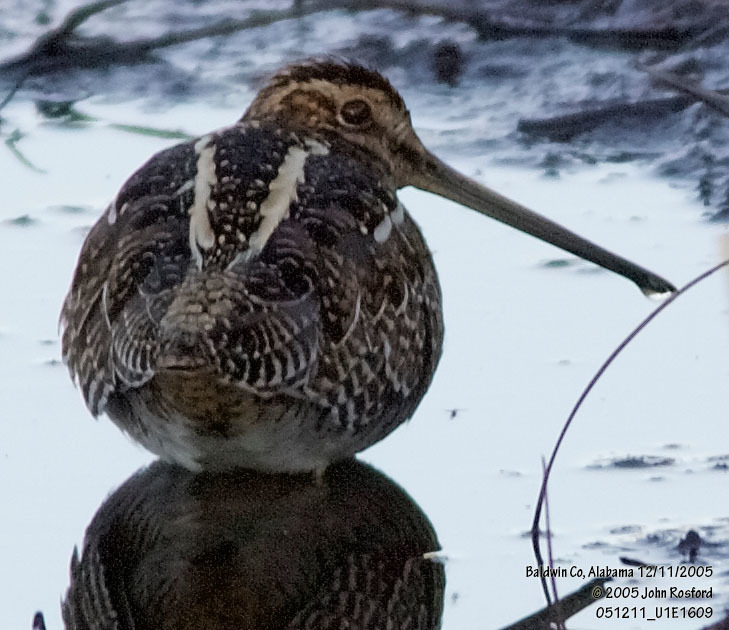
- Wilson's SnipeGallinago delicata
- Wood DuckAix sponsa
- Wood ThrushHylocichla mustelina
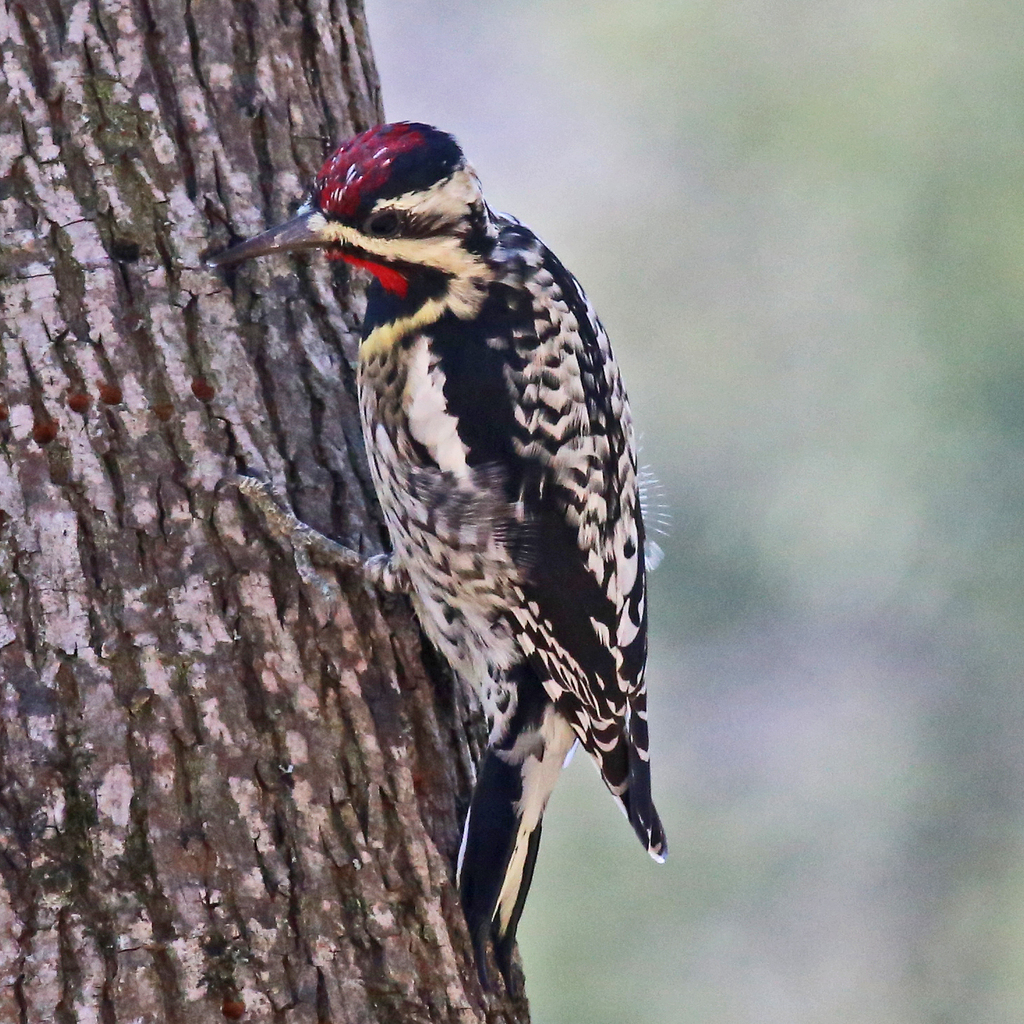
- Yellow-bellied SapsuckerSphyrapicus varius
- Yellow-billed CuckooCoccyzus americanus
- Yellow-breasted ChatIcteria virens
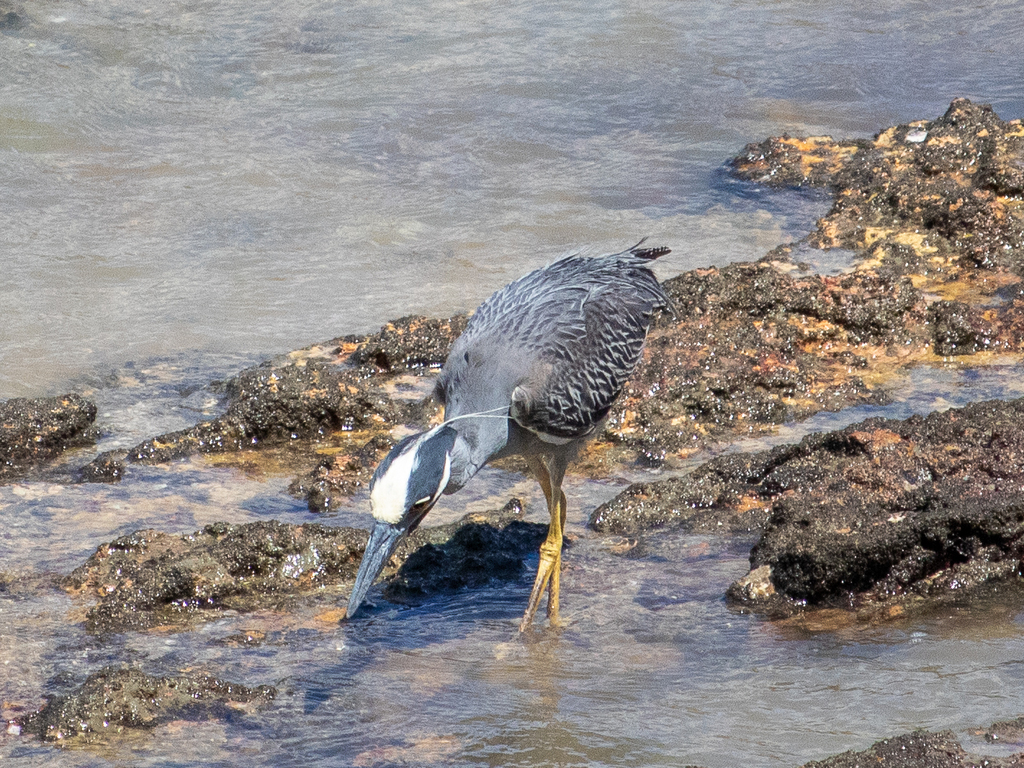
- Yellow-crowned Night-heronNyctanassa violacea
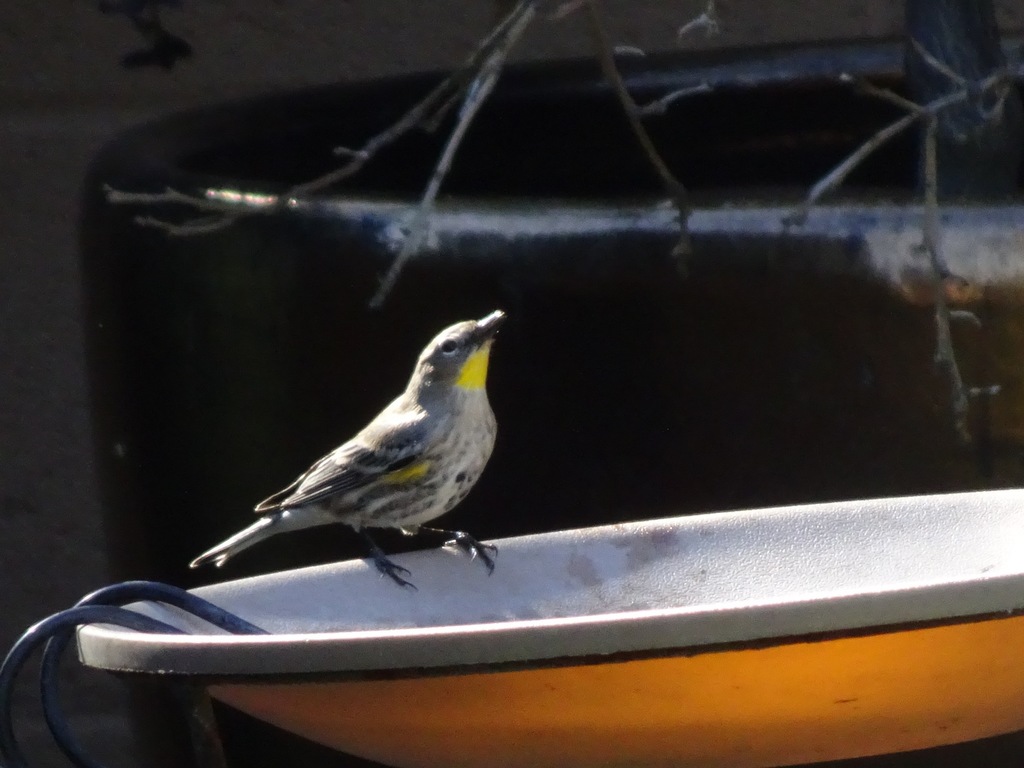
- Yellow-rumped WarblerDendroica coronata







Who uses this plant?
 22CaterpillarsGenus host records with ranges including VA
Genus host records with ranges including VA · Hypericum
- Acleris maculidorsanaStained-Back Leafroller Moth
- Choristoneura rosaceanaOblique-Banded Leafroller Moth, Rosaceous Leaf Roller
- Eupithecia miserulataCommon Eupithacia, Common Pug
- Hyppa xylinoidesCommon Hyppa
- Iodopepla u-albumBurgundy St. Johnswort Moth, White-Eyed Borer
- Iridopsis ephyrariaPale-Winged Gray
- Melanchra assimilisBlack Arches
- Nedra ramosulaGray Half-Spot
- Nemoria bistriariaTwo-Striped Emerald, Red-Fringed Emerald
- Nemoria tuscaroraAppalachian Emerald
Show all 22
- Phlogophora irisOlive Angle Shades
- Platynota flavedanaBlack-Shaded Platynota
- Probole amicariaFriendly Probole
- Sparganothis sulfureanaSparganothis Fruitworm Moth, Sulfur Leafroller, False Yellow-Head
- Synchlora aerataWavy-Lined Emerald, Camouflaged Looper
- Tallula watsoniWatson's Tallula
- Xestia c-nigrumSpotted Cut-Worm, Setaceous Hebrew Character, Lesser Black-letter Dart
- Zale lunataLunate Zale
- Agonopterix hyperella
- Agonopterix lythrella
- Coleotechnites nigritus
- Xenotemna pallorana
 —BeesSoutheastern regional records
 —Specialist beesPollen specialists
 1BirdsRecorded genus food-resource interactions; not a state feeding claim
Recorded genus food-resource interactions; not a state feeding claim · Hypericum
- Aythya collarisRing-necked Duck
Direct food only: birds recorded eating this genus across North America. Caterpillars on host plants also feed nesting birds. NC Native Plant Society: butterfly gardening
Plant details
- Family
- Hypericaceae
- Hardiness
- Zones 3a–8b
- Soil pH
- Acidic to alkaline
- Flower color
- Yellow
What its natural habitat tells you
Safety has not been reviewed for this plant; check toxicity and thorns before planting.
Growing sources and scope
- Flower color · “Yellow” · NC Extension Plant Toolbox
- Hardiness · “Zones 3a–8b” · NC Extension Plant Toolbox
- Height · “1–3 feet” · NC Extension Plant Toolbox (ranked first; Fire Effects Information System: Hypericum perforatum differs)
- Leaves · “Deciduous” · NC Extension Plant Toolbox
- Life cycle · “Perennial” · NC Extension Plant Toolbox
- Light · “Full sun (6 or more hours of direct sunlight a day); Partial shade (direct sunlight only part of the day, 2-6 hours)” · NC Extension Plant Toolbox
- primary_flower_color · “yellow” · NC Extension Plant Toolbox
- Soil · “Moist” · NC Extension Plant Toolbox
- Soil pH · “Acidic to alkaline” · NC Extension Plant Toolbox
- Spread · “9 inches–2 feet” · NC Extension Plant Toolbox
Also known as
Common St. John's wort; Common St. Johnswort; European St. Johnswort
Conservation status
| Virginia rank | SNA |
|---|---|
| Global rank | GNR |
| VA status | Not verified |
| Federal status | Not verified |
Sources
- Digital Atlas of the Virginia Flora
- USDA PLANTS
- NatureServe Explorer
- Shropshire & Tallamy 2025, Lepidoptera of North America north of Mexico, ZooKeys 1261 (ODbL)
- Noori, Seltmann & Orr 2026, A curated and integrated dataset for exploring global bee-plant interactions (GloBI), Zenodo, CC BY 4.0
- Smith, Bachelder, Russell, Morales, Mosher & Seltmann 2024, Bee-Specialization-Modeling v0.6.1 (specialist host table compiled from J. Fowler's pollen specialist bee lists), Zenodo, CC BY 4.0
- Hurlbert, Olsen, Sawyer & Winner 2021, Avian Diet Database, Scientific Data 8: 260 (CC0)
- Narango, Tallamy & Shropshire 2020, Few keystone plant genera support the majority of Lepidoptera species, Nature Communications