

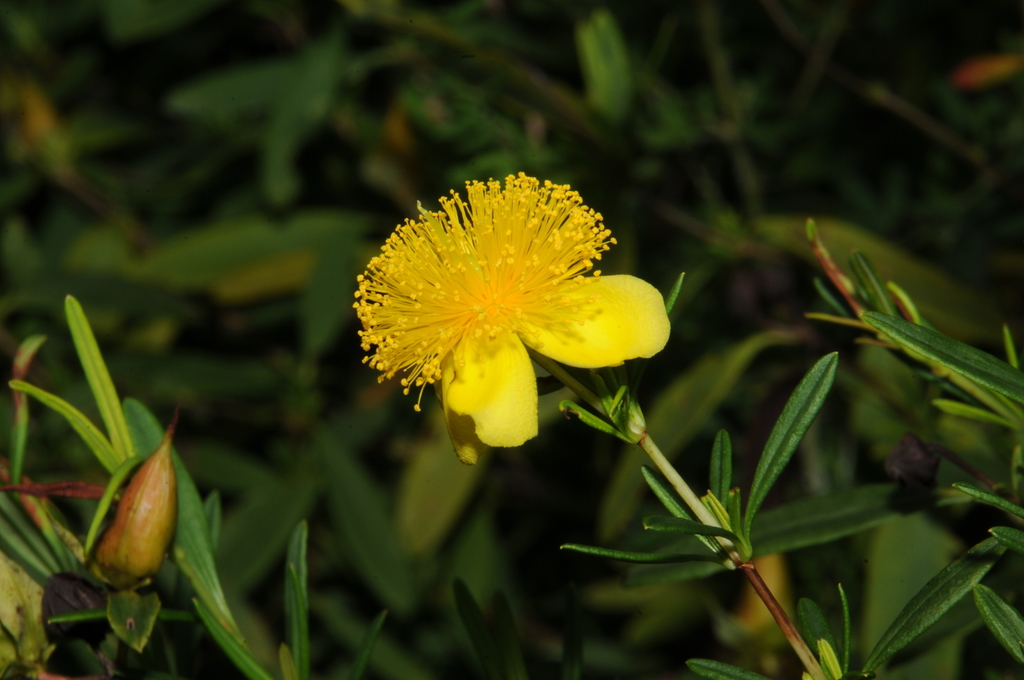
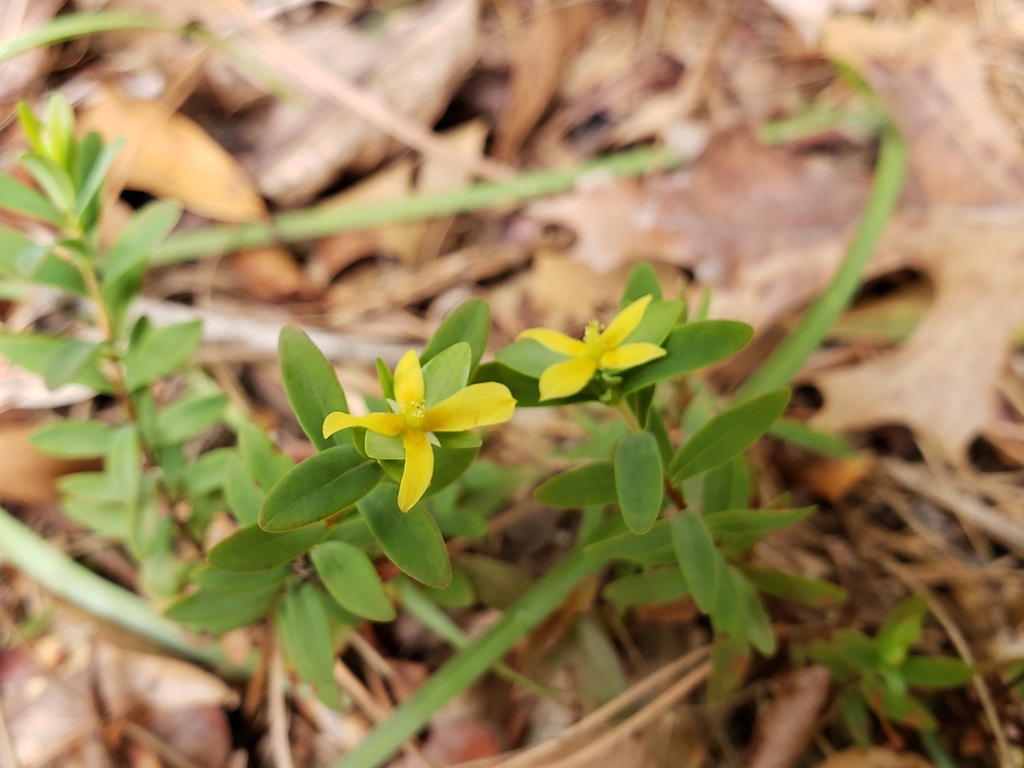
Golden St. John's-wort
Hypericum frondosum
Found in rock outcrops and rocky woodlands; also in dry disturbed areas. Weakley, Flora of the Southeastern United States (2025), Northern Tier edition What its natural habitat tells you
Not native to Virginia. How scores work Is it native here?
Profile 82%
- Height
- 3–4 feet
- Spread
- 3–4 feet
- Light
- Full sun, Partial shade
- Soil moisture
- Somewhat dry to moist
Plant this instead
Choose your county to list local plants first.
No recorded swaps for this county. Try the garden finder.
At a glance
- Life cycle
- Woody perennial
- Leaves
- Semi-evergreen or evergreen
- Bloom
- May to August
Recorded in 6 Virginia counties.
Natural habitats
Places it grows wild. Not a planting requirement. Each habitat page lists the plants and wildlife also found there.
Cliffs, ledges and rocky summits
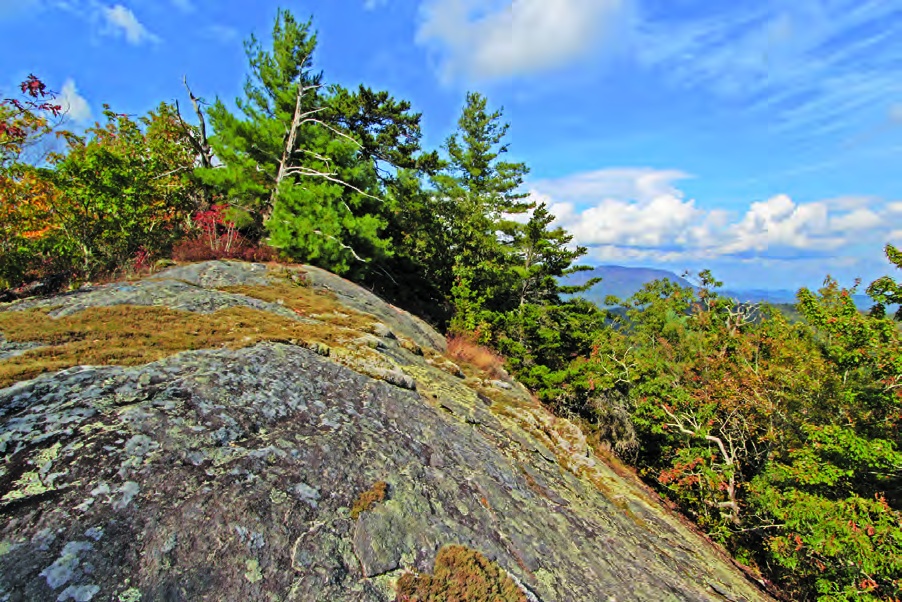
Forest or woodland where the source does not say how moist or dry.
Roadsides, fields and disturbed ground
Ground opened by people: roadsides, old fields, pastures, fencerows and lots.
Also found with this plant
Wildlife whose habitat models include habitats this plant grows in, in Virginia. Shared habitat, not food. 81 animals.
- Northern CardinalCardinalis cardinalis
- Northern FlickerColaptes auratus
- Northern MockingbirdMimus polyglottos
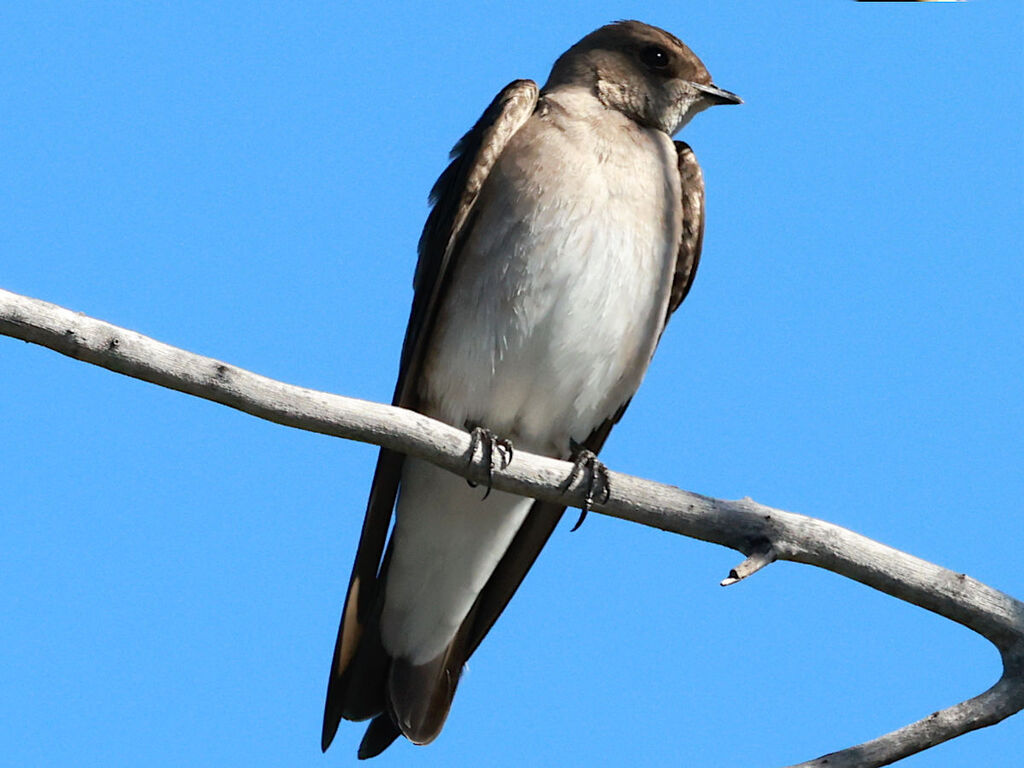
- Northern Rough-winged SwallowStelgidopteryx serripennis
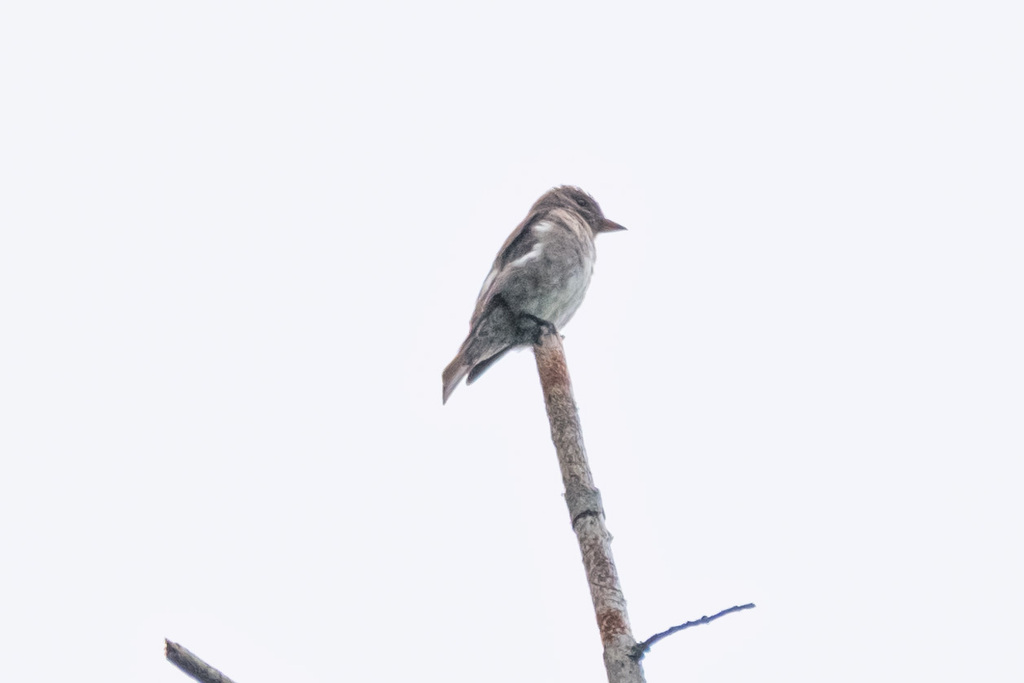
- Olive-sided FlycatcherContopus cooperi
- Orchard OrioleIcterus spurius
- OspreyPandion haliaetus
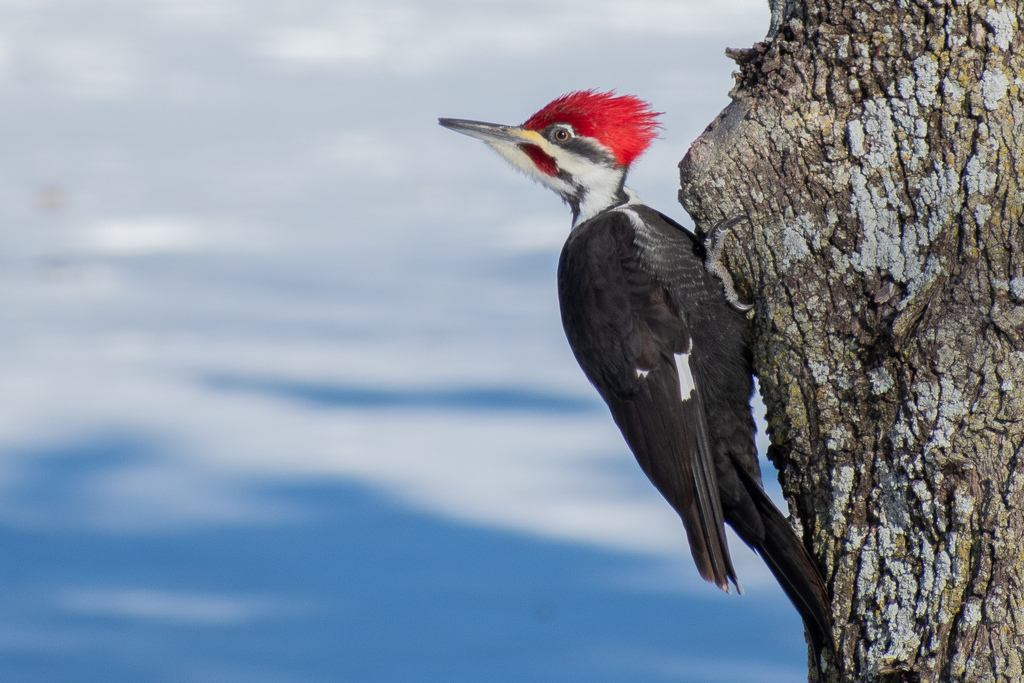
- Pileated WoodpeckerDryocopus pileatus
- Pine SiskinCarduelis pinus
- Prairie WarblerDendroica discolor
- Purple FinchCarpodacus purpureus
- Red-bellied WoodpeckerMelanerpes carolinus
- Red-headed WoodpeckerMelanerpes erythrocephalus
- Red-tailed HawkButeo jamaicensis
- Red-winged BlackbirdAgelaius phoeniceus
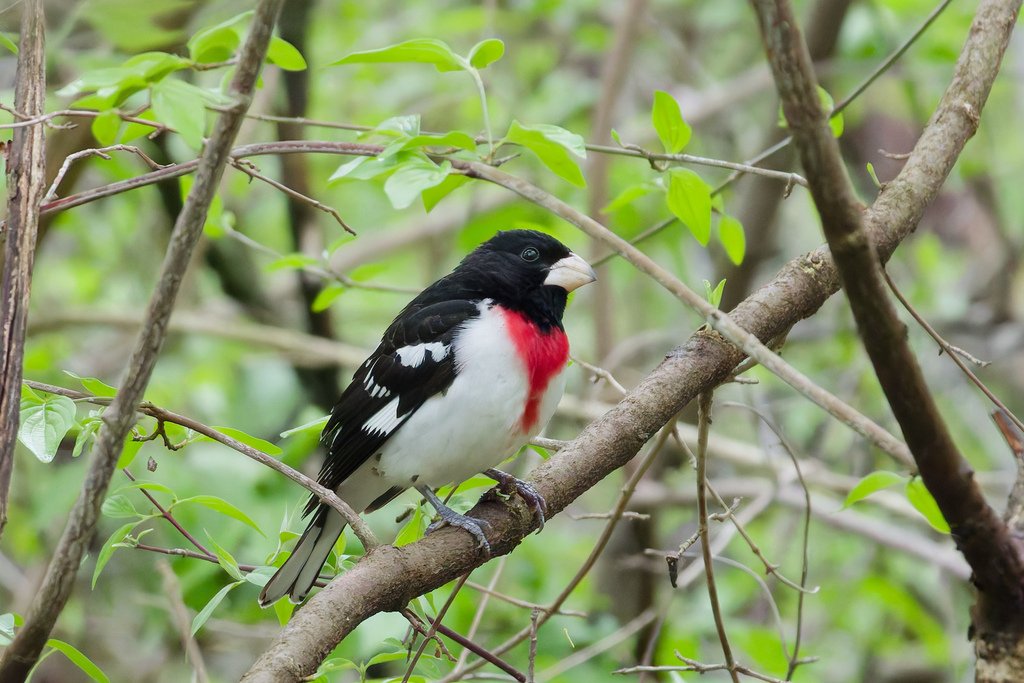
- Rose-breasted GrosbeakPheucticus ludovicianus
- Ruby-crowned KingletRegulus calendula
- Ruby-throated HummingbirdArchilochus colubris
- Ruffed GrouseBonasa umbellus
- Sharp-shinned HawkAccipiter striatus
- Spotted SandpiperActitis macularius
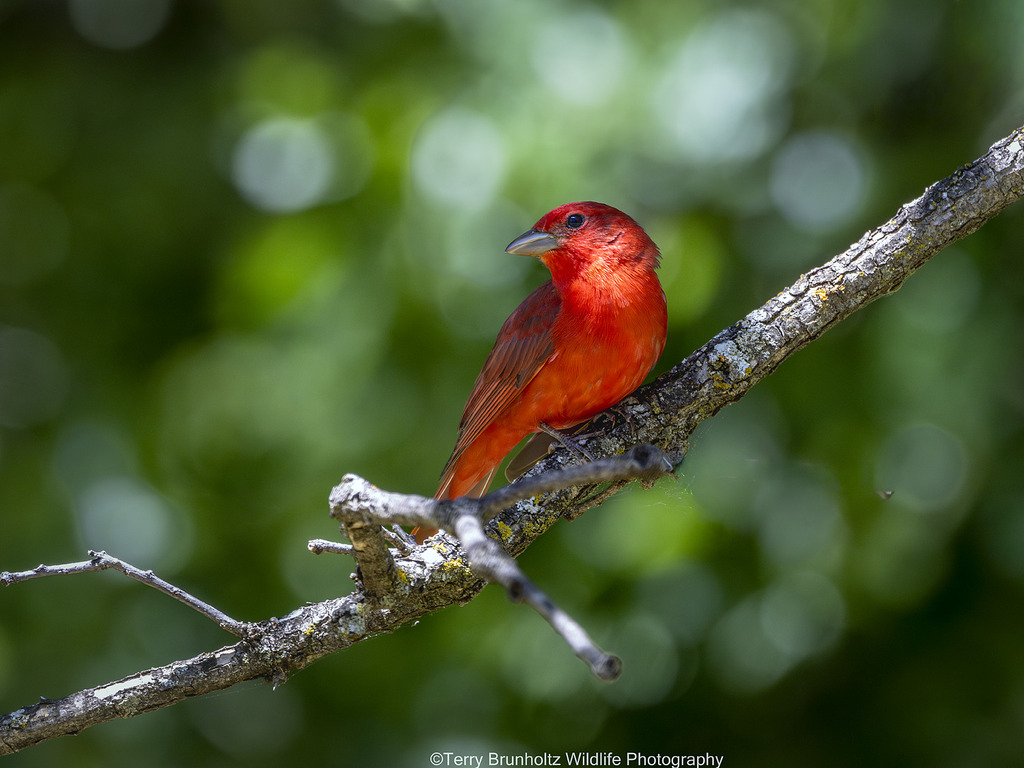
- Summer TanagerPiranga rubra
- Tree SwallowTachycineta bicolor
- Tufted TitmouseBaeolophus bicolor



















Who uses this plant?
 22CaterpillarsGenus host records with ranges including VA
Genus host records with ranges including VA · Hypericum
- Acleris maculidorsanaStained-Back Leafroller Moth
- Choristoneura rosaceanaOblique-Banded Leafroller Moth, Rosaceous Leaf Roller
- Eupithecia miserulataCommon Eupithacia, Common Pug
- Hyppa xylinoidesCommon Hyppa
- Iodopepla u-albumBurgundy St. Johnswort Moth, White-Eyed Borer
- Iridopsis ephyrariaPale-Winged Gray
- Melanchra assimilisBlack Arches
- Nedra ramosulaGray Half-Spot
- Nemoria bistriariaTwo-Striped Emerald, Red-Fringed Emerald
- Nemoria tuscaroraAppalachian Emerald
Show all 22
- Phlogophora irisOlive Angle Shades
- Platynota flavedanaBlack-Shaded Platynota
- Probole amicariaFriendly Probole
- Sparganothis sulfureanaSparganothis Fruitworm Moth, Sulfur Leafroller, False Yellow-Head
- Synchlora aerataWavy-Lined Emerald, Camouflaged Looper
- Tallula watsoniWatson's Tallula
- Xestia c-nigrumSpotted Cut-Worm, Setaceous Hebrew Character, Lesser Black-letter Dart
- Zale lunataLunate Zale
- Agonopterix hyperella
- Agonopterix lythrella
- Coleotechnites nigritus
- Xenotemna pallorana
 —BeesSoutheastern regional records
 —Specialist beesPollen specialists
 1BirdsRecorded genus food-resource interactions; not a state feeding claim
Recorded genus food-resource interactions; not a state feeding claim · Hypericum
- Aythya collarisRing-necked Duck
Direct food only: birds recorded eating this genus across North America. Caterpillars on host plants also feed nesting birds. NC Native Plant Society: butterfly gardening
Plant details
- Family
- Hypericaceae
- Hardiness
- Zones 5a–8b
- Soil pH
- Neutral
- Flower color
- Yellow
Safety has not been reviewed for this plant; check toxicity and thorns before planting.
Growing sources and scope
- Bloom · “Late May to August” · Weakley, Flora of the Southeastern United States (2025), Carolinas & Georgia edition · Carolinas and Georgia
- Flower color · “Yellow” · NC Extension Plant Toolbox
- Hardiness · “Zones 5a–8b” · NC Extension Plant Toolbox
- Height · “3–4 feet” · NC Extension Plant Toolbox
- Leaves · “Semi-evergreen or evergreen” · NC Extension Plant Toolbox
- Life cycle · “Woody perennial” · NC Extension Plant Toolbox
- Light · “Full sun (6 or more hours of direct sunlight a day); Partial shade (direct sunlight only part of the day, 2-6 hours)” · NC Extension Plant Toolbox (ranked first; Tennessee Smart Yards differs)
- primary_flower_color · “yellow” · NC Extension Plant Toolbox
- Soil · “Moist; Occasionally dry” · NC Extension Plant Toolbox (ranked first; Tennessee Smart Yards differs)
- Soil pH · “Neutral” · NC Extension Plant Toolbox
- Spread · “3–4 feet” · NC Extension Plant Toolbox
Also known as
Cedar Glade St. Johnswort; Golden St. John's wort; Golden St. Johnswort
Conservation status
| Virginia rank | SNA |
|---|---|
| Global rank | G4 |
| VA status | Not verified |
| Federal status | Not verified |
Sources
- Digital Atlas of the Virginia Flora
- USDA PLANTS
- Weakley, Flora of the Southeastern United States (2025), Carolinas & Georgia edition
- NatureServe Explorer
- Shropshire & Tallamy 2025, Lepidoptera of North America north of Mexico, ZooKeys 1261 (ODbL)
- Noori, Seltmann & Orr 2026, A curated and integrated dataset for exploring global bee-plant interactions (GloBI), Zenodo, CC BY 4.0
- Smith, Bachelder, Russell, Morales, Mosher & Seltmann 2024, Bee-Specialization-Modeling v0.6.1 (specialist host table compiled from J. Fowler's pollen specialist bee lists), Zenodo, CC BY 4.0
- Hurlbert, Olsen, Sawyer & Winner 2021, Avian Diet Database, Scientific Data 8: 260 (CC0)
- Narango, Tallamy & Shropshire 2020, Few keystone plant genera support the majority of Lepidoptera species, Nature Communications