

American Water-pennywort
Hydrocotyle americana
Found in bogs, marshes, seepages, cliffs and ledges where wet by seepage or spray from waterfalls, sometimes roadside ditches. FloraQuest, phone app (app page) What its natural habitat tells you
Native to Virginia. How scores work Is it native here?
Profile 100%
- Height
- 2–10 inches
- Light
- Dappled sunlight, Deep shade
- Soil moisture
- Moist to standing water
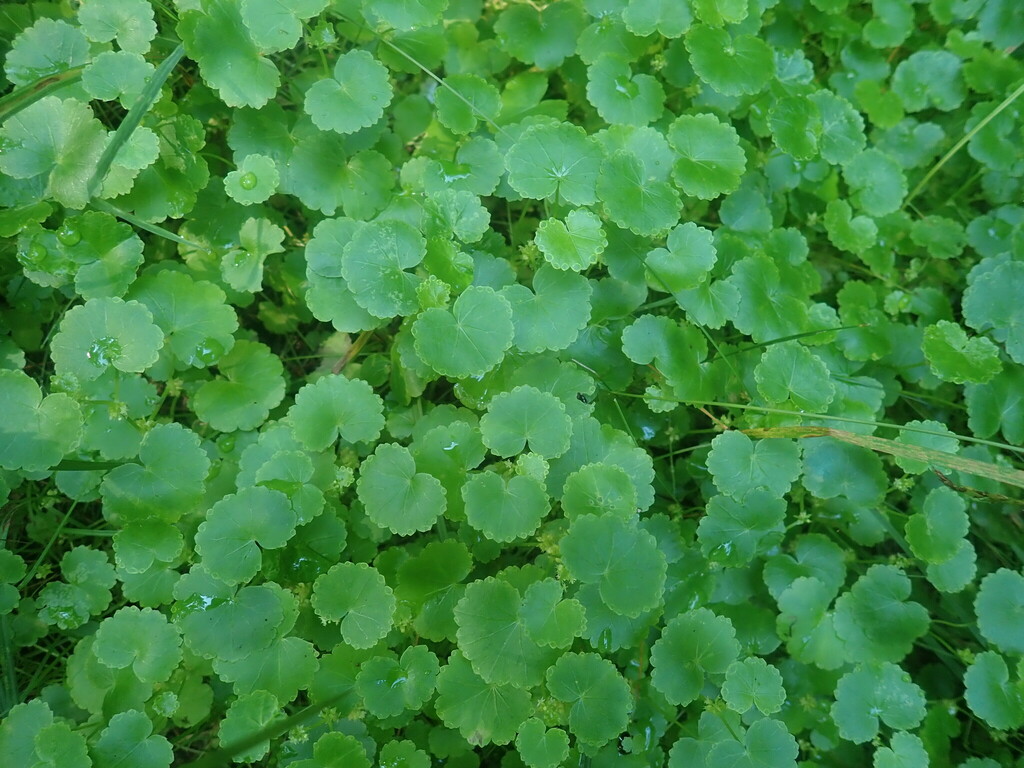
At a glance
- Life cycle
- Perennial
- Bloom
- June to September
Not yet recorded · Spread · Leaves
Recorded in 39 Virginia counties.
Natural habitats
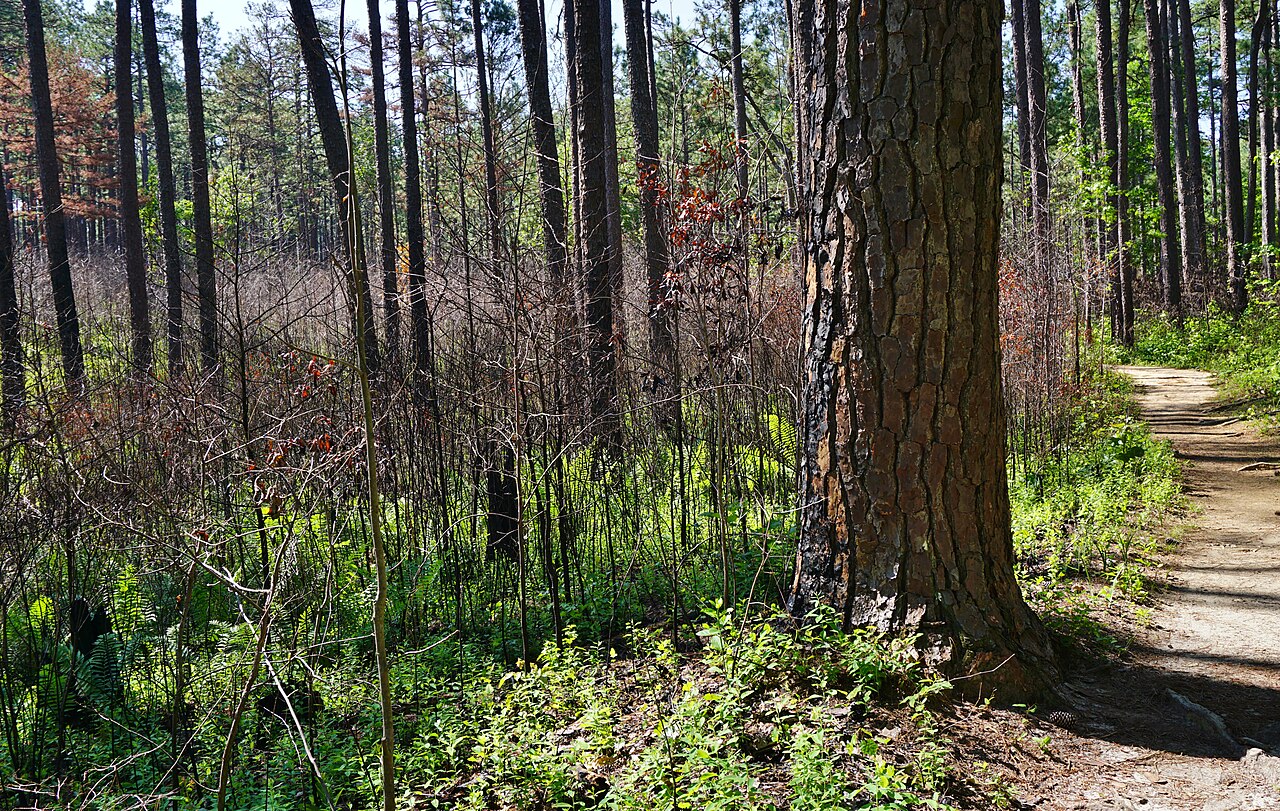
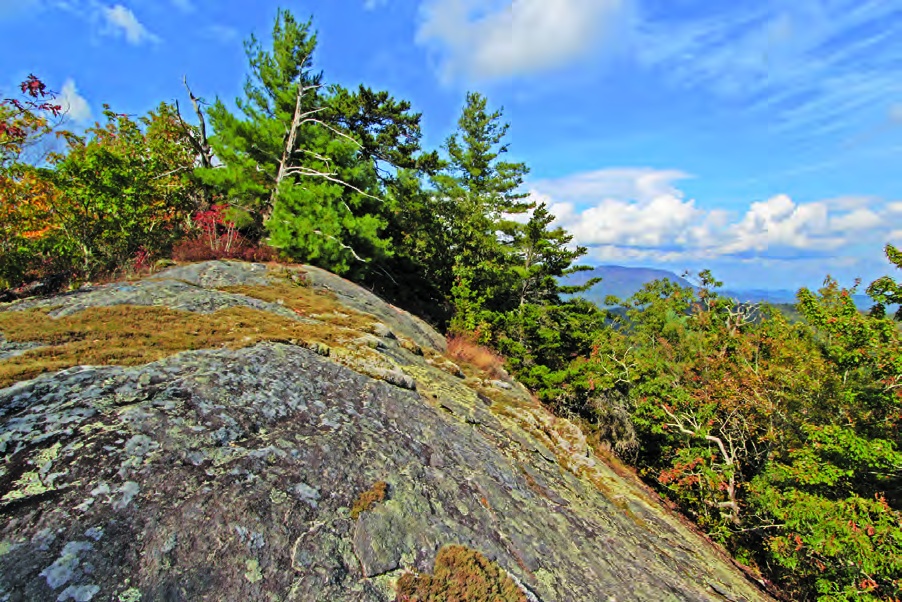
Places it grows wild. Not a planting requirement. Each habitat page lists the plants and wildlife also found there.
Cliffs, ledges and rocky summits
Open, herb-covered wetlands with fresh, non-tidal water.
Roadsides, fields and disturbed ground
Ground opened by people: roadsides, old fields, pastures, fencerows and lots.
Also found with this plant
Wildlife whose habitat models include habitats this plant grows in, in Virginia. Shared habitat, not food. 136 animals.
- American CrowCorvus brachyrhynchos
- Bank SwallowRiparia riparia
- Chimney SwiftChaetura pelagica
- Cliff SwallowPetrochelidon pyrrhonota
- Common NighthawkChordeiles minor
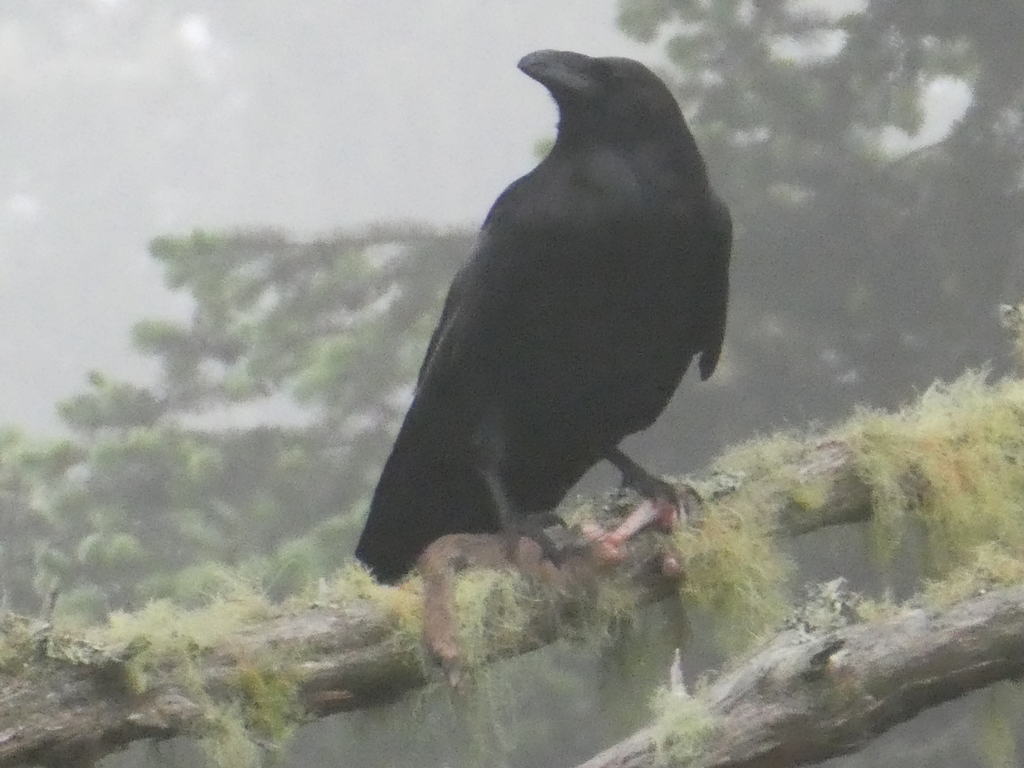
- Common RavenCorvus corax
- Eastern KingbirdTyrannus tyrannus
- Great Horned OwlBubo virginianus
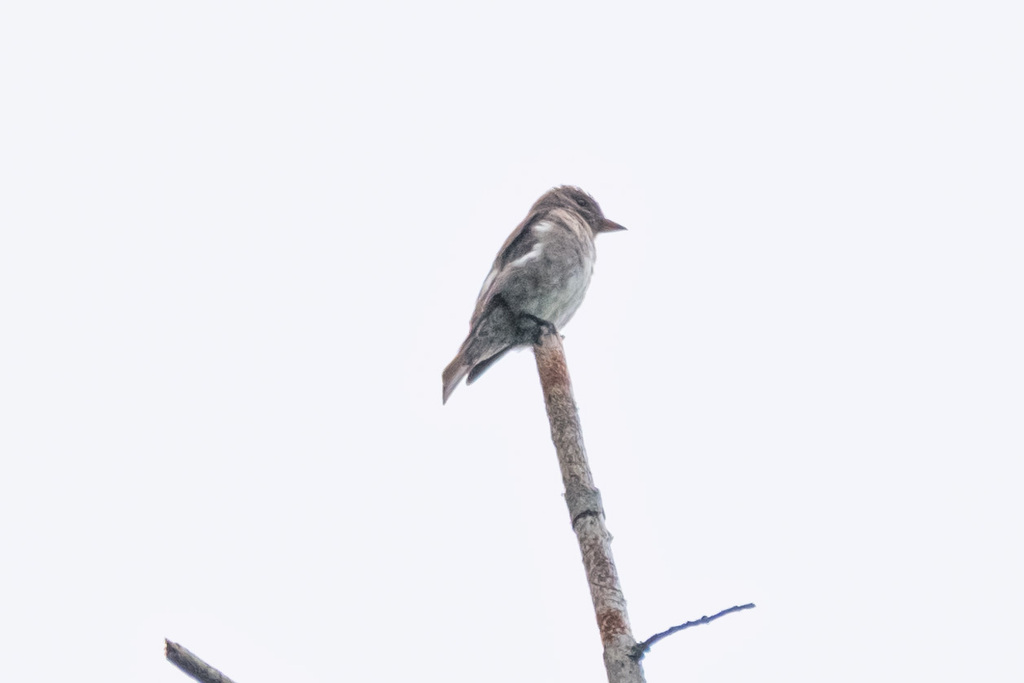
- Olive-sided FlycatcherContopus cooperi
- Red-tailed HawkButeo jamaicensis
- Sharp-shinned HawkAccipiter striatus
- Turkey VultureCathartes aura
- Alder FlycatcherEmpidonax alnorum
- American GoldfinchCarduelis tristis
- American KestrelFalco sparverius
- American RobinTurdus migratorius
- Belted KingfisherMegaceryle alcyon
- Black VultureCoragyps atratus
- Blue JayCyanocitta cristata
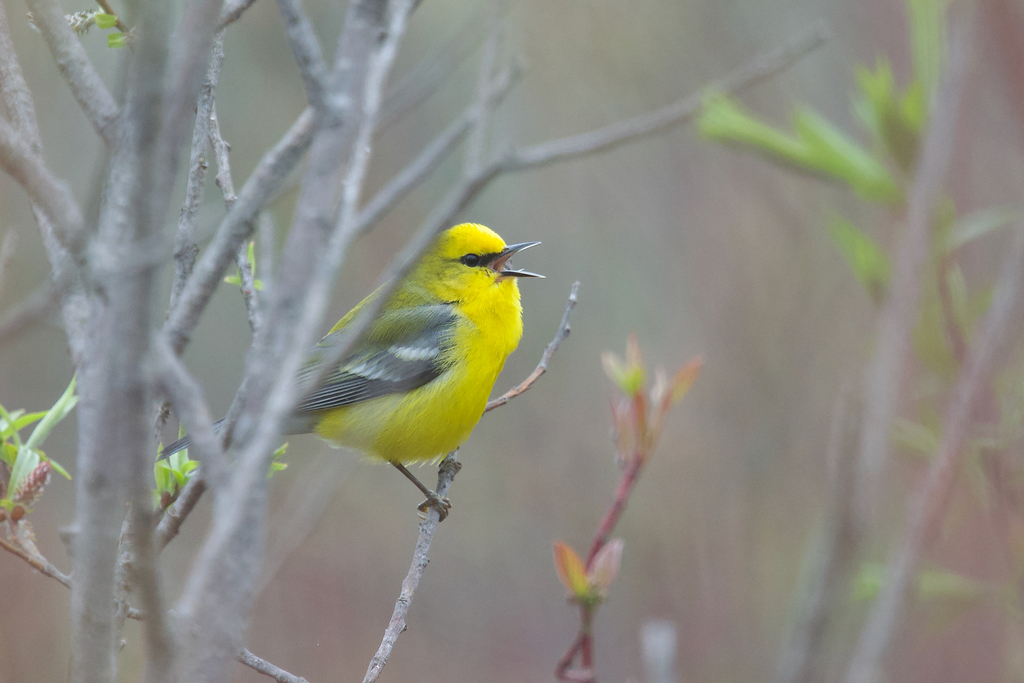
- Blue-winged WarblerVermivora pinus
- Canada GooseBranta canadensis
- Carolina ChickadeePoecile carolinensis
- Carolina WrenThryothorus ludovicianus
- Cedar WaxwingBombycilla cedrorum






















Who uses this plant?
 6CaterpillarsGenus host records with ranges including VA
Genus host records with ranges including VA · Hydrocotyle
- Elophila obliteralisWaterlily Leafcutter Moth
- Enigmogramma basigeraPink-Washed Looper Moth
- Herpetogramma bipunctalisSouthern Beet Webworm, Two-Spotted Herpetogramma
- Papilio polyxenesBlack Swallowtail, Celery Caterpillar, Fennel Worm, Desert Black Swallowtail, Parsnip Swallowtail
- Sparganothis sulfureanaSparganothis Fruitworm Moth, Sulfur Leafroller, False Yellow-Head
- Spodoptera eridaniaSouthern Armyworm Moth
 2BeesSoutheastern regional records
Southeastern regional records · Hydrocotyle
Individual names are not available yet.
Noori, Seltmann & Orr 2026, A curated and integrated dataset for exploring global bee-plant interactions (GloBI), Zenodo, CC BY 4.0 0Specialist beesPollen specialists
 3BirdsRecorded genus food-resource interactions; not a state feeding claim
Recorded genus food-resource interactions; not a state feeding claim · Hydrocotyle
- Agelaius phoeniceusRed-winged Blackbird
- Gallinula galeataCommon Gallinule
- Quiscalus majorBoat-tailed Grackle
Direct food only: birds recorded eating this genus across North America. Caterpillars on host plants also feed nesting birds. NC Native Plant Society: butterfly gardening
No records yet · Ants · Beetles · Flies · Adult butterflies / moths · Other wasps · Other insects
Plant details
- Family
- Araliaceae
- Hardiness
- Zones 3a–7b
- Soil pH
- Acidic to neutral
- Flower color
- Green or white
Safety has not been reviewed for this plant; check toxicity and thorns before planting.
Growing sources and scope
- Bloom · “June to September” · FloraQuest: Carolinas, Georgia (Southeastern Flora Team), phone app (app page) · Carolinas and Georgia
- Flower color · “Green or white” · NC Extension Plant Toolbox (ranked first; Lady Bird Johnson Wildflower Center differs)
- Hardiness · “Zones 3a–7b” · NC Extension Plant Toolbox
- Height · “2–10 inches” · Minnesota Wildflowers
- Life cycle · “Perennial” · NC Extension Plant Toolbox
- Light · “Dappled sunlight (shade through upper canopy all day); Deep shade (less than 2 hours to no direct sunlight)” · NC Extension Plant Toolbox
- Soil · “Frequent standing water; Occasionally wet” · NC Extension Plant Toolbox (ranked first; Lady Bird Johnson Wildflower Center differs)
- Soil pH · “Acidic to neutral” · NC Extension Plant Toolbox
Also known as
American Marsh Pennywort; American Water pennywort
Conservation status
| Virginia rank | S4 |
|---|---|
| Global rank | G5 |
| VA status | Not verified |
| Federal status | Not verified |
Will it fit your yard?
Check this plant against your county, sun and soil moisture. Conditions are checked in your browser.
Sources
- Digital Atlas of the Virginia Flora
- USDA PLANTS
- Vascular Plants of North Carolina (NC Natural Heritage Program)
- NatureServe Explorer
- Shropshire & Tallamy 2025, Lepidoptera of North America north of Mexico, ZooKeys 1261 (ODbL)
- Noori, Seltmann & Orr 2026, A curated and integrated dataset for exploring global bee-plant interactions (GloBI), Zenodo, CC BY 4.0
- Smith, Bachelder, Russell, Morales, Mosher & Seltmann 2024, Bee-Specialization-Modeling v0.6.1 (specialist host table compiled from J. Fowler's pollen specialist bee lists), Zenodo, CC BY 4.0
- Hurlbert, Olsen, Sawyer & Winner 2021, Avian Diet Database, Scientific Data 8: 260 (CC0)
- Narango, Tallamy & Shropshire 2020, Few keystone plant genera support the majority of Lepidoptera species, Nature Communications