

Maryland Hawkweed
Hieracium traillii
Found in shale barrens and dry shaley woodlands, other dry woodlands. FloraQuest, phone app (app page) What its natural habitat tells you
Native to Virginia. How scores work Is it native here?
Profile 24%
Will it fit your yard?No photograph yet. Looking for an old drawing…
At a glance
Not yet recorded · Height · Spread · Light · Soil · Life cycle · Leaves · Bloom
This plant is missing most of its facts, so Quercus is looking them up in old botany books.
Recorded in 10 Virginia counties.
Natural habitats
Places it grows wild. Not a planting requirement. Each habitat page lists the plants and wildlife also found there.
Steep, sun-baked slopes of loose shale with sparse oaks and Virginia pine and their own endemic wildflowers. Linked only where the source names shale barrens; calcareous shale stays with the limestone glades.
Forest or woodland where the source does not say how moist or dry.
Forests and open woodlands on dry ridges and slopes, often oak or pine.
Also found with this plant
Wildlife whose habitat models include habitats this plant grows in, in Virginia. Shared habitat, not food. 101 animals.
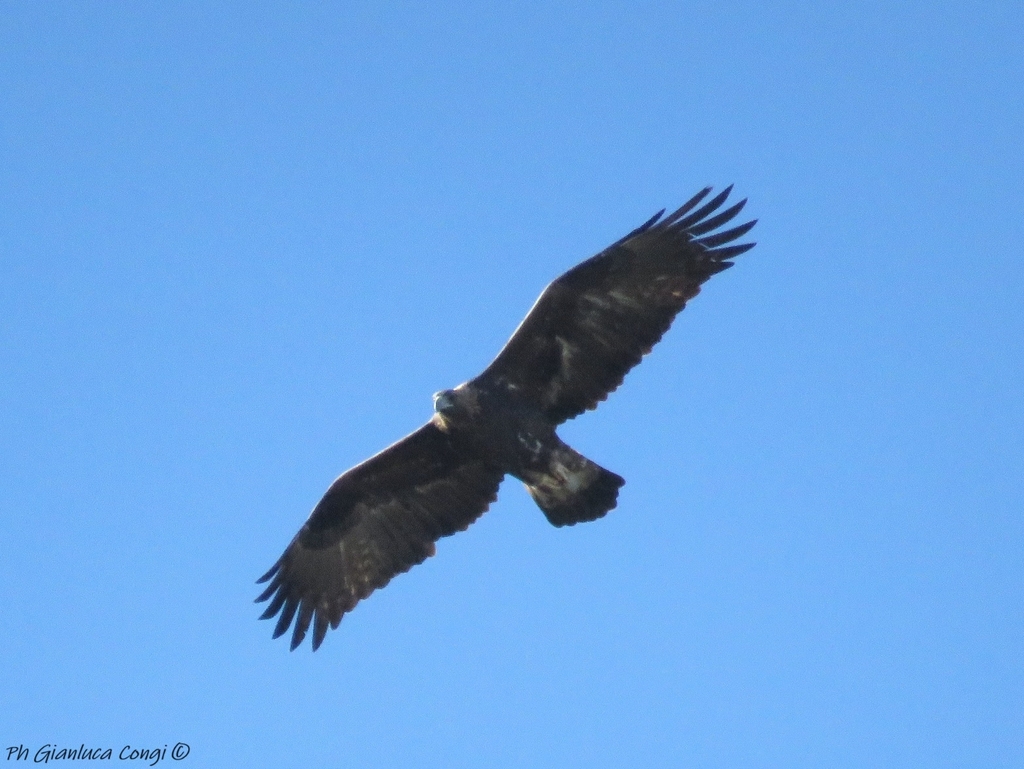
- Golden EagleAquila chrysaetos
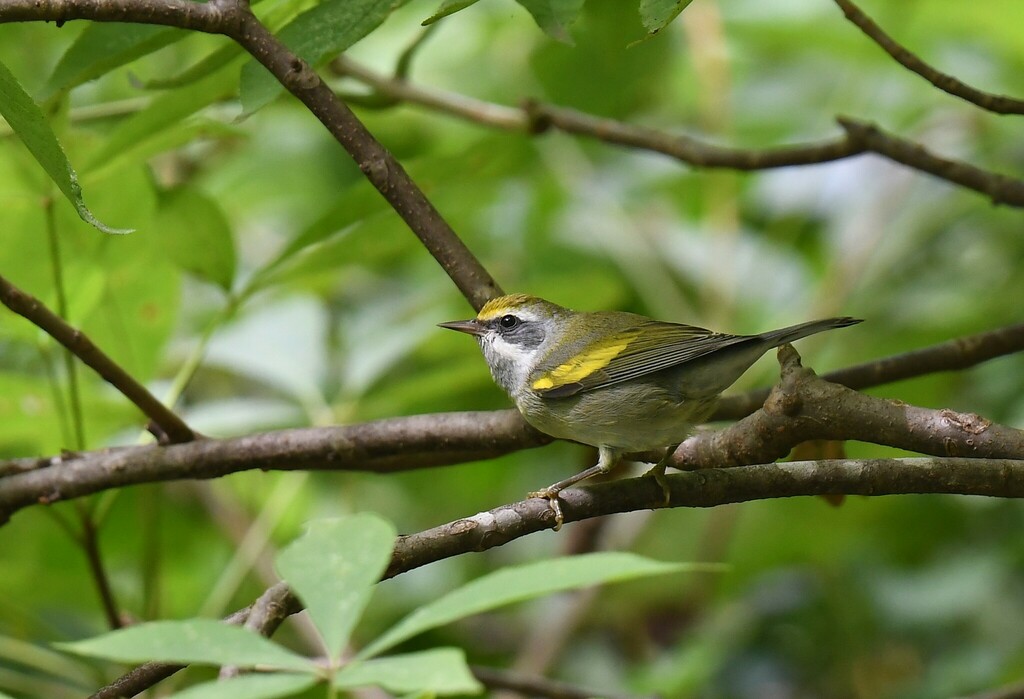
- Golden-winged WarblerVermivora chrysoptera
- Great Crested FlycatcherMyiarchus crinitus
- Hermit ThrushCatharus guttatus
- Hooded MerganserLophodytes cucullatus
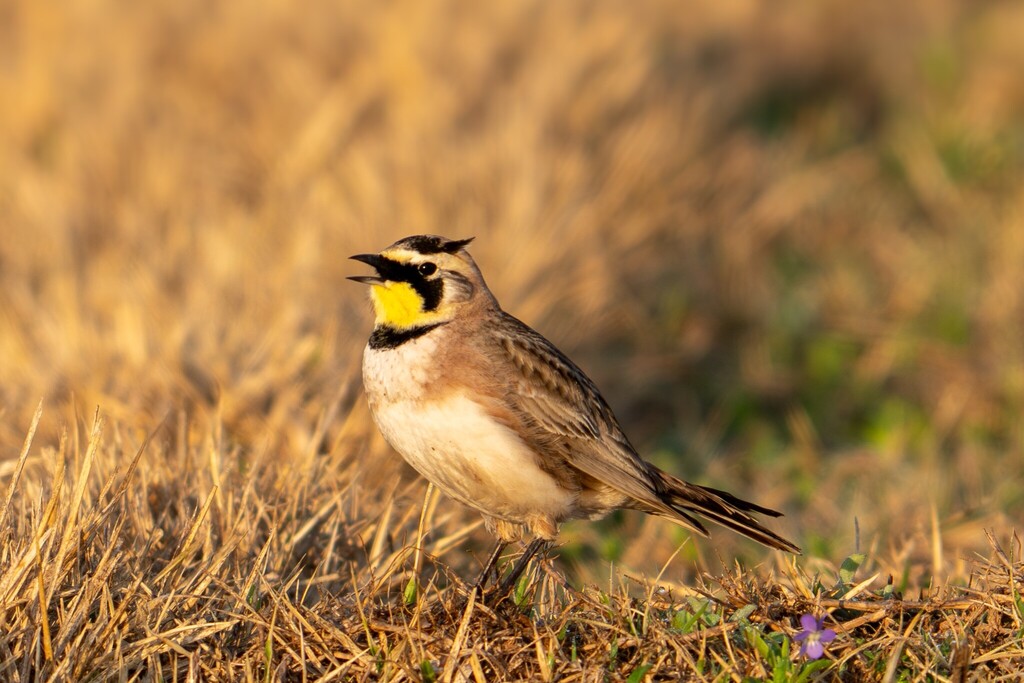
- Horned LarkEremophila alpestris
- Indigo BuntingPasserina cyanea
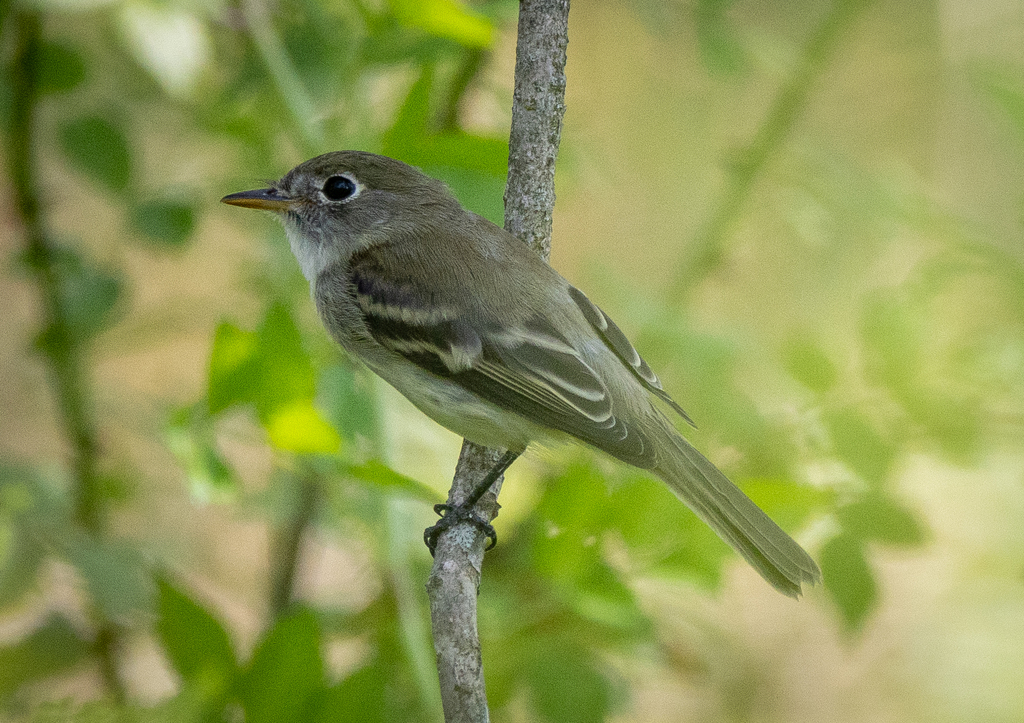
- Least FlycatcherEmpidonax minimus
- Northern CardinalCardinalis cardinalis
- Northern Rough-winged SwallowStelgidopteryx serripennis
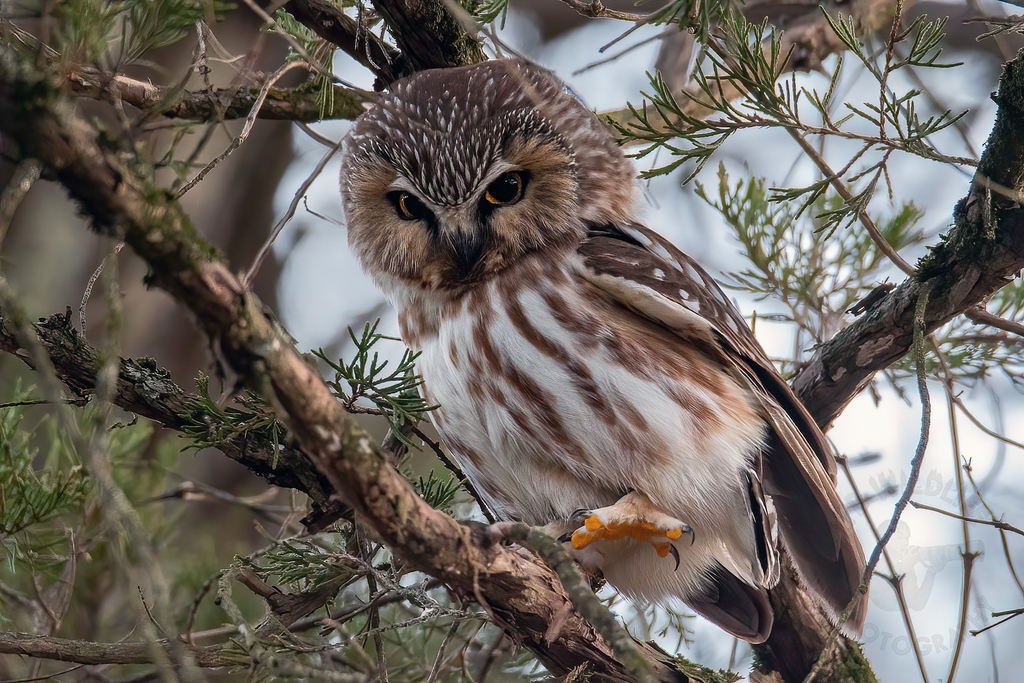
- Northern Saw-whet OwlAegolius acadicus
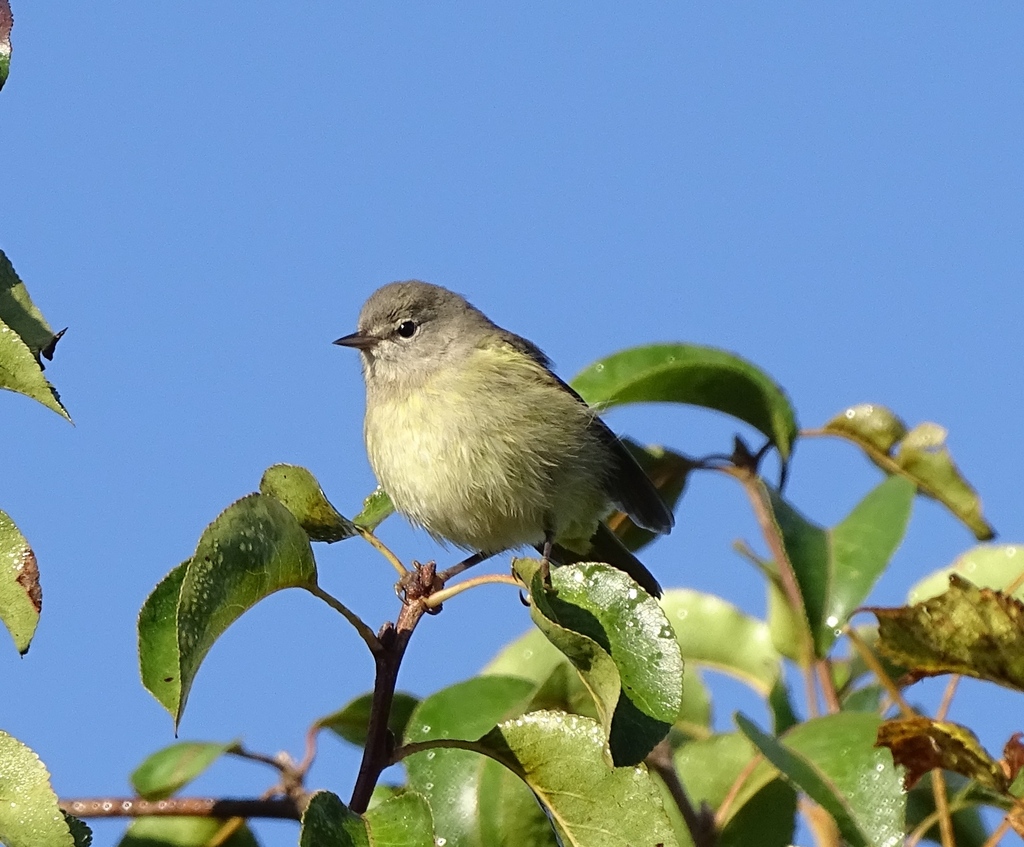
- Orange-crowned WarblerVermivora celata
- Pileated WoodpeckerDryocopus pileatus
- Pine SiskinCarduelis pinus
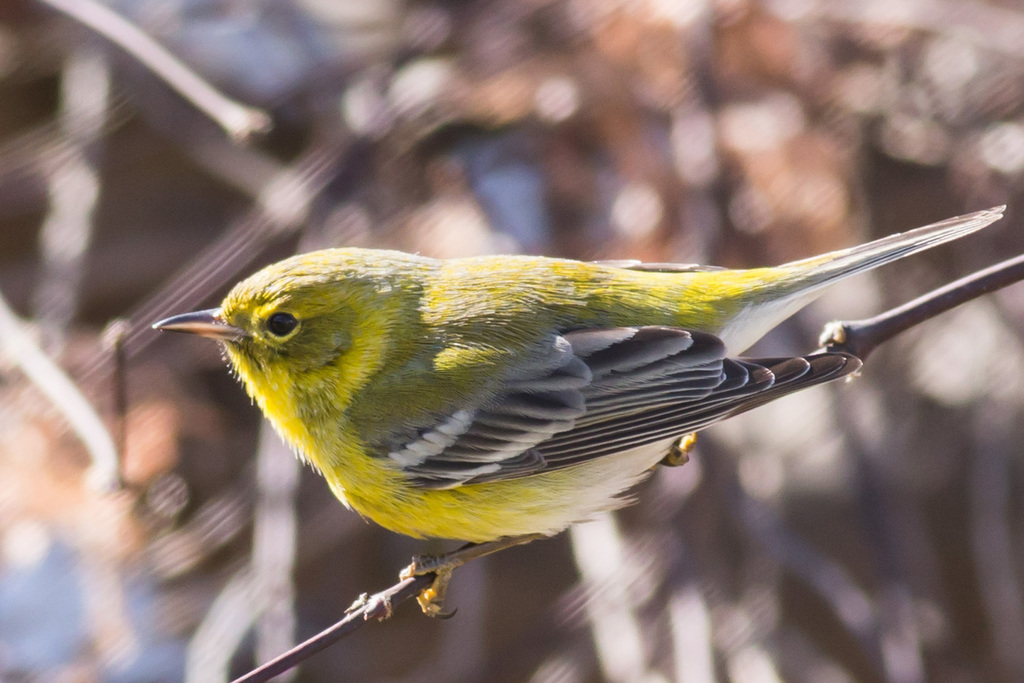
- Pine WarblerDendroica pinus
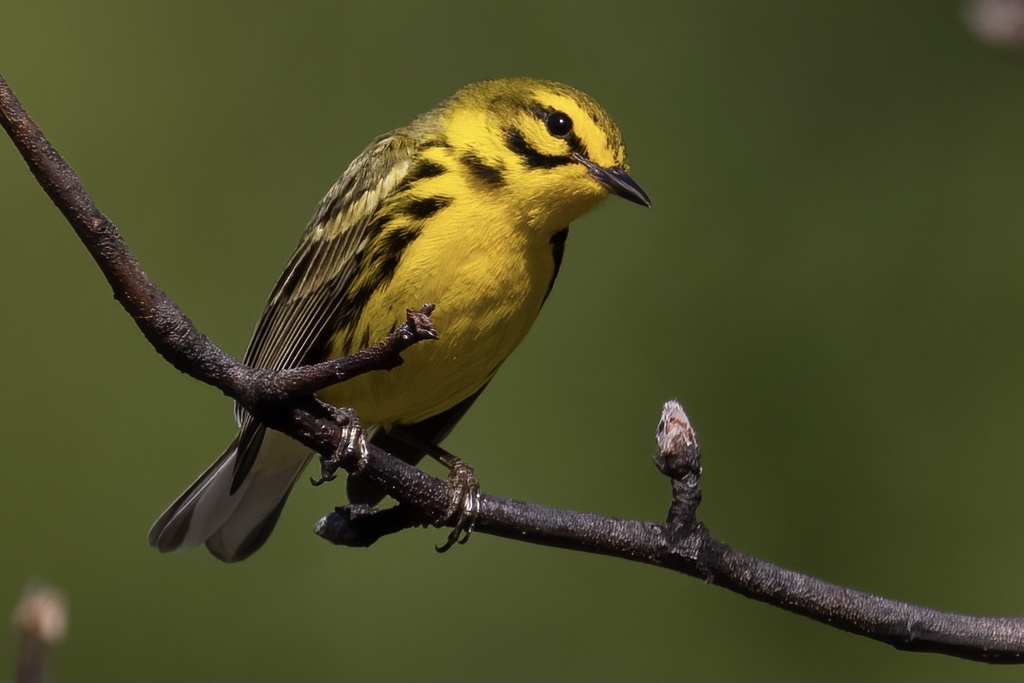
- Prairie WarblerDendroica discolor
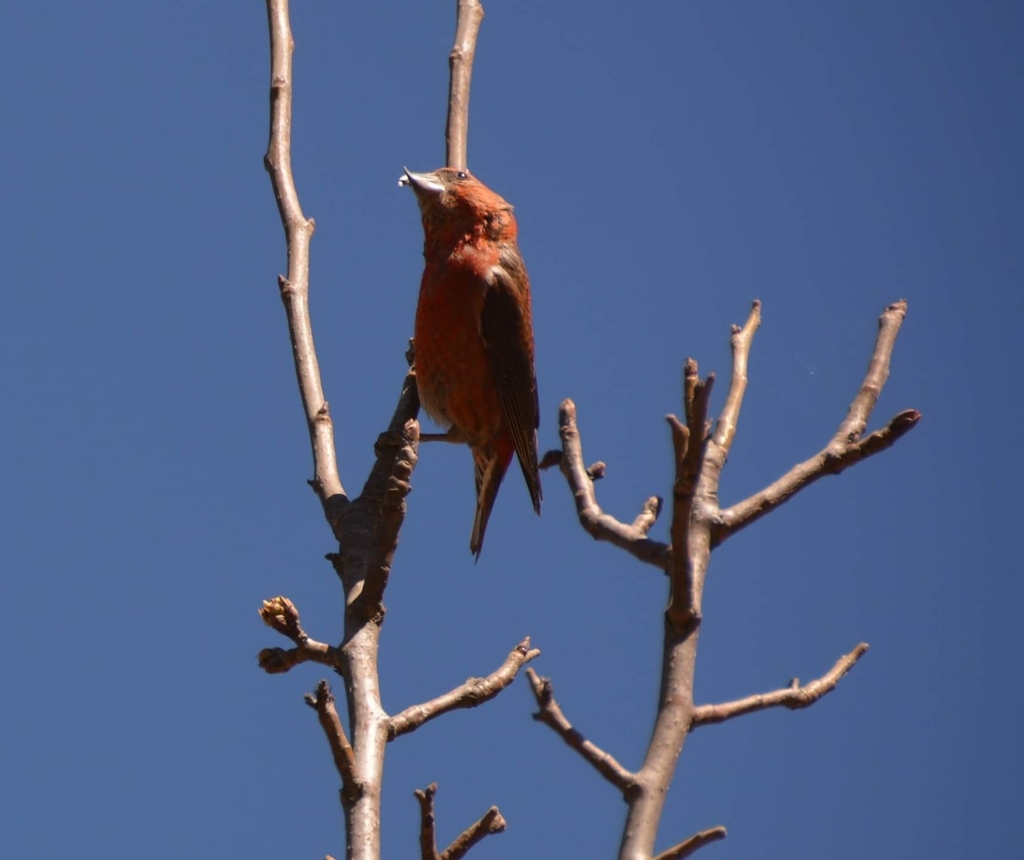
- Red CrossbillLoxia curvirostra
- Red-bellied WoodpeckerMelanerpes carolinus
- Red-breasted NuthatchSitta canadensis
- Red-headed WoodpeckerMelanerpes erythrocephalus
- Red-winged BlackbirdAgelaius phoeniceus
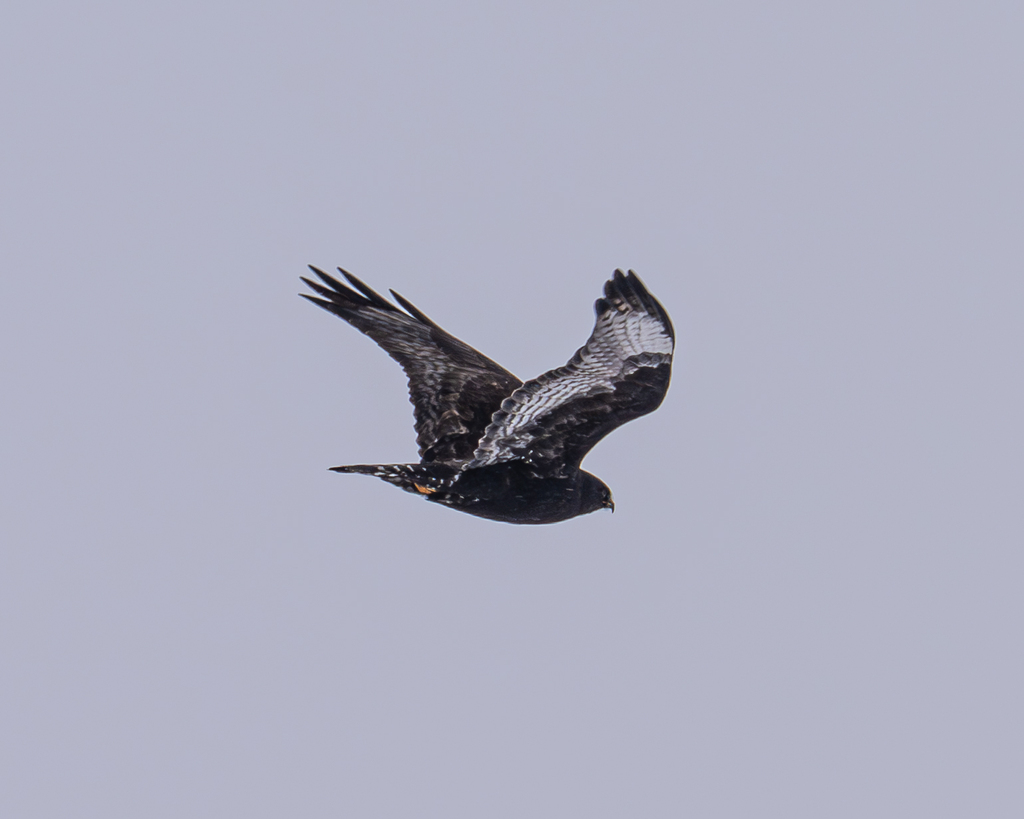
- Rough-legged HawkButeo lagopus
- Ruffed GrouseBonasa umbellus
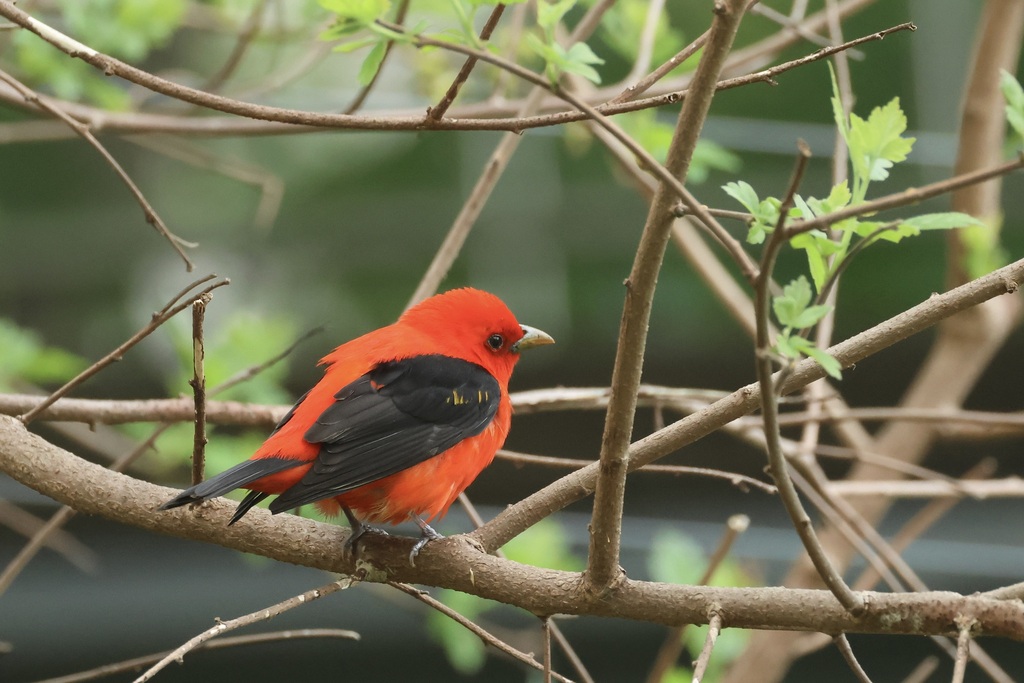
- Scarlet TanagerPiranga olivacea













Who uses this plant?
 2CaterpillarsGenus host records with ranges including VA
Genus host records with ranges including VA · Hieracium
- Cucullia floreaGray Hooded Owlet
- Oxyptilus delawaricus
 6BeesSoutheastern regional records
Southeastern regional records · Hieracium
Individual names are not available yet.
Noori, Seltmann & Orr 2026, A curated and integrated dataset for exploring global bee-plant interactions (GloBI), Zenodo, CC BY 4.0 0Specialist beesPollen specialists
 2BirdsRecorded genus food-resource interactions; not a state feeding claim
Recorded genus food-resource interactions; not a state feeding claim · Hieracium
- Bonasa umbellusRuffed Grouse
- Pinicola enucleatorPine Grosbeak
Direct food only: birds recorded eating this genus across North America. Caterpillars on host plants also feed nesting birds. NC Native Plant Society: butterfly gardening
No records yet · Ants · Beetles · Flies · Adult butterflies / moths · Other wasps · Other insects
Plant details
- Family
- Family not recorded
Safety has not been reviewed for this plant; check toxicity and thorns before planting.
Conservation status
| Virginia rank | S4 |
|---|---|
| Global rank | Not available |
| VA status | Not verified |
| Federal status | Not verified |
Will it fit your yard?
Check this plant against your county, sun and soil moisture. Conditions are checked in your browser.
Sources
- Digital Atlas of the Virginia Flora
- NatureServe Explorer
- Shropshire & Tallamy 2025, Lepidoptera of North America north of Mexico, ZooKeys 1261 (ODbL)
- Noori, Seltmann & Orr 2026, A curated and integrated dataset for exploring global bee-plant interactions (GloBI), Zenodo, CC BY 4.0
- Smith, Bachelder, Russell, Morales, Mosher & Seltmann 2024, Bee-Specialization-Modeling v0.6.1 (specialist host table compiled from J. Fowler's pollen specialist bee lists), Zenodo, CC BY 4.0
- Hurlbert, Olsen, Sawyer & Winner 2021, Avian Diet Database, Scientific Data 8: 260 (CC0)
- Narango, Tallamy & Shropshire 2020, Few keystone plant genera support the majority of Lepidoptera species, Nature Communications