

Swamp Rosemallow
Hibiscus moscheutos
Native to Virginia. How scores work Is it native here?
Profile 100%
- Height
- 2–6 feet
- Spread
- 2–5 feet
- Light
- Full sun, Partial shade
- Soil moisture
- Usually moist
Space about 3.5 ft apart from its recorded spread, about 8 per 100 sq ft. Enter your bed size for a count
Will it fit your yard?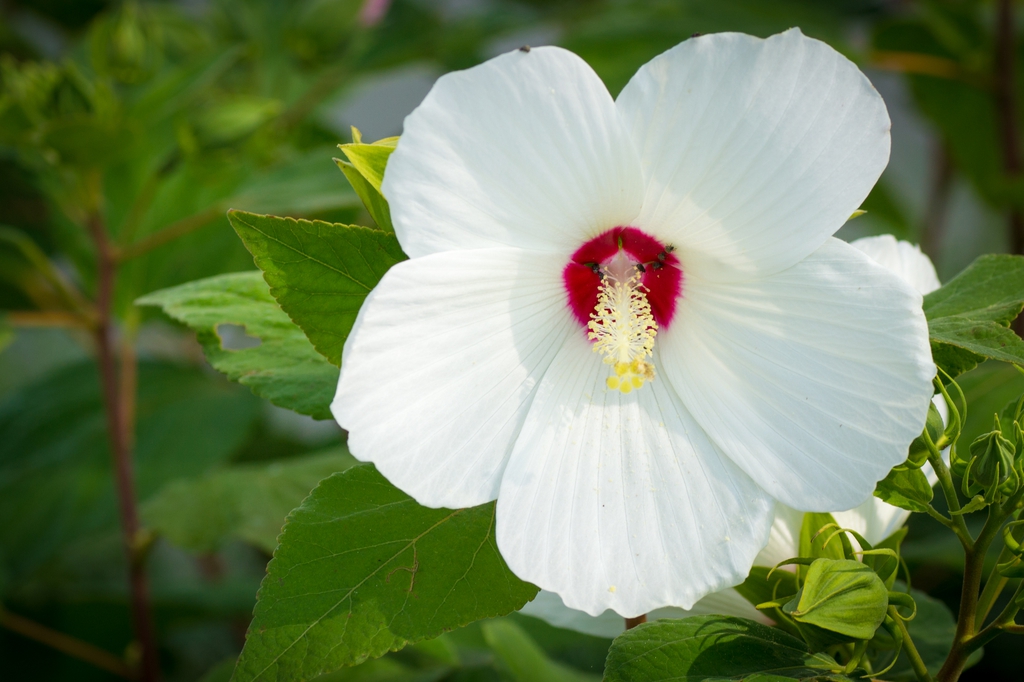
At a glance
- Life cycle
- Perennial
- Leaves
- Deciduous
- Bloom
- Summer and fall
- Fruiting season
- Fall to winter
Recorded in 77 Virginia counties.
Also found with this plant
Wildlife whose habitat models include habitats this plant grows in, in Virginia. Shared habitat, not food. 190 animals.
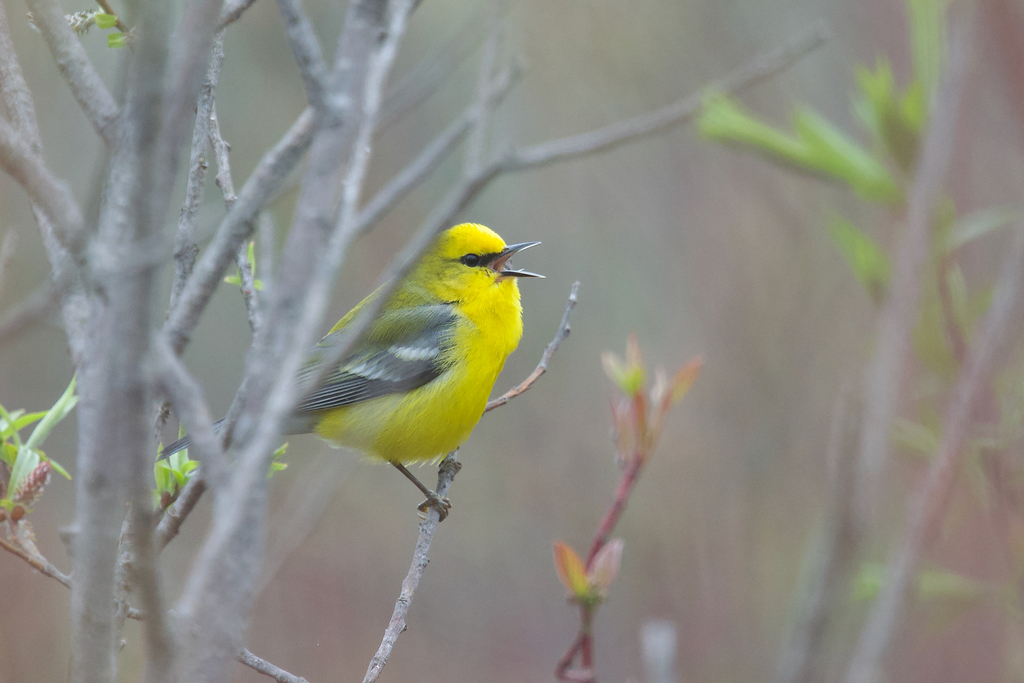
- Blue-winged WarblerVermivora pinus
- Broad-winged HawkButeo platypterus
- Brown ThrasherToxostoma rufum
- Brown-headed CowbirdMolothrus ater
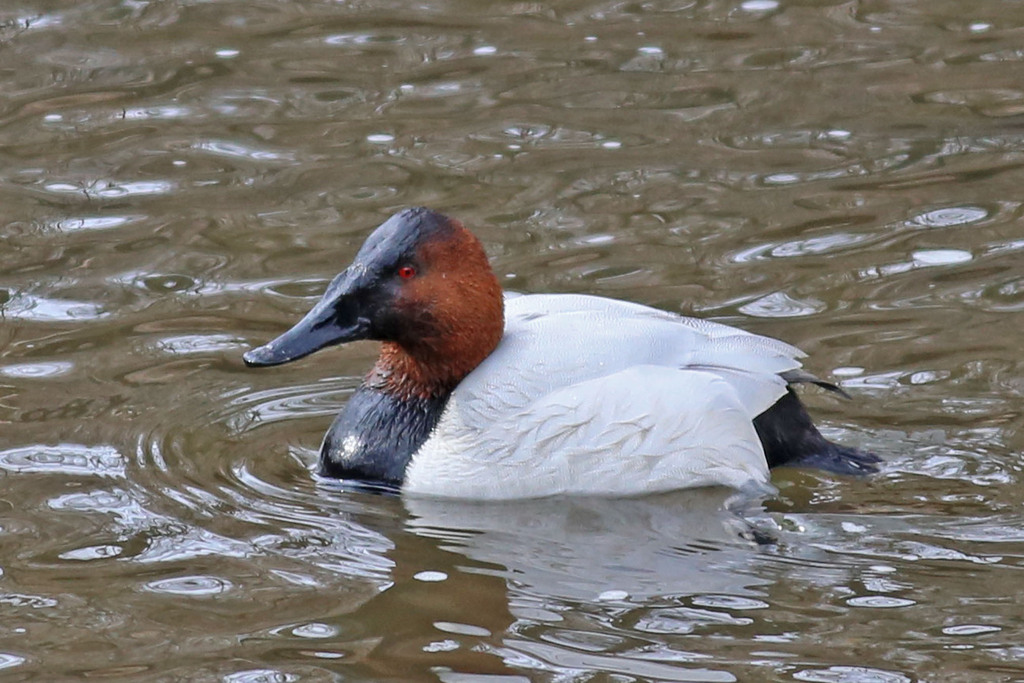
- CanvasbackAythya valisineria
- Carolina WrenThryothorus ludovicianus
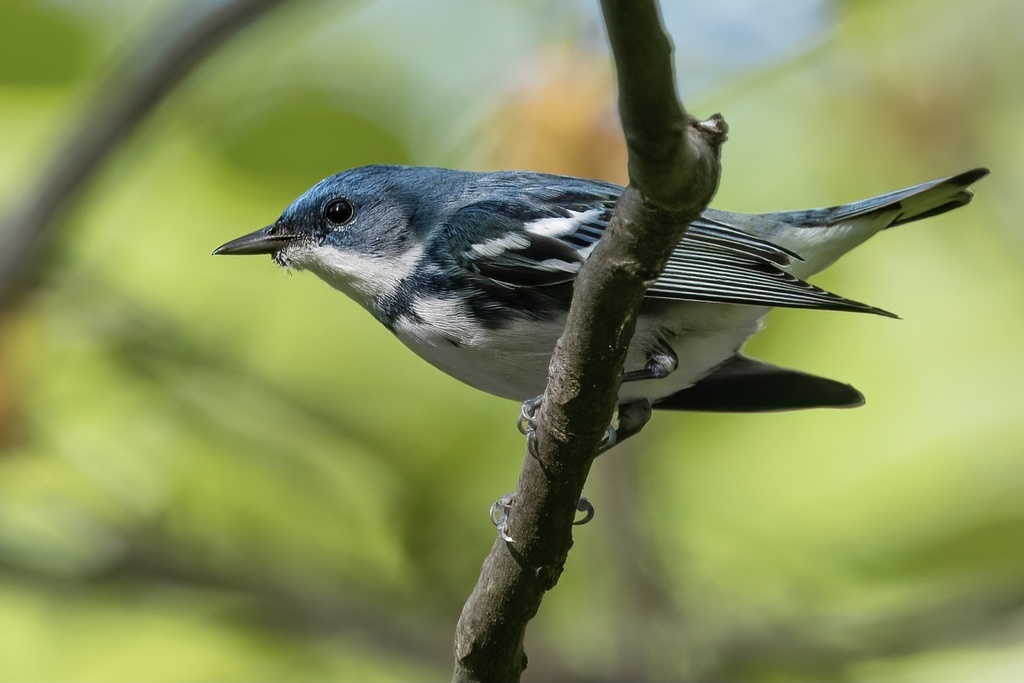
- Cerulean WarblerDendroica cerulea
- Chipping SparrowSpizella passerina
- Cliff SwallowPetrochelidon pyrrhonota
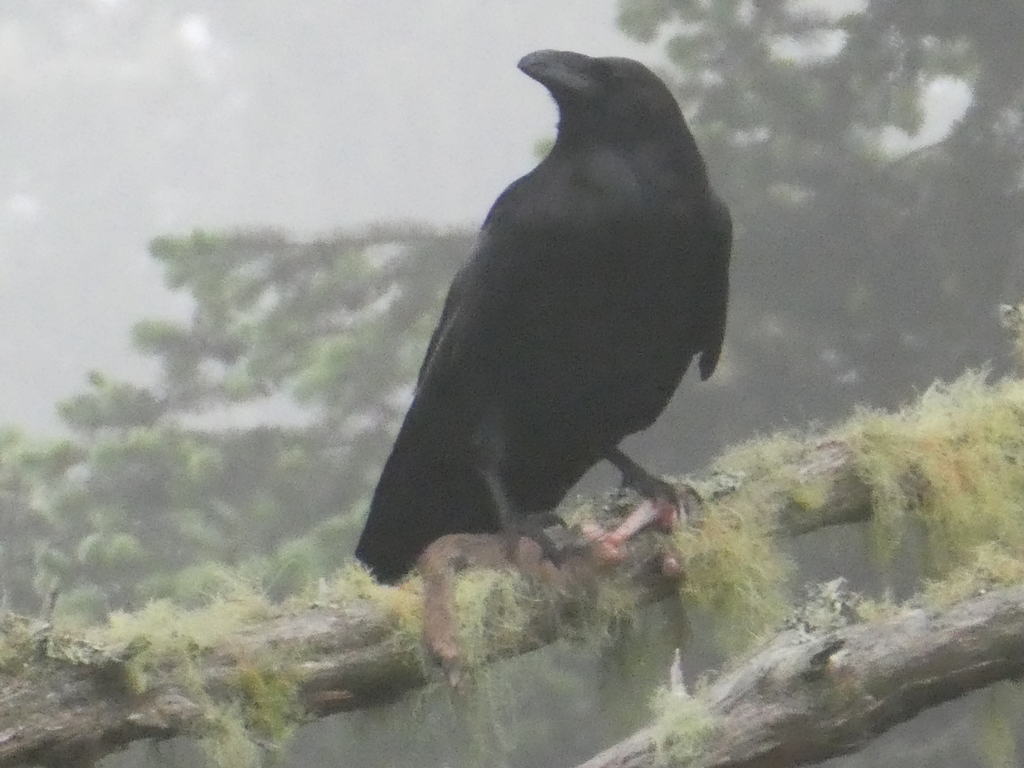
- Common RavenCorvus corax
- Eastern PhoebeSayornis phoebe
- Eastern Screech-owlMegascops asio
- Eastern TowheePipilo erythrophthalmus
- Eurasian Collared-doveStreptopelia decaocto
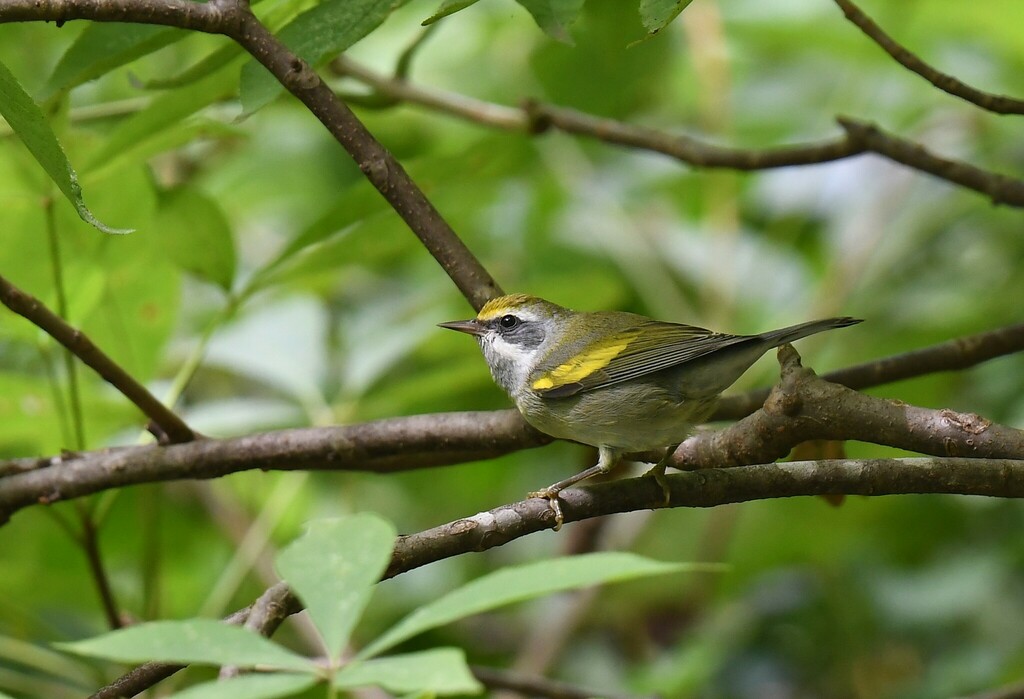
- Golden-winged WarblerVermivora chrysoptera
- Great Crested FlycatcherMyiarchus crinitus
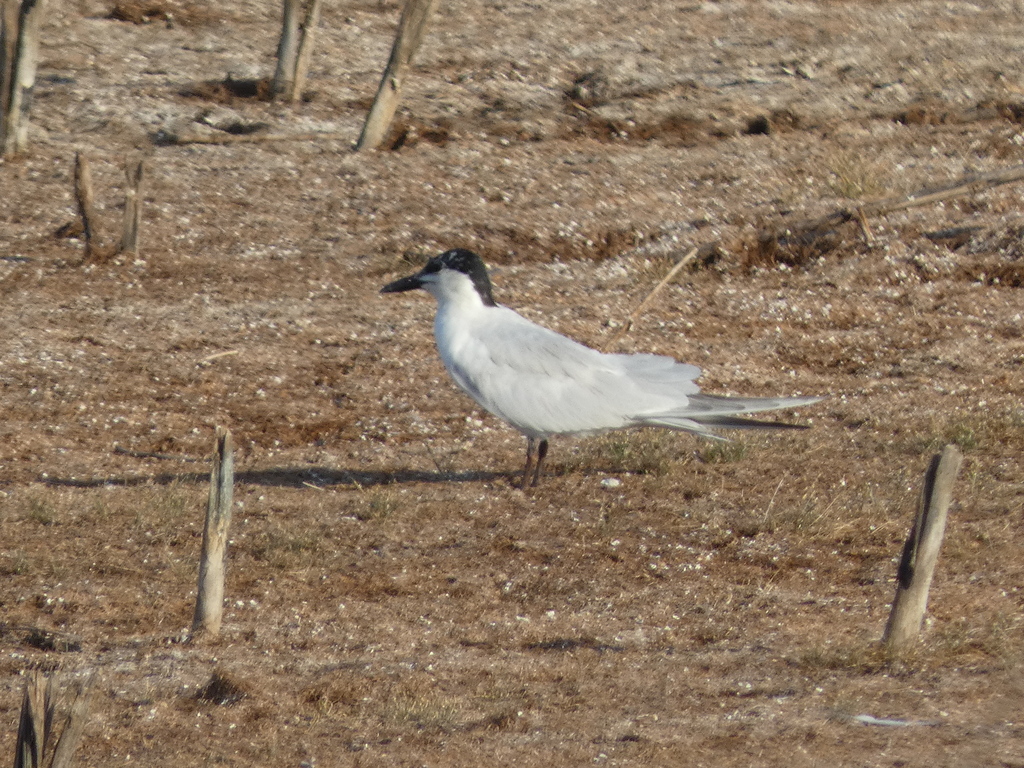
- Gull-billed TernGelochelidon nilotica
- Hermit ThrushCatharus guttatus
- Hooded WarblerWilsonia citrina
- Indigo BuntingPasserina cyanea
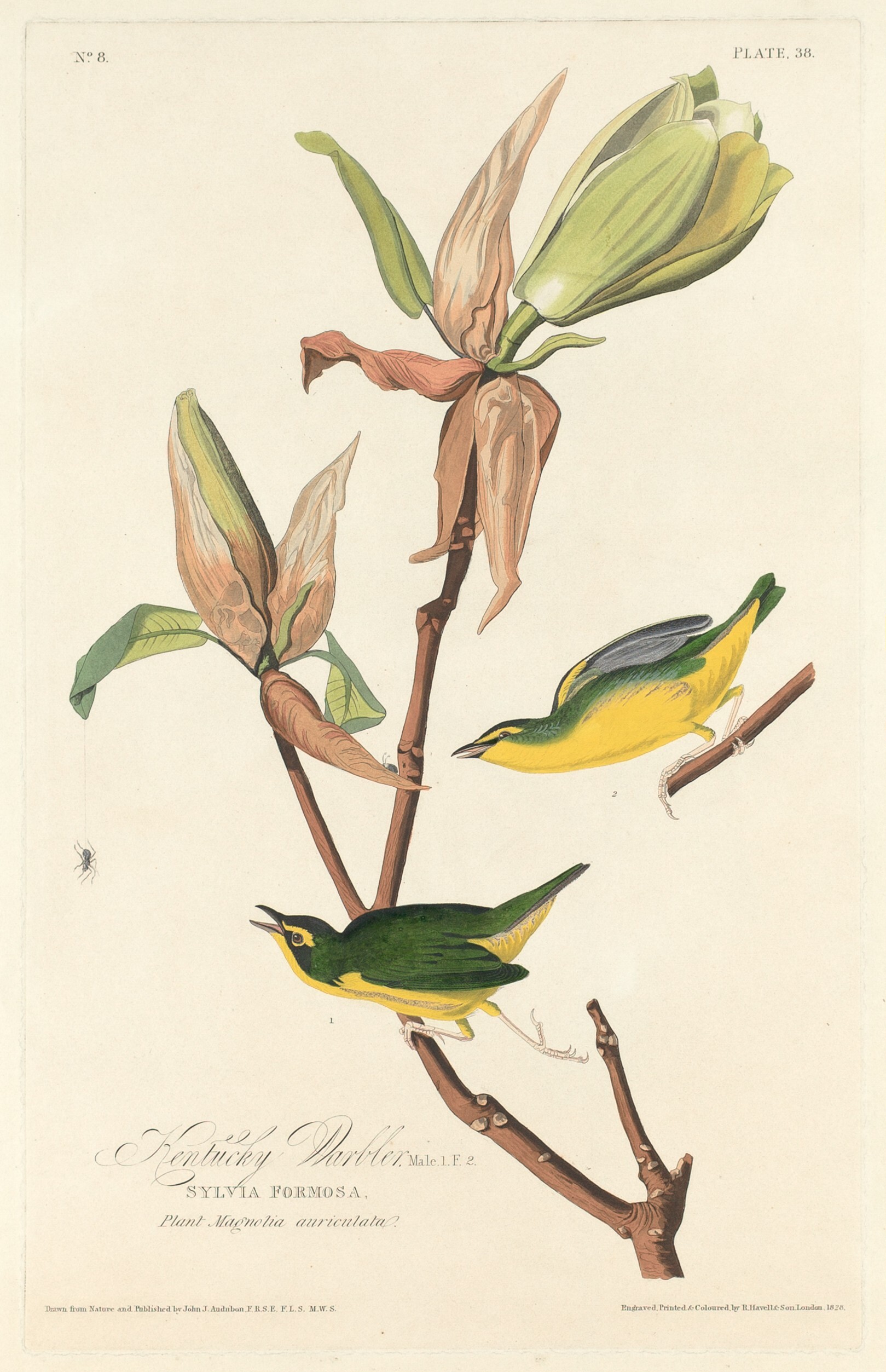
- Kentucky WarblerOporornis formosus
- Least FlycatcherEmpidonax minimus
- Lincoln's SparrowMelospiza lincolnii
- Louisiana WaterthrushSeiurus motacilla

















Care
- Keep the soil from drying out.
Who uses this plant?
 33CaterpillarsGenus host records with ranges including VA
Genus host records with ranges including VA · Hibiscus
- Acharia stimuleaSaddleback Caterpillar Moth
- Amyna strictaEight-Spot Moth
- Anarta trifoliiThe Nutmeg, Clover Cutworm
- Anomis erosaYellow Scallop Moth, Mallow Caterpillar
- Anomis flavaTropical Anomis Moth
- Anticarsia gemmatalisVelvetbean Caterpillar Moth
- Automeris ioIo Moth
- Burnsius communisCommon Checkered-Skipper
- Chloridea virescensTobacco Budworm Moth
- Elasmopalpus lignosellaLesser Cornstalk Borer
Show all 33
- Euclea delphiniiSpiny Oak-Slug Moth
- Eudryas unioPearly Wood-Nymph
- Feltia subterraneaSubterranean Dart, Granulate Cutworm
- Helicoverpa zeaCorn Earworm Moth
- Hypena scabraGreen Cloverworm Bomolocha, Black Snout
- Hyphantria cuneaFall Webworm
- Idia lubricalisGlossy Black Idia
- Megalopyge opercularisSouthern Flannel Moth, Puss Caterpillar
- Orgyia leucostigmaWhite-Marked Tussock Moth
- Papaipema nebrisStalk Borer
- Platynota rostranaOmnivorous Platynota
- Spodoptera dolichosSweetpotato Armyworm, Dolichos Armyworm, Large Cotton Armyworm
- Spodoptera eridaniaSouthern Armyworm Moth
- Spodoptera frugiperdaFall Armyworm Moth
- Spodoptera ornithogalliYellow-Striped Armyworm Moth, Cotton Cutworm
- Strymon melinusGray Hairstreak
- Tarache apricaExposed Bird-Dropping Moth
- Tarache delectaDelightful Bird-Dropping Moth
- Thyridopteryx ephemeraeformisEvergreen Bagworm Moth
- Urodus parvulaBumelia Webworm
- Chionodes hibiscella
- Epiblema numerosana
- Telamoptilia hibiscivora
 26BeesSoutheastern regional records
Southeastern regional records · Hibiscus
Individual names are not available yet.
Noori, Seltmann & Orr 2026, A curated and integrated dataset for exploring global bee-plant interactions (GloBI), Zenodo, CC BY 4.0 1Specialist beesPollen specialists
Pollen specialists · Hibiscus
- Ptilothrix bombiformis
 1BirdsRecorded genus food-resource interactions; not a state feeding claim
Recorded genus food-resource interactions; not a state feeding claim · Hibiscus
- Coccothraustes vespertinusEvening Grosbeak
Direct food only: birds recorded eating this genus across North America. Caterpillars on host plants also feed nesting birds. NC Native Plant Society: butterfly gardening
No records yet · Ants · Beetles · Flies · Adult butterflies / moths · Other wasps · Other insects
Plant details
- Family
- Malvaceae
- Hardiness
- Zones 4a–9b
- Soil pH
- Acidic to neutral
- Flower color
- Pink, red or white
- Growth rate
- Rapid
- Growth habit
- Several stems
- Foliage color
- Gray-green
- Fruit begins
- Fall
- Fruit ends
- Winter
What its natural habitat tells you
Safety has not been reviewed for this plant; check toxicity and thorns before planting.
Growing sources and scope
- Bloom · “Summer and fall” · NC Extension Plant Toolbox (ranked first; USDA PLANTS, Prairie Moon 2026 Cultural Guide differ)
- Flower color · “Pink, red or white” · NC Extension Plant Toolbox (ranked first; USDA PLANTS, Lady Bird Johnson Wildflower Center, Prairie Moon 2026 Cultural Guide differ)
- Foliage color · “Gray-green” · USDA PLANTS · Nationwide species characteristics; local growing conditions may vary
- Fruit begins · “Fall” · NC Extension Plant Toolbox (ranked first; USDA PLANTS differs) · Species profile fruit display season; not a local ripening date
- Fruit ends · “Winter” · NC Extension Plant Toolbox (ranked first; USDA PLANTS differs) · Species profile fruit display season; not a local ripening date
- Growth habit · “Several stems” · USDA PLANTS · Nationwide species characteristics; local growing conditions may vary
- Growth rate · “Rapid” · USDA PLANTS · Nationwide species characteristics; local growing conditions may vary
- Hardiness · “Zones 4a–9b” · NC Extension Plant Toolbox (ranked first; Missouri Botanical Garden Plant Finder differs)
- Height · “2–6 feet” · NC Extension Plant Toolbox (ranked first; Tennessee Smart Yards, USDA PLANTS, Lady Bird Johnson Wildflower Center, Missouri Botanical Garden Plant Finder, Prairie Moon 2026 Cultural Guide differ)
- Leaves · “Deciduous” · NC Extension Plant Toolbox
- Life cycle · “Perennial” · NC Extension Plant Toolbox
- Light · “Full sun (6 or more hours of direct sunlight a day); Partial shade (direct sunlight only part of the day, 2-6 hours)” · NC Extension Plant Toolbox (ranked first; Tennessee Smart Yards, Virginia DCR Piedmont, Virginia DCR Coastal Plain, Lady Bird Johnson Wildflower Center, Missouri Botanical Garden Plant Finder, Prairie Moon 2026 Cultural Guide differ)
- Soil · “Moist; Occasionally wet” · NC Extension Plant Toolbox (ranked first; Tennessee Smart Yards, Virginia DCR Piedmont, Virginia DCR Coastal Plain, Lady Bird Johnson Wildflower Center, Missouri Botanical Garden Plant Finder, Prairie Moon 2026 Cultural Guide differ)
- Soil pH · “Acidic to neutral” · NC Extension Plant Toolbox (ranked first; Lady Bird Johnson Wildflower Center differs)
- Spread · “2–5 feet” · NC Extension Plant Toolbox (ranked first; Missouri Botanical Garden Plant Finder differs)
Also known as
Crimsoneye Rose Mallow; Eastern Rose Mallow; Muenchhusia moscheutos subsp. moscheutos
Conservation status
| Virginia rank | S5 |
|---|---|
| Global rank | G5 |
| VA status | Not verified |
| Federal status | Not verified |
Will it fit your yard?
Check this plant against your county, sun and soil moisture. Conditions are checked in your browser.
Growing cautions
- Spreads slowly. Spreads slowly by seed. Tennessee Smart Yards
For planning only; these do not change the score or Fit.
Sources
- Digital Atlas of the Virginia Flora
- USDA PLANTS
- Vascular Plants of North Carolina (NC Natural Heritage Program)
- Weakley, Flora of the Southeastern United States (2025)
- NatureServe Explorer
- Shropshire & Tallamy 2025, Lepidoptera of North America north of Mexico, ZooKeys 1261 (ODbL)
- Noori, Seltmann & Orr 2026, A curated and integrated dataset for exploring global bee-plant interactions (GloBI), Zenodo, CC BY 4.0
- Smith, Bachelder, Russell, Morales, Mosher & Seltmann 2024, Bee-Specialization-Modeling v0.6.1 (specialist host table compiled from J. Fowler's pollen specialist bee lists), Zenodo, CC BY 4.0
- Hurlbert, Olsen, Sawyer & Winner 2021, Avian Diet Database, Scientific Data 8: 260 (CC0)
- Narango, Tallamy & Shropshire 2020, Few keystone plant genera support the majority of Lepidoptera species, Nature Communications