

Harperella
Harperella nodosa
Found in rocky or gravelly riverbeds, upland depression ponds, seepage on granite flatrocks. Weakley, Flora of the Southeastern United States (2025), Northern Tier edition What its natural habitat tells you
Native to Virginia. How scores work Is it native here?
Profile 88%
- Height
- Up to about 3 feet
- Light
- Partial shade, Full sun
- Soil moisture
- Wet to standing water
No photograph yet. Looking for an old drawing…
Federally endangered. Excluded from routine garden suggestions. Consult conservation guidance before obtaining or planting this species. Plant caution source
Hidden from default planting suggestions. Wildlife value and native status remain unchanged.
At a glance
- Life cycle
- Annual
- Bloom
- June to August
Not yet recorded · Spread · Leaves
Recorded in 1 Virginia county.
Natural habitats
Places it grows wild. Not a planting requirement. Each habitat page lists the plants and wildlife also found there.
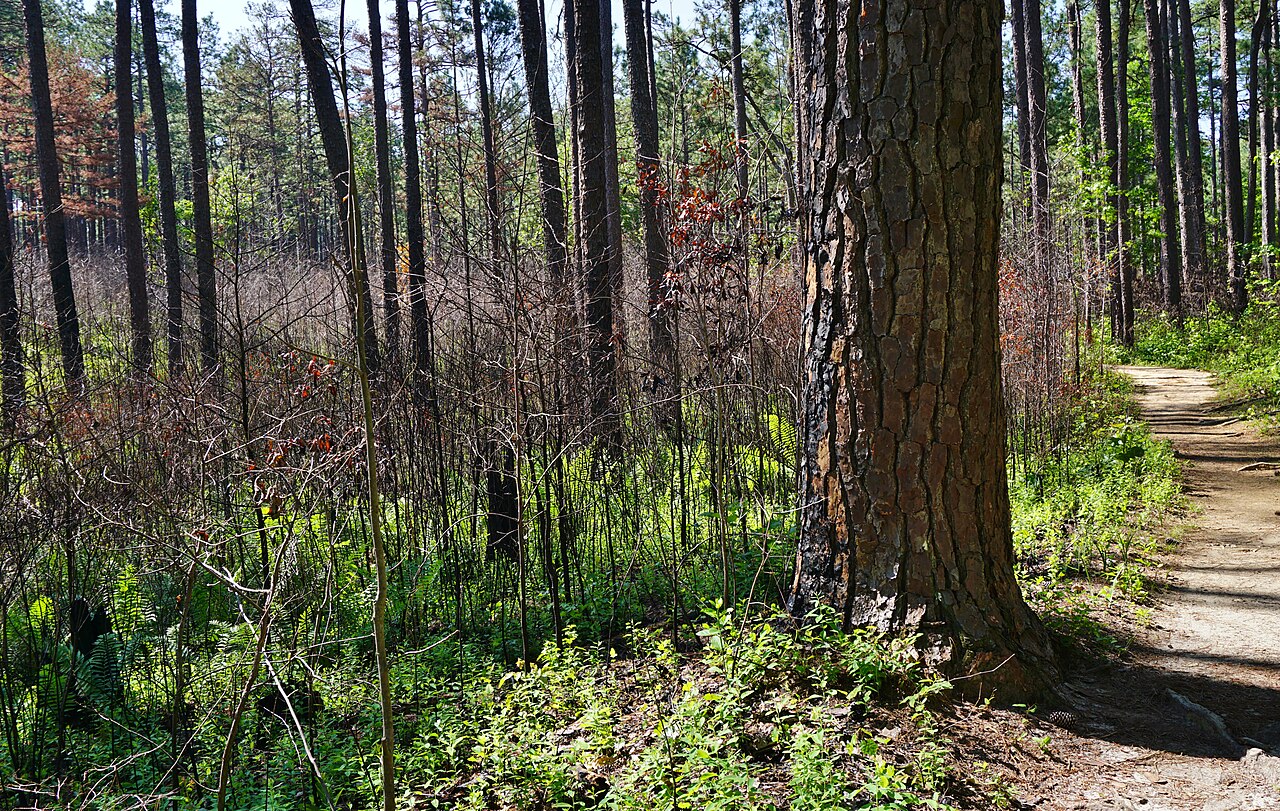
Depression ponds and limesinks
Shallow ponds in Coastal Plain depressions, such as limesinks and the ponds in some Carolina bays, that rise and fall with the seasons.
Granite and other acidic rock outcrops
Bare or thin-soil rock on granite, gneiss, sandstone, quartzite and similar acidic rock, including granite flatrocks and domes.
Also found with this plant
Wildlife whose habitat models include habitats this plant grows in, in Virginia. Shared habitat, not food. 136 animals.
- Brown CreeperCerthia americana
- Brown-headed CowbirdMolothrus ater
- Carolina WrenThryothorus ludovicianus
- Cedar WaxwingBombycilla cedrorum
- Cliff SwallowPetrochelidon pyrrhonota
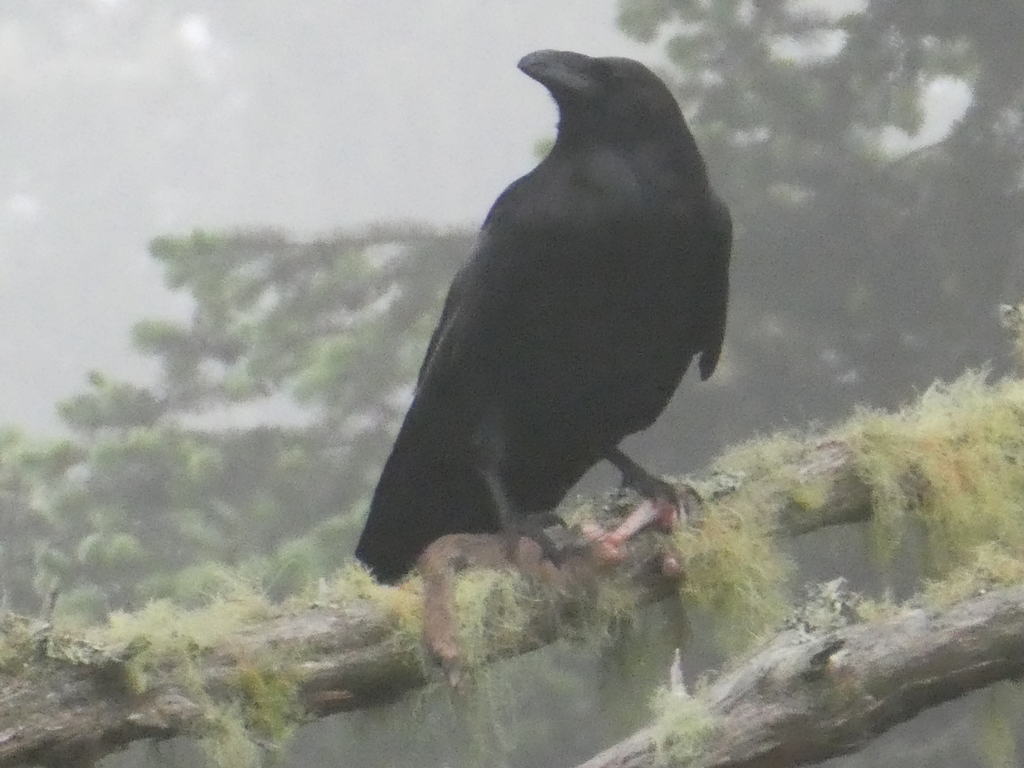
- Common RavenCorvus corax
- Common YellowthroatGeothlypis trichas
- Cooper's HawkAccipiter cooperii
- Double-crested CormorantPhalacrocorax auritus
- Downy WoodpeckerPicoides pubescens
- Eastern Screech-owlMegascops asio
- Eurasian Collared-doveStreptopelia decaocto
- Golden-crowned KingletRegulus satrapa
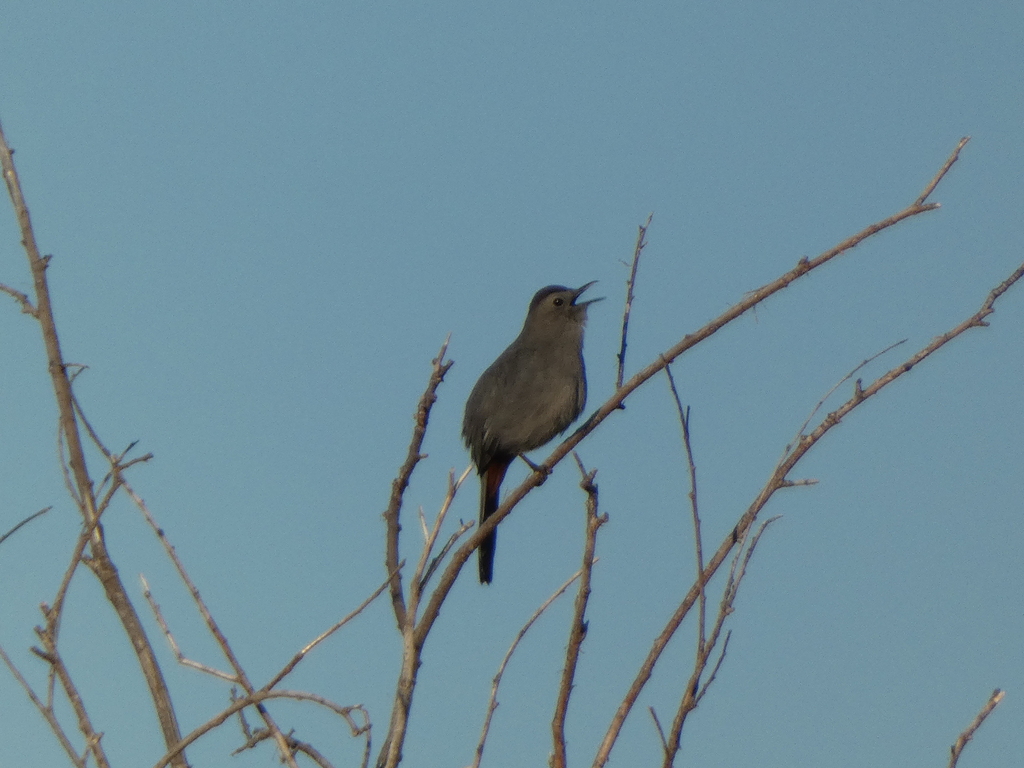
- Gray CatbirdDumetella carolinensis
- Great Blue HeronArdea herodias
- Great EgretArdea alba
- Green HeronButorides virescens
- Hairy WoodpeckerPicoides villosus
- Hooded MerganserLophodytes cucullatus
- Kentucky WarblerOporornis formosus
- Louisiana WaterthrushSeiurus motacilla
- MallardAnas platyrhynchos
- Northern CardinalCardinalis cardinalis
- Northern MockingbirdMimus polyglottos























Who uses this plant?
 1CaterpillarsGenus host records with ranges including VA
Genus host records with ranges including VA · Ptilimnium
- Papilio polyxenesBlack Swallowtail, Celery Caterpillar, Fennel Worm, Desert Black Swallowtail, Parsnip Swallowtail
 7BeesSoutheastern regional records
Southeastern regional records · Ptilimnium
Individual names are not available yet.
Noori, Seltmann & Orr 2026, A curated and integrated dataset for exploring global bee-plant interactions (GloBI), Zenodo, CC BY 4.0 0Specialist beesPollen specialists
 —BirdsRecorded genus food-resource interactions; not a state feeding claim
No records yet · Ants · Beetles · Flies · Adult butterflies / moths · Other wasps · Other insects
Plant details
- Family
- Apiaceae
- Flower color
- White
Growing sources and scope
- Bloom · “June to August” · Weakley, Flora of the Southeastern United States (2025), Carolinas & Georgia edition · Carolinas and Georgia
- Flower color · “White” · Lady Bird Johnson Wildflower Center
- Height · “Up to about 3 feet” · Lady Bird Johnson Wildflower Center
- Life cycle · “Annual” · Lady Bird Johnson Wildflower Center
- Light · “Partial shade; Full sun (documented habitat)” · Weakley, Flora of the Southeastern United States (2025), Carolinas & Georgia edition · Carolinas and Georgia
- primary_flower_color · “white” · Lady Bird Johnson Wildflower Center
- Soil · “Water; Wet (documented habitat)” · Weakley, Flora of the Southeastern United States (2025), Carolinas & Georgia edition · Carolinas and Georgia
Also known as
Ptilimnium fluviatile; Ptilimnium nodosum; bishopweed
Conservation status
| Virginia rank | S1 |
|---|---|
| Global rank | G2 |
| VA status | Not verified |
| Federal status | Endangered (US Fish and Wildlife Service) |
Conservation source Global rank source Federal status source: US Fish and Wildlife Service
Will it fit your yard?
Check this plant against your county, sun and soil moisture. Conditions are checked in your browser.
Sources
- Virginia DCR Natural Heritage rare plant list
- Digital Atlas of the Virginia Flora
- USDA PLANTS
- Vascular Plants of North Carolina (NC Natural Heritage Program)
- Weakley, Flora of the Southeastern United States (2025), Carolinas & Georgia edition
- NatureServe Explorer
- Shropshire & Tallamy 2025, Lepidoptera of North America north of Mexico, ZooKeys 1261 (ODbL)
- Noori, Seltmann & Orr 2026, A curated and integrated dataset for exploring global bee-plant interactions (GloBI), Zenodo, CC BY 4.0
- Smith, Bachelder, Russell, Morales, Mosher & Seltmann 2024, Bee-Specialization-Modeling v0.6.1 (specialist host table compiled from J. Fowler's pollen specialist bee lists), Zenodo, CC BY 4.0
- Hurlbert, Olsen, Sawyer & Winner 2021, Avian Diet Database, Scientific Data 8: 260 (CC0)
- Narango, Tallamy & Shropshire 2020, Few keystone plant genera support the majority of Lepidoptera species, Nature Communications