

Bent Avens
Geum geniculatum
Found in seeps, seepy boulderfield forests, grassy balds, cliff bases, banks of cool streams up to about 5 m wide, at high to moderate elevations. FloraQuest, phone app (app page) What its natural habitat tells you
Native to Virginia. How scores work Is it native here?
Profile 88%
- Height
- Up to about 2.5 feet
- Light
- Partial shade, Full shade, Full sun
- Soil moisture
- Dry to wet
No photograph yet. Looking for an old drawing…
Rare or protected plant. Specialist conservation planting; excluded from routine garden suggestions. Plant caution source
Hidden from default planting suggestions. Wildlife value and native status remain unchanged.
At a glance
- Life cycle
- Perennial
- Bloom
- June to August
- Fruiting season
- August to September
Not yet recorded · Spread · Leaves
Recorded in 1 Virginia county.
Natural habitats
Places it grows wild. Not a planting requirement.
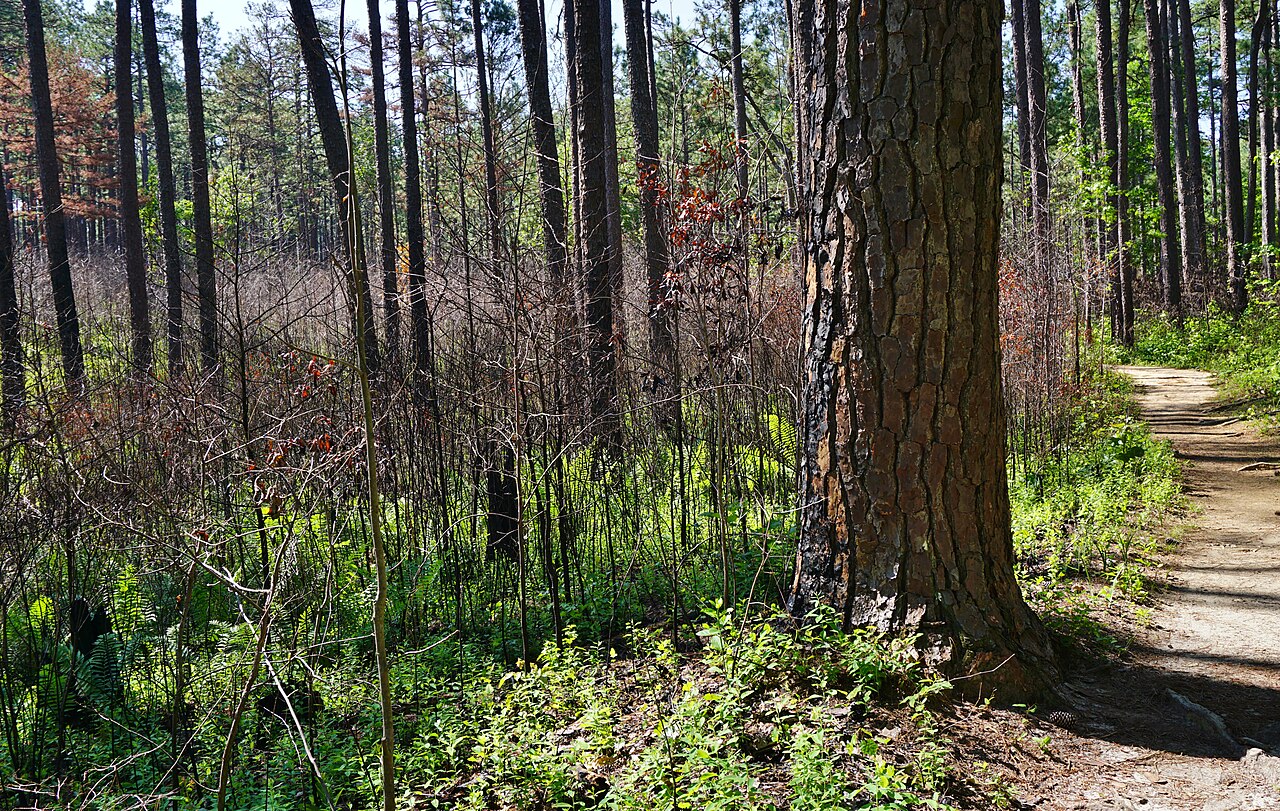
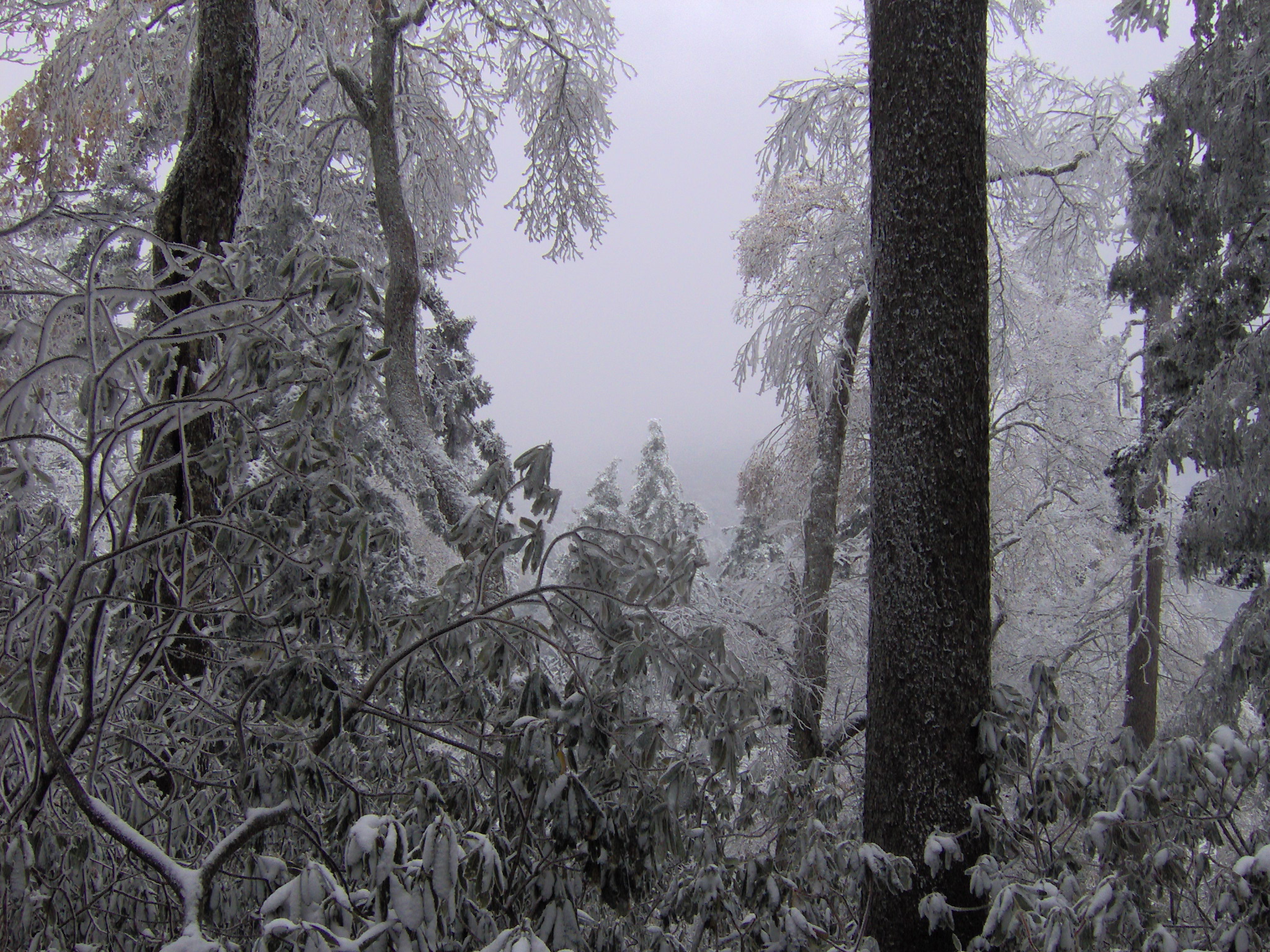
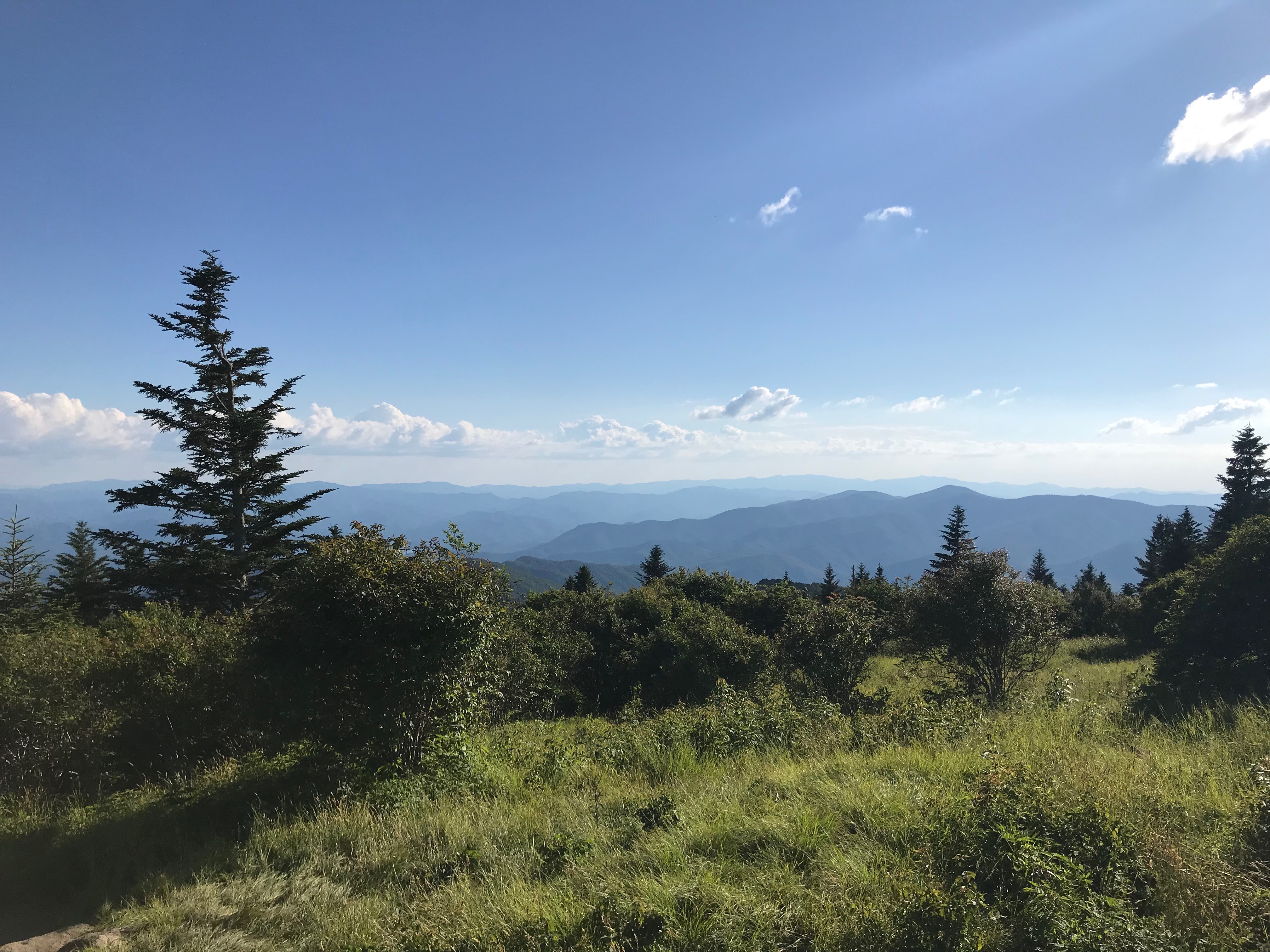
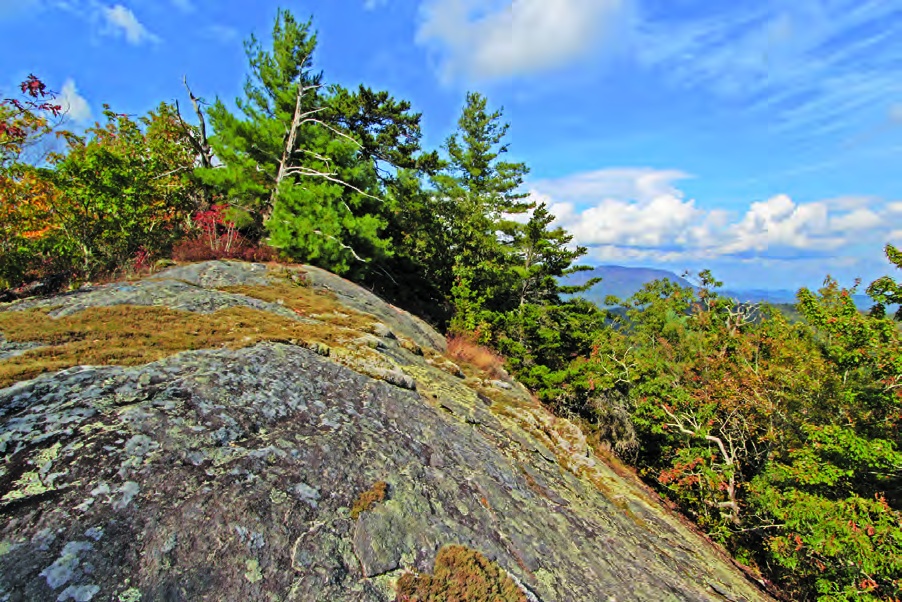
Cliffs, ledges and rocky summits
Streams, rivers and their banks
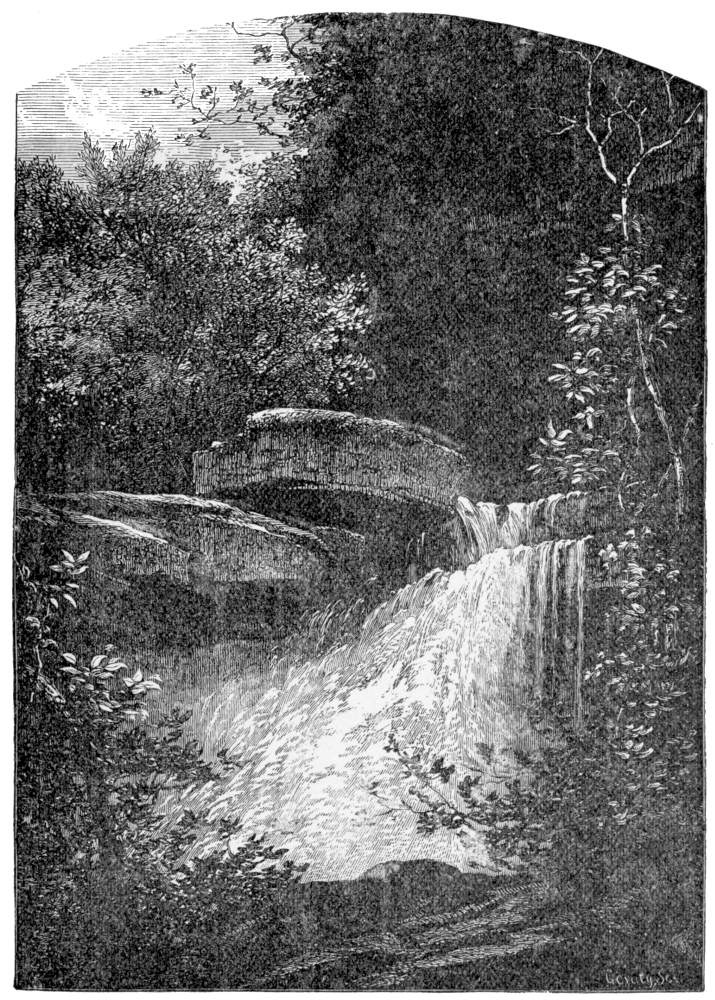
Habitats
Seeps and springs; northern hardwood forests; mountain balds; cliffs, ledges and rocky summits; streams, rivers and their banks.
Each habitat page lists the plants and wildlife also found there. All habitats
Also found with this plant
Wildlife whose habitat models include habitats this plant grows in, in Virginia. Shared habitat, not food. 124 animals.
- American KestrelFalco sparverius
- Cooper's HawkAccipiter cooperii
- European StarlingSturnus vulgaris
- Northern CardinalCardinalis cardinalis
- Red-tailed HawkButeo jamaicensis
- Sharp-shinned HawkAccipiter striatus
- Turkey VultureCathartes aura
- American GoldfinchCarduelis tristis
- American RobinTurdus migratorius
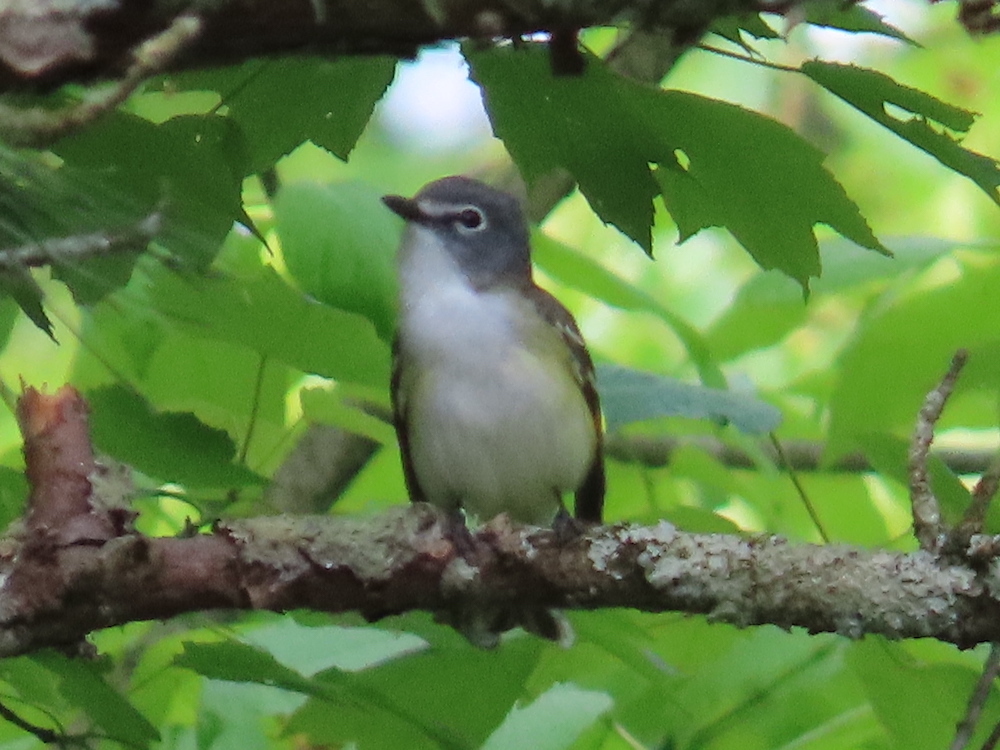
- Blue-headed VireoVireo solitarius
- Chipping SparrowSpizella passerina
- Common NighthawkChordeiles minor
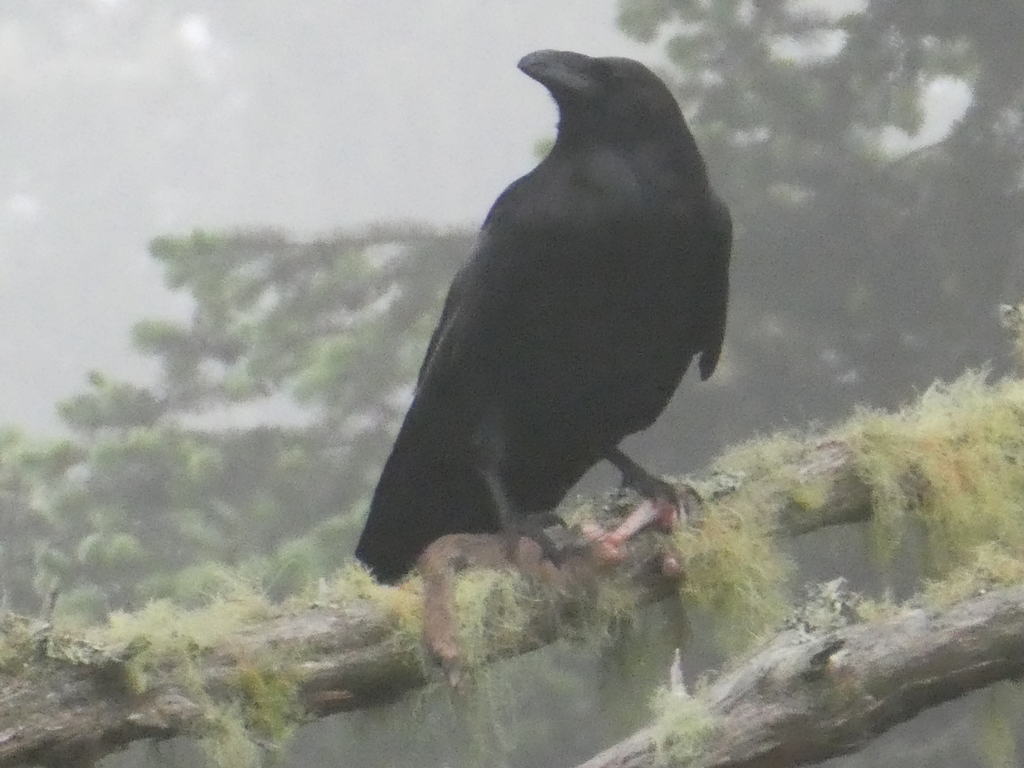
- Common RavenCorvus corax
- Dark-eyed JuncoJunco hyemalis
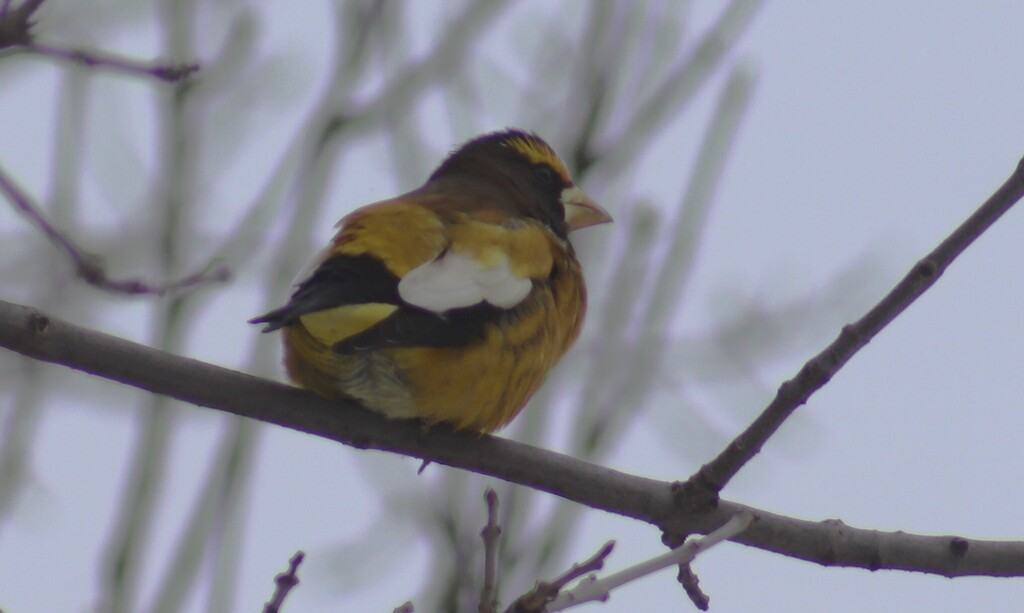
- Evening GrosbeakCoccothraustes vespertinus
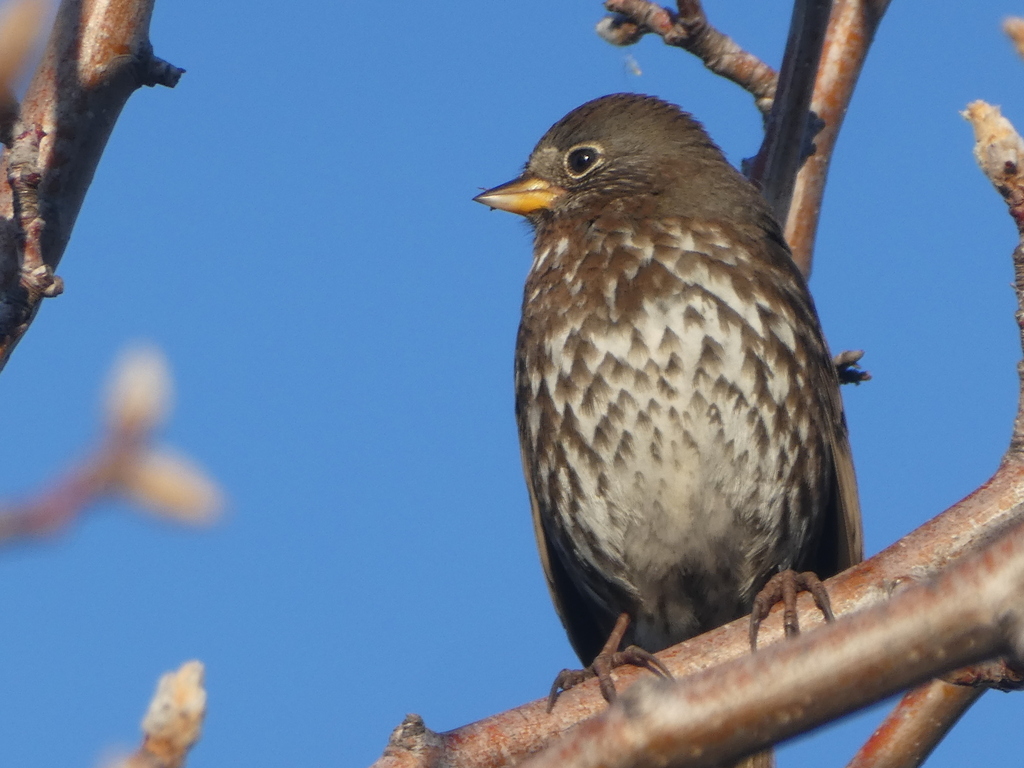
- Fox SparrowPasserella iliaca
- Great Horned OwlBubo virginianus
- Hermit ThrushCatharus guttatus
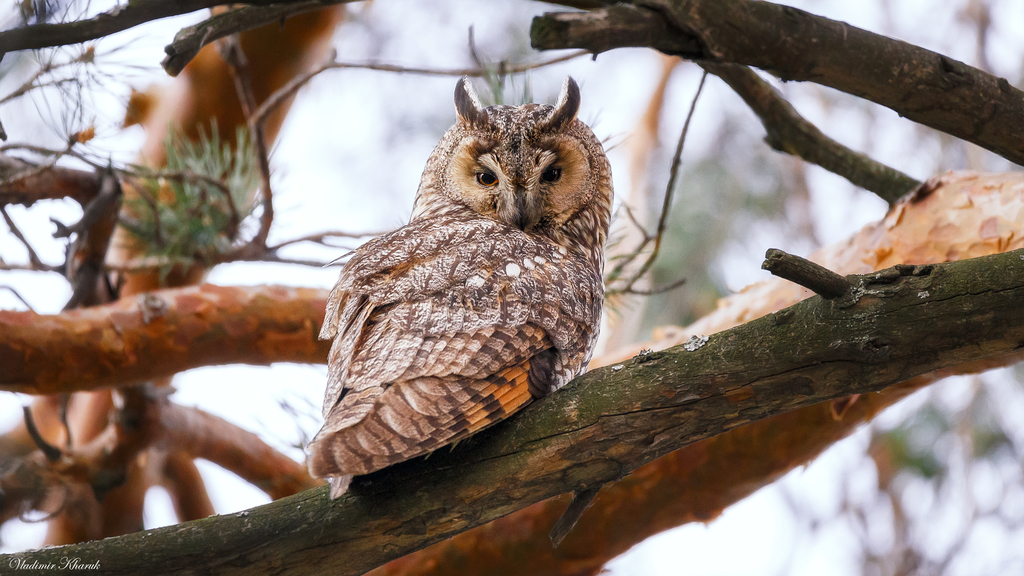
- Long-eared OwlAsio otus
- Orange-crowned WarblerVermivora celata
- Purple FinchCarpodacus purpureus
- Ruby-crowned KingletRegulus calendula
- Scarlet TanagerPiranga olivacea
- Spotted SandpiperActitis macularius





















Who uses this plant?
 3CaterpillarsGenus host records with ranges including VA
Genus host records with ranges including VA · Geum
- Cenopis reticulatanaReticulated Fruitworm Moth
- Dysstroma citrataDark Marbled Carpet
- Dysstroma truncataMarbled Carpet
 0BeesSoutheastern regional records
 0Specialist beesPollen specialists
 3BirdsRecorded genus food-resource interactions; not a state feeding claim
Recorded genus food-resource interactions; not a state feeding claim · Geum
- Bonasa umbellusRuffed Grouse
- Lagopus leucuraWhite-tailed Ptarmigan
- Leucosticte atrataBlack Rosy-Finch
Direct food only: birds recorded eating this genus across North America. Caterpillars on host plants also feed nesting birds. NC Native Plant Society: butterfly gardening
No records yet · Ants · Beetles · Flies · Adult butterflies / moths · Other wasps · Other insects
Plant details
- Family
- Rosaceae
- Flower color
- White, pink or purple
- Fruit begins
- August
- Fruit ends
- September
Growing sources and scope
- Bloom · “Late June to August” · FloraQuest: Carolinas, Georgia (Southeastern Flora Team), phone app (app page) · Carolinas and Georgia
- Flower color · “White, pink or purple” · Lady Bird Johnson Wildflower Center
- Fruit begins · “August” · FloraQuest: Carolinas, Georgia (Southeastern Flora Team), phone app (app page) · Carolinas and Georgia
- Fruit ends · “September” · FloraQuest: Carolinas, Georgia (Southeastern Flora Team), phone app (app page) · Carolinas and Georgia
- Height · “Up to about 2.5 feet” · Lady Bird Johnson Wildflower Center
- Life cycle · “Perennial” · Lady Bird Johnson Wildflower Center
- Light · “Partial shade; Full shade; Full sun (documented habitat)” · FloraQuest: Carolinas, Georgia (Southeastern Flora Team), phone app (app page) · Carolinas and Georgia
- Soil · “Dry; Moist; Wet (documented habitat)” · FloraQuest: Carolinas, Georgia (Southeastern Flora Team), phone app (app page) · Carolinas and Georgia
Conservation status
| Virginia rank | S1 |
|---|---|
| Global rank | G2 |
| VA status | Not verified |
| Federal status | Not verified |
Will it fit your yard?
Check this plant against your county, sun and soil moisture. Conditions are checked in your browser.
Sources
- Virginia DCR Natural Heritage rare plant list
- Digital Atlas of the Virginia Flora
- USDA PLANTS
- Vascular Plants of North Carolina (NC Natural Heritage Program)
- NatureServe Explorer
- Shropshire & Tallamy 2025, Lepidoptera of North America north of Mexico, ZooKeys 1261 (ODbL)
- Noori, Seltmann & Orr 2026, A curated and integrated dataset for exploring global bee-plant interactions (GloBI), Zenodo, CC BY 4.0
- Smith, Bachelder, Russell, Morales, Mosher & Seltmann 2024, Bee-Specialization-Modeling v0.6.1 (specialist host table compiled from J. Fowler's pollen specialist bee lists), Zenodo, CC BY 4.0
- Hurlbert, Olsen, Sawyer & Winner 2021, Avian Diet Database, Scientific Data 8: 260 (CC0)
- Narango, Tallamy & Shropshire 2020, Few keystone plant genera support the majority of Lepidoptera species, Nature Communications