

Herb Robert
Geranium robertianum
Found in rocky woodlands, especially over calcareous rocks. FloraQuest, phone app (app page) What its natural habitat tells you
Native to Virginia. How scores work Is it native here?
Profile 71%
- Height
- Up to about 2 feet
- Soil moisture
- Somewhat dry to average
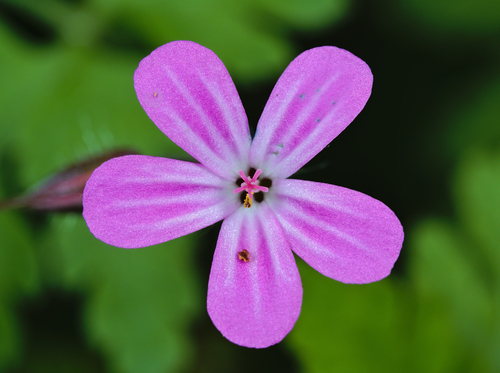
At a glance
- Life cycle
- Annual
Not yet recorded · Spread · Light · Leaves · Bloom
This plant is missing most of its facts, so Quercus is looking them up in old botany books.
Recorded in 5 Virginia counties.
Natural habitats
Places it grows wild. Not a planting requirement. Each habitat page lists the plants and wildlife also found there.
Forest or woodland where the source does not say how moist or dry.
Also found with this plant
Wildlife whose habitat models include habitats this plant grows in, in Virginia. Shared habitat, not food. 114 animals.
- American CrowCorvus brachyrhynchos
- American KestrelFalco sparverius
- Bald EagleHaliaeetus leucocephalus
- Belted KingfisherMegaceryle alcyon
- Chimney SwiftChaetura pelagica
- Common NighthawkChordeiles minor
- Common RavenCorvus corax
- Dark-eyed JuncoJunco hyemalis
- Eastern BluebirdSialia sialis
- Eastern KingbirdTyrannus tyrannus
- European StarlingSturnus vulgaris
- Great Horned OwlBubo virginianus
- Mourning DoveZenaida macroura
- Red-tailed HawkButeo jamaicensis
- Sharp-shinned HawkAccipiter striatus
- Turkey VultureCathartes aura
- Acadian FlycatcherEmpidonax virescens
- American GoldfinchCarduelis tristis
- American RobinTurdus migratorius
- Baltimore OrioleIcterus galbula
- Barred OwlStrix varia
- Black VultureCoragyps atratus
- Black-and-White WarblerMniotilta varia
- Black-billed CuckooCoccyzus erythropthalmus























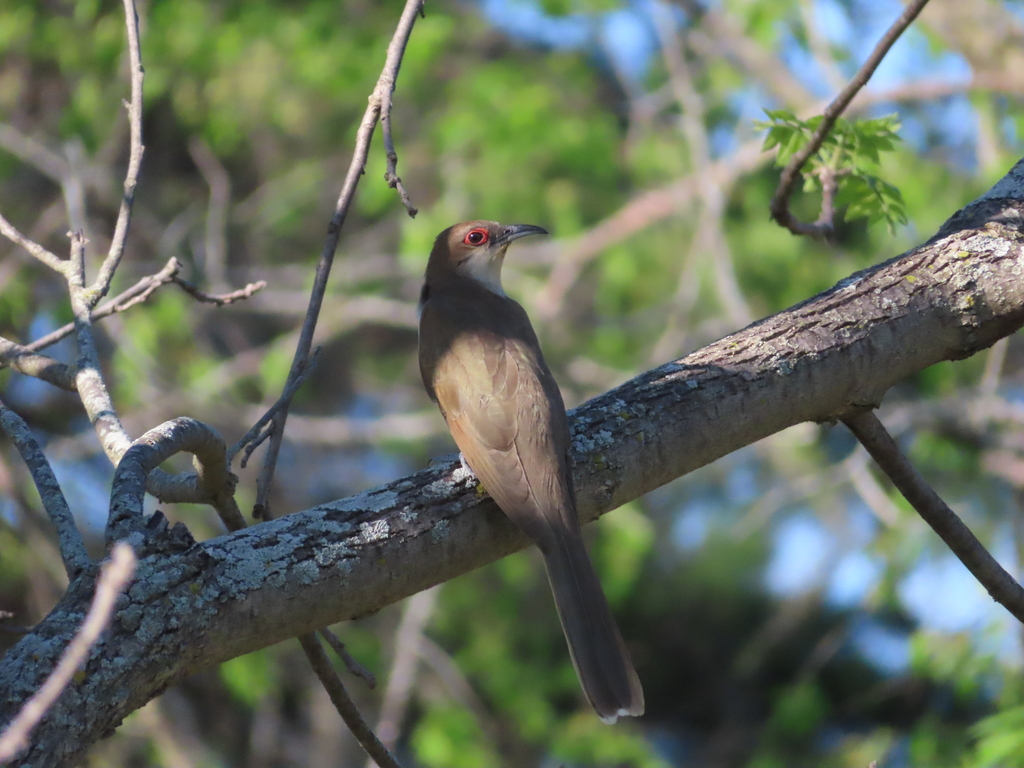
Who uses this plant?
 26CaterpillarsGenus host records with ranges including VA
Genus host records with ranges including VA · Geranium
- Anavitrinella pampinariaCommon Gray, Cranberry Spanworm
- Apamea devastatorGlassy Borer, Glassy Cutworm Moth
- Archips purpuranaOmnivorous Leafroller Moth
- Argyrotaenia velutinanaRed-Banded Leafroller Moth, Jack Pine Tube Moth
- Cenopis reticulatanaReticulated Fruitworm Moth
- Chloridea virescensTobacco Budworm Moth
- Choristoneura rosaceanaOblique-Banded Leafroller Moth, Rosaceous Leaf Roller
- Chrysodeixis includensSoybean Looper Moth
- Condica sutorThe Cobbler, Cobbler Groundling
- Helicoverpa zeaCorn Earworm Moth
Show all 26
- Hyphantria cuneaFall Webworm
- Lacinipolia loreaBridled Arches, Bridle Groundcat
- Megalographa bilobaBilobed Looper Moth
- Orgyia leucostigmaWhite-Marked Tussock Moth
- Platynota rostranaOmnivorous Platynota
- Prochoerodes lineolaLarge Maple Spanworm Moth
- Pyrrhia ciliscaAmerican Bordered Sallow, Noble Sun Moth
- Pyrrhia exprimensPurple-Lined Sallow, Purple-Lined Sun Moth
- Spargania magnoliataDouble-Banded Carpet
- Spilosoma virginicaVirginian Tiger Moth, Yellow Woolybear Moth, Yellow Bear
- Spodoptera dolichosSweetpotato Armyworm, Dolichos Armyworm, Large Cotton Armyworm
- Spodoptera eridaniaSouthern Armyworm Moth
- Spodoptera frugiperdaFall Armyworm Moth
- Spodoptera ornithogalliYellow-Striped Armyworm Moth, Cotton Cutworm
- Trichoplusia niNi Moth, Cabbage Looper Moth
- Udea rubigalisCelery Leaftier
 15BeesSoutheastern regional records
Southeastern regional records · Geranium
Individual names are not available yet.
Noori, Seltmann & Orr 2026, A curated and integrated dataset for exploring global bee-plant interactions (GloBI), Zenodo, CC BY 4.0 1Specialist beesPollen specialists
 11BirdsRecorded genus food-resource interactions; not a state feeding claim
Recorded genus food-resource interactions; not a state feeding claim · Geranium
- Callipepla californicaCalifornia Quail
- Colinus virginianusNorthern Bobwhite
- Columbina passerinaCommon Ground Dove
- Haemorhous mexicanusHouse Finch
- Junco hyemalisDark-eyed Junco
- Melospiza melodiaSong Sparrow
- Melozone crissalisCalifornia Towhee
- Pheucticus melanocephalusBlack-headed Grosbeak
- Zenaida macrouraMourning Dove
- Zonotrichia atricapillaGolden-crowned Sparrow
Show all 11
- Zonotrichia leucophrysWhite-crowned Sparrow
Direct food only: birds recorded eating this genus across North America. Caterpillars on host plants also feed nesting birds. NC Native Plant Society: butterfly gardening
No records yet · Ants · Beetles · Flies · Adult butterflies / moths · Other wasps · Other insects
Plant details
- Family
- Geraniaceae
- Flower color
- Pink or purple
Safety has not been reviewed for this plant; check toxicity and thorns before planting.
Growing sources and scope
- Flower color · “Pink or purple” · Lady Bird Johnson Wildflower Center
- Height · “Up to about 2 feet” · Lady Bird Johnson Wildflower Center
- Life cycle · “Annual” · Lady Bird Johnson Wildflower Center
Conservation status
| Virginia rank | S3 |
|---|---|
| Global rank | G5 |
| VA status | Not verified |
| Federal status | Not verified |
Will it fit your yard?
Check this plant against your county, sun and soil moisture. Conditions are checked in your browser.
Sources
- Virginia DCR Natural Heritage rare plant list
- Digital Atlas of the Virginia Flora
- USDA PLANTS
- NatureServe Explorer
- Shropshire & Tallamy 2025, Lepidoptera of North America north of Mexico, ZooKeys 1261 (ODbL)
- Noori, Seltmann & Orr 2026, A curated and integrated dataset for exploring global bee-plant interactions (GloBI), Zenodo, CC BY 4.0
- Smith, Bachelder, Russell, Morales, Mosher & Seltmann 2024, Bee-Specialization-Modeling v0.6.1 (specialist host table compiled from J. Fowler's pollen specialist bee lists), Zenodo, CC BY 4.0
- Hurlbert, Olsen, Sawyer & Winner 2021, Avian Diet Database, Scientific Data 8: 260 (CC0)
- Narango, Tallamy & Shropshire 2020, Few keystone plant genera support the majority of Lepidoptera species, Nature Communications