

Nodding Fescue
Festuca subverticillata
Found in moist to wet forests, dry woodlands, and disturbed areas. Weakley, Flora of the Southeastern United States (2025), Northern Tier edition What its natural habitat tells you
Native to Virginia. How scores work Is it native here?
Profile 100%
- Height
- About 3 feet
- Light
- Part shade, Shade
- Soil moisture
- Somewhat dry to moist
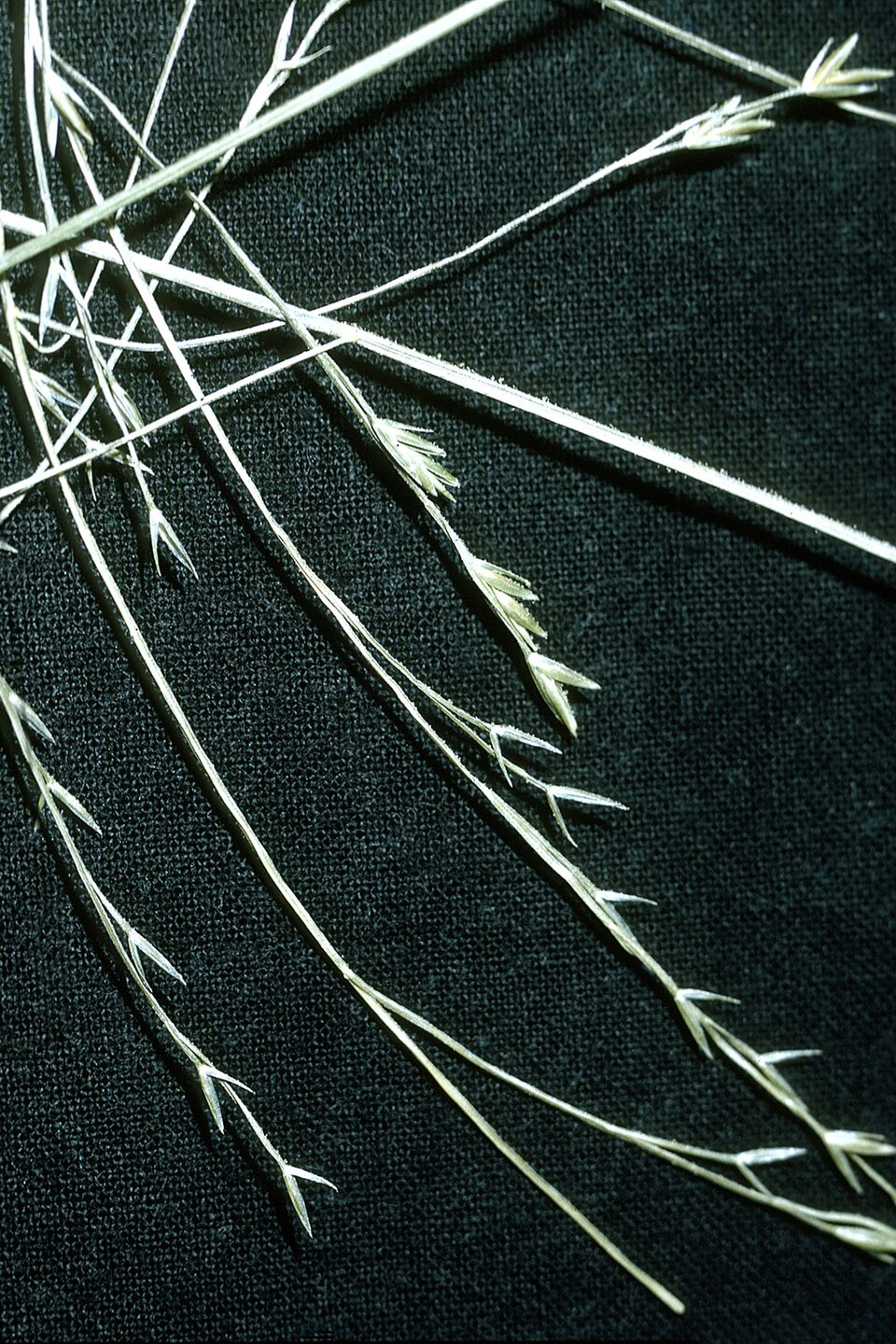
At a glance
- Bloom
- May to July
- Fruiting season
- Spring to summer
Not yet recorded · Spread · Life cycle · Leaves
Recorded in 92 Virginia counties.
Natural habitats
Places it grows wild. Not a planting requirement. Each habitat page lists the plants and wildlife also found there.
Forests and open woodlands on dry ridges and slopes, often oak or pine.
Roadsides, fields and disturbed ground
Ground opened by people: roadsides, old fields, pastures, fencerows and lots.
Also found with this plant
Wildlife whose habitat models include habitats this plant grows in, in Virginia. Shared habitat, not food. 88 animals.
- Mourning DoveZenaida macroura
- Northern CardinalCardinalis cardinalis
- Northern FlickerColaptes auratus
- Northern MockingbirdMimus polyglottos
- Northern ParulaParula americana
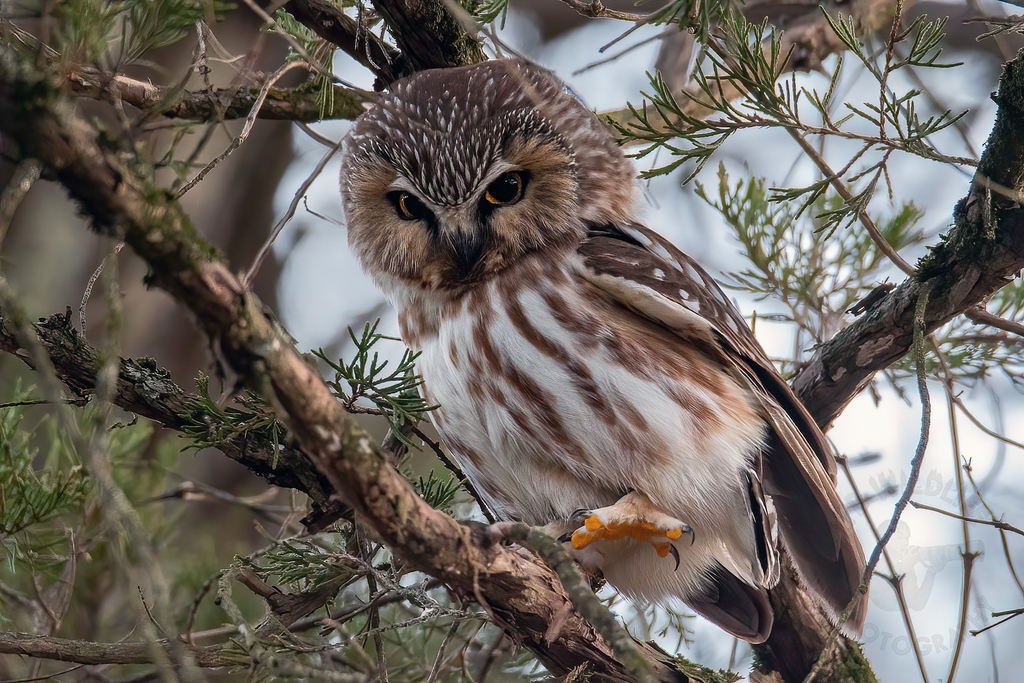
- Northern Saw-whet OwlAegolius acadicus
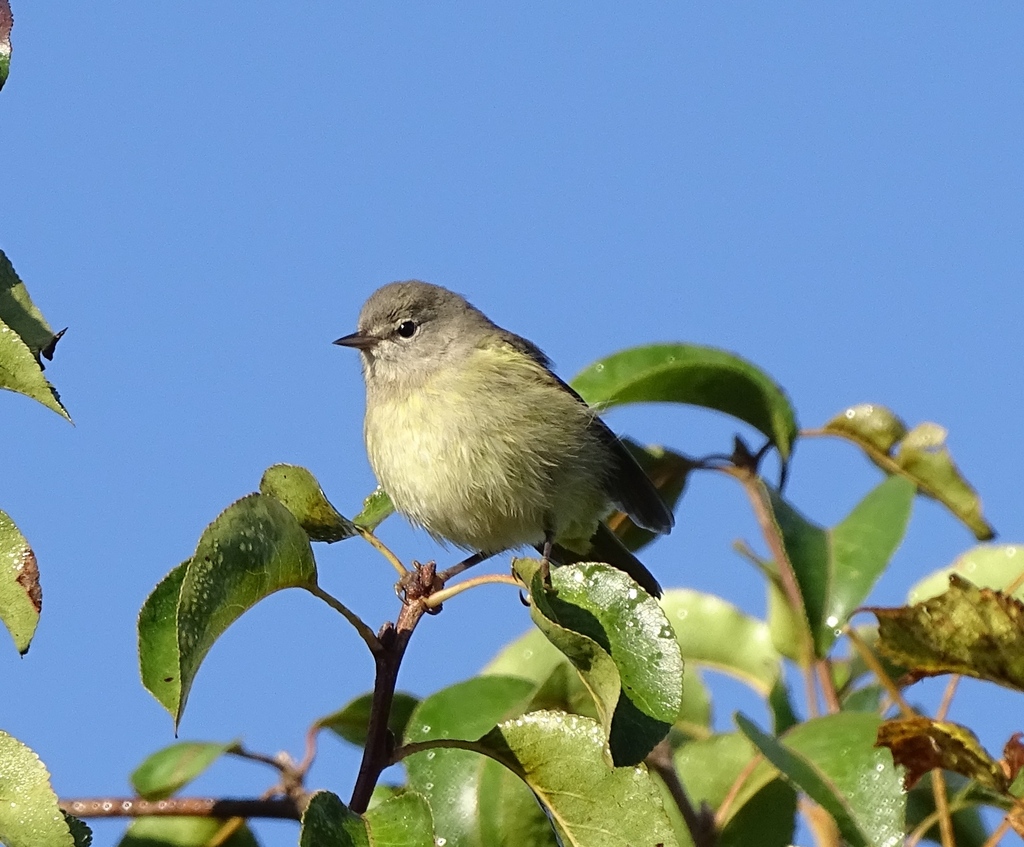
- Orange-crowned WarblerVermivora celata
- OspreyPandion haliaetus
- Pine SiskinCarduelis pinus
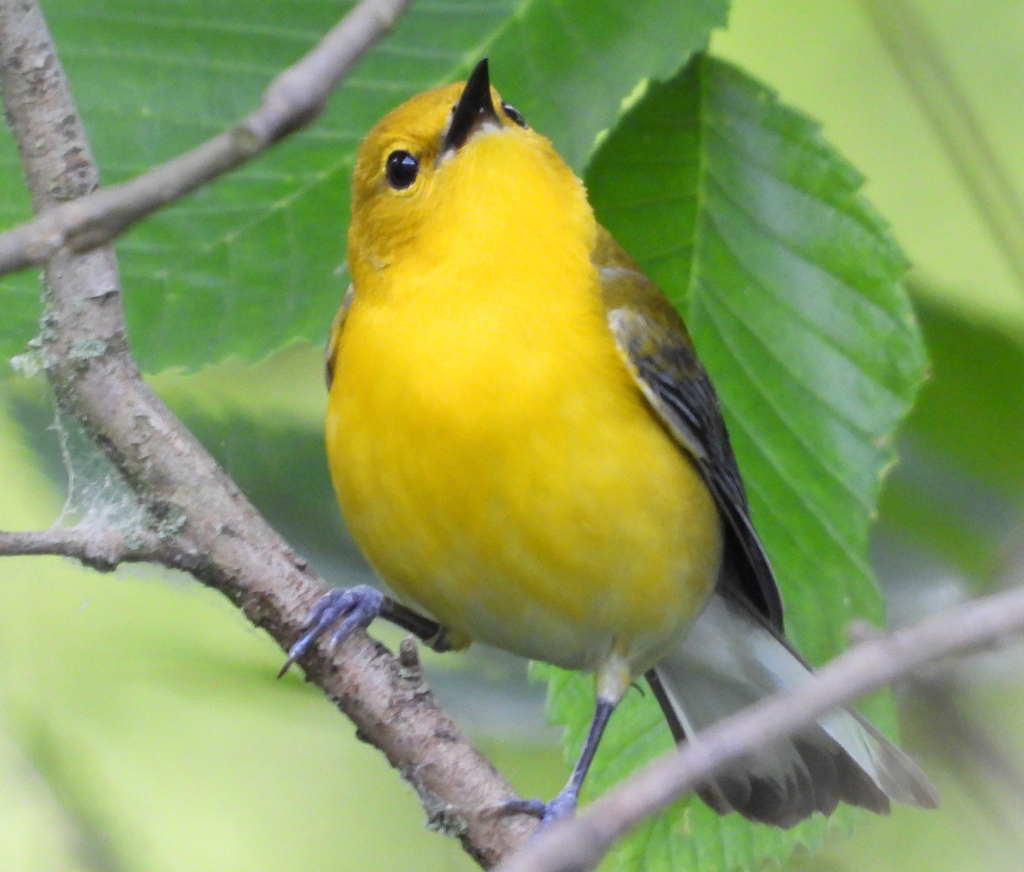
- Prothonotary WarblerProtonotaria citrea
- Purple FinchCarpodacus purpureus
- Red-breasted NuthatchSitta canadensis
- Red-headed WoodpeckerMelanerpes erythrocephalus
- Red-tailed HawkButeo jamaicensis
- Red-winged BlackbirdAgelaius phoeniceus
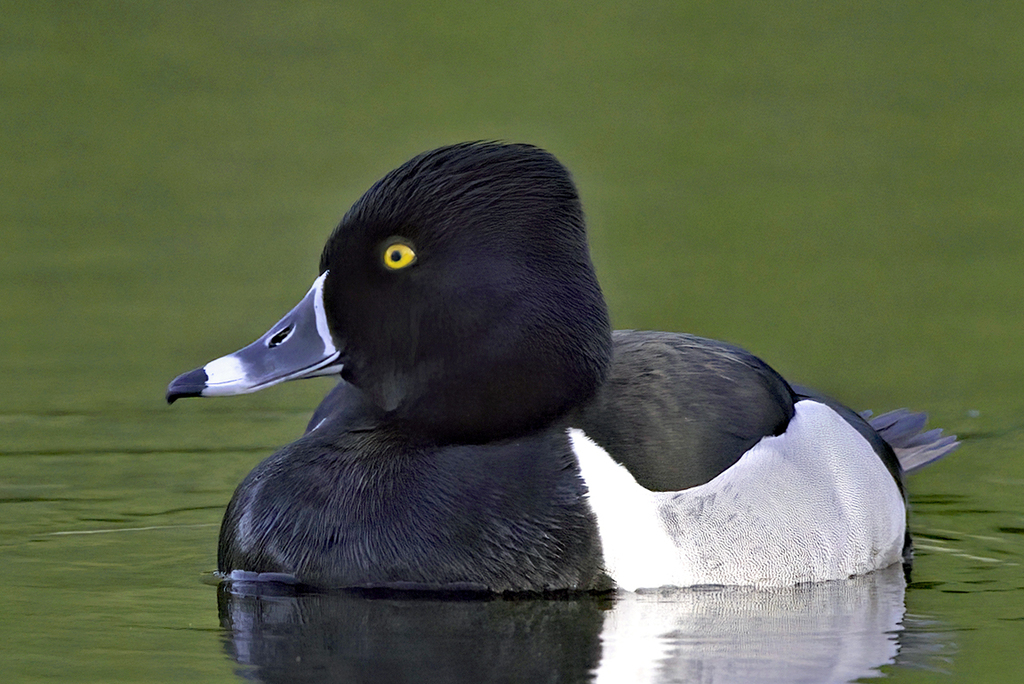
- Ring-necked DuckAythya collaris
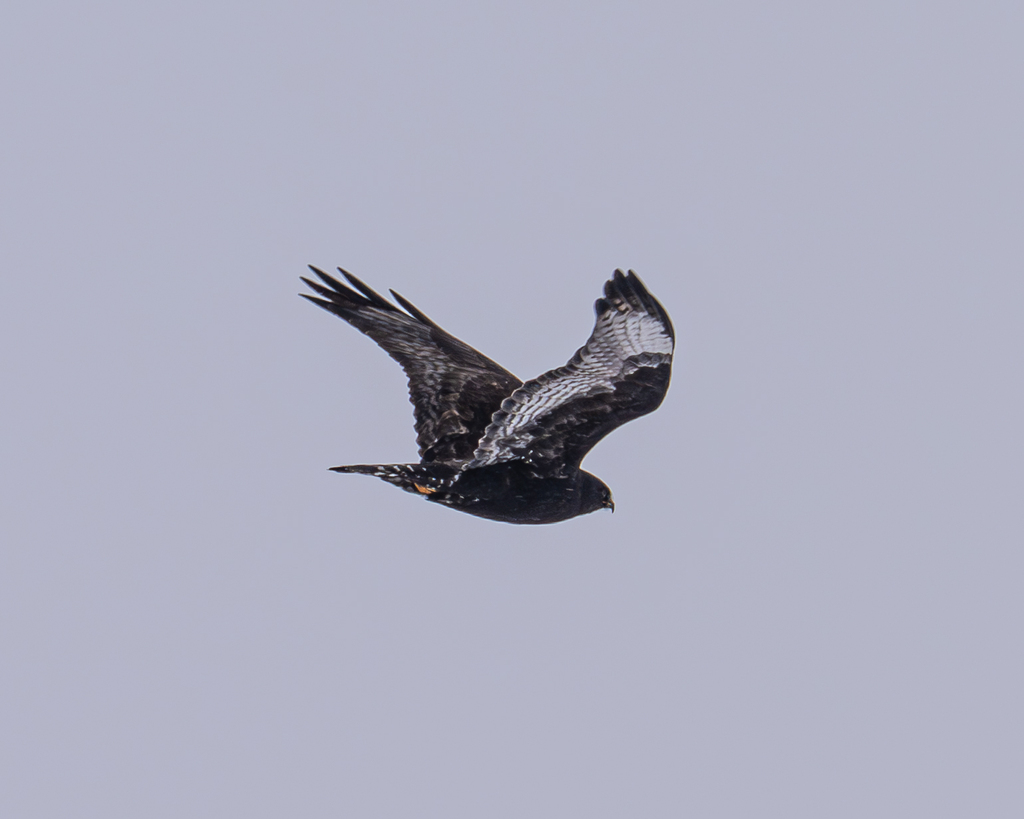
- Rough-legged HawkButeo lagopus
- Ruby-crowned KingletRegulus calendula
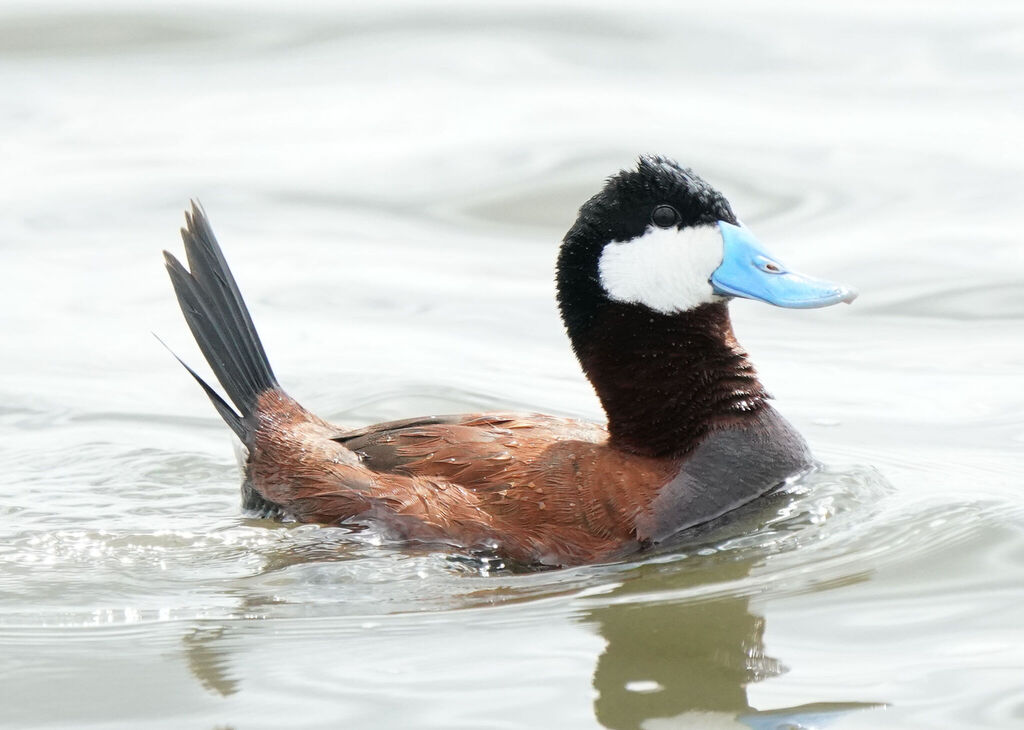
- Ruddy DuckOxyura jamaicensis
- Ruffed GrouseBonasa umbellus
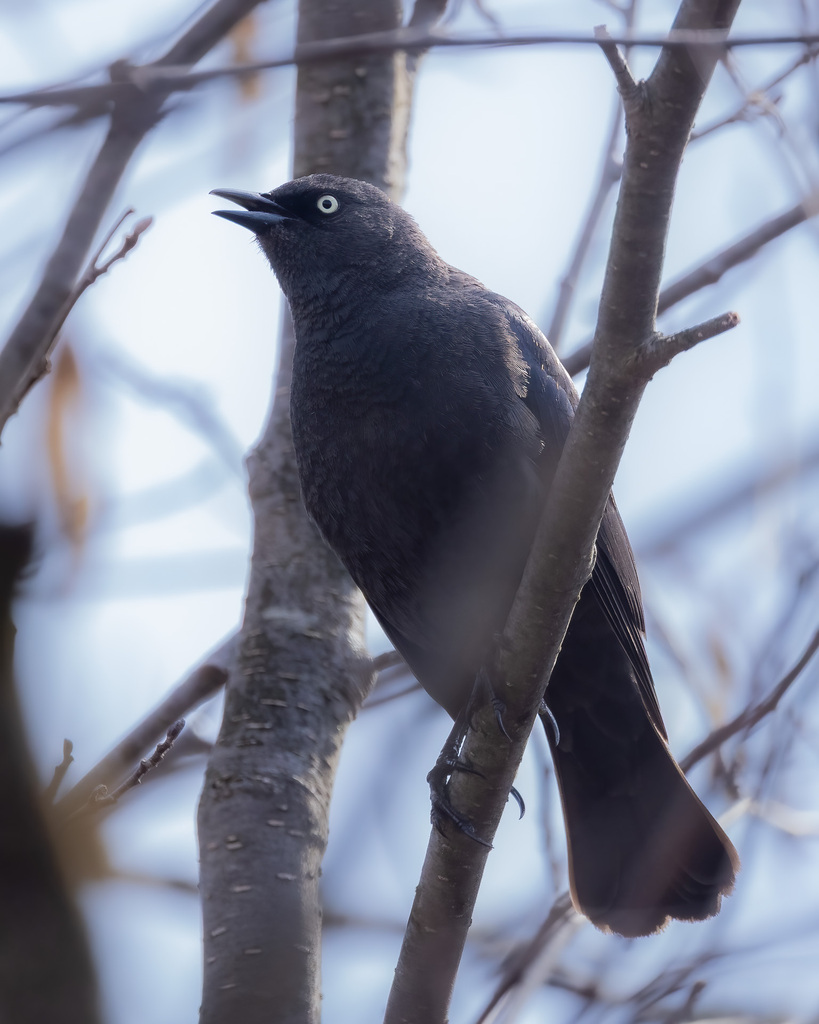
- Rusty BlackbirdEuphagus carolinus
- Sharp-shinned HawkAccipiter striatus
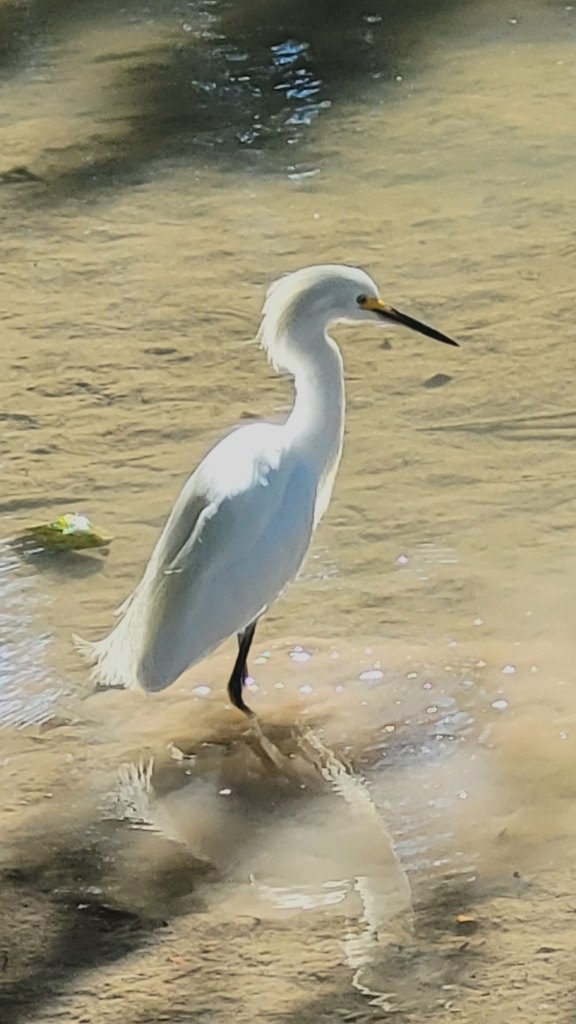
- Snowy EgretEgretta thula
- Snowy OwlBubo scandiacus

















Who uses this plant?
 10CaterpillarsGenus host records with ranges including VA
Genus host records with ranges including VA · Festuca
- Acrolophus popeanellaClemen's Grass Tubeworm
- Agrotis ipsilonIpsilon Dart, Black Cutworm, Greasy Cutworm
- Apamea sordensBordered Apamea, Rustic Shoulder-Knot
- Atalopedes huronSachem
- Chrysoteuchia topiariusCranberry Girder, Subterranean Webworm, Topiary Grass-Veneer
- Cisseps fulvicollisYellow-Collared Scape Moth
- Hesperia sassacusIndian Skipper
- Pediasia trisectaSod Webworm Moth, Larger Sod Webworm
- Spodoptera frugiperdaFall Armyworm Moth
- Spodoptera ornithogalliYellow-Striped Armyworm Moth, Cotton Cutworm
 0BeesSoutheastern regional records
 0Specialist beesPollen specialists
 6BirdsRecorded genus food-resource interactions; not a state feeding claim
Recorded genus food-resource interactions; not a state feeding claim · Festuca
- Alectoris chukarChukar
- Calcarius lapponicusLapland Longspur
- Meleagris gallopavoWild Turkey
- Plectrophenax nivalisSnow Bunting
- Spizella pusillaField Sparrow
- Zenaida macrouraMourning Dove
Direct food only: birds recorded eating this genus across North America. Caterpillars on host plants also feed nesting birds. NC Native Plant Society: butterfly gardening
No records yet · Ants · Beetles · Flies · Adult butterflies / moths · Other wasps · Other insects
Plant details
- Family
- Poaceae
- Flower color
- Yellow
- Growth rate
- Moderate
- Growth habit
- Grows in clumps
- Foliage color
- Green
- Fruit begins
- Spring
- Fruit ends
- Summer
Safety has not been reviewed for this plant; check toxicity and thorns before planting.
Growing sources and scope
- Bloom · “May to July” · Weakley, Flora of the Southeastern United States (2025), Carolinas & Georgia edition (ranked first; USDA PLANTS, Prairie Moon 2026 Cultural Guide differ) · Carolinas and Georgia
- Flower color · “Yellow” · USDA PLANTS · Nationwide species characteristics; local growing conditions may vary
- Foliage color · “Green” · USDA PLANTS · Nationwide species characteristics; local growing conditions may vary
- Fruit begins · “Spring” · USDA PLANTS · Nationwide species characteristics; local growing conditions may vary
- Fruit ends · “Summer” · USDA PLANTS · Nationwide species characteristics; local growing conditions may vary
- Growth habit · “Grows in clumps” · USDA PLANTS · Nationwide species characteristics; local growing conditions may vary
- Growth rate · “Moderate” · USDA PLANTS · Nationwide species characteristics; local growing conditions may vary
- Height · “About 3 feet” · USDA PLANTS (ranked first; Prairie Moon 2026 Cultural Guide differs) · Nationwide species characteristics; local growing conditions may vary
- Light · “Part shade (3–6 hours); Shade (under 3 hours)” · Prairie Moon 2026 Cultural Guide · Nursery cultural guide; height in flower; moisture categories retained as printed
- Soil · “Wet-mesic; Mesic; Dry-mesic” · Prairie Moon 2026 Cultural Guide · Nursery cultural guide; height in flower; moisture categories retained as printed
Conservation status
| Virginia rank | S5 |
|---|---|
| Global rank | G5 |
| VA status | Not verified |
| Federal status | Not verified |
Will it fit your yard?
Check this plant against your county, sun and soil moisture. Conditions are checked in your browser.
Sources
- Digital Atlas of the Virginia Flora
- USDA PLANTS
- Vascular Plants of North Carolina (NC Natural Heritage Program)
- Weakley, Flora of the Southeastern United States (2025)
- NatureServe Explorer
- Shropshire & Tallamy 2025, Lepidoptera of North America north of Mexico, ZooKeys 1261 (ODbL)
- Noori, Seltmann & Orr 2026, A curated and integrated dataset for exploring global bee-plant interactions (GloBI), Zenodo, CC BY 4.0
- Smith, Bachelder, Russell, Morales, Mosher & Seltmann 2024, Bee-Specialization-Modeling v0.6.1 (specialist host table compiled from J. Fowler's pollen specialist bee lists), Zenodo, CC BY 4.0
- Hurlbert, Olsen, Sawyer & Winner 2021, Avian Diet Database, Scientific Data 8: 260 (CC0)
- Narango, Tallamy & Shropshire 2020, Few keystone plant genera support the majority of Lepidoptera species, Nature Communications