

American Beech
Fagus grandifolia
Native to Virginia. How scores work Is it native here?
Profile 100%
- Height
- 60–80 feet
- Spread
- 40–80 feet
- Light
- Dappled sunlight, Full sun, Partial shade
- Soil moisture
- Usually moist
Space about 30 ft apart from its recorded spread. Enter your bed size for a count
Will it fit your yard?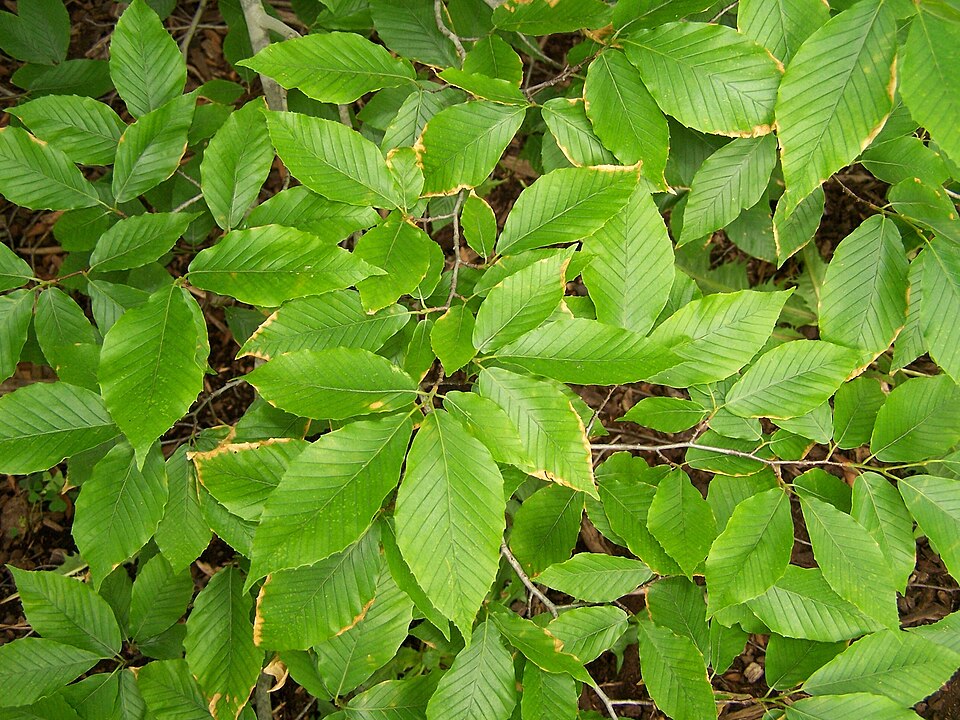
At a glance
- Life cycle
- Woody perennial
- Leaves
- Deciduous
- Bloom
- Mid spring
- Fruiting season
- Summer to fall
Recorded in 103 Virginia counties.
Also found with this plant
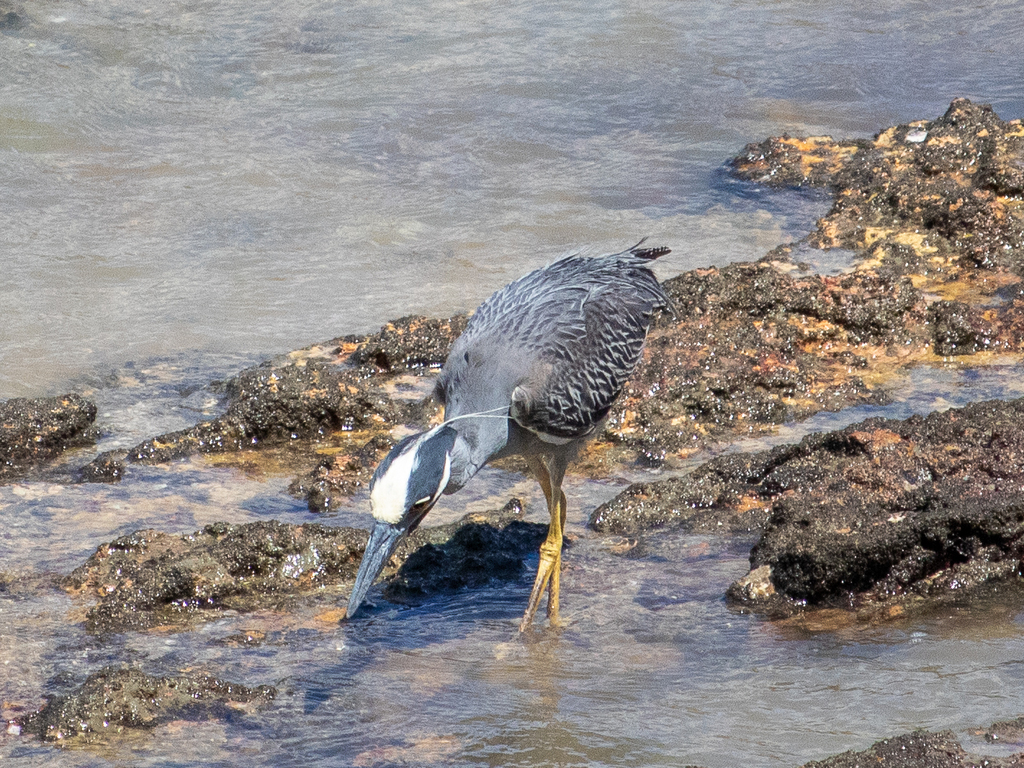
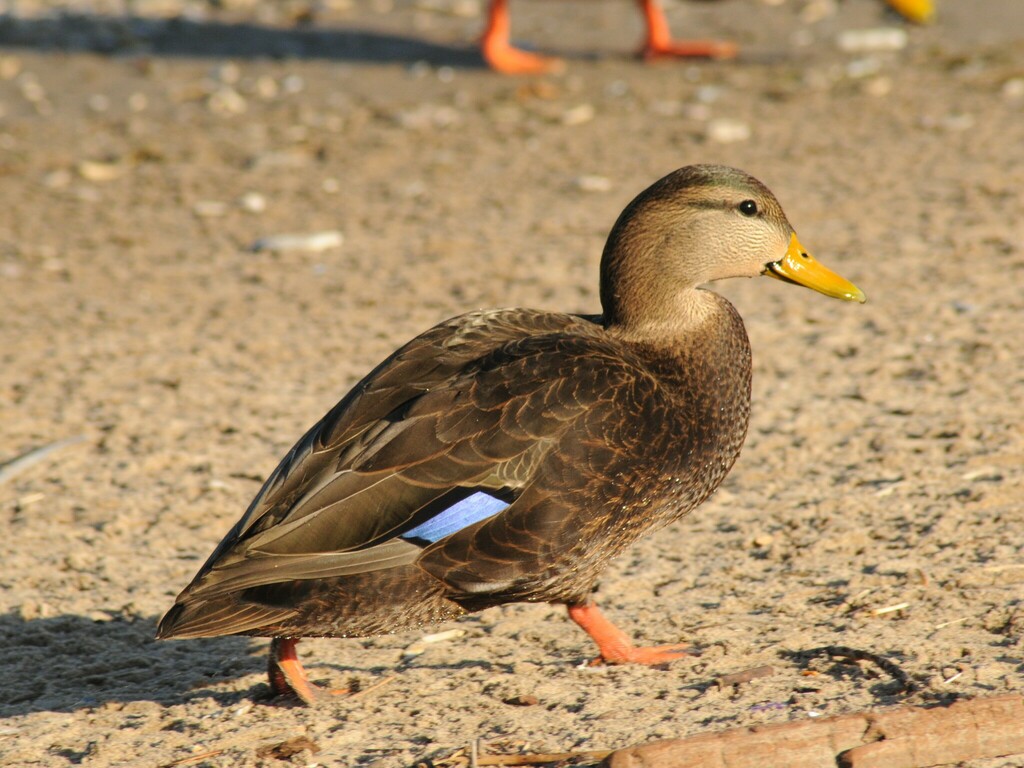
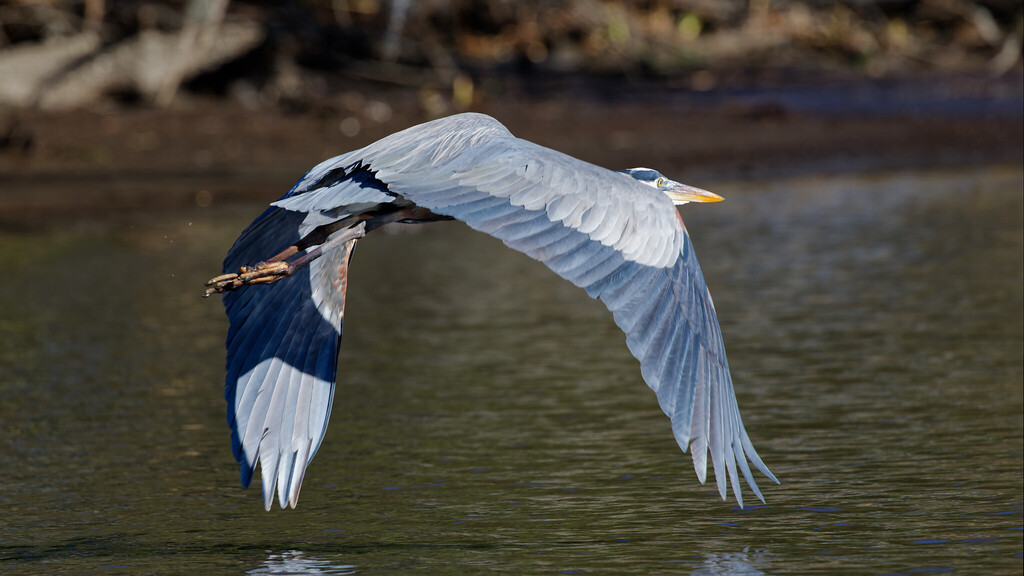
Wildlife whose habitat models include habitats this plant grows in, in Virginia. Shared habitat, not food. 159 animals.
- Least FlycatcherEmpidonax minimus
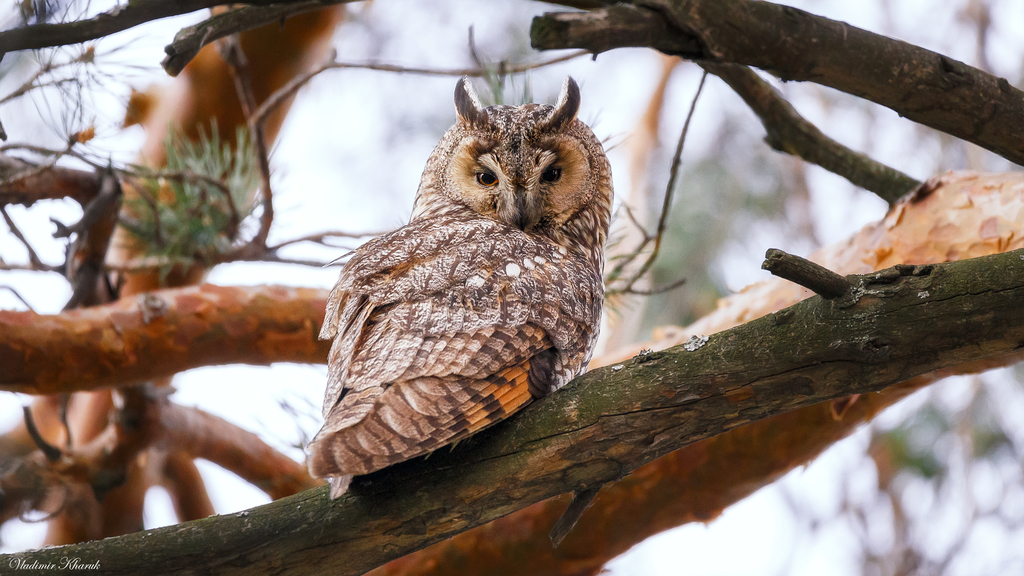
- Long-eared OwlAsio otus
- Alder FlycatcherEmpidonax alnorum
- Rusty BlackbirdEuphagus carolinus
- Dark-eyed JuncoJunco hyemalis
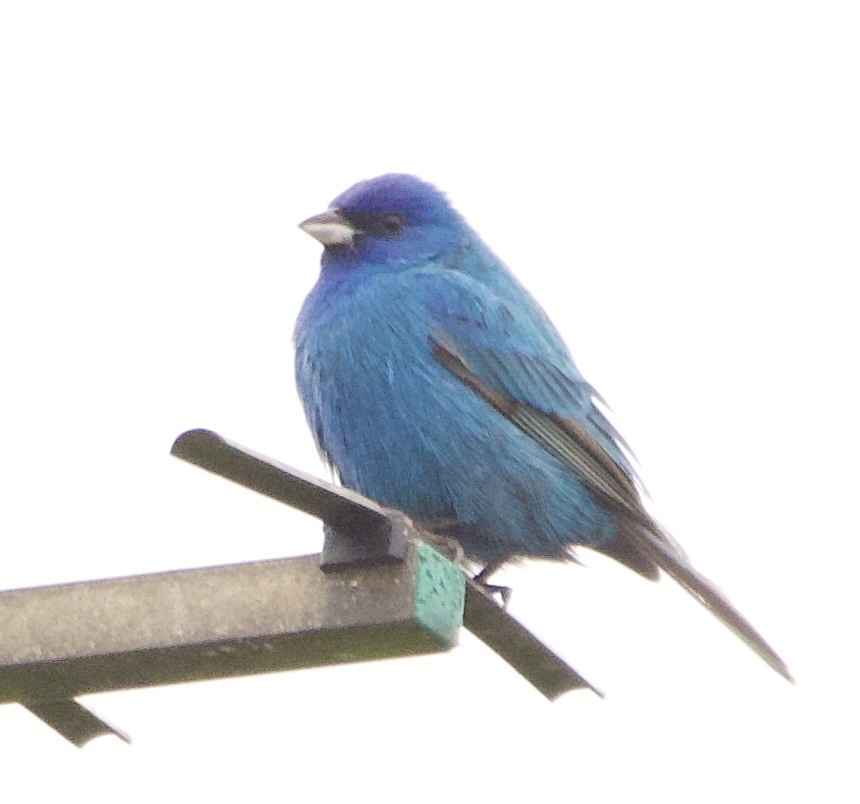
- Indigo BuntingPasserina cyanea
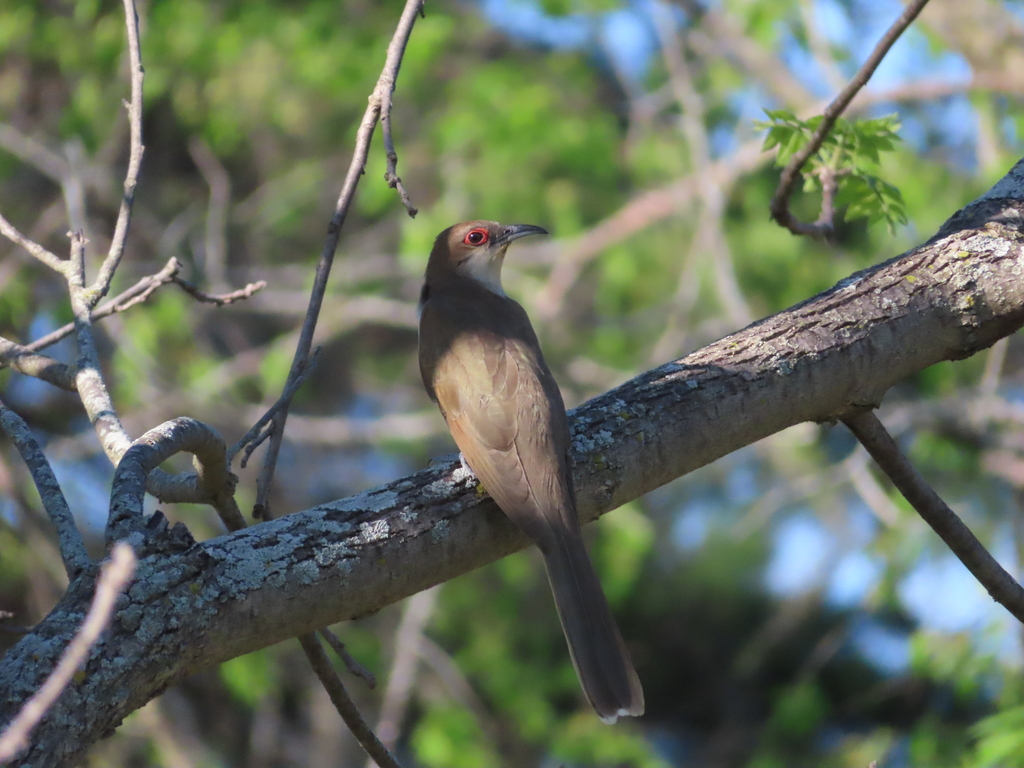
- Black-billed CuckooCoccyzus erythropthalmus
- Black-crowned Night-heronNycticorax nycticorax
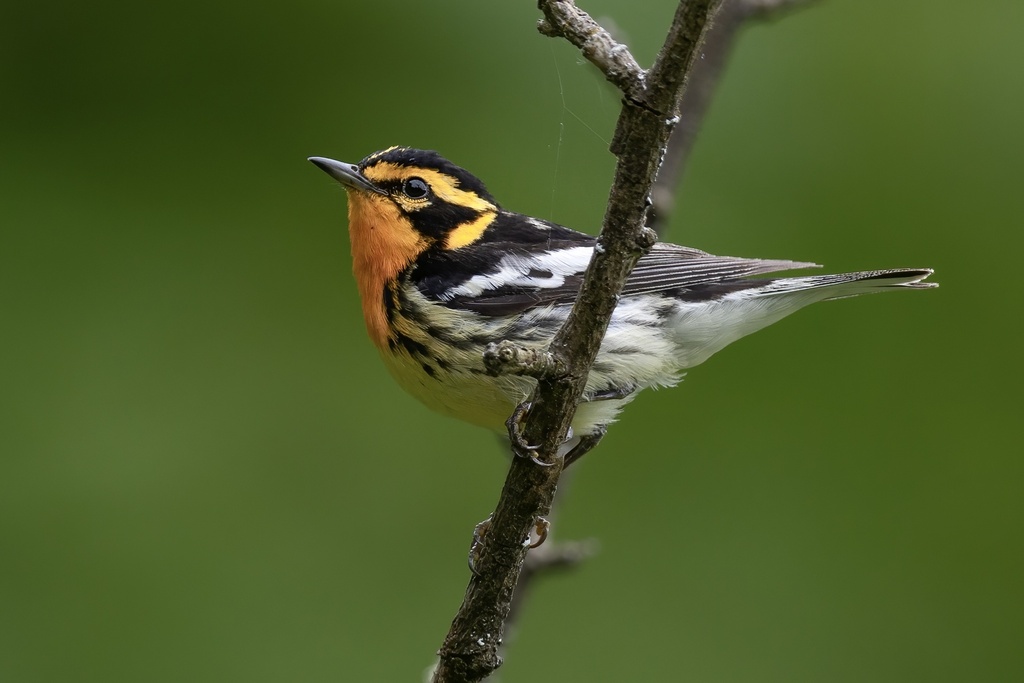
- Blackburnian WarblerDendroica fusca
- Brown-headed CowbirdMolothrus ater
- Eurasian Collared-doveStreptopelia decaocto
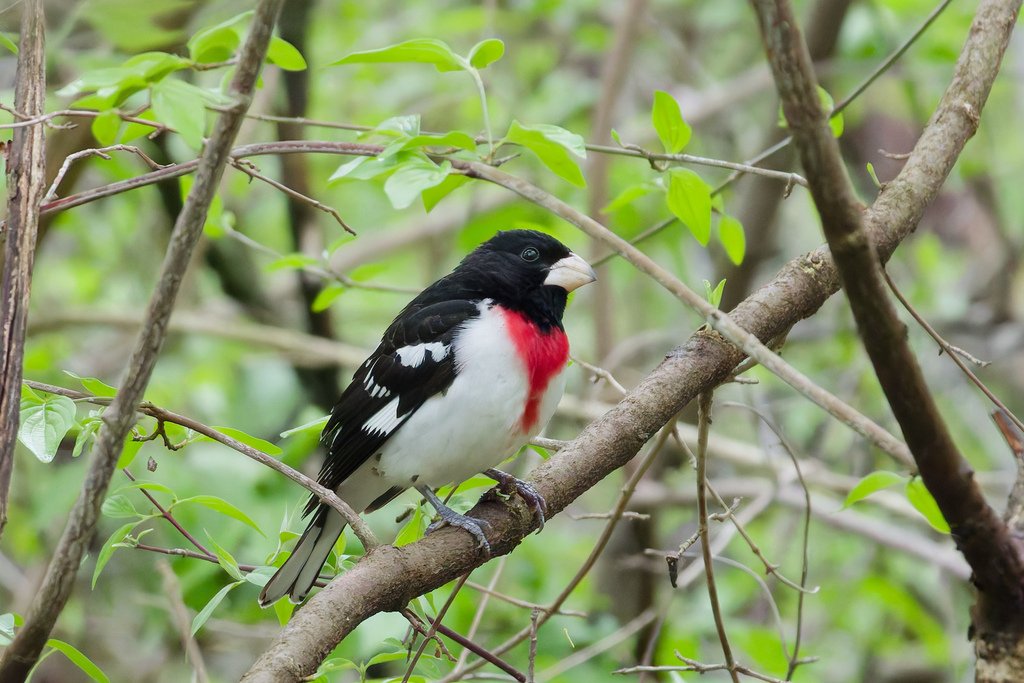
- Rose-breasted GrosbeakPheucticus ludovicianus
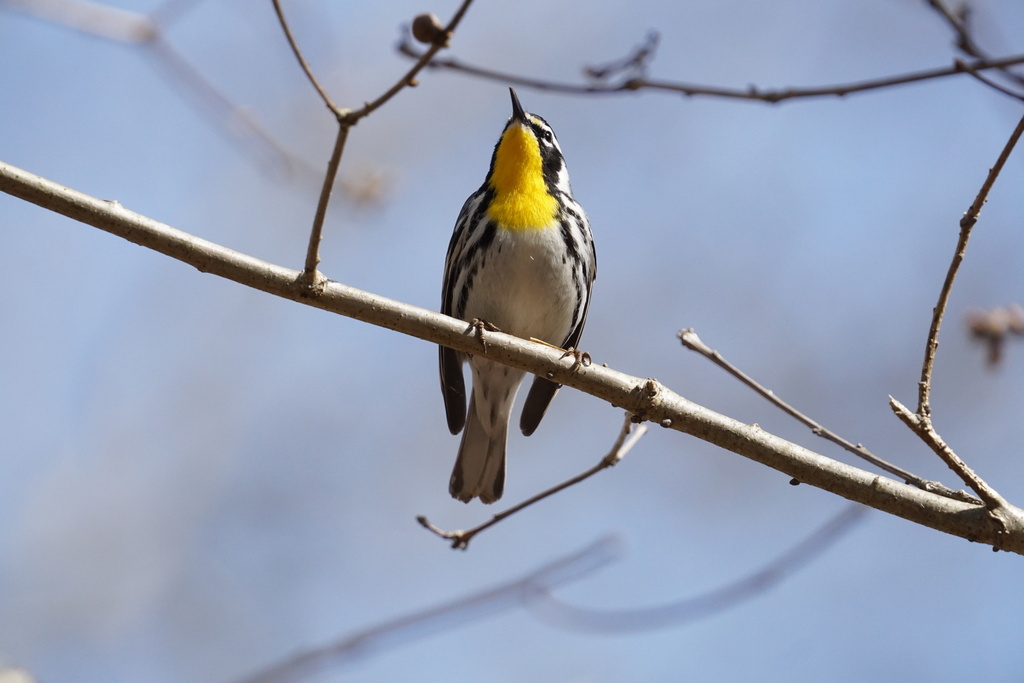
- Yellow-throated WarblerDendroica dominica
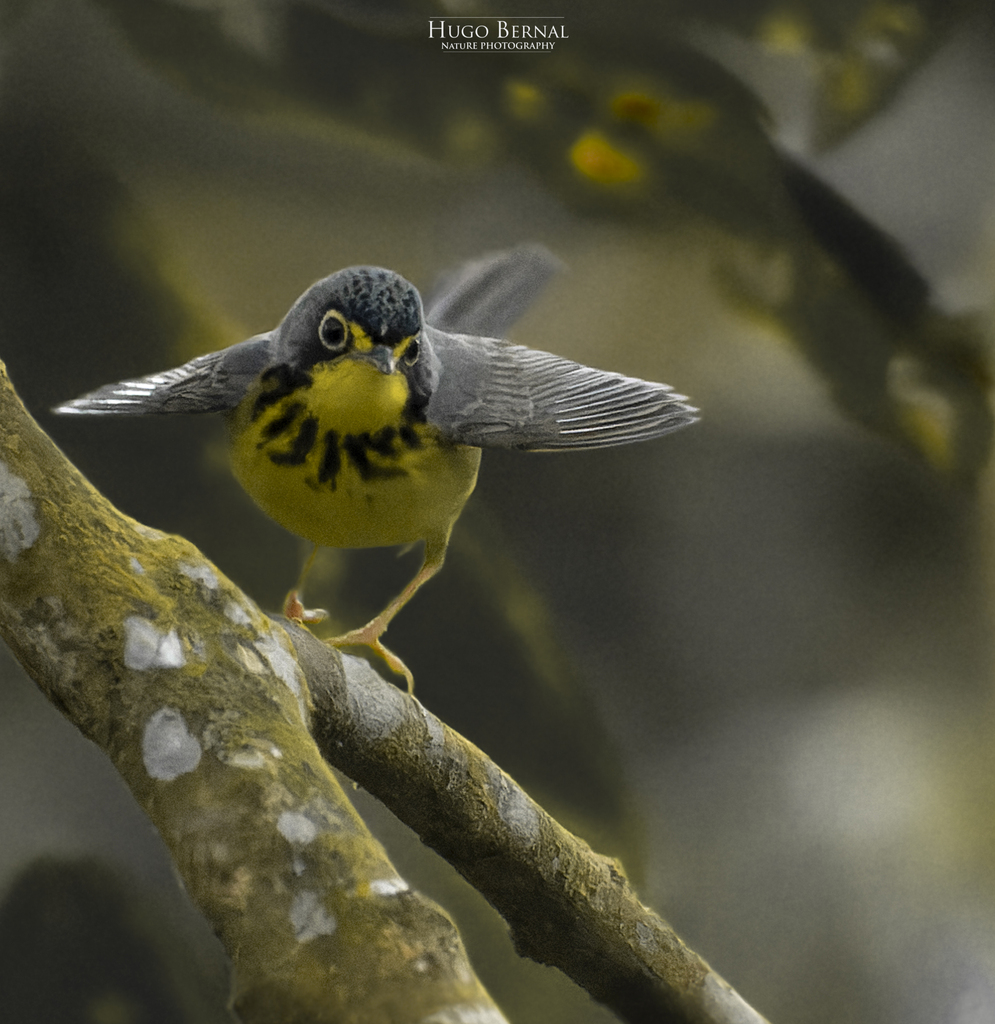
- Canada WarblerWilsonia canadensis
- Chestnut-sided WarblerDendroica pensylvanica
- Fish CrowCorvus ossifragus
- Great EgretArdea alba
- Olive-sided FlycatcherContopus cooperi
- Prothonotary WarblerProtonotaria citrea
- Song SparrowMelospiza melodia
- Yellow-crowned Night-heronNyctanassa violacea
- American Black DuckAnas rubripes
- Eastern PhoebeSayornis phoebe
- Great Blue HeronArdea herodias







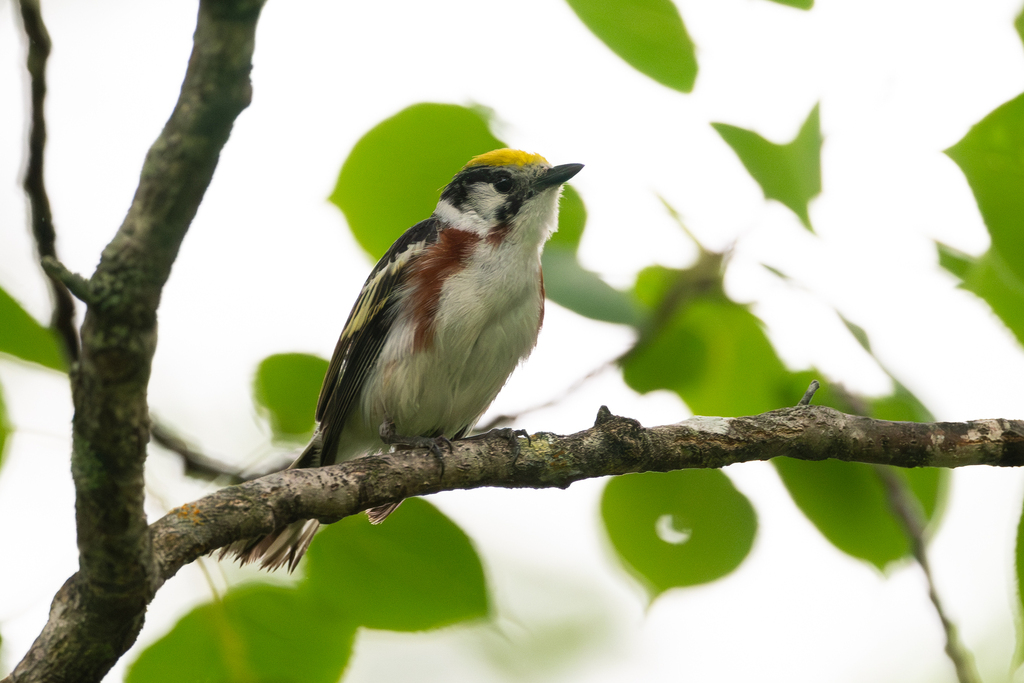
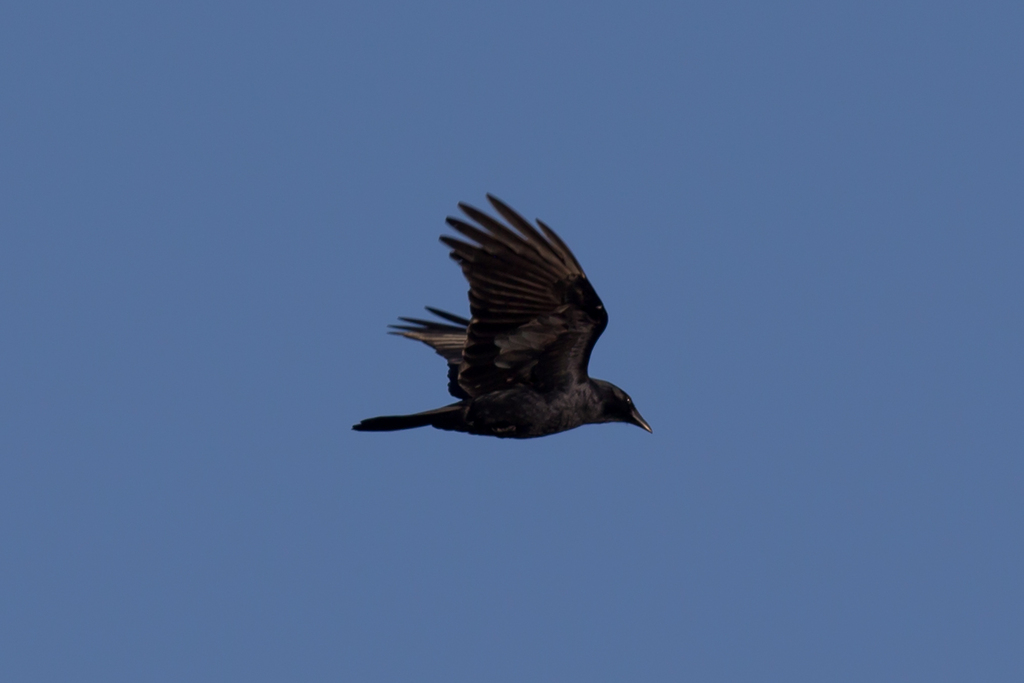


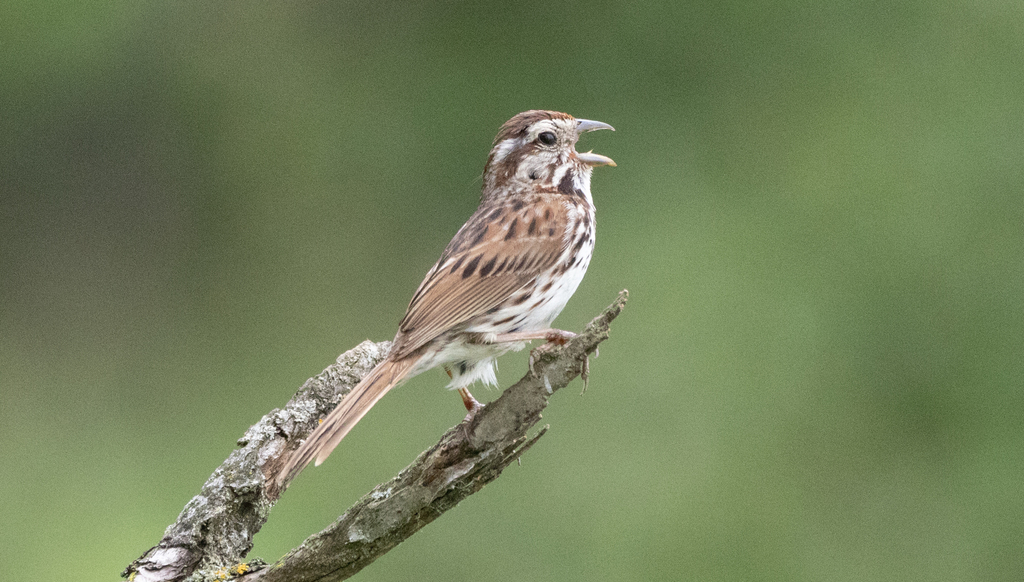


Who uses this plant?
 137CaterpillarsGenus host records with ranges including VA
Genus host records with ranges including VA · Fagus
- Acharia stimuleaSaddleback Caterpillar Moth
- Acleris chalybeanaLesser Maple Leafroller Moth
- Acronicta americanaAmerican Dagger
- Acronicta impressaImpressive Dagger, Printed Dagger
- Acronicta incretaSouthern Oak Dagger, Eclipsed Oak Dagger, Small Oak Dagger
- Acronicta ovataOvate Dagger, Epauleted Oak Dagger
- Acronicta tristisSad Dagger
- Actias lunaLuna Moth
- Adoneta spinuloidesPurple-Crested Slug
- Agnorisma badinodisPale-Banded Dart
Show all 137
- Alsophila pometariaFall Cankerworm Moth
- Amorpha juglandisWalnut Sphinx
- Amphipyra pyramidoidesMiranda Underwing, Copper Underwing, Copper Amphipyra
- Anisota senatoriaOrange-Tipped Oakworm Moth, Orangestriped Oakworm
- Anisota virginiensisPink-striped Oakworm Moth
- Antaeotricha leucillanaWell-Marked Leaf Tier, Pale Gray Bird-Dropping Moth
- Antheraea polyphemusPolyphemus Moth
- Apoda biguttataShagreened Slug Moth
- Apoda y-inversumYellow-Collared Slug Moth
- Automeris ioIo Moth
- Baileya dormitansSleeping Baileya
- Baileya ophthalmicaEyed Baileya
- Besma endropiariaStraw Besma
- Besma quercivorariaOak Besma
- Callosamia prometheaPromethea Silkmoth, Promethea Moth
- Catastega aceriellaMaple Trumpet Skeletonizer
- Cecrita biundataWavy-Lined Heterocampa
- Cecrita guttivittaMaple Prominent, Saddled Prominent
- Cenopis diluticostanaSpring Dead-Leaf Roller Moth, Oak Cenopis
- Cenopis pettitanaMaple-Basswood Leafroller Moth
- Cenopis reticulatanaReticulated Fruitworm Moth
- Ceratomia amyntorElm Sphinx
- Charadra deridensThe Laugher
- Chionodes fuscomaculellaWhite-Spotted Chionodes
- Choristoneura conflictanaLarge Aspen Tortrix
- Choristoneura fractivittanaBroken-Banded Leafroller, Lined Corn-Borer Moth
- Choristoneura fumiferanaSpruce Budworm Moth
- Choristoneura rosaceanaOblique-Banded Leafroller Moth, Rosaceous Leaf Roller
- Clepsis persicanaWhite Triangle Tortrix
- Coelodasys unicornisUnicorn Caterpillar Moth
- Colocasia flavicornisYellowhorn, Saddled Yellowhorn
- Colocasia propinquilineaClosebanded Yellowhorn
- Crocigrapha normaniNorman's Quaker
- Cydia latiferreanaFilbertworm
- Dasychira dorsipennataSharp-Lined Tussock Moth
- Dasychira obliquataStreaked Tussock Moth
- Dasychira vagansVariable Tussock Moth
- Dasylophia thyatiroidesGray-Patched Prominent
- Datana ministraYellow-Necked Caterpillar Moth
- Dryocampa rubicundaRosy Maple Moth, Green-Striped Mapleworm, Rosy Dryocampa
- Eacles imperialisImperial Moth, Imperial Spiny Caterpillar
- Ennomos magnariaMaple Spanworm Moth, Notchwing Geometer
- Ennomos subsignariaElm Spanworm Moth
- Erannis tiliariaLinden Looper Moth, Western Winter Moth, Lime Looper
- Erora laetaEarly Hairstreak
- Estigmene acreaSalt Marsh Moth, Acrea Moth
- Euclea delphiniiSpiny Oak-Slug Moth
- Eulia ministranaFerruginous Eulia
- Eutrapela clematariaCurved-Tooth Geometer, Purplish Brown Looper
- Halysidota tessellarisBanded Tussock Moth, Pale Tiger Moth
- Heterogenea shurtleffiRed-Eyed Button Slug
- Hyalophora cecropiaCecropia Silkmoth, Cecropia Moth
- Hypagyrtis piniataPine Measuringworm Moth, Pine Variant
- Hypagyrtis unipunctataOne-Spotted Variant
- Hyperstrotia pervertensDotted Graylet
- Hyphantria cuneaFall Webworm
- Ianassa lignicolorWhite-Streaked Prominent
- Isa textulaCrowned Slug
- Isochaetes beutenmuelleriSpun Glass Slug
- Lambdina fervidariaCurve-Lined Looper Moth
- Lambdina fiscellariaHemlock Looper, Western Oak Looper
- Limenitis arthemisBanded Purple, Red-Spotted Admiral
- Lithacodes fasciolaYellow-Shouldered Slug
- Lithophane bethuneiBethune's Pinion
- Lochmaeus bilineataDouble-Lined Prominent
- Lochmaeus manteoVariable Oakleaf Caterpillar Moth
- Lophocampa caryaeHickory Tussock Moth, Hickory Tiger Moth
- Lophocampa maculataSpotted Tussock Moth, Yellow-Spotted Tiger Moth
- Machimia tentoriferellaGold-Striped Leaftier Moth
- Macrurocampa marthesiaMottled Prominent
- Malacosoma americanaEastern Tent Caterpillar
- Malacosoma disstriaForest Tent Caterpillar
- Megalopyge crispataBlack-Waved Flannel Moth, Crinkled Flannel Moth
- Meganola phyllaTwo-Spotted Oak Punkie, Coastal Plain Meganola
- Melanolophia canadariaCanadian Melanolphia, Variable Redmarked Looper
- Morrisonia latexFluid Arches, Fluid Mamestra
- Nadata gibbosaWhite-Dotted Prominent
- Natada nasoniNason's Slug Moth
- Nemoria mimosariaWhite-Fringed Emerald
- Neurobathra strigifinitellaFinite-Channeled Leafminer
- Oedemasia leptinoidesBlack-Blotched Schizura
- Oedemasia semirufescensRed-Washed Prominent
- Olethreutes appendiceumServiceberry Leafroller
- Oneida lunulalisOrange-Tufted Oneida
- Orgyia leucostigmaWhite-Marked Tussock Moth
- Orthosia hibisciSpeckled Green Fruitworm Moth, Speckled Green Quaker
- Orthosia revictaSubdued Quaker
- Orthosia rubescensRuby Quaker
- Packardia elegansElegant Tailed Slug
- Packardia geminataJeweled Tail Slug Moth
- Paleacrita vernataSpring Cankerworm Moth
- Pandemis lamprosanaWoodgrain Leafroller
- Panopoda rufimargoRed-Lined Panopoda
- Paonias excaecataBlinded Sphinx, Blind Eyed Sphinx
- Paraclemensia acerifoliellaMaple Leafcutter, Maple Case-Bearer
- Parasa chlorisSmaller Parasa, Green Slug Moth
- Peridea angulosaAngulose Prominent
- Phigalia titeaThe Half-Wing Geometer, Spiney Looper, Eastern Oak Looper
- Phobetron pitheciumHag Moth, Monkey Slug
- Phyllodesma americanaLappet Moth, American Lappet Moth, Southern Lappet Moth
- Plagodis alcoolariaHollow-Spotted Plagodis
- Plagodis fervidariaFervid Plagodis
- Plagodis pulverariaAmerican Barred Umber, Barred Umber
- Plagodis serinariaLemon Plagodis
- Pococera asperatellaMaple Webworm
- Probole alienariaDogwood Probole, Alien Probole
- Probole amicariaFriendly Probole
- Prolimacodes badiaSkiff Moth, Skiff Caterpillar
- Psilocorsis cryptolechiellaBlack-Fringed Leaftier
- Psilocorsis quercicellaOak Leaftier
- Psilocorsis reflexellaDotted Leaftier Moth
- Schizura ipomaeaeMorning-Glory Prominent, Checkered-Fringe Prominent
- Selenia kentariaKent's Geometer
- Sparganothis unifascianaOne-Lined Sparganothis
- Symmerista albifronsWhite-Headed Prominent
- Symmerista canicostaRed-Humped Oakworm
- Symmerista leucitysOrange-Humped Mapleworm
- Synanthedon scitulaDogwood Borer, Pecan Borer
- Thyridopteryx ephemeraeformisEvergreen Bagworm Moth
- Tolype velledaLarge Tolype, Large Lappet Moth, Vellada Lappet Moth
- Tortricidia pallidaRed-Cross Button Slug
- Tortricidia testaceaEarly Button Slug
- Venusia comptariaBrown-Shaded Carpet
- Zale minereaColorful Zale
- Zanclognatha cruralisEarly Zanclognatha, Early Fan-Foot
- Bucculatrix packardella
- Trypanisma prudens
 1BeesSoutheastern regional records
Southeastern regional records · Fagus
Individual names are not available yet.
Noori, Seltmann & Orr 2026, A curated and integrated dataset for exploring global bee-plant interactions (GloBI), Zenodo, CC BY 4.0 0Specialist beesPollen specialists
 3BirdsRecorded genus food-resource interactions; not a state feeding claim
Recorded genus food-resource interactions; not a state feeding claim · Fagus
- Bonasa umbellusRuffed Grouse
- Meleagris gallopavoWild Turkey
- Pheucticus ludovicianusRose-breasted Grosbeak
Direct food only: birds recorded eating this genus across North America. Caterpillars on host plants also feed nesting birds. NC Native Plant Society: butterfly gardening
No records yet · Ants · Beetles · Flies · Adult butterflies / moths · Other wasps · Other insects
Plant details
- Family
- Fagaceae
- Hardiness
- Zones 3a–9b
- Soil pH
- Acidic to alkaline
- Flower color
- Green or white
- Growth rate
- Slow
- Growth habit
- Single stem
- Foliage color
- Green
- Fruit begins
- Summer
- Fruit ends
- Fall
What its natural habitat tells you
Safety has not been reviewed for this plant; check toxicity and thorns before planting.
Growing sources and scope
- Bloom · “Mid spring” · USDA PLANTS · Nationwide species characteristics; local growing conditions may vary
- Flower color · “Green or white” · NC Extension Plant Toolbox (ranked first; USDA PLANTS differs)
- Foliage color · “Green” · USDA PLANTS · Nationwide species characteristics; local growing conditions may vary
- Fruit begins · “Summer” · USDA PLANTS · Nationwide species characteristics; local growing conditions may vary
- Fruit ends · “Fall” · USDA PLANTS · Nationwide species characteristics; local growing conditions may vary
- Growth habit · “Single stem” · USDA PLANTS · Nationwide species characteristics; local growing conditions may vary
- Growth rate · “Slow” · USDA PLANTS · Nationwide species characteristics; local growing conditions may vary
- Hardiness · “Zones 3a–9b” · NC Extension Plant Toolbox
- Height · “60–80 feet” · NC Extension Plant Toolbox (ranked first; USDA PLANTS differs)
- Leaves · “Deciduous” · NC Extension Plant Toolbox
- Life cycle · “Woody perennial” · NC Extension Plant Toolbox
- Light · “Dappled sunlight (shade through upper canopy all day); Full sun (6 or more hours of direct sunlight a day); Partial shade (direct sunlight only part of the day, 2-6 hours)” · NC Extension Plant Toolbox (ranked first; Tennessee Smart Yards, Virginia Cooperative Extension, Virginia DCR Piedmont, Virginia DCR Coastal Plain differ)
- Soil · “Moist” · NC Extension Plant Toolbox (ranked first; Virginia Cooperative Extension, Virginia DCR Piedmont, Virginia DCR Coastal Plain differ)
- Soil pH · “Acidic to alkaline” · NC Extension Plant Toolbox
- Spread · “40–80 feet” · NC Extension Plant Toolbox
Conservation status
| Virginia rank | S5 |
|---|---|
| Global rank | G5 |
| VA status | Not verified |
| Federal status | Not verified |
Will it fit your yard?
Check this plant against your county, sun and soil moisture. Conditions are checked in your browser.
Sources
- Digital Atlas of the Virginia Flora
- USDA PLANTS
- Vascular Plants of North Carolina (NC Natural Heritage Program)
- NatureServe Explorer
- Shropshire & Tallamy 2025, Lepidoptera of North America north of Mexico, ZooKeys 1261 (ODbL)
- Noori, Seltmann & Orr 2026, A curated and integrated dataset for exploring global bee-plant interactions (GloBI), Zenodo, CC BY 4.0
- Smith, Bachelder, Russell, Morales, Mosher & Seltmann 2024, Bee-Specialization-Modeling v0.6.1 (specialist host table compiled from J. Fowler's pollen specialist bee lists), Zenodo, CC BY 4.0
- Hurlbert, Olsen, Sawyer & Winner 2021, Avian Diet Database, Scientific Data 8: 260 (CC0)
- Narango, Tallamy & Shropshire 2020, Few keystone plant genera support the majority of Lepidoptera species, Nature Communications