

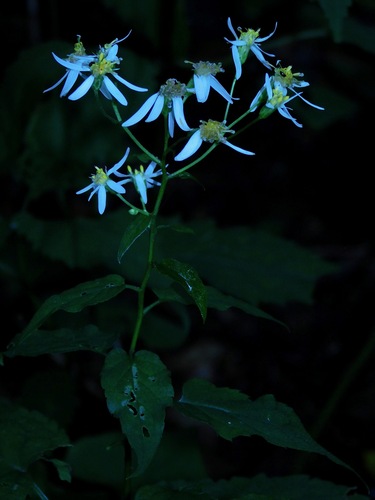
Mountain Wood-aster
Eurybia chlorolepis
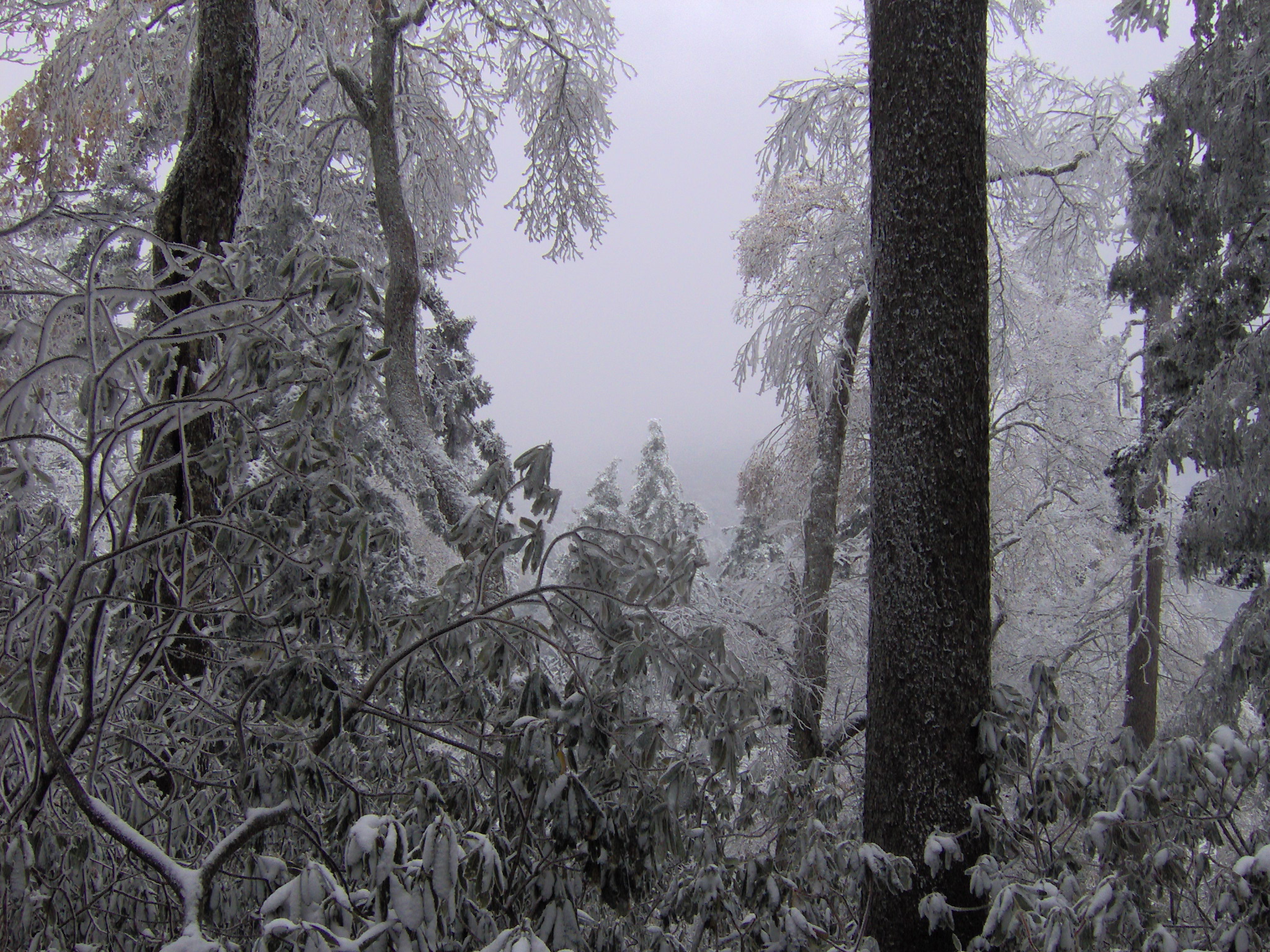
Found in northern hardwood forests, spruce-fir forests. Weakley, Flora of the Southeastern United States (2025), Northern Tier edition What its natural habitat tells you
Native to Virginia. How scores work Is it native here?
Profile 94%
- Height
- Up to about 32 inches
- Light
- Partial shade, Full shade, Full sun
- Soil moisture
- Dry to moist
At a glance
- Life cycle
- Perennial
- Bloom
- August to October
Not yet recorded · Spread · Leaves
Recorded in 8 Virginia counties.
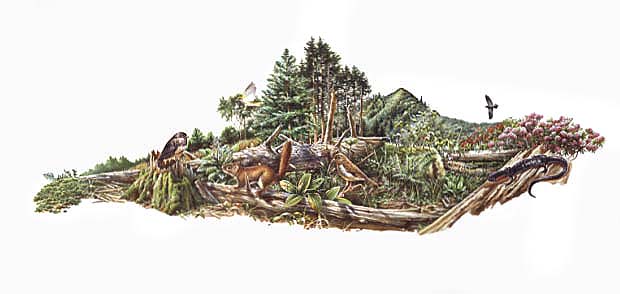
Natural habitats
Places it grows wild. Not a planting requirement. Each habitat page lists the plants and wildlife also found there.
Also found with this plant
Wildlife whose habitat models include habitats this plant grows in, in Virginia. Shared habitat, not food. 100 animals.
- Hooded WarblerWilsonia citrina
- Kentucky WarblerOporornis formosus
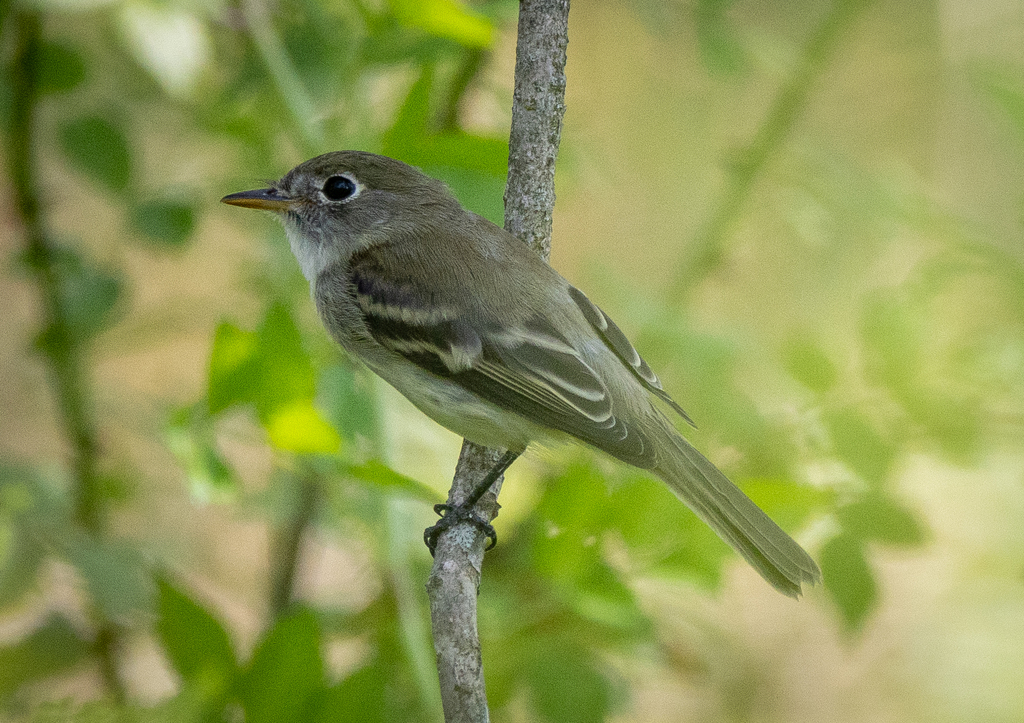
- Least FlycatcherEmpidonax minimus
- Mourning DoveZenaida macroura
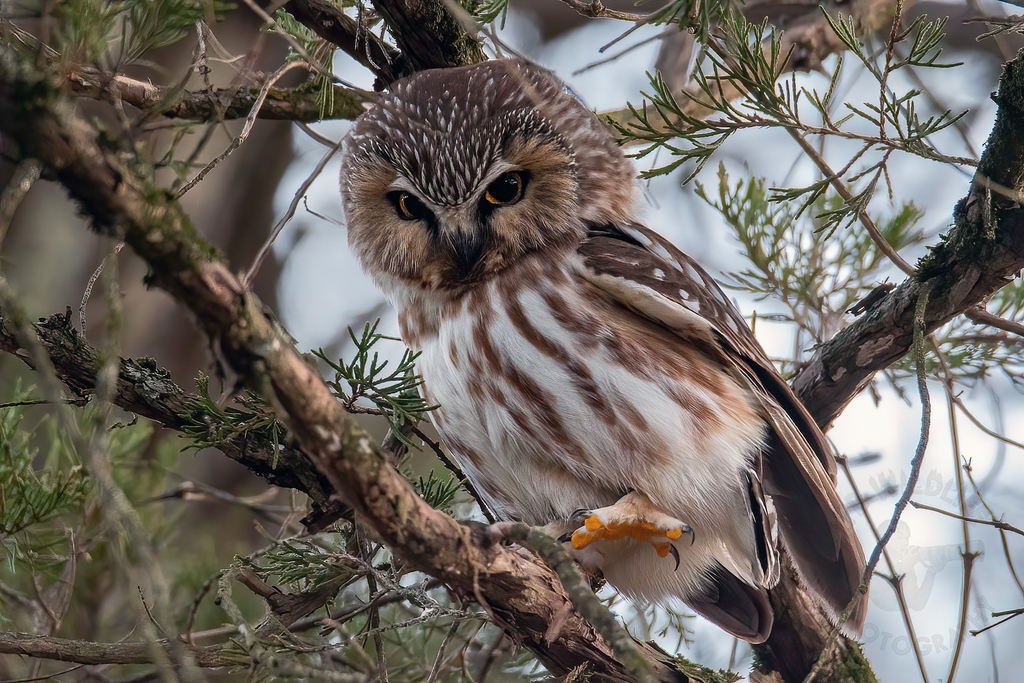
- Northern Saw-whet OwlAegolius acadicus
- OspreyPandion haliaetus
- OvenbirdSeiurus aurocapilla
- Pileated WoodpeckerDryocopus pileatus
- Purple FinchCarpodacus purpureus
- Red-breasted NuthatchSitta canadensis
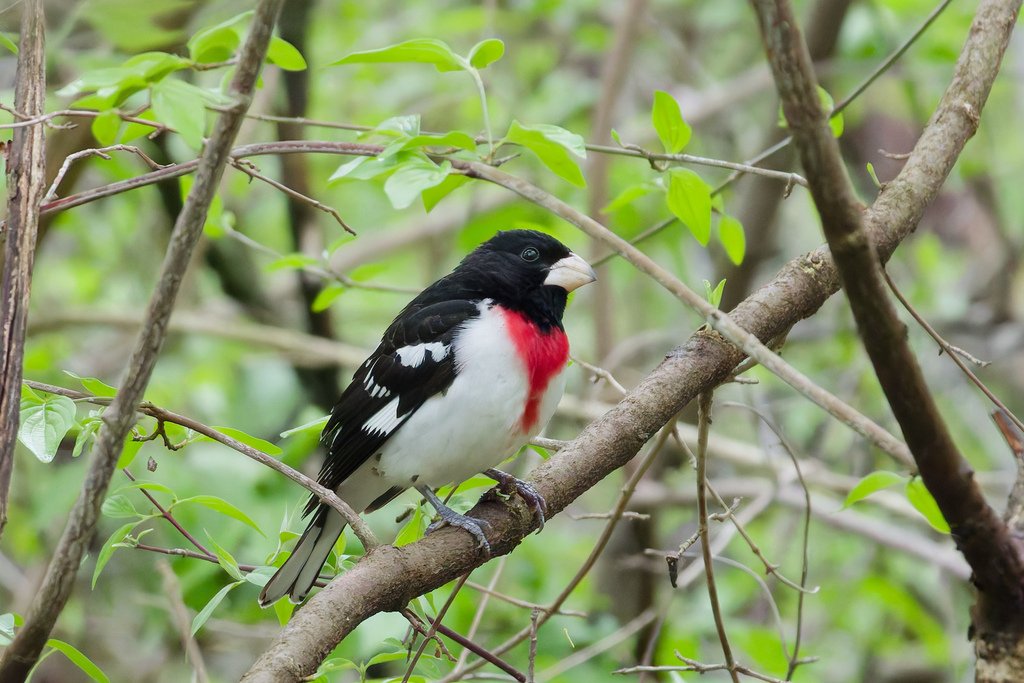
- Rose-breasted GrosbeakPheucticus ludovicianus
- Ruby-throated HummingbirdArchilochus colubris
- Ruffed GrouseBonasa umbellus
- Spotted SandpiperActitis macularius
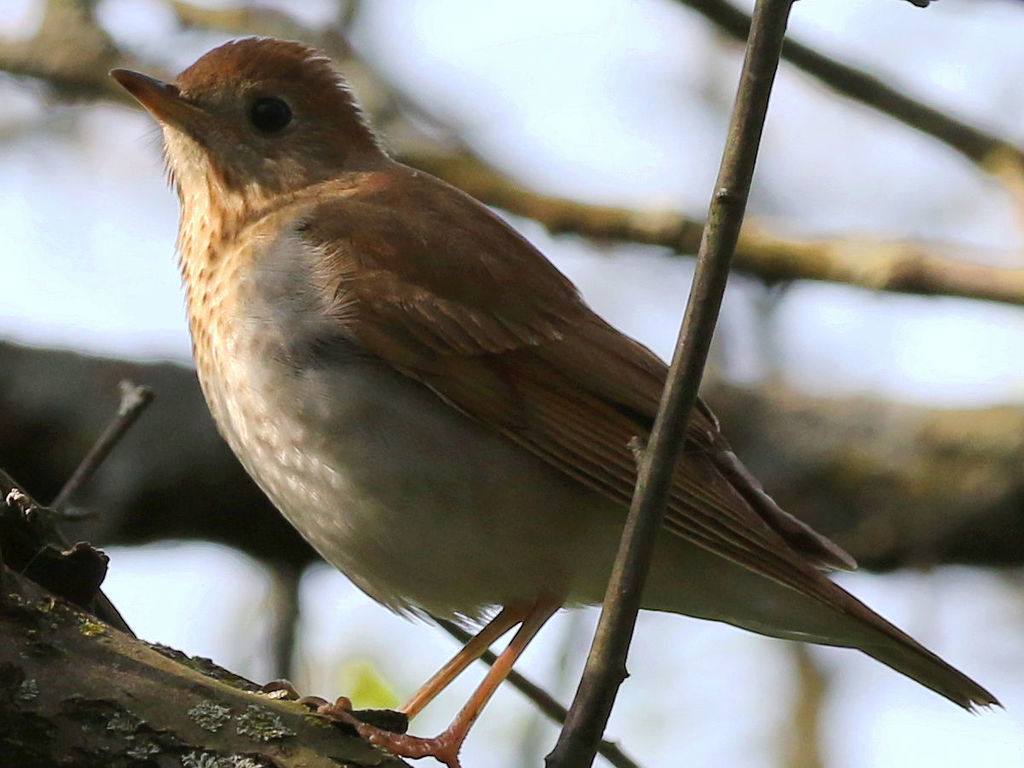
- VeeryCatharus fuscescens
- White-throated SparrowZonotrichia albicollis
- Wild TurkeyMeleagris gallopavo
- Yellow-breasted ChatIcteria virens
- American RedstartSetophaga ruticilla
- American WoodcockScolopax minor
- Bald EagleHaliaeetus leucocephalus
- Barred OwlStrix varia
- Belted KingfisherMegaceryle alcyon
- Black-billed CuckooCoccyzus erythropthalmus





















Who uses this plant?
 5CaterpillarsGenus host records with ranges including VA
Genus host records with ranges including VA · Eurybia
- Phyciodes cocytaNorthern Crescent, Crescentspot
- Platypolia ancepsGray-Dusted Sallow
- Schinia septentrionalisNorthern Flower Moth
- Astrotischeria astericola
- Herpetogramma aquilonalis
 54BeesSoutheastern regional records
Southeastern regional records · Aster
Individual names are not available yet.
Noori, Seltmann & Orr 2026, A curated and integrated dataset for exploring global bee-plant interactions (GloBI), Zenodo, CC BY 4.0 27Specialist beesPollen specialists
Pollen specialists · Eurybia
- Andrena asteris
- Andrena braccata
- Andrena canadensis
- Andrena chromotricha
- Andrena fulvipennis
- Andrena hirticincta
- Andrena nubecula
- Andrena placata
- Andrena simplex
- Ashmeadiella bucconis
Show all 27
- Colletes americanus
- Colletes compactus
- Colletes speculiferus
- Dianthidium curvatum
- Melissodes denticulatus
- Melissodes dentiventris
- Melissodes druriellus
- Melissodes illatus
- Melissodes niveus
- Melissodes subillatus
- Melissodes trinodis
- Melissodes wheeleri
- Paranthidium jugatorium
- Perdita octomaculata
- Protandrena andrenoides
- Protandrena citripes
- Protandrena compositarum
 3BirdsRecorded genus food-resource interactions; not a state feeding claim
Recorded genus food-resource interactions; not a state feeding claim · Aster
- Alectoris chukarChukar
- Bonasa umbellusRuffed Grouse
- Centrocercus urophasianusGreater Sage-Grouse
Direct food only: birds recorded eating this genus across North America. Caterpillars on host plants also feed nesting birds. NC Native Plant Society: butterfly gardening
No records yet · Ants · Beetles · Flies · Adult butterflies / moths · Other wasps · Other insects
Plant details
- Family
- Asteraceae
- Flower color
- White or yellow
Safety has not been reviewed for this plant; check toxicity and thorns before planting.
Growing sources and scope
- Bloom · “August to October” · Weakley, Flora of the Southeastern United States (2025), Carolinas & Georgia edition · Carolinas and Georgia
- Flower color · “White or yellow” · Lady Bird Johnson Wildflower Center
- Height · “Up to about 32 inches” · Lady Bird Johnson Wildflower Center
- Life cycle · “Perennial” · Lady Bird Johnson Wildflower Center
- Light · “Partial shade; Full shade; Full sun (documented habitat)” · Weakley, Flora of the Southeastern United States (2025), Carolinas & Georgia edition · Carolinas and Georgia
- Soil · “Dry; Moist (documented habitat)” · Weakley, Flora of the Southeastern United States (2025), Carolinas & Georgia edition · Carolinas and Georgia
Also known as
Aster divaricatus var. chlorolepis; Mountain Wood Aster; aster
Conservation status
| Virginia rank | S4 |
|---|---|
| Global rank | G4 |
| VA status | Not verified |
| Federal status | Not verified |
Will it fit your yard?
Check this plant against your county, sun and soil moisture. Conditions are checked in your browser.
Sources
- Digital Atlas of the Virginia Flora
- USDA PLANTS
- Vascular Plants of North Carolina (NC Natural Heritage Program)
- Weakley, Flora of the Southeastern United States (2025)
- NatureServe Explorer
- Shropshire & Tallamy 2025, Lepidoptera of North America north of Mexico, ZooKeys 1261 (ODbL)
- Noori, Seltmann & Orr 2026, A curated and integrated dataset for exploring global bee-plant interactions (GloBI), Zenodo, CC BY 4.0
- Smith, Bachelder, Russell, Morales, Mosher & Seltmann 2024, Bee-Specialization-Modeling v0.6.1 (specialist host table compiled from J. Fowler's pollen specialist bee lists), Zenodo, CC BY 4.0
- Hurlbert, Olsen, Sawyer & Winner 2021, Avian Diet Database, Scientific Data 8: 260 (CC0)
- Narango, Tallamy & Shropshire 2020, Few keystone plant genera support the majority of Lepidoptera species, Nature Communications