

Winter-creeper
Euonymus fortunei
Found in bottomlands, swamps, upland suburban woodlands. FloraQuest, phone app (app page) What its natural habitat tells you
Not native to Virginia. How scores work Is it native here?
Profile 82%
- Height
- 14–32 feet
- Spread
- 2–10 feet
- Light
- Dappled sunlight, Full sun, Partial shade
- Soil moisture
- Dry to moist
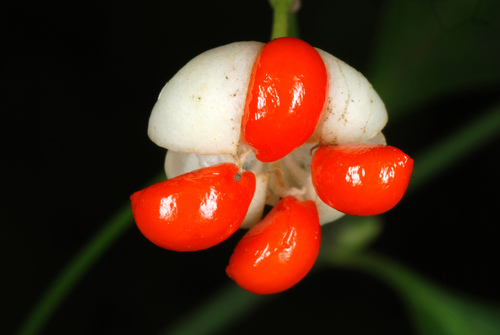
Do not plant. Listed invasive in Virginia.
At a glance
- Life cycle
- Woody perennial
- Leaves
- Semi-evergreen or evergreen
- Bloom
- May to June
- Fruiting season
- October to December
Recorded in 44 Virginia counties.
Natural habitats
Places it grows wild. Not a planting requirement. Each habitat page lists the plants and wildlife also found there.
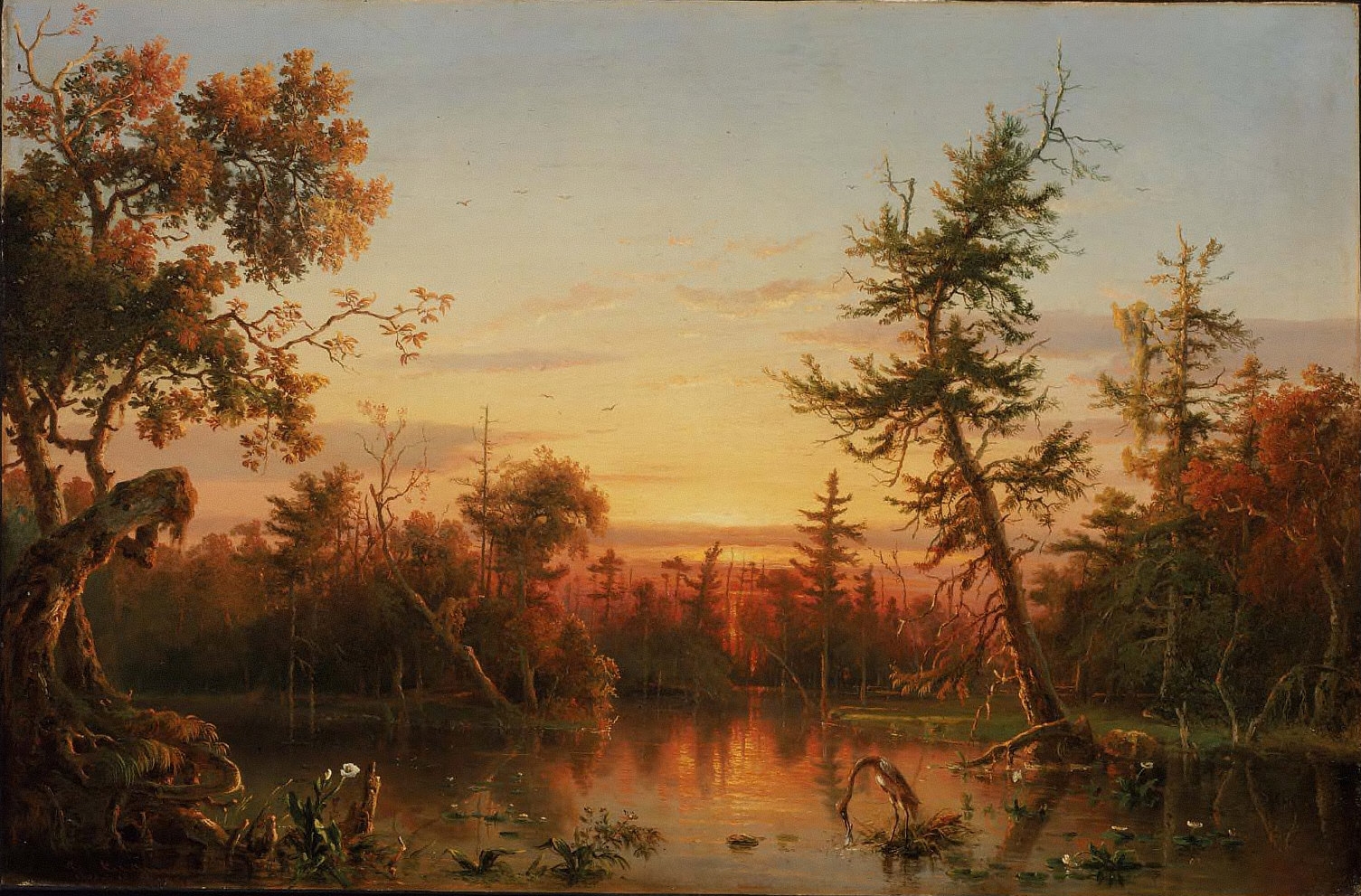
Floodplain and bottomland forests
Forests on low ground beside rivers and streams that flood from time to time.
Forest or woodland where the source does not say how moist or dry.
Also found with this plant
Wildlife whose habitat models include habitats this plant grows in, in Virginia. Shared habitat, not food. 95 animals.
- Acadian FlycatcherEmpidonax virescens
- American CrowCorvus brachyrhynchos
- American GoldfinchCarduelis tristis
- American KestrelFalco sparverius
- American RobinTurdus migratorius
- Bald EagleHaliaeetus leucocephalus
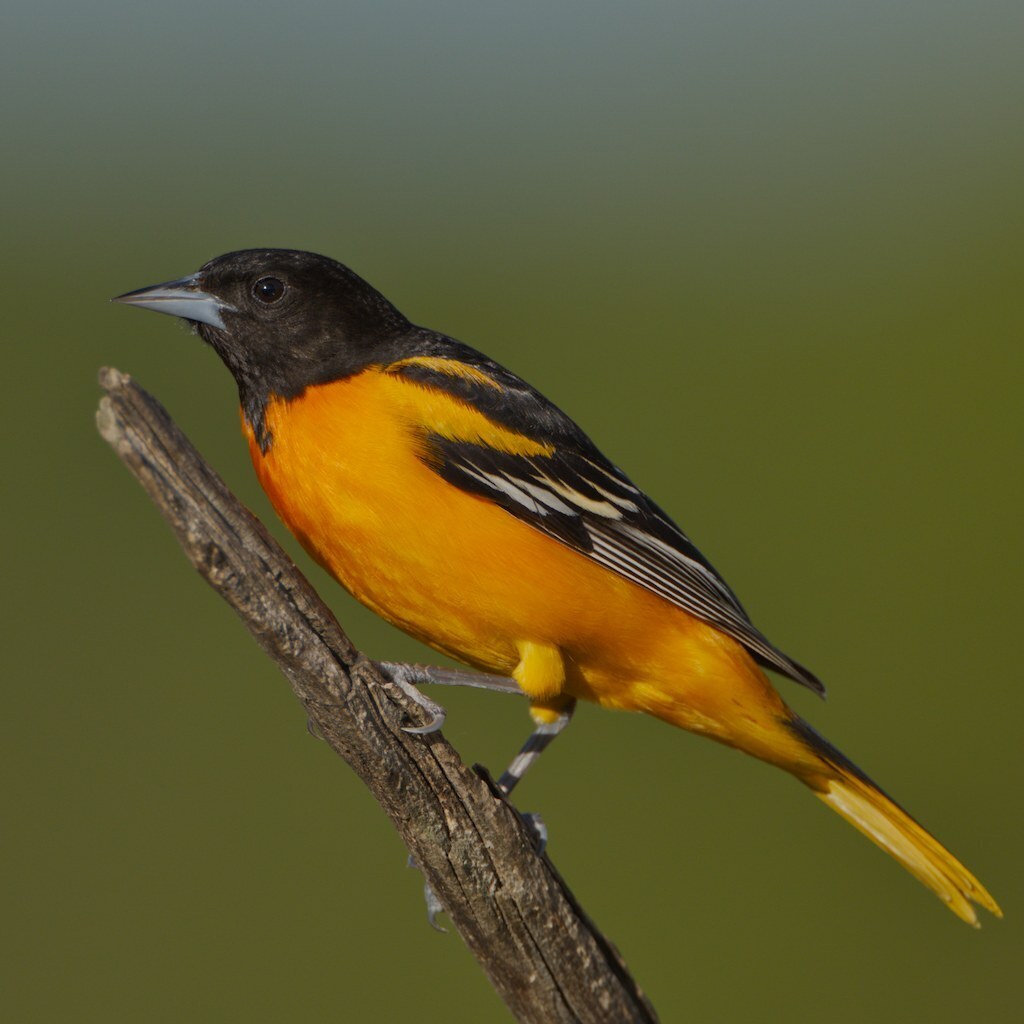
- Baltimore OrioleIcterus galbula
- Barred OwlStrix varia
- Belted KingfisherMegaceryle alcyon
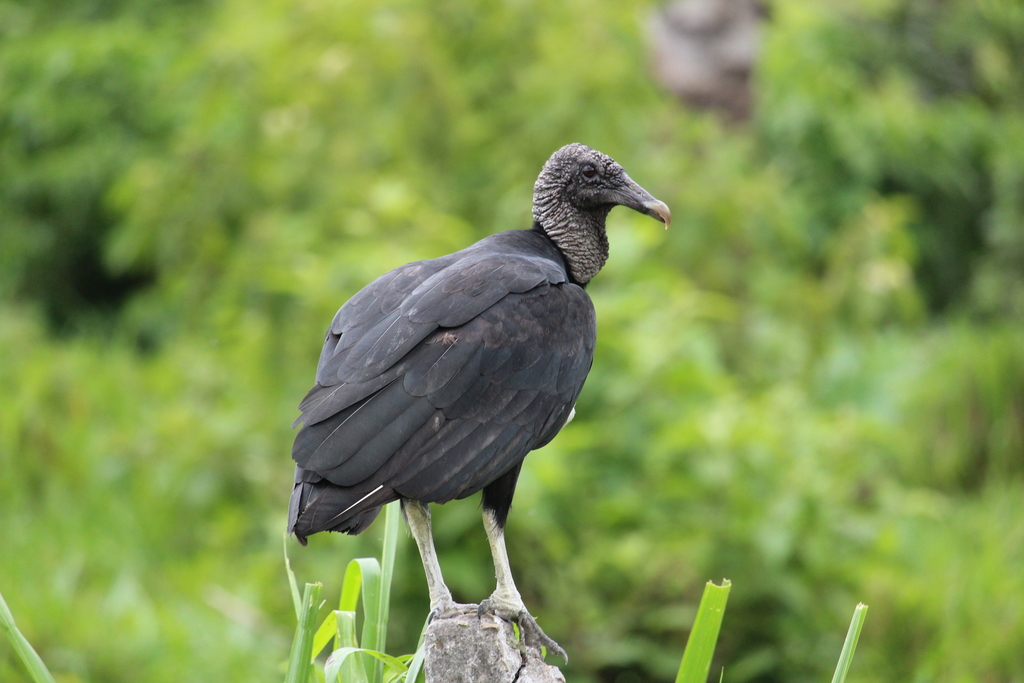
- Black VultureCoragyps atratus
- Black-and-White WarblerMniotilta varia
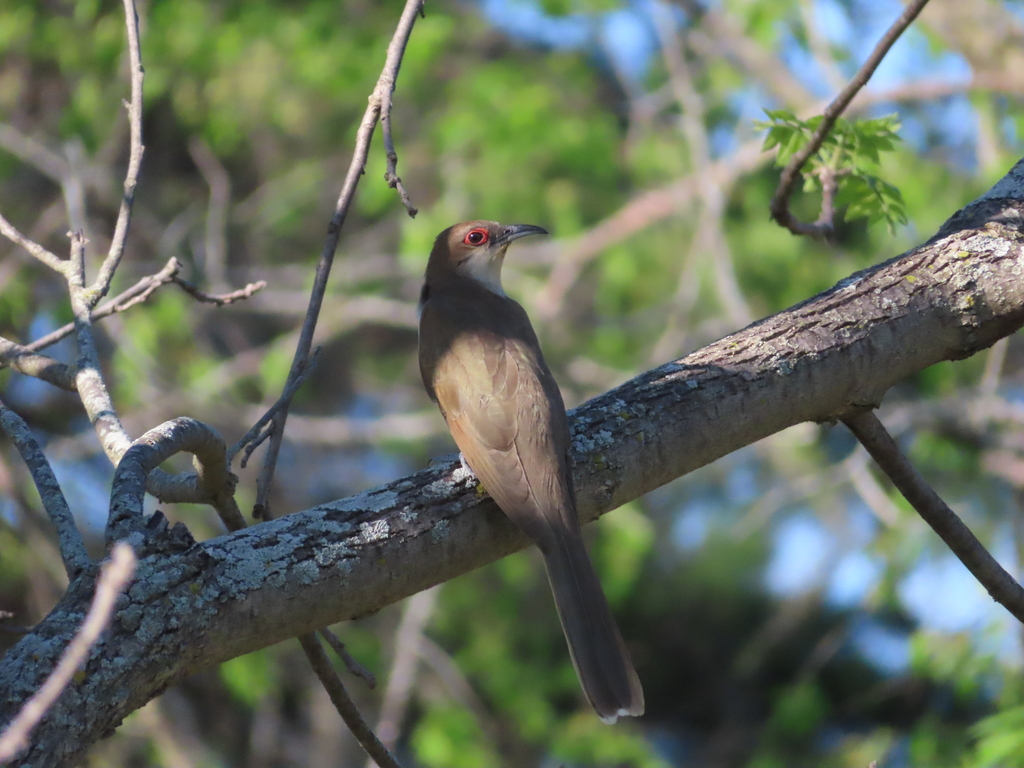
- Black-billed CuckooCoccyzus erythropthalmus
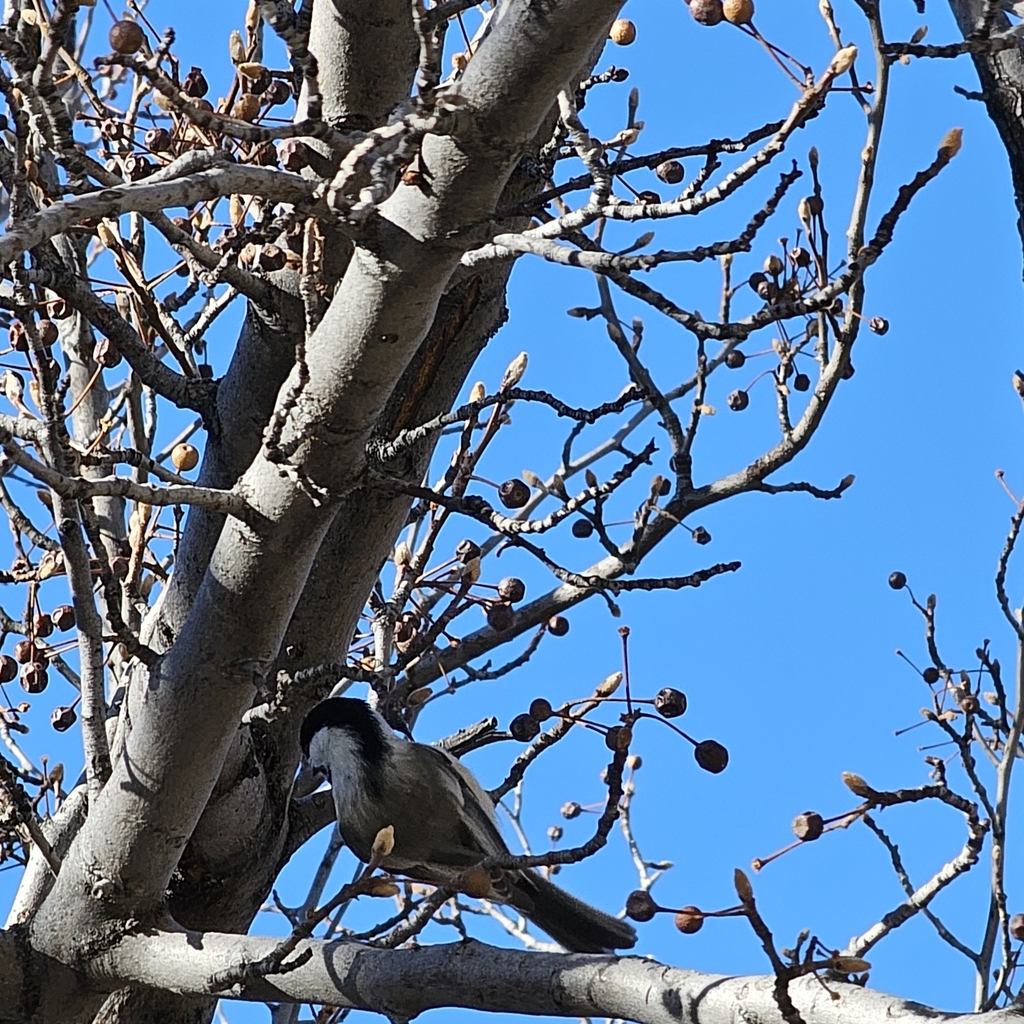
- Black-capped ChickadeePoecile atricapillus
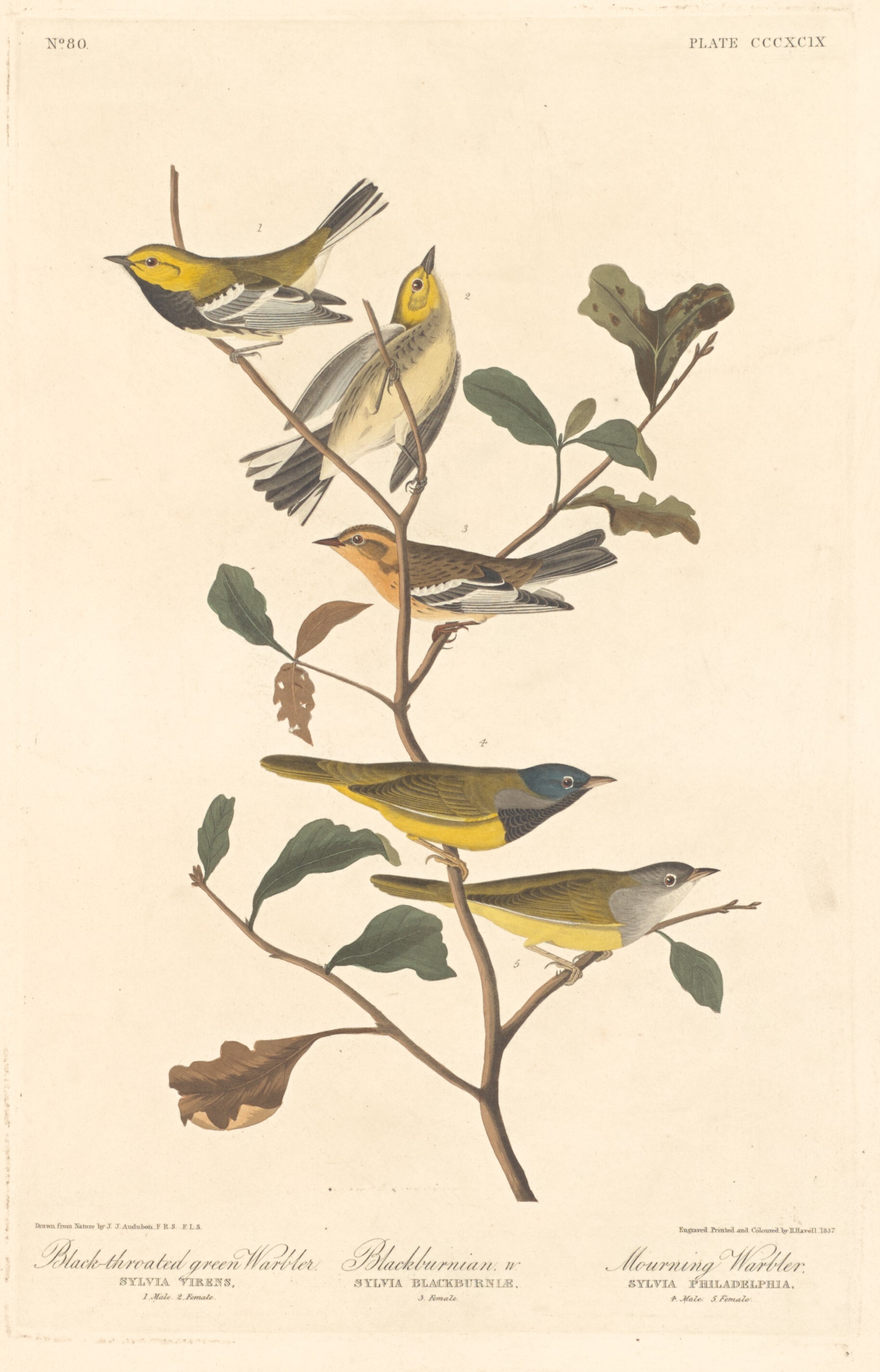
- Black-throated Green WarblerDendroica virens
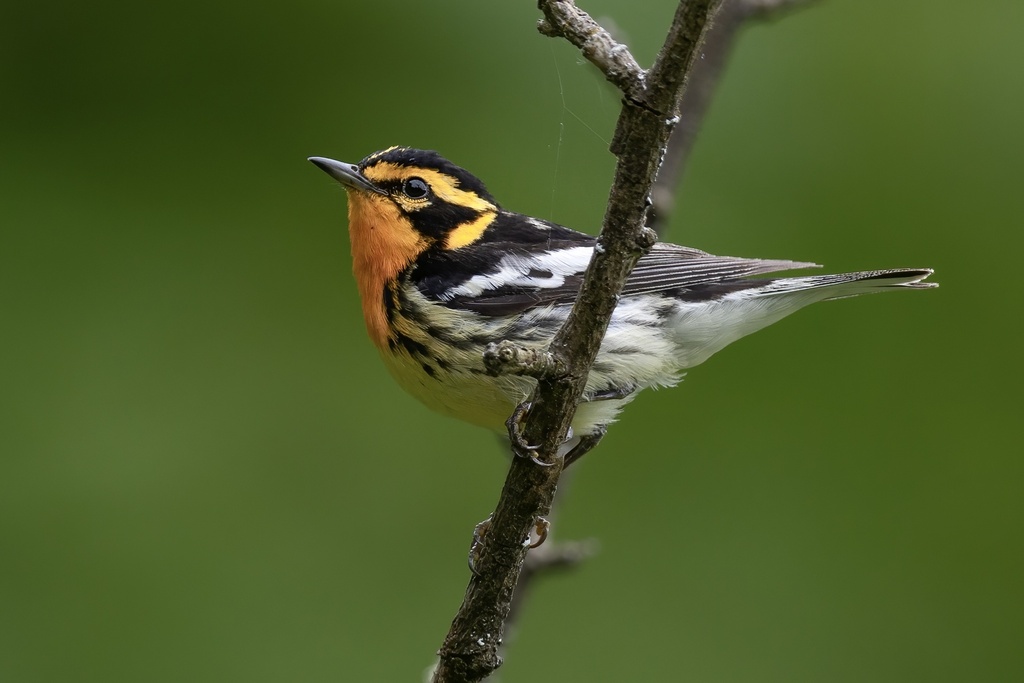
- Blackburnian WarblerDendroica fusca
- Blue GrosbeakPasserina caerulea
- Blue JayCyanocitta cristata
- Blue-gray GnatcatcherPolioptila caerulea
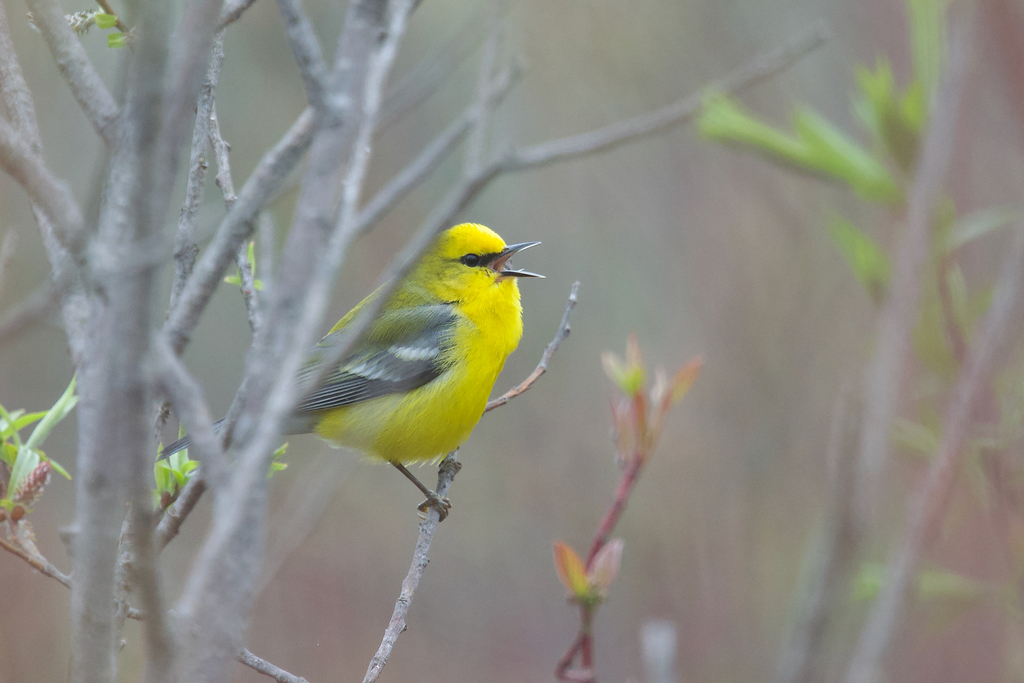
- Blue-winged WarblerVermivora pinus
- Broad-winged HawkButeo platypterus
- Brown CreeperCerthia americana
- Brown ThrasherToxostoma rufum
- Carolina ChickadeePoecile carolinensis
- Carolina WrenThryothorus ludovicianus

















Who uses this plant?
 14CaterpillarsGenus host records with ranges including VA
Genus host records with ranges including VA · Euonymus
- Ectropis crepusculariaThe Small Engrailed, Saddleback Looper
- Herpetogramma thestealisZigzag Herpetogramma, Subtle-Feathered Grass Moth
- Hyalophora cecropiaCecropia Silkmoth, Cecropia Moth
- Hypena scabraGreen Cloverworm Bomolocha, Black Snout
- Hyphantria cuneaFall Webworm
- Morrisonia confusaConfused Woodgrain
- Morrisonia latexFluid Arches, Fluid Mamestra
- Orgyia leucostigmaWhite-Marked Tussock Moth
- Pandemis limitataThree-Lined Leafroller Moth
- Platynota flavedanaBlack-Shaded Platynota
Show all 14
- Spodoptera eridaniaSouthern Armyworm Moth
- Yponomeuta multipunctellaAmerican Ermine Moth, Wahoo Moth
- Herpetogramma aquilonalis
- Herpetogramma theseusalis
 —BeesSoutheastern regional records
 —Specialist beesPollen specialists
 3BirdsRecorded genus food-resource interactions; not a state feeding claim
Recorded genus food-resource interactions; not a state feeding claim · Euonymus
- Catharus guttatusHermit Thrush
- Sialia sialisEastern Bluebird
- Turdus migratoriusAmerican Robin
Direct food only: birds recorded eating this genus across North America. Caterpillars on host plants also feed nesting birds. NC Native Plant Society: butterfly gardening
Plant details
- Family
- Celastraceae
- Hardiness
- Zones 4a–9b
- Soil pH
- Acidic to alkaline
- Flower color
- Green or white
- Fruit begins
- October
- Fruit ends
- December
Safety has not been reviewed for this plant; check toxicity and thorns before planting.
Growing sources and scope
- Bloom · “May to June” · FloraQuest: Carolinas, Georgia (Southeastern Flora Team), phone app (app page) · Carolinas and Georgia
- Flower color · “Green or white” · NC Extension Plant Toolbox
- Fruit begins · “October” · FloraQuest: Carolinas, Georgia (Southeastern Flora Team), phone app (app page) · Carolinas and Georgia
- Fruit ends · “December” · FloraQuest: Carolinas, Georgia (Southeastern Flora Team), phone app (app page) · Carolinas and Georgia
- Hardiness · “Zones 4a–9b” · NC Extension Plant Toolbox
- Height · “14–32 feet” · NC Extension Plant Toolbox
- Leaves · “Semi-evergreen or evergreen” · NC Extension Plant Toolbox
- Life cycle · “Woody perennial” · NC Extension Plant Toolbox
- Light · “Dappled sunlight (shade through upper canopy all day); Full sun (6 or more hours of direct sunlight a day); Partial shade (direct sunlight only part of the day, 2-6 hours)” · NC Extension Plant Toolbox
- Soil · “Moist; Occasionally dry; Very dry” · NC Extension Plant Toolbox
- Soil pH · “Acidic to alkaline” · NC Extension Plant Toolbox
- Spread · “2–10 feet” · NC Extension Plant Toolbox
Also known as
Fortunes Spindle; Winter creeper; Wintercreeper
Conservation status
| Virginia rank | SNA |
|---|---|
| Global rank | GNR |
| VA status | Not verified |
| Federal status | Not verified |
Native alternatives
Find natives for your gardenSources
- Virginia DCR invasive plant list
- Digital Atlas of the Virginia Flora
- USDA PLANTS
- FloraQuest: Carolinas, Georgia (Weakley), phone app (app page)
- FloraQuest: Northern Tier (Weakley), phone app (app page)
- NatureServe Explorer
- Shropshire & Tallamy 2025, Lepidoptera of North America north of Mexico, ZooKeys 1261 (ODbL)
- Noori, Seltmann & Orr 2026, A curated and integrated dataset for exploring global bee-plant interactions (GloBI), Zenodo, CC BY 4.0
- Smith, Bachelder, Russell, Morales, Mosher & Seltmann 2024, Bee-Specialization-Modeling v0.6.1 (specialist host table compiled from J. Fowler's pollen specialist bee lists), Zenodo, CC BY 4.0
- Hurlbert, Olsen, Sawyer & Winner 2021, Avian Diet Database, Scientific Data 8: 260 (CC0)
- Narango, Tallamy & Shropshire 2020, Few keystone plant genera support the majority of Lepidoptera species, Nature Communications