

Tawny Cottongrass
Eriophorum virginicum
Found in mountain bogs and fens; Coastal Plain seepage bogs; sandhills; pocosins and bay forests; seeps and springs. FloraQuest, phone app (app page) What its natural habitat tells you
Native to Virginia. How scores work Is it native here?
Profile 100%
- Height
- About 3.9 feet
- Light
- Full sun, Partial shade
- Soil moisture
- Usually moist
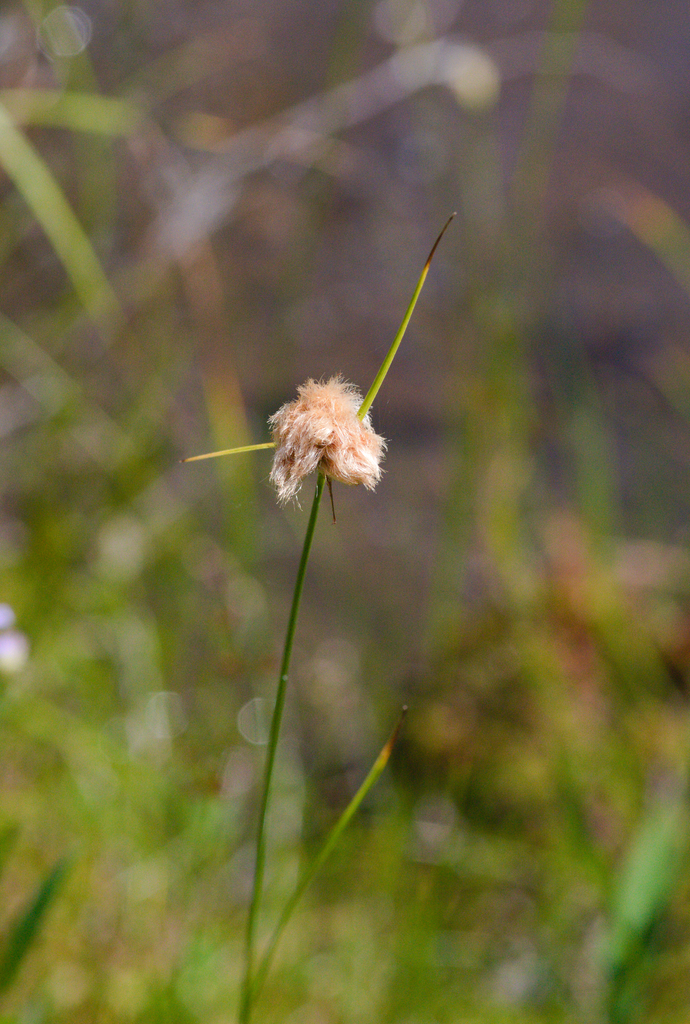
At a glance
- Life cycle
- Perennial
- Bloom
- June to September
- Fruiting season
- Summer to fall
Not yet recorded · Spread · Leaves
Recorded in 26 Virginia counties.
Natural habitats
Places it grows wild. Not a planting requirement. Each habitat page lists the plants and wildlife also found there.
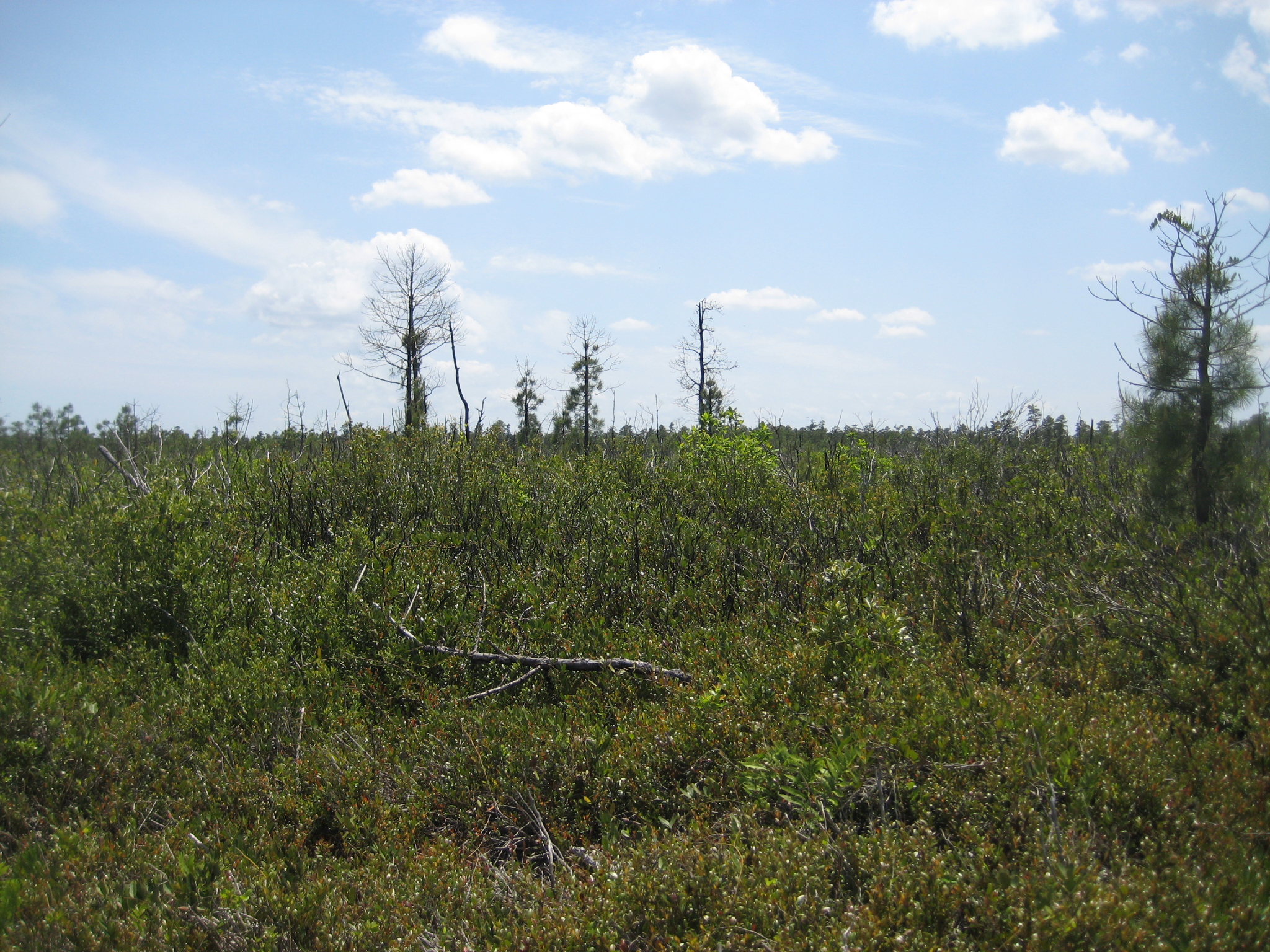
Wet, open, peaty mountain wetlands fed by seepage, often with sphagnum moss.
Open, wet, seepage-fed bogs of the Coastal Plain and Sandhills, often with pitcher plants.
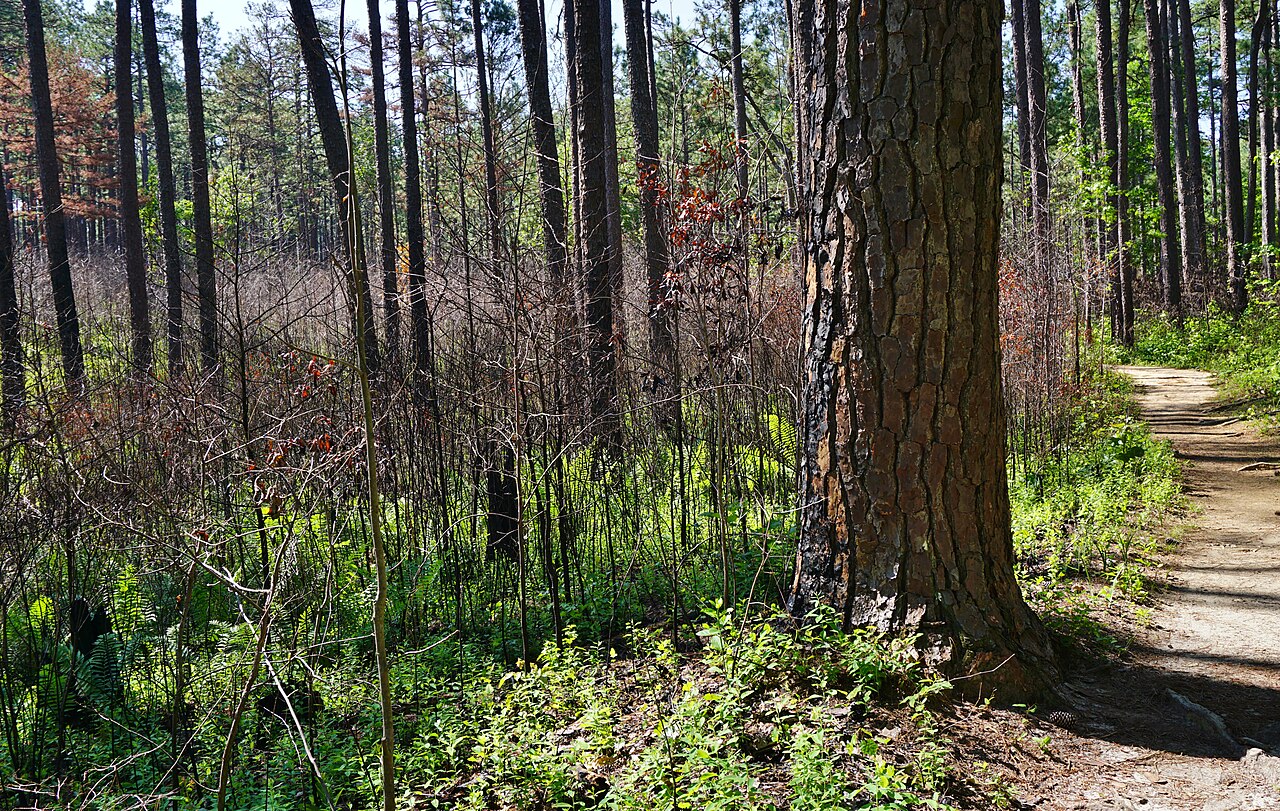
Dry, deep-sand ridges with longleaf pine and turkey oak, kept open by fire.
Also found with this plant
Wildlife whose habitat models include habitats this plant grows in, in Virginia. Shared habitat, not food. 73 animals.
- Downy WoodpeckerPicoides pubescens
- Eastern KingbirdTyrannus tyrannus
- Eastern TowheePipilo erythrophthalmus
- Fish CrowCorvus ossifragus
- Golden-crowned KingletRegulus satrapa
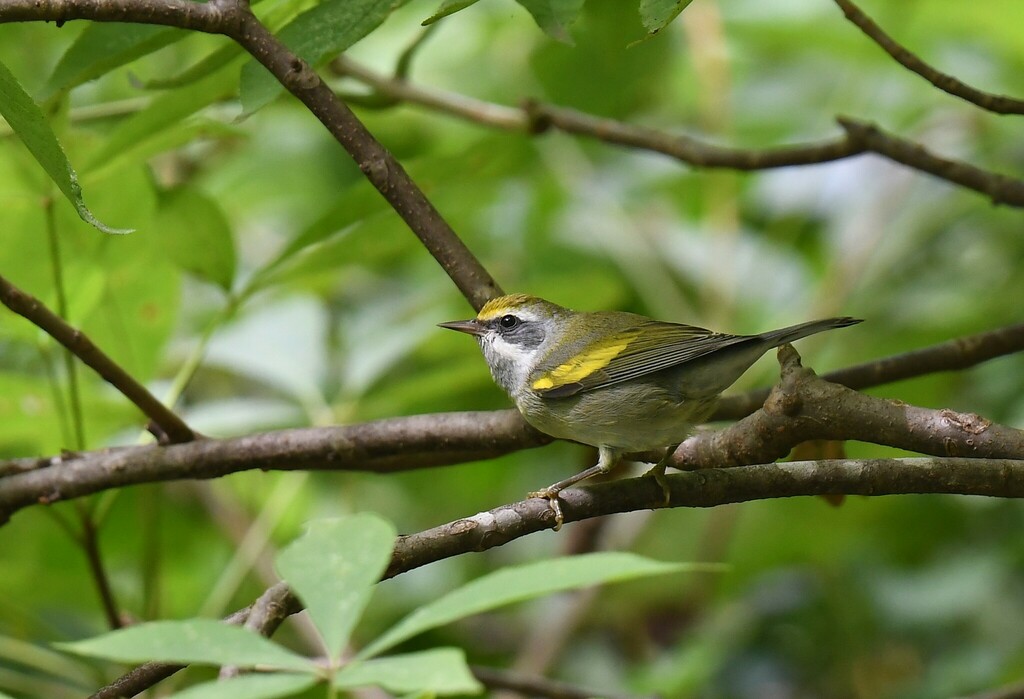
- Golden-winged WarblerVermivora chrysoptera
- Gray CatbirdDumetella carolinensis
- Great Blue HeronArdea herodias
- Great Crested FlycatcherMyiarchus crinitus
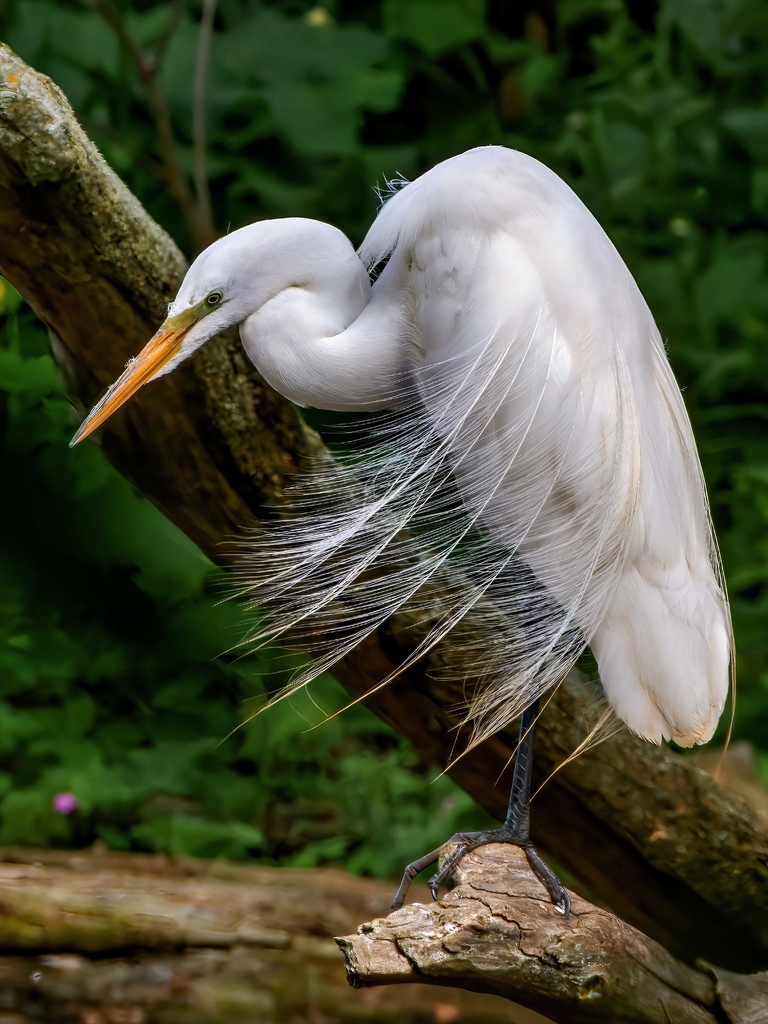
- Great EgretArdea alba
- Great Horned OwlBubo virginianus
- Green HeronButorides virescens
- Hooded MerganserLophodytes cucullatus
- Hooded WarblerWilsonia citrina
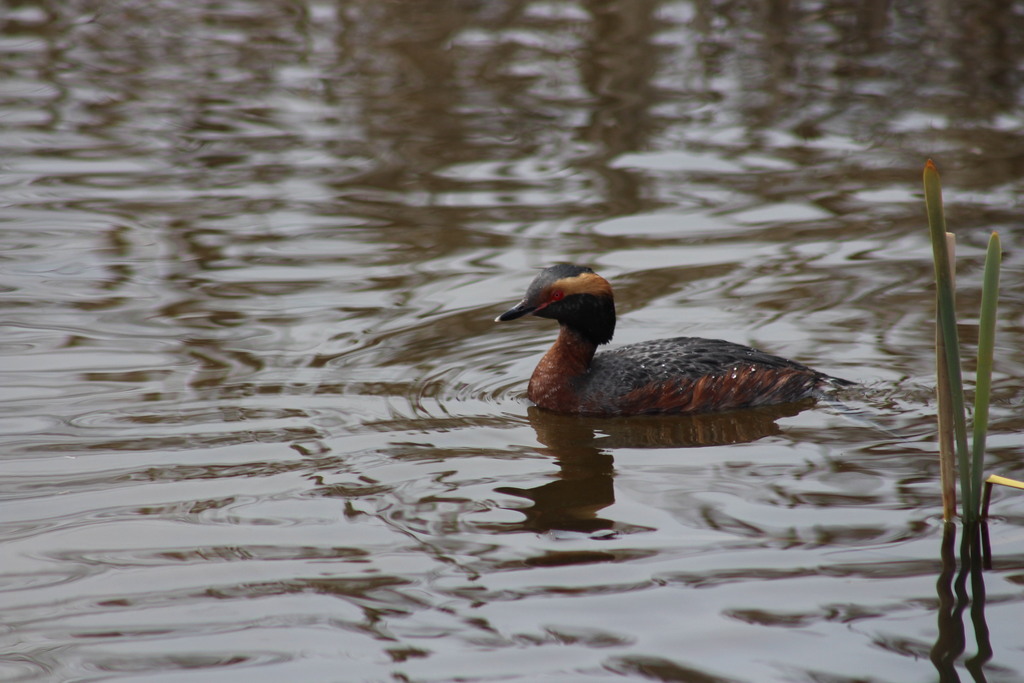
- Horned GrebePodiceps auritus
- Least FlycatcherEmpidonax minimus
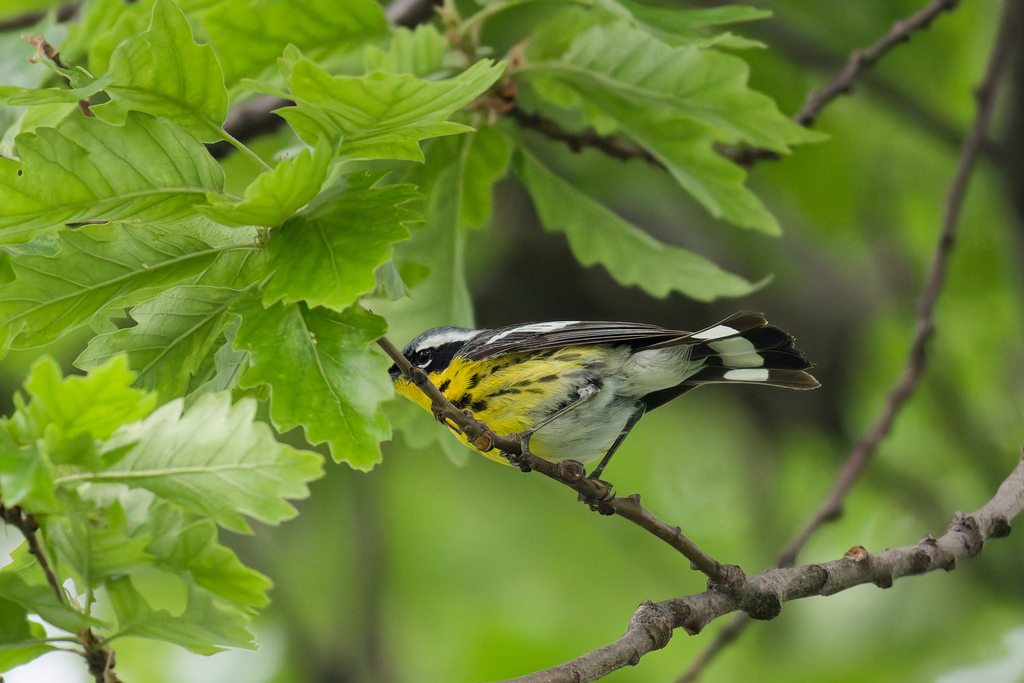
- Magnolia WarblerDendroica magnolia
- MallardAnas platyrhynchos
- Northern CardinalCardinalis cardinalis
- Northern FlickerColaptes auratus
- Northern MockingbirdMimus polyglottos
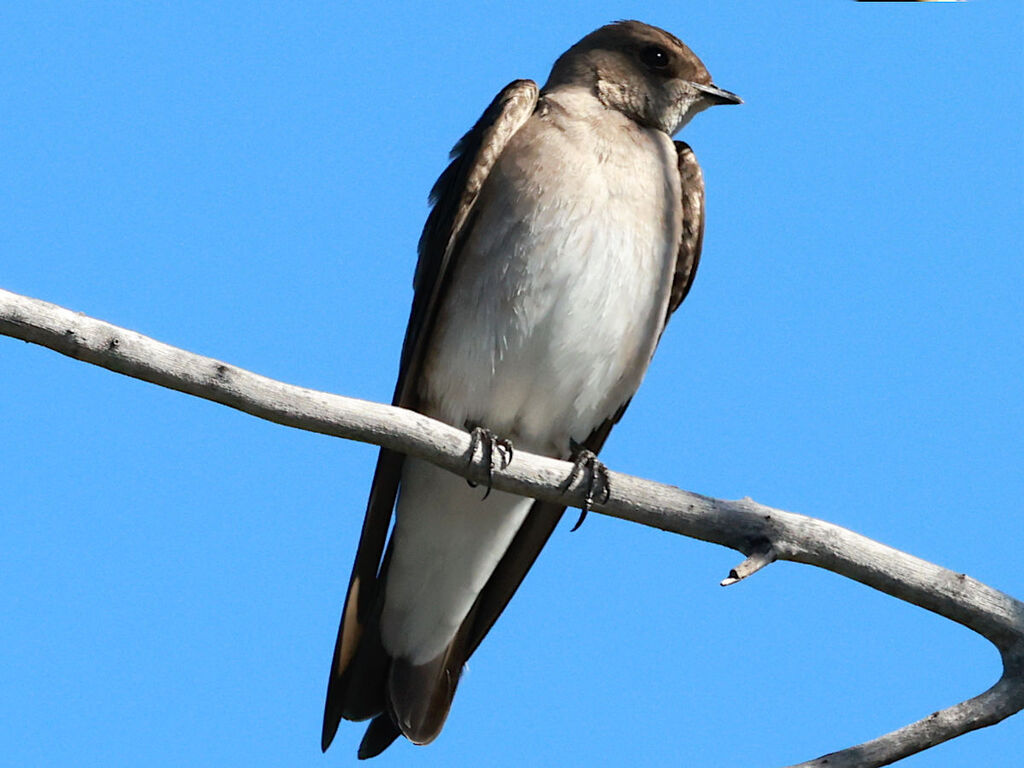
- Northern Rough-winged SwallowStelgidopteryx serripennis
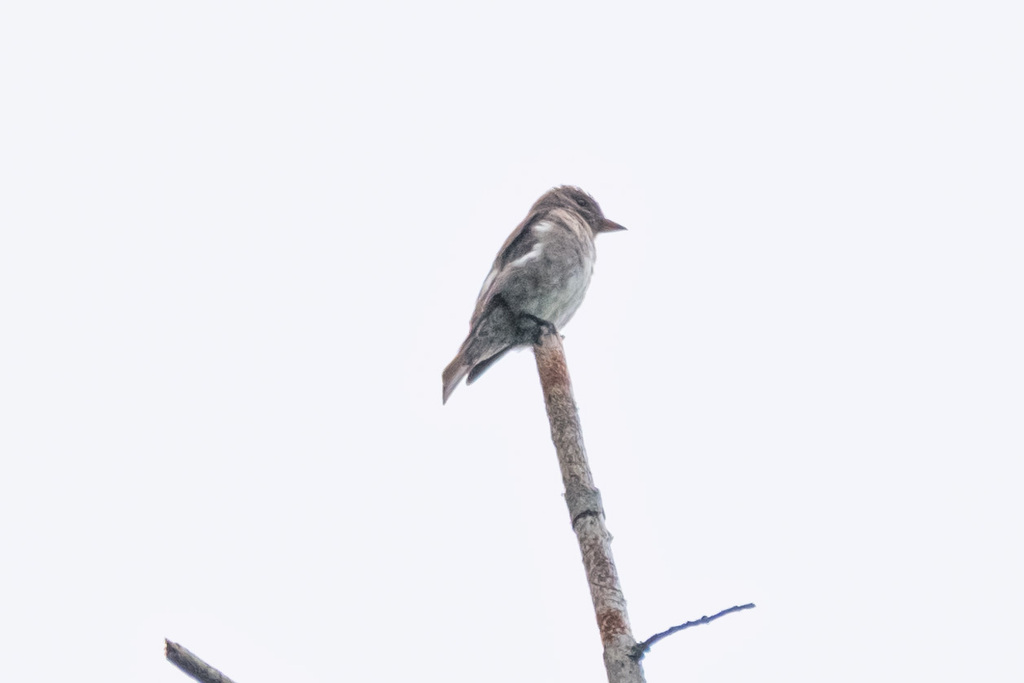
- Olive-sided FlycatcherContopus cooperi
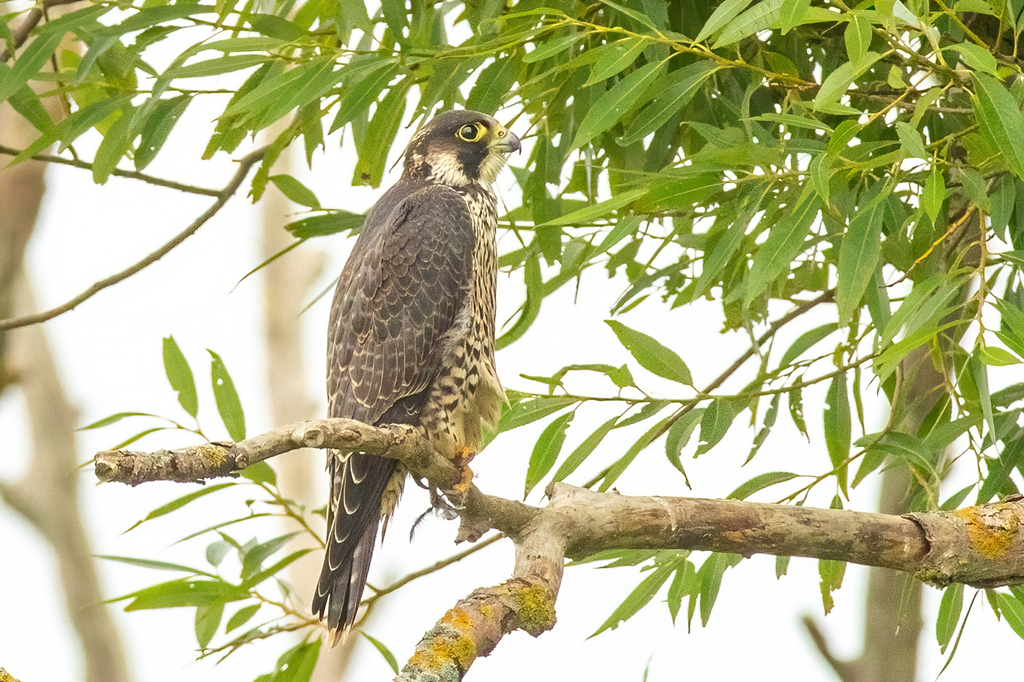
- Peregrine FalconFalco peregrinus


















Who uses this plant?
 0CaterpillarsGenus host records with ranges including VA
 0BeesSoutheastern regional records
 0Specialist beesPollen specialists
 3BirdsRecorded genus food-resource interactions; not a state feeding claim
Recorded genus food-resource interactions; not a state feeding claim · Eriophorum
- Anser caerulescensSnow Goose
- Lagopus lagopusWillow Ptarmigan
- Spizelloides arboreaAmerican Tree Sparrow
Direct food only: birds recorded eating this genus across North America. Caterpillars on host plants also feed nesting birds. NC Native Plant Society: butterfly gardening
No records yet · Ants · Beetles · Flies · Adult butterflies / moths · Other wasps · Other insects
Plant details
- Family
- Cyperaceae
- Hardiness
- Zones 3a–8a
- Flower color
- Cream, green or white
- Growth rate
- Moderate
- Growth habit
- Single crown
- Foliage color
- Green
- Fruit begins
- Summer
- Fruit ends
- Fall
Safety has not been reviewed for this plant; check toxicity and thorns before planting.
Growing sources and scope
- Bloom · “June to September” · FloraQuest: Carolinas, Georgia (Southeastern Flora Team), phone app (app page) (ranked first; USDA PLANTS differs) · Carolinas and Georgia
- Flower color · “Cream, green or white” · NC Extension Plant Toolbox (ranked first; USDA PLANTS differs)
- Foliage color · “Green” · USDA PLANTS · Nationwide species characteristics; local growing conditions may vary
- Fruit begins · “Summer” · USDA PLANTS · Nationwide species characteristics; local growing conditions may vary
- Fruit ends · “Fall” · USDA PLANTS · Nationwide species characteristics; local growing conditions may vary
- Growth habit · “Single crown” · USDA PLANTS · Nationwide species characteristics; local growing conditions may vary
- Growth rate · “Moderate” · USDA PLANTS · Nationwide species characteristics; local growing conditions may vary
- Hardiness · “Zones 3a–8a” · NC Extension Plant Toolbox
- Height · “About 3.9 feet” · USDA PLANTS · Nationwide species characteristics; local growing conditions may vary
- Life cycle · “Perennial” · NC Extension Plant Toolbox
- Light · “Full sun (6 or more hours of direct sunlight a day); Partial shade (direct sunlight only part of the day, 2-6 hours)” · NC Extension Plant Toolbox
- Soil · “Moist; Occasionally wet” · NC Extension Plant Toolbox
Also known as
Catspaw; Tawny Cotton Grass
Conservation status
| Virginia rank | S3 |
|---|---|
| Global rank | G5 |
| VA status | Not verified |
| Federal status | Not verified |
Will it fit your yard?
Check this plant against your county, sun and soil moisture. Conditions are checked in your browser.
Sources
- Virginia DCR Natural Heritage rare plant list
- Digital Atlas of the Virginia Flora
- USDA PLANTS
- Vascular Plants of North Carolina (NC Natural Heritage Program)
- FloraQuest: Carolinas, Georgia (Weakley), phone app (app page)
- FloraQuest: Northern Tier (Weakley), phone app (app page)
- NatureServe Explorer
- Shropshire & Tallamy 2025, Lepidoptera of North America north of Mexico, ZooKeys 1261 (ODbL)
- Noori, Seltmann & Orr 2026, A curated and integrated dataset for exploring global bee-plant interactions (GloBI), Zenodo, CC BY 4.0
- Smith, Bachelder, Russell, Morales, Mosher & Seltmann 2024, Bee-Specialization-Modeling v0.6.1 (specialist host table compiled from J. Fowler's pollen specialist bee lists), Zenodo, CC BY 4.0
- Hurlbert, Olsen, Sawyer & Winner 2021, Avian Diet Database, Scientific Data 8: 260 (CC0)
- Narango, Tallamy & Shropshire 2020, Few keystone plant genera support the majority of Lepidoptera species, Nature Communications