

False Rue-anemone
Enemion biternatum
Found in rich forests, either on natural levees with very nutrient rich sediments or on slopes with underlying mafic or calcareous rocks. Weakley, Flora of the Southeastern United States (2025), Northern Tier edition What its natural habitat tells you
Native to Virginia. How scores work Is it native here?
Profile 94%
- Height
- 6–9 inches
- Spread
- 3–6 inches
- Light
- Part shade
- Soil moisture
- Average
Space about 1 ft apart from its recorded spread, about 100 per 100 sq ft. Enter your bed size for a count
Will it fit your yard?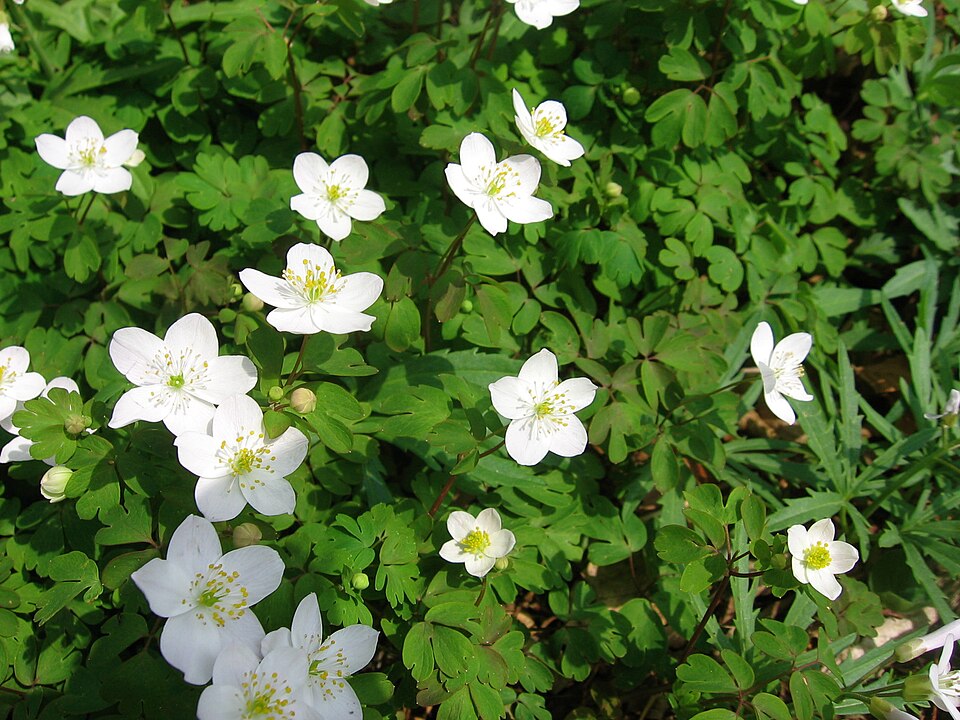
Rare or protected plant. Specialist conservation planting; excluded from routine garden suggestions. Plant caution source
Hidden from default planting suggestions. Wildlife value and native status remain unchanged.
At a glance
- Life cycle
- Perennial
- Bloom
- April to June
- Fruiting season
- May
Not yet recorded · Leaves
Recorded in 3 Virginia counties.
Natural habitats
Places it grows wild. Not a planting requirement. Each habitat page lists the plants and wildlife also found there.
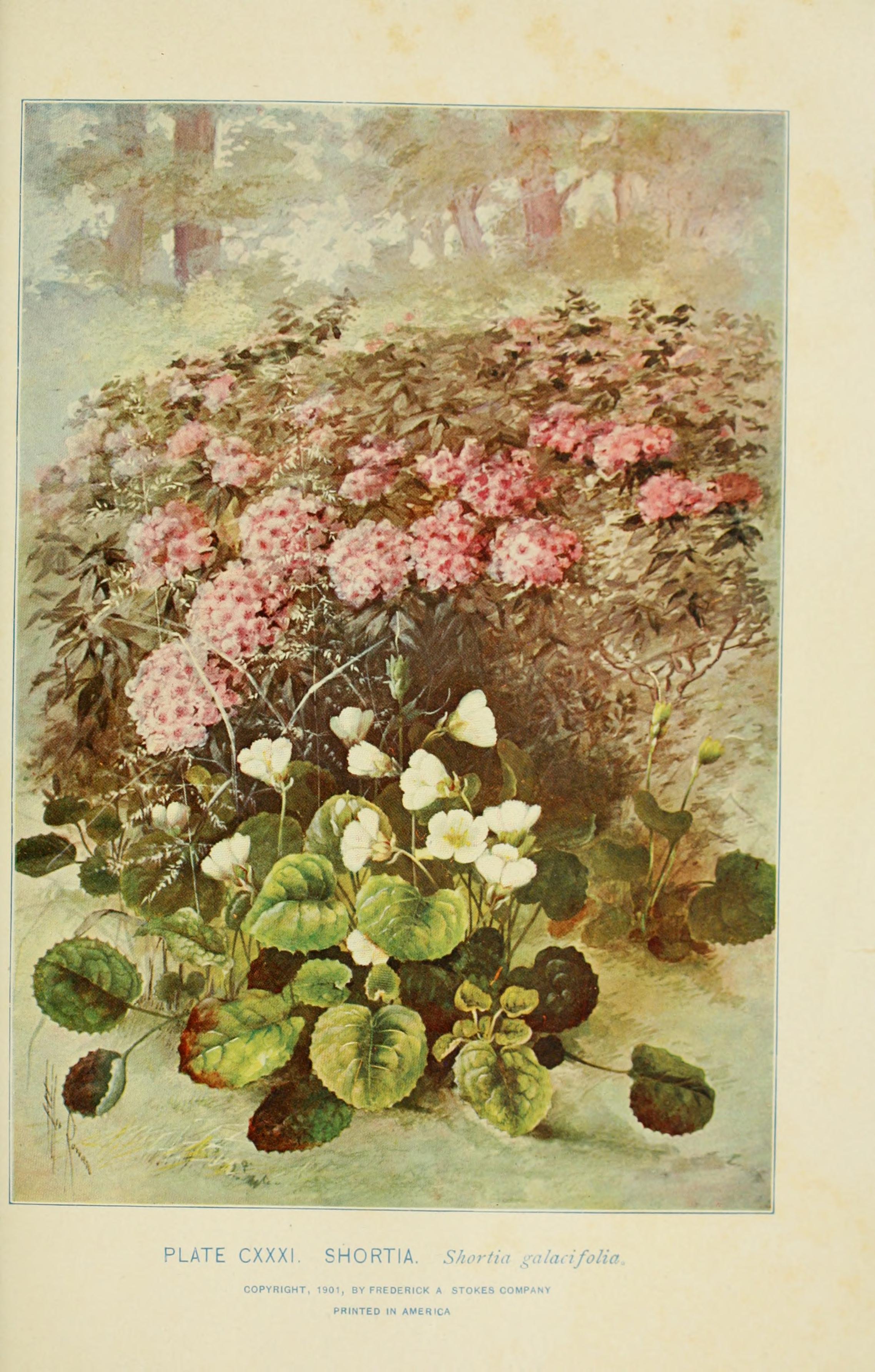
Floodplain and bottomland forests
Forests on low ground beside rivers and streams that flood from time to time.
Also found with this plant
Wildlife whose habitat models include habitats this plant grows in, in Virginia. Shared habitat, not food. 134 animals.
- Mourning DoveZenaida macroura
- Northern CardinalCardinalis cardinalis
- Northern FlickerColaptes auratus
- Northern MockingbirdMimus polyglottos
- Northern ParulaParula americana
- Northern Saw-whet OwlAegolius acadicus
- OspreyPandion haliaetus
- OvenbirdSeiurus aurocapilla
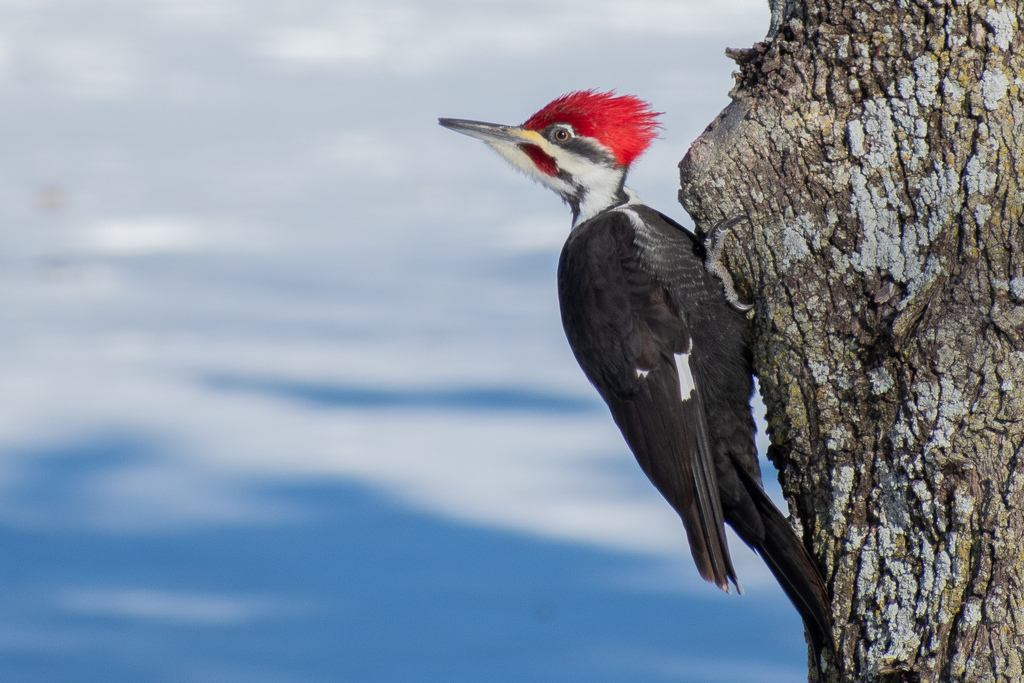
- Pileated WoodpeckerDryocopus pileatus
- Pine SiskinCarduelis pinus
- Purple FinchCarpodacus purpureus
- Red-bellied WoodpeckerMelanerpes carolinus
- Red-headed WoodpeckerMelanerpes erythrocephalus
- Red-shouldered HawkButeo lineatus
- Red-tailed HawkButeo jamaicensis
- Red-winged BlackbirdAgelaius phoeniceus
- Ruby-crowned KingletRegulus calendula
- Ruby-throated HummingbirdArchilochus colubris
- Ruffed GrouseBonasa umbellus
- Rusty BlackbirdEuphagus carolinus
- Scarlet TanagerPiranga olivacea
- Sharp-shinned HawkAccipiter striatus
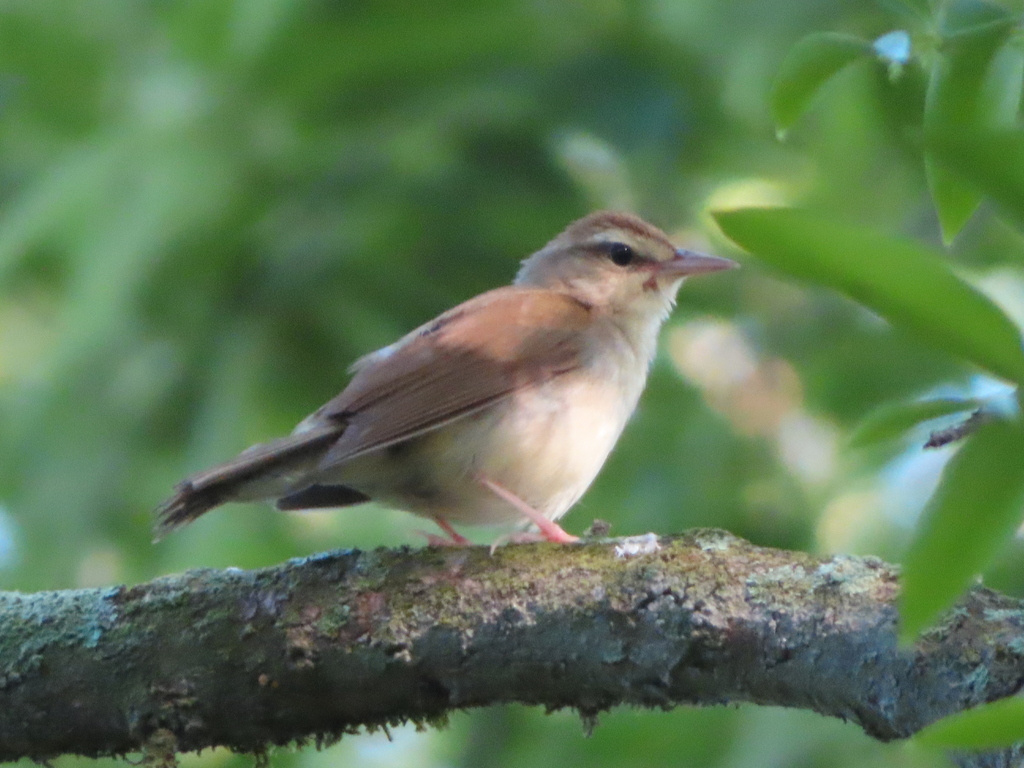
- Swainson's WarblerLimnothlypis swainsonii
- Tufted TitmouseBaeolophus bicolor























Who uses this plant?
 0CaterpillarsGenus host records with ranges including VA
 1BeesSoutheastern regional records
Southeastern regional records · Enemion
Individual names are not available yet.
Noori, Seltmann & Orr 2026, A curated and integrated dataset for exploring global bee-plant interactions (GloBI), Zenodo, CC BY 4.0 0Specialist beesPollen specialists
 —BirdsRecorded genus food-resource interactions; not a state feeding claim
Beetles 1
- Asclera ruficollis
Flower visits · Carlinville, Illinois, USA
Flies 4
- Sphaerophoria cylindrica
- Syrphus americanus
- Syrphus ribesii
- Xylota fraudulosa
Flower visits · Carlinville, Illinois, USA
Other insects 1
- Lygus pratensis
Flower visits · Carlinville, Illinois, USA
No records yet · Ants · Adult butterflies / moths · Other wasps
Plant details
- Family
- Ranunculaceae
- Hardiness
- Zones 3–8
- Flower color
- White
- Fruit begins
- May
- Fruit ends
- May
Growing sources and scope
- Bloom · “April to June” · Prairie Moon 2026 Cultural Guide · Nursery cultural guide; height in flower; moisture categories retained as printed
- Flower color · “White” · Prairie Moon 2026 Cultural Guide · Nursery cultural guide; height in flower; moisture categories retained as printed
- Fruit begins · “May” · Weakley, Flora of the Southeastern United States (2025), Carolinas & Georgia edition · Carolinas and Georgia
- Fruit ends · “May” · Weakley, Flora of the Southeastern United States (2025), Carolinas & Georgia edition · Carolinas and Georgia
- Hardiness · “Zones 3–8” · Missouri Botanical Garden Plant Finder
- Height · “6–9 inches” · Missouri Botanical Garden Plant Finder (ranked first; Minnesota Wildflowers, Prairie Moon 2026 Cultural Guide differ)
- Life cycle · “Perennial” · Minnesota Wildflowers
- Light · “Part shade” · Missouri Botanical Garden Plant Finder (ranked first; Prairie Moon 2026 Cultural Guide differs)
- primary_flower_color · “white” · Prairie Moon 2026 Cultural Guide
- Soil · “Medium” · Missouri Botanical Garden Plant Finder (ranked first; Prairie Moon 2026 Cultural Guide differs)
- Spread · “3–6 inches” · Missouri Botanical Garden Plant Finder
Also known as
False Rue Anemone; Isopyrum biternatum
Conservation status
| Virginia rank | S1 |
|---|---|
| Global rank | G5 |
| VA status | Not verified |
| Federal status | Not verified |
Will it fit your yard?
Check this plant against your county, sun and soil moisture. Conditions are checked in your browser.
Sources
- Virginia DCR Natural Heritage rare plant list
- Digital Atlas of the Virginia Flora
- USDA PLANTS
- Vascular Plants of North Carolina (NC Natural Heritage Program)
- Weakley, Flora of the Southeastern United States (2025), Carolinas & Georgia edition
- NatureServe Explorer
- Shropshire & Tallamy 2025, Lepidoptera of North America north of Mexico, ZooKeys 1261 (ODbL)
- Noori, Seltmann & Orr 2026, A curated and integrated dataset for exploring global bee-plant interactions (GloBI), Zenodo, CC BY 4.0
- Smith, Bachelder, Russell, Morales, Mosher & Seltmann 2024, Bee-Specialization-Modeling v0.6.1 (specialist host table compiled from J. Fowler's pollen specialist bee lists), Zenodo, CC BY 4.0
- Hurlbert, Olsen, Sawyer & Winner 2021, Avian Diet Database, Scientific Data 8: 260 (CC0)
- Narango, Tallamy & Shropshire 2020, Few keystone plant genera support the majority of Lepidoptera species, Nature Communications