

Smooth Purple Coneflower
Echinacea laevigata
Found in glades, barrens and outcrops on limestone; glades, barrens and outcrops on mafic or serpentine rock; forests and woodlands; pine savannas. Weakley, Flora of the Southeastern United States (2025), Northern Tier edition What its natural habitat tells you
Native to Virginia. How scores work Is it native here?
Profile 100%
- Height
- 3–5 feet
- Spread
- 1–1.5 feet
- Light
- Full sun, Partial shade
- Soil moisture
- Somewhat dry to moist
Space about 1 ft apart from its recorded spread, about 100 per 100 sq ft. Enter your bed size for a count
Will it fit your yard?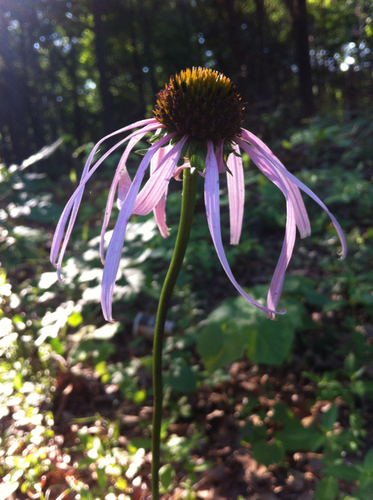
Federally threatened. Excluded from routine garden suggestions. Consult conservation guidance before obtaining or planting this species. Plant caution source
Hidden from default planting suggestions. Wildlife value and native status remain unchanged.
At a glance
- Life cycle
- Perennial
- Bloom
- May to July
Not yet recorded · Leaves
Recorded in 14 Virginia counties.
Natural habitats
Places it grows wild. Not a planting requirement. Each habitat page lists the plants and wildlife also found there.
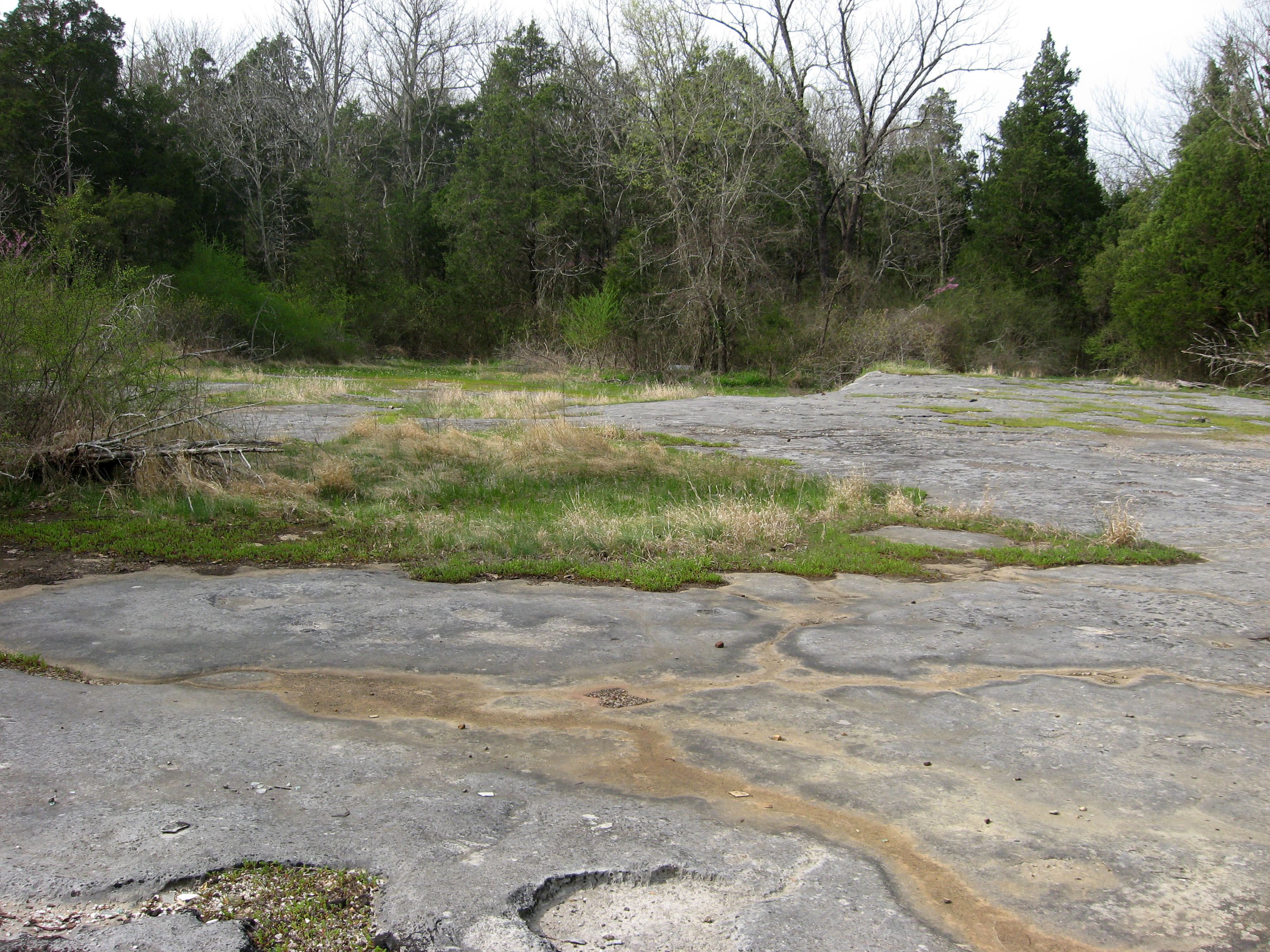
Glades, barrens and outcrops on limestone
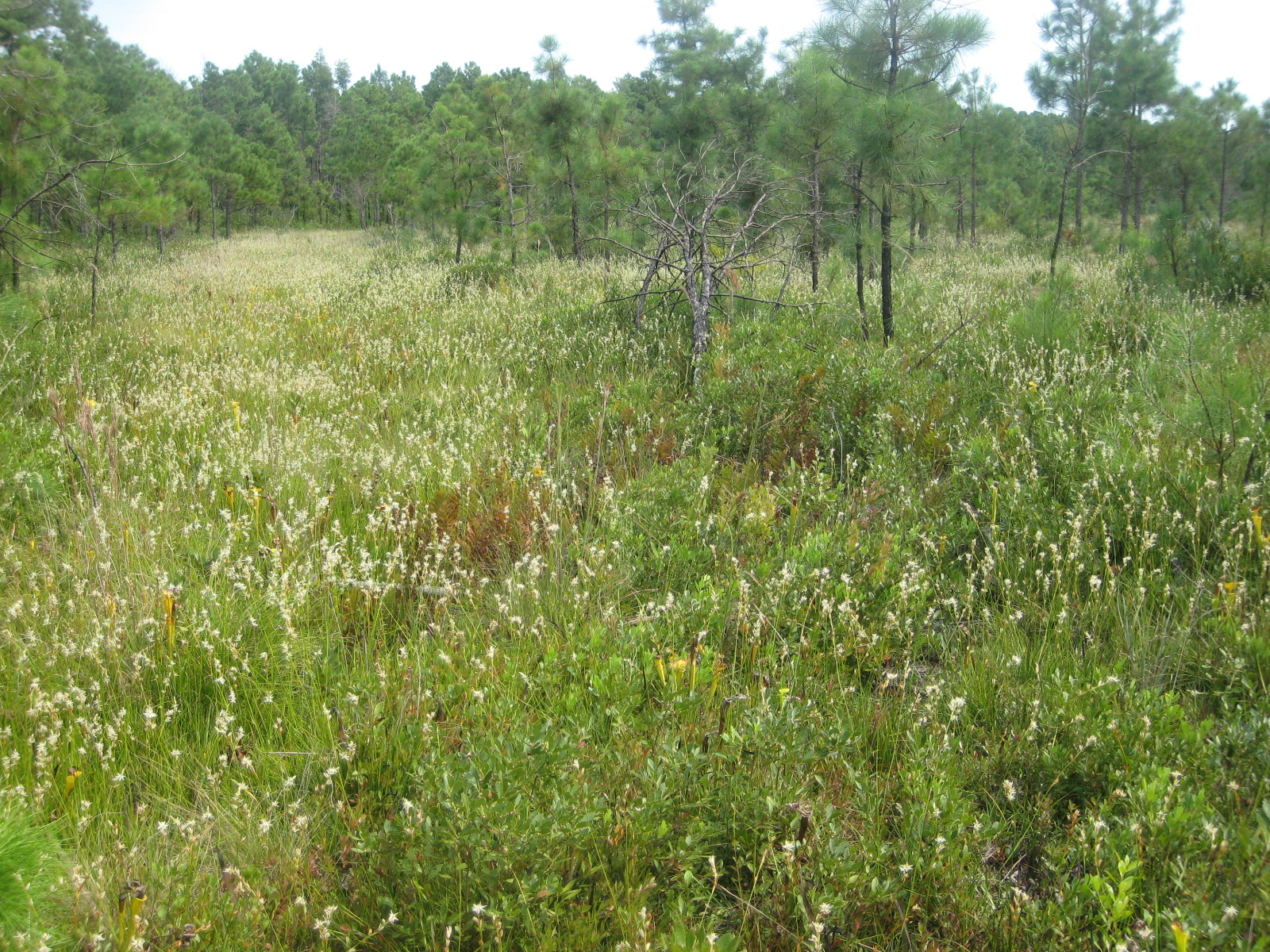
Glades, barrens and outcrops on mafic or serpentine rock
Open, thin-soil openings, outcrops and cliffs on dark, magnesium- or iron-rich rock such as serpentine, diabase or gabbro.
Forest or woodland where the source does not say how moist or dry.
Also found with this plant
Wildlife whose habitat models include habitats this plant grows in, in Virginia. Shared habitat, not food. 109 animals.
- Sharp-shinned HawkAccipiter striatus
- Tufted TitmouseBaeolophus bicolor
- Turkey VultureCathartes aura
- White-breasted NuthatchSitta carolinensis
- Wild TurkeyMeleagris gallopavo
- Yellow-billed CuckooCoccyzus americanus
- Yellow-breasted ChatIcteria virens
- Yellow-rumped WarblerDendroica coronata
- American KestrelFalco sparverius
- Belted KingfisherMegaceryle alcyon
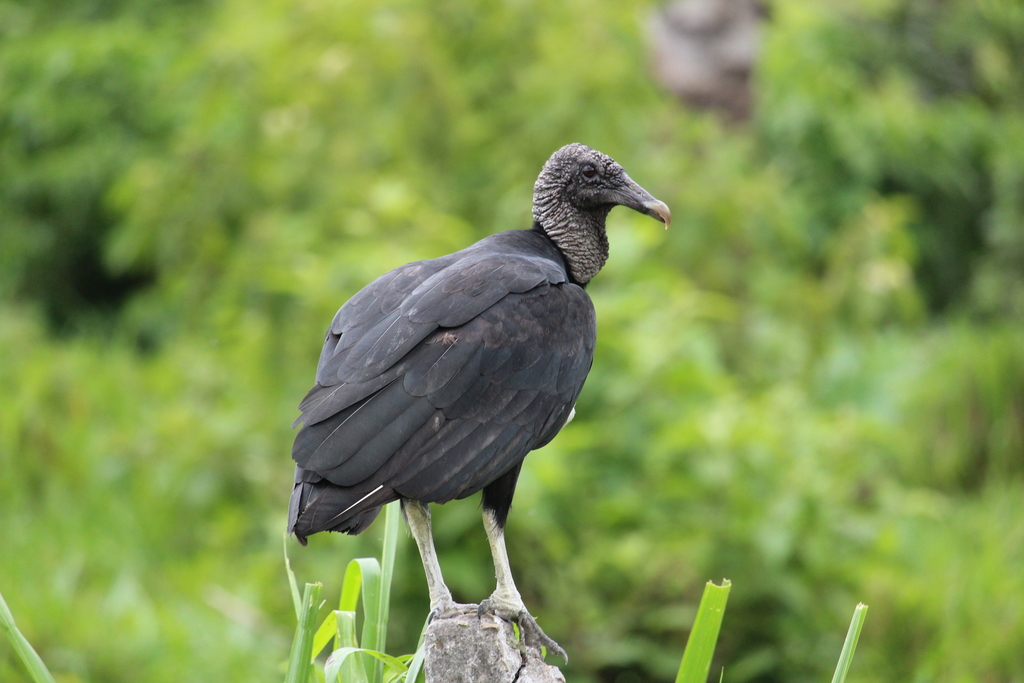
- Black VultureCoragyps atratus
- Black-and-White WarblerMniotilta varia
- Brown ThrasherToxostoma rufum
- Chimney SwiftChaetura pelagica
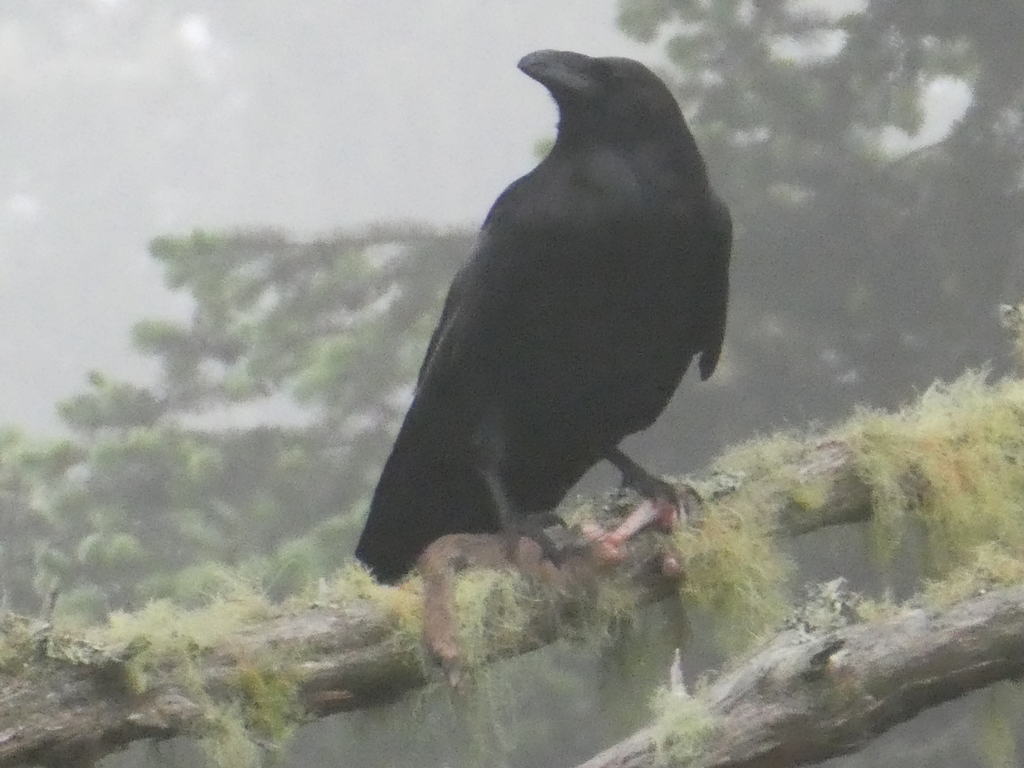
- Common RavenCorvus corax
- Common YellowthroatGeothlypis trichas
- Dark-eyed JuncoJunco hyemalis
- Double-crested CormorantPhalacrocorax auritus
- Eastern BluebirdSialia sialis
- Eurasian Collared-doveStreptopelia decaocto
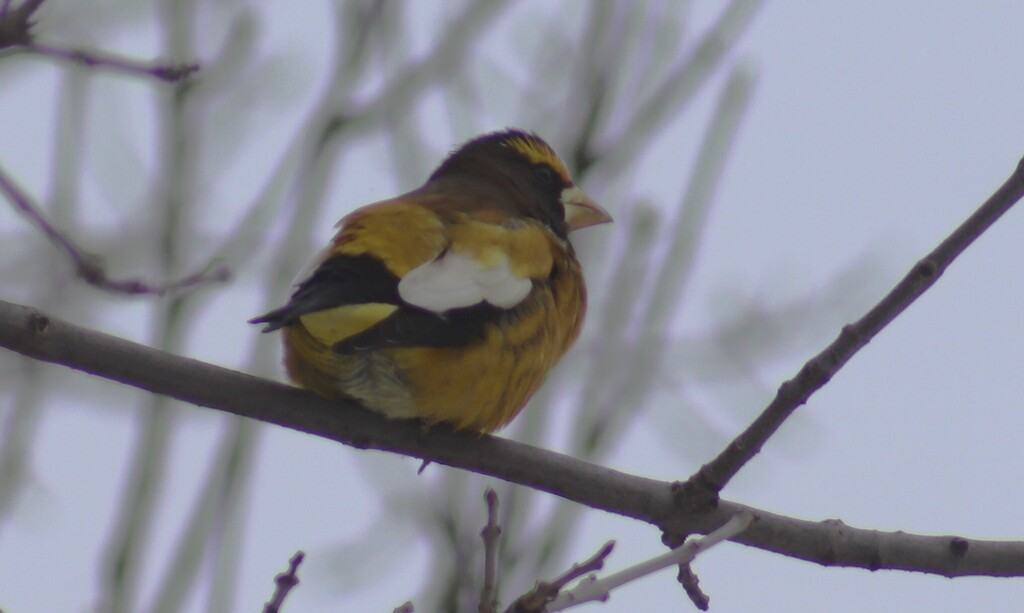
- Evening GrosbeakCoccothraustes vespertinus
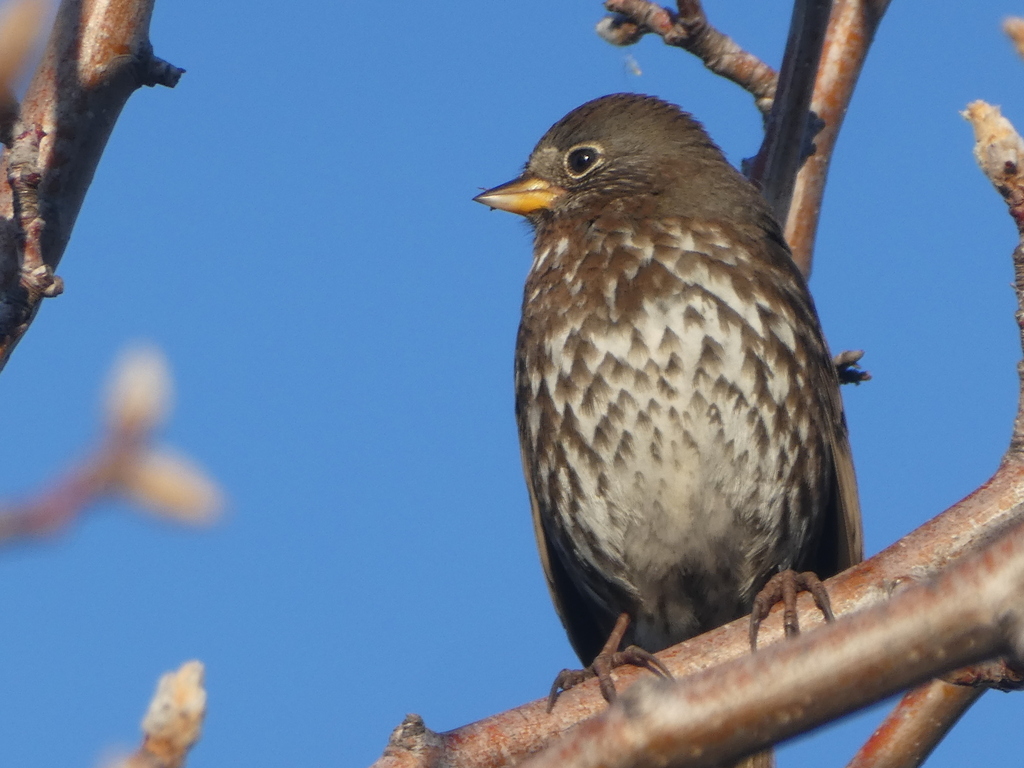
- Fox SparrowPasserella iliaca
- Gray CatbirdDumetella carolinensis
- Hooded MerganserLophodytes cucullatus





















Who uses this plant?
 2CaterpillarsGenus host records with ranges including VA
Genus host records with ranges including VA · Echinacea
- Homoeosoma electellaSunflower Moth
- Papaipema nebrisStalk Borer
 34BeesSoutheastern regional records
Southeastern regional records · Echinacea
Individual names are not available yet.
Noori, Seltmann & Orr 2026, A curated and integrated dataset for exploring global bee-plant interactions (GloBI), Zenodo, CC BY 4.0 12Specialist beesPollen specialists
Pollen specialists · Echinacea
- Andrena rudbeckiae
- Megachile inimica
- Megachile parallela
- Megachile pugnata
- Megachile xylocopoides
- Melissodes coreopsis
- Melissodes desponsus
- Melissodes subagilis
- Melissodes subillatus
- Melissodes trinodis
Show all 12
- Paranthidium jugatorium
- Protandrena albitarsis
 —BirdsRecorded genus food-resource interactions; not a state feeding claim
No records yet · Ants · Beetles · Flies · Adult butterflies / moths · Other wasps · Other insects
Plant details
- Family
- Asteraceae
- Hardiness
- Zones 3a–8b
- Soil pH
- Neutral to alkaline
- Flower color
- Pink or purple
Growing sources and scope
- Bloom · “Late May to July” · Weakley, Flora of the Southeastern United States (2025), Carolinas & Georgia edition · Carolinas and Georgia
- Flower color · “Pink or purple” · NC Extension Plant Toolbox
- Hardiness · “Zones 3a–8b” · NC Extension Plant Toolbox
- Height · “3–5 feet” · NC Extension Plant Toolbox
- Life cycle · “Perennial” · NC Extension Plant Toolbox
- Light · “Full sun (6 or more hours of direct sunlight a day); Partial shade (direct sunlight only part of the day, 2-6 hours)” · NC Extension Plant Toolbox
- Soil · “Moist; Occasionally dry” · NC Extension Plant Toolbox
- Soil pH · “Neutral to alkaline” · NC Extension Plant Toolbox
- Spread · “1–1.5 feet” · NC Extension Plant Toolbox
Conservation status
| Virginia rank | S2 |
|---|---|
| Global rank | G2G3 |
| VA status | Not verified |
| Federal status | Threatened (US Fish and Wildlife Service) |
Conservation source Global rank source Federal status source: US Fish and Wildlife Service
Will it fit your yard?
Check this plant against your county, sun and soil moisture. Conditions are checked in your browser.
Sources
- Virginia DCR Natural Heritage rare plant list
- Digital Atlas of the Virginia Flora
- USDA PLANTS
- Vascular Plants of North Carolina (NC Natural Heritage Program)
- Weakley, Flora of the Southeastern United States (2025)
- NatureServe Explorer
- Shropshire & Tallamy 2025, Lepidoptera of North America north of Mexico, ZooKeys 1261 (ODbL)
- Noori, Seltmann & Orr 2026, A curated and integrated dataset for exploring global bee-plant interactions (GloBI), Zenodo, CC BY 4.0
- Smith, Bachelder, Russell, Morales, Mosher & Seltmann 2024, Bee-Specialization-Modeling v0.6.1 (specialist host table compiled from J. Fowler's pollen specialist bee lists), Zenodo, CC BY 4.0
- Hurlbert, Olsen, Sawyer & Winner 2021, Avian Diet Database, Scientific Data 8: 260 (CC0)
- Narango, Tallamy & Shropshire 2020, Few keystone plant genera support the majority of Lepidoptera species, Nature Communications