

American Beakgrass
Diarrhena americana
Found in rich moist forests, usually over calcareous rocks. Weakley, Flora of the Southeastern United States (2025), Northern Tier edition What its natural habitat tells you
Native to Virginia. How scores work Is it native here?
Profile 71%
- Height
- 1–3 feet
- Spread
- 2–3 feet
- Light
- Part to full shade
- Soil moisture
- Somewhat dry to moist
Space about 2.5 ft apart from its recorded spread, about 16 per 100 sq ft. Enter your bed size for a count
Will it fit your yard?No photograph yet. Looking for an old drawing…
At a glance
- Bloom
- July to August
- Fruiting season
- August to October
Not yet recorded · Life cycle · Leaves
Recorded in 15 Virginia counties.
Natural habitats
Places it grows wild. Not a planting requirement. Each habitat page lists the plants and wildlife also found there.
Also found with this plant
Wildlife whose habitat models include habitats this plant grows in, in Virginia. Shared habitat, not food. 123 animals.
- Brown-headed CowbirdMolothrus ater
- Carolina ChickadeePoecile carolinensis
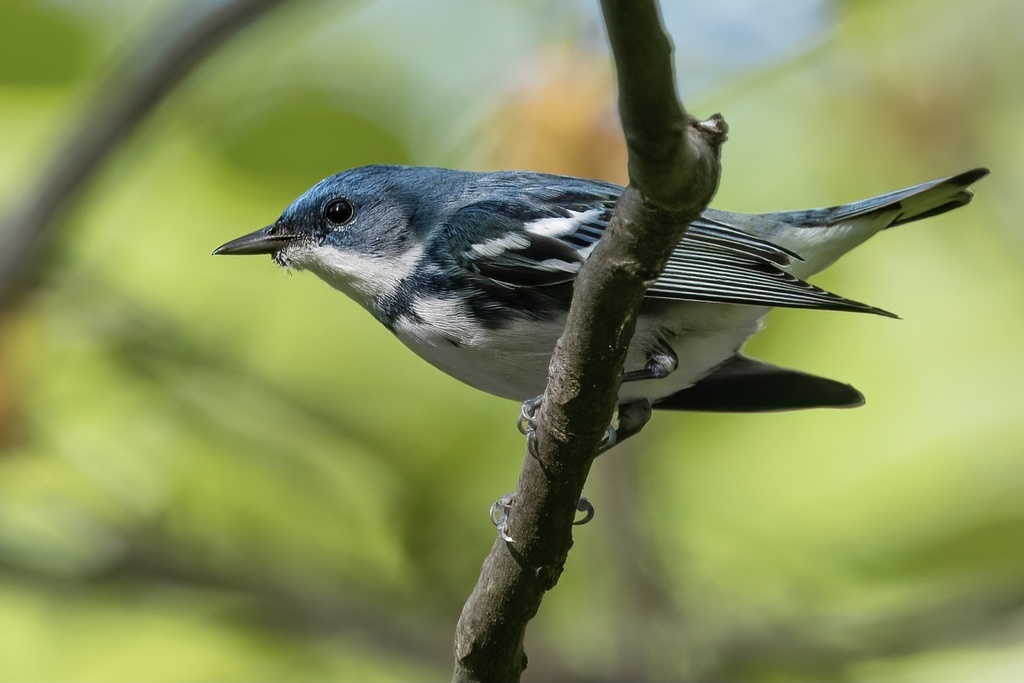
- Cerulean WarblerDendroica cerulea
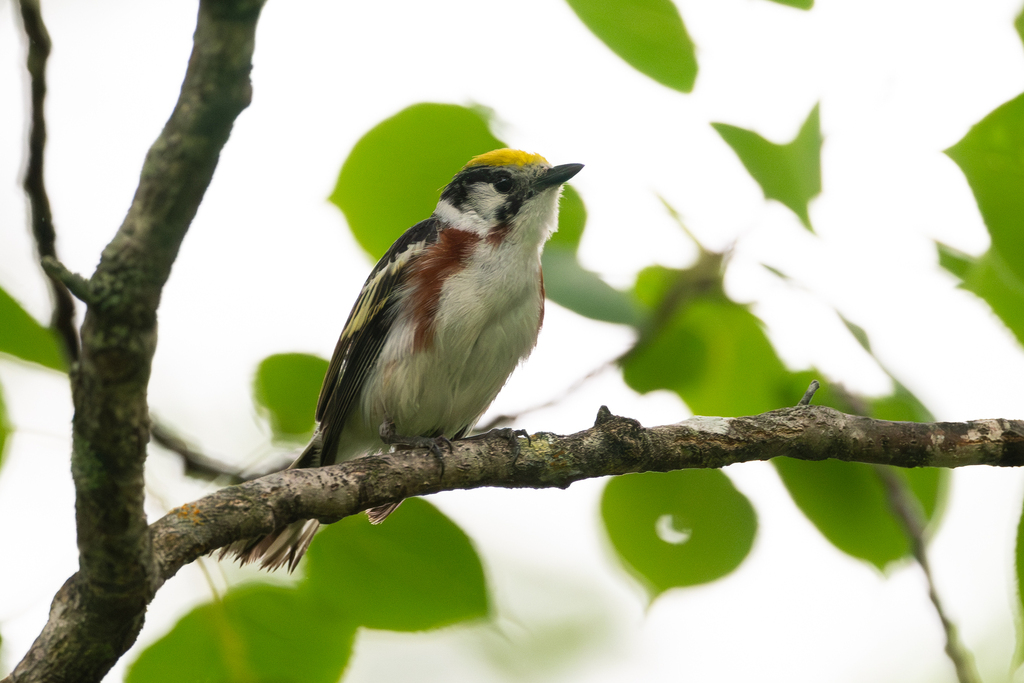
- Chestnut-sided WarblerDendroica pensylvanica
- Chimney SwiftChaetura pelagica
- Common GrackleQuiscalus quiscula
- Common YellowthroatGeothlypis trichas
- Dark-eyed JuncoJunco hyemalis
- Double-crested CormorantPhalacrocorax auritus
- Eastern Wood-peweeContopus virens
- Eurasian Collared-doveStreptopelia decaocto
- Fish CrowCorvus ossifragus
- Gray CatbirdDumetella carolinensis
- Hermit ThrushCatharus guttatus
- Hooded WarblerWilsonia citrina
- Indigo BuntingPasserina cyanea
- Least FlycatcherEmpidonax minimus
- Louisiana WaterthrushSeiurus motacilla
- Northern ParulaParula americana
- Orange-crowned WarblerVermivora celata
- OvenbirdSeiurus aurocapilla
- Red-shouldered HawkButeo lineatus
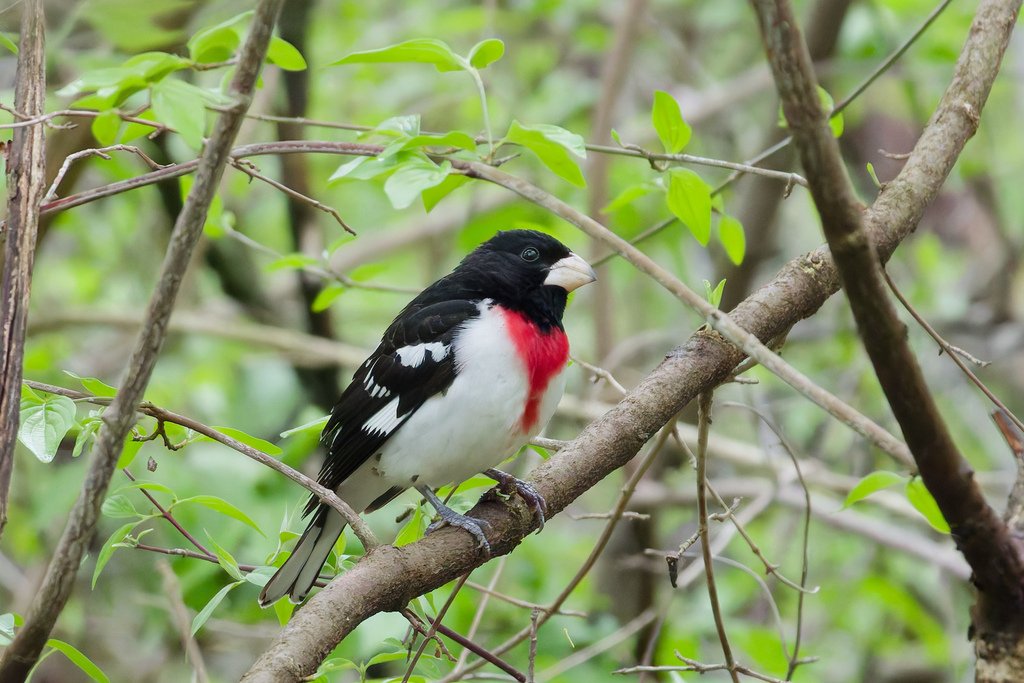
- Rose-breasted GrosbeakPheucticus ludovicianus
- Scarlet TanagerPiranga olivacea





















Who uses this plant?
 0CaterpillarsGenus host records with ranges including VA
 0BeesSoutheastern regional records
 0Specialist beesPollen specialists
 —BirdsRecorded genus food-resource interactions; not a state feeding claim
No records yet · Ants · Beetles · Flies · Adult butterflies / moths · Other wasps · Other insects
Plant details
- Family
- Poaceae
- Hardiness
- Zones 4–8
- Fruit begins
- August
- Fruit ends
- October
Safety has not been reviewed for this plant; check toxicity and thorns before planting.
Growing sources and scope
- Bloom · “July to August” · Weakley, Flora of the Southeastern United States (2025), Carolinas & Georgia edition (ranked first; Prairie Moon 2026 Cultural Guide differs) · Carolinas and Georgia
- Fruit begins · “August” · Weakley, Flora of the Southeastern United States (2025), Carolinas & Georgia edition · Carolinas and Georgia
- Fruit ends · “October” · Weakley, Flora of the Southeastern United States (2025), Carolinas & Georgia edition · Carolinas and Georgia
- Hardiness · “Zones 4–8” · Missouri Botanical Garden Plant Finder
- Height · “1–3 feet” · Tennessee Smart Yards (ranked first; Missouri Botanical Garden Plant Finder, Prairie Moon 2026 Cultural Guide differ) · Published Tennessee growing guidance; exact cached scientific heading
- Light · “Part to full shade” · Tennessee Smart Yards (ranked first; Missouri Botanical Garden Plant Finder, Prairie Moon 2026 Cultural Guide differ) · Published Tennessee growing guidance; exact cached scientific heading
- Soil · “moderately wet to moderately dry” · Tennessee Smart Yards (ranked first; Missouri Botanical Garden Plant Finder, Prairie Moon 2026 Cultural Guide differ) · Published Tennessee growing guidance; exact cached scientific heading
- Spread · “2–3 feet” · Missouri Botanical Garden Plant Finder
Also known as
American Beakgrain; Eastern Beakgrain
Conservation status
| Virginia rank | S3 |
|---|---|
| Global rank | G4G5 |
| VA status | Not verified |
| Federal status | Not verified |
Will it fit your yard?
Check this plant against your county, sun and soil moisture. Conditions are checked in your browser.
Growing cautions
- Spreads by rhizomes. Will naturalize by slender rhizomes and can form dense colonies under optimum growing conditions. Tennessee Smart Yards
For planning only; these do not change the score or Fit.
Sources
- Virginia DCR Natural Heritage rare plant list
- Digital Atlas of the Virginia Flora
- USDA PLANTS
- Vascular Plants of North Carolina (NC Natural Heritage Program)
- Weakley, Flora of the Southeastern United States (2025), Carolinas & Georgia edition
- NatureServe Explorer
- Shropshire & Tallamy 2025, Lepidoptera of North America north of Mexico, ZooKeys 1261 (ODbL)
- Noori, Seltmann & Orr 2026, A curated and integrated dataset for exploring global bee-plant interactions (GloBI), Zenodo, CC BY 4.0
- Smith, Bachelder, Russell, Morales, Mosher & Seltmann 2024, Bee-Specialization-Modeling v0.6.1 (specialist host table compiled from J. Fowler's pollen specialist bee lists), Zenodo, CC BY 4.0
- Hurlbert, Olsen, Sawyer & Winner 2021, Avian Diet Database, Scientific Data 8: 260 (CC0)
- Narango, Tallamy & Shropshire 2020, Few keystone plant genera support the majority of Lepidoptera species, Nature Communications