

American Hazelnut
Corylus americana
Found in rocky woodlands, moist to rich forests and thickets. Weakley, Flora of the Southeastern United States (2025), Northern Tier edition What its natural habitat tells you
Native to Virginia. How scores work Is it native here?
Profile 100%
- Height
- 9–12 feet
- Spread
- 8–13 feet
- Light
- Deep shade, Full sun, Partial shade
- Soil moisture
- Somewhat dry to moist
Space about 10.5 ft apart from its recorded spread. Enter your bed size for a count
Will it fit your yard?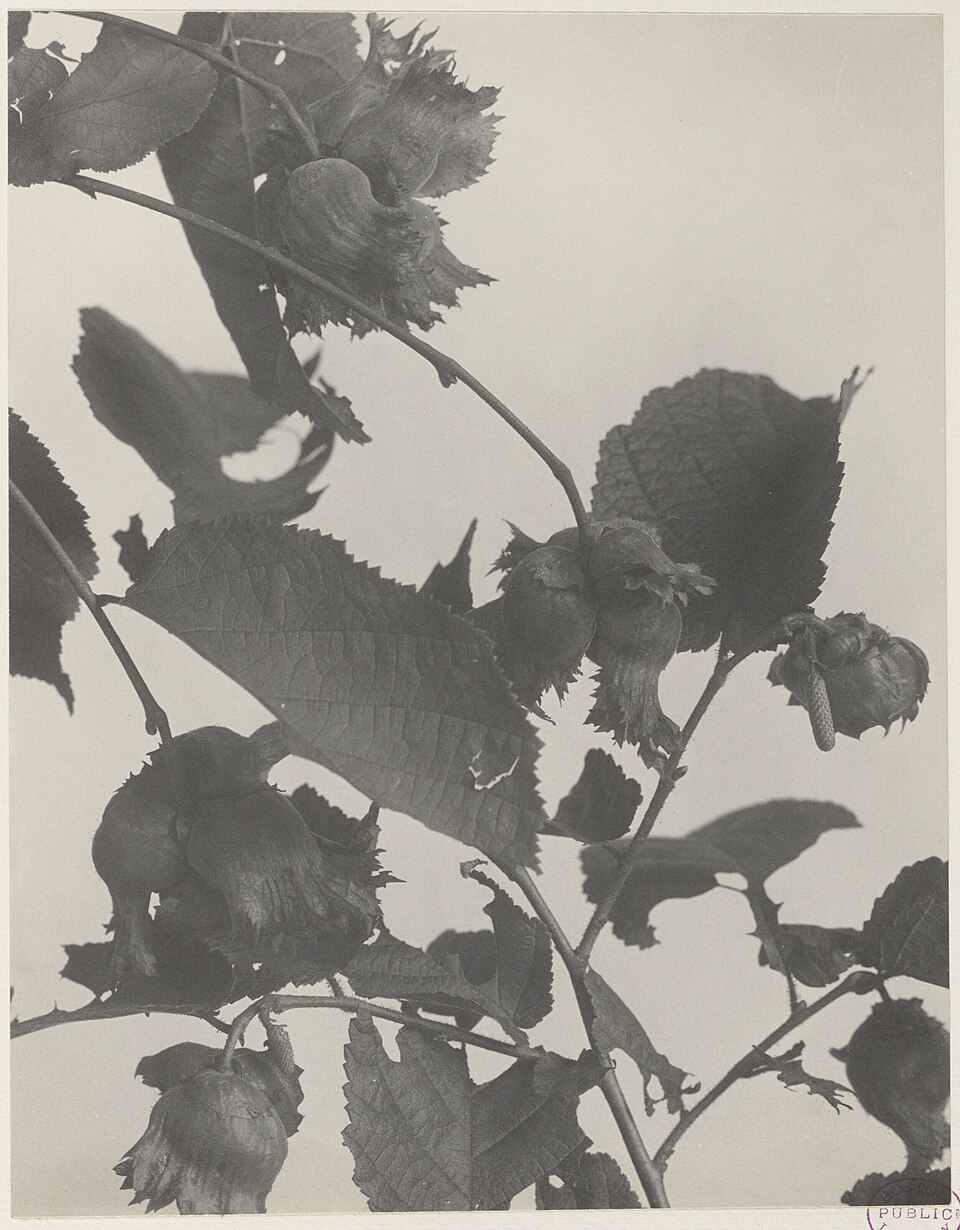
At a glance
- Life cycle
- Woody perennial
- Leaves
- Deciduous
- Bloom
- February to April
- Fruiting season
- September to October
Recorded in 93 Virginia counties.
Natural habitats
Places it grows wild. Not a planting requirement. Each habitat page lists the plants and wildlife also found there.

Forest or woodland where the source does not say how moist or dry.
Also found with this plant
Wildlife whose habitat models include habitats this plant grows in, in Virginia. Shared habitat, not food. 128 animals.
- Red-bellied WoodpeckerMelanerpes carolinus
- Red-breasted NuthatchSitta canadensis
- Red-headed WoodpeckerMelanerpes erythrocephalus
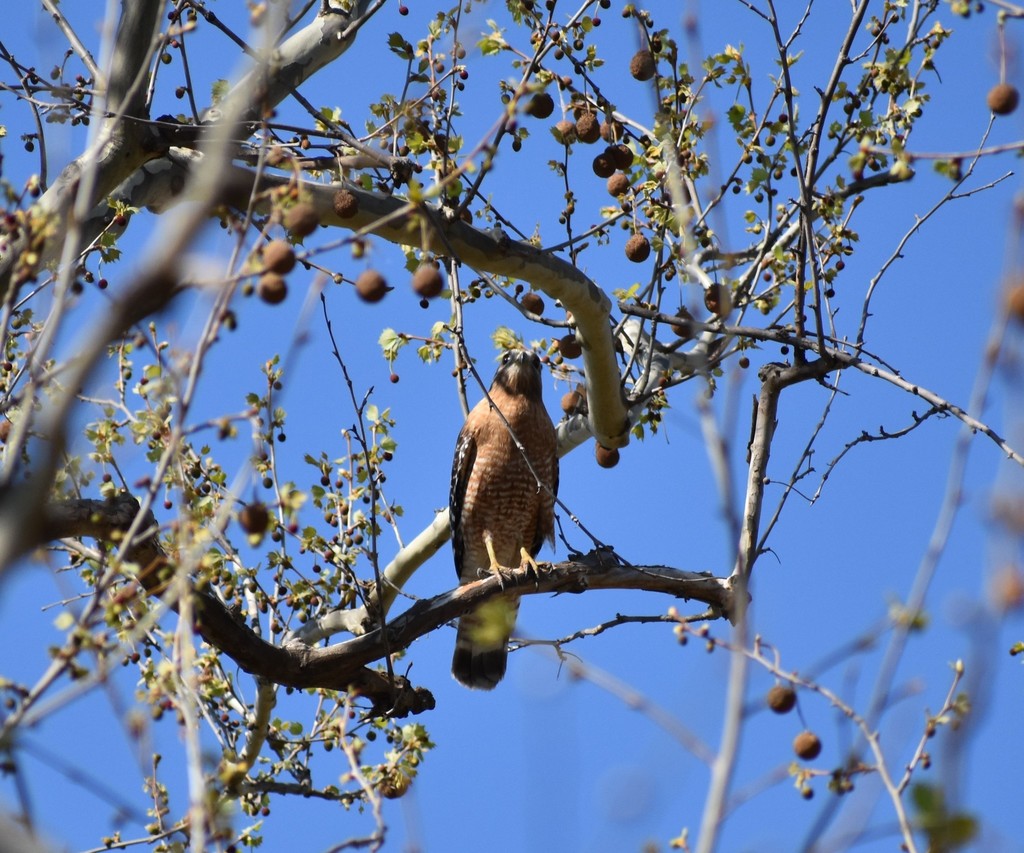
- Red-shouldered HawkButeo lineatus
- Red-tailed HawkButeo jamaicensis
- Red-winged BlackbirdAgelaius phoeniceus
- Ring-necked DuckAythya collaris
- Ruby-crowned KingletRegulus calendula
- Ruby-throated HummingbirdArchilochus colubris
- Ruffed GrouseBonasa umbellus
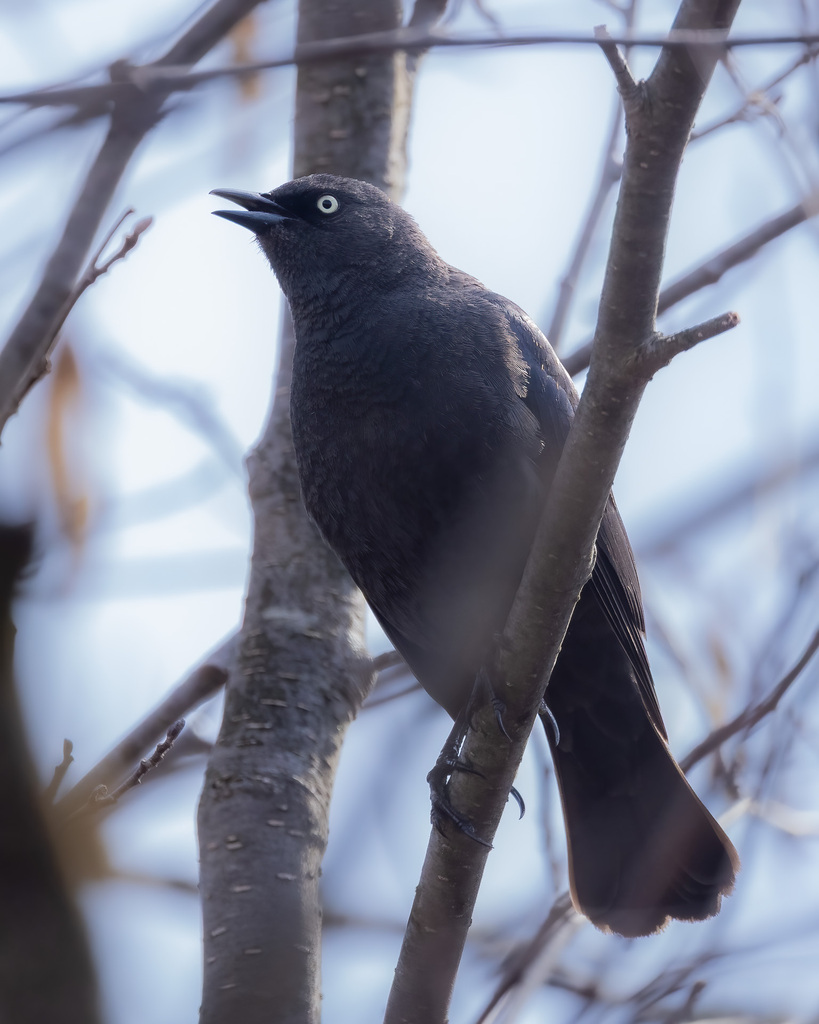
- Rusty BlackbirdEuphagus carolinus
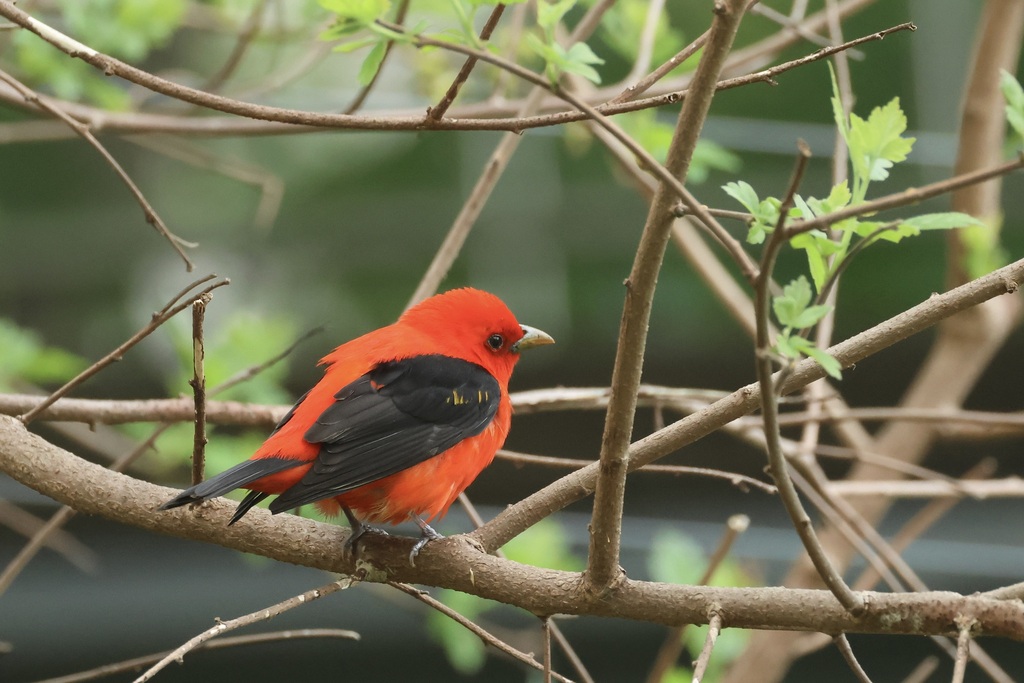
- Scarlet TanagerPiranga olivacea
- Sharp-shinned HawkAccipiter striatus
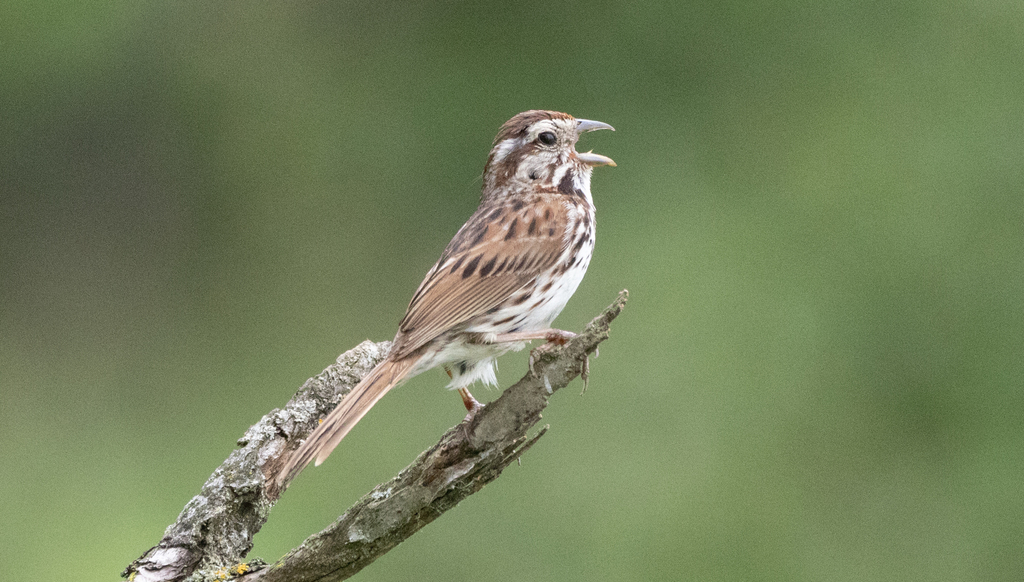
- Song SparrowMelospiza melodia
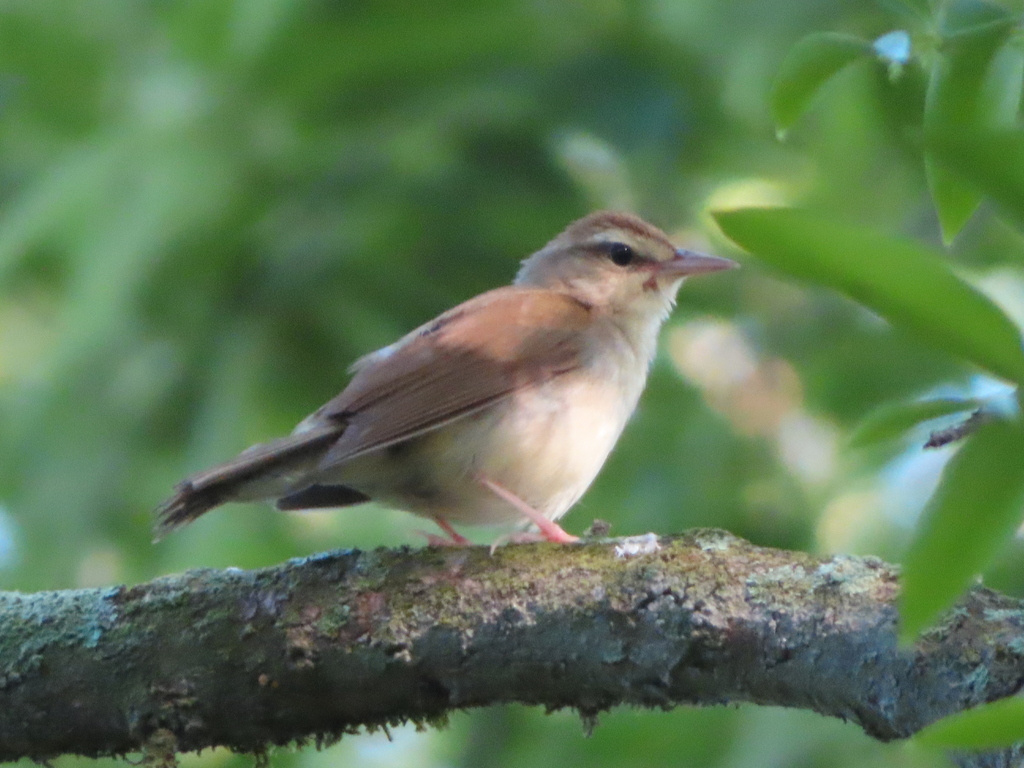
- Swainson's WarblerLimnothlypis swainsonii
- Tree SwallowTachycineta bicolor
- Tufted TitmouseBaeolophus bicolor
- Turkey VultureCathartes aura
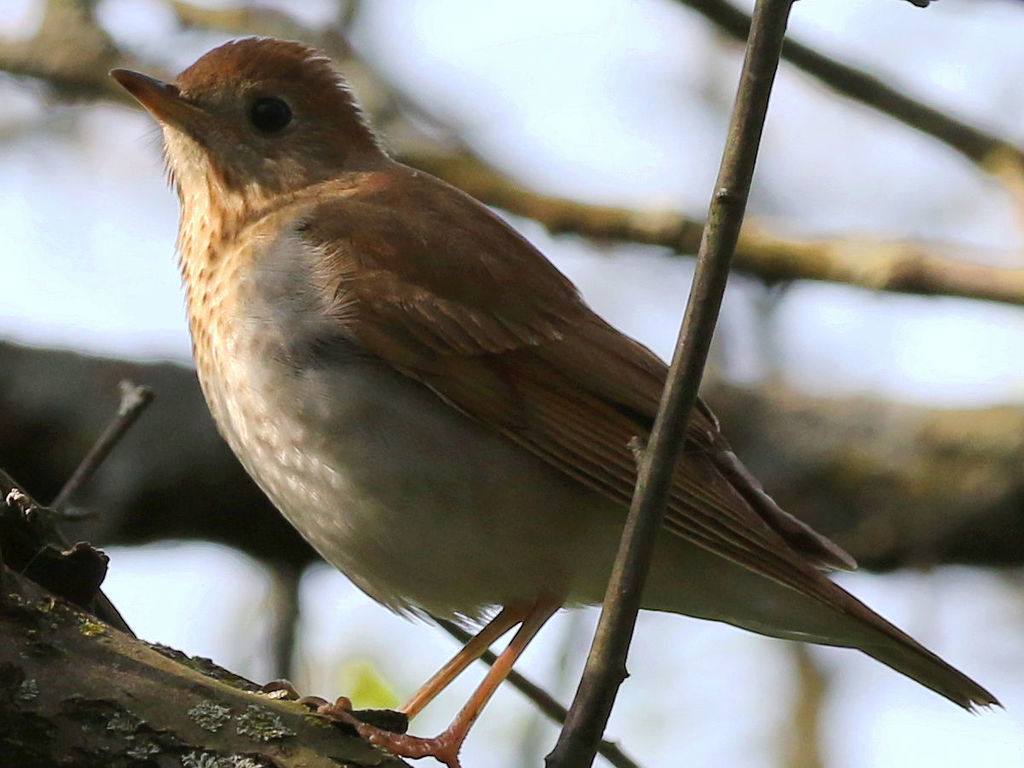
- VeeryCatharus fuscescens
- White-breasted NuthatchSitta carolinensis
- White-eyed VireoVireo griseus
- White-throated SparrowZonotrichia albicollis
- Wild TurkeyMeleagris gallopavo
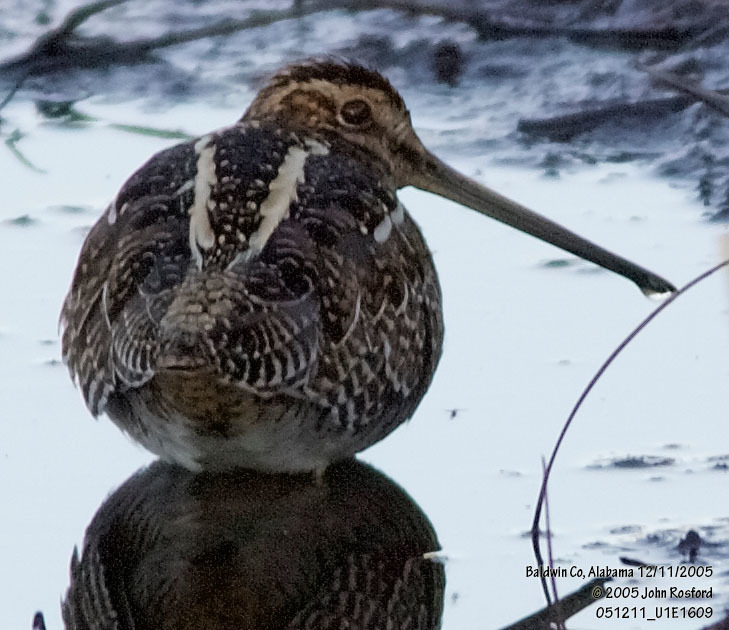
- Wilson's SnipeGallinago delicata



















Who uses this plant?
 114CaterpillarsGenus host records with ranges including VA
Genus host records with ranges including VA · Corylus
- Acharia stimuleaSaddleback Caterpillar Moth
- Acleris chalybeanaLesser Maple Leafroller Moth
- Acronicta americanaAmerican Dagger
- Acronicta funeralisFunerary Dagger, Paddle Caterpillar
- Acronicta impletaYellow-Haired Dagger
- Acronicta impressaImpressive Dagger, Printed Dagger
- Acronicta incretaSouthern Oak Dagger, Eclipsed Oak Dagger, Small Oak Dagger
- Acronicta oblinitaSmeared Dagger
- Acronicta superansSplendid Dagger, Chieftain Dagger
- Actias lunaLuna Moth
Show all 114
- Agonopterix argillaceaClay-Colored Agonopterix
- Amorpha juglandisWalnut Sphinx
- Amphipyra pyramidoidesMiranda Underwing, Copper Underwing, Copper Amphipyra
- Anaplectoides prasinaGreen Arches Dart
- Ancylis burgessianaOak Leafroller
- Anisota senatoriaOrange-Tipped Oakworm Moth, Orangestriped Oakworm
- Anisota stigmaSpiny Oakworm Moth, Stigma Moth
- Anisota virginiensisPink-striped Oakworm Moth
- Antheraea polyphemusPolyphemus Moth
- Apatelodes torrefactaSpotted Apatelodes
- Archips cerasivoranaCherry Tent Caterpillar, Cherry Worm, Ugly Nest Caterpillar
- Argyrotaenia juglandanaHickory Leafroller
- Automeris ioIo Moth
- Baileya ophthalmicaEyed Baileya
- Biston betulariaSalt-and-Pepper Geometer, Cleft-Headed Looper
- Campaea perlataPale Beauty, Fringed Looper
- Cecrita guttivittaMaple Prominent, Saddled Prominent
- Choristoneura conflictanaLarge Aspen Tortrix
- Choristoneura rosaceanaOblique-Banded Leafroller Moth, Rosaceous Leaf Roller
- Chytolita morbidalisMorbid Owlet
- Citheronia regalisRoyal Walnut Moth, Hickory Horned Devil
- Clepsis persicanaWhite Triangle Tortrix
- Clostera inclusaAngle-Lined Prominent, Poplar Tent Maker, Poplar Leaf-Tier
- Coelodasys unicornisUnicorn Caterpillar Moth
- Coleophora atromarginataPistol Casebearer, American Pistol Casebearer Moth
- Coleophora corylifoliellaPecan Cigar Casebearer
- Cosmia calamiAmerican Dun-Bar
- Crocigrapha normaniNorman's Quaker
- Cydia latiferreanaFilbertworm
- Dasychira dorsipennataSharp-Lined Tussock Moth
- Dasychira vagansVariable Tussock Moth
- Datana ministraYellow-Necked Caterpillar Moth
- Dichomeris ligulellaPalmerworm
- Elasmopalpus lignosellaLesser Cornstalk Borer
- Ennomos subsignariaElm Spanworm Moth
- Epinotia corylanaAlder Catkin Moth
- Erannis tiliariaLinden Looper Moth, Western Winter Moth, Lime Looper
- Erora laetaEarly Hairstreak
- Euchlaena tigrinariaMotted Euchlaena
- Eulia ministranaFerruginous Eulia
- Eupsilia sidusSidus Sallow
- Eupsilia tristigmataThree-Spotted Sallow, Brown Fruitworm
- Gesta juvenalisJuvenal's Duskywing
- Halysidota tessellarisBanded Tussock Moth, Pale Tiger Moth
- Herpetogramma thestealisZigzag Herpetogramma, Subtle-Feathered Grass Moth
- Hyalophora cecropiaCecropia Silkmoth, Cecropia Moth
- Hypagyrtis unipunctataOne-Spotted Variant
- Hypena palpariaMottled Bomolocha, Variegated Snout
- Hyphantria cuneaFall Webworm
- Kocakina fidelisIntractable Quaker, Green Fruitworm, Fourlined Green Fruitworm
- Lithophane heminaHemina Pinion
- Lithophane innominataNameless Pinion
- Lophocampa maculataSpotted Tussock Moth, Yellow-Spotted Tiger Moth
- Machimia tentoriferellaGold-Striped Leaftier Moth
- Malacosoma americanaEastern Tent Caterpillar
- Malacosoma disstriaForest Tent Caterpillar
- Melanchra pictaPainted Arches, Zebra Caterpillar Moth
- Metanema inatomariaPale Metanema
- Morrisonia evictaBicolored Woodgrain
- Morrisonia latexFluid Arches, Fluid Mamestra
- Nadata gibbosaWhite-Dotted Prominent
- Nematocampa resistariaFilament Bearer, Horned Spanworm Moth
- Nites betulellaBlackdotted Birch Leaftier
- Oedemasia concinnaRed-Humped Caterpillar, Red-Humped Appleworm
- Oedemasia leptinoidesBlack-Blotched Schizura
- Olethreutes appendiceumServiceberry Leafroller
- Olethreutes bipartitanaDivided Olethreutes
- Olethreutes olivaceanaOlivaceous Olethreutes
- Olethreutes permundanaRaspberry Leafroller
- Orgyia leucostigmaWhite-Marked Tussock Moth
- Orthodes majusculaRustic Quaker, Rustic Groundcat
- Orthosia hibisciSpeckled Green Fruitworm Moth, Speckled Green Quaker
- Orthotaenia undulanaDusky Leafroller
- Pandemis canadanaGreen Aspen Leaftier
- Pandemis limitataThree-Lined Leafroller Moth
- Paonias excaecataBlinded Sphinx, Blind Eyed Sphinx
- Paonias myopsSmall-Eyed Sphinx
- Phigalia strigatariaSmall Phigalia, Small Oak Looper
- Phigalia titeaThe Half-Wing Geometer, Spiney Looper, Eastern Oak Looper
- Phlogophora periculosaBrown Angle Shades
- Plagodis phlogosariaStraight-Lined Plagodis
- Plagodis pulverariaAmerican Barred Umber, Barred Umber
- Pococera aplastellaAspen Webworm Moth
- Probole amicariaFriendly Probole
- Pseudothyatira cymatophoroidesTufted Thyatirid
- Psilocorsis reflexellaDotted Leaftier Moth
- Pyreferra citrombraEyed Mustard Sallow, Citrine Sallow
- Rheumaptera hastataSpear-Marked Black Moth, Spear Mark
- Smerinthus jamaicensisTwin-Spotted Sphinx
- Spilosoma virginicaVirginian Tiger Moth, Yellow Woolybear Moth, Yellow Bear
- Spiramater lutraDarling Mamestra, Splashed Arches, Otter Spiramater, Otter Arches
- Synanthedon scitulaDogwood Borer, Pecan Borer
- Xystopeplus rufagoRed-Winged Sallow
- Zale minereaColorful Zale
- Zale phaeocapnaHazel Zale
- Zanclognatha cruralisEarly Zanclognatha, Early Fan-Foot
- Acleris cervinana
- Coleotechnites alnifructella
- Dichomeris ventrellus
- Epinotia walkerana
- Menesta tortriciformella
- Nemapogon variatella
- Olethreutes corylana
- Olethreutes merrickana
 0BeesSoutheastern regional records
 0Specialist beesPollen specialists
 2BirdsRecorded genus food-resource interactions; not a state feeding claim
Recorded genus food-resource interactions; not a state feeding claim · Corylus
- Bonasa umbellusRuffed Grouse
- Tympanuchus phasianellusSharp-tailed Grouse
Direct food only: birds recorded eating this genus across North America. Caterpillars on host plants also feed nesting birds. NC Native Plant Society: butterfly gardening
No records yet · Ants · Beetles · Flies · Adult butterflies / moths · Other wasps · Other insects
Plant details
- Family
- Betulaceae
- Hardiness
- Zones 4a–9b
- Soil pH
- Acidic to neutral
- Flower color
- Green, red or white
- Growth rate
- Moderate
- Growth habit
- Several stems
- Foliage color
- Green
- Fruit begins
- September
- Fruit ends
- October
Safety has not been reviewed for this plant; check toxicity and thorns before planting.
Growing sources and scope
- Bloom · “February to April” · Weakley, Flora of the Southeastern United States (2025), Carolinas & Georgia edition (ranked first; USDA PLANTS, Prairie Moon 2026 Cultural Guide differ) · Carolinas and Georgia
- Flower color · “Green, red or white” · NC Extension Plant Toolbox (ranked first; USDA PLANTS, Prairie Moon 2026 Cultural Guide differ)
- Foliage color · “Green” · USDA PLANTS · Nationwide species characteristics; local growing conditions may vary
- Fruit begins · “September” · Weakley, Flora of the Southeastern United States (2025), Carolinas & Georgia edition (ranked first; USDA PLANTS differs) · Carolinas and Georgia
- Fruit ends · “October” · Weakley, Flora of the Southeastern United States (2025), Carolinas & Georgia edition (ranked first; USDA PLANTS differs) · Carolinas and Georgia
- Growth habit · “Several stems” · USDA PLANTS · Nationwide species characteristics; local growing conditions may vary
- Growth rate · “Moderate” · USDA PLANTS · Nationwide species characteristics; local growing conditions may vary
- Hardiness · “Zones 4a–9b” · NC Extension Plant Toolbox
- Height · “9–12 feet” · NC Extension Plant Toolbox (ranked first; USDA PLANTS, Minnesota Wildflowers, Prairie Moon 2026 Cultural Guide differ)
- Leaves · “Deciduous” · NC Extension Plant Toolbox
- Life cycle · “Woody perennial” · NC Extension Plant Toolbox
- Light · “Deep shade (less than 2 hours to no direct sunlight); Full sun (6 or more hours of direct sunlight a day); Partial shade (direct sunlight only part of the day, 2-6 hours)” · NC Extension Plant Toolbox (ranked first; Tennessee Smart Yards, Prairie Moon 2026 Cultural Guide differ)
- Soil · “Moist; Occasionally dry” · NC Extension Plant Toolbox (ranked first; Tennessee Smart Yards, Prairie Moon 2026 Cultural Guide differ)
- Soil pH · “Acidic to neutral” · NC Extension Plant Toolbox
- Spread · “8–13 feet” · NC Extension Plant Toolbox
Also known as
American Filbert
Conservation status
| Virginia rank | S5 |
|---|---|
| Global rank | G5 |
| VA status | Not verified |
| Federal status | Not verified |
Will it fit your yard?
Check this plant against your county, sun and soil moisture. Conditions are checked in your browser.
Sources
- Digital Atlas of the Virginia Flora
- USDA PLANTS
- Vascular Plants of North Carolina (NC Natural Heritage Program)
- Weakley, Flora of the Southeastern United States (2025), Carolinas & Georgia edition
- NatureServe Explorer
- Shropshire & Tallamy 2025, Lepidoptera of North America north of Mexico, ZooKeys 1261 (ODbL)
- Noori, Seltmann & Orr 2026, A curated and integrated dataset for exploring global bee-plant interactions (GloBI), Zenodo, CC BY 4.0
- Smith, Bachelder, Russell, Morales, Mosher & Seltmann 2024, Bee-Specialization-Modeling v0.6.1 (specialist host table compiled from J. Fowler's pollen specialist bee lists), Zenodo, CC BY 4.0
- Hurlbert, Olsen, Sawyer & Winner 2021, Avian Diet Database, Scientific Data 8: 260 (CC0)
- Narango, Tallamy & Shropshire 2020, Few keystone plant genera support the majority of Lepidoptera species, Nature Communications