

Sweet-fern
Comptonia peregrina
Found in forests and woodlands; sandhills. Weakley, Flora of the Southeastern United States (2025), Northern Tier edition What its natural habitat tells you
Native to Virginia. How scores work Is it native here?
Profile 100%
- Height
- 2–5 feet
- Spread
- 4–8 feet
- Light
- Full sun, Partial shade
- Soil moisture
- Somewhat dry to moist
Space about 6 ft apart from its recorded spread, about 3 per 100 sq ft. Enter your bed size for a count
Will it fit your yard?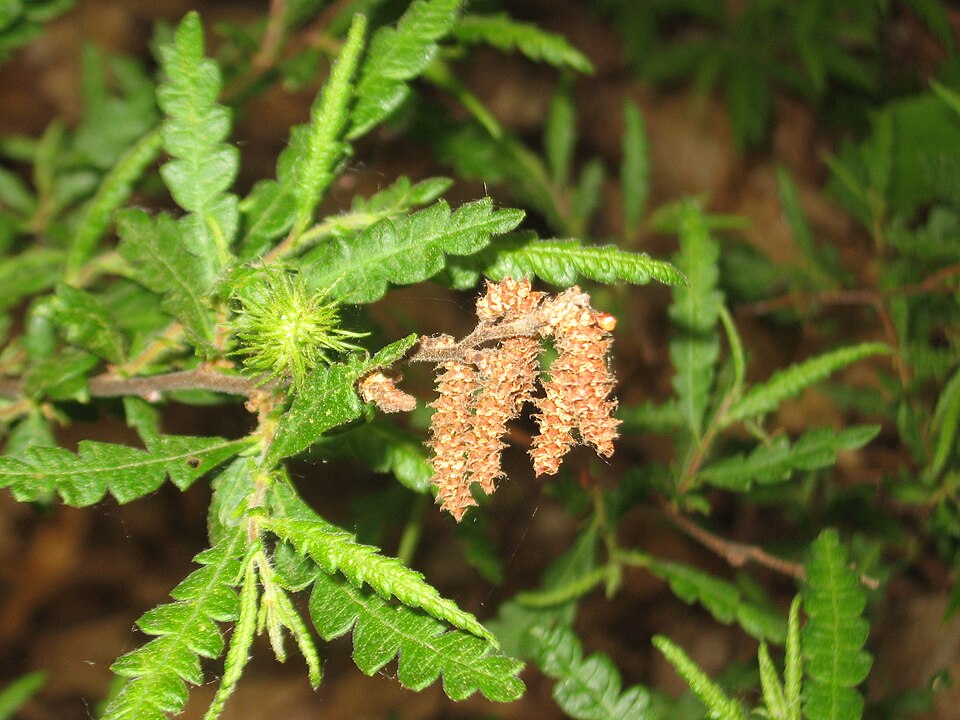
At a glance
- Life cycle
- Perennial
- Leaves
- Deciduous
- Bloom
- April to May
- Fruiting season
- August to September
Recorded in 40 Virginia counties.
Natural habitats
Places it grows wild. Not a planting requirement. Each habitat page lists the plants and wildlife also found there.
Forest or woodland where the source does not say how moist or dry.
Dry, deep-sand ridges with longleaf pine and turkey oak, kept open by fire.
Also found with this plant
Wildlife whose habitat models include habitats this plant grows in, in Virginia. Shared habitat, not food. 130 animals.
- Eastern PhoebeSayornis phoebe
- Eurasian Collared-doveStreptopelia decaocto
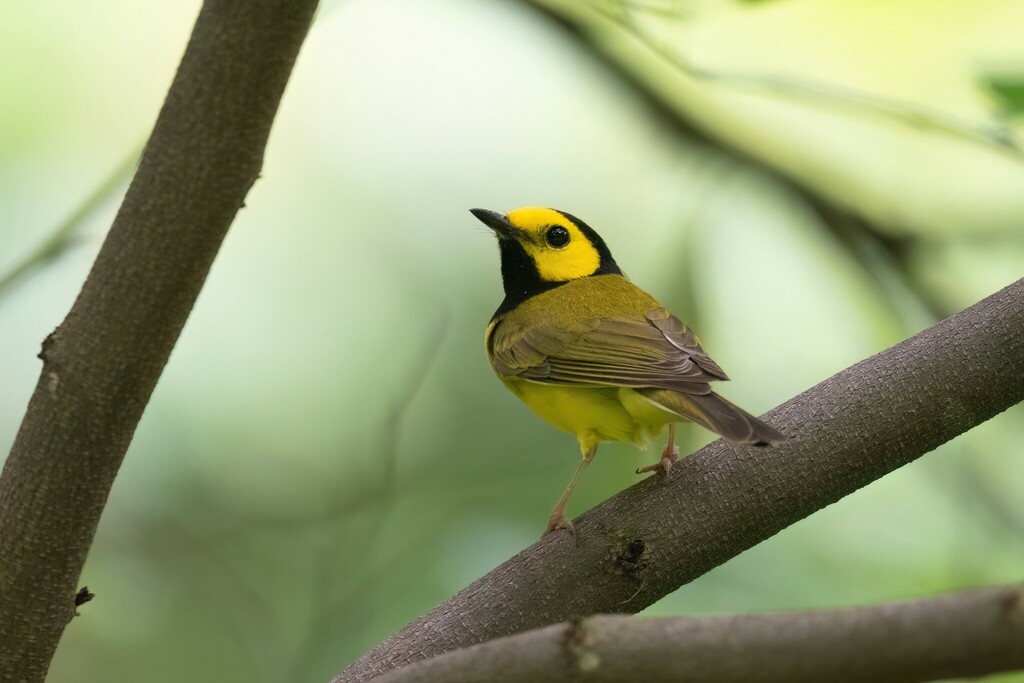
- Hooded WarblerWilsonia citrina
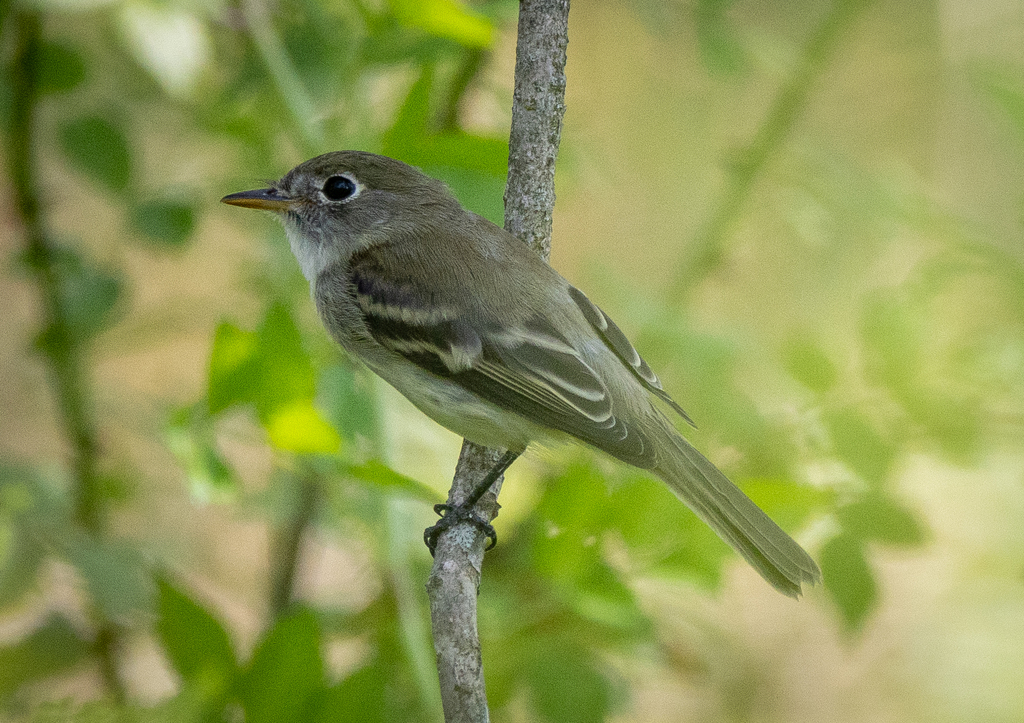
- Least FlycatcherEmpidonax minimus
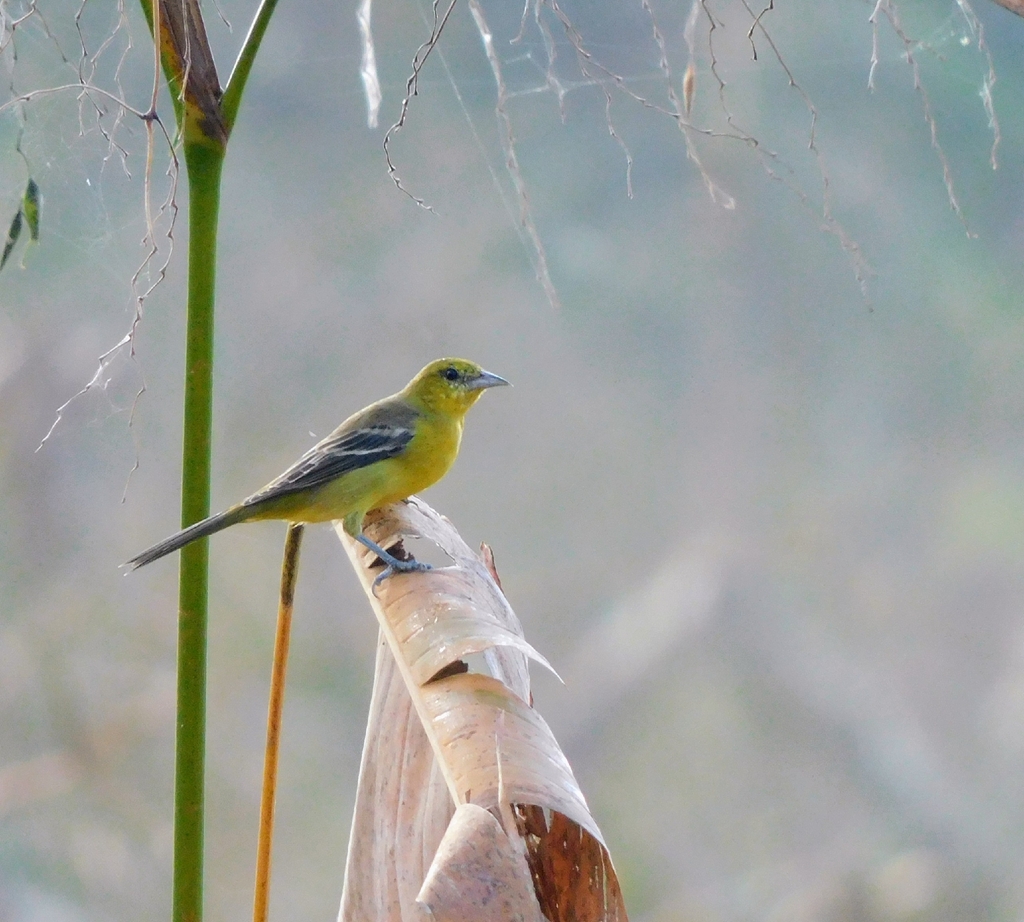
- Orchard OrioleIcterus spurius
- OvenbirdSeiurus aurocapilla
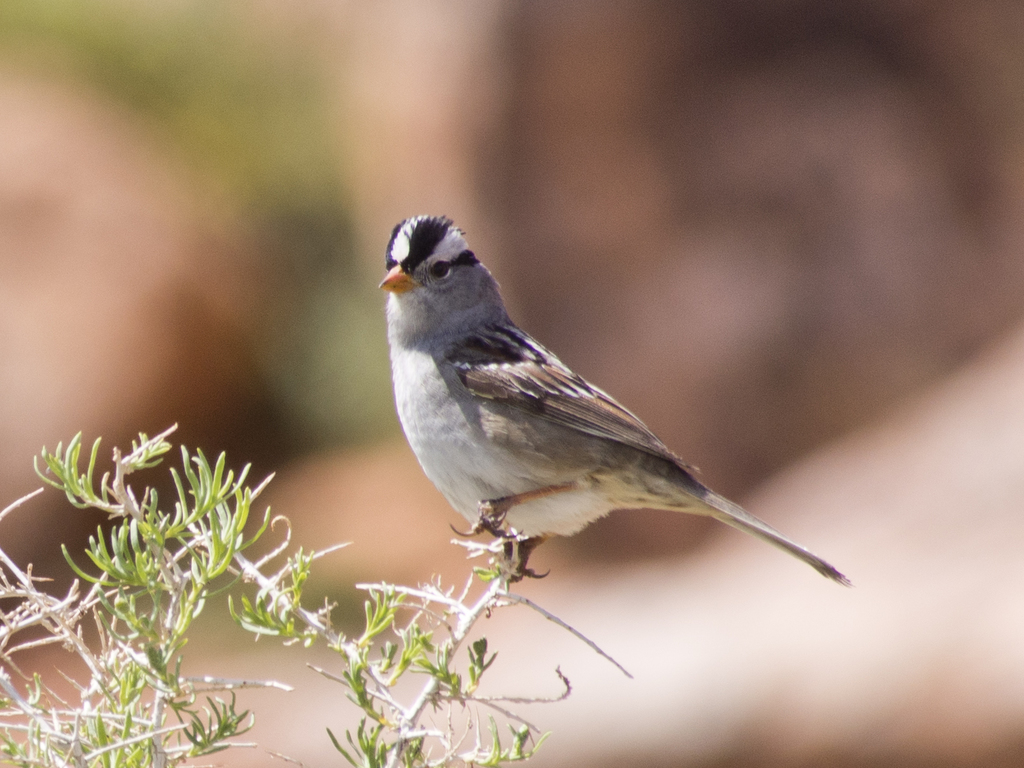
- White-crowned SparrowZonotrichia leucophrys
- White-eyed VireoVireo griseus
- Yellow-throated WarblerDendroica dominica
- Acadian FlycatcherEmpidonax virescens
- American RedstartSetophaga ruticilla
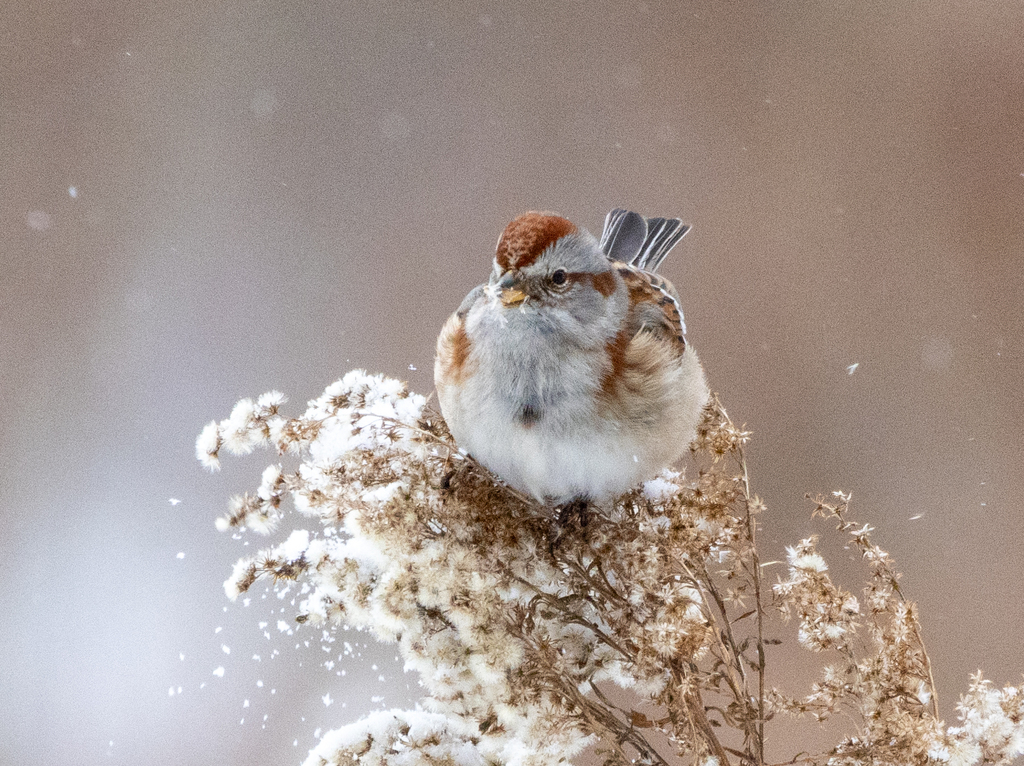
- American Tree SparrowSpizella arborea
- Bank SwallowRiparia riparia
- Blue-winged WarblerVermivora pinus
- Brown-headed CowbirdMolothrus ater
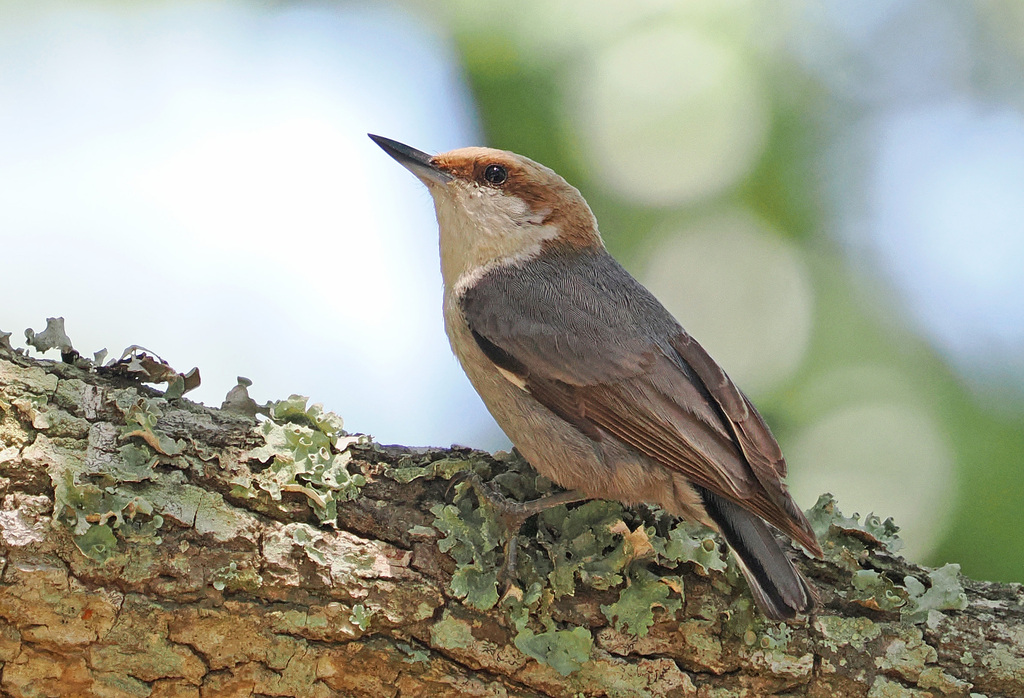
- Brown-headed NuthatchSitta pusilla
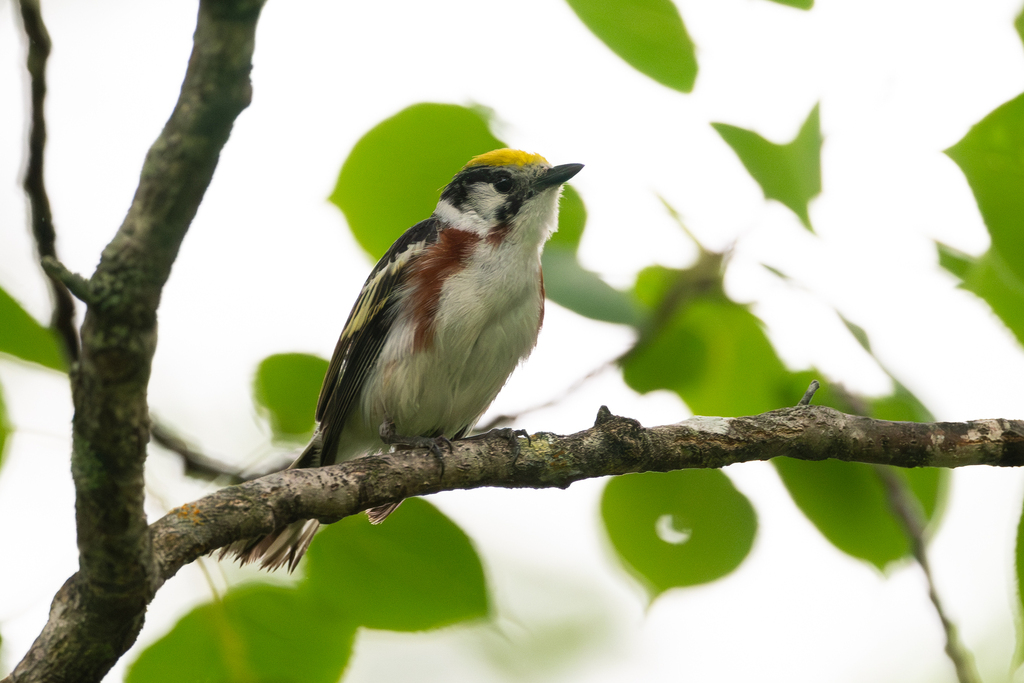
- Chestnut-sided WarblerDendroica pensylvanica
- Field SparrowSpizella pusilla
- Indigo BuntingPasserina cyanea
- Kentucky WarblerOporornis formosus
- Loggerhead ShrikeLanius ludovicianus
- Northern ParulaParula americana
- Northern Rough-winged SwallowStelgidopteryx serripennis
- Prairie WarblerDendroica discolor










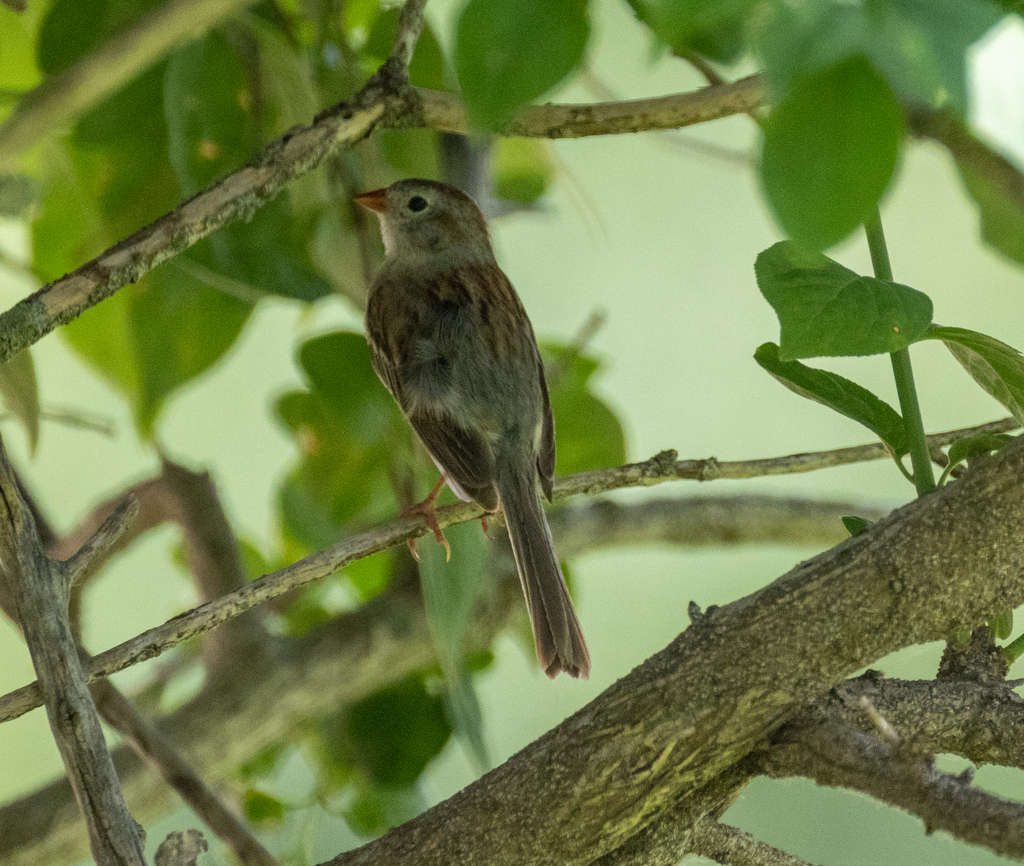

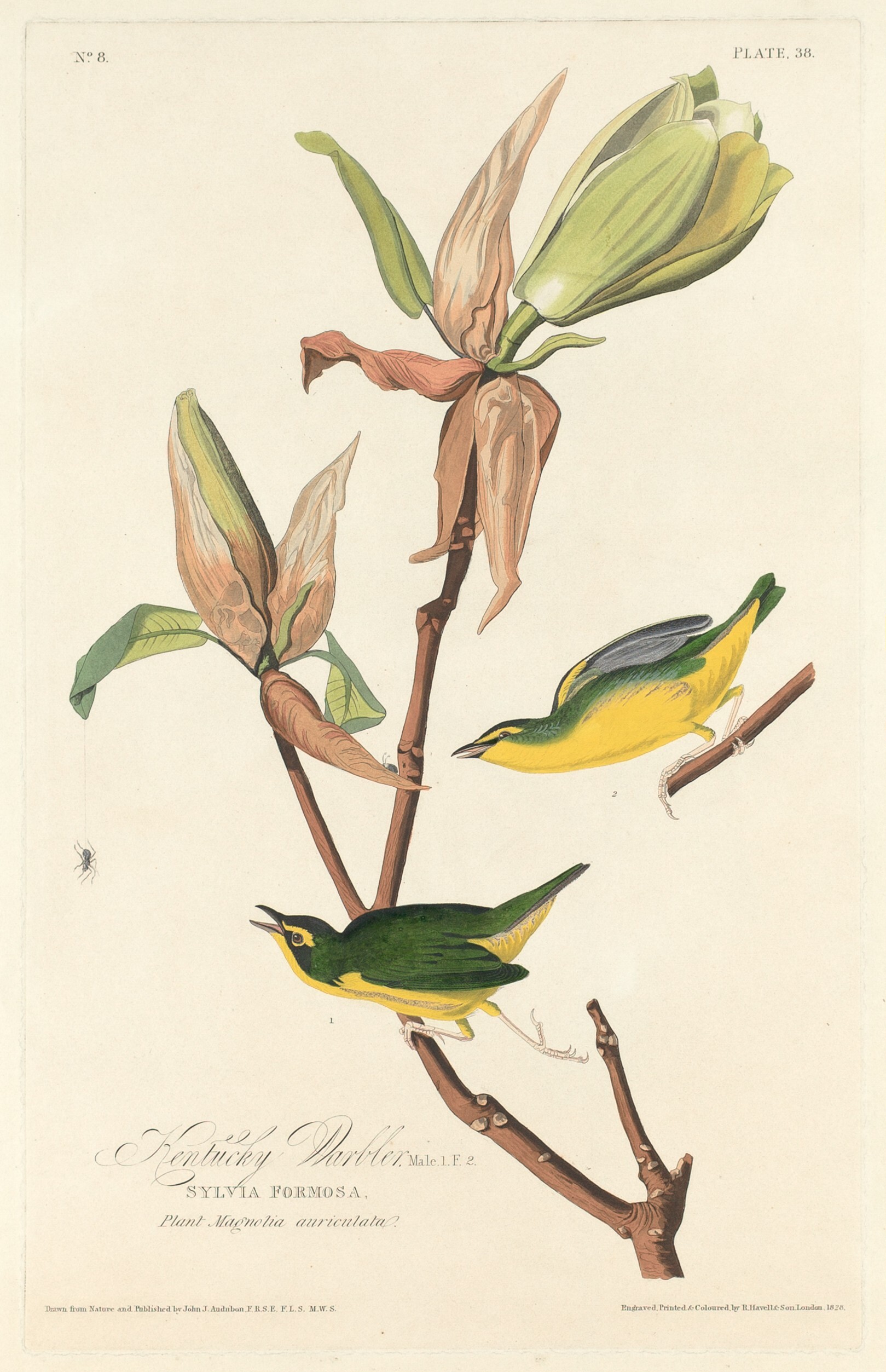
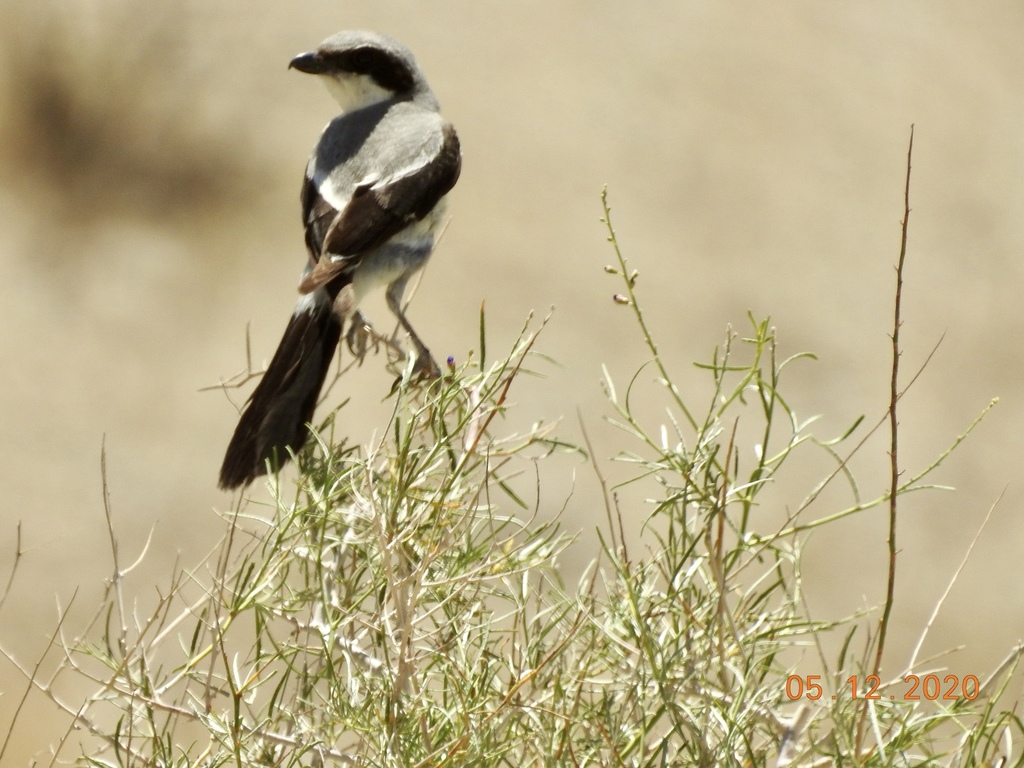
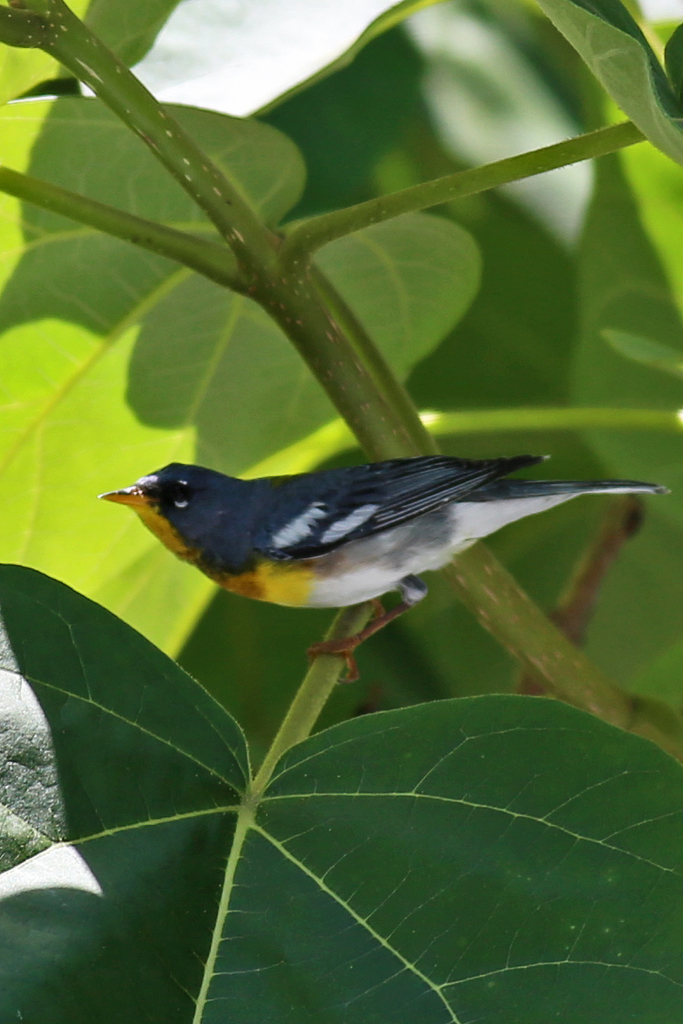
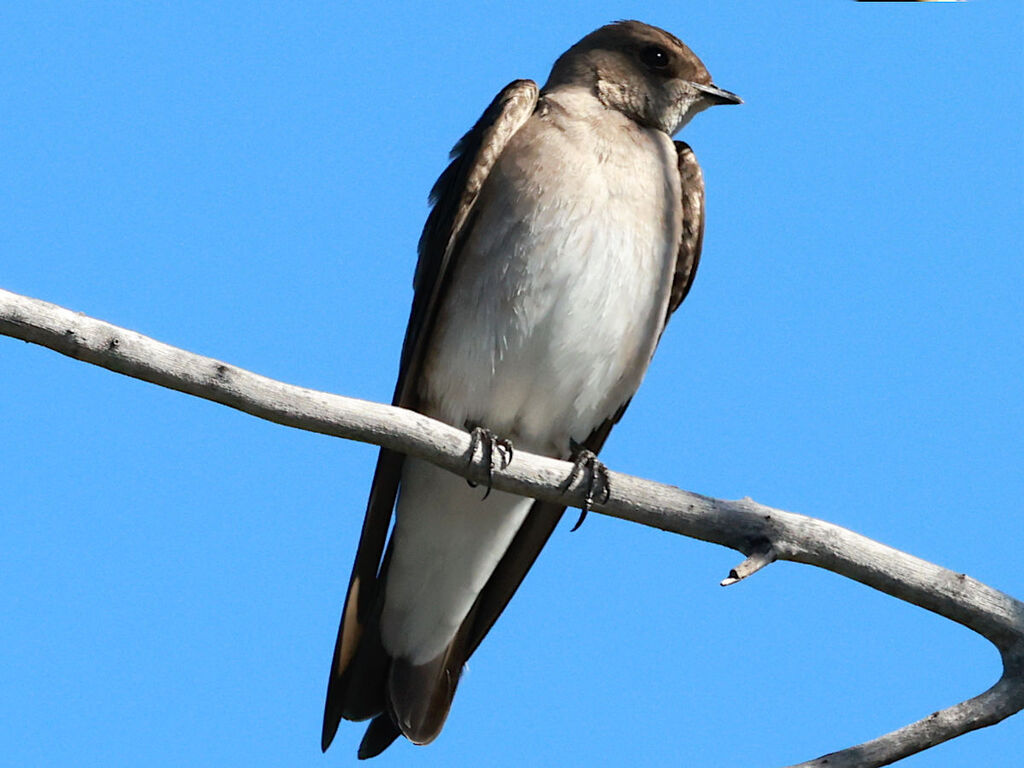
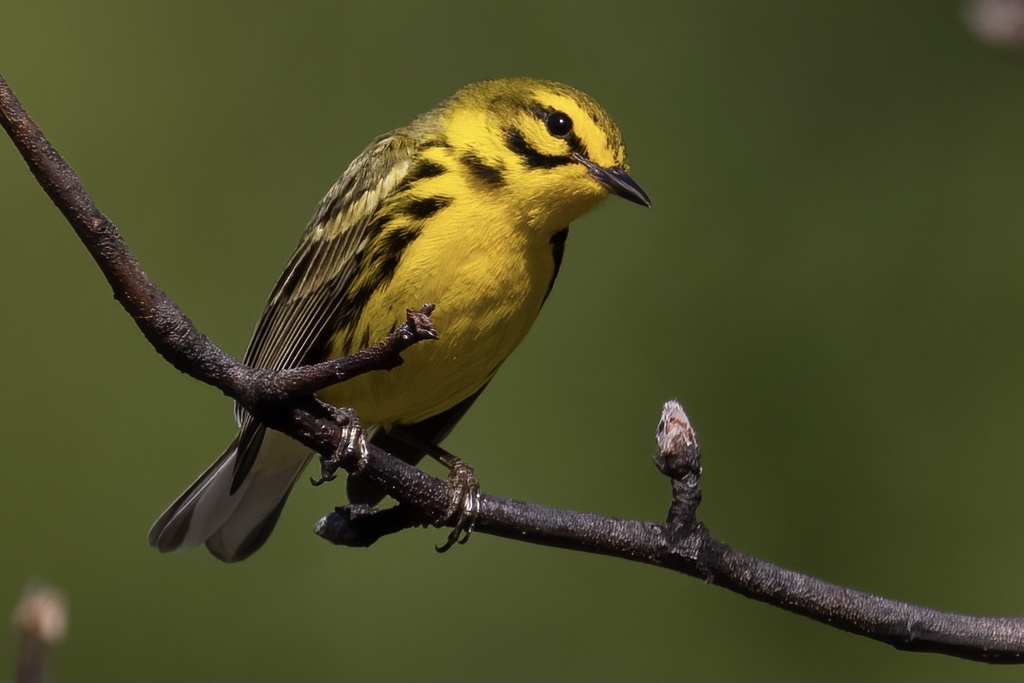

Who uses this plant?
 52CaterpillarsGenus host records with ranges including VA
Genus host records with ranges including VA · Comptonia
- Archips argyrospilaFruit-Tree Leafroller Moth
- Archips georgianaFireworm, Georgia Leafroller
- Aroga trialbamaculellaRed-Striped Fireworm Moth
- Automeris ioIo Moth
- Biston betulariaSalt-and-Pepper Geometer, Cleft-Headed Looper
- Catocala antinymphaWayward Nymph, Sweetfern Underwing
- Cepphis armatariaScallop Moth
- Chlorochlamys chloroleucariaBlackberry Looper Moth
- Cleora sublunariaDouble-Lined Gray
- Clepsis persicanaWhite Triangle Tortrix
Show all 52
- Crocigrapha normaniNorman's Quaker
- Cyclophora myrtariaWaxmyrtle Wave
- Cyclophora pendulinariaSweetfern Geometer
- Ectropis crepusculariaThe Small Engrailed, Saddleback Looper
- Ennomos magnariaMaple Spanworm Moth, Notchwing Geometer
- Euchlaena effectaEffective Euchlaena
- Euchlaena irrariaLeast-Marked Euchlaena
- Hypomecis buchholzariaX
- Iridopsis ephyrariaPale-Winged Gray
- Iridopsis humariaSmall Purplish Gray
- Iridopsis larvariaBent-Line Gray
- Lacinipolia loreaBridled Arches, Bridle Groundcat
- Lithophane tepidaWarm Gray Pinion, White-Eyes Pinion
- Melanchra assimilisBlack Arches
- Nemoria bistriariaTwo-Striped Emerald, Red-Fringed Emerald
- Nemoria lixariaRed-Bordered Emerald
- Nemoria mimosariaWhite-Fringed Emerald
- Nemoria rubrifrontariaRed-Fronted Emerald
- Orthotaenia undulanaDusky Leafroller
- Phiaris glacianaFrosted Olethreutes
- Prochoerodes lineolaLarge Maple Spanworm Moth
- Protolampra brunneicollisBrown-Collared Dart
- Pseudohermonassa bicarneaPink-Spotted Dart
- Pyrrhia exprimensPurple-Lined Sallow, Purple-Lined Sun Moth
- Rheumaptera hastataSpear-Marked Black Moth, Spear Mark
- Sphinx gordiusApple Sphinx
- Strepsicrates smithianaBayberry Leaftier
- Strymon melinusGray Hairstreak
- Synchlora aerataWavy-Lined Emerald, Camouflaged Looper
- Tetracis cachexiataWhite Slant-Line
- Thyridopteryx ephemeraeformisEvergreen Bagworm Moth
- Xanthotype urticariaFalse Crocus Geometer
- Xestia c-nigrumSpotted Cut-Worm, Setaceous Hebrew Character, Lesser Black-letter Dart
- Xestia dolosaGreater Black-Letter Dart, Greater Spotted Cutworm
- Xestia normanianusNorman's Dart
- Acleris kearfottana
- Agonopterix atrodorsella
- Aroga argutiola
- Chaetaglaea rhonda
- Chionodes imber
- Coleophora gaylussaciella
- Dichomeris bipunctellus
 0BeesSoutheastern regional records
 0Specialist beesPollen specialists
 —BirdsRecorded genus food-resource interactions; not a state feeding claim
No records yet · Ants · Beetles · Flies · Adult butterflies / moths · Other wasps · Other insects
Plant details
- Family
- Myricaceae
- Hardiness
- Zones 2a–6b
- Soil pH
- Acidic
- Flower color
- Brown/copper, yellow, green or inconspicuous
- Growth rate
- Slow
- Growth habit
- Spreads by rhizomes
- Foliage color
- Green
- Fruit begins
- August
- Fruit ends
- September
Safety has not been reviewed for this plant; check toxicity and thorns before planting.
Growing sources and scope
- Bloom · “April to May” · Weakley, Flora of the Southeastern United States (2025), Carolinas & Georgia edition (ranked first; USDA PLANTS differs) · Carolinas and Georgia
- Flower color · “Brown/copper, yellow, green or inconspicuous” · NC Extension Plant Toolbox (ranked first; USDA PLANTS differs)
- Foliage color · “Green” · USDA PLANTS · Nationwide species characteristics; local growing conditions may vary
- Fruit begins · “August” · Weakley, Flora of the Southeastern United States (2025), Carolinas & Georgia edition (ranked first; USDA PLANTS differs) · Carolinas and Georgia
- Fruit ends · “September” · Weakley, Flora of the Southeastern United States (2025), Carolinas & Georgia edition (ranked first; USDA PLANTS differs) · Carolinas and Georgia
- Growth habit · “Spreads by rhizomes” · USDA PLANTS · Nationwide species characteristics; local growing conditions may vary
- Growth rate · “Slow” · USDA PLANTS · Nationwide species characteristics; local growing conditions may vary
- Hardiness · “Zones 2a–6b” · NC Extension Plant Toolbox
- Height · “2–5 feet” · NC Extension Plant Toolbox (ranked first; USDA PLANTS, Minnesota Wildflowers differ)
- Leaves · “Deciduous” · NC Extension Plant Toolbox
- Life cycle · “Perennial” · NC Extension Plant Toolbox (ranked first; Minnesota Wildflowers differs)
- Light · “Full sun (6 or more hours of direct sunlight a day); Partial shade (direct sunlight only part of the day, 2-6 hours)” · NC Extension Plant Toolbox
- Soil · “Moist; Occasionally dry” · NC Extension Plant Toolbox
- Soil pH · “Acidic” · NC Extension Plant Toolbox
- Spread · “4–8 feet” · NC Extension Plant Toolbox
Also known as
Sweet Fern
Conservation status
| Virginia rank | S5 |
|---|---|
| Global rank | G5 |
| VA status | Not verified |
| Federal status | Not verified |
Will it fit your yard?
Check this plant against your county, sun and soil moisture. Conditions are checked in your browser.
Growing cautions
- Spreads by rhizomes. USDA PLANTS lists its growth form as rhizomatous. USDA PLANTS
For planning only; these do not change the score or Fit.
Sources
- Digital Atlas of the Virginia Flora
- USDA PLANTS
- Vascular Plants of North Carolina (NC Natural Heritage Program)
- Weakley, Flora of the Southeastern United States (2025), Carolinas & Georgia edition
- NatureServe Explorer
- Shropshire & Tallamy 2025, Lepidoptera of North America north of Mexico, ZooKeys 1261 (ODbL)
- Noori, Seltmann & Orr 2026, A curated and integrated dataset for exploring global bee-plant interactions (GloBI), Zenodo, CC BY 4.0
- Smith, Bachelder, Russell, Morales, Mosher & Seltmann 2024, Bee-Specialization-Modeling v0.6.1 (specialist host table compiled from J. Fowler's pollen specialist bee lists), Zenodo, CC BY 4.0
- Hurlbert, Olsen, Sawyer & Winner 2021, Avian Diet Database, Scientific Data 8: 260 (CC0)
- Narango, Tallamy & Shropshire 2020, Few keystone plant genera support the majority of Lepidoptera species, Nature Communications