

Twig-rush
Cladium mariscoides
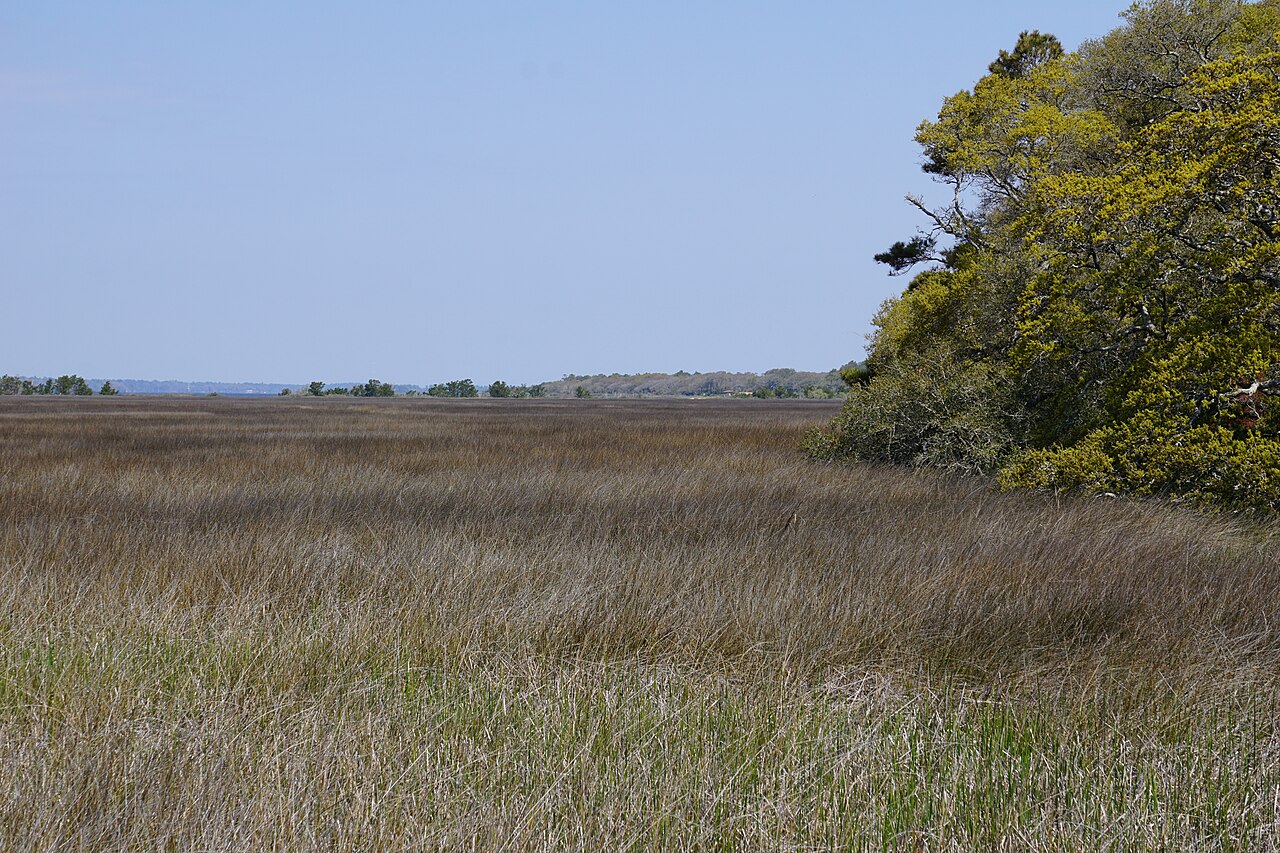
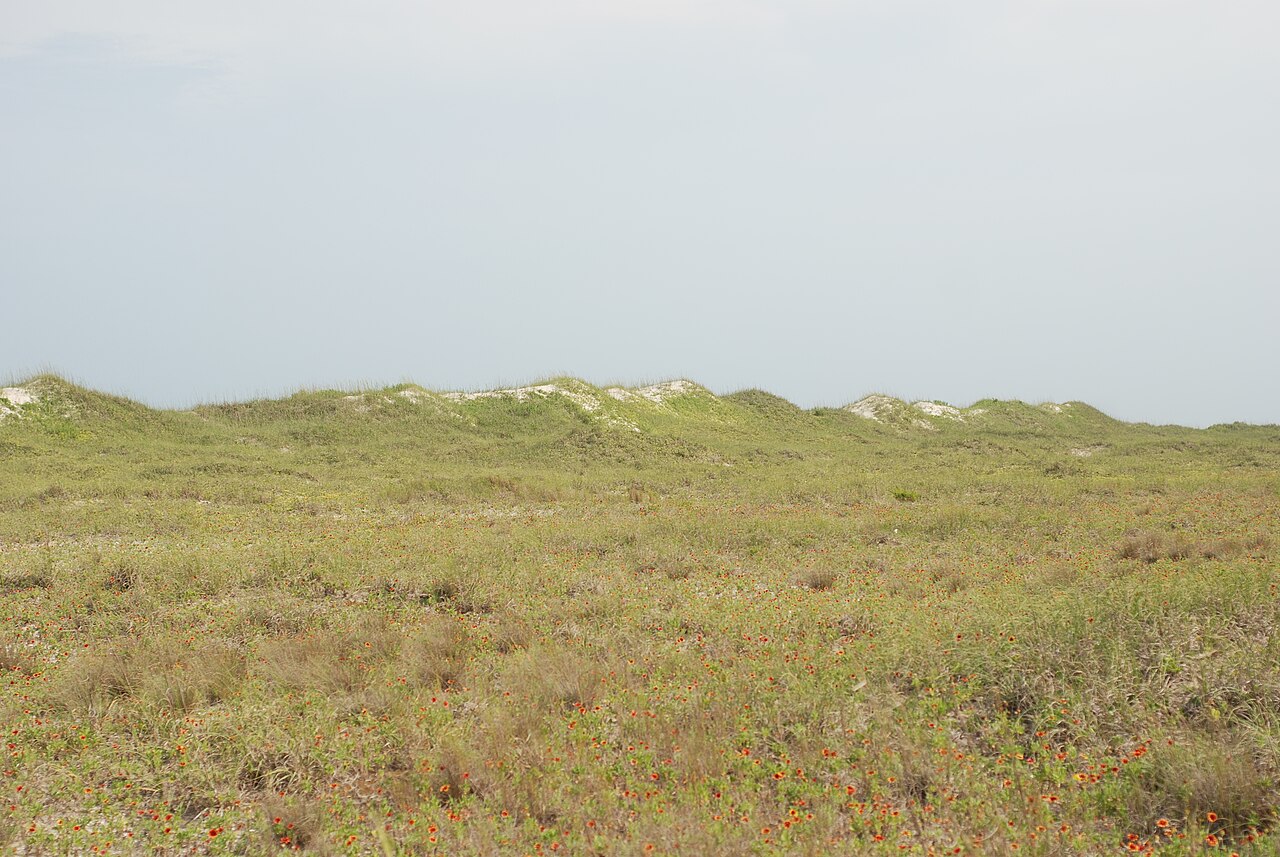
Found in salt and brackish marshes; seeps and springs; Coastal Plain seepage bogs; sandhills; mountain bogs and fens; Coastal tidal marshes (salinity not stated); Coastal dunes and beaches; ponds, lakes and their shores. Weakley, Flora of the Southeastern United States (2025), Northern Tier edition What its natural habitat tells you
Native to Virginia. How scores work Is it native here?
Profile 94%
- Height
- 1 foot 4 inches–3 feet 3 inches
- Light
- Full sun
- Soil moisture
- Moist to standing water
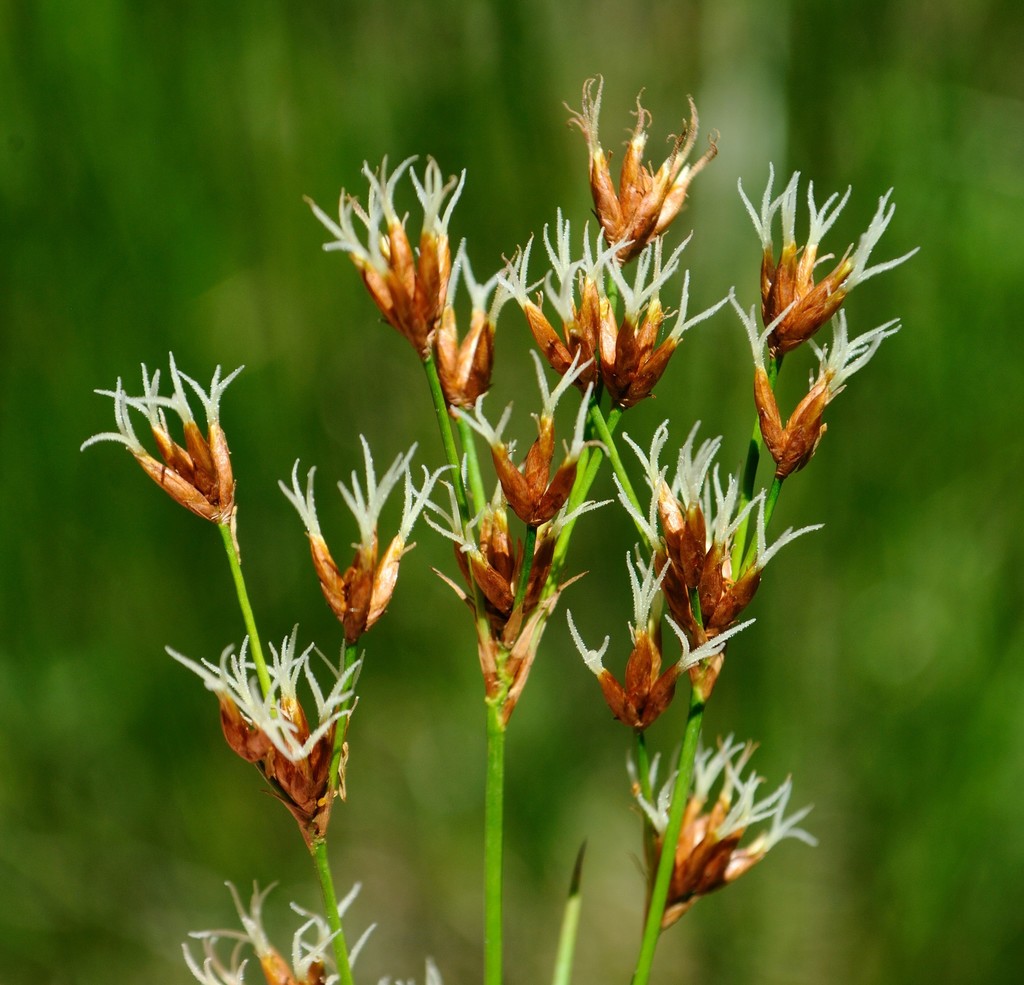
At a glance
- Life cycle
- Perennial
- Bloom
- July to September
Not yet recorded · Spread · Leaves
Recorded in 8 Virginia counties.
Natural habitats
Places it grows wild. Not a planting requirement. Each habitat page lists the plants and wildlife also found there.
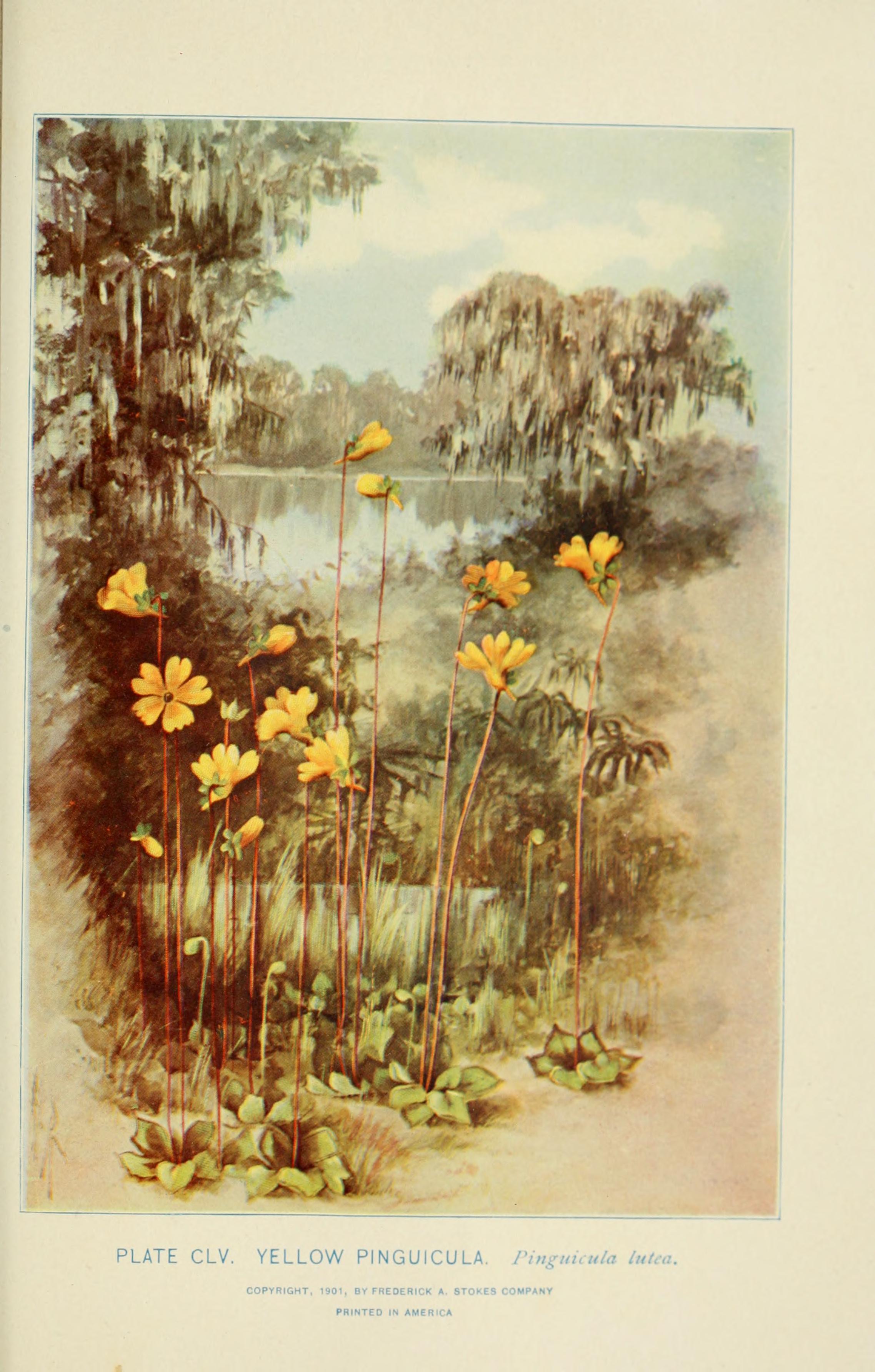
Open, wet, seepage-fed bogs of the Coastal Plain and Sandhills, often with pitcher plants.
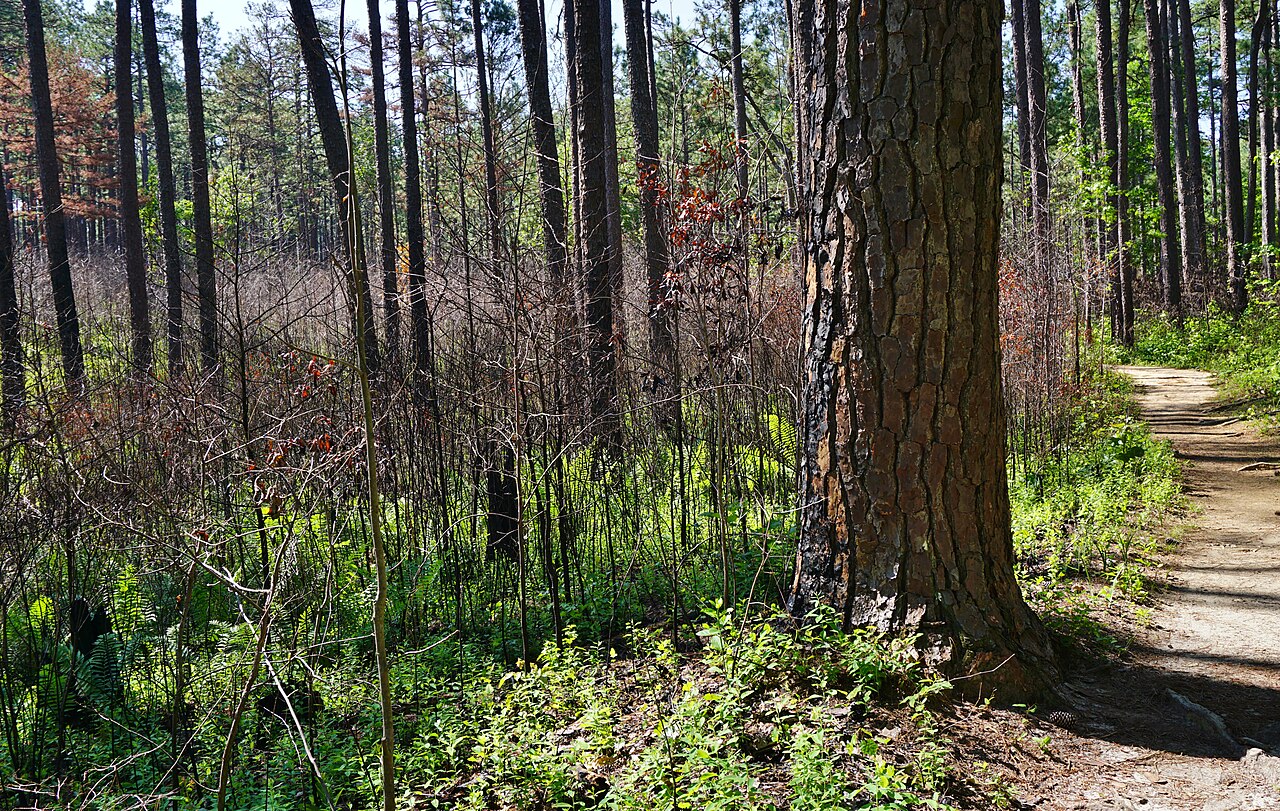
Dry, deep-sand ridges with longleaf pine and turkey oak, kept open by fire.
Wet, open, peaty mountain wetlands fed by seepage, often with sphagnum moss.
Coastal tidal marshes (salinity not stated)
Tidal marshes of the Atlantic and Gulf coasts where the source does not say whether the water is fresh, brackish or salt. A stated salinity files the marsh under freshwater tidal marshes or salt and brackish marshes instead.
Also found with this plant
Wildlife whose habitat models include habitats this plant grows in, in Virginia. Shared habitat, not food. 163 animals.
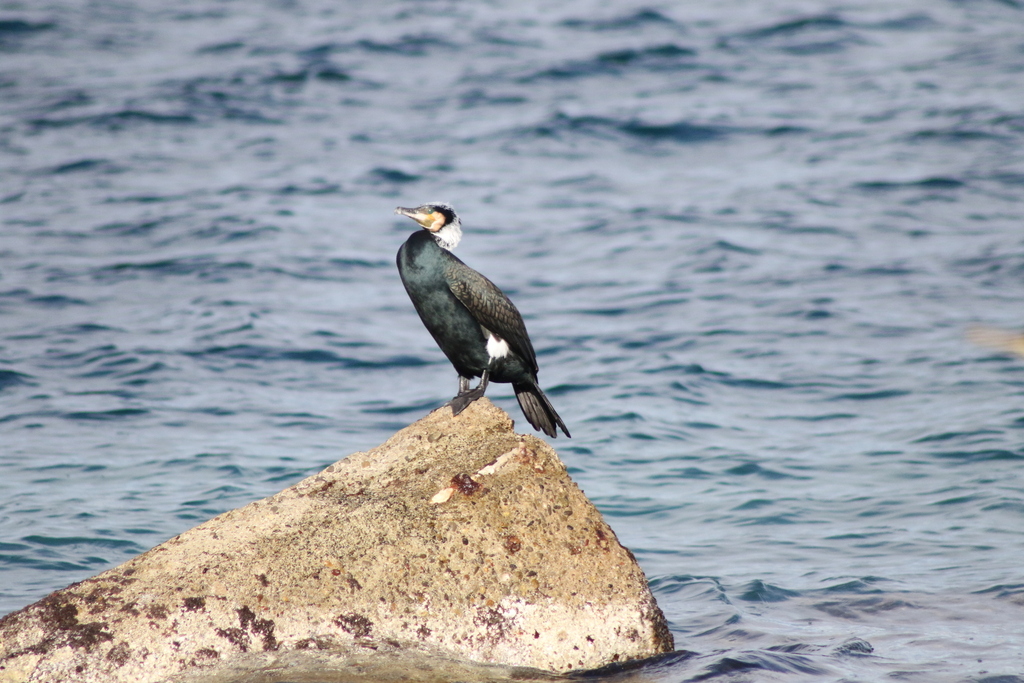
- Great CormorantPhalacrocorax carbo
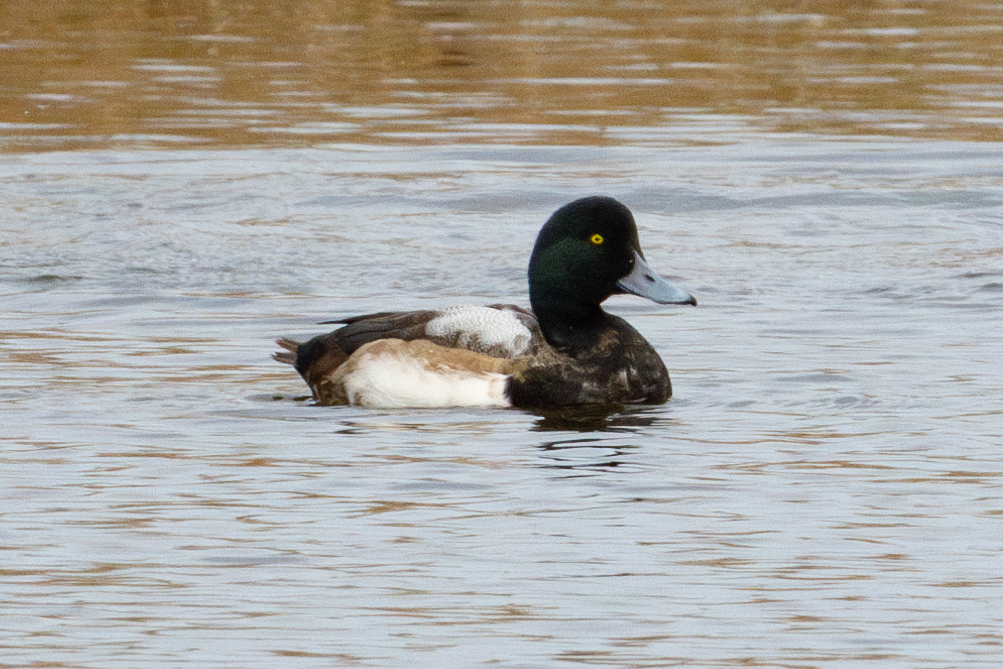
- Greater ScaupAythya marila
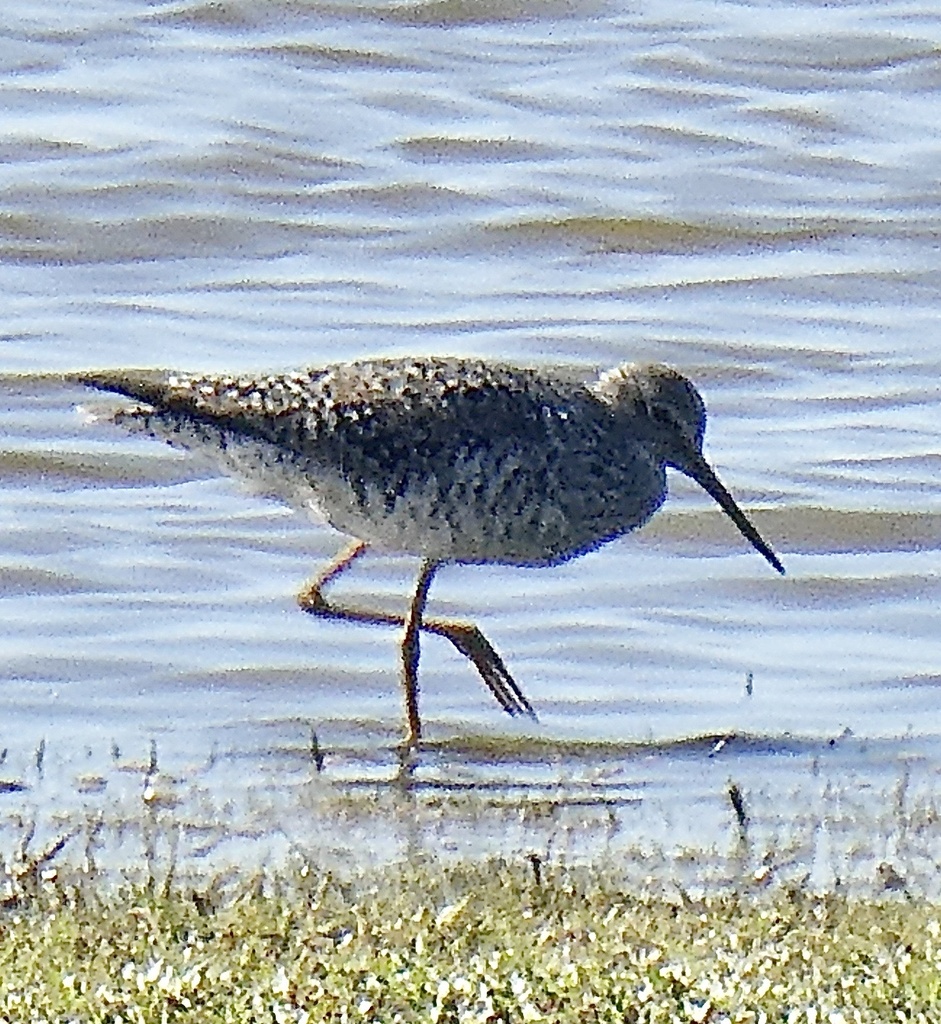
- Greater YellowlegsTringa melanoleuca
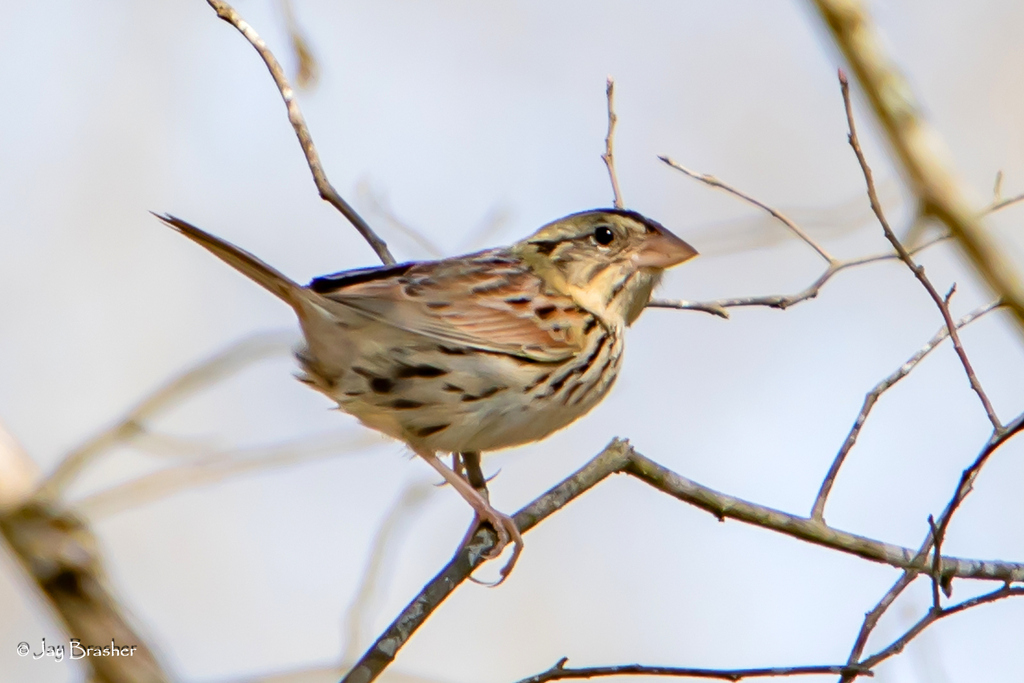
- Henslow's SparrowAmmodramus henslowii
- Hooded WarblerWilsonia citrina
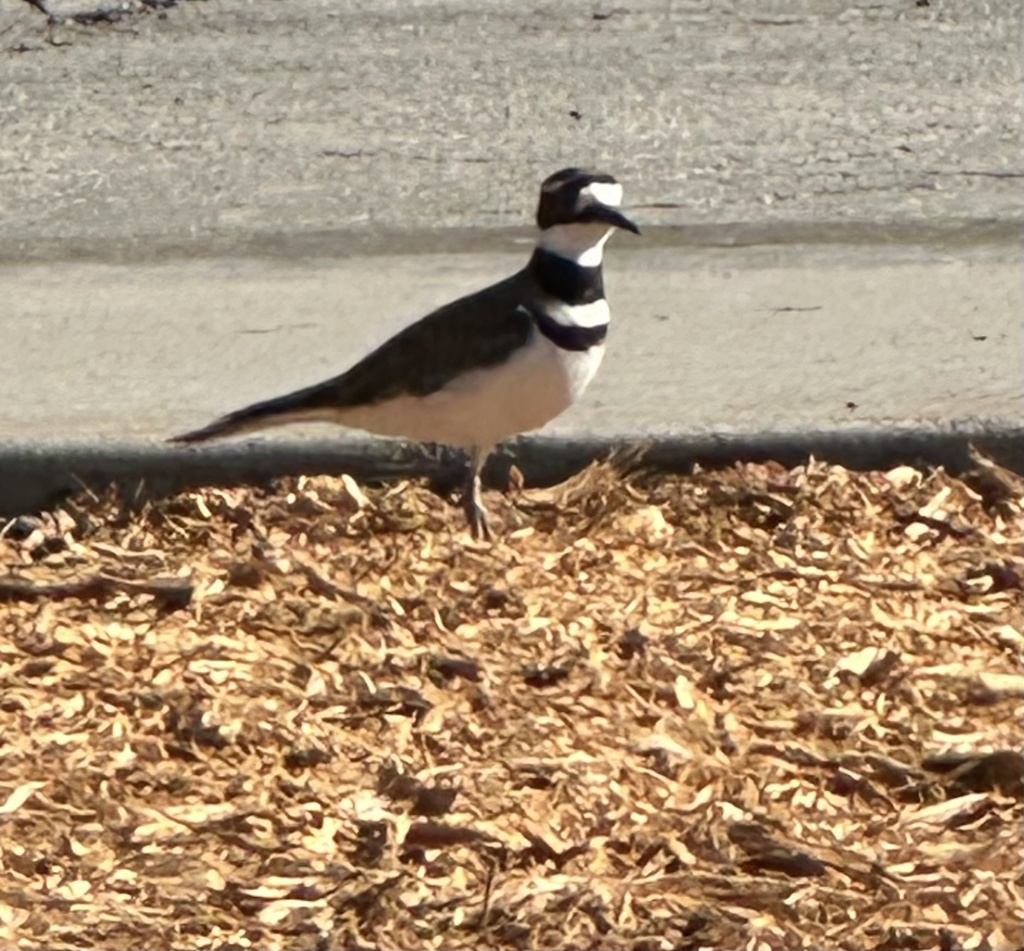
- KilldeerCharadrius vociferus
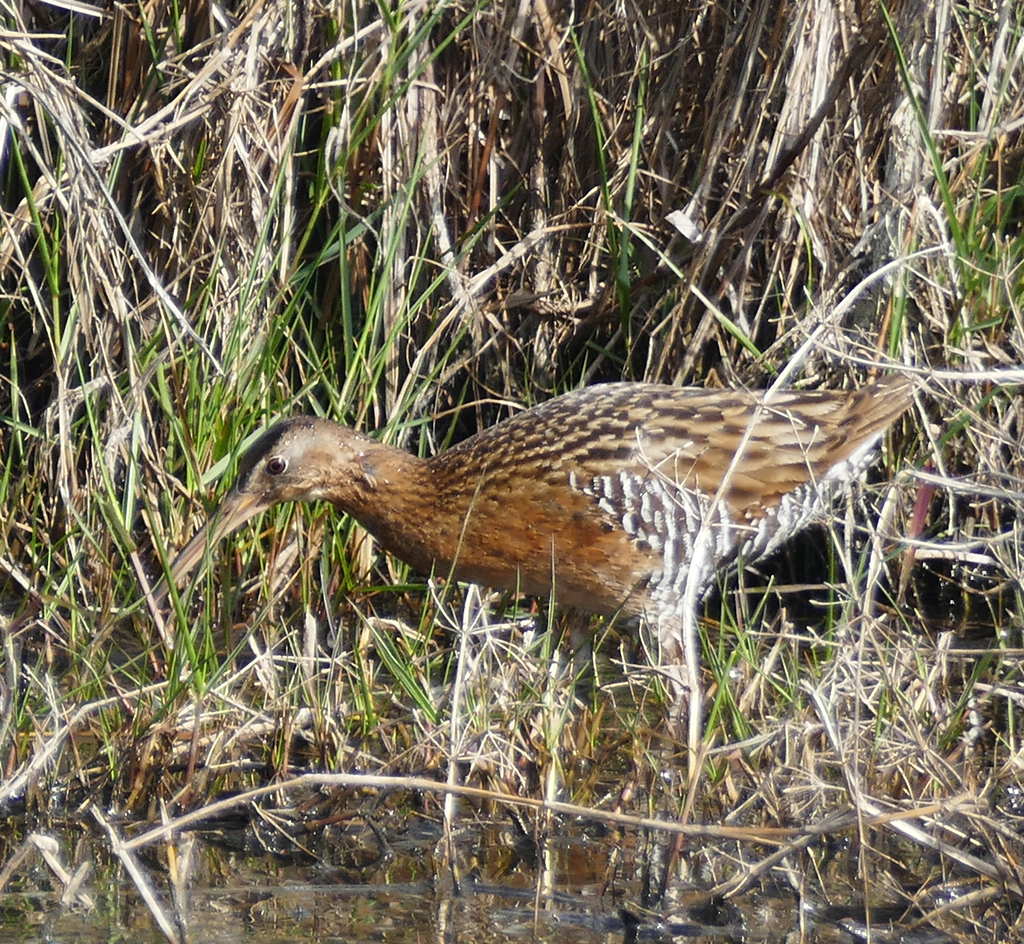
- King RailRallus elegans
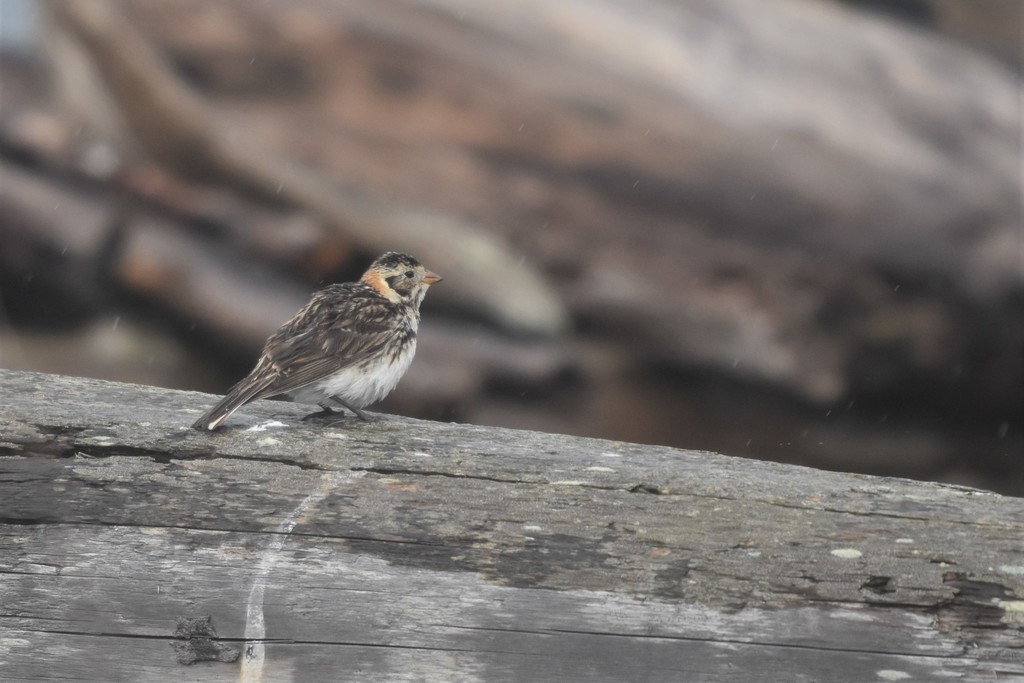
- Lapland LongspurCalcarius lapponicus
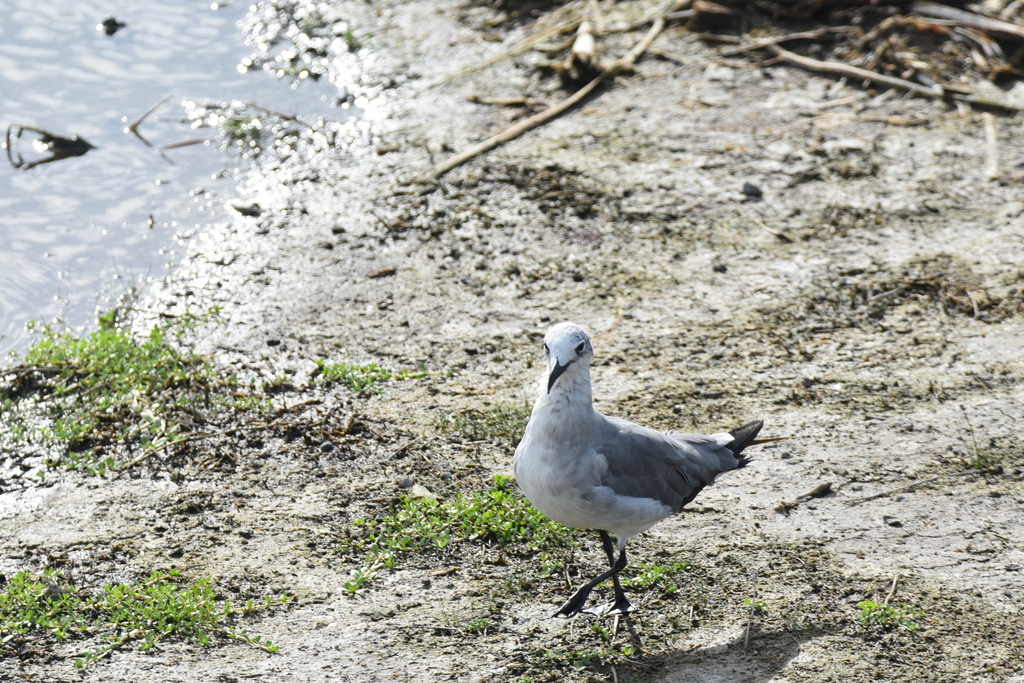
- Laughing GullLeucophaeus atricilla
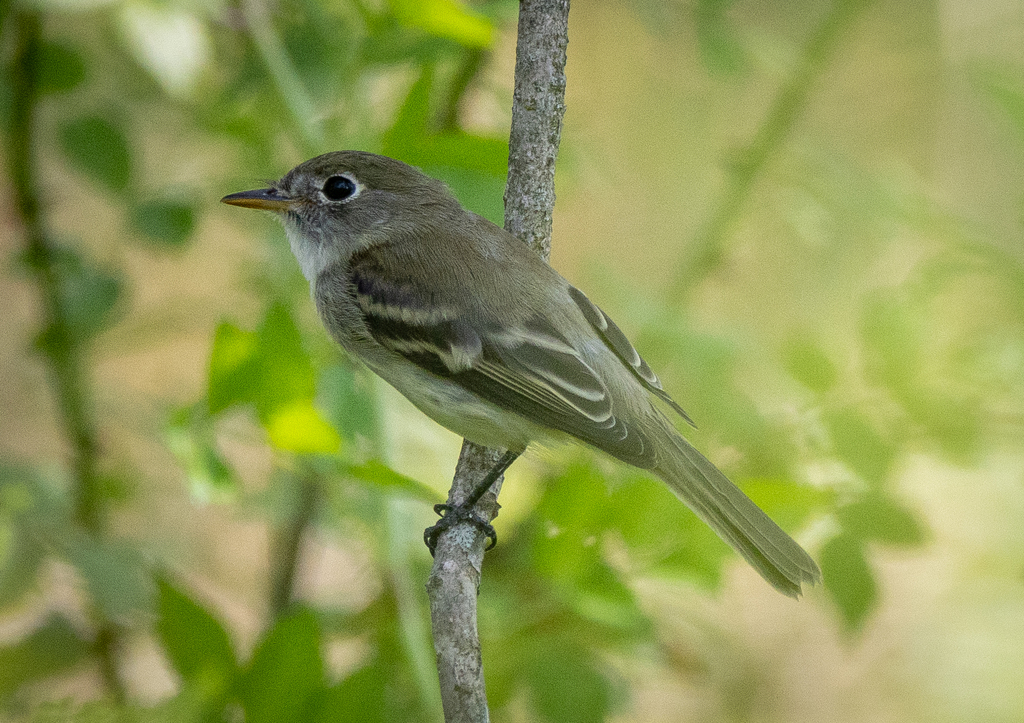
- Least FlycatcherEmpidonax minimus
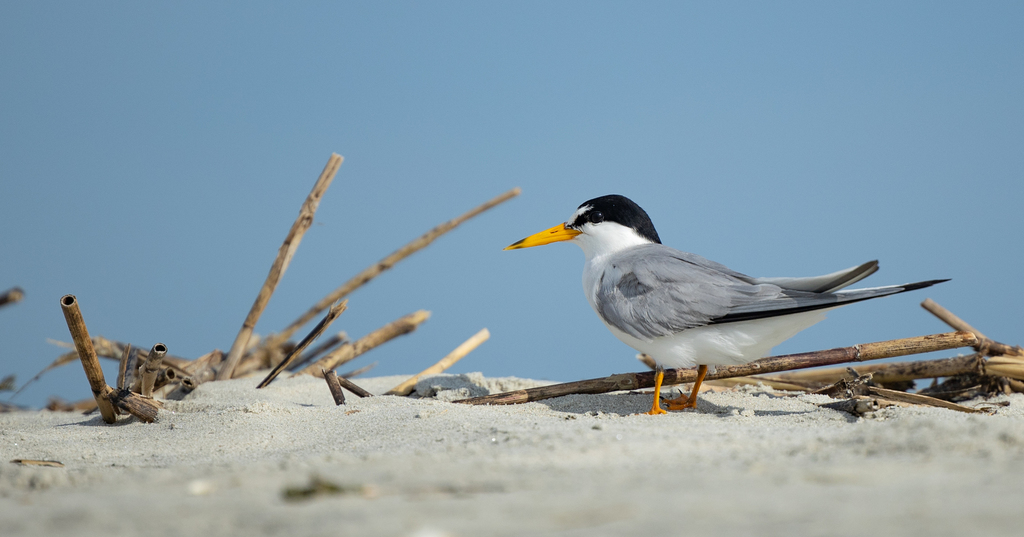
- Least TernSternula antillarum
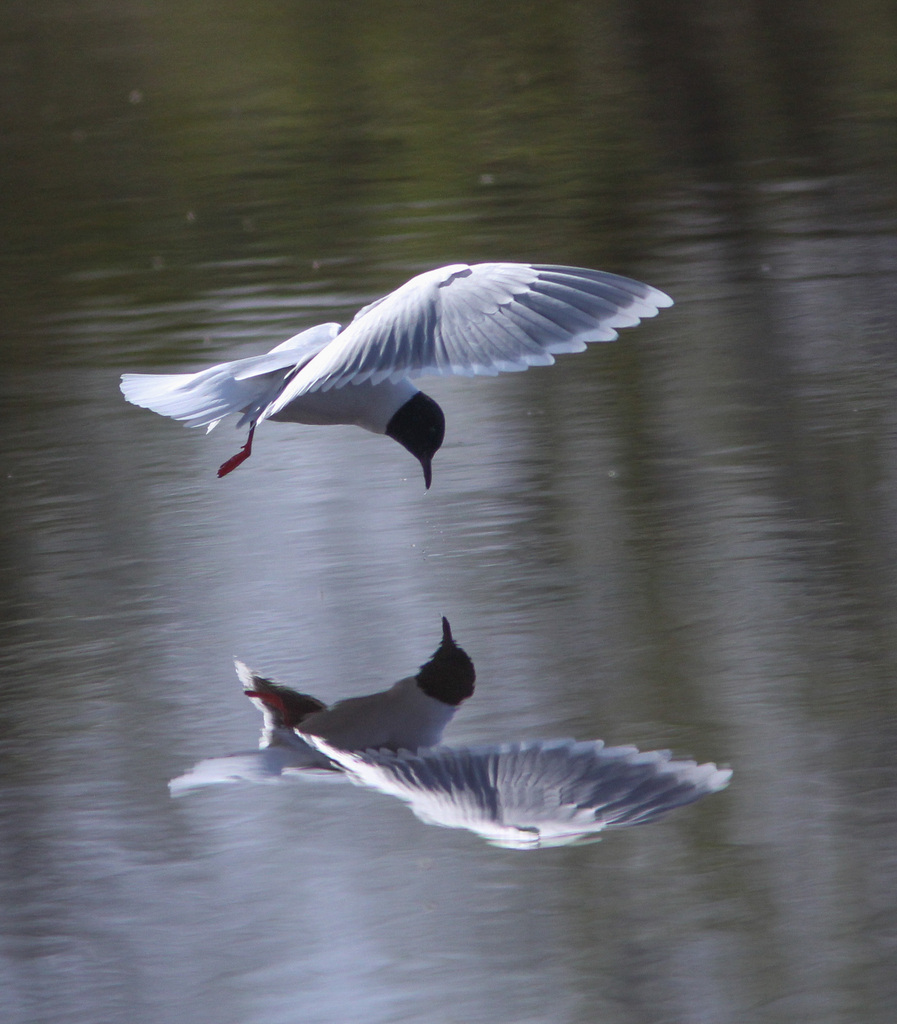
- Little GullHydrocoloeus minutus
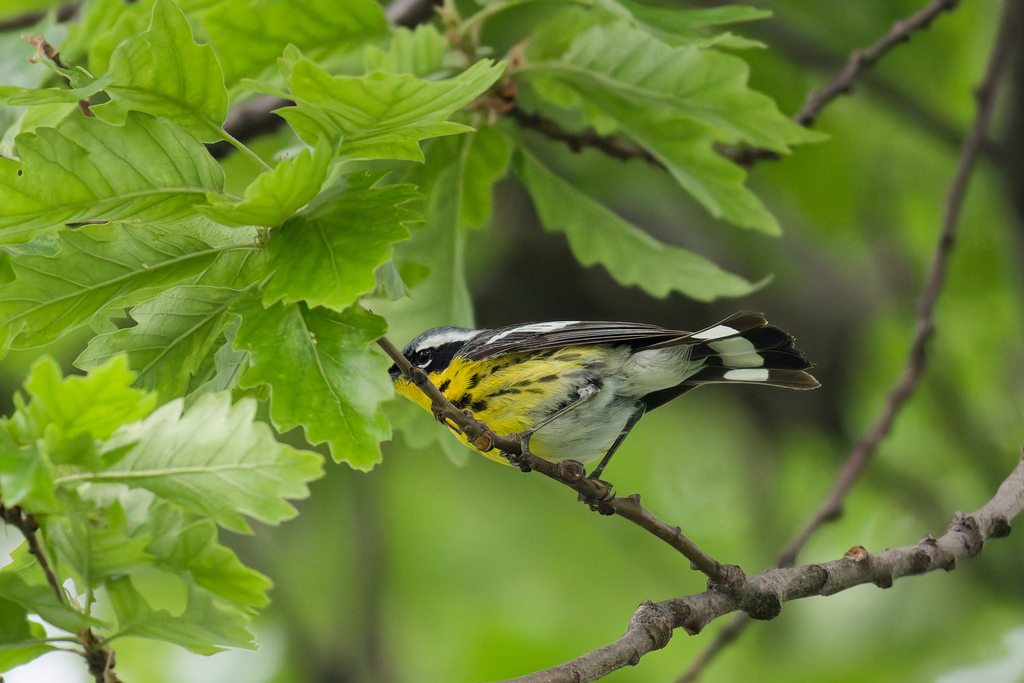
- Magnolia WarblerDendroica magnolia
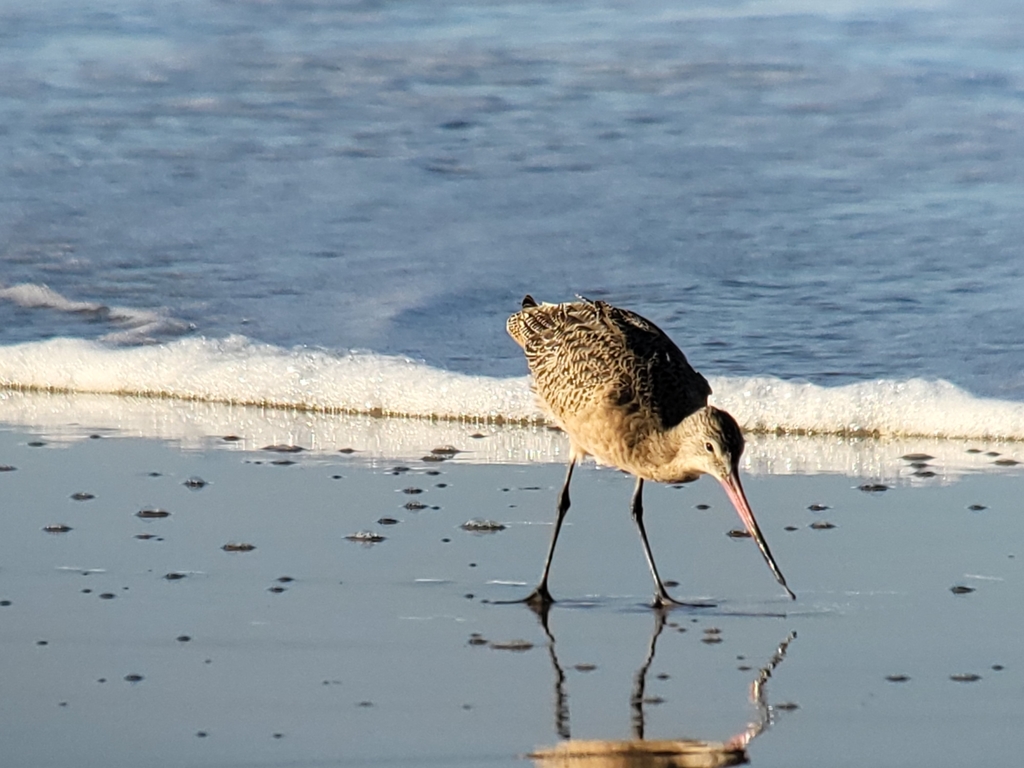
- Marbled GodwitLimosa fedoa
- Northern FlickerColaptes auratus
- Northern MockingbirdMimus polyglottos
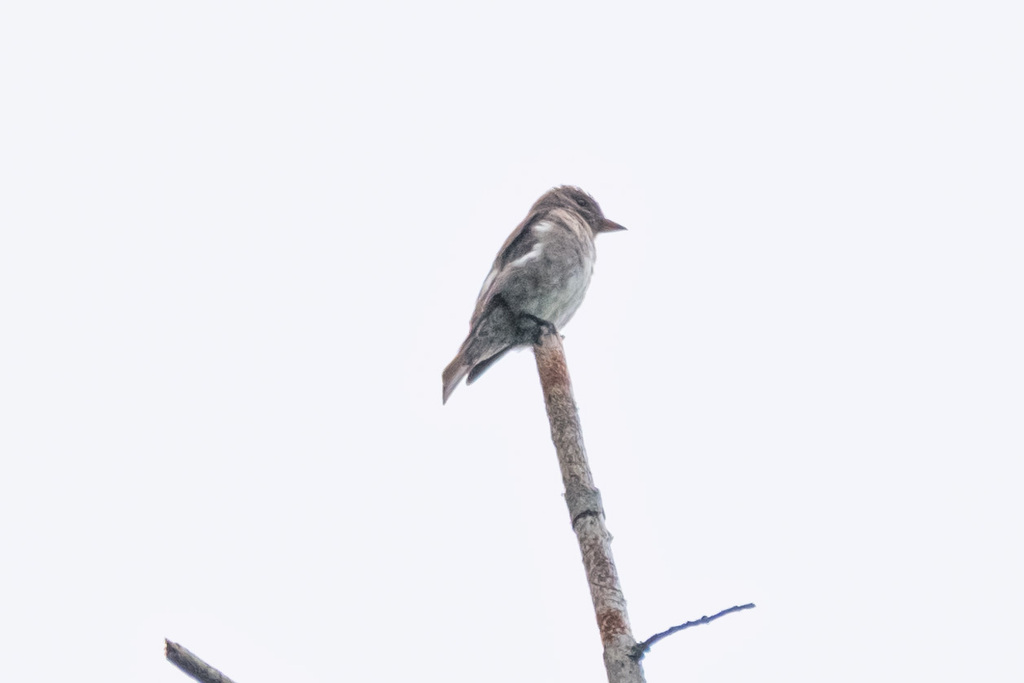
- Olive-sided FlycatcherContopus cooperi
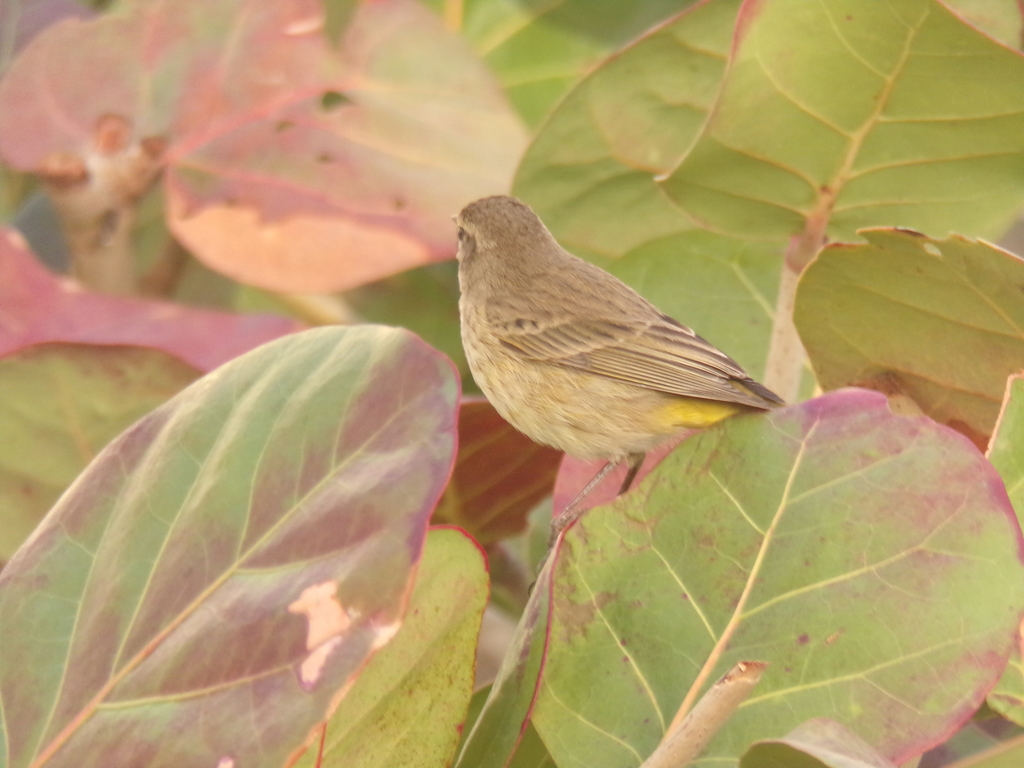
- Palm WarblerDendroica palmarum
- Piping PloverCharadrius melodus
- Prothonotary WarblerProtonotaria citrea
- Purple FinchCarpodacus purpureus
- Purple MartinProgne subis
- Purple SandpiperCalidris maritima
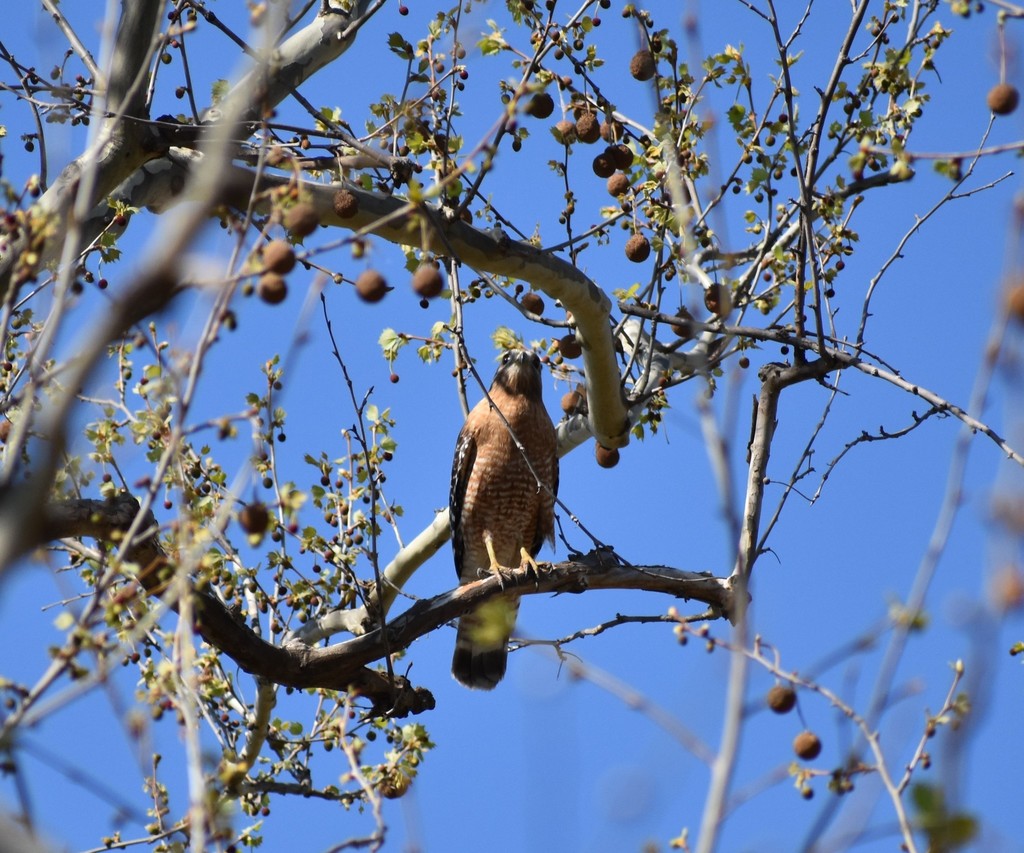
- Red-shouldered HawkButeo lineatus



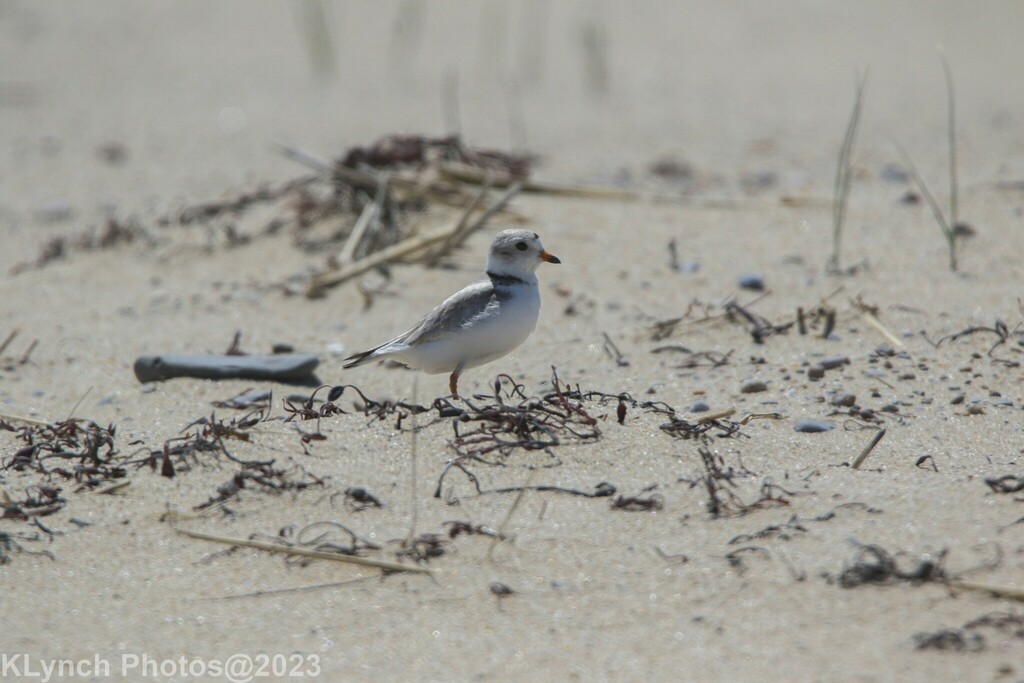
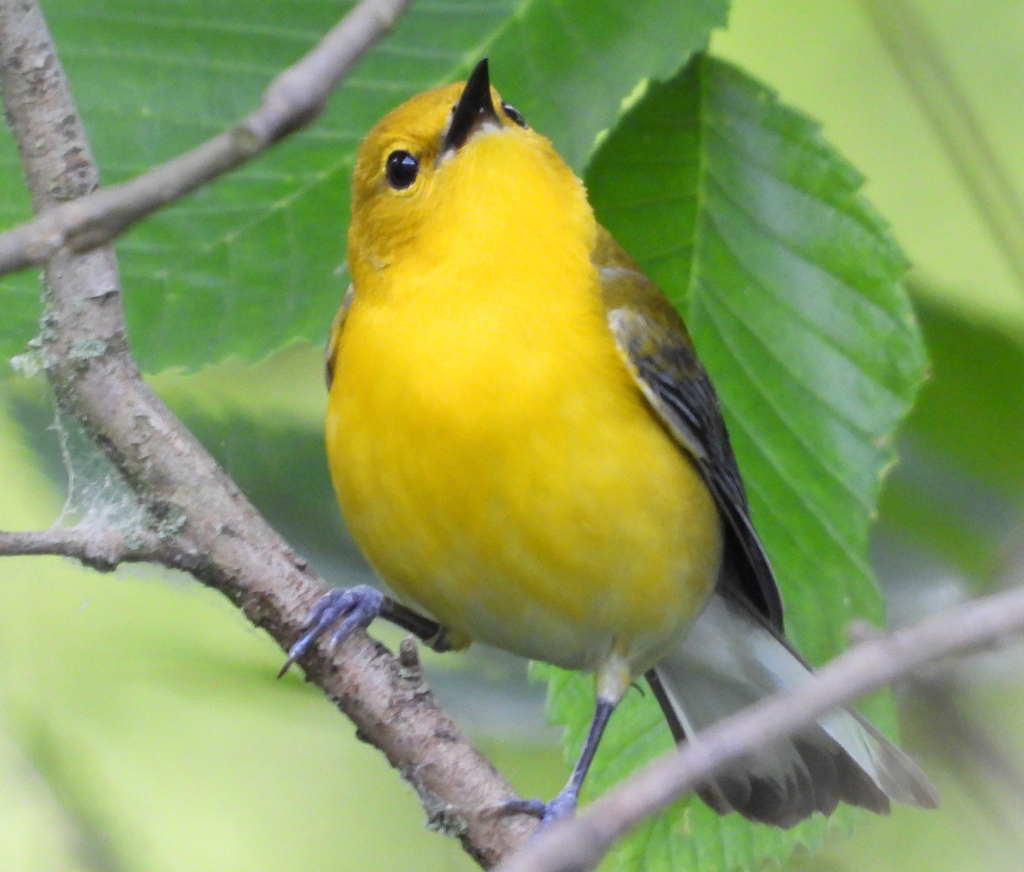

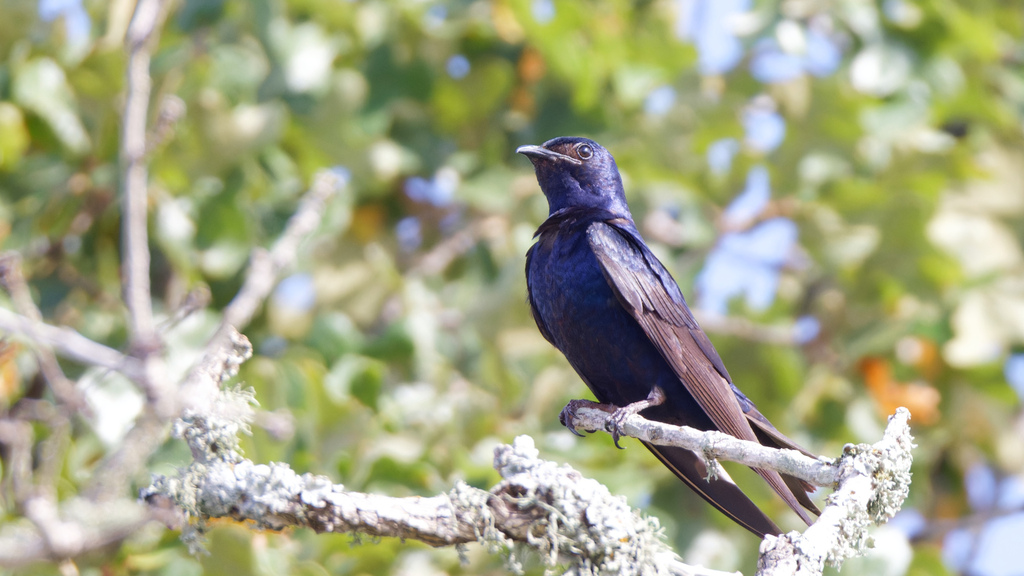
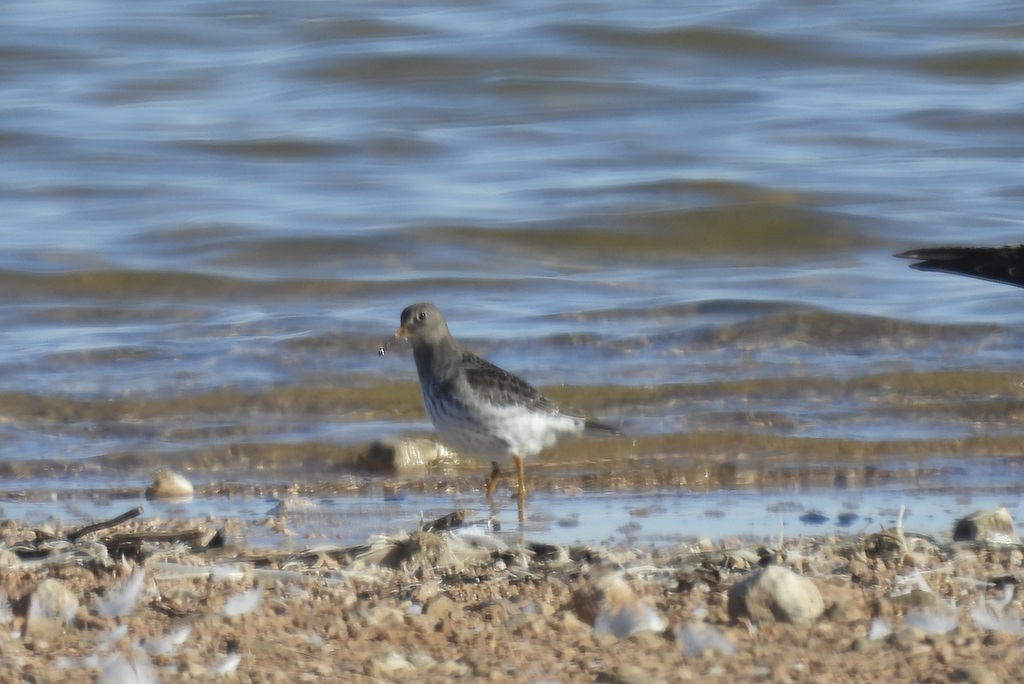


Who uses this plant?
 4CaterpillarsGenus host records with ranges including VA
Genus host records with ranges including VA · Cladium
- Bactra verutanaJavelin Moth
- Euphyes pilatkaSawgrass Skipper, Palatka Skipper, Coastal Sedge Skipper, Keys Sawgrass Skipper[for subspecies Euphyes pilatka klotsi]
- Nola cereellaSorghum Cutworm, Sorghum Webworm Moth, Sorgham Webworm Moth
- Protodeltote muscosulaLarge Mossy Lithacodia, Large Mossy Glyph, Large Mossy Grass Moth
 0BeesSoutheastern regional records
 0Specialist beesPollen specialists
 1BirdsRecorded genus food-resource interactions; not a state feeding claim
Recorded genus food-resource interactions; not a state feeding claim · Cladium
- Gallinula galeataCommon Gallinule
Direct food only: birds recorded eating this genus across North America. Caterpillars on host plants also feed nesting birds. NC Native Plant Society: butterfly gardening
No records yet · Ants · Beetles · Flies · Adult butterflies / moths · Other wasps · Other insects
Plant details
- Family
- Cyperaceae
- Flower color
- Not applicable
Safety has not been reviewed for this plant; check toxicity and thorns before planting.
Growing sources and scope
- Bloom · “July to September” · Weakley, Flora of the Southeastern United States (2025), Carolinas & Georgia edition · Carolinas and Georgia
- Flower color · “Not applicable” · Lady Bird Johnson Wildflower Center
- Height · “1 foot 4 inches–3 feet 3 inches” · Weakley, Flora of the Southeastern United States (2025), Carolinas & Georgia edition · Carolinas and Georgia
- Life cycle · “Perennial” · Lady Bird Johnson Wildflower Center
- Light · “Full sun (documented habitat)” · Weakley, Flora of the Southeastern United States (2025), Carolinas & Georgia edition · Carolinas and Georgia
- Soil · “Moist; Water; Wet (documented habitat)” · Weakley, Flora of the Southeastern United States (2025), Carolinas & Georgia edition · Carolinas and Georgia
Also known as
Twig rush
Conservation status
| Virginia rank | S3S4 |
|---|---|
| Global rank | G5 |
| VA status | Not verified |
| Federal status | Not verified |
Will it fit your yard?
Check this plant against your county, sun and soil moisture. Conditions are checked in your browser.
Sources
- Digital Atlas of the Virginia Flora
- USDA PLANTS
- Vascular Plants of North Carolina (NC Natural Heritage Program)
- Weakley, Flora of the Southeastern United States (2025)
- NatureServe Explorer
- Shropshire & Tallamy 2025, Lepidoptera of North America north of Mexico, ZooKeys 1261 (ODbL)
- Noori, Seltmann & Orr 2026, A curated and integrated dataset for exploring global bee-plant interactions (GloBI), Zenodo, CC BY 4.0
- Smith, Bachelder, Russell, Morales, Mosher & Seltmann 2024, Bee-Specialization-Modeling v0.6.1 (specialist host table compiled from J. Fowler's pollen specialist bee lists), Zenodo, CC BY 4.0
- Hurlbert, Olsen, Sawyer & Winner 2021, Avian Diet Database, Scientific Data 8: 260 (CC0)
- Narango, Tallamy & Shropshire 2020, Few keystone plant genera support the majority of Lepidoptera species, Nature Communications