

Sweet Woodreed
Cinna arundinacea
Found in bottomland forests, rocky bars in rivers, tidal freshwater marshes, other low, wet habitats. Weakley, Flora of the Southeastern United States (2025), Northern Tier edition What its natural habitat tells you
Native to Virginia. How scores work Is it native here?
Profile 100%
- Height
- About 4.9 feet
- Spread
- 1–2 feet
- Light
- Full sun to part shade
- Soil moisture
- Average to wet
Space about 1.5 ft apart from its recorded spread, about 44 per 100 sq ft. Enter your bed size for a count
Will it fit your yard?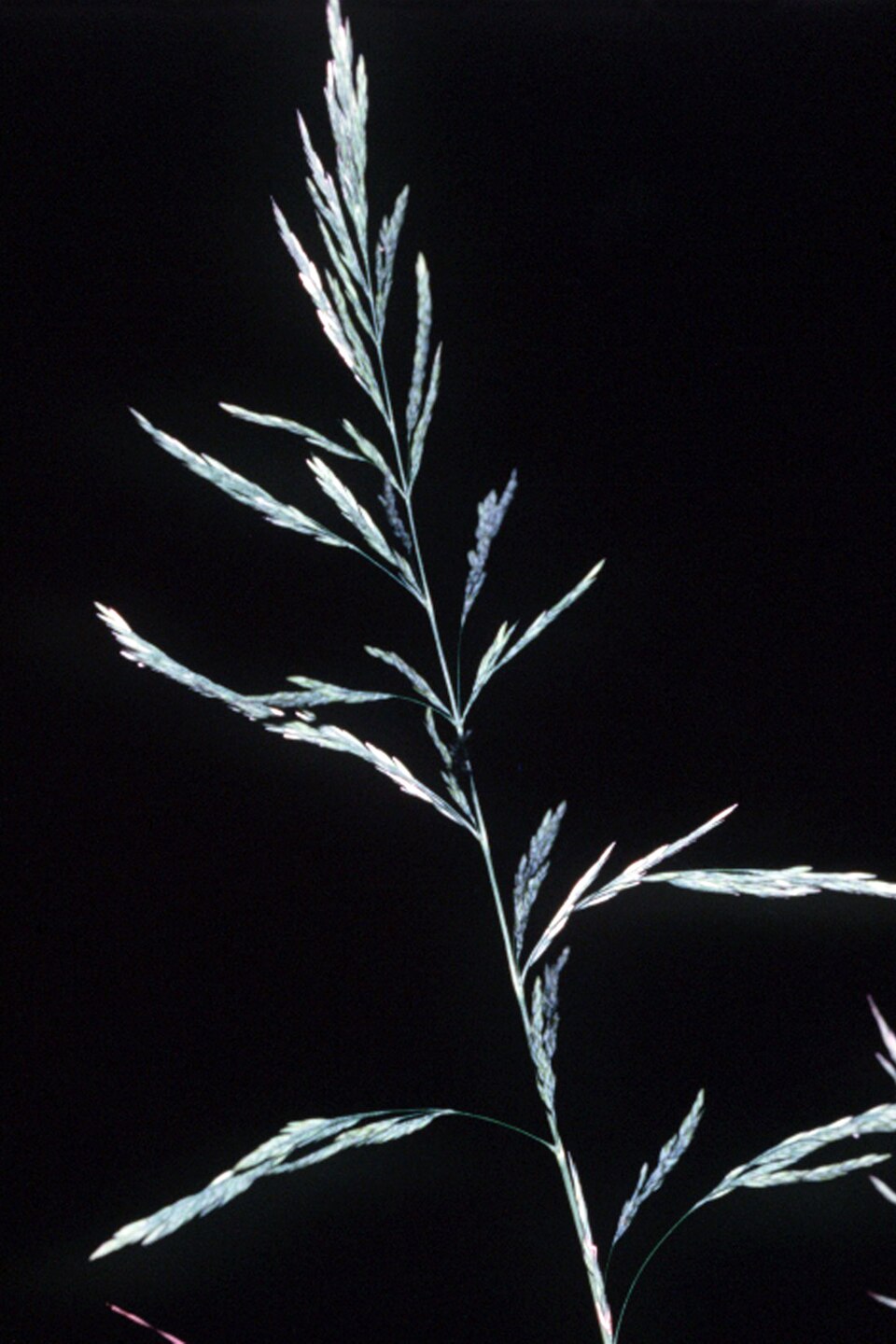
At a glance
- Bloom
- July to October
- Fruiting season
- Summer to fall
Not yet recorded · Life cycle · Leaves
Recorded in 97 Virginia counties.
Natural habitats
Places it grows wild. Not a planting requirement. Each habitat page lists the plants and wildlife also found there.
Streams, rivers and their banks
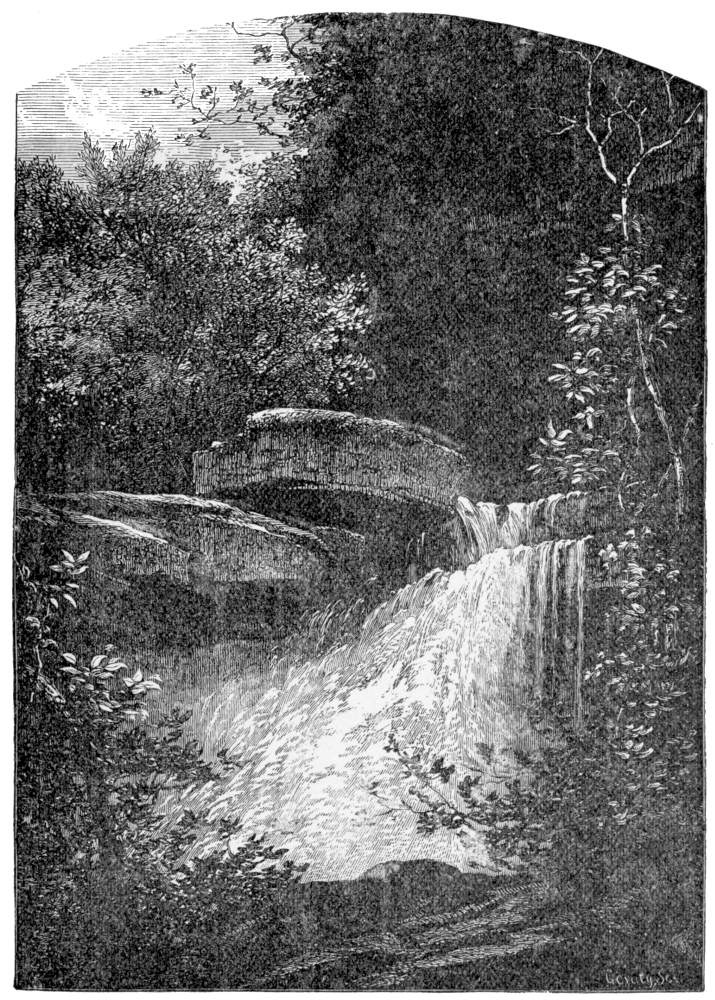
Floodplain and bottomland forests
Forests on low ground beside rivers and streams that flood from time to time.
Marshes along tidal rivers where the water is fresh but rises and falls with the tide.
Also found with this plant
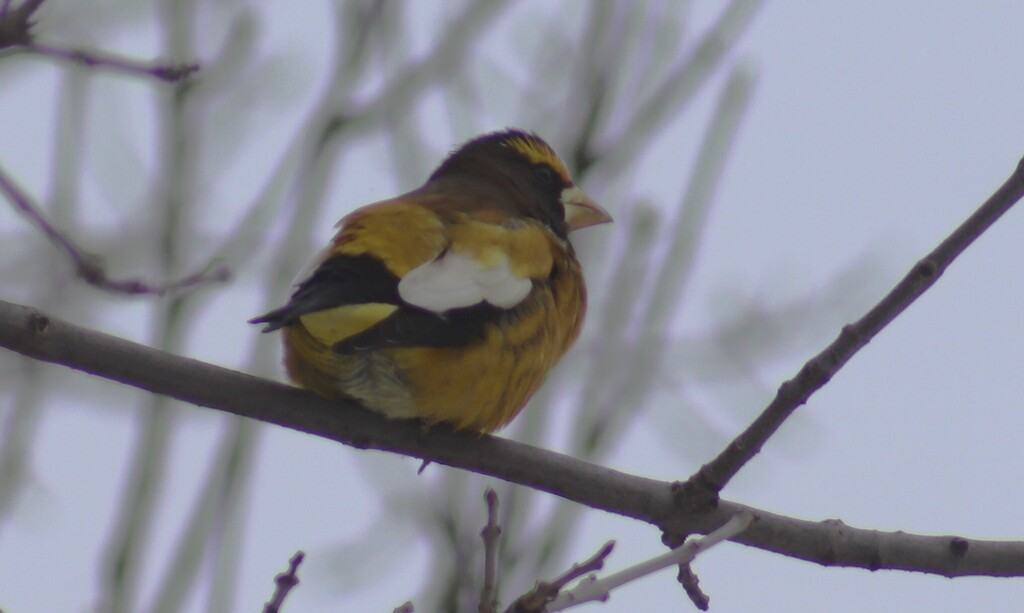
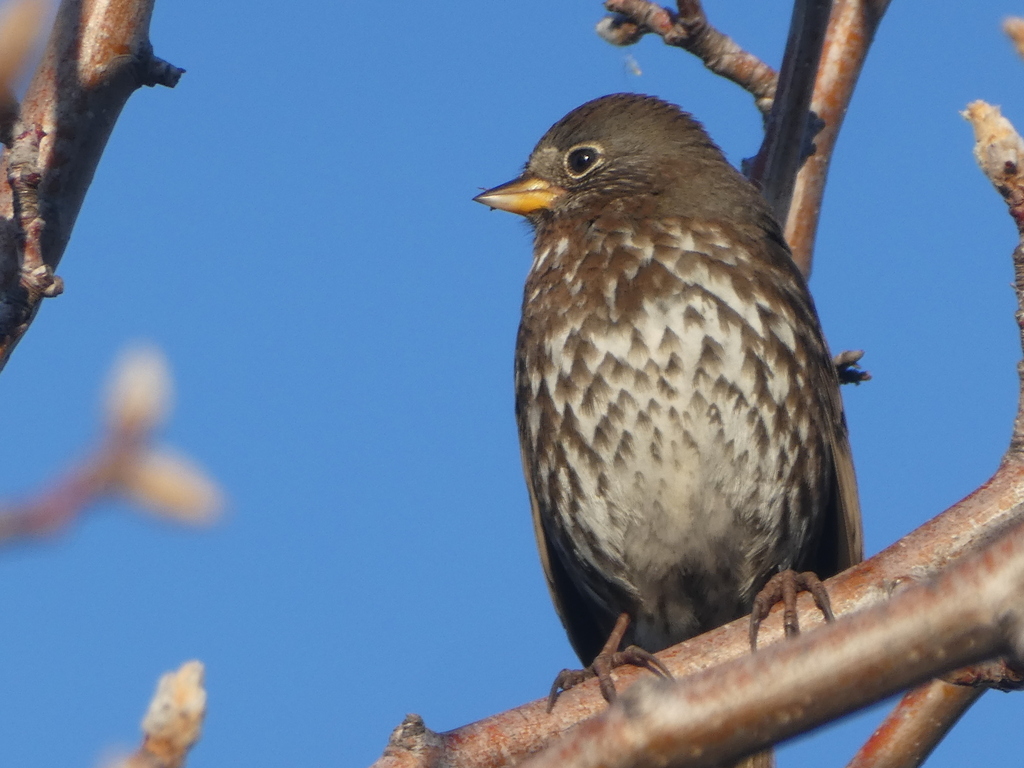
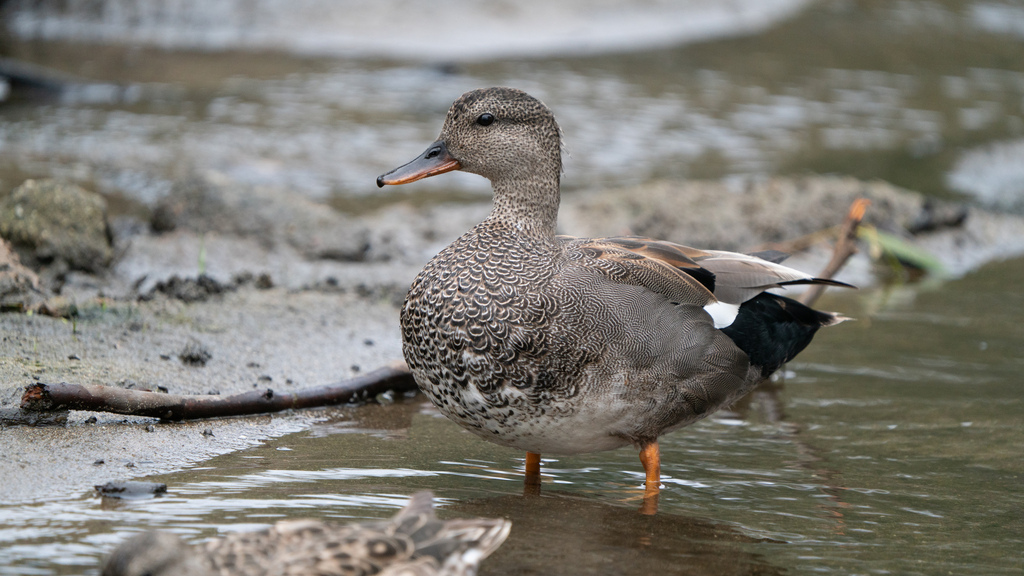
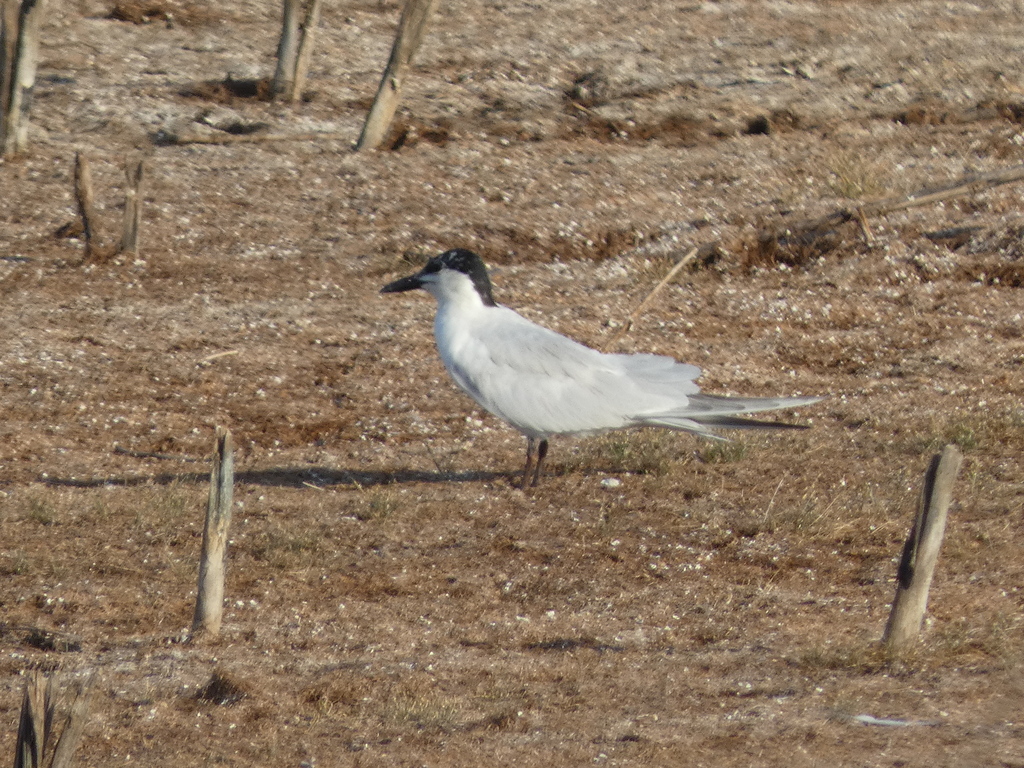
Wildlife whose habitat models include habitats this plant grows in, in Virginia. Shared habitat, not food. 169 animals.
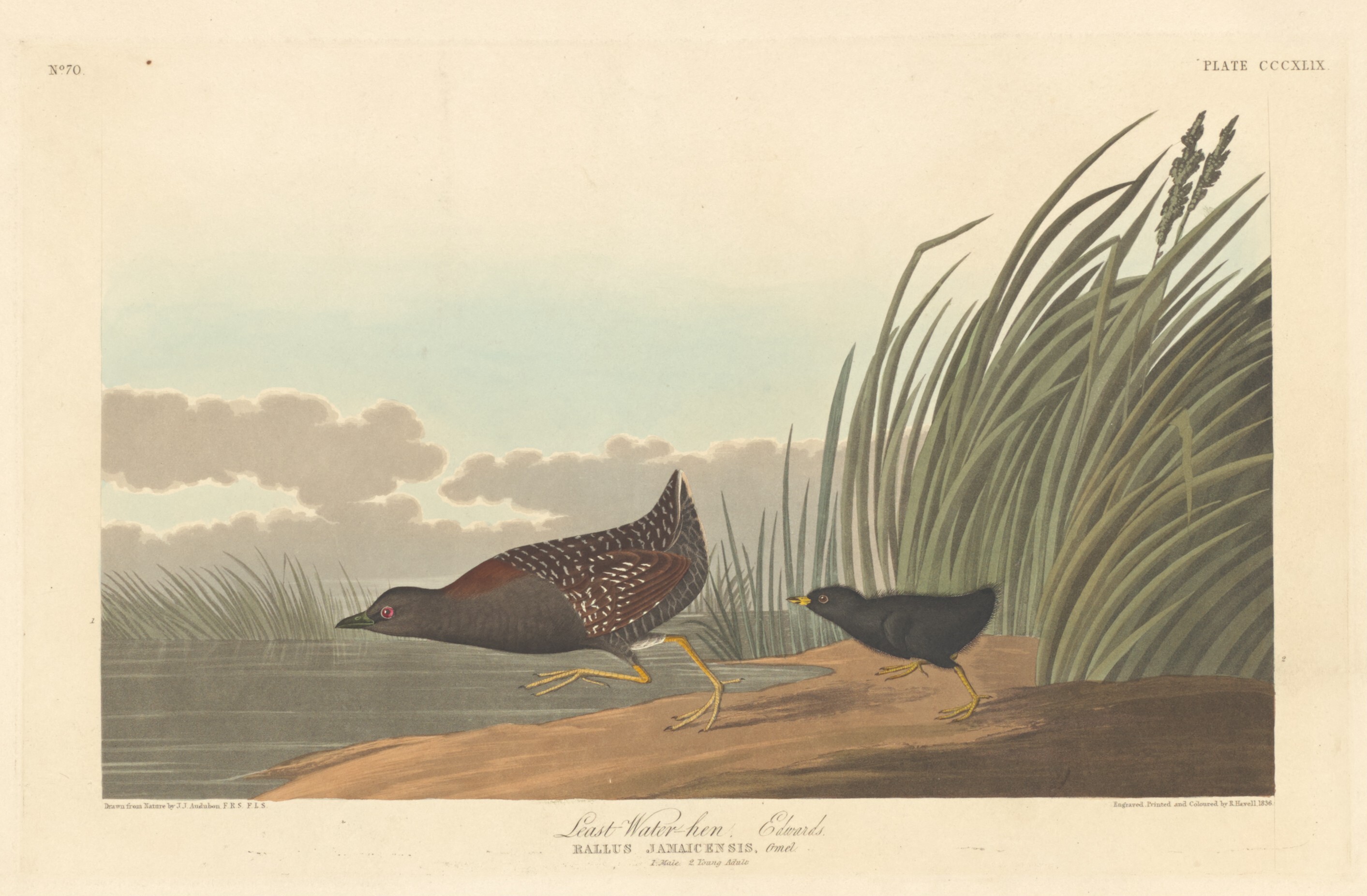
- Black RailLaterallus jamaicensis
- Black-billed CuckooCoccyzus erythropthalmus
- Black-throated Blue WarblerDendroica caerulescens
- Blue-headed VireoVireo solitarius
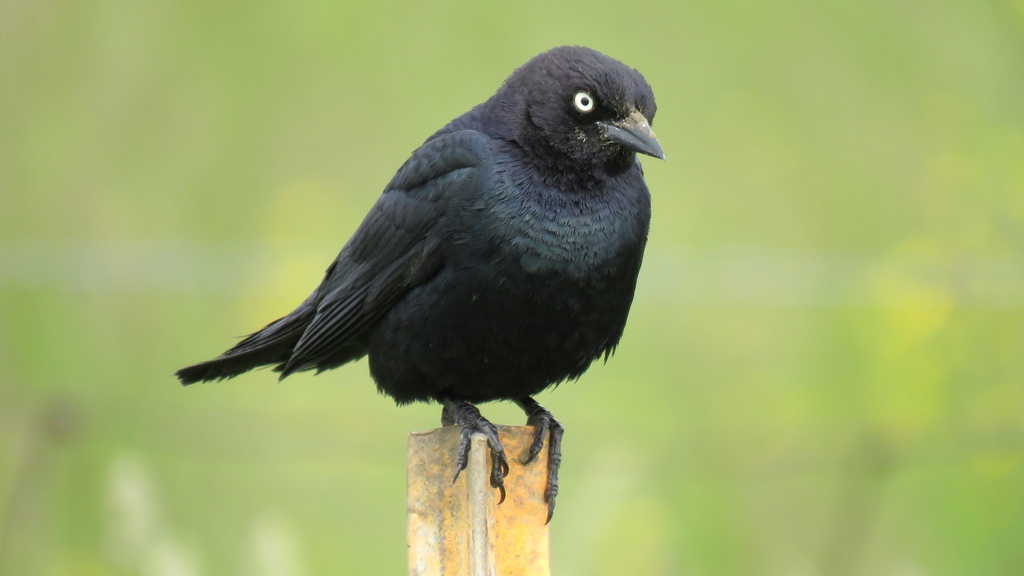
- Brewer's BlackbirdEuphagus cyanocephalus
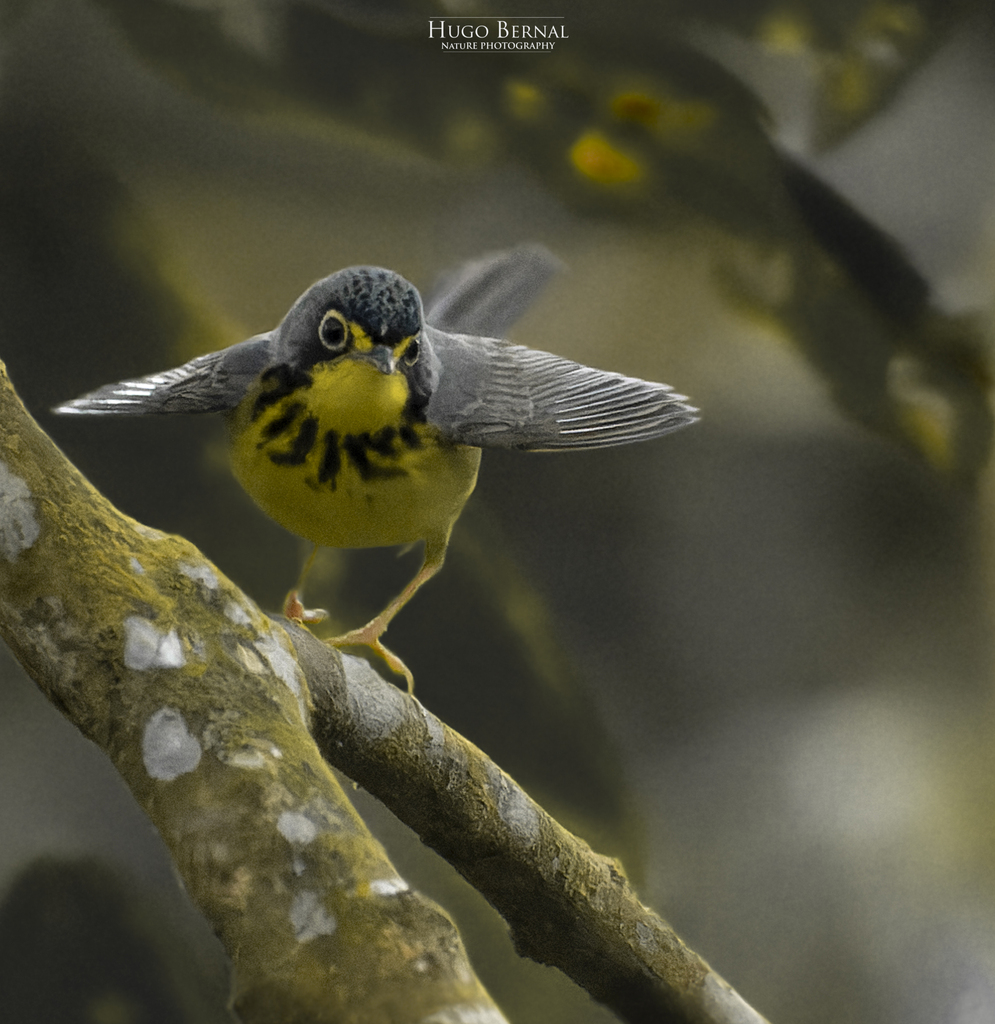
- Canada WarblerWilsonia canadensis
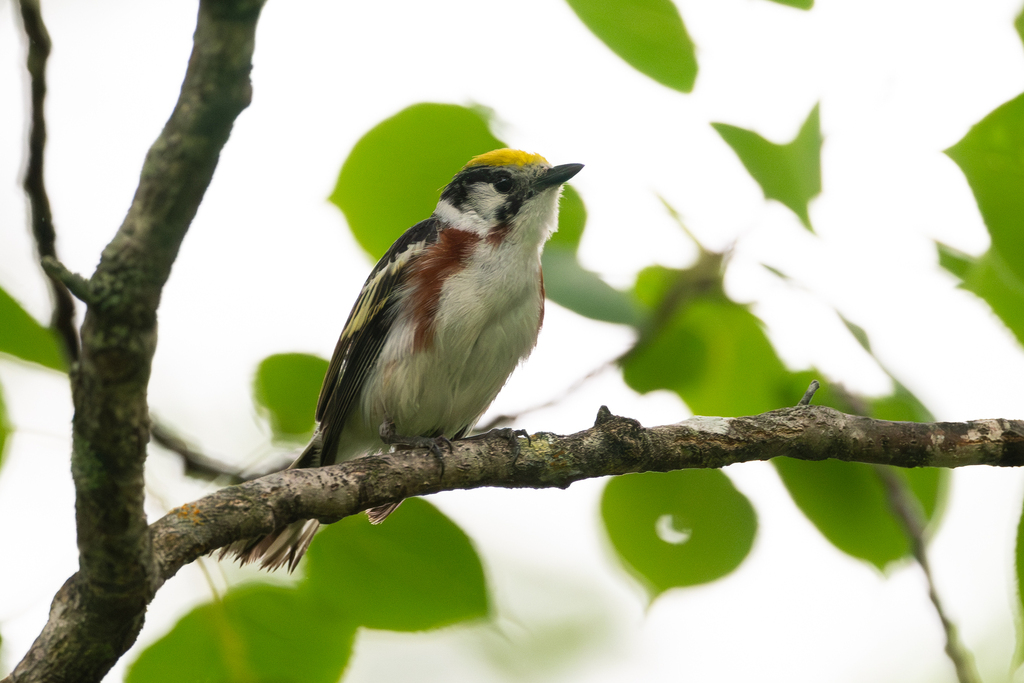
- Chestnut-sided WarblerDendroica pensylvanica
- Dark-eyed JuncoJunco hyemalis
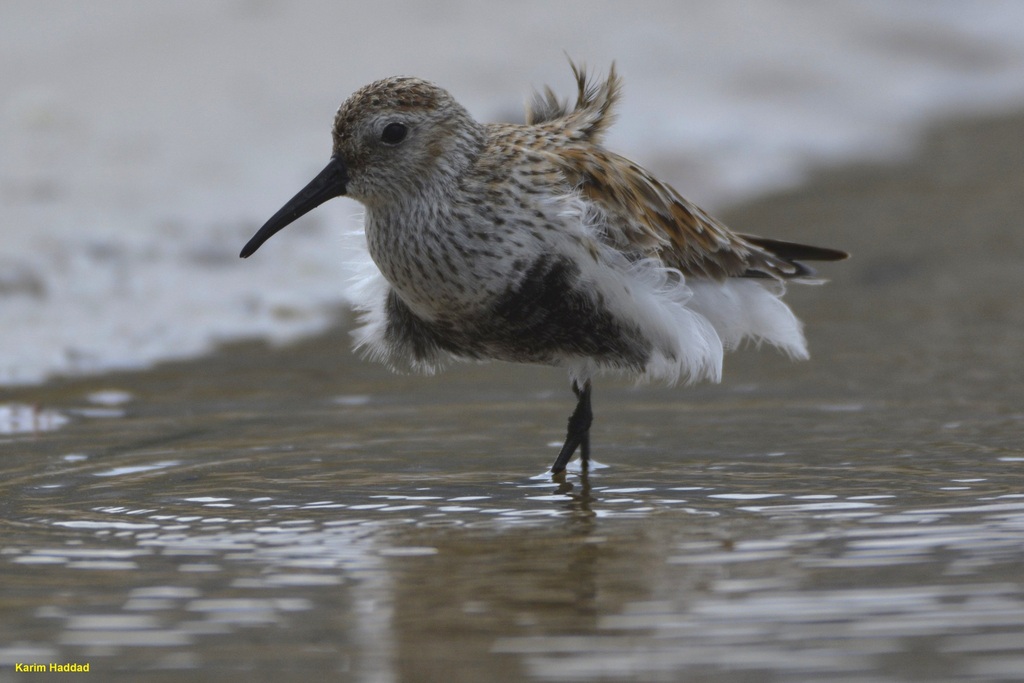
- DunlinCalidris alpina
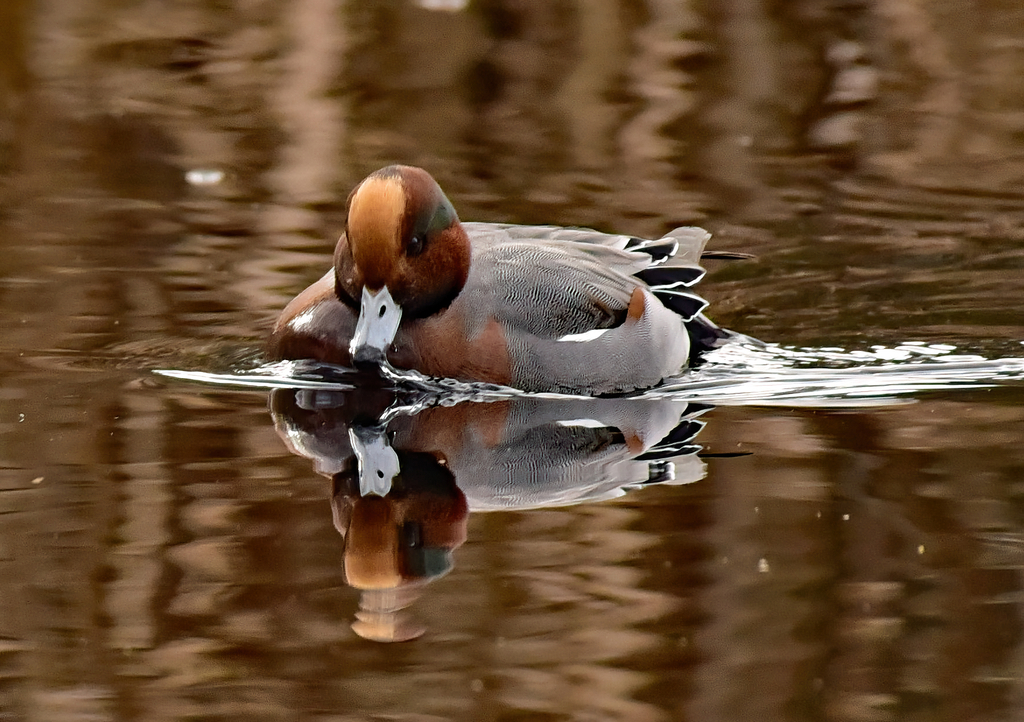
- Eurasian WigeonAnas penelope
- Evening GrosbeakCoccothraustes vespertinus
- Fox SparrowPasserella iliaca
- GadwallAnas strepera
- Gull-billed TernGelochelidon nilotica
- Henslow's SparrowAmmodramus henslowii
- Least BitternIxobrychus exilis
- Magnolia WarblerDendroica magnolia
- Northern Rough-winged SwallowStelgidopteryx serripennis
- RedheadAythya americana
- Rose-breasted GrosbeakPheucticus ludovicianus
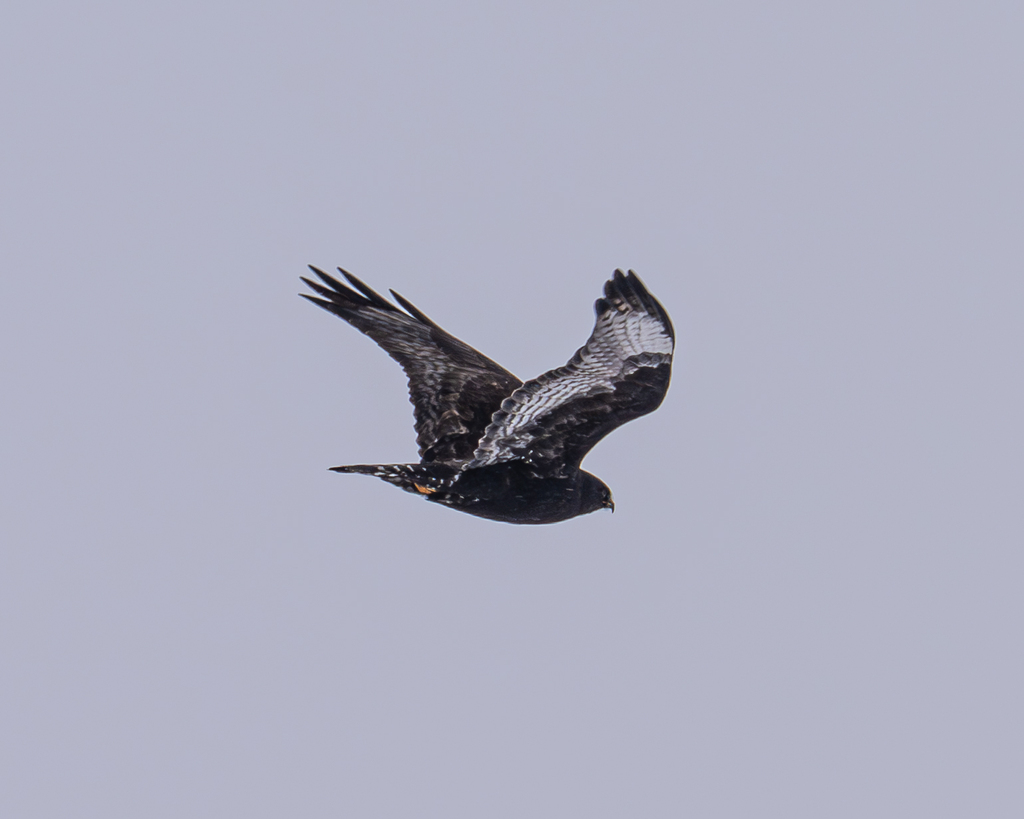
- Rough-legged HawkButeo lagopus
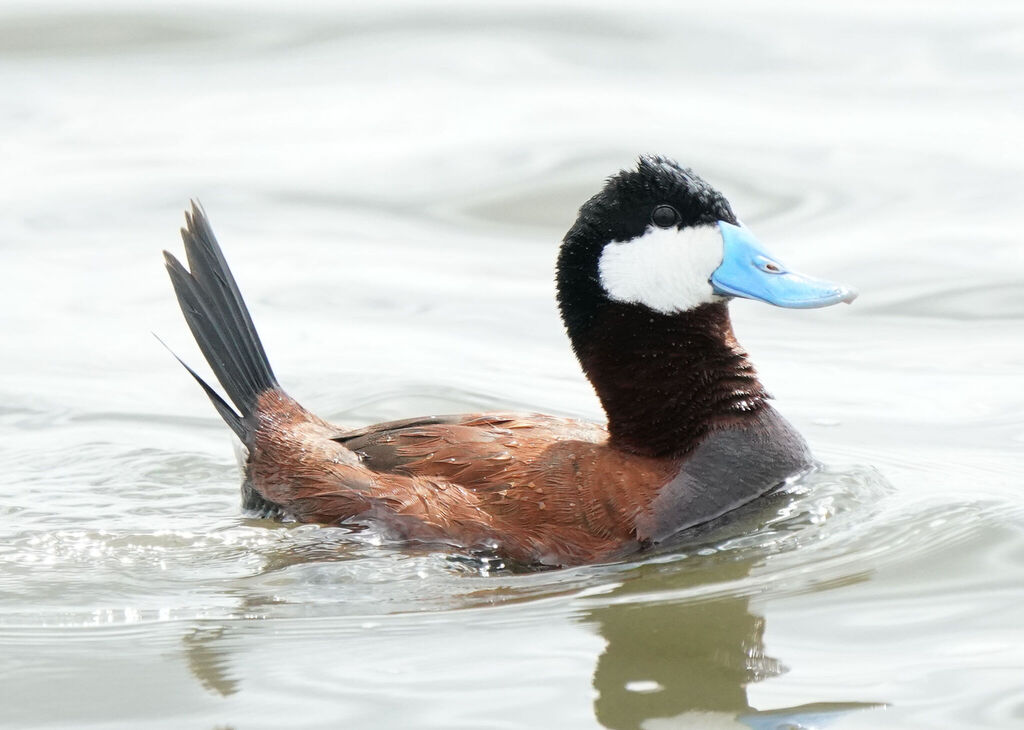
- Ruddy DuckOxyura jamaicensis
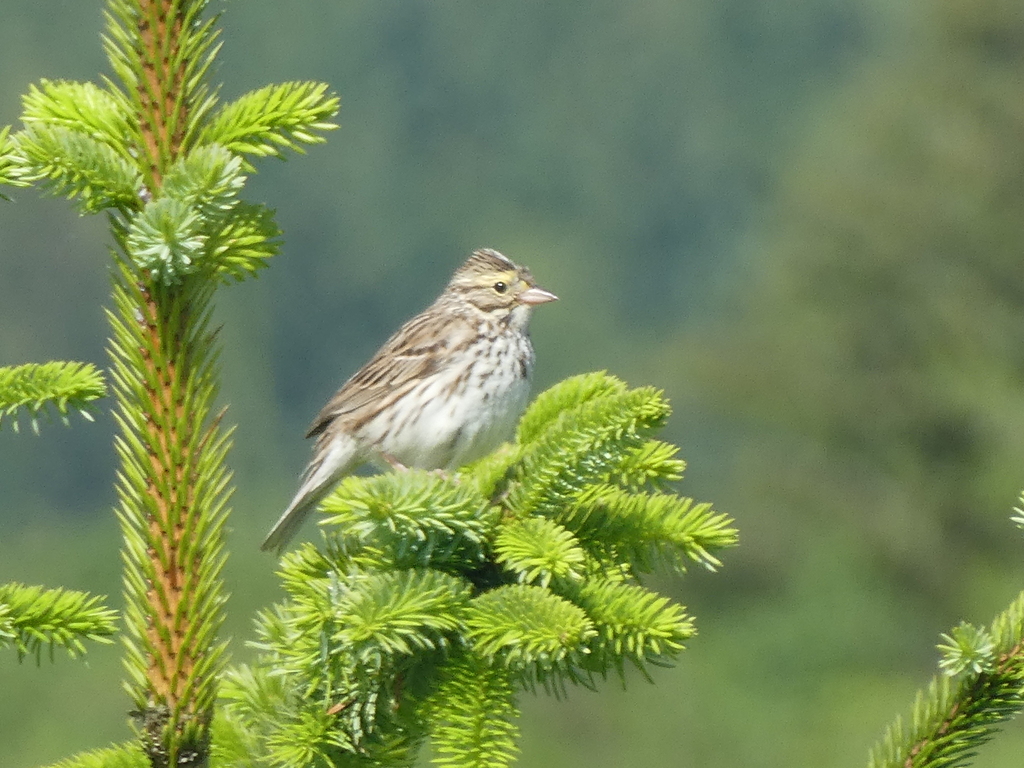
- Savannah SparrowPasserculus sandwichensis
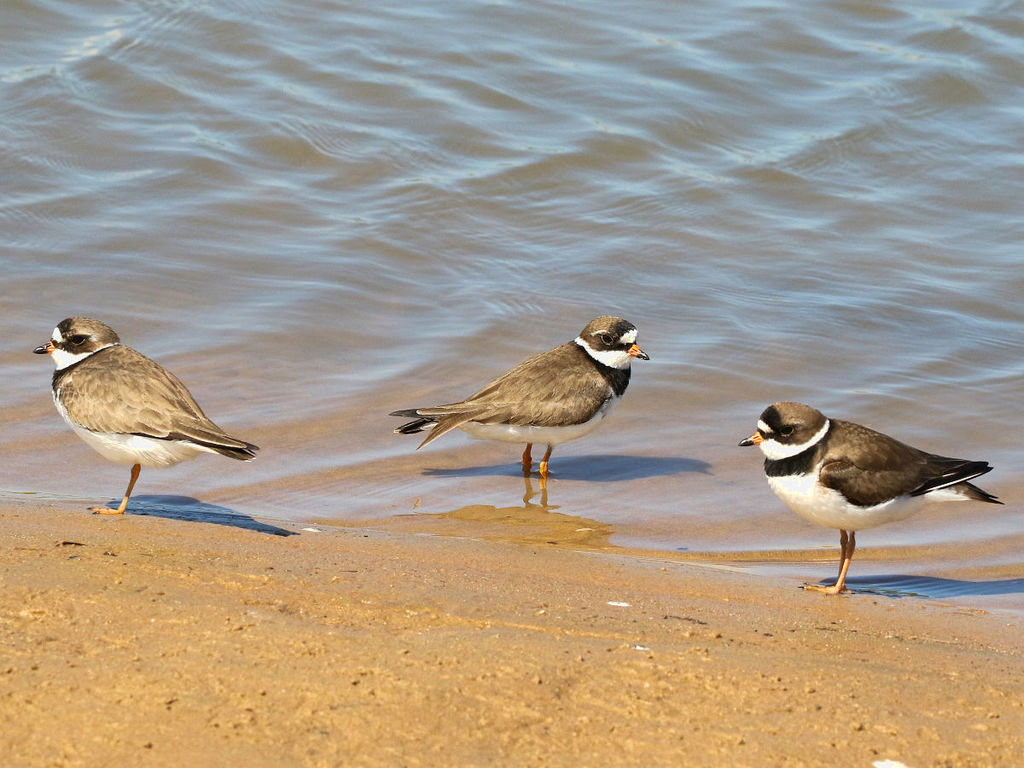
- Semipalmated PloverCharadrius semipalmatus




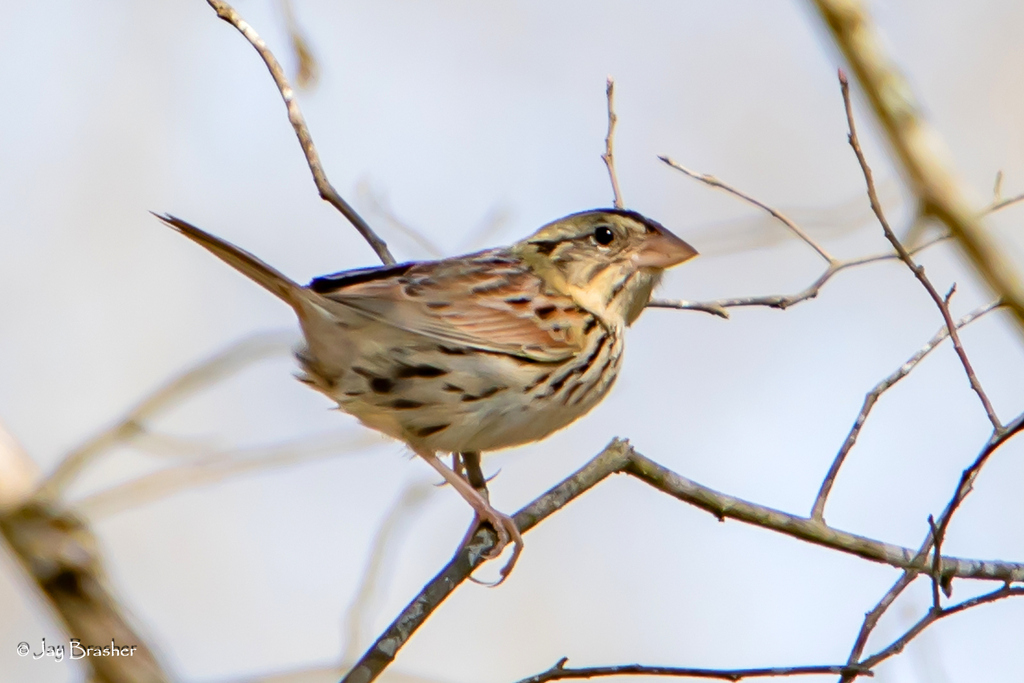

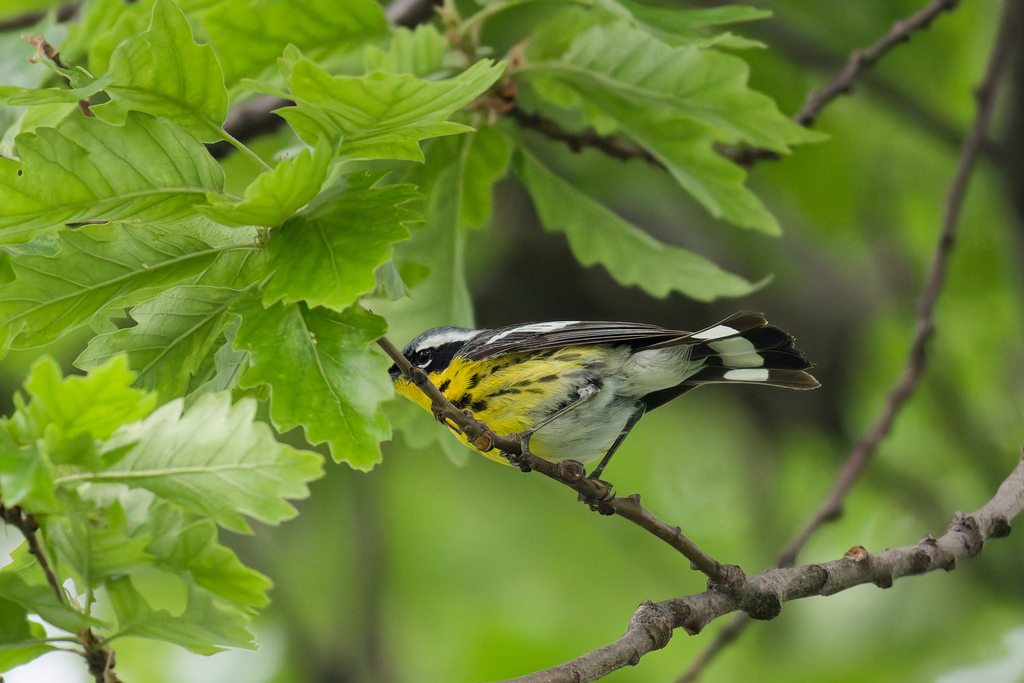

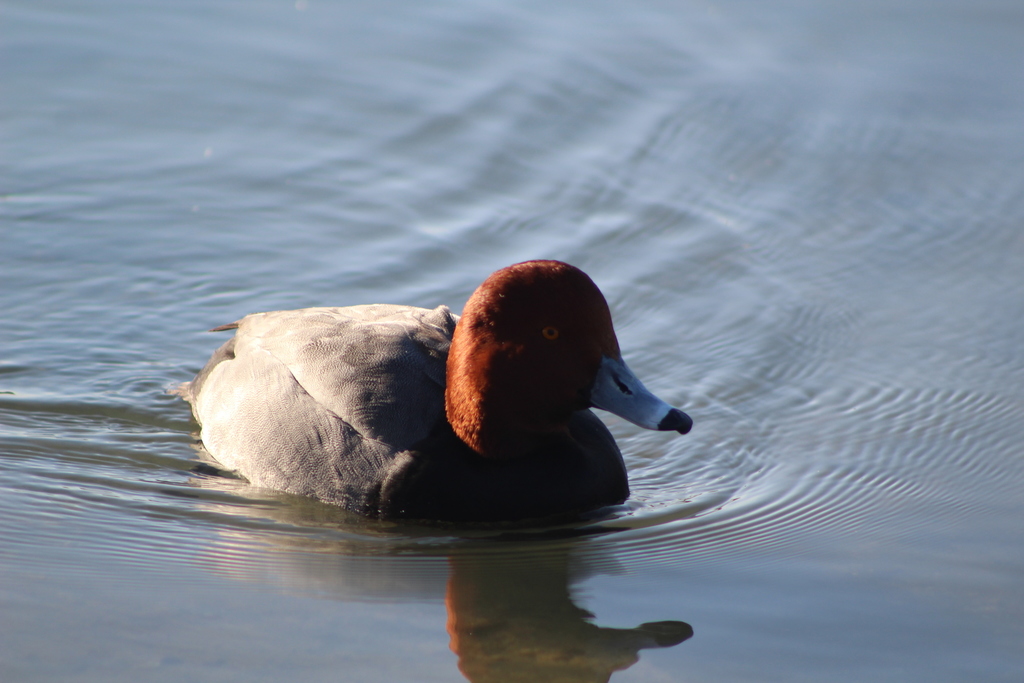
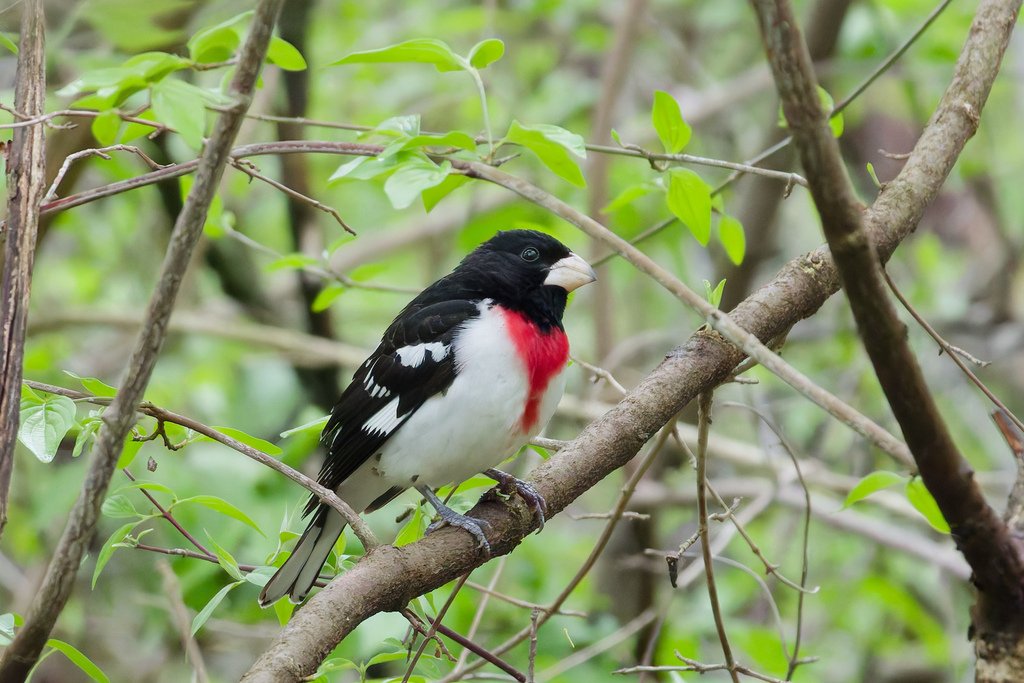

Care
- In full sun, keep the soil consistently moist.
Care sources
Who uses this plant?
 0CaterpillarsGenus host records with ranges including VA
 0BeesSoutheastern regional records
 0Specialist beesPollen specialists
 1BirdsRecorded genus food-resource interactions; not a state feeding claim
Recorded genus food-resource interactions; not a state feeding claim · Cinna
- Porzana carolinaSora
Direct food only: birds recorded eating this genus across North America. Caterpillars on host plants also feed nesting birds. NC Native Plant Society: butterfly gardening
No records yet · Ants · Beetles · Flies · Adult butterflies / moths · Other wasps · Other insects
Plant details
- Family
- Poaceae
- Hardiness
- Zones 4–7
- Flower color
- Green
- Growth rate
- Moderate
- Growth habit
- Grows in clumps
- Foliage color
- Green
- Fruit begins
- Summer
- Fruit ends
- Fall
Safety has not been reviewed for this plant; check toxicity and thorns before planting.
Growing sources and scope
- Bloom · “July to October” · Weakley, Flora of the Southeastern United States (2025), Carolinas & Georgia edition (ranked first; USDA PLANTS, Prairie Moon 2026 Cultural Guide differ) · Carolinas and Georgia
- Flower color · “Green” · USDA PLANTS · Nationwide species characteristics; local growing conditions may vary
- Foliage color · “Green” · USDA PLANTS · Nationwide species characteristics; local growing conditions may vary
- Fruit begins · “Summer” · USDA PLANTS · Nationwide species characteristics; local growing conditions may vary
- Fruit ends · “Fall” · USDA PLANTS · Nationwide species characteristics; local growing conditions may vary
- Growth habit · “Grows in clumps” · USDA PLANTS · Nationwide species characteristics; local growing conditions may vary
- Growth rate · “Moderate” · USDA PLANTS · Nationwide species characteristics; local growing conditions may vary
- Hardiness · “Zones 4–7” · Missouri Botanical Garden Plant Finder
- Height · “About 4.9 feet” · USDA PLANTS (ranked first; Missouri Botanical Garden Plant Finder, Prairie Moon 2026 Cultural Guide differ) · Nationwide species characteristics; local growing conditions may vary
- Light · “Full sun to part shade” · Missouri Botanical Garden Plant Finder (ranked first; Prairie Moon 2026 Cultural Guide differs)
- Soil · “Medium to wet” · Missouri Botanical Garden Plant Finder (ranked first; Prairie Moon 2026 Cultural Guide differs)
- Spread · “1–2 feet” · Missouri Botanical Garden Plant Finder
Also known as
Common Woodreed
Conservation status
| Virginia rank | S5 |
|---|---|
| Global rank | G5 |
| VA status | Not verified |
| Federal status | Not verified |
Will it fit your yard?
Check this plant against your county, sun and soil moisture. Conditions are checked in your browser.
Sources
- Digital Atlas of the Virginia Flora
- USDA PLANTS
- Vascular Plants of North Carolina (NC Natural Heritage Program)
- Weakley, Flora of the Southeastern United States (2025), Carolinas & Georgia edition
- NatureServe Explorer
- Shropshire & Tallamy 2025, Lepidoptera of North America north of Mexico, ZooKeys 1261 (ODbL)
- Noori, Seltmann & Orr 2026, A curated and integrated dataset for exploring global bee-plant interactions (GloBI), Zenodo, CC BY 4.0
- Smith, Bachelder, Russell, Morales, Mosher & Seltmann 2024, Bee-Specialization-Modeling v0.6.1 (specialist host table compiled from J. Fowler's pollen specialist bee lists), Zenodo, CC BY 4.0
- Hurlbert, Olsen, Sawyer & Winner 2021, Avian Diet Database, Scientific Data 8: 260 (CC0)
- Narango, Tallamy & Shropshire 2020, Few keystone plant genera support the majority of Lepidoptera species, Nature Communications