

Maryland Golden-aster
Chrysopsis mariana
Found in longleaf pine sandhills, dry pine flatwoods, dry forests and woodlands, roadsides, other dry habitats. FloraQuest, phone app (app page) What its natural habitat tells you
Native to Virginia. How scores work Is it native here?
Profile 100%
- Height
- 1–2.5 feet
- Spread
- 1–2 feet
- Light
- Full sun, Partial shade
- Soil moisture
- Somewhat dry to moist
Space about 1.5 ft apart from its recorded spread, about 44 per 100 sq ft. Enter your bed size for a count
Will it fit your yard?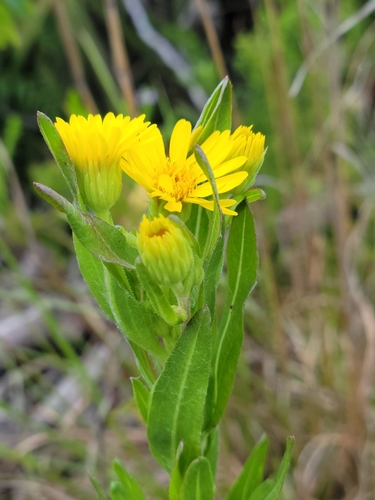
At a glance
- Life cycle
- Biennial or perennial
- Bloom
- Summer and fall
Not yet recorded · Leaves
Recorded in 98 Virginia counties.
Natural habitats
Places it grows wild. Not a planting requirement. Each habitat page lists the plants and wildlife also found there.
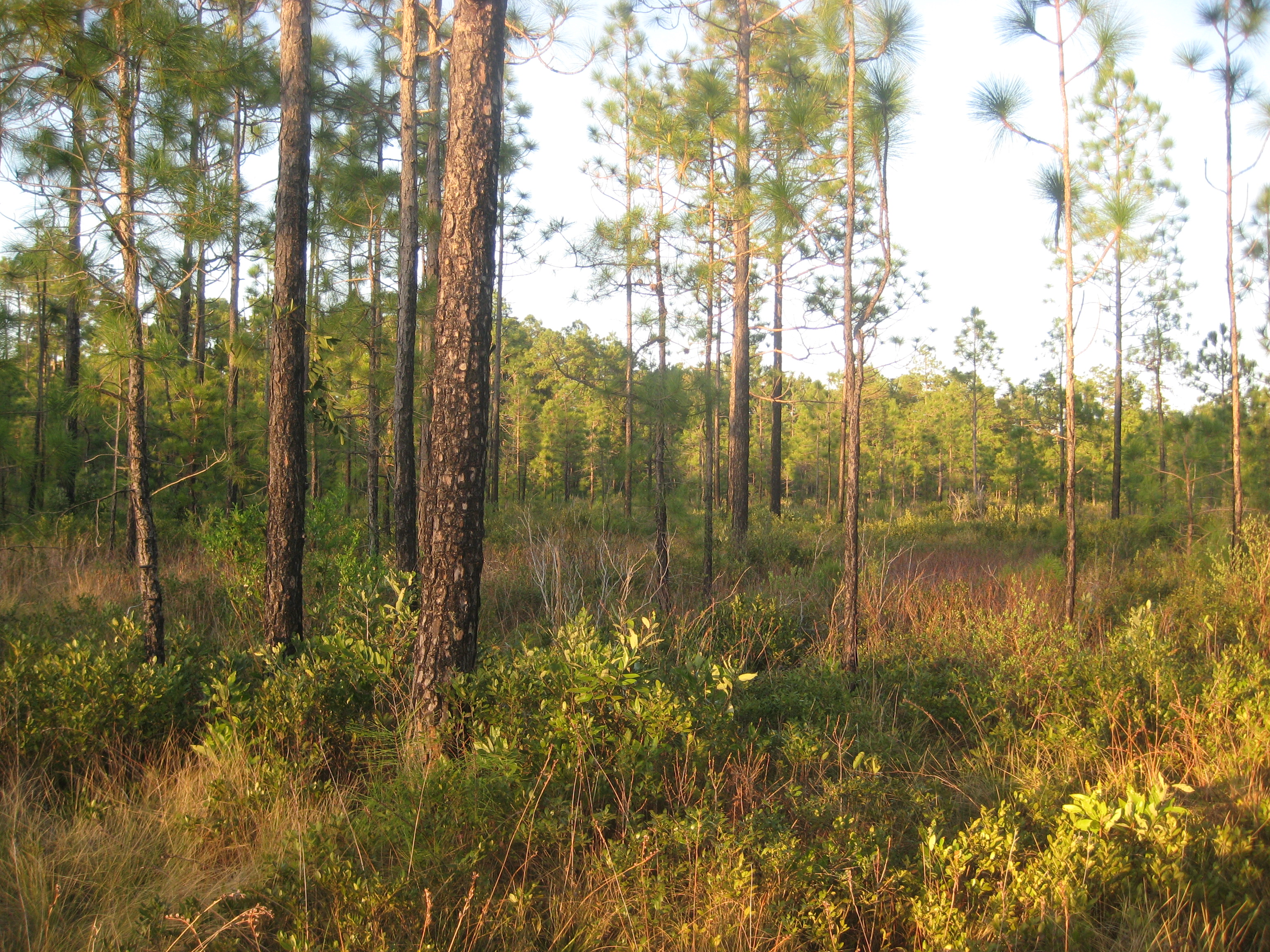
Dry, deep-sand ridges with longleaf pine and turkey oak, kept open by fire.
Forests and open woodlands on dry ridges and slopes, often oak or pine.
Forest or woodland where the source does not say how moist or dry.
Roadsides, fields and disturbed ground
Ground opened by people: roadsides, old fields, pastures, fencerows and lots.
Also found with this plant
Wildlife whose habitat models include habitats this plant grows in, in Virginia. Shared habitat, not food. 91 animals.
- Eastern Screech-owlMegascops asio
- Eastern TowheePipilo erythrophthalmus
- Eastern Wood-peweeContopus virens
- Eurasian Collared-doveStreptopelia decaocto
- European StarlingSturnus vulgaris
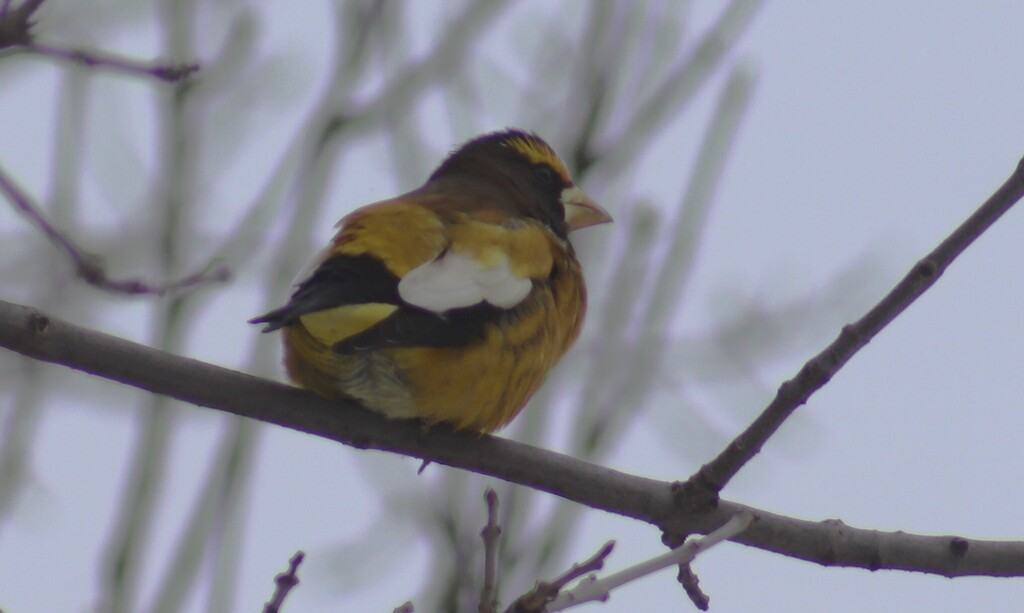
- Evening GrosbeakCoccothraustes vespertinus
- Golden-crowned KingletRegulus satrapa
- Great Crested FlycatcherMyiarchus crinitus
- Great Horned OwlBubo virginianus
- Hairy WoodpeckerPicoides villosus
- Hooded MerganserLophodytes cucullatus
- Mourning DoveZenaida macroura
- Northern BobwhiteColinus virginianus
- Northern CardinalCardinalis cardinalis
- Northern FlickerColaptes auratus
- Northern MockingbirdMimus polyglottos
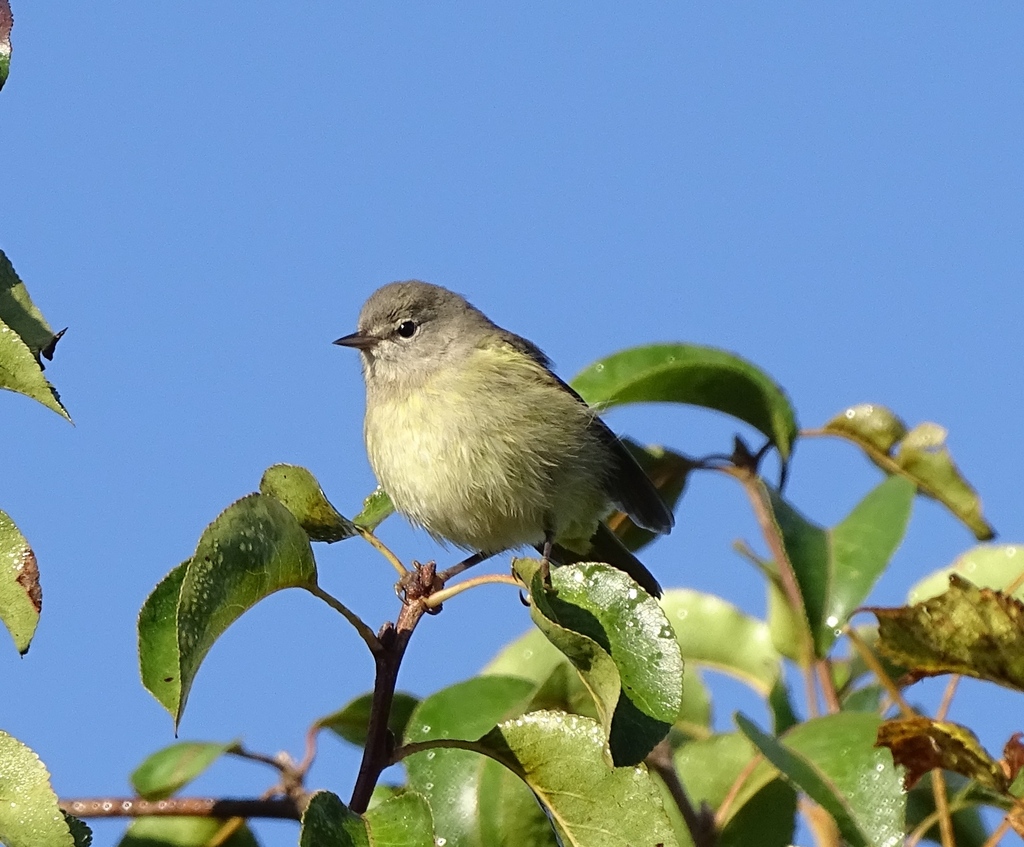
- Orange-crowned WarblerVermivora celata
- OspreyPandion haliaetus
- Pileated WoodpeckerDryocopus pileatus
- Pine SiskinCarduelis pinus
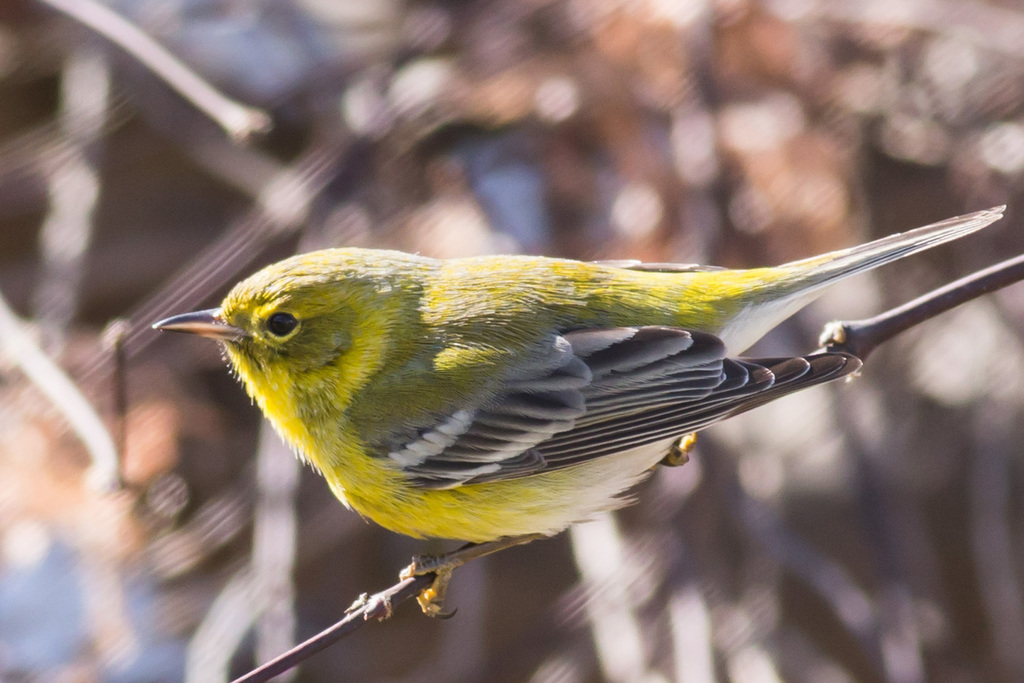
- Pine WarblerDendroica pinus
- Purple FinchCarpodacus purpureus
- Red-bellied WoodpeckerMelanerpes carolinus
- Red-tailed HawkButeo jamaicensis





















Who uses this plant?
 17CaterpillarsGenus host records with ranges including VA
Genus host records with ranges including VA · Heterotheca
- Chloridea virescensTobacco Budworm Moth
- Chlorochlamys chloroleucariaBlackberry Looper Moth
- Cucullia alfarataCamphorweed Cucullia, Halloween Paint, Camphorweed Cucullia
- Epiblema scudderianaScudder's Epiblema, Goldenrod Gall Moth
- Eupithecia miserulataCommon Eupithacia, Common Pug
- Feltia subgothicaSubgothic Dart
- Feltia tricosaConfused Dart, Tricose Dart
- Heliocheilus paradoxusParadoxical Grass Moth
- Pleuroprucha insulsariaCommon Tan Wave
- Ponometia semiflavaHalf-Yellow Bird-Dropping Moth, Half-Yellow Moth
Show all 17
- Schinia arcigeraArcigera Flower Moth
- Schinia lynxLynx Flower Moth
- Schinia nubilaCamphorweed Flower Moth
- Schinia saturataBrown Flower Moth
- Schinia sirenAluring Schinia Moth
- Spilosoma virginicaVirginian Tiger Moth, Yellow Woolybear Moth, Yellow Bear
- Synchlora frondariaSouthern Emerald
 37BeesSoutheastern regional records
Southeastern regional records · Heterotheca
Individual names are not available yet.
Noori, Seltmann & Orr 2026, A curated and integrated dataset for exploring global bee-plant interactions (GloBI), Zenodo, CC BY 4.0 22Specialist beesPollen specialists
Pollen specialists · Heterotheca
- Andrena fulvipennis
- Ashmeadiella bucconis
- Colletes speculiferus
- Colletes thysanellae
- Dieunomia heteropoda
- Dieunomia nevadensis
- Hesperapis carinata
- Melissodes coreopsis
- Melissodes dentiventris
- Melissodes desponsus
Show all 22
- Melissodes druriellus
- Melissodes menuachus
- Perdita albipennis
- Perdita bishoppi
- Perdita boltoniae
- Perdita consobrina
- Perdita georgica
- Perdita graenicheri
- Perdita ignota
- Perdita octomaculata
- Perdita swenki
- Perdita xanthismae
 —BirdsRecorded genus food-resource interactions; not a state feeding claim
No records yet · Ants · Beetles · Flies · Adult butterflies / moths · Other wasps · Other insects
Plant details
- Family
- Asteraceae
- Hardiness
- Zones 4a–9b
- Soil pH
- Acidic to neutral
- Flower color
- Yellow
Safety has not been reviewed for this plant; check toxicity and thorns before planting.
Growing sources and scope
- Bloom · “Summer and fall” · NC Extension Plant Toolbox (ranked first; FloraQuest: Carolinas, Georgia (Southeastern Flora Team) differs)
- Flower color · “Yellow” · NC Extension Plant Toolbox
- Hardiness · “Zones 4a–9b” · NC Extension Plant Toolbox
- Height · “1–2.5 feet” · NC Extension Plant Toolbox
- Life cycle · “Biennial or perennial” · NC Extension Plant Toolbox
- Light · “Full sun (6 or more hours of direct sunlight a day); Partial shade (direct sunlight only part of the day, 2-6 hours)” · NC Extension Plant Toolbox (ranked first; Virginia DCR Piedmont, Virginia DCR Coastal Plain differ)
- primary_flower_color · “yellow” · NC Extension Plant Toolbox
- Soil · “Good drainage; Moist; Occasionally dry; Occasionally wet” · NC Extension Plant Toolbox (ranked first; NC Extension Plant Toolbox, Virginia DCR Piedmont, Virginia DCR Coastal Plain differ)
- Soil pH · “Acidic to neutral” · NC Extension Plant Toolbox
- Spread · “1–2 feet” · NC Extension Plant Toolbox
Also known as
Heterotheca mariana; Maryland Golden aster; Maryland Goldenaster; golden aster; golden-aster
Conservation status
| Virginia rank | S5 |
|---|---|
| Global rank | G5 |
| VA status | Not verified |
| Federal status | Not verified |
Will it fit your yard?
Check this plant against your county, sun and soil moisture. Conditions are checked in your browser.
Sources
- Digital Atlas of the Virginia Flora
- USDA PLANTS
- Vascular Plants of North Carolina (NC Natural Heritage Program)
- FloraQuest: Northern Tier (Weakley), phone app (app page)
- NatureServe Explorer
- Shropshire & Tallamy 2025, Lepidoptera of North America north of Mexico, ZooKeys 1261 (ODbL)
- Noori, Seltmann & Orr 2026, A curated and integrated dataset for exploring global bee-plant interactions (GloBI), Zenodo, CC BY 4.0
- Smith, Bachelder, Russell, Morales, Mosher & Seltmann 2024, Bee-Specialization-Modeling v0.6.1 (specialist host table compiled from J. Fowler's pollen specialist bee lists), Zenodo, CC BY 4.0
- Hurlbert, Olsen, Sawyer & Winner 2021, Avian Diet Database, Scientific Data 8: 260 (CC0)
- Narango, Tallamy & Shropshire 2020, Few keystone plant genera support the majority of Lepidoptera species, Nature Communications