

Southern Catalpa
Catalpa bignonioides
Found in bottomlands and streambanks (as a native), escaped or persistent after cultivation. FloraQuest, phone app (app page) What its natural habitat tells you
Not native to Virginia. How scores work Is it native here?
Profile 82%
- Height
- 30–60 feet
- Spread
- 20–40 feet
- Light
- Full sun, Partial shade
- Soil moisture
- Usually moist
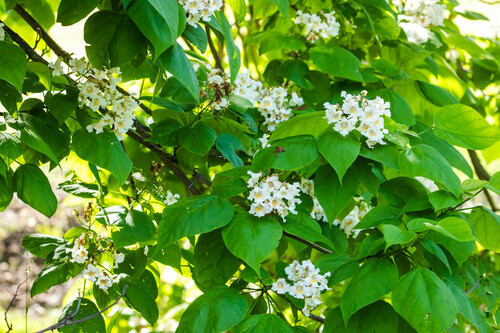
Plant this instead
Choose your county to list local plants first.
- Slippery ElmUlmus rubra
Similar growth form, height, spread
Dutch elm disease. This elm is susceptible to Dutch elm disease. Caution source
Dutch elm disease. This elm is susceptible to Dutch elm disease. Caution source
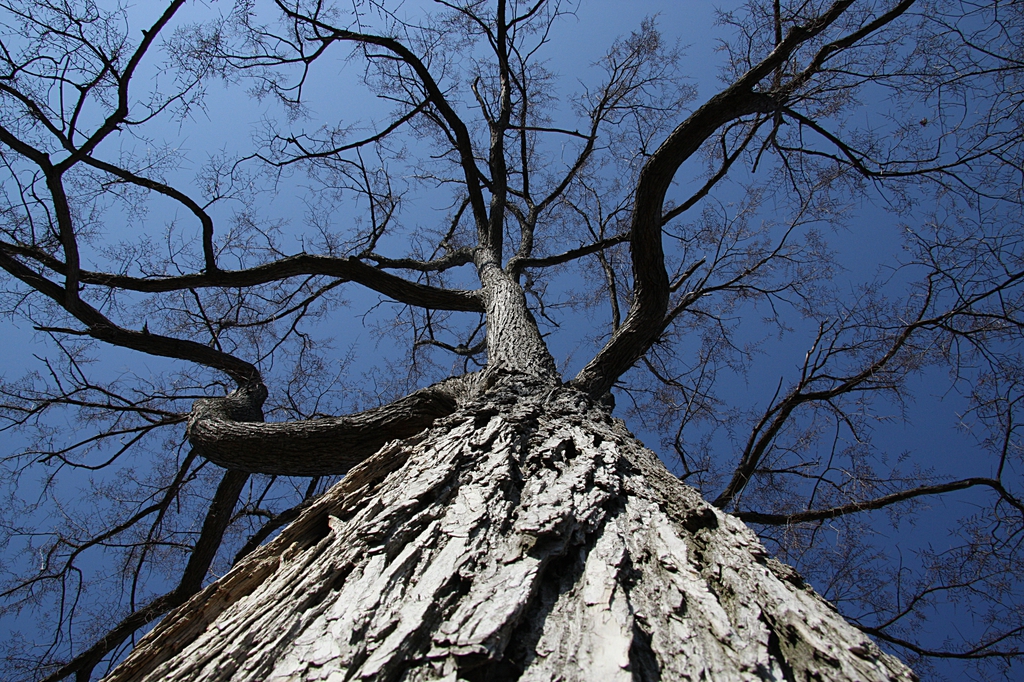
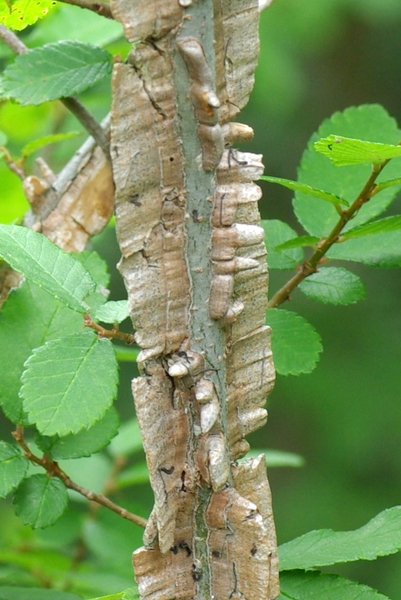
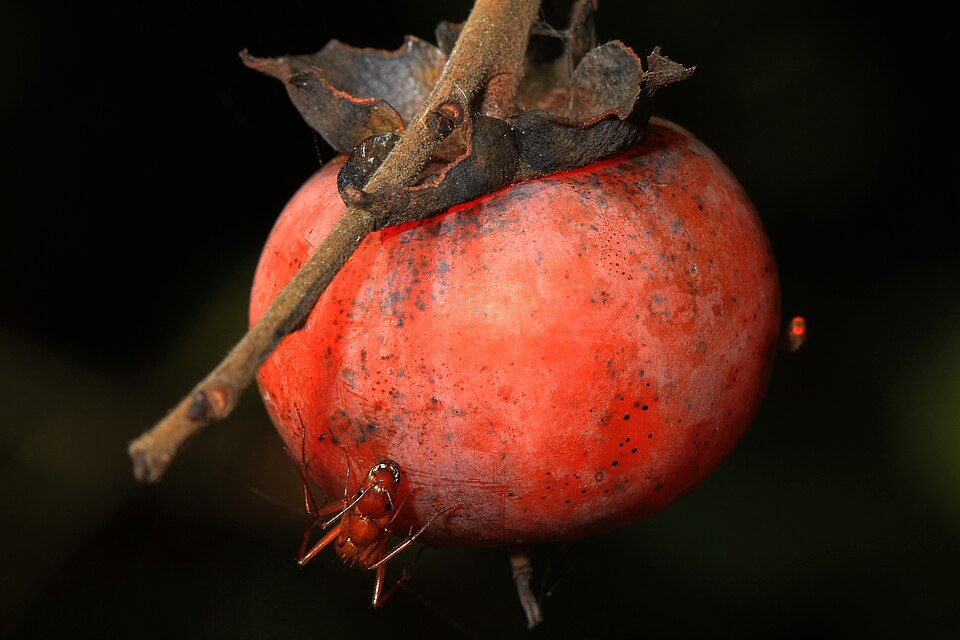
No recorded swaps for this county. Try the garden finder.
At a glance
- Life cycle
- Woody perennial
- Leaves
- Deciduous
- Bloom
- May and July
- Fruiting season
- October
Recorded in 21 Virginia counties.
Natural habitats
Places it grows wild. Not a planting requirement. Each habitat page lists the plants and wildlife also found there.
Streams, rivers and their banks
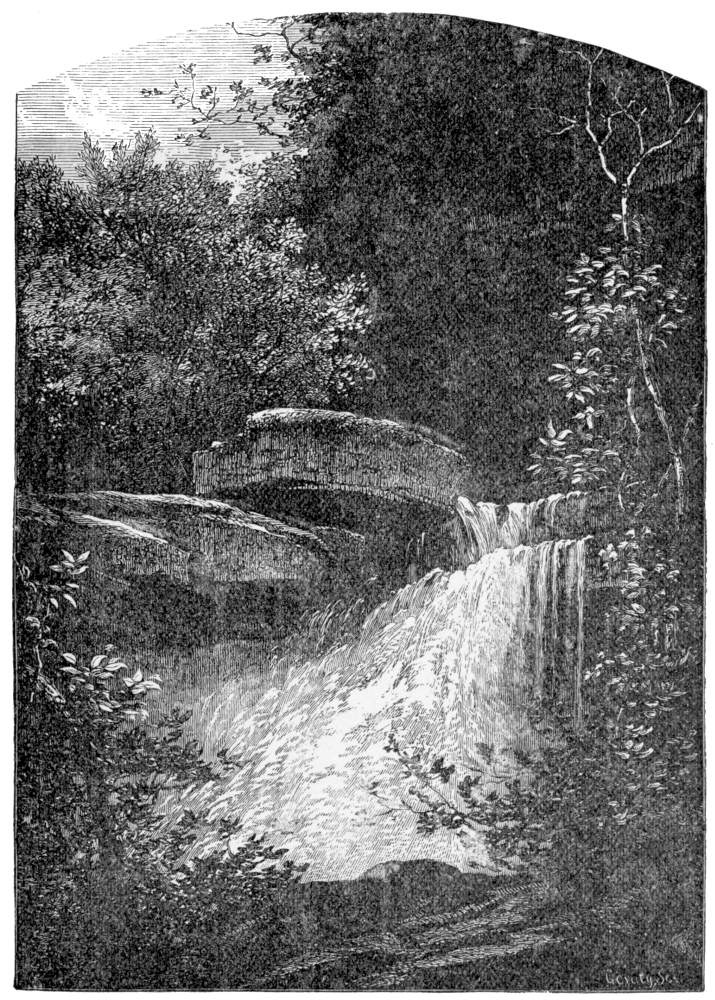
Floodplain and bottomland forests
Forests on low ground beside rivers and streams that flood from time to time.
Also found with this plant
Wildlife whose habitat models include habitats this plant grows in, in Virginia. Shared habitat, not food. 127 animals.
- Acadian FlycatcherEmpidonax virescens
- Alder FlycatcherEmpidonax alnorum
- American Black DuckAnas rubripes
- American GoldfinchCarduelis tristis
- American RedstartSetophaga ruticilla
- American RobinTurdus migratorius
- Belted KingfisherMegaceryle alcyon
- Black-and-White WarblerMniotilta varia
- Black-capped ChickadeePoecile atricapillus
- Black-crowned Night-heronNycticorax nycticorax
- Blue GrosbeakPasserina caerulea
- Blue JayCyanocitta cristata
- Blue-gray GnatcatcherPolioptila caerulea
- Brown CreeperCerthia americana
- Brown-headed CowbirdMolothrus ater
- Canada GooseBranta canadensis
- Carolina WrenThryothorus ludovicianus
- Cedar WaxwingBombycilla cedrorum
- Chimney SwiftChaetura pelagica
- Cliff SwallowPetrochelidon pyrrhonota
- Common NighthawkChordeiles minor
- Common RavenCorvus corax
- Common YellowthroatGeothlypis trichas
- Cooper's HawkAccipiter cooperii








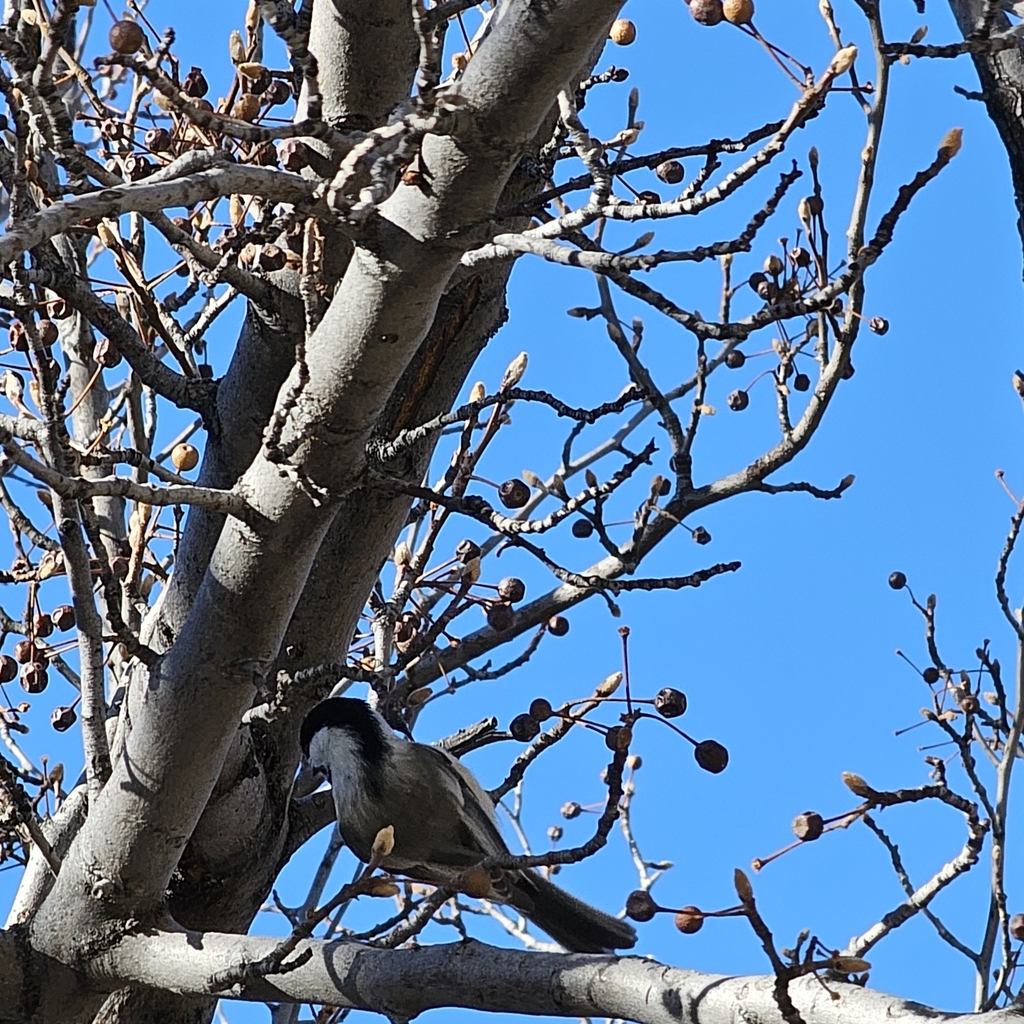















Who uses this plant?
 9CaterpillarsGenus host records with ranges including VA
Genus host records with ranges including VA · Catalpa
- Ceratomia catalpaeCatalpa Sphinx
- Hyphantria cuneaFall Webworm
- Nematocampa resistariaFilament Bearer, Horned Spanworm Moth
- Orgyia leucostigmaWhite-Marked Tussock Moth
- Paleacrita vernataSpring Cankerworm Moth
- Papaipema nebrisStalk Borer
- Papilio glaucusEastern Tiger Swallowtail
- Thyridopteryx ephemeraeformisEvergreen Bagworm Moth
- Xylophanes tersaTersa Sphinx
 —BeesSoutheastern regional records
 —Specialist beesPollen specialists
 —BirdsRecorded genus food-resource interactions; not a state feeding claim
Plant details
- Family
- Bignoniaceae
- Hardiness
- Zones 5a–9b
- Soil pH
- Acidic to alkaline
- Flower color
- Purple or white
- Growth rate
- Rapid
- Growth habit
- Single crown
- Foliage color
- Green
- Fruit begins
- October
- Fruit ends
- October
Safety has not been reviewed for this plant; check toxicity and thorns before planting.
Growing sources and scope
- Bloom · “May to early July” · FloraQuest: Carolinas, Georgia (Southeastern Flora Team), phone app (app page) (ranked first; USDA PLANTS differs) · Carolinas and Georgia
- Flower color · “Purple or white” · NC Extension Plant Toolbox (ranked first; USDA PLANTS differs)
- Foliage color · “Green” · USDA PLANTS · Nationwide species characteristics; local growing conditions may vary
- Fruit begins · “October” · FloraQuest: Carolinas, Georgia (Southeastern Flora Team), phone app (app page) (ranked first; USDA PLANTS differs) · Carolinas and Georgia
- Fruit ends · “October” · FloraQuest: Carolinas, Georgia (Southeastern Flora Team), phone app (app page) (ranked first; USDA PLANTS differs) · Carolinas and Georgia
- Growth habit · “Single crown” · USDA PLANTS · Nationwide species characteristics; local growing conditions may vary
- Growth rate · “Rapid” · USDA PLANTS · Nationwide species characteristics; local growing conditions may vary
- Hardiness · “Zones 5a–9b” · NC Extension Plant Toolbox
- Height · “30–60 feet” · NC Extension Plant Toolbox (ranked first; USDA PLANTS differs)
- Leaves · “Deciduous” · NC Extension Plant Toolbox
- Life cycle · “Woody perennial” · NC Extension Plant Toolbox
- Light · “Full sun (6 or more hours of direct sunlight a day); Partial shade (direct sunlight only part of the day, 2-6 hours)” · NC Extension Plant Toolbox (ranked first; Tennessee Smart Yards differs)
- Soil · “Moist” · NC Extension Plant Toolbox (ranked first; Tennessee Smart Yards differs)
- Soil pH · “Acidic to alkaline” · NC Extension Plant Toolbox
- Spread · “20–40 feet” · NC Extension Plant Toolbox
Conservation status
| Virginia rank | SNA |
|---|---|
| Global rank | G3G4 |
| VA status | Not verified |
| Federal status | Not verified |
Sources
- Digital Atlas of the Virginia Flora
- USDA PLANTS
- NatureServe Explorer
- Shropshire & Tallamy 2025, Lepidoptera of North America north of Mexico, ZooKeys 1261 (ODbL)
- Noori, Seltmann & Orr 2026, A curated and integrated dataset for exploring global bee-plant interactions (GloBI), Zenodo, CC BY 4.0
- Smith, Bachelder, Russell, Morales, Mosher & Seltmann 2024, Bee-Specialization-Modeling v0.6.1 (specialist host table compiled from J. Fowler's pollen specialist bee lists), Zenodo, CC BY 4.0
- Hurlbert, Olsen, Sawyer & Winner 2021, Avian Diet Database, Scientific Data 8: 260 (CC0)
- Narango, Tallamy & Shropshire 2020, Few keystone plant genera support the majority of Lepidoptera species, Nature Communications