

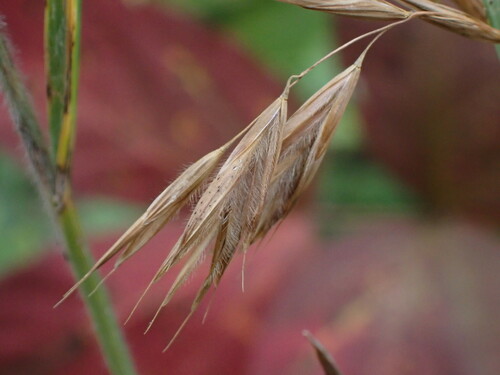
Fringed Brome
Bromus ciliatus
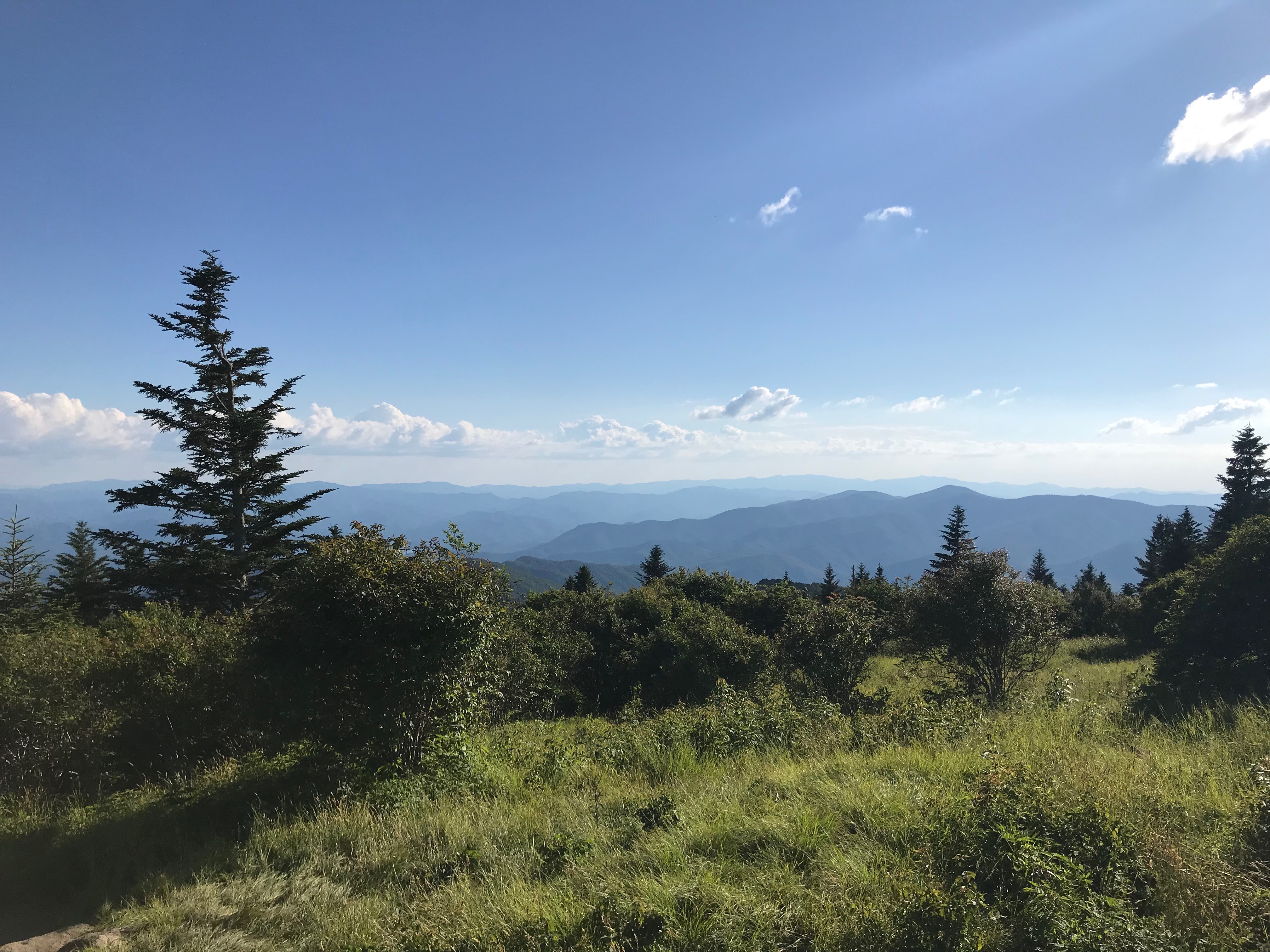
Found in seepage areas, fens, moist areas near high elevation creeks, grassy balds, high elevation woodlands, mostly over mafic or calcareous rocks. FloraQuest, phone app (app page) What its natural habitat tells you
Native to Virginia. How scores work Is it native here?
Profile 100%
- Height
- About 4 feet
- Light
- Full sun, Part shade
- Soil moisture
- Moist to wet
Rare or protected plant. Specialist conservation planting; excluded from routine garden suggestions. Plant caution source
Hidden from default planting suggestions. Wildlife value and native status remain unchanged.
At a glance
- Bloom
- July to August
- Fruiting season
- Spring to summer
Not yet recorded · Spread · Life cycle · Leaves
Recorded in 11 Virginia counties.
Natural habitats
Places it grows wild. Not a planting requirement. Each habitat page lists the plants and wildlife also found there.
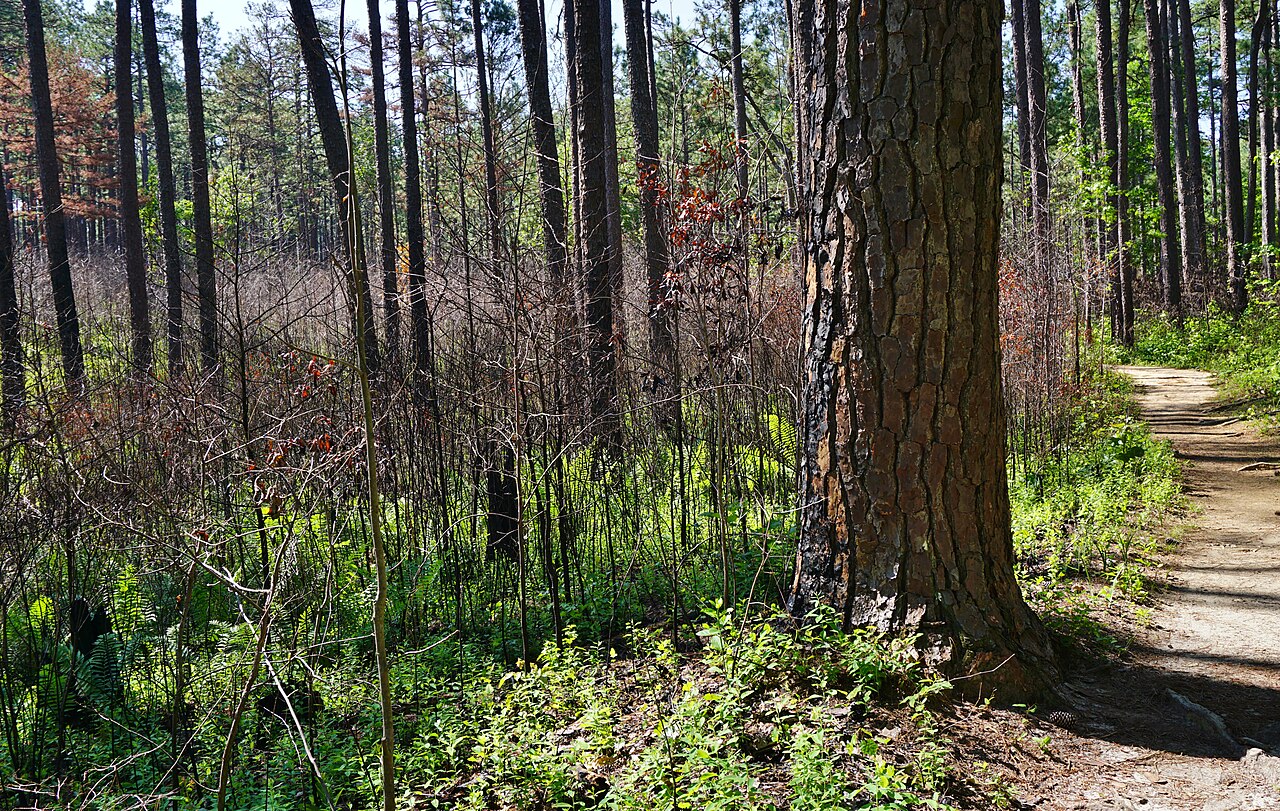
Streams, rivers and their banks
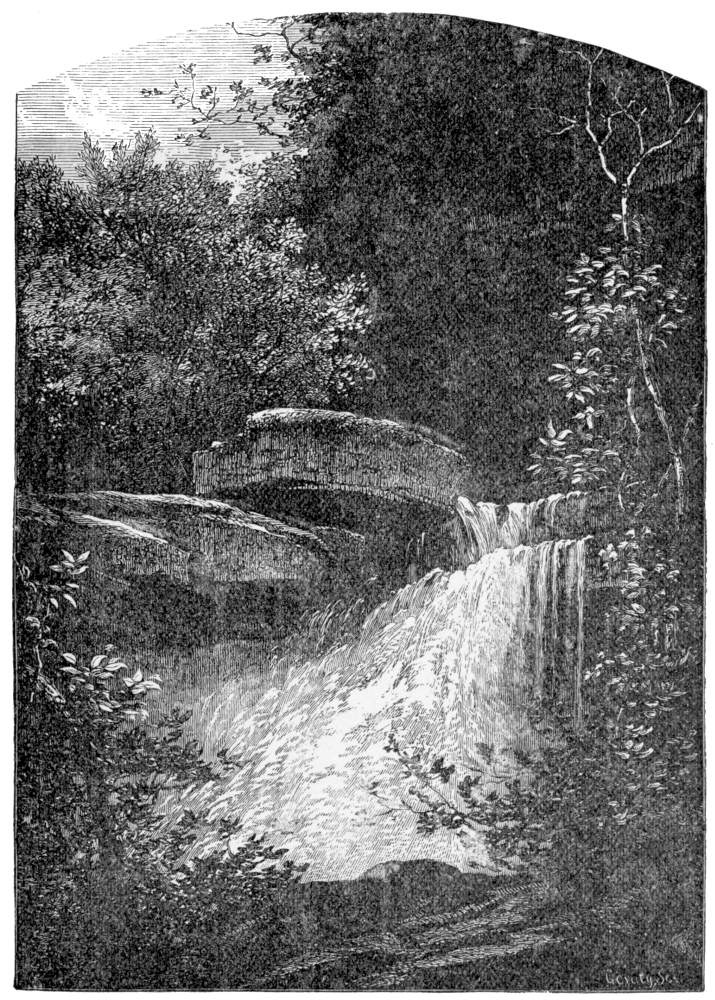
Wet, open, peaty mountain wetlands fed by seepage, often with sphagnum moss.
Forest or woodland where the source does not say how moist or dry.
Also found with this plant
Wildlife whose habitat models include habitats this plant grows in, in Virginia. Shared habitat, not food. 39 animals.
- American GoldfinchCarduelis tristis
- American KestrelFalco sparverius
- American RobinTurdus migratorius
- Blue GrosbeakPasserina caerulea
- BobolinkDolichonyx oryzivorus
- Canada GooseBranta canadensis
- Chimney SwiftChaetura pelagica
- Chipping SparrowSpizella passerina
- Common NighthawkChordeiles minor
- Common RavenCorvus corax
- Cooper's HawkAccipiter cooperii
- Dark-eyed JuncoJunco hyemalis
- Eastern KingbirdTyrannus tyrannus
- European StarlingSturnus vulgaris
- Golden EagleAquila chrysaetos
- Great Horned OwlBubo virginianus
- Horned LarkEremophila alpestris
- Indigo BuntingPasserina cyanea
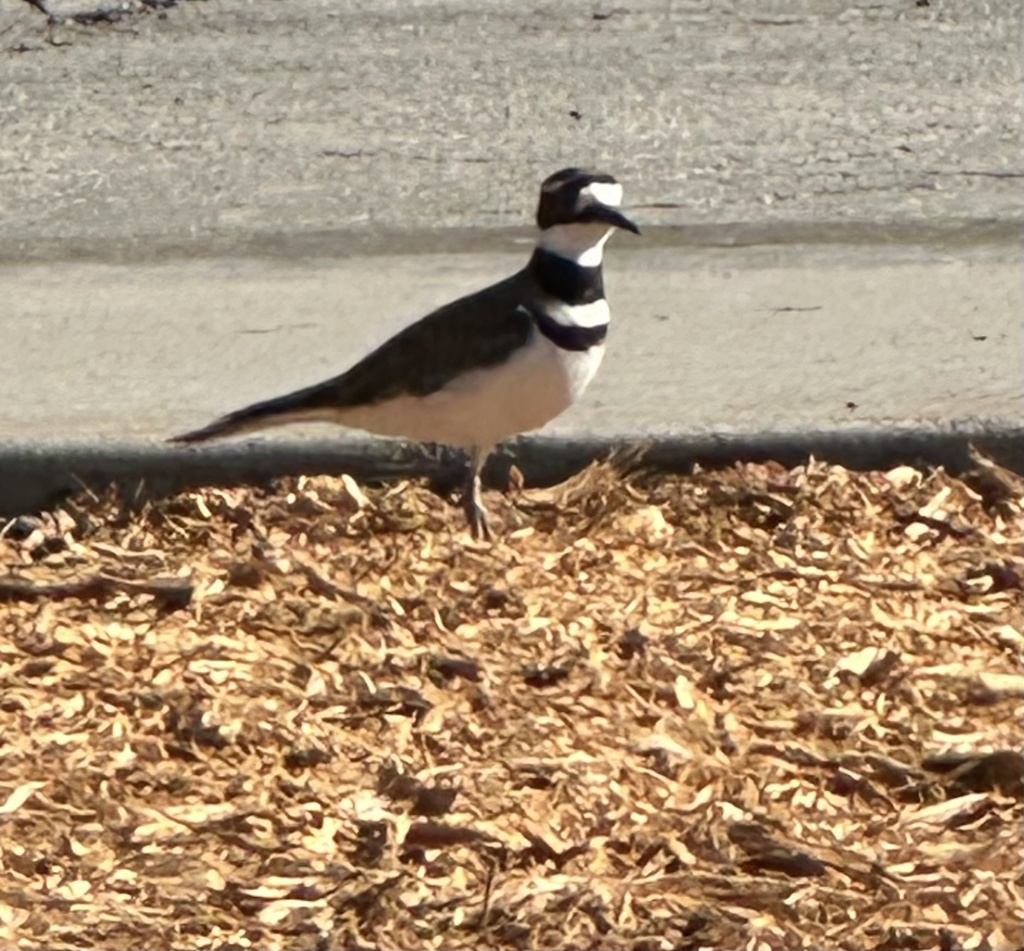
- KilldeerCharadrius vociferus
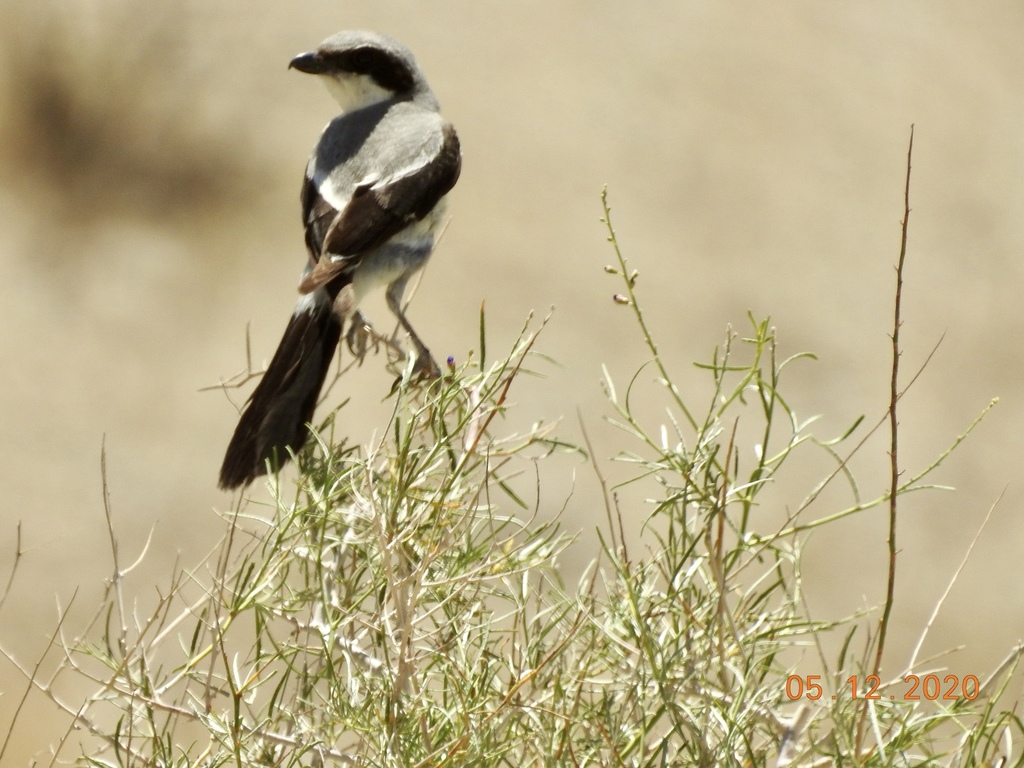
- Loggerhead ShrikeLanius ludovicianus
- Northern CardinalCardinalis cardinalis
- Northern FlickerColaptes auratus
- Northern MockingbirdMimus polyglottos
- Northern Rough-winged SwallowStelgidopteryx serripennis




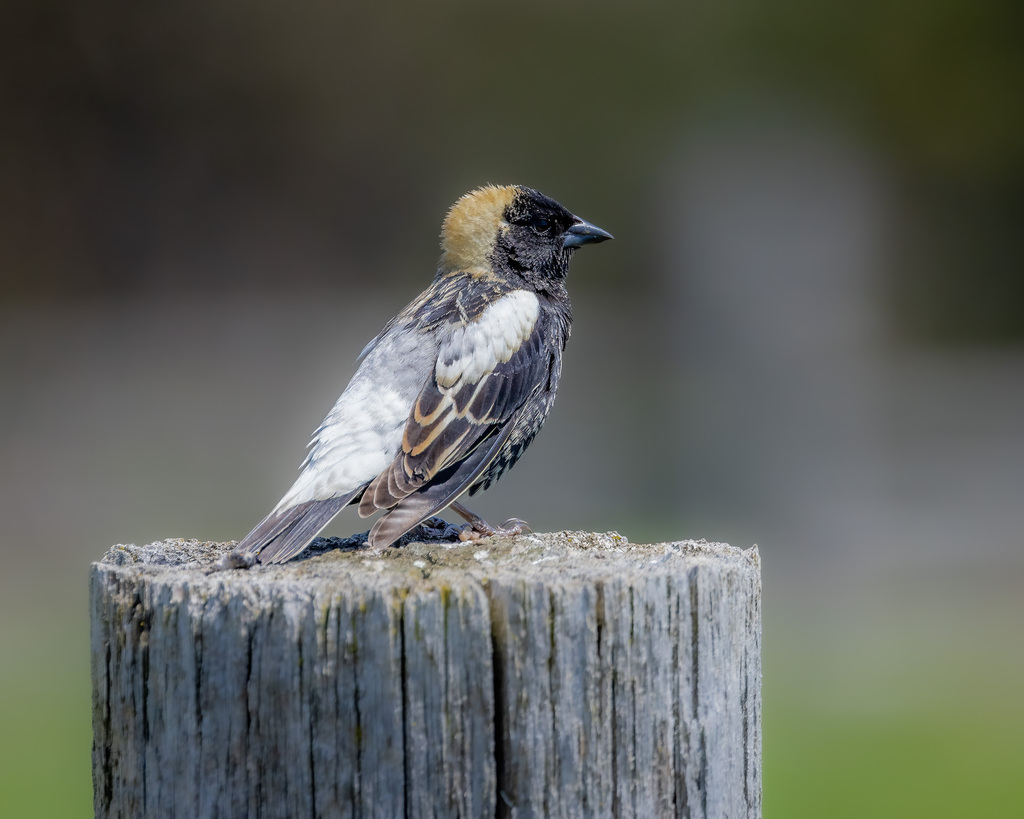




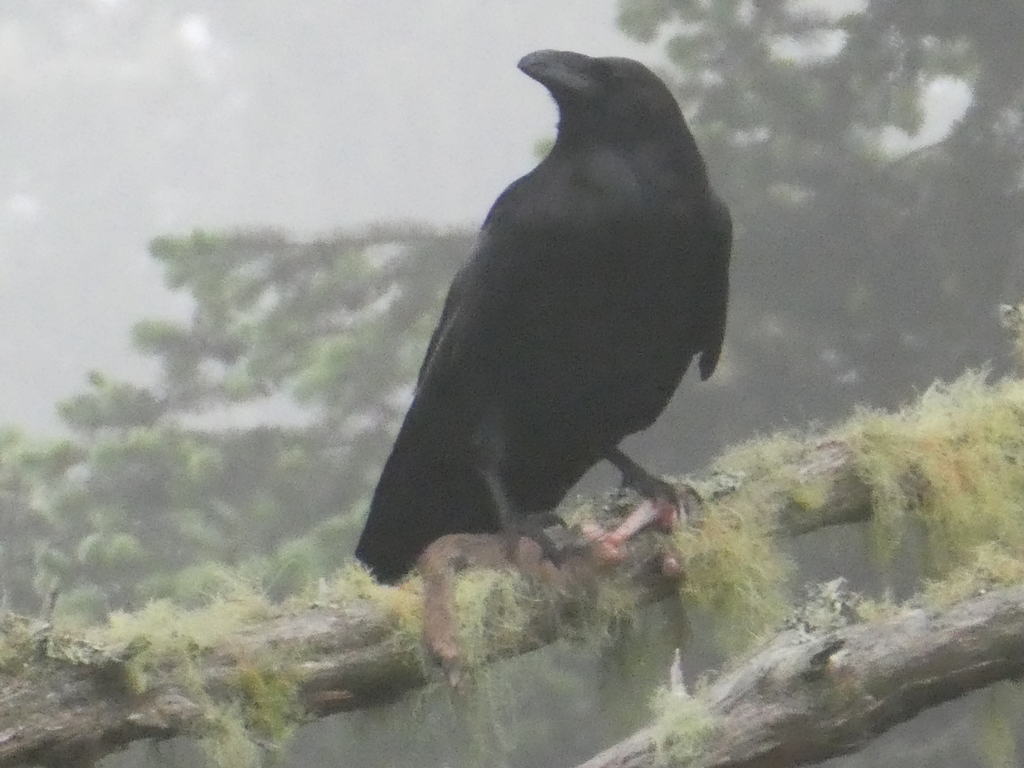




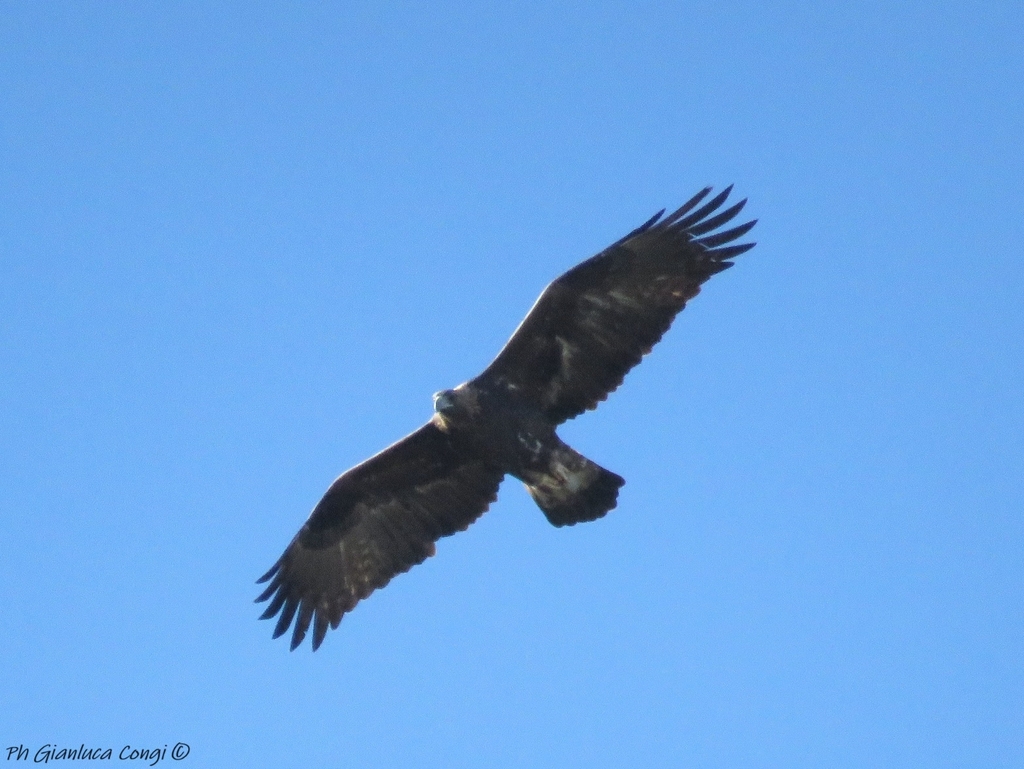

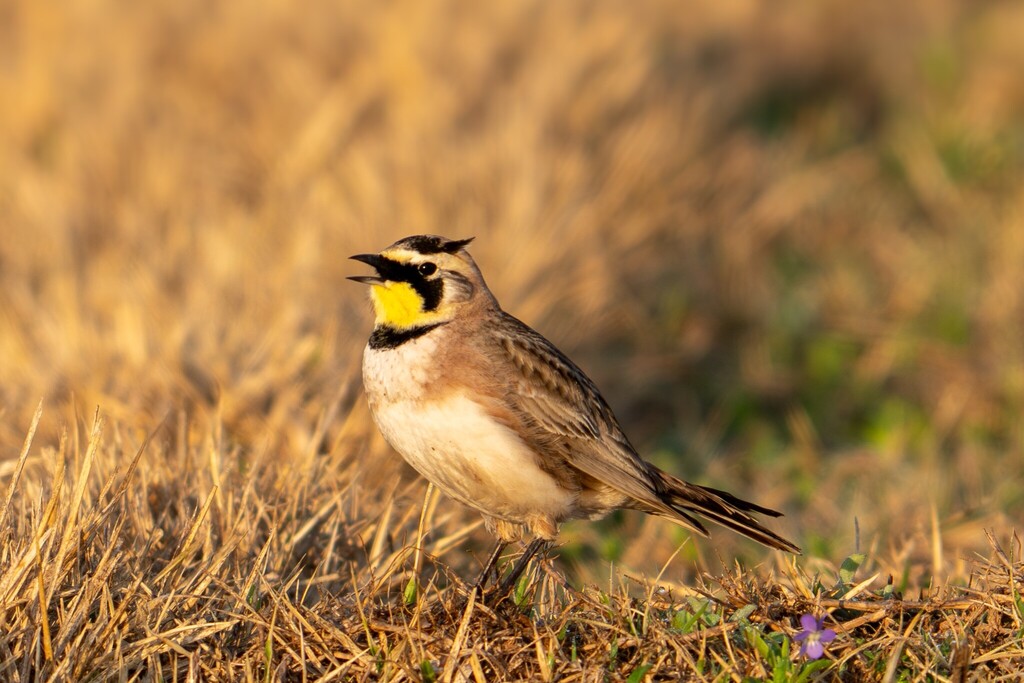







Who uses this plant?
 16CaterpillarsGenus host records with ranges including VA
Genus host records with ranges including VA · Bromus
- Amblyscirtes vialisCommon Roadside-Skipper, Black Little Skipper
- Anatrytone loganDelaware Skipper, Logan Skipper, Black-Vein Skipper
- Ancyloxypha numitorLeast Skipper
- Apamea sordensBordered Apamea, Rustic Shoulder-Knot
- Cercyonis pegalaCommon Wood Nymph
- Cisseps fulvicollisYellow-Collared Scape Moth
- Dargida diffusaWheat Head Armywotm Moth
- Hesperia leonardusLeonard's Skipper, Blazing Star Skipper, Pawnee Prairie Skipper, Pawnee Montane Skipper
- Leucania insuetaDarted Wainscot, Heterodox Wainscot
- Leucania phragmitidicolaNeedle Wainscot, Phragmites Wainscot
Show all 16
- Leucania pseudargyriaFalse Wainscot
- Papaipema nebrisStalk Borer
- Polites corasPeck's Skipper, Yellow-Patch Skipper
- Spodoptera frugiperdaFall Armyworm Moth
- Elachista illectella
- Gonioterma mistrella
 0BeesSoutheastern regional records
 0Specialist beesPollen specialists
 11BirdsRecorded genus food-resource interactions; not a state feeding claim
Recorded genus food-resource interactions; not a state feeding claim · Bromus
- Alectoris chukarChukar
- Anser albifronsGreater White-fronted Goose
- Callipepla californicaCalifornia Quail
- Corvus brachyrhynchosAmerican Crow
- Dendragapus obscurusDusky Grouse
- Meleagris gallopavoWild Turkey
- Oreortyx pictusMountain Quail
- Perdix perdixGray Partridge
- Spizella pusillaField Sparrow
- Sturnus vulgarisEuropean Starling
Show all 11
- Zonotrichia atricapillaGolden-crowned Sparrow
Direct food only: birds recorded eating this genus across North America. Caterpillars on host plants also feed nesting birds. NC Native Plant Society: butterfly gardening
No records yet · Ants · Beetles · Flies · Adult butterflies / moths · Other wasps · Other insects
Plant details
- Family
- Poaceae
- Flower color
- Yellow
- Growth rate
- Moderate
- Growth habit
- Grows in clumps
- Foliage color
- Green
- Fruit begins
- Spring
- Fruit ends
- Summer
Growing sources and scope
- Bloom · “July to August” · FloraQuest: Carolinas, Georgia (Southeastern Flora Team), phone app (app page) (ranked first; USDA PLANTS, Prairie Moon 2026 Cultural Guide differ) · Carolinas and Georgia
- Flower color · “Yellow” · USDA PLANTS · Nationwide species characteristics; local growing conditions may vary
- Foliage color · “Green” · USDA PLANTS · Nationwide species characteristics; local growing conditions may vary
- Fruit begins · “Spring” · USDA PLANTS · Nationwide species characteristics; local growing conditions may vary
- Fruit ends · “Summer” · USDA PLANTS · Nationwide species characteristics; local growing conditions may vary
- Growth habit · “Grows in clumps” · USDA PLANTS · Nationwide species characteristics; local growing conditions may vary
- Growth rate · “Moderate” · USDA PLANTS · Nationwide species characteristics; local growing conditions may vary
- Height · “About 4 feet” · USDA PLANTS (ranked first; Prairie Moon 2026 Cultural Guide differs) · Nationwide species characteristics; local growing conditions may vary
- Light · “Full sun (6+ hours); Part shade (3–6 hours)” · Prairie Moon 2026 Cultural Guide · Nursery cultural guide; height in flower; moisture categories retained as printed
- Soil · “Wet; Wet-mesic” · Prairie Moon 2026 Cultural Guide · Nursery cultural guide; height in flower; moisture categories retained as printed
Conservation status
| Virginia rank | S1 |
|---|---|
| Global rank | G5 |
| VA status | Not verified |
| Federal status | Not verified |
Will it fit your yard?
Check this plant against your county, sun and soil moisture. Conditions are checked in your browser.
Sources
- Virginia DCR Natural Heritage rare plant list
- Digital Atlas of the Virginia Flora
- USDA PLANTS
- Vascular Plants of North Carolina (NC Natural Heritage Program)
- NatureServe Explorer
- Shropshire & Tallamy 2025, Lepidoptera of North America north of Mexico, ZooKeys 1261 (ODbL)
- Noori, Seltmann & Orr 2026, A curated and integrated dataset for exploring global bee-plant interactions (GloBI), Zenodo, CC BY 4.0
- Smith, Bachelder, Russell, Morales, Mosher & Seltmann 2024, Bee-Specialization-Modeling v0.6.1 (specialist host table compiled from J. Fowler's pollen specialist bee lists), Zenodo, CC BY 4.0
- Hurlbert, Olsen, Sawyer & Winner 2021, Avian Diet Database, Scientific Data 8: 260 (CC0)
- Narango, Tallamy & Shropshire 2020, Few keystone plant genera support the majority of Lepidoptera species, Nature Communications