

Rapeseed
Brassica napus
Found in fields, disturbed areas. Weakley, Flora of the Southeastern United States (2025), Northern Tier edition What its natural habitat tells you
Not native to Virginia. How scores work Is it native here?
Profile 76%
- Height
- About 4 feet
- Light
- Full sun
- Soil moisture
- Dry to wet
No photograph yet. Looking for an old drawing…
Plant this instead
Choose your county to list local plants first.
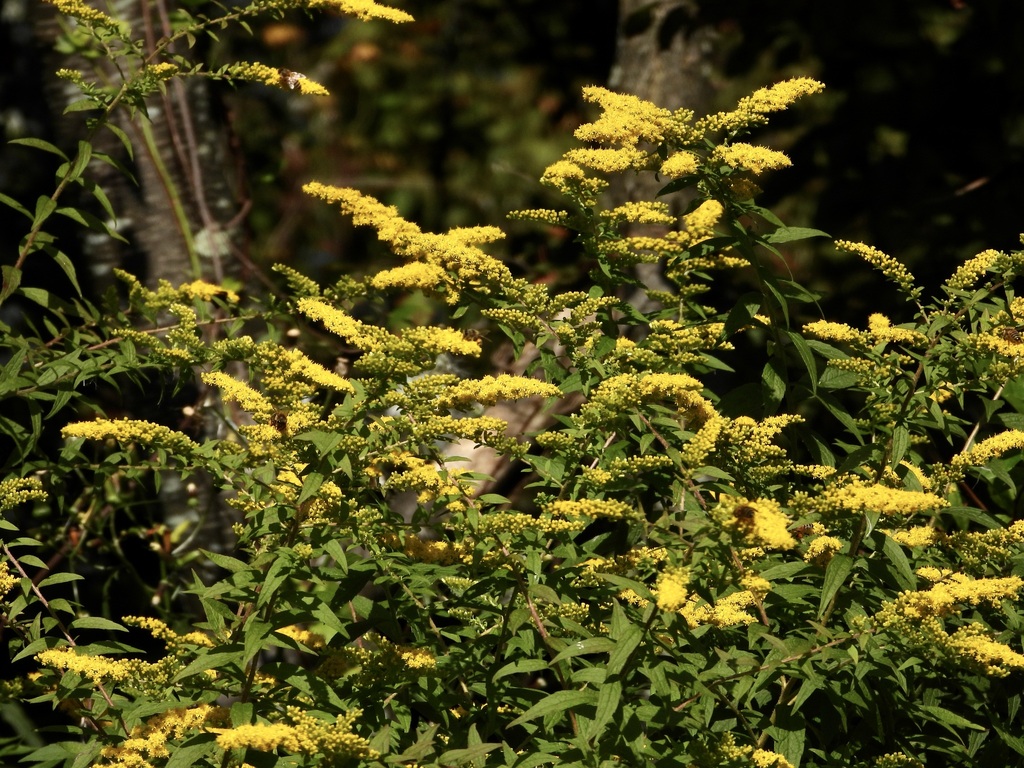
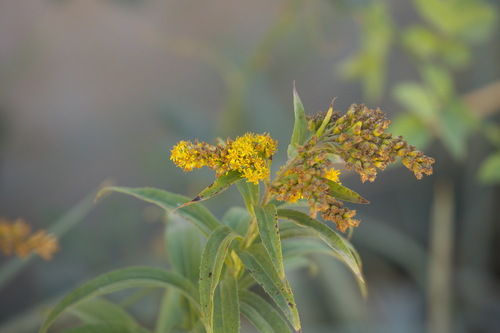
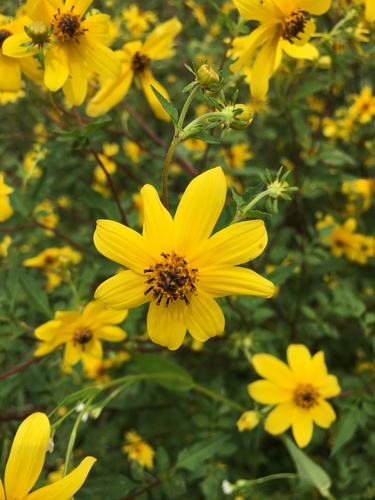
No recorded swaps for this county. Try the garden finder.
At a glance
- Bloom
- May to July
- Fruiting season
- Summer
Not yet recorded · Spread · Life cycle · Leaves
Recorded in 19 Virginia counties.
Natural habitats
Places it grows wild. Not a planting requirement. Each habitat page lists the plants and wildlife also found there.
Roadsides, fields and disturbed ground
Ground opened by people: roadsides, old fields, pastures, fencerows and lots.
Who uses this plant?
 65CaterpillarsGenus host records with ranges including VA
Genus host records with ranges including VA · Brassica
- Abagrotis alternataGreater Red Dart, Mottled Grey Cutworm
- Acharia stimuleaSaddleback Caterpillar Moth
- Agnorisma badinodisPale-Banded Dart
- Agrotis gladiariaSwordsman Dart, Clay-Backed Cut-Worm
- Agrotis ipsilonIpsilon Dart, Black Cutworm, Greasy Cutworm
- Agrotis venerabilisVenerable Dart, Dusky Cut-Worm
- Agrotis vetustaOld Man Dart
- Anagrapha falciferaCelery Looper Moth
- Anarta trifoliiThe Nutmeg, Clover Cutworm
- Anatrachyntis badiaFlorida Pink Scavanger Caterpillar
Show all 65
- Anicla infectaGreen Cutworm Moth
- Apamea amputatrixYellow-Headed Cutworm Moth
- Apamea devastatorGlassy Borer, Glassy Cutworm Moth
- Autographa precationisCommon Looper Moth
- Calpodes ethliusBrazilian Skipper, Canna Skipper, Canna Leafroller
- Chloridea virescensTobacco Budworm Moth
- Chrysodeixis includensSoybean Looper Moth
- Colias eurythemeOrange Sulphur, Alfalfa Butterfly
- Condica sutorThe Cobbler, Cobbler Groundling
- Derrima stellataPink Star
- Dichomeris bolizeGlaser's Dichomeris Moth
- Elasmopalpus lignosellaLesser Cornstalk Borer
- Estigmene acreaSalt Marsh Moth, Acrea Moth
- Euphyia intermediataSharp-Angled Carpet Moth, The Intermediate
- Eustixia pupulaSpotted Peppergrass Moth
- Euxoa messoriaReaper Dart, Darksided Cutworm, Dark-Sided Cutworm
- Euxoa tessellataTessellate Dart, Striped Cutworm
- Evergestis pallidataPurple-Backed Cabbageworm Moth
- Evergestis rimosalisCross-Striped Cabbageworm, Cross-Shaped Cabbageworm
- Feltia herilisMaster's Dart
- Feltia jaculiferaDingy Cutworm
- Feltia subgothicaSubgothic Dart
- Feltia subterraneaSubterranean Dart, Granulate Cutworm
- Helicoverpa zeaCorn Earworm Moth
- Herpetogramma bipunctalisSouthern Beet Webworm, Two-Spotted Herpetogramma
- Hyles lineataWhite-Lined Sphinx
- Hypercompe scriboniaGiant Leopard Moth, Great Leopard Moth
- Lacanobia subjunctaSpeckled Arches, Subdues Arches, Harnessed Mamestra, Speckled Cutworm Moth, Grand Arches?(incorrectly)
- Lacinipolia renigeraBristly Ground Cat, Bristly Cutworm Moth, Kidney Spotted "Mamestra"
- Manduca sextaCarolina Sphinx, Tomatoe Sphinx, Tobacco Hornworm
- Megalographa bilobaBilobed Looper Moth
- Melanchra pictaPainted Arches, Zebra Caterpillar Moth
- Mythimna unipunctaArmyworm Moth, White Speck
- Nephelodes miniansBronzed Cutworm
- Pandemis lamprosanaWoodgrain Leafroller
- Papaipema nebrisStalk Borer
- Pieris virginiensisWest Virginia White
- Pontia protodiceCheckered White
- Pyrrhia ciliscaAmerican Bordered Sallow, Noble Sun Moth
- Spaelotis clandestinaClandestine Dart, W-Marked Cutworm
- Spilosoma virginicaVirginian Tiger Moth, Yellow Woolybear Moth, Yellow Bear
- Spodoptera dolichosSweetpotato Armyworm, Dolichos Armyworm, Large Cotton Armyworm
- Spodoptera frugiperdaFall Armyworm Moth
- Spodoptera ornithogalliYellow-Striped Armyworm Moth, Cotton Cutworm
- Spoladea recurvalisHawaiian Beet Webworm
- Sunira bicoloragoBicolored Sallow
- Trichoplusia niNi Moth, Cabbage Looper Moth
- Trichordestra legitimaStriped Garden Caterpillar Moth
- Udea rubigalisCelery Leaftier
- Urbanus proteusLong-Tailed Skipper, Bean Leaf Roller
- Xanthorhoe iduataBroken-banded Carpet
- Xanthorhoe labradorensisLabrador Carpet, Packard’s Carpet
- Xestia c-nigrumSpotted Cut-Worm, Setaceous Hebrew Character, Lesser Black-letter Dart
- Xestia dolosaGreater Black-Letter Dart, Greater Spotted Cutworm
- Xestia smithiiSmith's Dart
 —BeesSoutheastern regional records
 1Specialist beesPollen specialists
 14BirdsRecorded genus food-resource interactions; not a state feeding claim
Recorded genus food-resource interactions; not a state feeding claim · Brassica
- Alectoris chukarChukar
- Anthus rubescensAmerican Pipit
- Callipepla californicaCalifornia Quail
- Haemorhous mexicanusHouse Finch
- Junco hyemalisDark-eyed Junco
- Melospiza melodiaSong Sparrow
- Melozone crissalisCalifornia Towhee
- Perdix perdixGray Partridge
- Pinicola enucleatorPine Grosbeak
- Spinus psaltriaLesser Goldfinch
Show all 14
- Spizelloides arboreaAmerican Tree Sparrow
- Zenaida macrouraMourning Dove
- Zonotrichia atricapillaGolden-crowned Sparrow
- Zonotrichia leucophrysWhite-crowned Sparrow
Direct food only: birds recorded eating this genus across North America. Caterpillars on host plants also feed nesting birds. NC Native Plant Society: butterfly gardening
Plant details
- Family
- Brassicaceae
- Flower color
- Yellow
- Growth rate
- Rapid
- Growth habit
- Single crown
- Foliage color
- Dark green
- Fruit begins
- Summer
- Fruit ends
- Summer
Safety has not been reviewed for this plant; check toxicity and thorns before planting.
Growing sources and scope
- Bloom · “May to July” · Weakley, Flora of the Southeastern United States (2025), Carolinas & Georgia edition (ranked first; USDA PLANTS differs) · Carolinas and Georgia
- Flower color · “Yellow” · USDA PLANTS · Nationwide species characteristics; local growing conditions may vary
- Foliage color · “Dark green” · USDA PLANTS · Nationwide species characteristics; local growing conditions may vary
- Fruit begins · “Summer” · USDA PLANTS · Nationwide species characteristics; local growing conditions may vary
- Fruit ends · “Summer” · USDA PLANTS · Nationwide species characteristics; local growing conditions may vary
- Growth habit · “Single crown” · USDA PLANTS · Nationwide species characteristics; local growing conditions may vary
- Growth rate · “Rapid” · USDA PLANTS · Nationwide species characteristics; local growing conditions may vary
- Height · “About 4 feet” · USDA PLANTS · Nationwide species characteristics; local growing conditions may vary
- Light · “Full sun (documented habitat)” · Weakley, Flora of the Southeastern United States (2025), Carolinas & Georgia edition · Carolinas and Georgia
- primary_flower_color · “yellow” · USDA PLANTS
- Soil · “Dry; Moist; Wet (documented habitat)” · Weakley, Flora of the Southeastern United States (2025), Carolinas & Georgia edition · Carolinas and Georgia
Also known as
Canola; Rape; Rutabaga; Swede
Conservation status
| Virginia rank | SNA |
|---|---|
| Global rank | GNR |
| VA status | Not verified |
| Federal status | Not verified |
Sources
- Digital Atlas of the Virginia Flora
- USDA PLANTS
- Weakley, Flora of the Southeastern United States (2025), Carolinas & Georgia edition
- NatureServe Explorer
- Shropshire & Tallamy 2025, Lepidoptera of North America north of Mexico, ZooKeys 1261 (ODbL)
- Noori, Seltmann & Orr 2026, A curated and integrated dataset for exploring global bee-plant interactions (GloBI), Zenodo, CC BY 4.0
- Smith, Bachelder, Russell, Morales, Mosher & Seltmann 2024, Bee-Specialization-Modeling v0.6.1 (specialist host table compiled from J. Fowler's pollen specialist bee lists), Zenodo, CC BY 4.0
- Hurlbert, Olsen, Sawyer & Winner 2021, Avian Diet Database, Scientific Data 8: 260 (CC0)
- Narango, Tallamy & Shropshire 2020, Few keystone plant genera support the majority of Lepidoptera species, Nature Communications