

Japanese Barberry
Berberis thunbergii
Found in rich forests, old fields. Weakley, Flora of the Southeastern United States (2025), Northern Tier edition What its natural habitat tells you
Not native to Virginia. How scores work Is it native here?
Profile 76%
- Height
- 3–6 feet
- Spread
- 4–7 feet
- Light
- Full sun, Partial shade
- Soil moisture
- Dry to moist
No photograph yet. Looking for an old drawing…
Do not plant. Listed invasive in Virginia.
Plant this instead
Choose your county to list local plants first.
No recorded swaps for this county. Try the garden finder.
At a glance
- Life cycle
- Woody perennial
- Leaves
- Deciduous
- Bloom
- March to April
- Fruiting season
- May to September
Recorded in 61 Virginia counties.
Natural habitats
Places it grows wild. Not a planting requirement. Each habitat page lists the plants and wildlife also found there.
Roadsides, fields and disturbed ground
Ground opened by people: roadsides, old fields, pastures, fencerows and lots.
Also found with this plant
Wildlife whose habitat models include habitats this plant grows in, in Virginia. Shared habitat, not food. 114 animals.
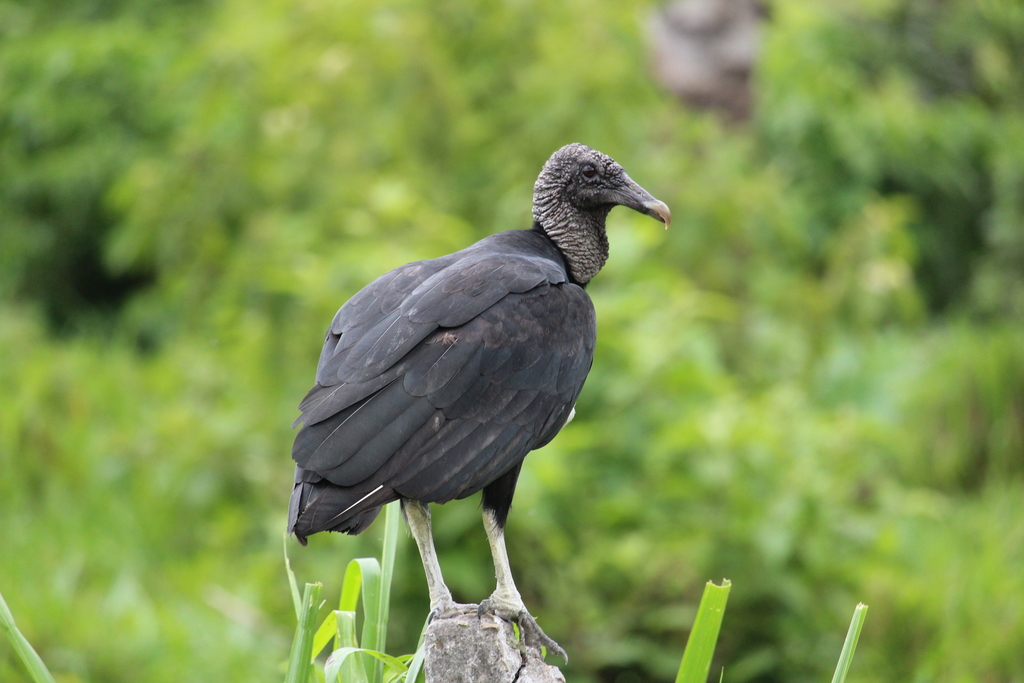
- Black VultureCoragyps atratus
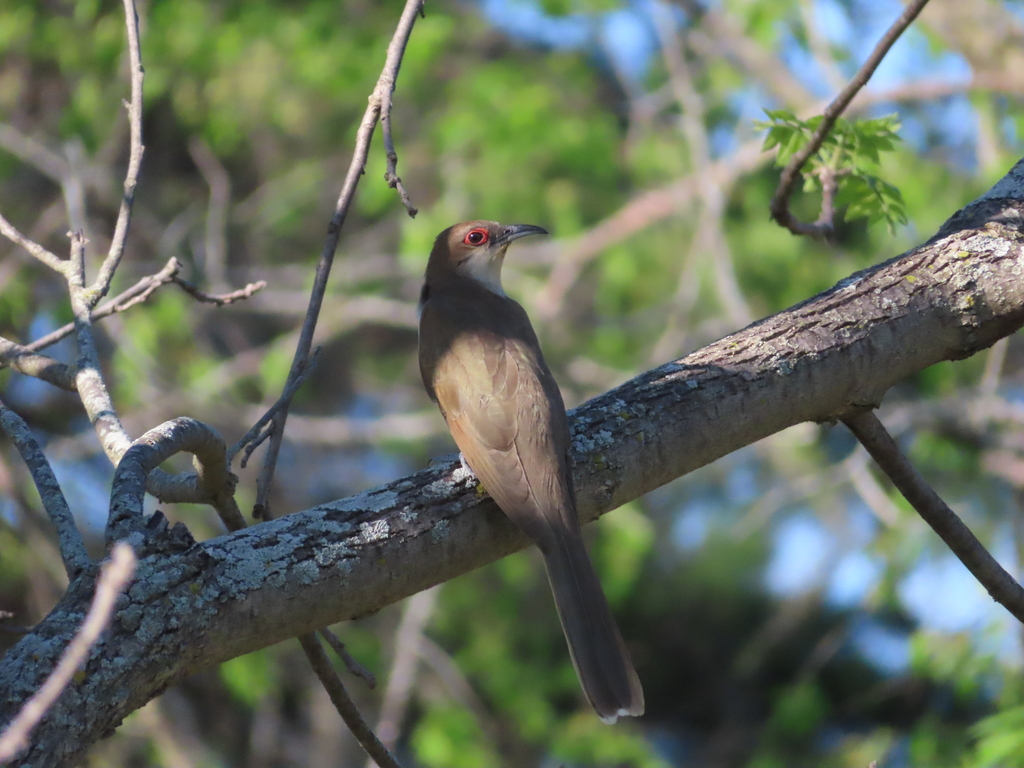
- Black-billed CuckooCoccyzus erythropthalmus
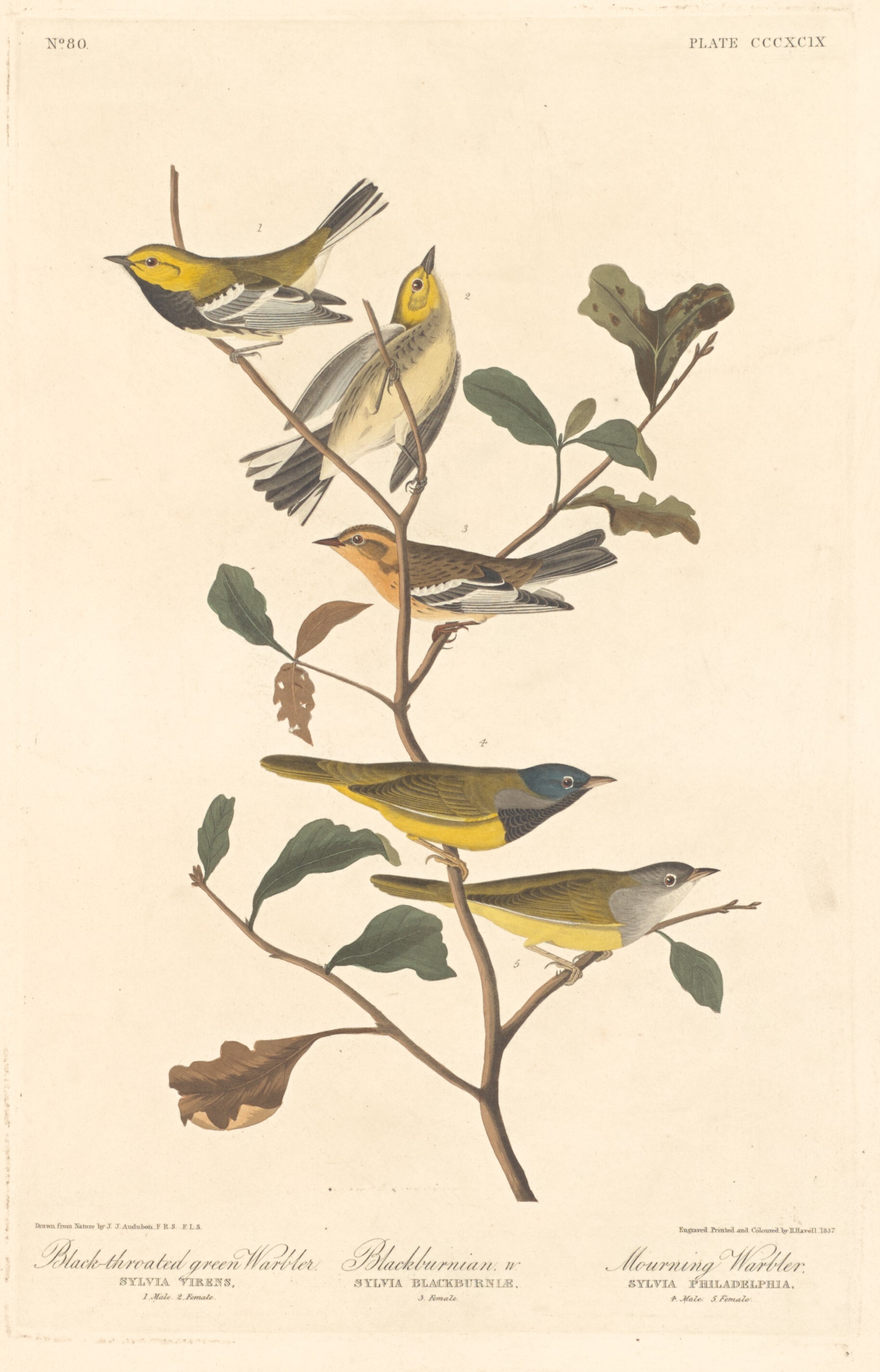
- Black-throated Green WarblerDendroica virens
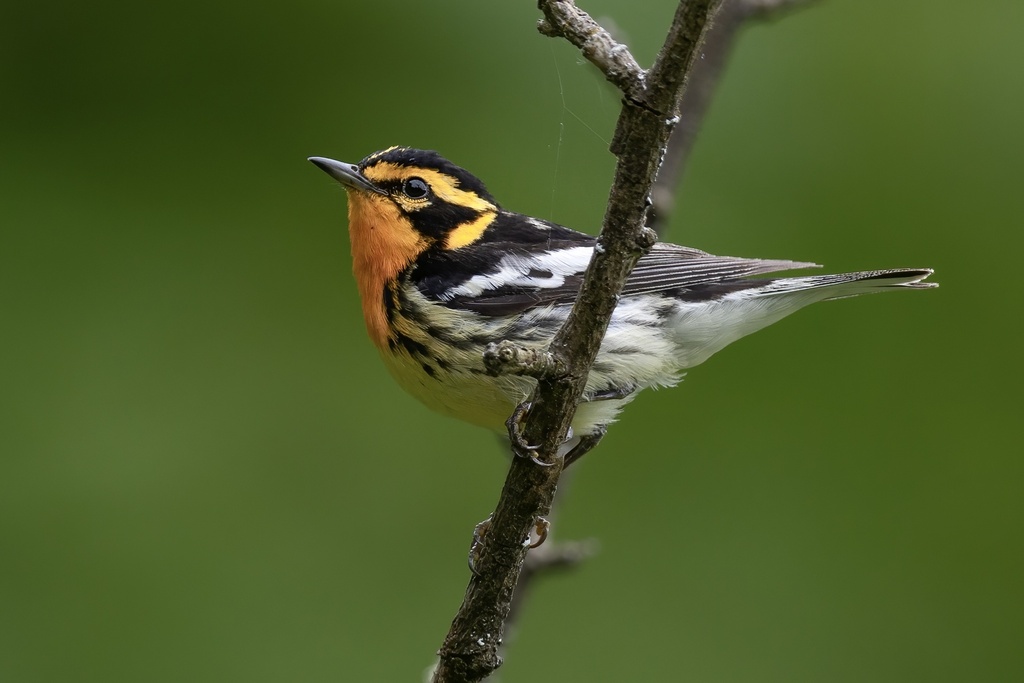
- Blackburnian WarblerDendroica fusca
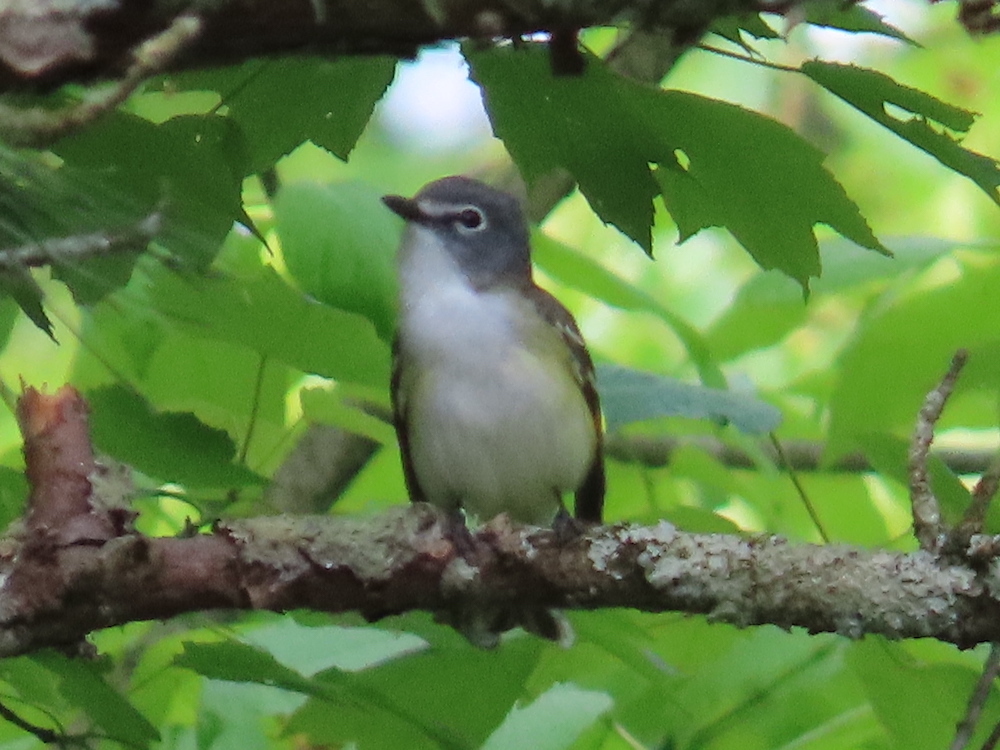
- Blue-headed VireoVireo solitarius
- Brown ThrasherToxostoma rufum
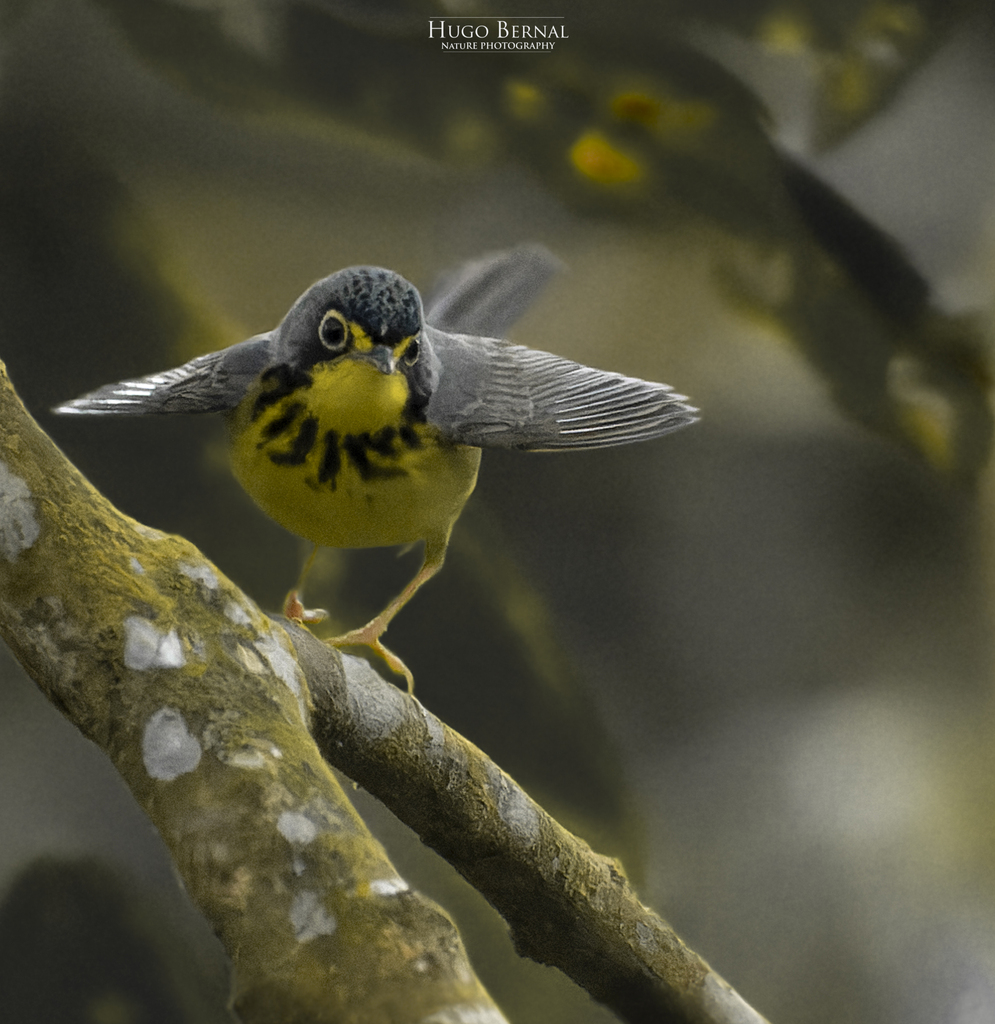
- Canada WarblerWilsonia canadensis
- Carolina WrenThryothorus ludovicianus
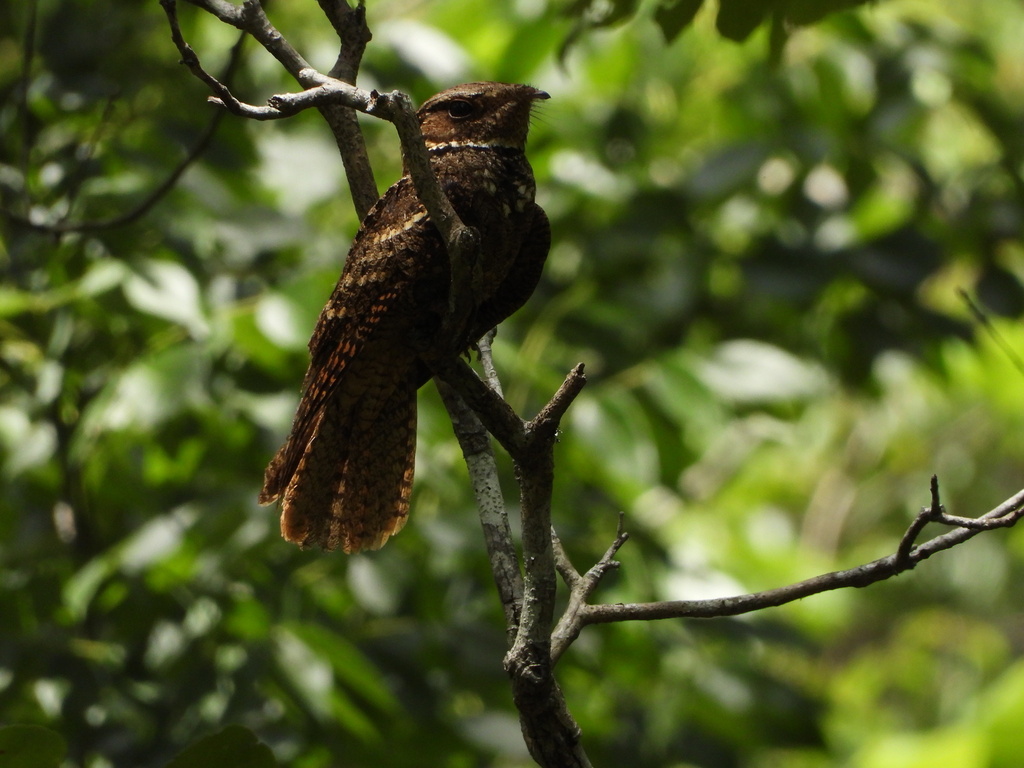
- Chuck-will's-widowCaprimulgus carolinensis
- Common GrackleQuiscalus quiscula
- Double-crested CormorantPhalacrocorax auritus
- Eastern TowheePipilo erythrophthalmus
- Eastern Wood-peweeContopus virens
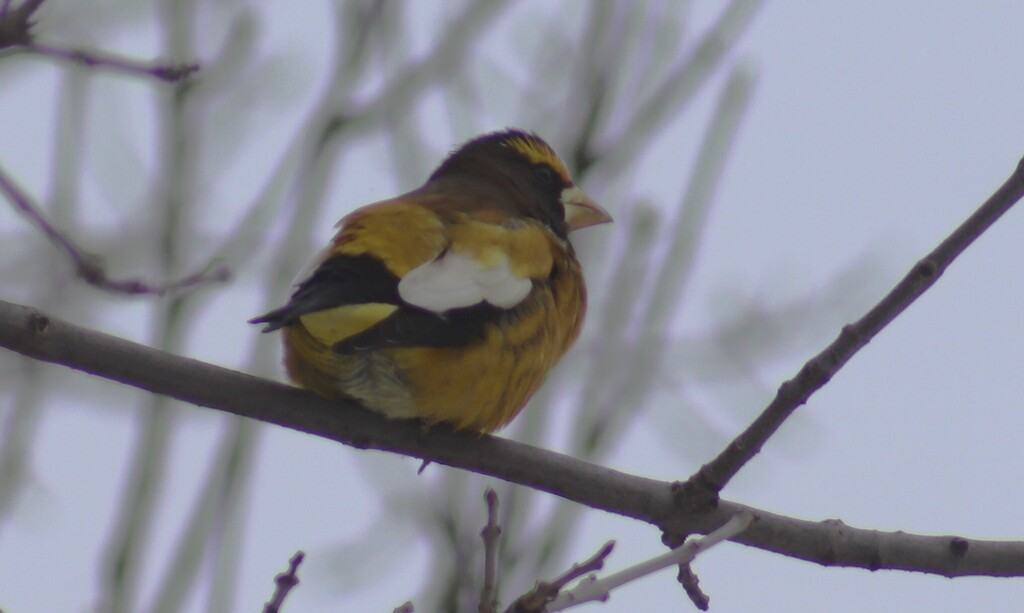
- Evening GrosbeakCoccothraustes vespertinus
- Great Crested FlycatcherMyiarchus crinitus
- Hooded WarblerWilsonia citrina
- Least FlycatcherEmpidonax minimus
- Northern CardinalCardinalis cardinalis
- Northern ParulaParula americana
- Olive-sided FlycatcherContopus cooperi
- Orange-crowned WarblerVermivora celata
- Pine SiskinCarduelis pinus
- Red-shouldered HawkButeo lineatus
- Red-winged BlackbirdAgelaius phoeniceus















Who uses this plant?
 12CaterpillarsGenus host records with ranges including VA
Genus host records with ranges including VA · Berberis
- Bleptina caradrinalisBent-Winged Owlet, Variable Snout
- Callosamia prometheaPromethea Silkmoth, Promethea Moth
- Hyalophora cecropiaCecropia Silkmoth, Cecropia Moth
- Hyphantria cuneaFall Webworm
- Malacosoma americanaEastern Tent Caterpillar
- Omphalocera cariosaMoonseed Webworm
- Orgyia leucostigmaWhite-Marked Tussock Moth
- Platynota flavedanaBlack-Shaded Platynota
- Platynota rostranaOmnivorous Platynota
- Rheumaptera meadiiBarberry Geometer, Barberry Looper
Show all 12
- Thyridopteryx ephemeraeformisEvergreen Bagworm Moth
- Triphosa haesitataTissue Moth, Brown Tissue
 —BeesSoutheastern regional records
 —Specialist beesPollen specialists
 3BirdsRecorded genus food-resource interactions; not a state feeding claim
Recorded genus food-resource interactions; not a state feeding claim · Berberis
- Bonasa umbellusRuffed Grouse
- Perdix perdixGray Partridge
- Turdus migratoriusAmerican Robin
Direct food only: birds recorded eating this genus across North America. Caterpillars on host plants also feed nesting birds. NC Native Plant Society: butterfly gardening
Plant details
- Family
- Berberidaceae
- Hardiness
- Zones 4a–8b
- Flower color
- Yellow
- Growth rate
- Moderate
- Growth habit
- Several stems
- Foliage color
- Dark green
- Fruit begins
- May
- Fruit ends
- September
Safety has not been reviewed for this plant; check toxicity and thorns before planting.
Growing sources and scope
- Bloom · “March to April” · Weakley, Flora of the Southeastern United States (2025), Carolinas & Georgia edition (ranked first; USDA PLANTS differs) · Carolinas and Georgia
- Flower color · “Yellow” · NC Extension Plant Toolbox
- Foliage color · “Dark green” · USDA PLANTS · Nationwide species characteristics; local growing conditions may vary
- Fruit begins · “May” · Weakley, Flora of the Southeastern United States (2025), Carolinas & Georgia edition (ranked first; USDA PLANTS differs) · Carolinas and Georgia
- Fruit ends · “September” · Weakley, Flora of the Southeastern United States (2025), Carolinas & Georgia edition (ranked first; USDA PLANTS differs) · Carolinas and Georgia
- Growth habit · “Several stems” · USDA PLANTS · Nationwide species characteristics; local growing conditions may vary
- Growth rate · “Moderate” · USDA PLANTS · Nationwide species characteristics; local growing conditions may vary
- Hardiness · “Zones 4a–8b” · NC Extension Plant Toolbox
- Height · “3–6 feet” · NC Extension Plant Toolbox (ranked first; USDA PLANTS, Minnesota Wildflowers differ)
- Leaves · “Deciduous” · NC Extension Plant Toolbox
- Life cycle · “Woody perennial” · NC Extension Plant Toolbox
- Light · “Full sun (6 or more hours of direct sunlight a day); Partial shade (direct sunlight only part of the day, 2-6 hours)” · NC Extension Plant Toolbox
- primary_flower_color · “yellow” · USDA PLANTS
- Soil · “Moist; Occasionally dry; Very dry” · NC Extension Plant Toolbox
- Spread · “4–7 feet” · NC Extension Plant Toolbox
Conservation status
| Virginia rank | SNA |
|---|---|
| Global rank | GNR |
| VA status | Not verified |
| Federal status | Not verified |
Sources
- Virginia DCR invasive plant list
- Digital Atlas of the Virginia Flora
- USDA PLANTS
- Weakley, Flora of the Southeastern United States (2025), Carolinas & Georgia edition
- NatureServe Explorer
- Shropshire & Tallamy 2025, Lepidoptera of North America north of Mexico, ZooKeys 1261 (ODbL)
- Noori, Seltmann & Orr 2026, A curated and integrated dataset for exploring global bee-plant interactions (GloBI), Zenodo, CC BY 4.0
- Smith, Bachelder, Russell, Morales, Mosher & Seltmann 2024, Bee-Specialization-Modeling v0.6.1 (specialist host table compiled from J. Fowler's pollen specialist bee lists), Zenodo, CC BY 4.0
- Hurlbert, Olsen, Sawyer & Winner 2021, Avian Diet Database, Scientific Data 8: 260 (CC0)
- Narango, Tallamy & Shropshire 2020, Few keystone plant genera support the majority of Lepidoptera species, Nature Communications