

Yellow Wild Indigo
Baptisia tinctoria
Found in longleaf pine sandhills, pine flatwoods, dry oak and pine woodlands, ridges, woodland edges, cobblebars, and roadbanks. FloraQuest, phone app (app page) What its natural habitat tells you
Native to Virginia. How scores work Is it native here?
Profile 100%
- Height
- 2–3.75 feet
- Spread
- 2–3 feet
- Light
- Full sun, Partial shade
- Soil moisture
- Somewhat dry to moist
Space about 2.5 ft apart from its recorded spread, about 16 per 100 sq ft. Enter your bed size for a count
Will it fit your yard?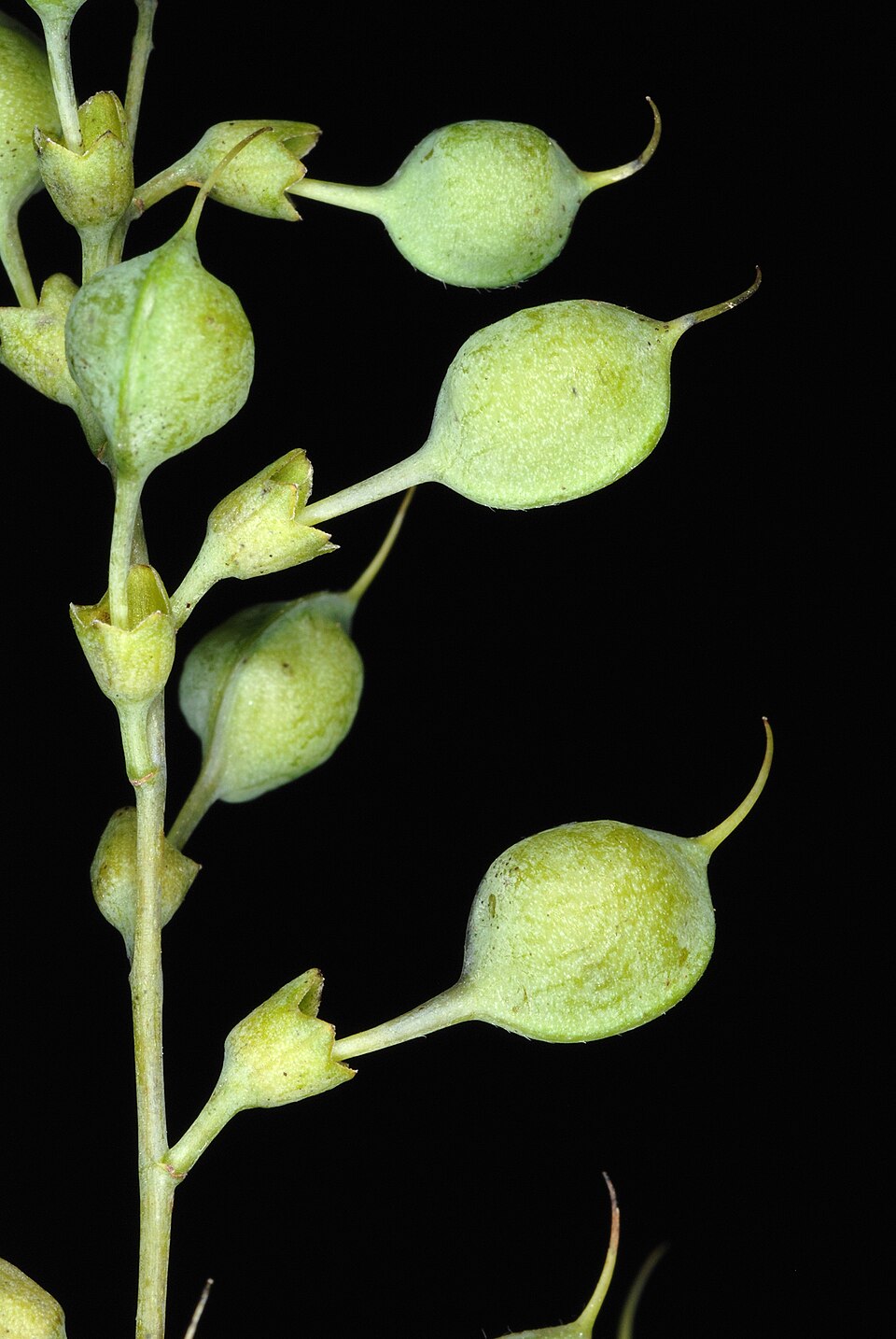
At a glance
- Life cycle
- Perennial
- Leaves
- Deciduous
- Bloom
- Spring and summer
- Fruiting season
- July to November
Recorded in 96 Virginia counties.
Natural habitats
Places it grows wild. Not a planting requirement. Each habitat page lists the plants and wildlife also found there.
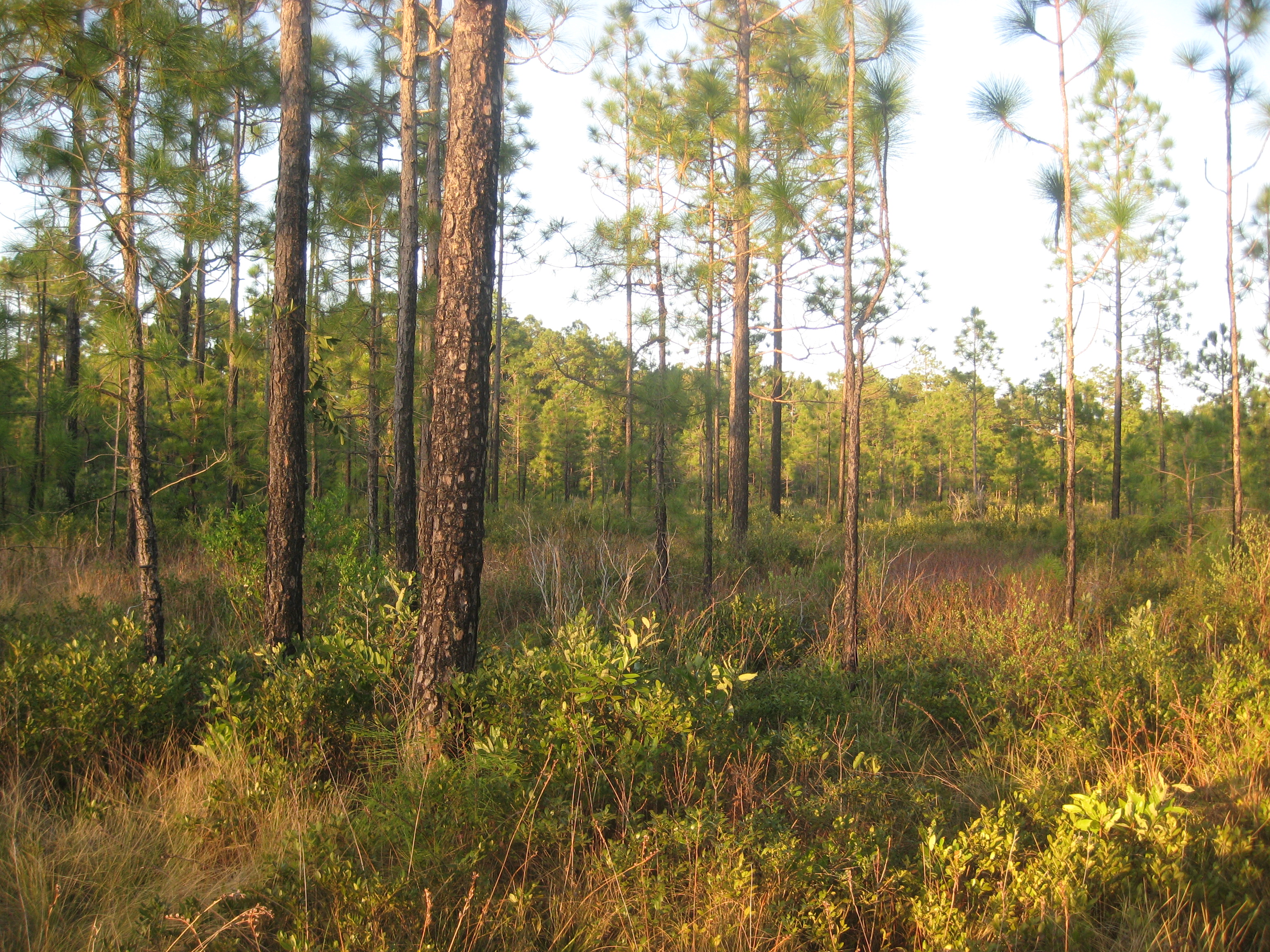
Dry, deep-sand ridges with longleaf pine and turkey oak, kept open by fire.
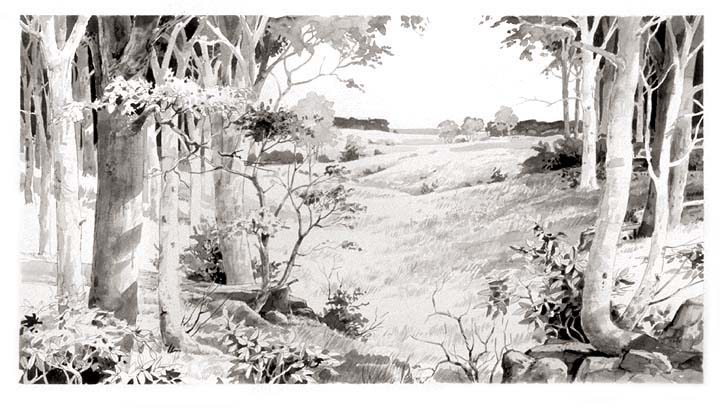
Forest or woodland where the source does not say how moist or dry.
Roadsides, fields and disturbed ground
Ground opened by people: roadsides, old fields, pastures, fencerows and lots.
Also found with this plant
Wildlife whose habitat models include habitats this plant grows in, in Virginia. Shared habitat, not food. 116 animals.
- Red-headed WoodpeckerMelanerpes erythrocephalus
- Red-tailed HawkButeo jamaicensis
- Red-winged BlackbirdAgelaius phoeniceus
- Ruby-crowned KingletRegulus calendula
- Ruby-throated HummingbirdArchilochus colubris
- Sharp-shinned HawkAccipiter striatus
- Spotted SandpiperActitis macularius
- Tufted TitmouseBaeolophus bicolor
- Turkey VultureCathartes aura
- White-eyed VireoVireo griseus
- White-throated SparrowZonotrichia albicollis
- Wild TurkeyMeleagris gallopavo
- Yellow-bellied SapsuckerSphyrapicus varius
- Yellow-breasted ChatIcteria virens
- Yellow-rumped WarblerDendroica coronata
- Acadian FlycatcherEmpidonax virescens
- Alder FlycatcherEmpidonax alnorum
- American RedstartSetophaga ruticilla
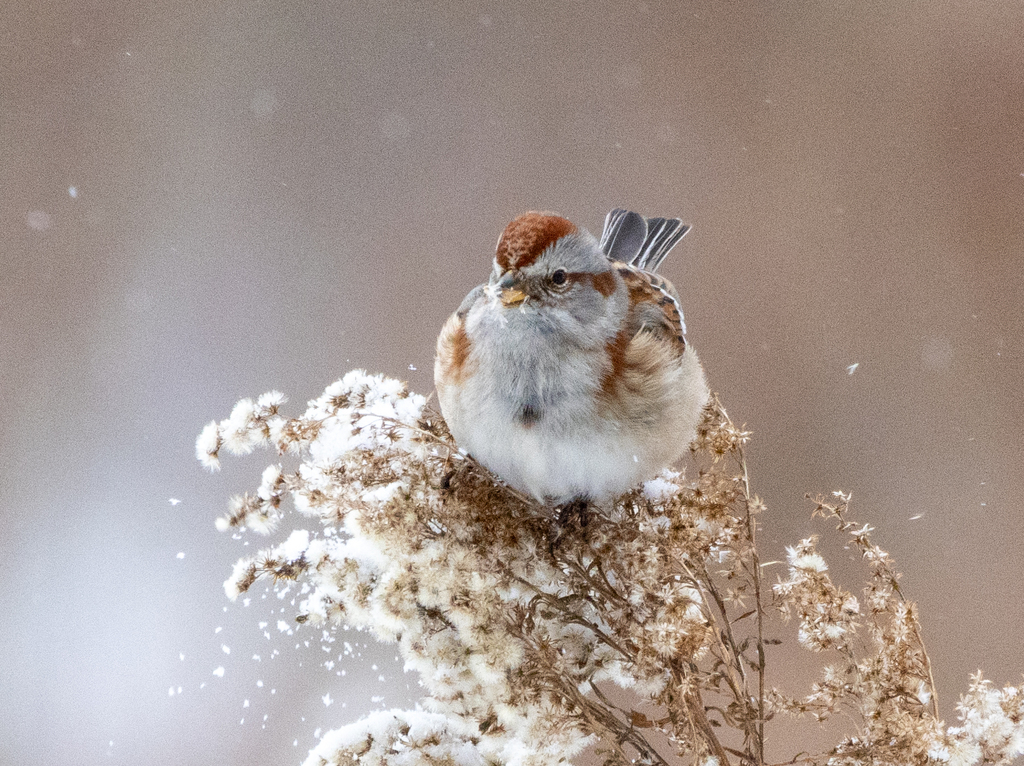
- American Tree SparrowSpizella arborea
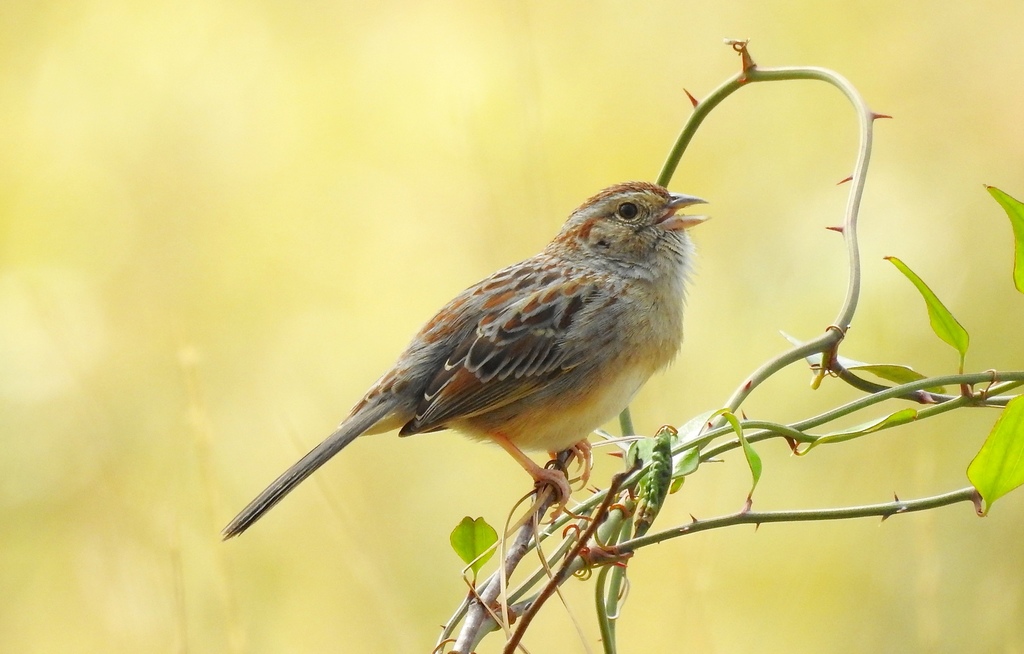
- Bachman's SparrowAimophila aestivalis
- Baltimore OrioleIcterus galbula
- Black-and-White WarblerMniotilta varia
- Black-billed CuckooCoccyzus erythropthalmus
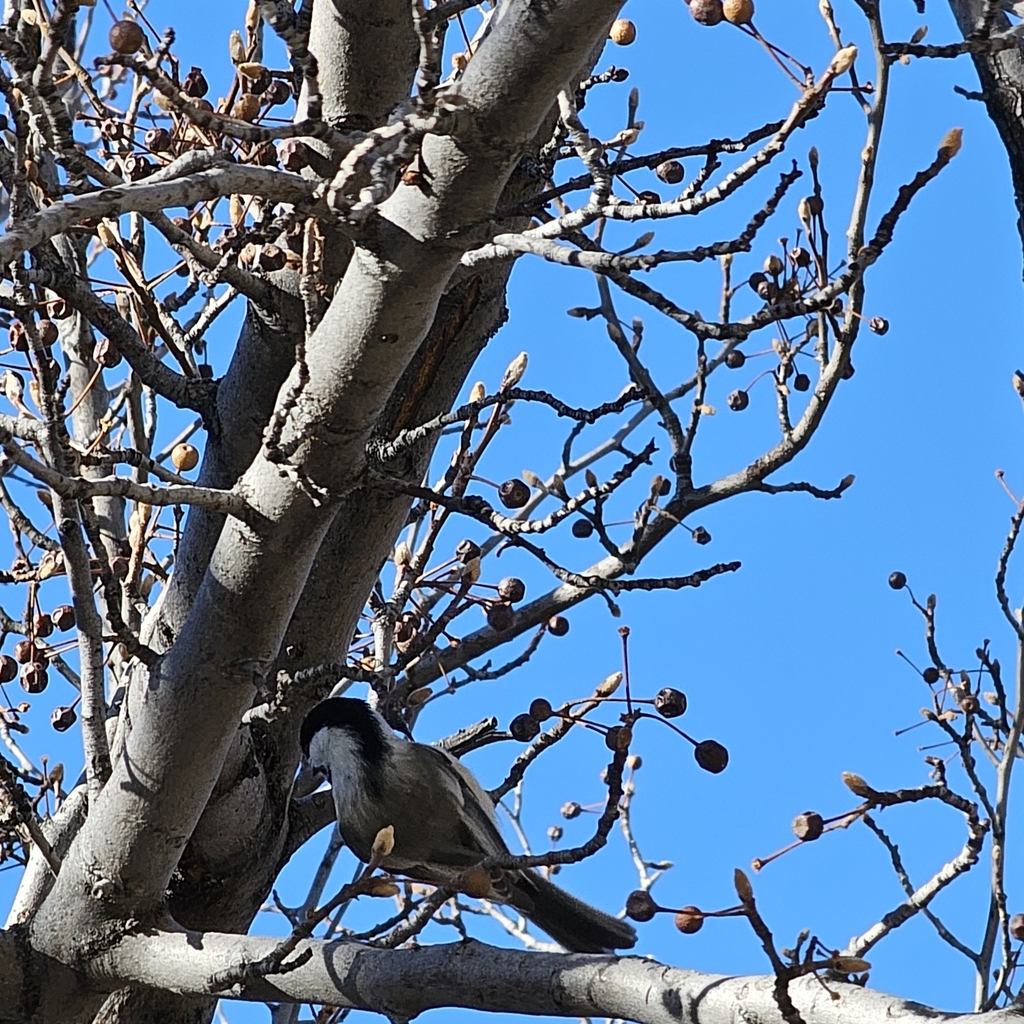
- Black-capped ChickadeePoecile atricapillus






















Care
- Choose a lasting spot; established plants are difficult to move.
Who uses this plant?
 22CaterpillarsGenus host records with ranges including VA
Genus host records with ranges including VA · Baptisia
- Antheraea polyphemusPolyphemus Moth
- Automeris ioIo Moth
- Callophrys irusThe Hoary Elfin, Bog Elfin?, Frosted Elfin
- Catocala consorsThe Consort
- Cecropterus lyciadesHoary Edge
- Colias eurythemeOrange Sulphur, Alfalfa Butterfly
- Colias philodiceClouded Sulphur, Clover Butterfly
- Cupido comyntasEastern Tailed-Blue
- Dasylophia anguinaBlack-Spotted Prominent
- Gesta baptisiaeWild Indigo Duskywing, Baptisia Duskywing
Show all 22
- Gesta zaruccoZarucco Duskywing
- Grapholita tristriganaThree-Lined Grapholita
- Hypena scabraGreen Cloverworm Bomolocha, Black Snout
- Palthis asopialisFaint-Spotted Palthis
- Papaipema baptisiaeWild Indigo Borer, Indigo Stem Borer
- Papaipema cataphractaBurdock Border, Potato-Stalk Borer
- Platynota flavedanaBlack-Shaded Platynota
- Schinia jaguarinaJaguar Flower Moth
- Uresiphita reversalisGenista Caterpillar, Genista Cbroom Moth
- Anacampsis lupinella
- Pococera baptisiella
- Sitochroa dasconalis
 22BeesSoutheastern regional records
Southeastern regional records · Baptisia
Individual names are not available yet.
Noori, Seltmann & Orr 2026, A curated and integrated dataset for exploring global bee-plant interactions (GloBI), Zenodo, CC BY 4.0 1Specialist beesPollen specialists
Pollen specialists · Baptisia
- Megachile melanophaea
 1BirdsRecorded genus food-resource interactions; not a state feeding claim
Recorded genus food-resource interactions; not a state feeding claim · Baptisia
- Meleagris gallopavoWild Turkey
Direct food only: birds recorded eating this genus across North America. Caterpillars on host plants also feed nesting birds. NC Native Plant Society: butterfly gardening
No records yet · Ants · Beetles · Flies · Adult butterflies / moths · Other wasps · Other insects
Plant details
- Family
- Fabaceae
- Hardiness
- Zones 3a–9b
- Soil pH
- Acidic
- Flower color
- Cream or yellow
- Growth rate
- Moderate
- Growth habit
- Single crown
- Foliage color
- Gray-green
- Fruit begins
- July
- Fruit ends
- November
Safety has not been reviewed for this plant; check toxicity and thorns before planting.
Growing sources and scope
- Bloom · “Spring and summer” · NC Extension Plant Toolbox (ranked first; FloraQuest: Carolinas, Georgia (Southeastern Flora Team), USDA PLANTS, Prairie Moon 2026 Cultural Guide differ)
- Flower color · “Cream or yellow” · NC Extension Plant Toolbox (ranked first; USDA PLANTS, Prairie Moon 2026 Cultural Guide differ)
- Foliage color · “Gray-green” · USDA PLANTS · Nationwide species characteristics; local growing conditions may vary
- Fruit begins · “July” · FloraQuest: Carolinas, Georgia (Southeastern Flora Team), phone app (app page) (ranked first; NC Extension Plant Toolbox, USDA PLANTS differ) · Carolinas and Georgia
- Fruit ends · “November” · FloraQuest: Carolinas, Georgia (Southeastern Flora Team), phone app (app page) (ranked first; NC Extension Plant Toolbox, USDA PLANTS differ) · Carolinas and Georgia
- Growth habit · “Single crown” · USDA PLANTS · Nationwide species characteristics; local growing conditions may vary
- Growth rate · “Moderate” · USDA PLANTS · Nationwide species characteristics; local growing conditions may vary
- Hardiness · “Zones 3a–9b” · NC Extension Plant Toolbox
- Height · “2–3.75 feet” · NC Extension Plant Toolbox (ranked first; Tennessee Smart Yards, USDA PLANTS, Prairie Moon 2026 Cultural Guide differ)
- Leaves · “Deciduous” · NC Extension Plant Toolbox
- Life cycle · “Perennial” · NC Extension Plant Toolbox
- Light · “Full sun (6 or more hours of direct sunlight a day); Partial shade (direct sunlight only part of the day, 2-6 hours)” · NC Extension Plant Toolbox (ranked first; Tennessee Smart Yards, Virginia DCR Piedmont, Virginia DCR Coastal Plain, Prairie Moon 2026 Cultural Guide differ)
- primary_flower_color · “yellow” · USDA PLANTS
- Soil · “Good drainage; Moist; Occasionally dry” · NC Extension Plant Toolbox (ranked first; Tennessee Smart Yards, Virginia DCR Piedmont, Virginia DCR Coastal Plain, Prairie Moon 2026 Cultural Guide differ)
- Soil pH · “Acidic” · NC Extension Plant Toolbox
- Spread · “2–3 feet” · NC Extension Plant Toolbox
Also known as
Honesty Weed; Horsefly Weed; Rattleweed
Conservation status
| Virginia rank | S5 |
|---|---|
| Global rank | G5 |
| VA status | Not verified |
| Federal status | Not verified |
Will it fit your yard?
Check this plant against your county, sun and soil moisture. Conditions are checked in your browser.
Growing cautions
- Spreads slowly. Spreads slowly by seed. Tennessee Smart Yards
For planning only; these do not change the score or Fit.
Sources
- Digital Atlas of the Virginia Flora
- USDA PLANTS
- Vascular Plants of North Carolina (NC Natural Heritage Program)
- FloraQuest: Carolinas, Georgia (Weakley), phone app (app page)
- FloraQuest: Northern Tier (Weakley), phone app (app page)
- NatureServe Explorer
- Shropshire & Tallamy 2025, Lepidoptera of North America north of Mexico, ZooKeys 1261 (ODbL)
- Noori, Seltmann & Orr 2026, A curated and integrated dataset for exploring global bee-plant interactions (GloBI), Zenodo, CC BY 4.0
- Smith, Bachelder, Russell, Morales, Mosher & Seltmann 2024, Bee-Specialization-Modeling v0.6.1 (specialist host table compiled from J. Fowler's pollen specialist bee lists), Zenodo, CC BY 4.0
- Hurlbert, Olsen, Sawyer & Winner 2021, Avian Diet Database, Scientific Data 8: 260 (CC0)
- Narango, Tallamy & Shropshire 2020, Few keystone plant genera support the majority of Lepidoptera species, Nature Communications