

Spear Orach; Spear Saltbush; Spear Salt Bush
Atriplex patula
Found in disturbed areas, inland saline areas. Weakley, Flora of the Southeastern United States (2025), Northern Tier edition What its natural habitat tells you
Not native to Virginia. How scores work Is it native here?
Profile 29%
- Soil moisture
- Average to wet
No photograph yet. Looking for an old drawing…
At a glance
Not yet recorded · Height · Spread · Light · Life cycle · Leaves · Bloom
This plant is missing most of its facts, so Quercus is looking them up in old botany books.
Recorded in 18 Virginia counties.
Natural habitats
Places it grows wild. Not a planting requirement. Each habitat page lists the plants and wildlife also found there.
Roadsides, fields and disturbed ground
Ground opened by people: roadsides, old fields, pastures, fencerows and lots.
Also found with this plant
Wildlife whose habitat models include habitats this plant grows in, in Virginia. Shared habitat, not food. 35 animals.
- Laughing GullLeucophaeus atricilla
- Lesser Black-backed GullLarus fuscus
- MerlinFalco columbarius
- Peregrine FalconFalco peregrinus
- Red-tailed HawkButeo jamaicensis
- Ring-billed GullLarus delawarensis
- Rough-legged HawkButeo lagopus
- Royal TernThalasseus maximus
- Sandwich TernThalasseus sandvicensis
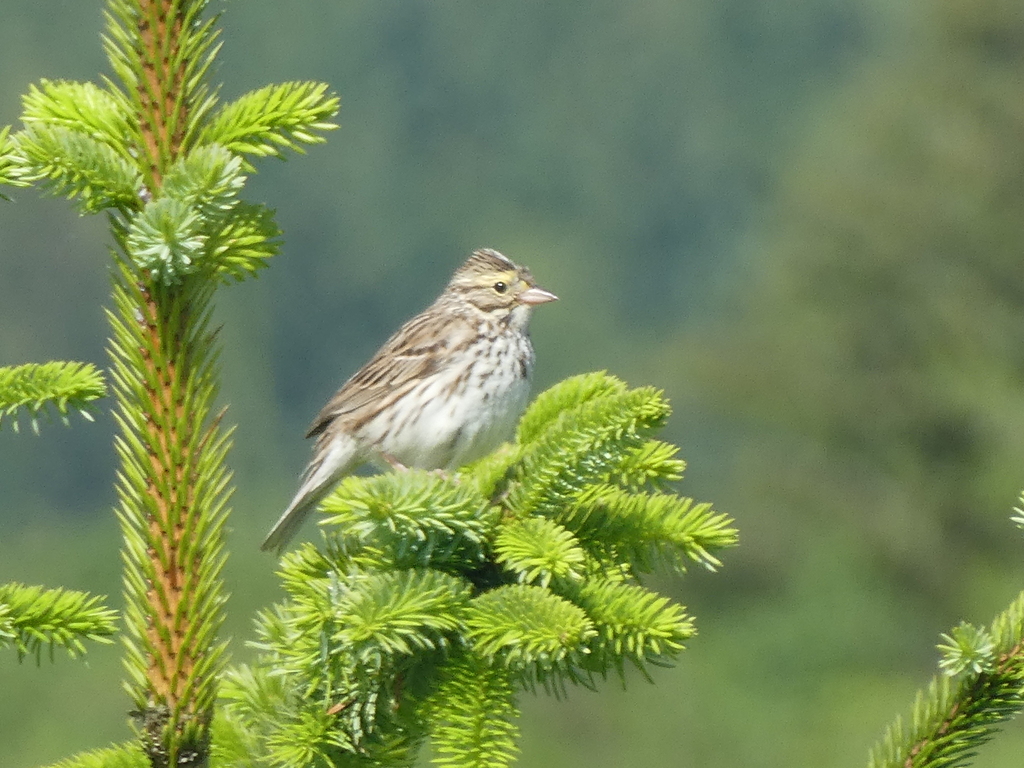
- Savannah SparrowPasserculus sandwichensis
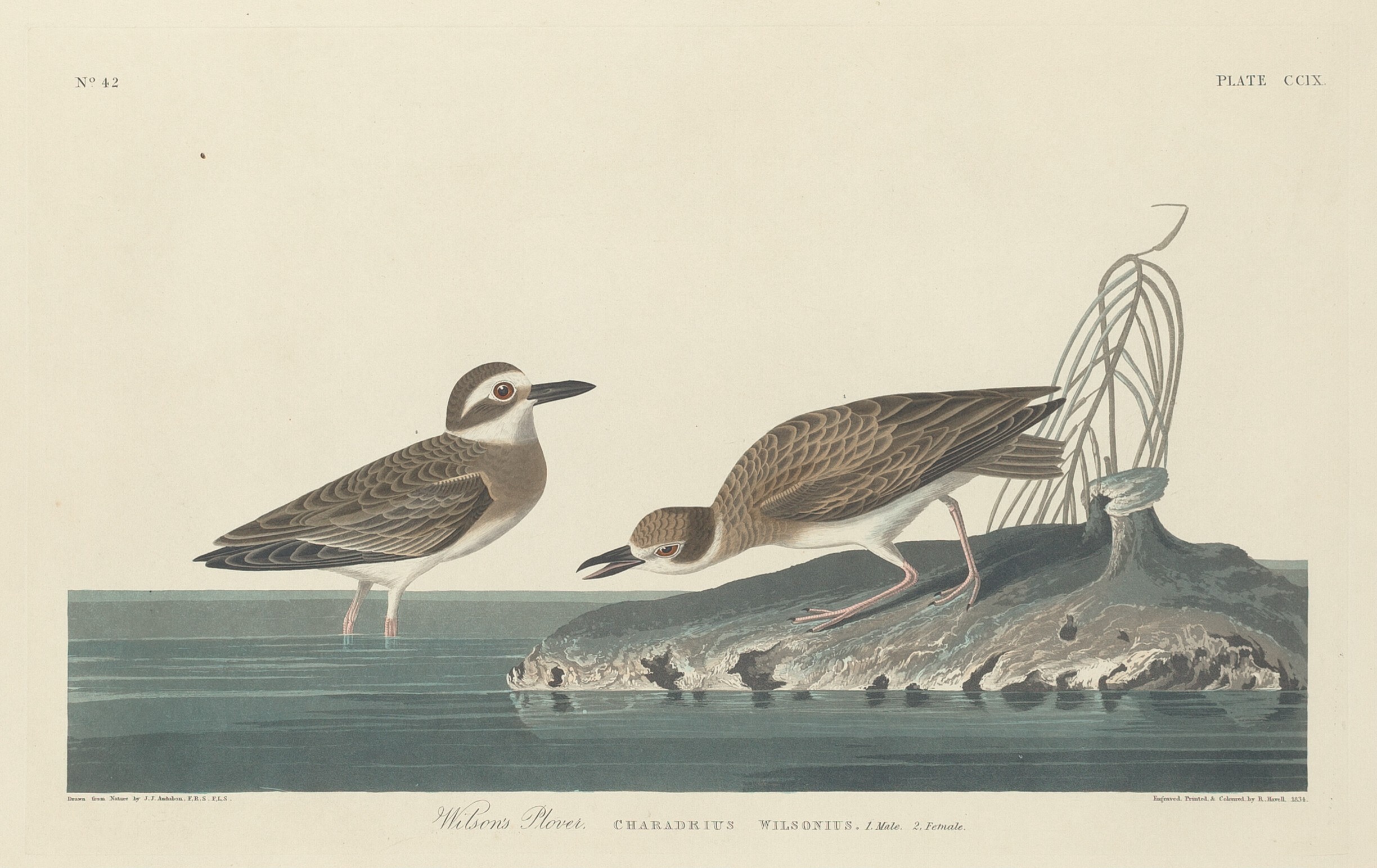
- Wilson's PloverCharadrius wilsonia
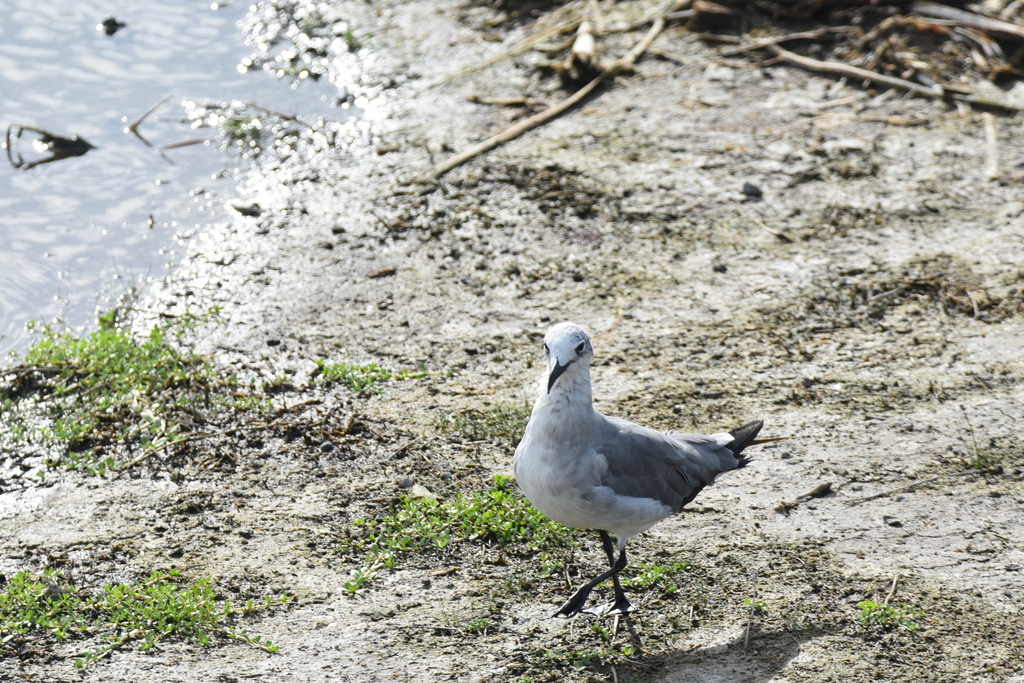
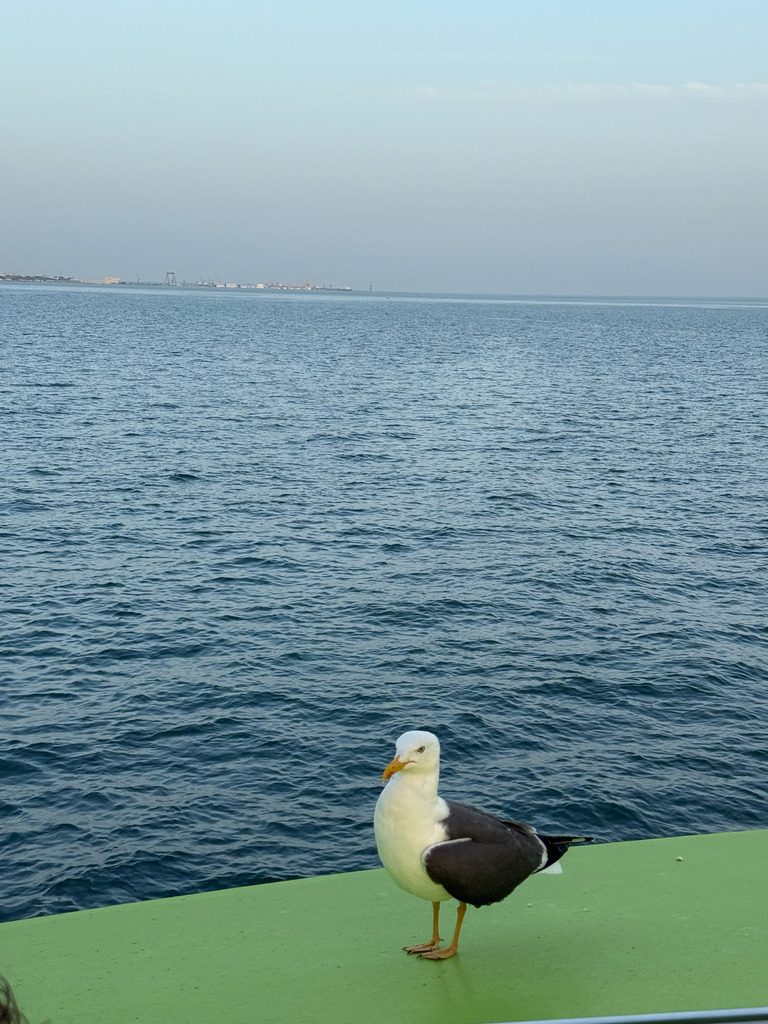
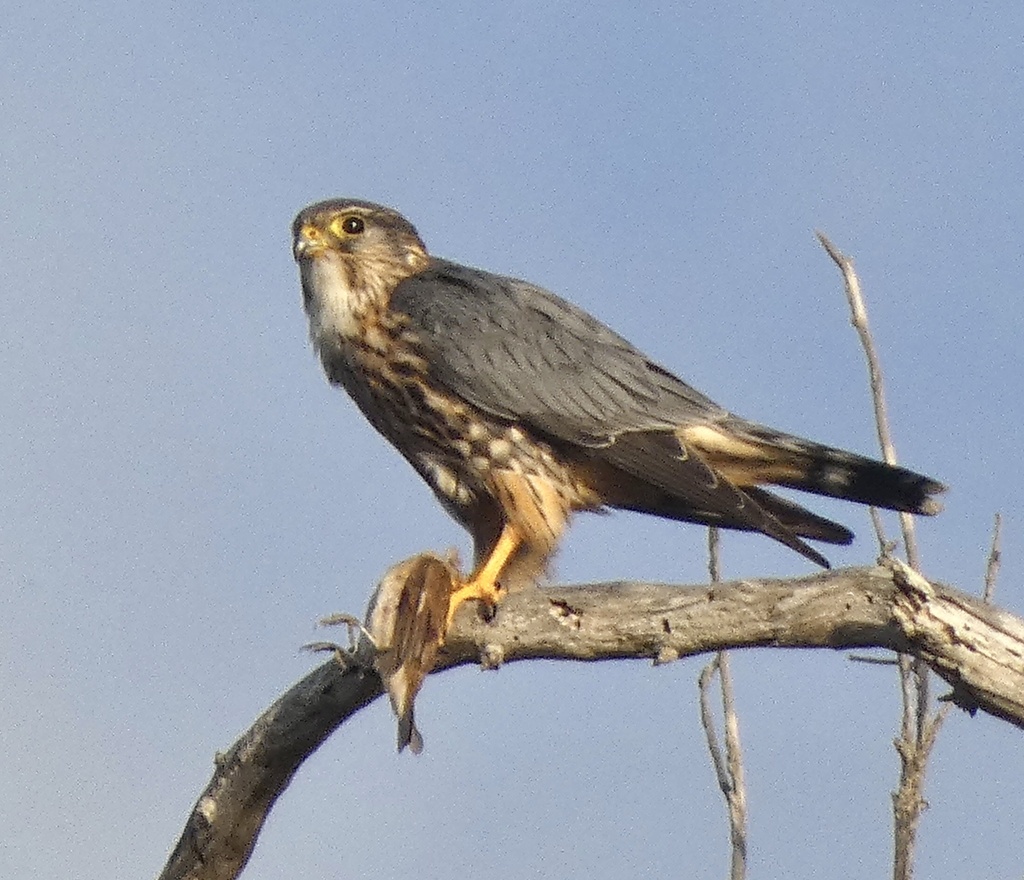
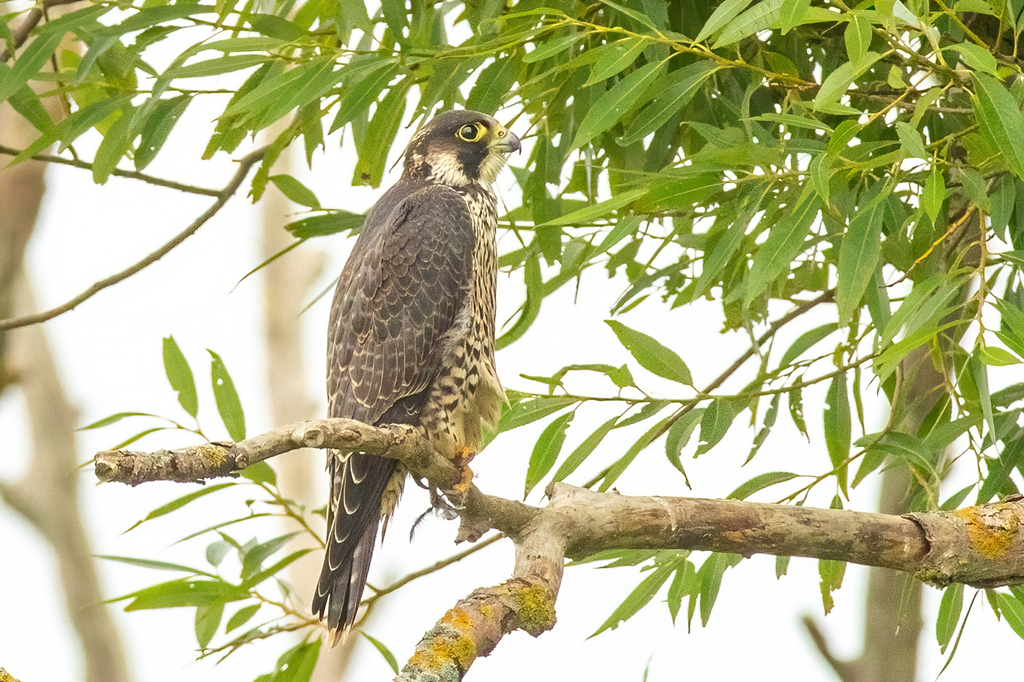

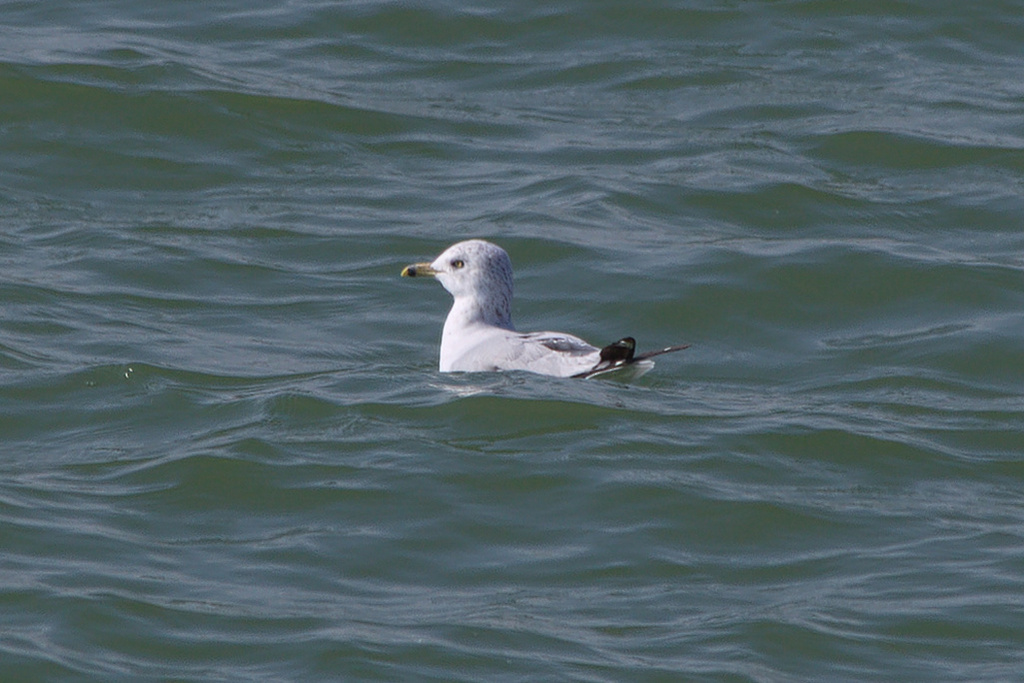
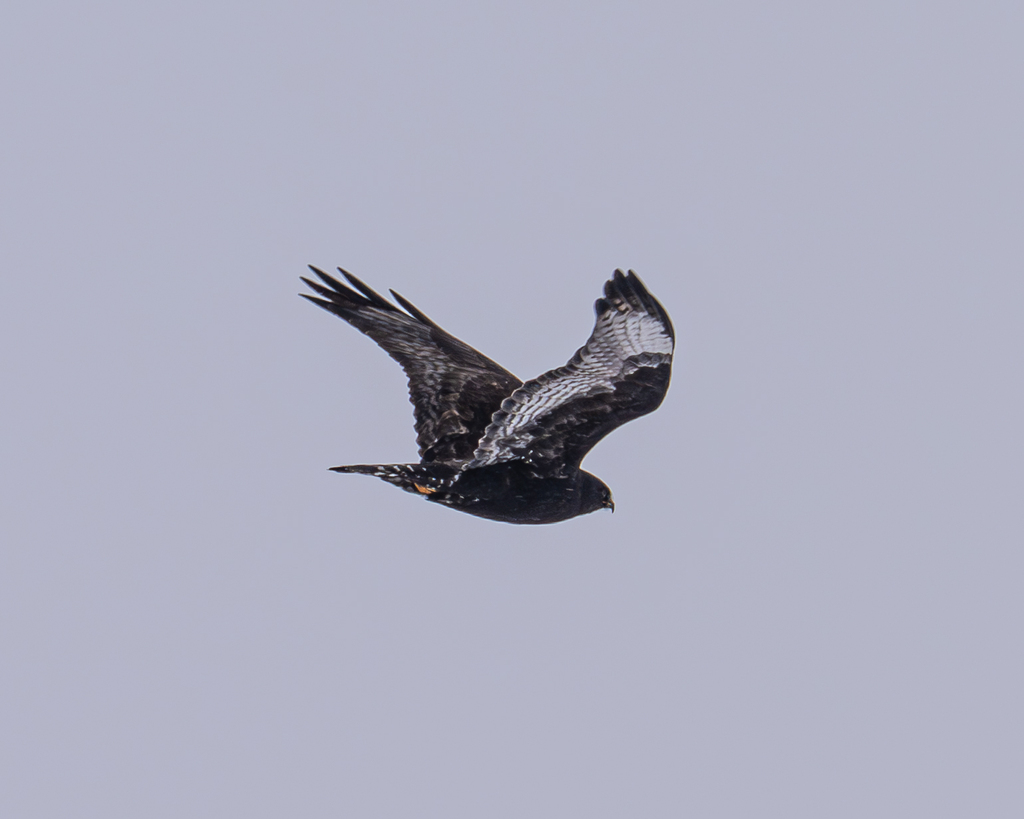
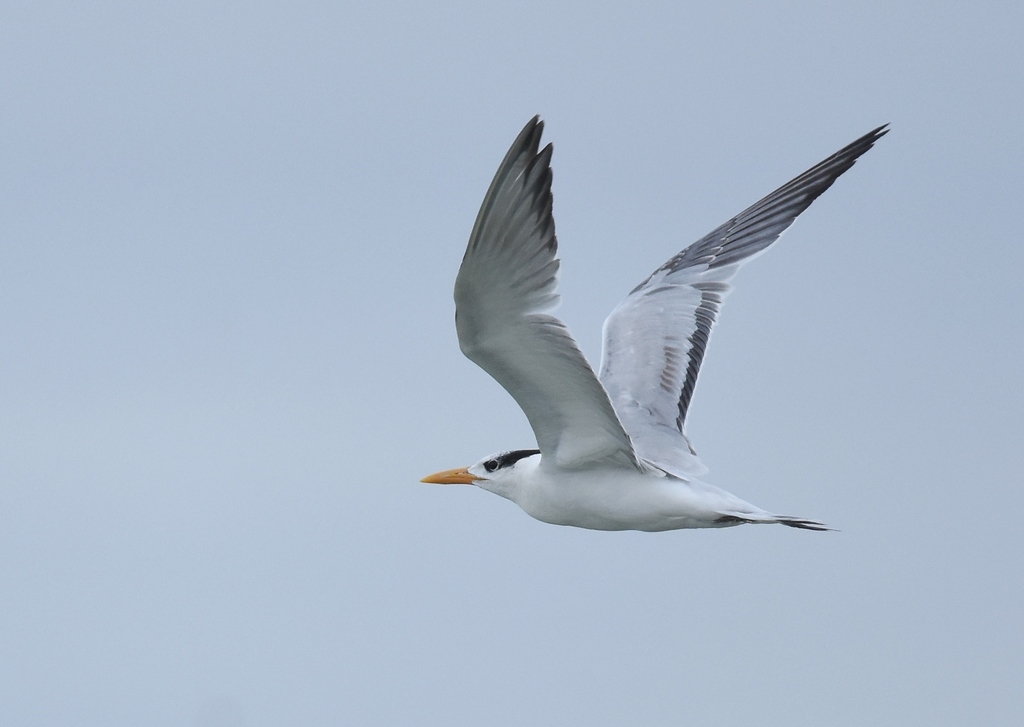
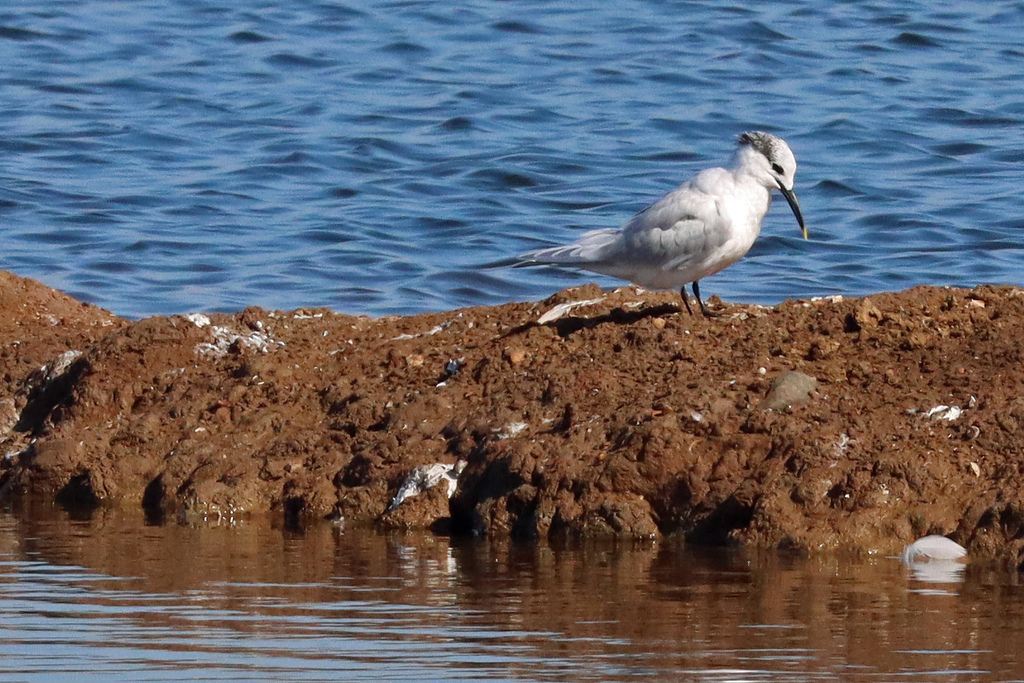
Who uses this plant?
 8CaterpillarsGenus host records with ranges including VA
Genus host records with ranges including VA · Atriplex
- Achyra rantalisGarden Webworm Moth
- Bleptina caradrinalisBent-Winged Owlet, Variable Snout
- Chrysoesthia lingulacellaSilver-Banded Moth
- Emmelina monodactylaMorning-Glory Plume Moth
- Herpetogramma bipunctalisSouthern Beet Webworm, Two-Spotted Herpetogramma
- Hymenia perspectalisSpotted Beet Webworm
- Pholisora catullusCommon Sootywing
- Spoladea recurvalisHawaiian Beet Webworm
 —BeesSoutheastern regional records
 —Specialist beesPollen specialists
 1BirdsRecorded genus food-resource interactions; not a state feeding claim
Recorded genus food-resource interactions; not a state feeding claim · Atriplex
- Zenaida macrouraMourning Dove
Direct food only: birds recorded eating this genus across North America. Caterpillars on host plants also feed nesting birds. NC Native Plant Society: butterfly gardening
Plant details
- Family
- AMARANTHACEAE
Safety has not been reviewed for this plant; check toxicity and thorns before planting.
Conservation status
| Virginia rank | SNA |
|---|---|
| Global rank | G5 |
| VA status | Not verified |
| Federal status | Not verified |
Native alternatives
Find natives for your gardenSources
- Digital Atlas of the Virginia Flora
- USDA PLANTS
- Weakley, Flora of the Southeastern United States (2025), Northern Tier edition
- NatureServe Explorer
- Shropshire & Tallamy 2025, Lepidoptera of North America north of Mexico, ZooKeys 1261 (ODbL)
- Noori, Seltmann & Orr 2026, A curated and integrated dataset for exploring global bee-plant interactions (GloBI), Zenodo, CC BY 4.0
- Smith, Bachelder, Russell, Morales, Mosher & Seltmann 2024, Bee-Specialization-Modeling v0.6.1 (specialist host table compiled from J. Fowler's pollen specialist bee lists), Zenodo, CC BY 4.0
- Hurlbert, Olsen, Sawyer & Winner 2021, Avian Diet Database, Scientific Data 8: 260 (CC0)
- Narango, Tallamy & Shropshire 2020, Few keystone plant genera support the majority of Lepidoptera species, Nature Communications