

Garden Asparagus
Asparagus officinalis
Commonly cultivated, commonly escaped to fencerows, roadsides, disturbed areas. FloraQuest, phone app (app page) What its natural habitat tells you
Not native to Virginia. How scores work Is it native here?
Profile 76%
- Height
- 3–5 feet
- Spread
- 1.5–3 feet
- Light
- Full sun
- Soil moisture
- Usually moist
No photograph yet. Looking for an old drawing…
Plant this instead
Choose your county to list local plants first.
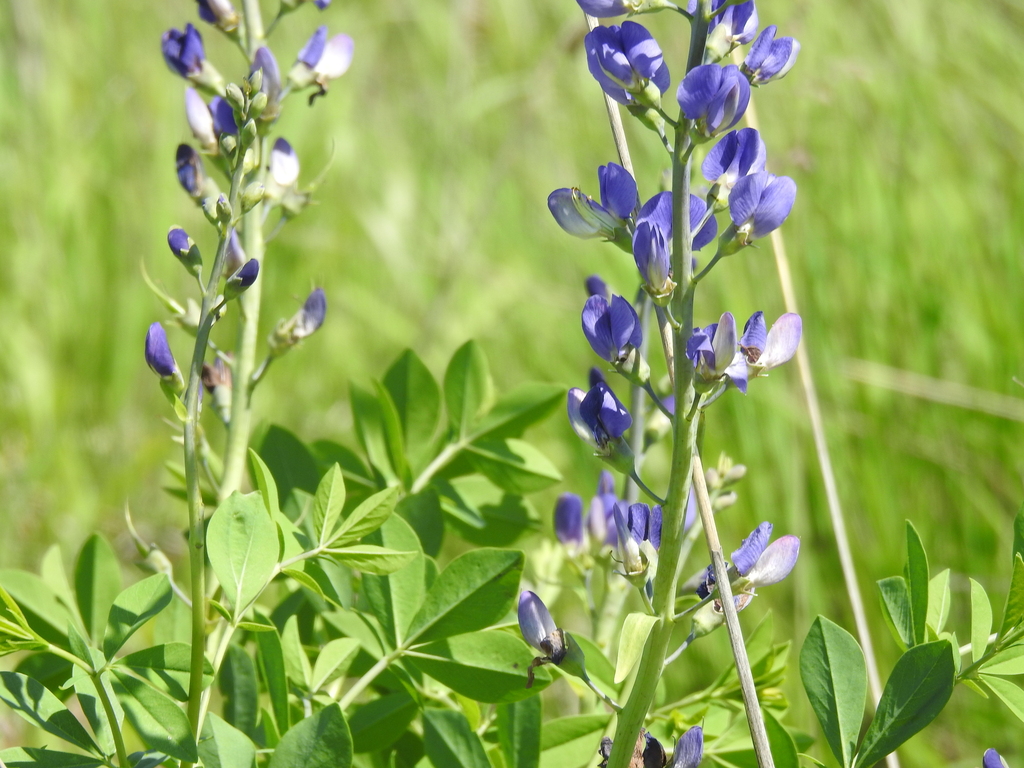
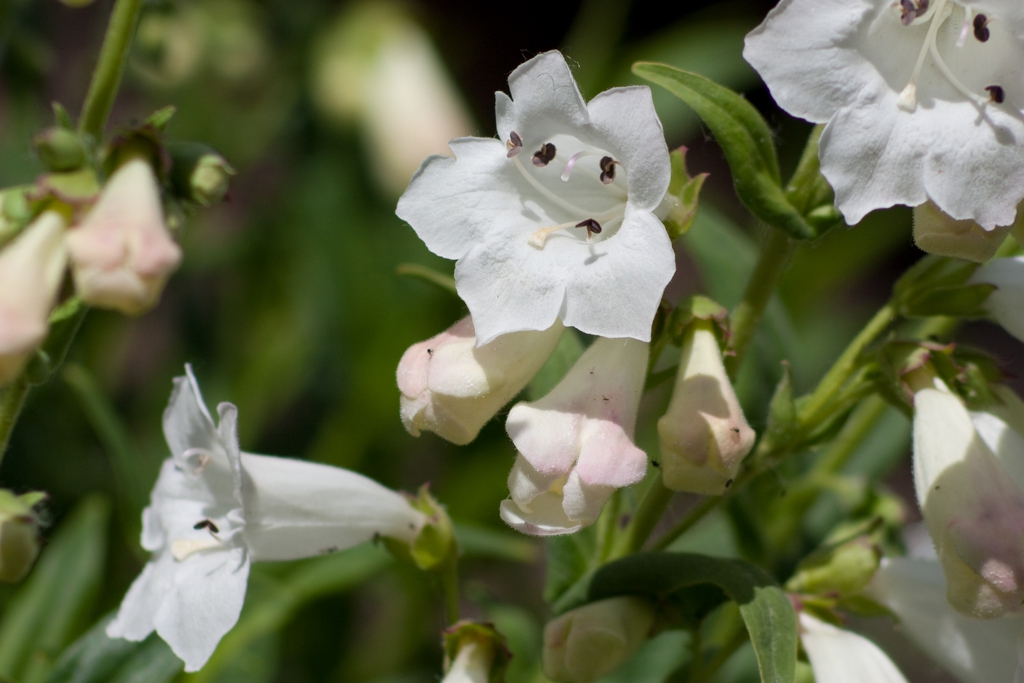
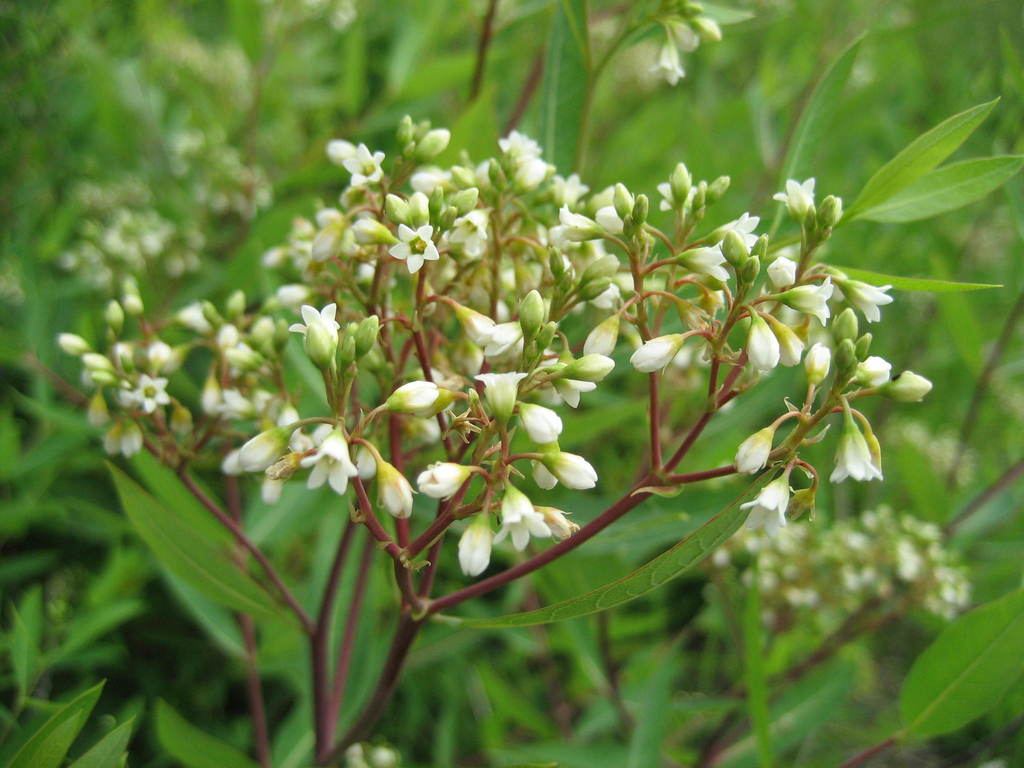
No recorded swaps for this county. Try the garden finder.
At a glance
- Life cycle
- Perennial
- Bloom
- April to June
- Fruiting season
- July to October
Not yet recorded · Leaves
Recorded in 95 Virginia counties.
Natural habitats
Places it grows wild. Not a planting requirement. Each habitat page lists the plants and wildlife also found there.
Roadsides, fields and disturbed ground
Ground opened by people: roadsides, old fields, pastures, fencerows and lots.
Who uses this plant?
 33CaterpillarsGenus host records with ranges including VA
Genus host records with ranges including VA · Asparagus
- Acronicta oblinitaSmeared Dagger
- Agrotis ipsilonIpsilon Dart, Black Cutworm, Greasy Cutworm
- Agrotis vetustaOld Man Dart
- Amorbia humerosanaWhite-Lined Leafroller Moth
- Anarta trifoliiThe Nutmeg, Clover Cutworm
- Anavitrinella pampinariaCommon Gray, Cranberry Spanworm
- Callopistria floridensisFlorida Fern Caterpillar
- Chrysodeixis includensSoybean Looper Moth
- Elasmopalpus lignosellaLesser Cornstalk Borer
- Ennomos subsignariaElm Spanworm Moth
Show all 33
- Estigmene acreaSalt Marsh Moth, Acrea Moth
- Euxoa messoriaReaper Dart, Darksided Cutworm, Dark-Sided Cutworm
- Feltia subterraneaSubterranean Dart, Granulate Cutworm
- Helicoverpa zeaCorn Earworm Moth
- Herpetogramma bipunctalisSouthern Beet Webworm, Two-Spotted Herpetogramma
- Iridopsis humariaSmall Purplish Gray
- Iridopsis larvariaBent-Line Gray
- Lacanobia subjunctaSpeckled Arches, Subdues Arches, Harnessed Mamestra, Speckled Cutworm Moth, Grand Arches?(incorrectly)
- Melanchra adjunctaHitched Arches
- Melanchra pictaPainted Arches, Zebra Caterpillar Moth
- Mythimna unipunctaArmyworm Moth, White Speck
- Papaipema nebrisStalk Borer
- Platynota rostranaOmnivorous Platynota
- Platynota stultanaOmnivorous Leafroller
- Spaelotis clandestinaClandestine Dart, W-Marked Cutworm
- Sparganothis sulfureanaSparganothis Fruitworm Moth, Sulfur Leafroller, False Yellow-Head
- Spilosoma virginicaVirginian Tiger Moth, Yellow Woolybear Moth, Yellow Bear
- Spodoptera dolichosSweetpotato Armyworm, Dolichos Armyworm, Large Cotton Armyworm
- Spodoptera frugiperdaFall Armyworm Moth
- Spodoptera ornithogalliYellow-Striped Armyworm Moth, Cotton Cutworm
- Tolype velledaLarge Tolype, Large Lappet Moth, Vellada Lappet Moth
- Trichoplusia niNi Moth, Cabbage Looper Moth
- Trichordestra legitimaStriped Garden Caterpillar Moth
 —BeesSoutheastern regional records
 —Specialist beesPollen specialists
 1BirdsRecorded genus food-resource interactions; not a state feeding claim
Recorded genus food-resource interactions; not a state feeding claim · Asparagus
- Sialia sialisEastern Bluebird
Direct food only: birds recorded eating this genus across North America. Caterpillars on host plants also feed nesting birds. NC Native Plant Society: butterfly gardening
Plant details
- Family
- Asparagaceae
- Hardiness
- Zones 2a–9b
- Soil pH
- Neutral
- Flower color
- Yellow or green
- Fruit begins
- July
- Fruit ends
- October
Safety has not been reviewed for this plant; check toxicity and thorns before planting.
Growing sources and scope
- Bloom · “April to June” · FloraQuest: Carolinas, Georgia (Southeastern Flora Team), phone app (app page) · Carolinas and Georgia
- Flower color · “Yellow or green” · NC Extension Plant Toolbox
- Fruit begins · “July” · FloraQuest: Carolinas, Georgia (Southeastern Flora Team), phone app (app page) · Carolinas and Georgia
- Fruit ends · “October” · FloraQuest: Carolinas, Georgia (Southeastern Flora Team), phone app (app page) · Carolinas and Georgia
- Hardiness · “Zones 2a–9b” · NC Extension Plant Toolbox
- Height · “3–5 feet” · NC Extension Plant Toolbox (ranked first; Minnesota Wildflowers differs)
- Life cycle · “Perennial” · NC Extension Plant Toolbox
- Light · “Full sun (6 or more hours of direct sunlight a day)” · NC Extension Plant Toolbox
- Soil · “Moist” · NC Extension Plant Toolbox
- Soil pH · “Neutral” · NC Extension Plant Toolbox
- Spread · “1.5–3 feet” · NC Extension Plant Toolbox
Also known as
Asparagus
Conservation status
| Virginia rank | SNA |
|---|---|
| Global rank | G5? |
| VA status | Not verified |
| Federal status | Not verified |
Sources
- Digital Atlas of the Virginia Flora
- USDA PLANTS
- FloraQuest: Carolinas, Georgia (Weakley), phone app (app page)
- FloraQuest: Northern Tier (Weakley), phone app (app page)
- NatureServe Explorer
- Shropshire & Tallamy 2025, Lepidoptera of North America north of Mexico, ZooKeys 1261 (ODbL)
- Noori, Seltmann & Orr 2026, A curated and integrated dataset for exploring global bee-plant interactions (GloBI), Zenodo, CC BY 4.0
- Smith, Bachelder, Russell, Morales, Mosher & Seltmann 2024, Bee-Specialization-Modeling v0.6.1 (specialist host table compiled from J. Fowler's pollen specialist bee lists), Zenodo, CC BY 4.0
- Hurlbert, Olsen, Sawyer & Winner 2021, Avian Diet Database, Scientific Data 8: 260 (CC0)
- Narango, Tallamy & Shropshire 2020, Few keystone plant genera support the majority of Lepidoptera species, Nature Communications