

Butterfly Milkweed
Asclepias tuberosa
Orange flower clusters rise above narrow foliage on this drought-tolerant milkweed.
Native to Virginia. How scores work Is it native here?
Profile 100%
- Height
- 1–2 feet, sometimes to 3
- Spread
- 1–1½ feet
- Light
- Full sun, Partial shade
- Soil moisture
- Somewhat dry to moist
Space about 1 ft apart from its recorded spread, about 100 per 100 sq ft. Enter your bed size for a count
Will it fit your yard?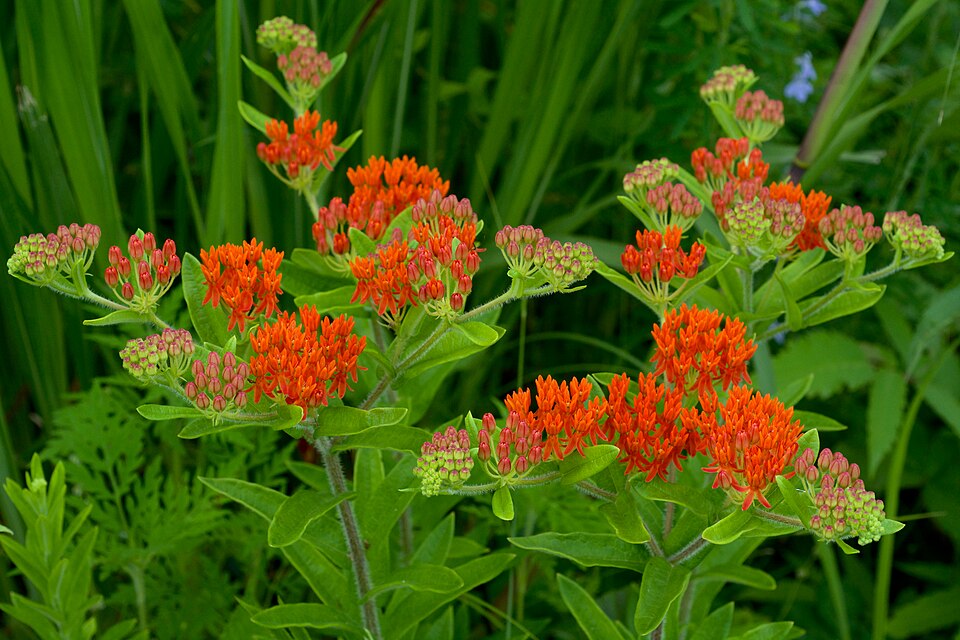
At a glance
- Life cycle
- Herbaceous perennial
- Leaves
- Deciduous
- Bloom
- May to August
- Fruiting season
- Fall
Recorded in 103 Virginia counties and cities.
Also found with this plant
Wildlife whose habitat models include habitats this plant grows in, in Virginia. Shared habitat, not food. 18 animals.
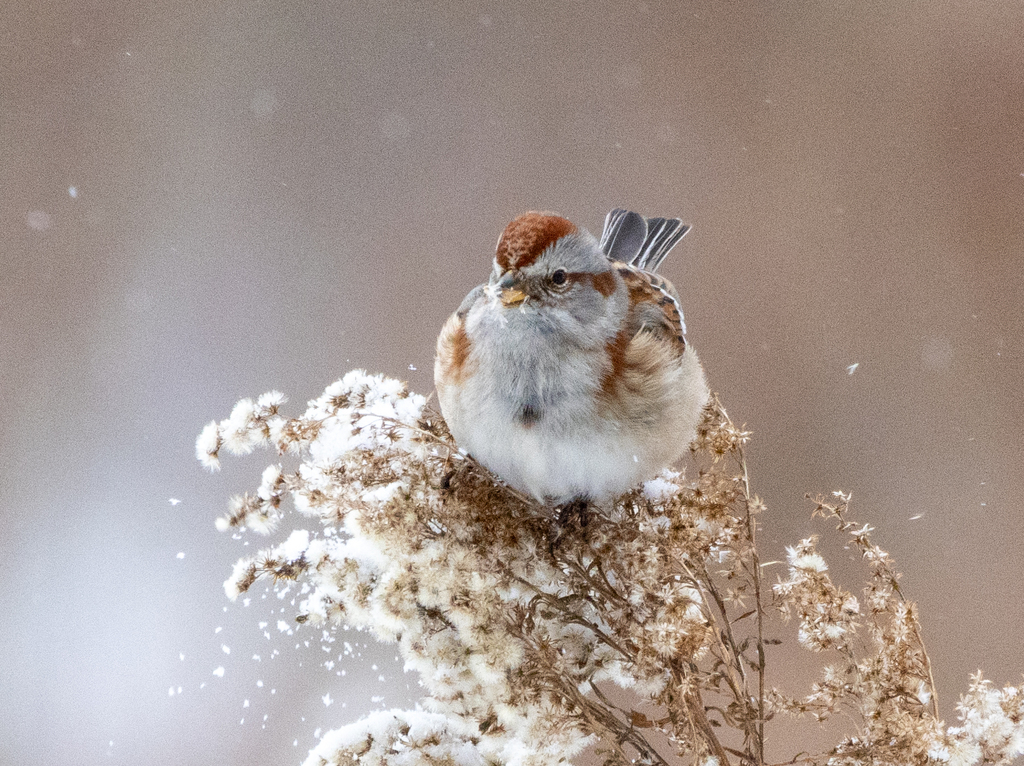
- American Tree SparrowSpizella arborea
- American WoodcockScolopax minor
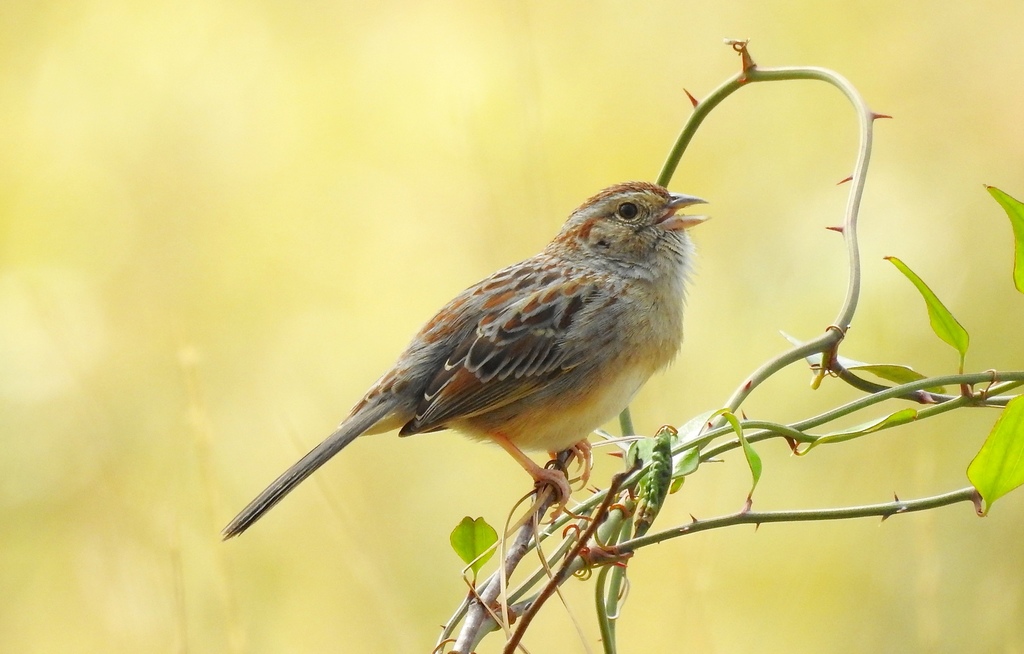
- Bachman's SparrowAimophila aestivalis
- Barred OwlStrix varia
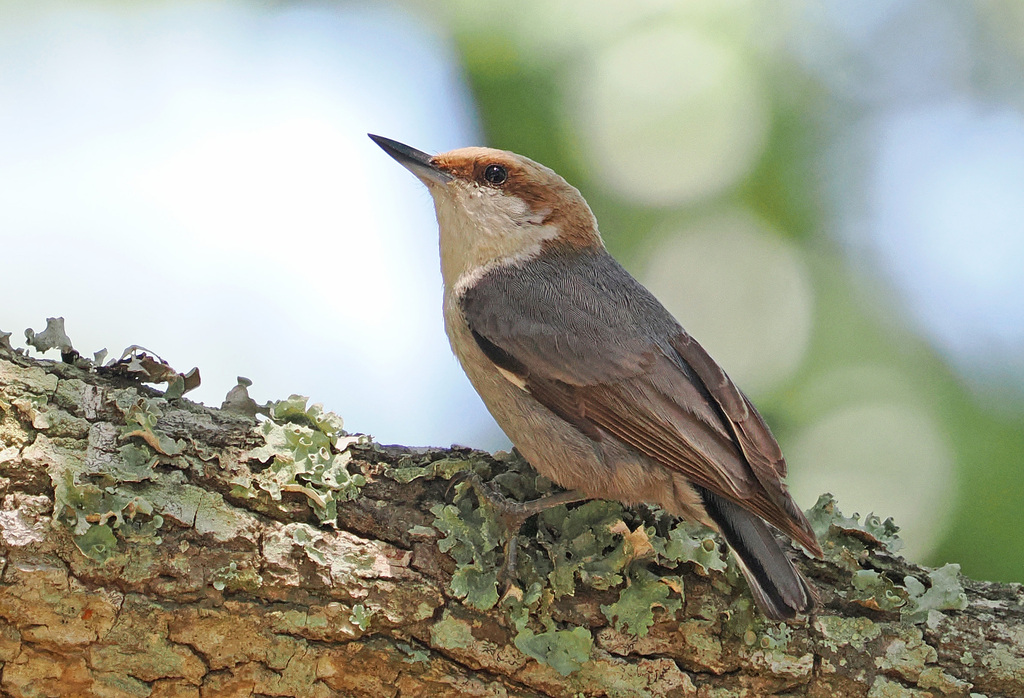
- Brown-headed NuthatchSitta pusilla
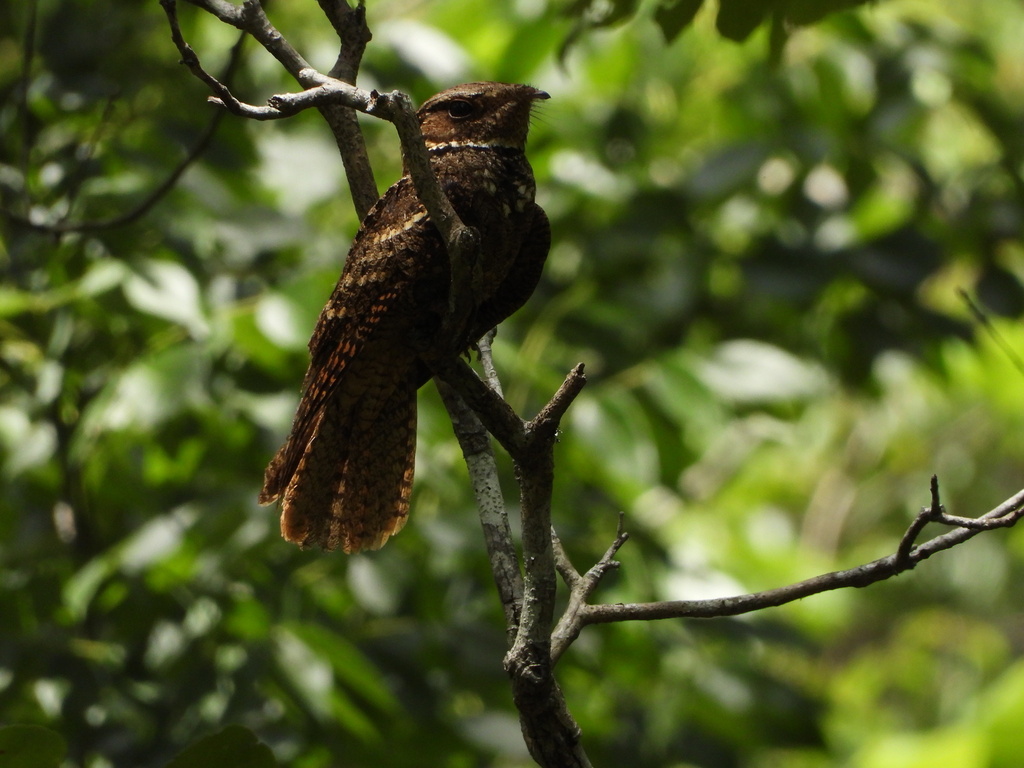
- Chuck-will's-widowCaprimulgus carolinensis
- Eastern BluebirdSialia sialis
- Eastern PhoebeSayornis phoebe
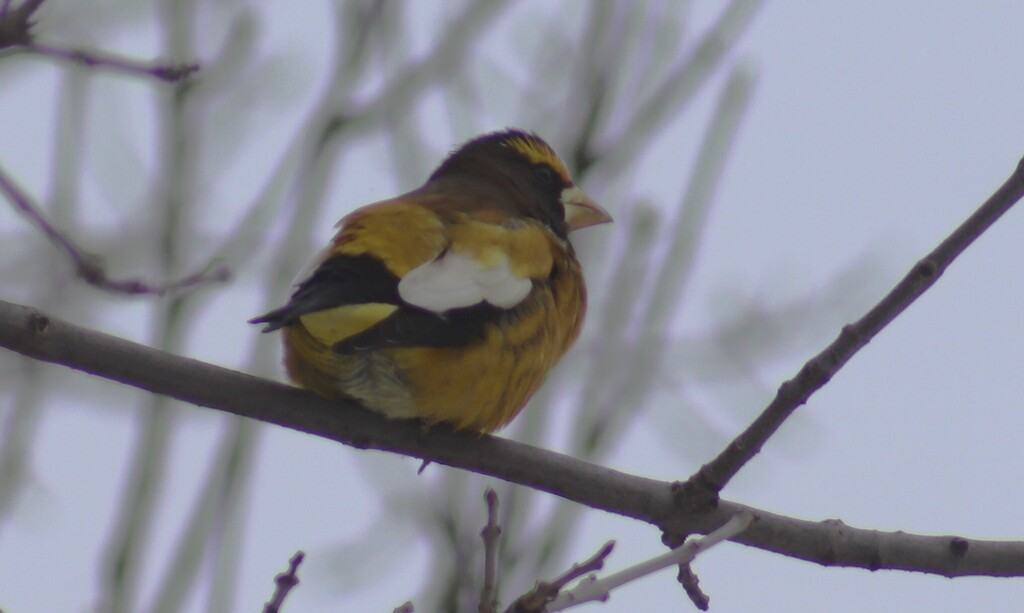
- Evening GrosbeakCoccothraustes vespertinus
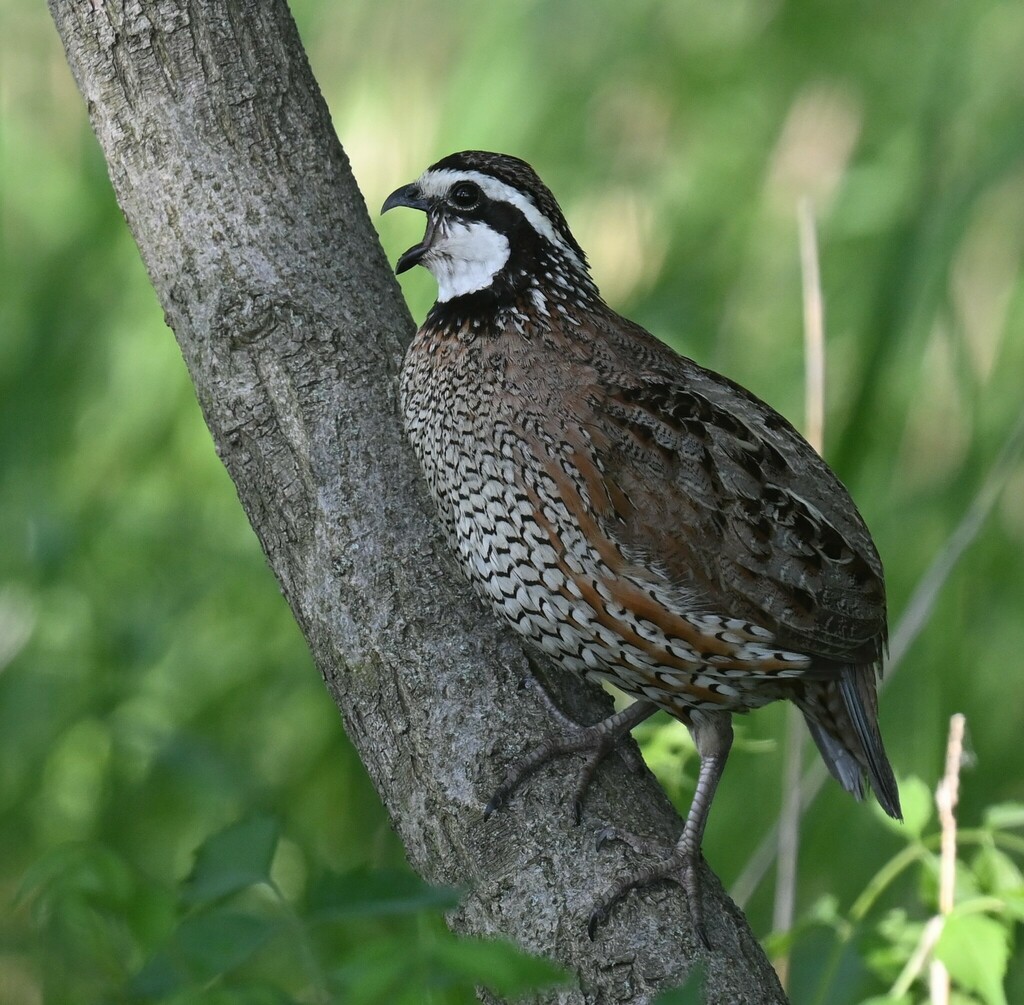
- Northern BobwhiteColinus virginianus
- Orchard OrioleIcterus spurius
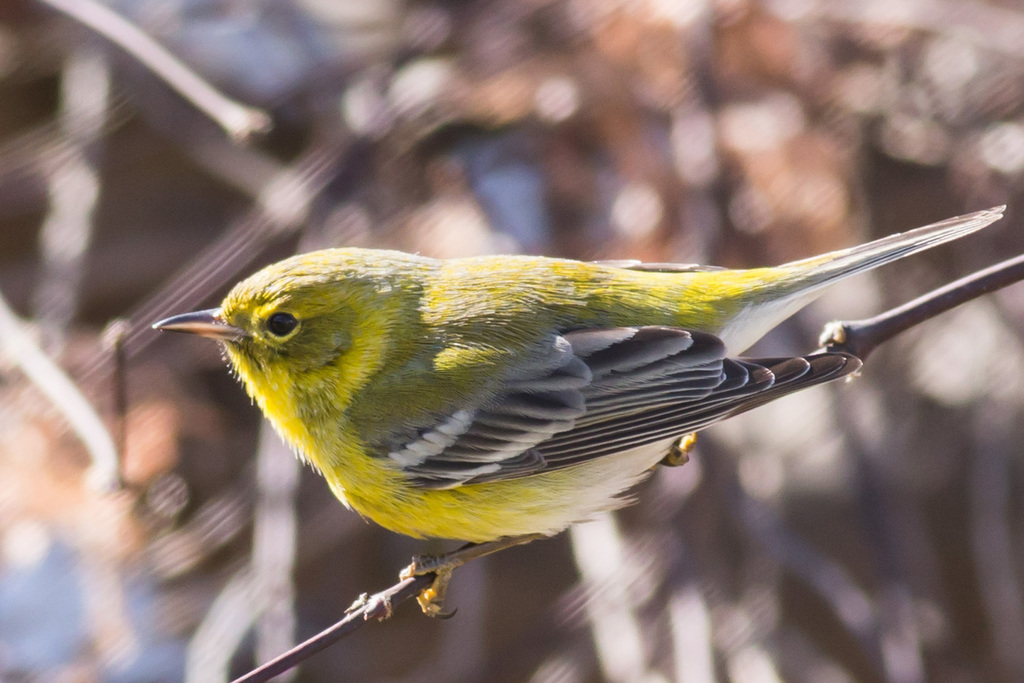
- Pine WarblerDendroica pinus
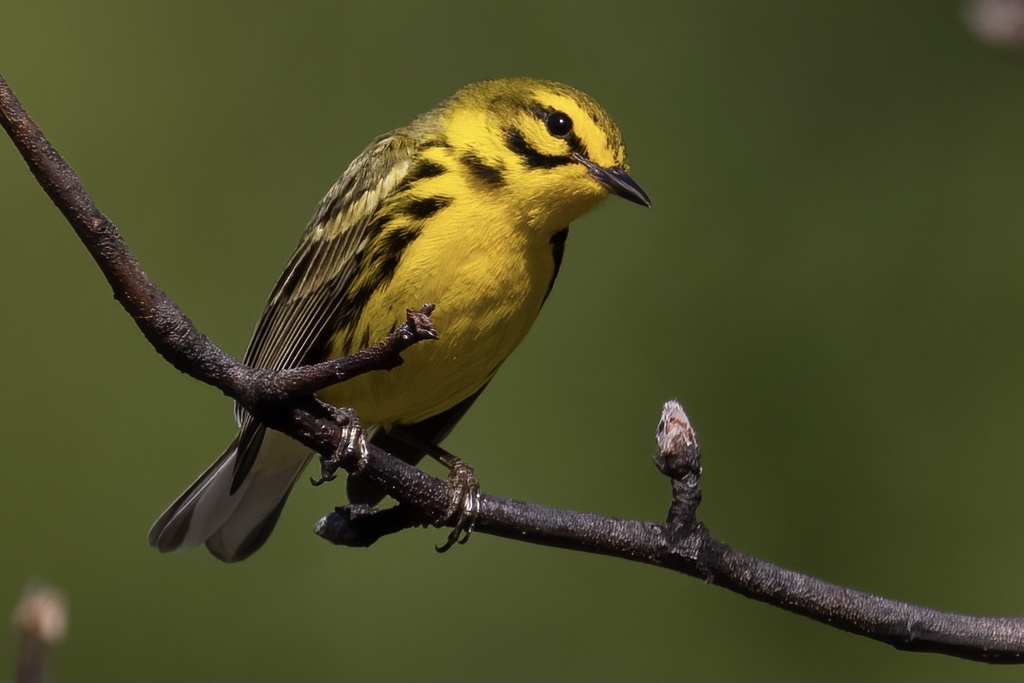
- Prairie WarblerDendroica discolor
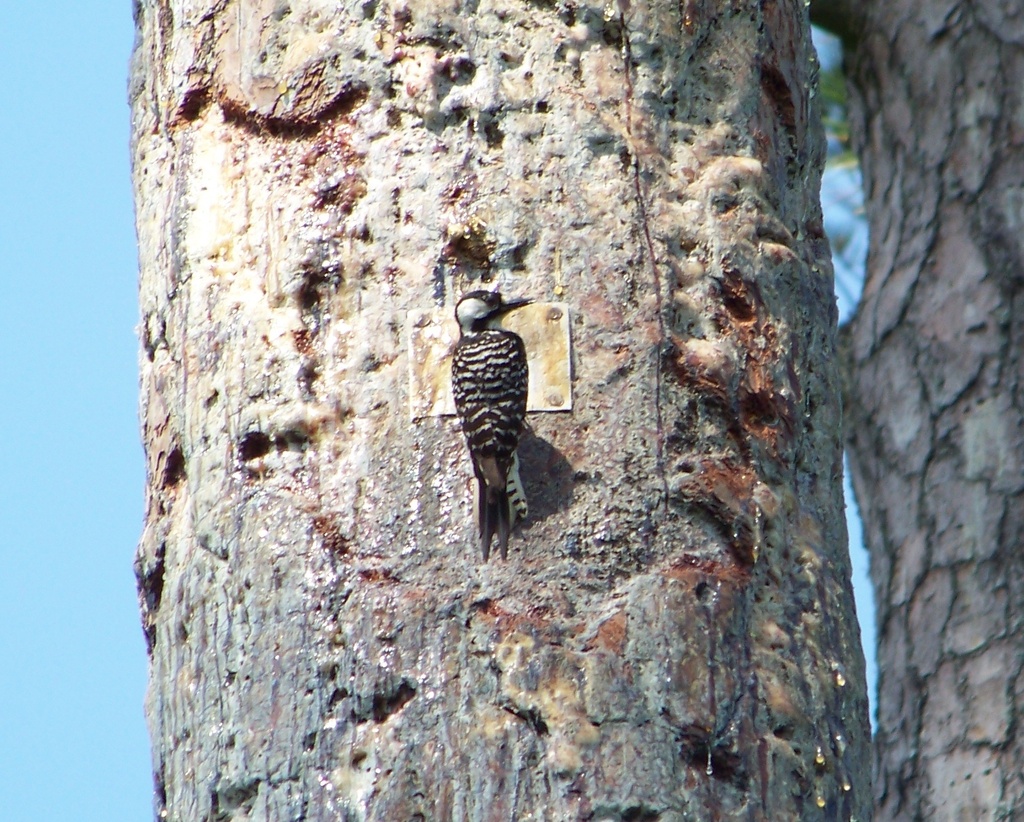
- Red-cockaded WoodpeckerPicoides borealis
- Red-headed WoodpeckerMelanerpes erythrocephalus
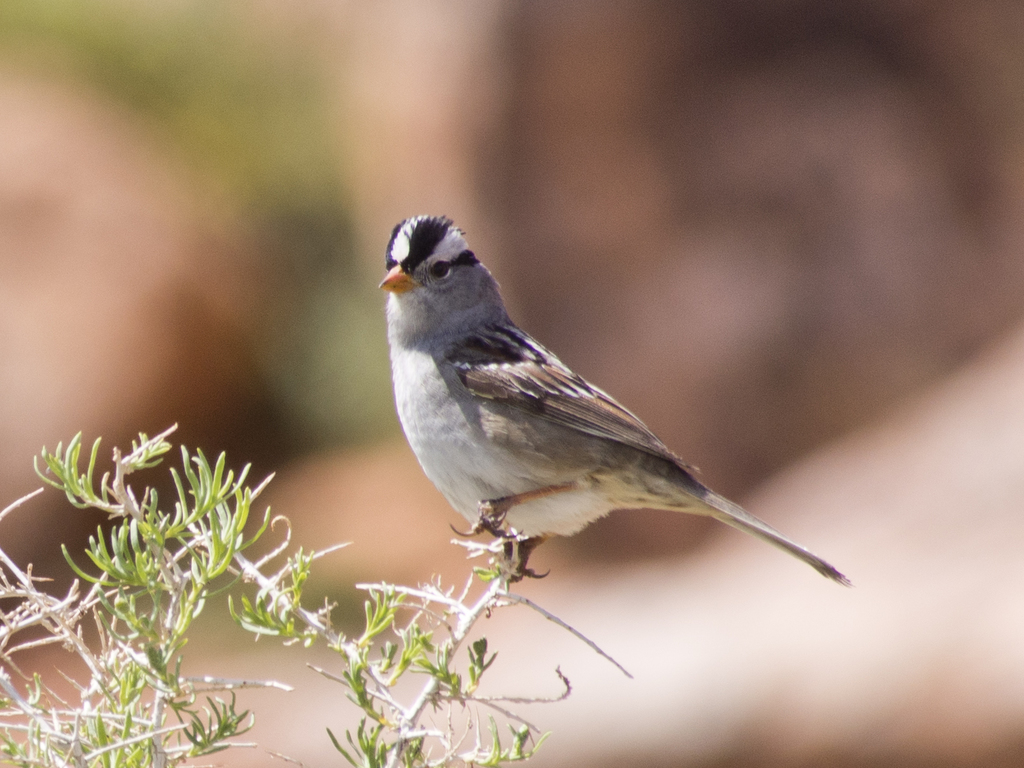
- White-crowned SparrowZonotrichia leucophrys
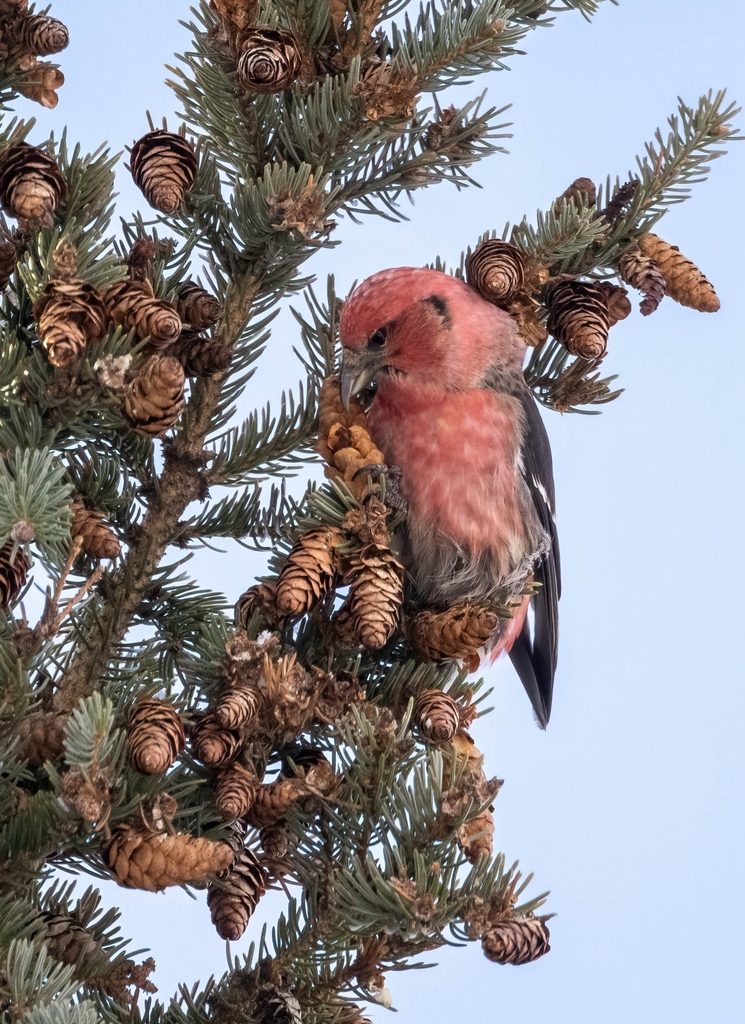
- White-winged CrossbillLoxia leucoptera
- Yellow-throated WarblerDendroica dominica








Widespread birds also seen here (61)
Found in many habitats here, so not listed above.
- American Crow
- American Goldfinch
- American Kestrel
- American Robin
- Bald Eagle
- Belted Kingfisher
- Black Vulture
- Blue Grosbeak
- Blue Jay
- Blue-gray Gnatcatcher
- Brown Creeper
- Brown Thrasher
- Carolina Chickadee
- Carolina Wren
- Cedar Waxwing
- Chimney Swift
- Chipping Sparrow
- Common Grackle
- Common Nighthawk
- Cooper's Hawk
- Dark-eyed Junco
- Double-crested Cormorant
- Downy Woodpecker
- Eastern Kingbird
- Eastern Screech-owl
- Eastern Towhee
- Eastern Wood-pewee
- Eurasian Collared-dove
- European Starling
- Fish Crow
- Fox Sparrow
- Golden-crowned Kinglet
- Great Crested Flycatcher
- Great Horned Owl
- Hairy Woodpecker
- Hermit Thrush
- Hooded Merganser
- Mourning Dove
- Northern Cardinal
- Northern Flicker
- Northern Mockingbird
- Orange-crowned Warbler
- Osprey
- Pileated Woodpecker
- Pine Siskin
- Purple Finch
- Red-bellied Woodpecker
- Red-tailed Hawk
- Red-winged Blackbird
- Ruby-crowned Kinglet
- Ruby-throated Hummingbird
- Sharp-shinned Hawk
- Spotted Sandpiper
- Tufted Titmouse
- Turkey Vulture
- White-eyed Vireo
- White-throated Sparrow
- Wild Turkey
- Yellow-bellied Sapsucker
- Yellow-breasted Chat
- Yellow-rumped Warbler
Care
- Avoid wet, poorly drained soil.
- Established plants are best left undisturbed.
- Optional bloom tip: Removing spent flowers can encourage more blooms.
Who uses this plant?
 13CaterpillarsGenus host records with ranges including VA
Genus host records with ranges including VA · Asclepias
- Danaus plexippusMonarch
- Cycnia collarisUnexpected Cycnia
- Cycnia teneraDelicate Cycnia, Dogbane Tiger Moth
- Euchaetes egleMilkweed Tussock Moth or Milkweed Tiger Moth
- Hyalophora cecropiaCecropia Silkmoth, Cecropia Moth
- Melanchra adjunctaHitched Arches
- Papaipema nebrisStalk Borer
- Platynota flavedanaBlack-Shaded Platynota
- Pyrrharctia isabellaIsabella Tiger Moth, Banded Woolybear
- Spodoptera frugiperdaFall Armyworm Moth
Show all 13
- Strymon melinusGray Hairstreak
- Trichordestra legitimaStriped Garden Caterpillar Moth
- Pygarctia eglenensis
 59BeesSoutheastern regional records
Southeastern regional records · Asclepias
Individual names are not available yet.
Noori, Seltmann & Orr 2026, A curated and integrated dataset for exploring global bee-plant interactions (GloBI), Zenodo, CC BY 4.0 0Specialist beesPollen specialists
 1BirdsRecorded genus food-resource interactions; not a state feeding claim
Recorded genus food-resource interactions; not a state feeding claim · Asclepias
- Ortalis vetulaPlain Chachalaca
Direct food only: birds recorded eating this genus across North America. Caterpillars on host plants also feed nesting birds. NC Native Plant Society: butterfly gardening
Flies 2
- Scepsis fulvicollis
- Spallanzania hesperidarum
Flower visits · Carlinville, Illinois, USA
Adult butterflies / moths 7
- Anosia plexippus
- Argynnis cybele
- Papilio asterias
- Phyciodes tharos
- Pontia protodice
- Speyeria idalia
- Strymon titus
Flower visits · Carlinville, Illinois, USA
Other wasps 5
- Ammobia ichneumonea
- Priononyx atrata
- Priononyx thomae
- Sphex nigricans
- Sphex procera
Flower visits · Carlinville, Illinois, USA
No records yet · Ants · Beetles · Other insects
Plant details
- Family
- Apocynaceae
- Hardiness
- Zones 3a–9b
- Flower color
- Orange, yellow or red
- Growth rate
- Slow
- Growth habit
- Several stems
- Foliage color
- Green
- Fruit begins
- Fall
- Fruit ends
- Fall
What its natural habitat tells you
Flower color. Usually orange to yellow-orange; yellow forms and yellowish to vermilion tinges are also recorded by the source. Source
Preferred light. Prefers full sun. Partial shade is a recorded tolerance, rather than the preferred flowering condition. Source
Safety has not been reviewed for this plant; check toxicity and thorns before planting.
Leave its deep taproot undisturbed. Avoid wet soil; seed-grown plants may need several years to flower. NC State Extension
Growing sources and scope
- Bloom · “Spring and summer” · NC Extension Plant Toolbox (ranked first; USDA PLANTS, Prairie Moon 2026 Cultural Guide differ)
- Flower color · “Orange, yellow or red” · NC State Extension · reviewed species facts
- Foliage color · “Green” · USDA PLANTS · Nationwide species characteristics; local growing conditions may vary
- Fruit begins · “Fall” · NC Extension Plant Toolbox (ranked first; USDA PLANTS differs) · Species profile fruit display season; not a local ripening date
- Fruit ends · “Fall” · NC Extension Plant Toolbox · Species profile fruit display season; not a local ripening date
- Growth habit · “Several stems” · USDA PLANTS · Nationwide species characteristics; local growing conditions may vary
- Growth rate · “Slow” · USDA PLANTS · Nationwide species characteristics; local growing conditions may vary
- Hardiness · “Zones 3a–9b” · NC Extension Plant Toolbox
- Height · “1–2 feet” · NC Extension Plant Toolbox (ranked first; USDA PLANTS, Prairie Moon 2026 Cultural Guide differ)
- Leaves · “Deciduous” · NC Extension Plant Toolbox
- Life cycle · “Perennial” · NC Extension Plant Toolbox
- Light · “Full sun (6 or more hours of direct sunlight a day); Partial shade (direct sunlight only part of the day, 2-6 hours)” · NC Extension Plant Toolbox (ranked first; Tennessee Smart Yards, Virginia DCR Piedmont, Virginia DCR Coastal Plain, Prairie Moon 2026 Cultural Guide differ)
- primary_flower_color · “orange” · NC State Extension species profile; existing gardener field review
- Soil · “Good drainage; Moist; Occasionally dry” · NC Extension Plant Toolbox (ranked first; Tennessee Smart Yards, Virginia DCR Piedmont, Virginia DCR Coastal Plain, Prairie Moon 2026 Cultural Guide differ)
- Spread · “1–1.5 feet” · NC Extension Plant Toolbox
Recognizing it
Narrow leaves spiral along upright stems. Unlike many milkweeds, its sap is clear. Identification source
Conservation status
| Virginia rank | S5 |
|---|---|
| Global rank | G5 |
| VA status | Not verified |
| Federal status | Not verified |
Will it fit your yard?
Check this plant against your county, sun and soil moisture. Conditions are checked in your browser.
Growing cautions
- Self-seeds. May freely self-seed unless seed pods are removed before they split. NC State Extension Plant Toolbox
- Needs good drainage. Avoid wet, poorly drained soil. NC State Extension Plant Toolbox
For planning only; these do not change the score or Fit.
Sources
- Digital Atlas of the Virginia Flora
- Digital Atlas of the Virginia Flora
- USDA PLANTS
- Vascular Plants of North Carolina (NC Natural Heritage Program)
- Weakley, Flora of the Southeastern United States (2025)
- NatureServe Explorer
- Shropshire & Tallamy 2025, Lepidoptera of North America north of Mexico, ZooKeys 1261 (ODbL)
- Noori, Seltmann & Orr 2026, A curated and integrated dataset for exploring global bee-plant interactions (GloBI), Zenodo, CC BY 4.0
- Smith, Bachelder, Russell, Morales, Mosher & Seltmann 2024, Bee-Specialization-Modeling v0.6.1 (specialist host table compiled from J. Fowler's pollen specialist bee lists), Zenodo, CC BY 4.0
- Hurlbert, Olsen, Sawyer & Winner 2021, Avian Diet Database, Scientific Data 8: 260 (CC0)
- Narango, Tallamy & Shropshire 2020, Few keystone plant genera support the majority of Lepidoptera species, Nature Communications
- NC State Extension