

American Spikenard
Aralia racemosa
Found in rich woodlands, trail margins and roadsides. Weakley, Flora of the Southeastern United States (2025), Northern Tier edition What its natural habitat tells you
Native to Virginia. How scores work Is it native here?
Profile 94%
- Height
- 3–6 feet
- Spread
- 3–5 feet
- Light
- Full sun to part shade
- Soil moisture
- Average to wet
Space about 4 ft apart from its recorded spread, about 6 per 100 sq ft. Enter your bed size for a count
Will it fit your yard?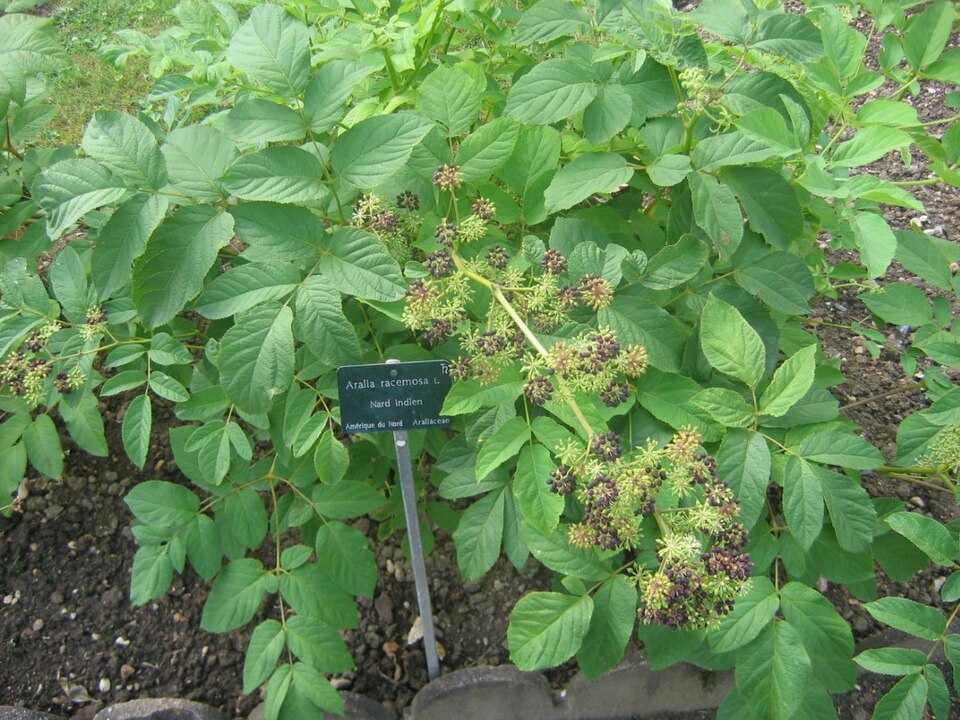
At a glance
- Life cycle
- Perennial
- Bloom
- June to August
Not yet recorded · Leaves
Recorded in 60 Virginia counties.
Natural habitats
Places it grows wild. Not a planting requirement. Each habitat page lists the plants and wildlife also found there.
Forest or woodland where the source does not say how moist or dry.
Roadsides, fields and disturbed ground
Ground opened by people: roadsides, old fields, pastures, fencerows and lots.
Also found with this plant
Wildlife whose habitat models include habitats this plant grows in, in Virginia. Shared habitat, not food. 119 animals.
- Bank SwallowRiparia riparia
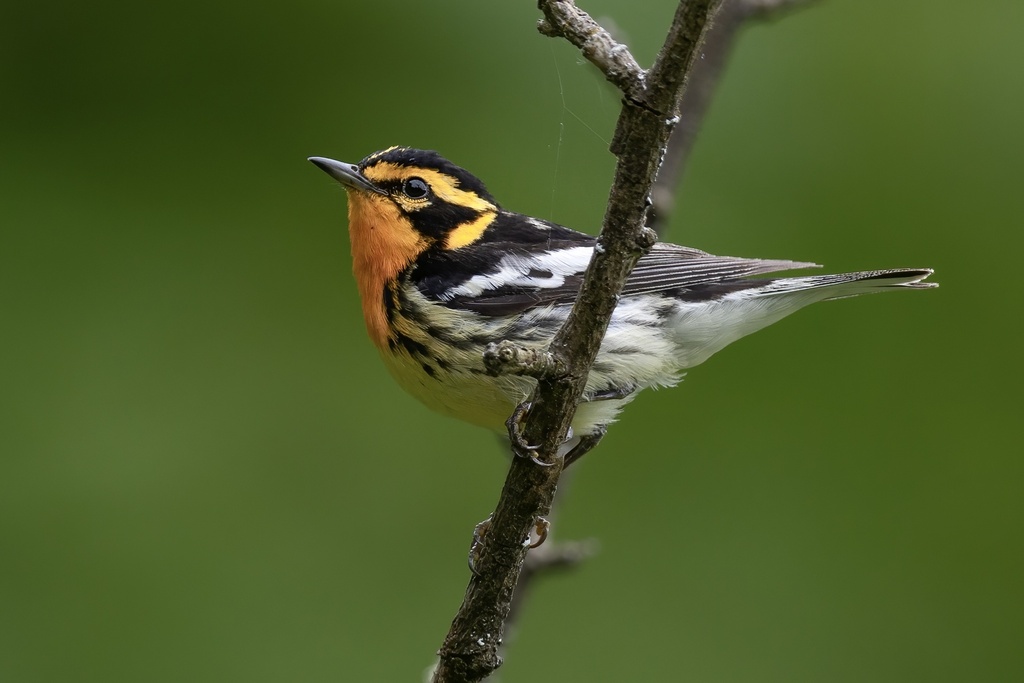
- Blackburnian WarblerDendroica fusca
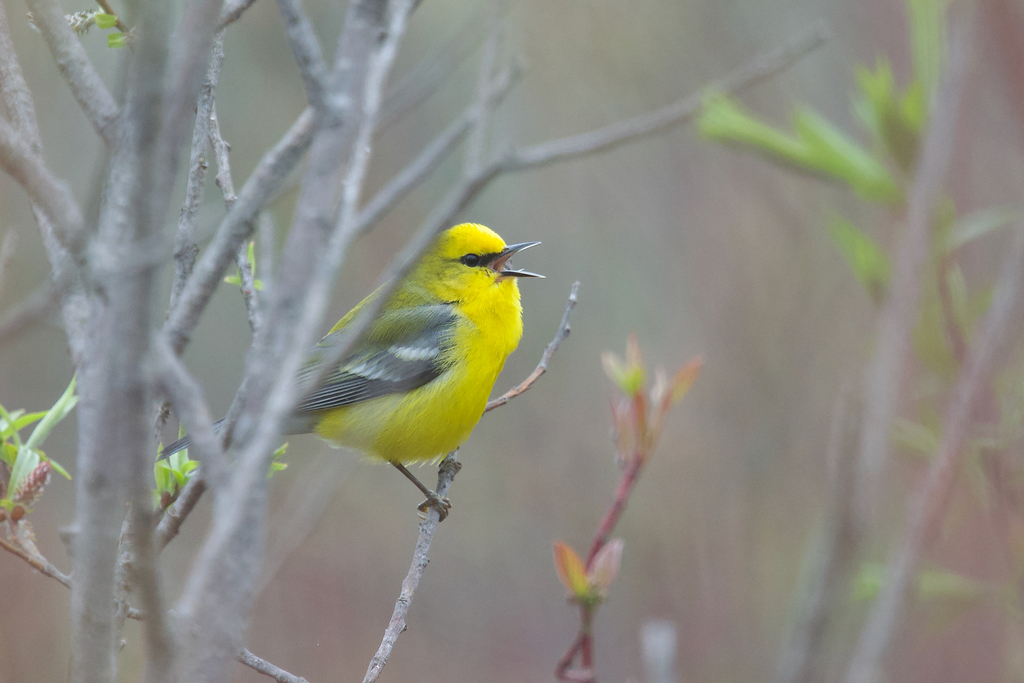
- Blue-winged WarblerVermivora pinus
- Brown-headed CowbirdMolothrus ater
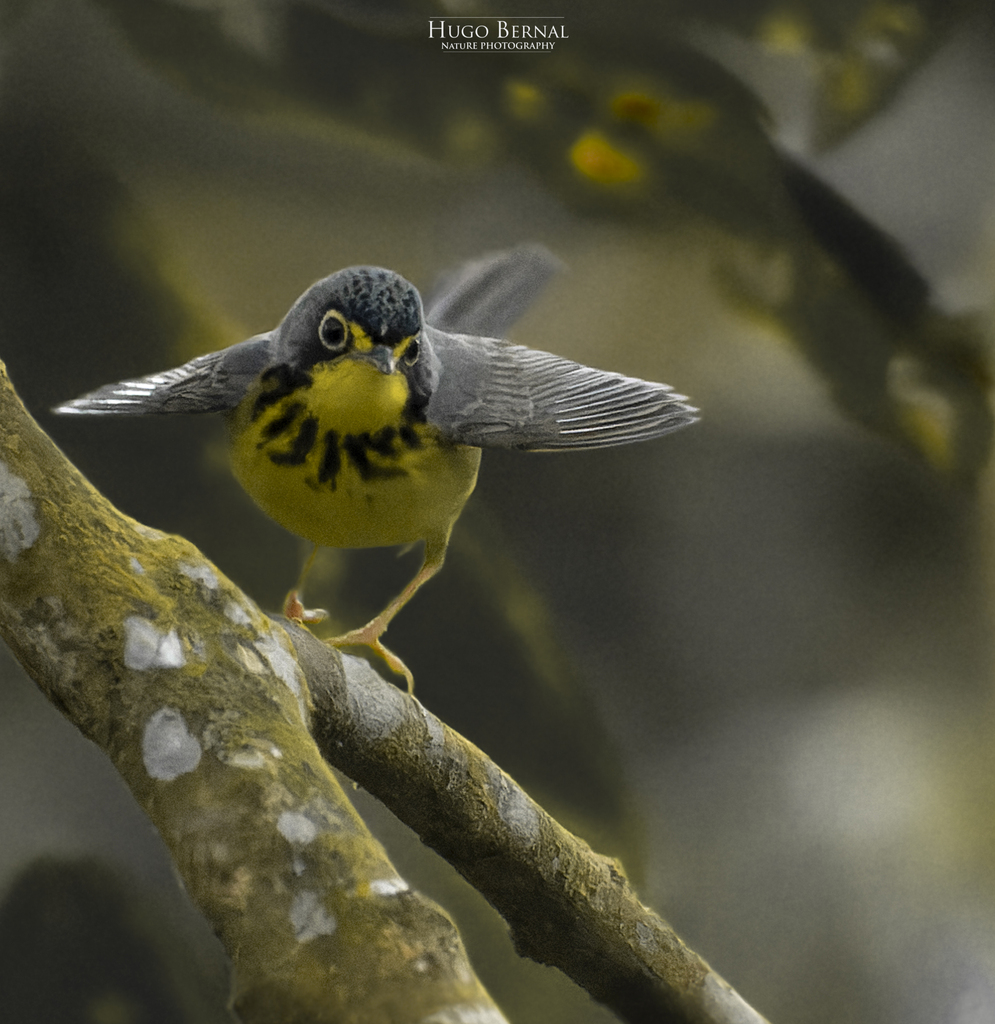
- Canada WarblerWilsonia canadensis
- Cliff SwallowPetrochelidon pyrrhonota
- Double-crested CormorantPhalacrocorax auritus
- Eastern PhoebeSayornis phoebe
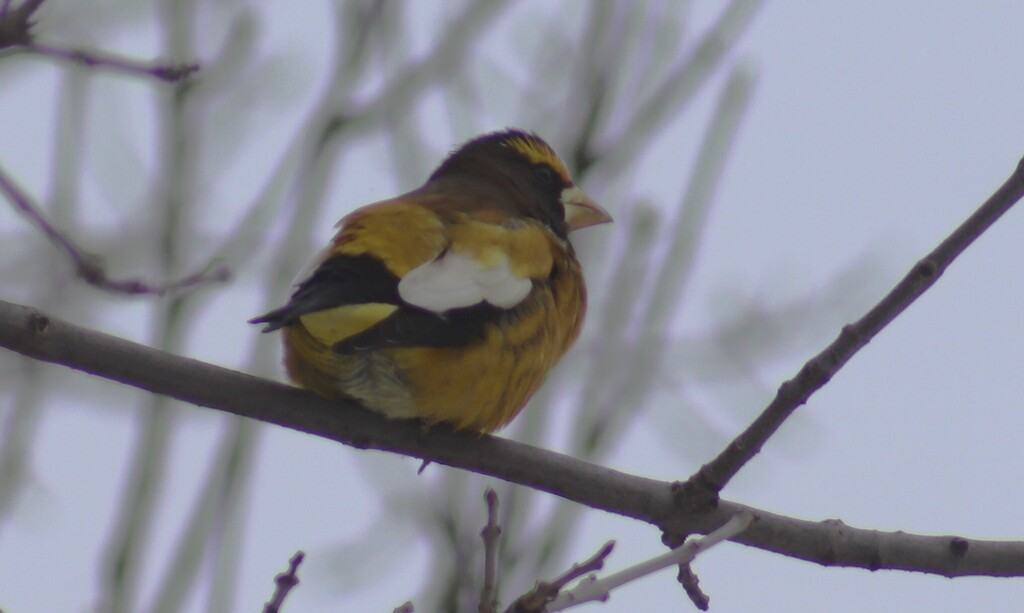
- Evening GrosbeakCoccothraustes vespertinus
- Fish CrowCorvus ossifragus
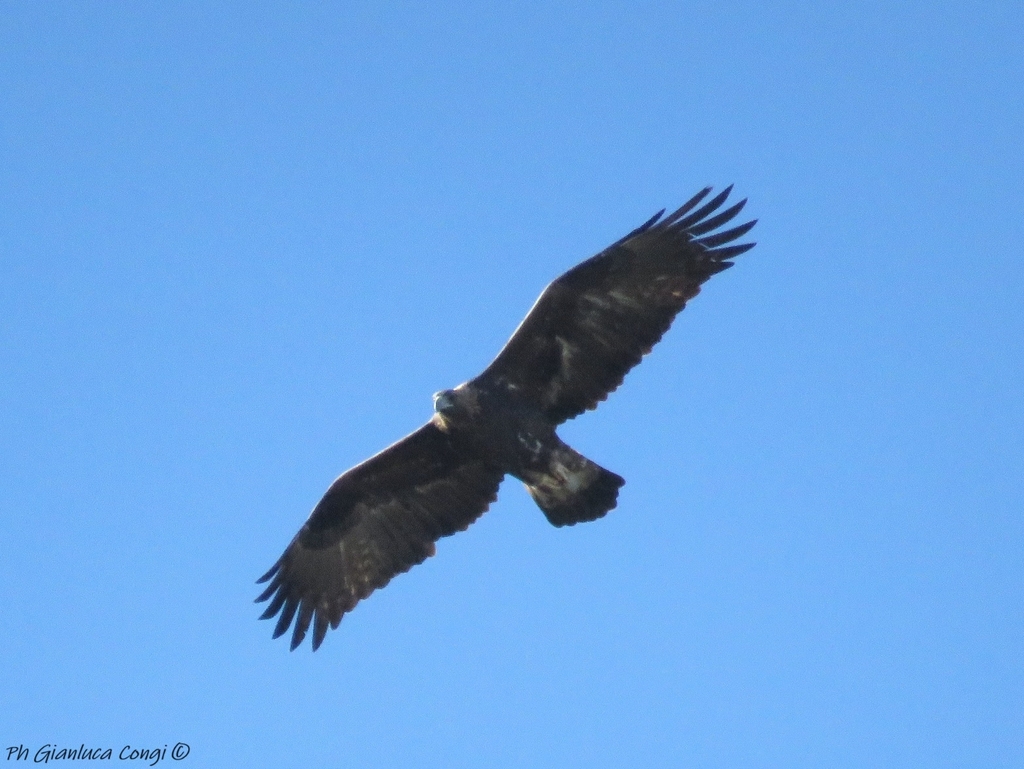
- Golden EagleAquila chrysaetos
- Indigo BuntingPasserina cyanea
- Kentucky WarblerOporornis formosus
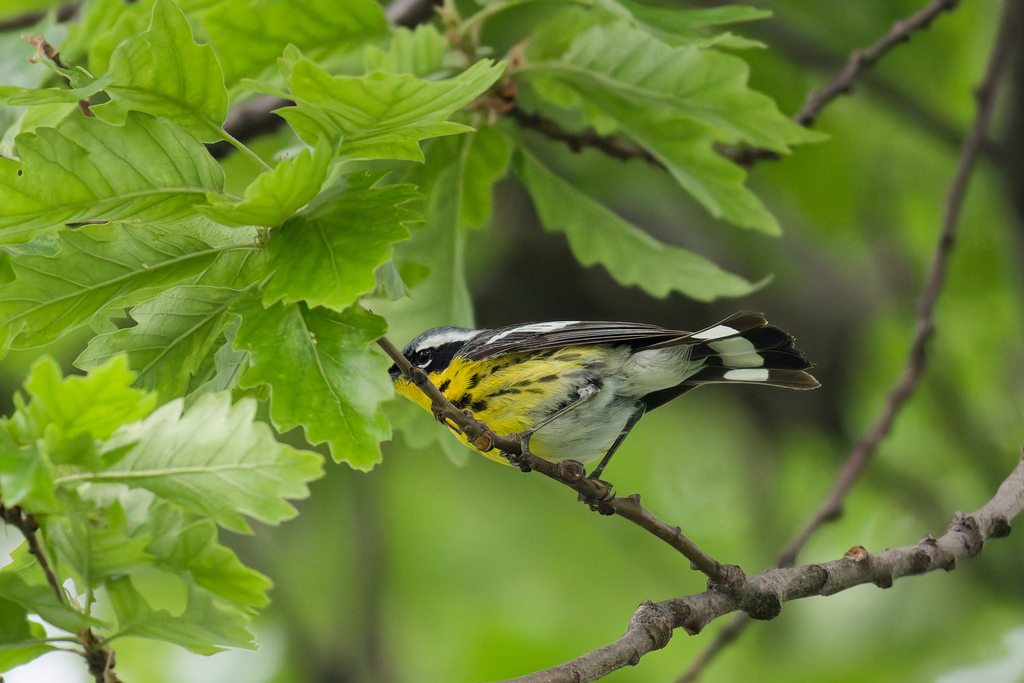
- Magnolia WarblerDendroica magnolia
- Northern Rough-winged SwallowStelgidopteryx serripennis
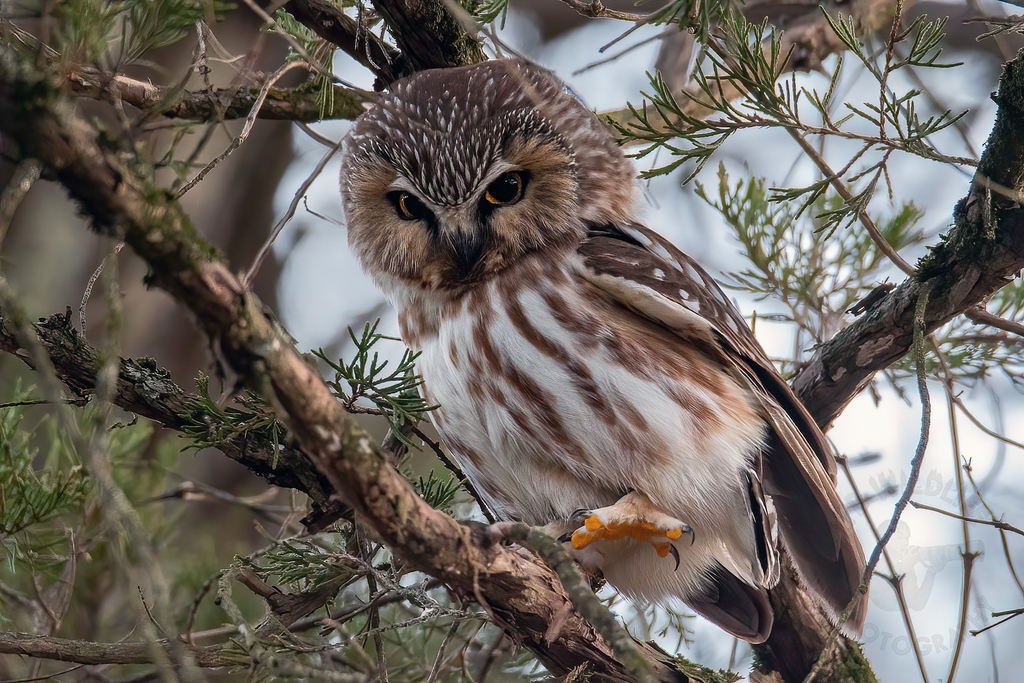
- Northern Saw-whet OwlAegolius acadicus
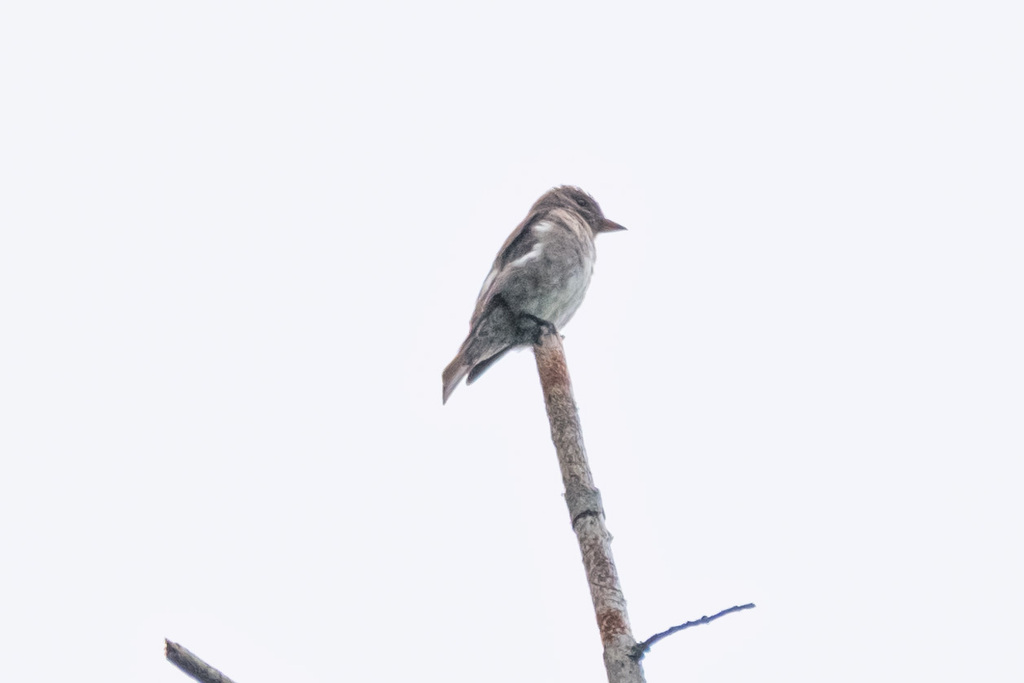
- Olive-sided FlycatcherContopus cooperi
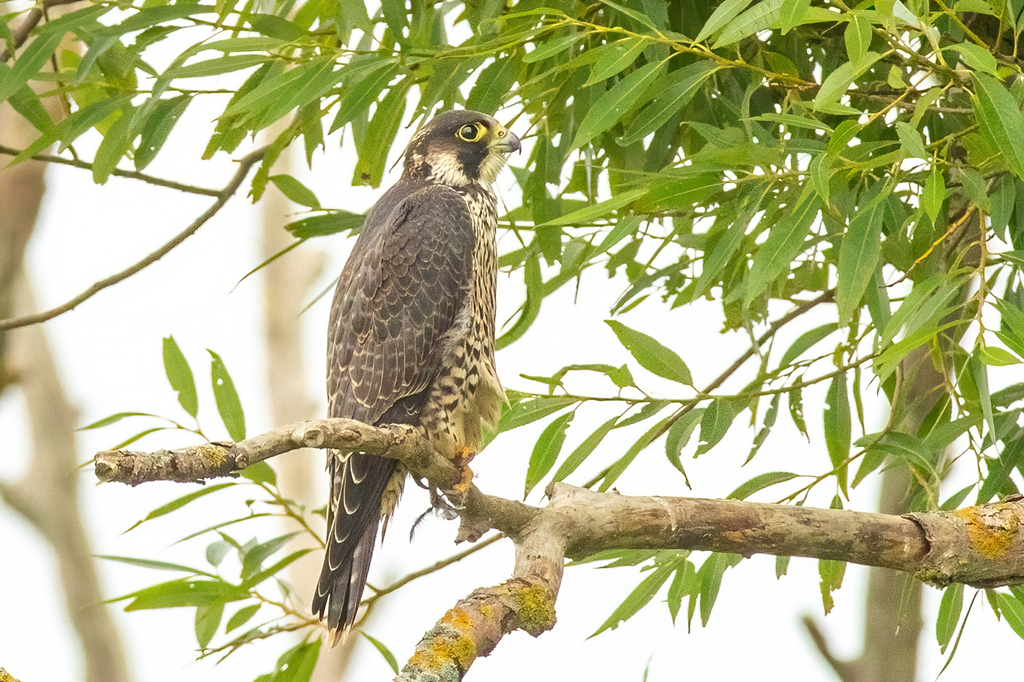
- Peregrine FalconFalco peregrinus
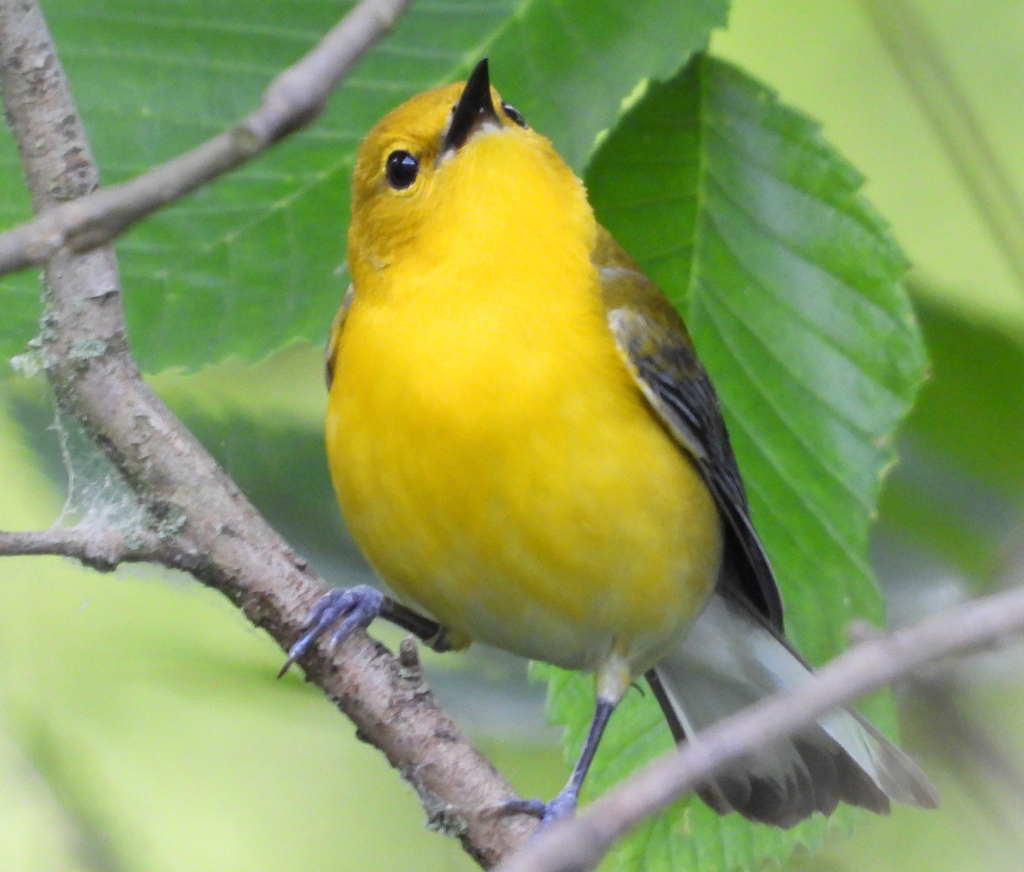
- Prothonotary WarblerProtonotaria citrea
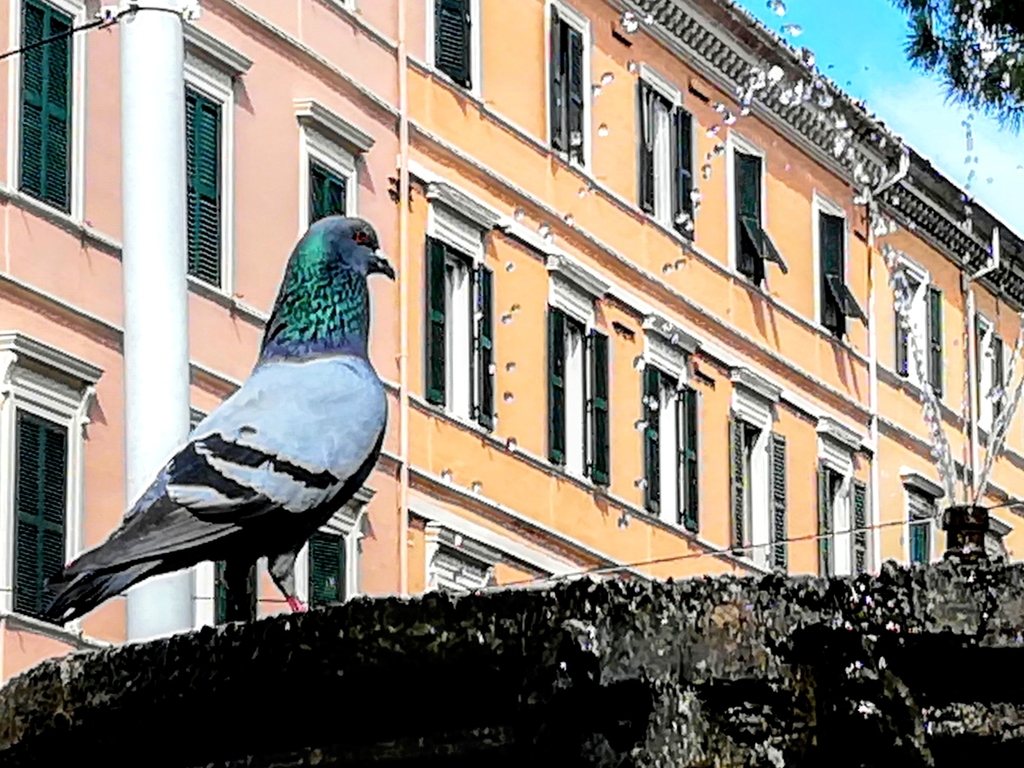
- Rock PigeonColumba livia
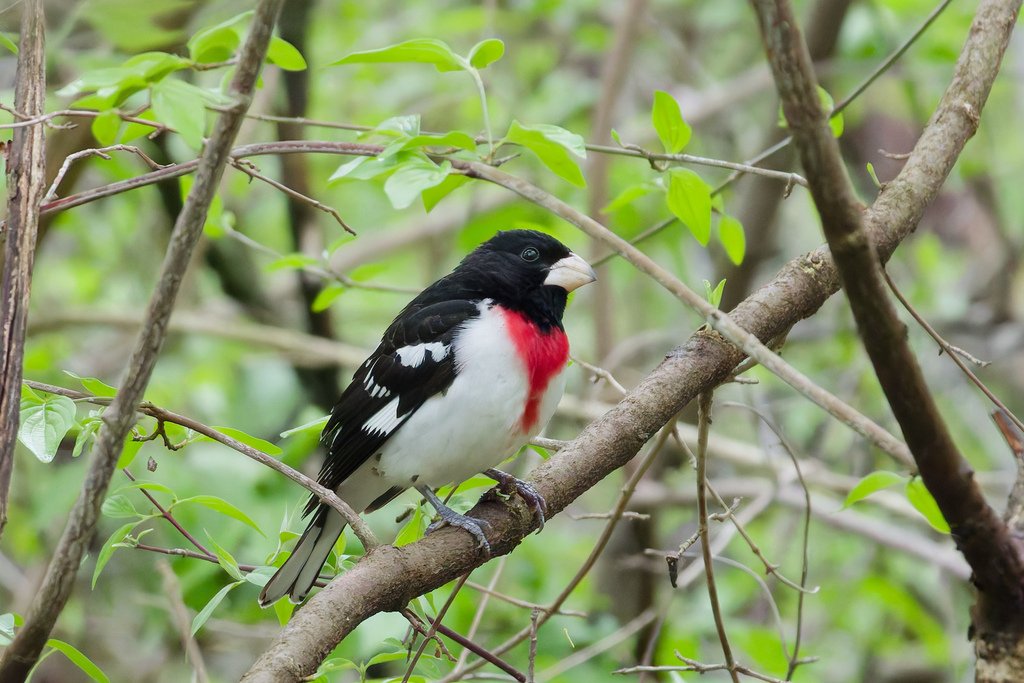
- Rose-breasted GrosbeakPheucticus ludovicianus
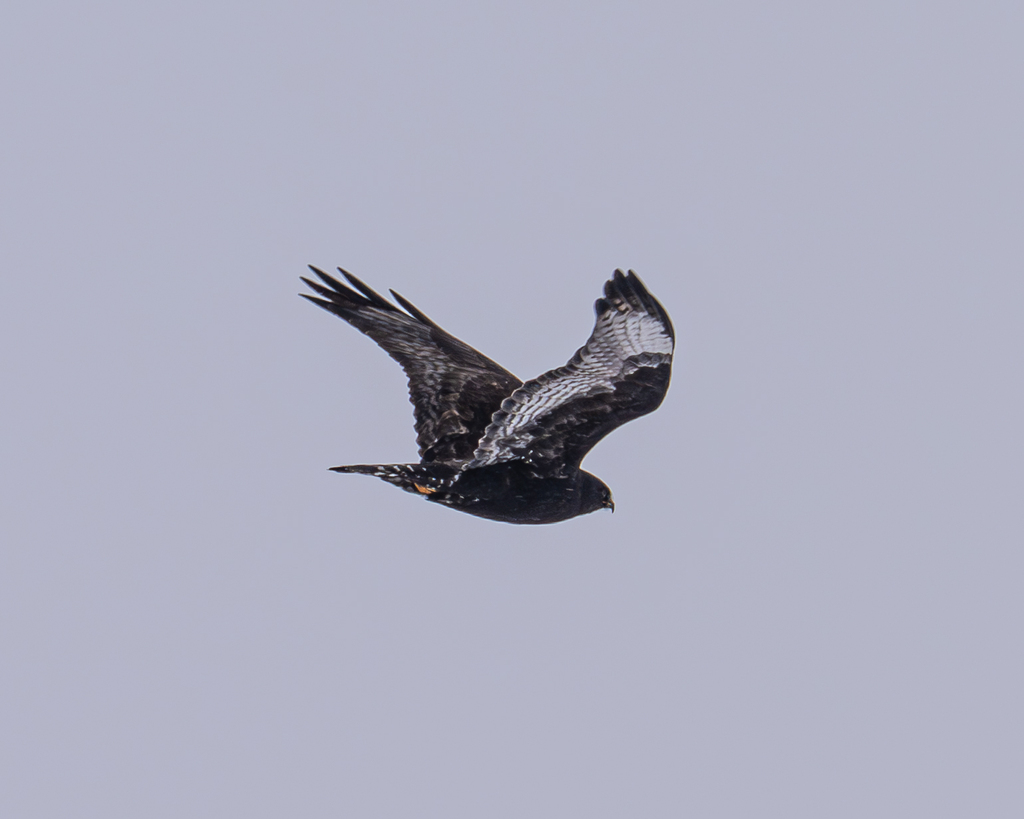
- Rough-legged HawkButeo lagopus
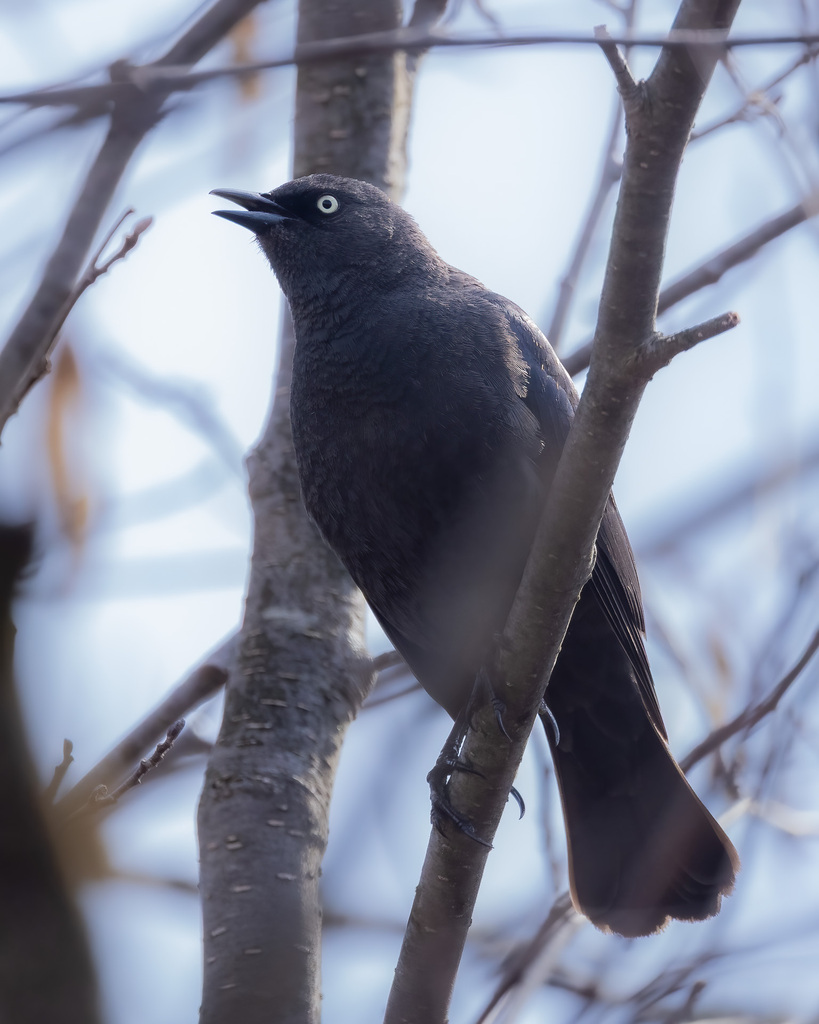
- Rusty BlackbirdEuphagus carolinus










Who uses this plant?
 14CaterpillarsGenus host records with ranges including VA
Genus host records with ranges including VA · Aralia
- Amorbia humerosanaWhite-Lined Leafroller Moth
- Apatelodes torrefactaSpotted Apatelodes
- Celastrina ladonSpring Azure
- Celastrina neglectaSummer Azure
- Coelostathma discopunctanaThe Batman Moth
- Dichomeris juncidellaOrange-Dotted Dichomeris
- Ectropis crepusculariaThe Small Engrailed, Saddleback Looper
- Eupithecia satyrataSatyr Pug
- Herpetogramma thestealisZigzag Herpetogramma, Subtle-Feathered Grass Moth
- Iridopsis defectariaBrown-Shaded Gray, Willow Looper
Show all 14
- Iridopsis ephyrariaPale-Winged Gray
- Machimia tentoriferellaGold-Striped Leaftier Moth
- Orthosia rubescensRuby Quaker
- Spilosoma virginicaVirginian Tiger Moth, Yellow Woolybear Moth, Yellow Bear
 13BeesSoutheastern regional records
Southeastern regional records · Aralia
Individual names are not available yet.
Noori, Seltmann & Orr 2026, A curated and integrated dataset for exploring global bee-plant interactions (GloBI), Zenodo, CC BY 4.0 0Specialist beesPollen specialists
 6BirdsRecorded genus food-resource interactions; not a state feeding claim
Recorded genus food-resource interactions; not a state feeding claim · Aralia
- Hylocichla mustelinaWood Thrush
- Catharus guttatusHermit Thrush
- Catharus minimus/bicknelliGray-cheeked/Bicknell's Thrush
- Catharus ustulatusSwainson's Thrush
- Pinicola enucleatorPine Grosbeak
- Sialia sialisEastern Bluebird
Direct food only: birds recorded eating this genus across North America. Caterpillars on host plants also feed nesting birds. NC Native Plant Society: butterfly gardening
No records yet · Ants · Beetles · Flies · Adult butterflies / moths · Other wasps · Other insects
Plant details
- Family
- Araliaceae
- Hardiness
- Zones 3–8
- Flower color
- Green
Safety has not been reviewed for this plant; check toxicity and thorns before planting.
Growing sources and scope
- Bloom · “June to August” · Weakley, Flora of the Southeastern United States (2025), Carolinas & Georgia edition (ranked first; Prairie Moon 2026 Cultural Guide differs) · Carolinas and Georgia
- Flower color · “Green” · Prairie Moon 2026 Cultural Guide · Nursery cultural guide; height in flower; moisture categories retained as printed
- Hardiness · “Zones 3–8” · Missouri Botanical Garden Plant Finder
- Height · “3–6 feet” · Tennessee Smart Yards (ranked first; Missouri Botanical Garden Plant Finder, Minnesota Wildflowers, Prairie Moon 2026 Cultural Guide differ) · Published Tennessee growing guidance; exact cached scientific heading
- Life cycle · “Perennial” · Minnesota Wildflowers
- Light · “Full sun to part shade” · Missouri Botanical Garden Plant Finder (ranked first; Prairie Moon 2026 Cultural Guide differs)
- primary_flower_color · “green” · Prairie Moon 2026 Cultural Guide
- Soil · “wet to medium” · Tennessee Smart Yards (ranked first; Missouri Botanical Garden Plant Finder, Prairie Moon 2026 Cultural Guide differ) · Published Tennessee growing guidance; exact cached scientific heading
- Spread · “3–5 feet” · Missouri Botanical Garden Plant Finder
Conservation status
| Virginia rank | S4S5 |
|---|---|
| Global rank | G4G5 |
| VA status | Not verified |
| Federal status | Not verified |
Will it fit your yard?
Check this plant against your county, sun and soil moisture. Conditions are checked in your browser.
Sources
- Digital Atlas of the Virginia Flora
- USDA PLANTS
- Vascular Plants of North Carolina (NC Natural Heritage Program)
- Weakley, Flora of the Southeastern United States (2025), Carolinas & Georgia edition
- NatureServe Explorer
- Shropshire & Tallamy 2025, Lepidoptera of North America north of Mexico, ZooKeys 1261 (ODbL)
- Noori, Seltmann & Orr 2026, A curated and integrated dataset for exploring global bee-plant interactions (GloBI), Zenodo, CC BY 4.0
- Smith, Bachelder, Russell, Morales, Mosher & Seltmann 2024, Bee-Specialization-Modeling v0.6.1 (specialist host table compiled from J. Fowler's pollen specialist bee lists), Zenodo, CC BY 4.0
- Hurlbert, Olsen, Sawyer & Winner 2021, Avian Diet Database, Scientific Data 8: 260 (CC0)
- Narango, Tallamy & Shropshire 2020, Few keystone plant genera support the majority of Lepidoptera species, Nature Communications