

Plantain-leaf Pussytoes
Antennaria plantaginifolia
Found in dry woodlands, roadside banks, cemeteries, pastures. Weakley, Flora of the Southeastern United States (2025), Northern Tier edition What its natural habitat tells you
Native to Virginia. How scores work Is it native here?
Profile 100%
- Height
- 4–6 inches
- Spread
- 1–2 feet
- Light
- Full sun, Partial shade
- Soil moisture
- Somewhat dry to moist
Space about 1.5 ft apart from its recorded spread, about 44 per 100 sq ft. Enter your bed size for a count
Will it fit your yard?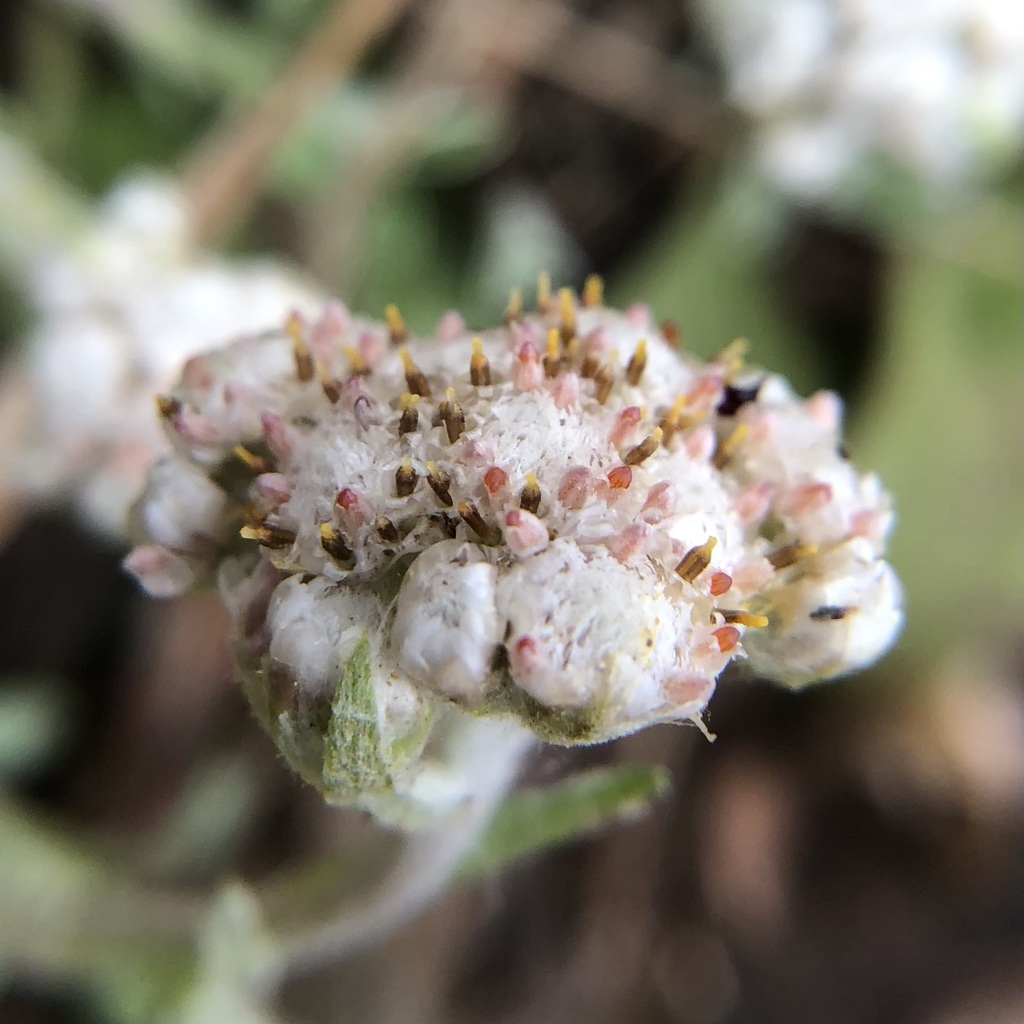
At a glance
- Life cycle
- Perennial
- Leaves
- Semi-evergreen
- Bloom
- March and May
- Fruiting season
- Spring to summer
Recorded in 100 Virginia counties.
Natural habitats
Places it grows wild. Not a planting requirement. Each habitat page lists the plants and wildlife also found there.
Forests and open woodlands on dry ridges and slopes, often oak or pine.
Roadsides, fields and disturbed ground
Ground opened by people: roadsides, old fields, pastures, fencerows and lots.
Also found with this plant
Wildlife whose habitat models include habitats this plant grows in, in Virginia. Shared habitat, not food. 106 animals.
- Brown CreeperCerthia americana
- Brown ThrasherToxostoma rufum
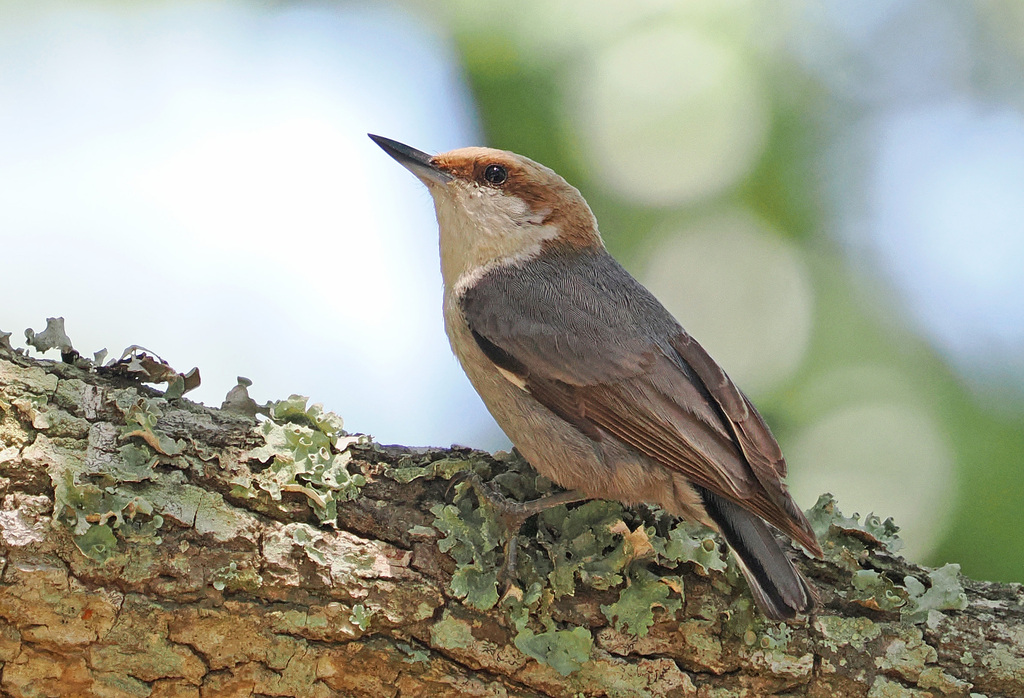
- Brown-headed NuthatchSitta pusilla
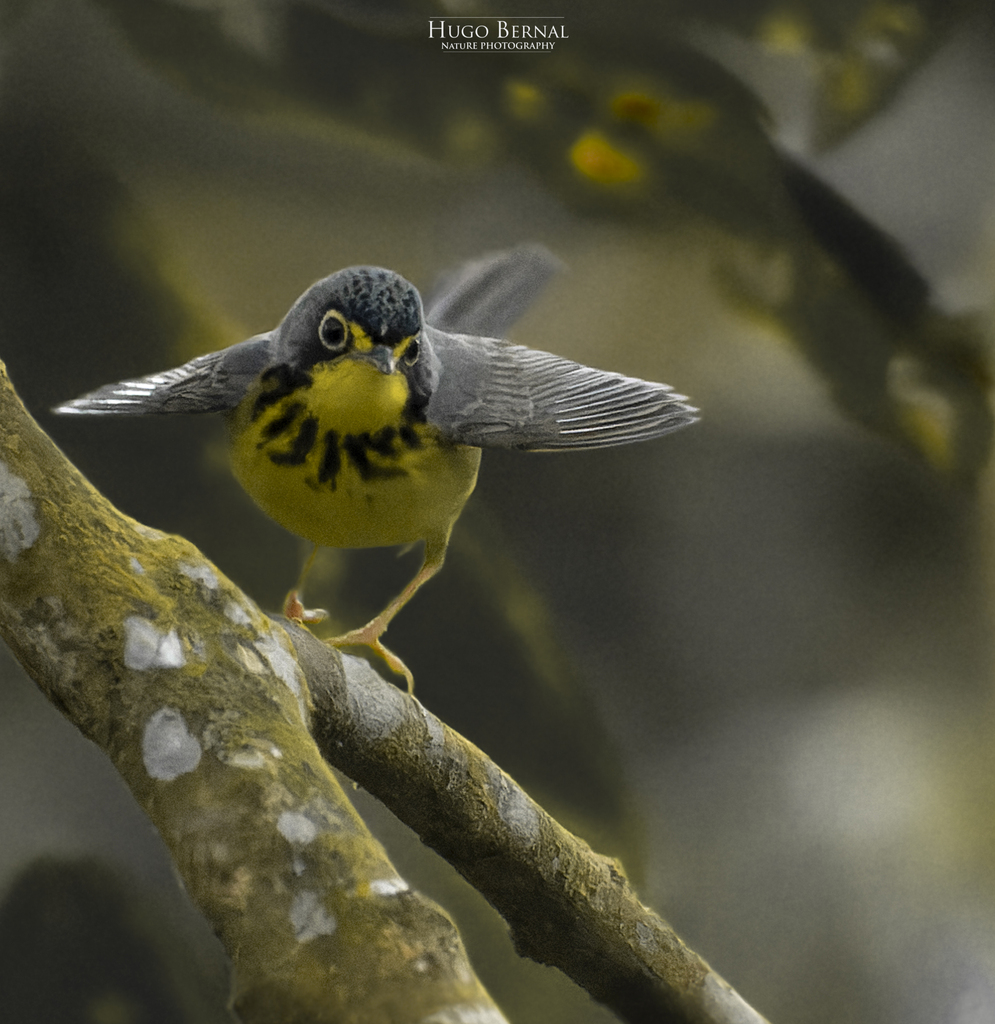
- Canada WarblerWilsonia canadensis
- Carolina ChickadeePoecile carolinensis
- Carolina WrenThryothorus ludovicianus
- Cedar WaxwingBombycilla cedrorum
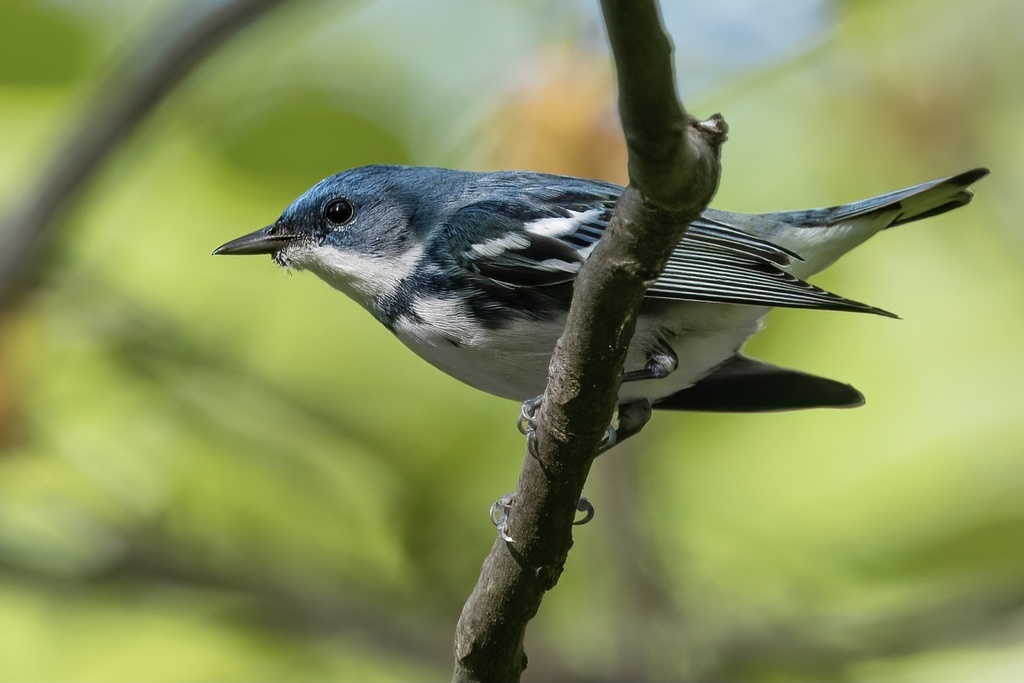
- Cerulean WarblerDendroica cerulea
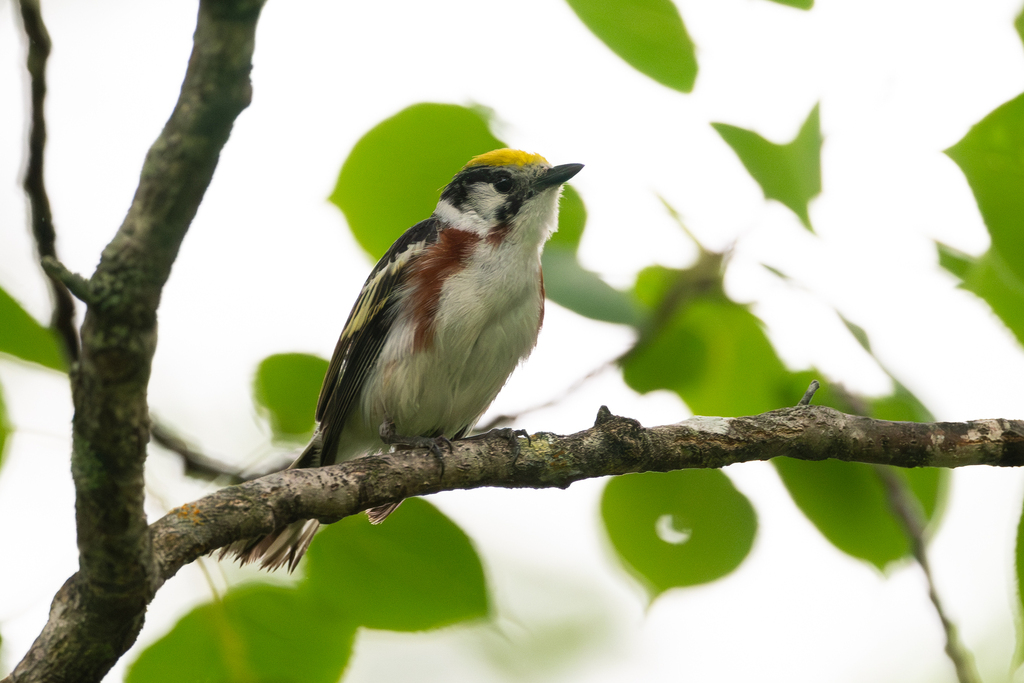
- Chestnut-sided WarblerDendroica pensylvanica
- Chimney SwiftChaetura pelagica
- Chipping SparrowSpizella passerina
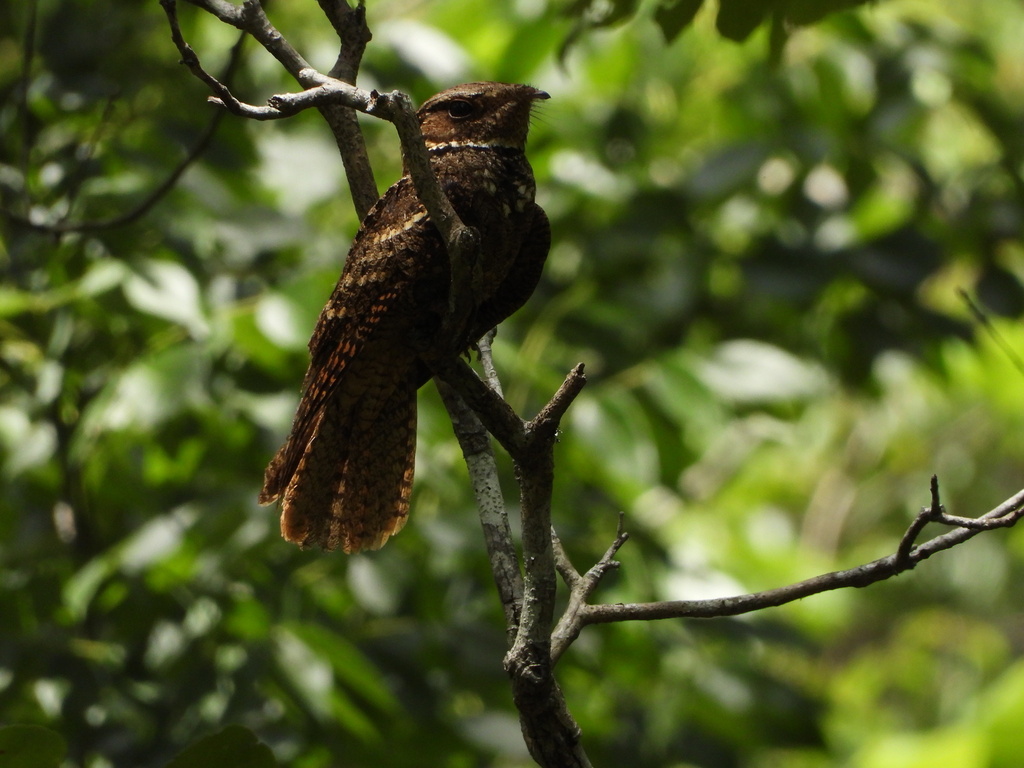
- Chuck-will's-widowCaprimulgus carolinensis
- Common GrackleQuiscalus quiscula
- Common NighthawkChordeiles minor
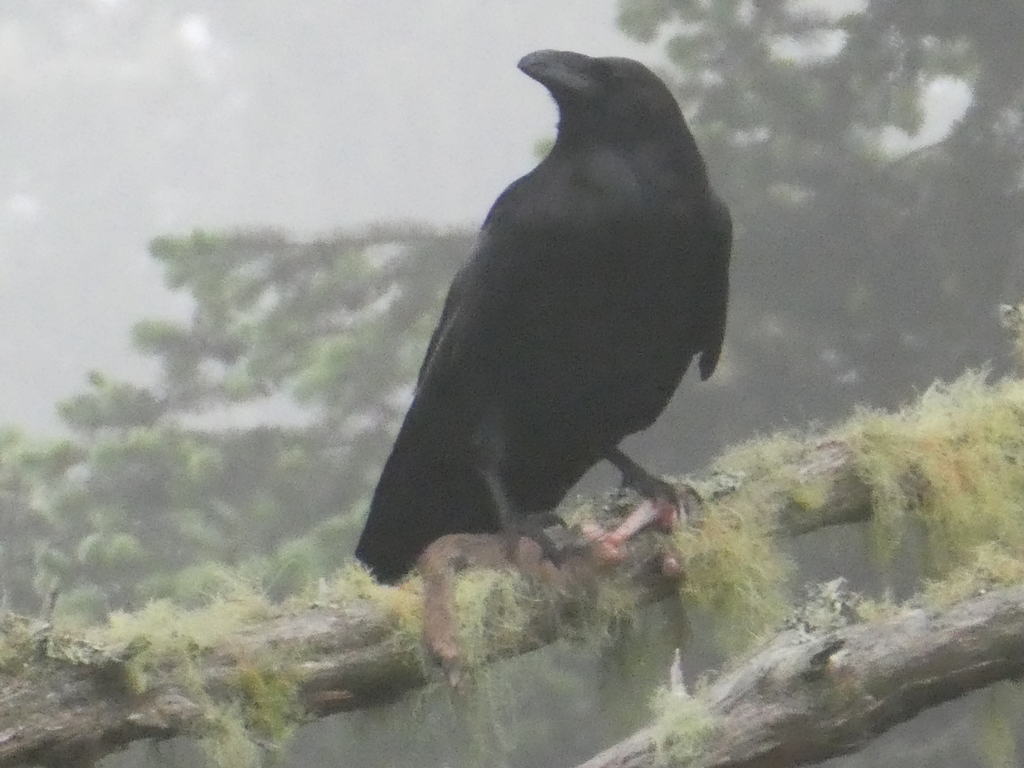
- Common RavenCorvus corax
- Cooper's HawkAccipiter cooperii
- Dark-eyed JuncoJunco hyemalis
- Double-crested CormorantPhalacrocorax auritus
- Downy WoodpeckerPicoides pubescens
- Eastern BluebirdSialia sialis
- Eastern KingbirdTyrannus tyrannus
- Eastern Screech-owlMegascops asio
- Eastern TowheePipilo erythrophthalmus
- Eastern Wood-peweeContopus virens


















Who uses this plant?
 3CaterpillarsGenus host records with ranges including VA
Genus host records with ranges including VA · Antennaria
- Vanessa virginiensisAmerican Lady
- Herpetogramma pertextalisBold-Feathered Grass Moth
- Agonopterix nebulosa
 0BeesSoutheastern regional records
 0Specialist beesPollen specialists
 5BirdsRecorded genus food-resource interactions; not a state feeding claim
Recorded genus food-resource interactions; not a state feeding claim · Antennaria
- Bonasa umbellusRuffed Grouse
- Centrocercus urophasianusGreater Sage-Grouse
- Dendragapus obscurusDusky Grouse
- Lagopus leucuraWhite-tailed Ptarmigan
- Tympanuchus phasianellusSharp-tailed Grouse
Direct food only: birds recorded eating this genus across North America. Caterpillars on host plants also feed nesting birds. NC Native Plant Society: butterfly gardening
Beetles 1
- Asclera ruficollis
Flower visits · Carlinville, Illinois, USA
Flies 7
- Empis otiosa
- Gonia exul
- Limnophora narona
- Morellia micans
- Orthoneura nitida
- Rhamphomyia priapulus
- Sphaerophoria cylindrica
Flower visits · Carlinville, Illinois, USA
Adult butterflies / moths 5
- Drasteria erechtea
- Loxostege similalis
- Thanaos brizo
- Thanaos juvenalis
- Vanessa huntera
Flower visits · Carlinville, Illinois, USA
No records yet · Ants · Other wasps · Other insects
Plant details
- Family
- Asteraceae
- Hardiness
- Zones 3a–8b
- Soil pH
- Acidic to neutral
- Flower color
- Brown/copper, green or white
- Fruit begins
- Spring
- Fruit ends
- Summer
Safety has not been reviewed for this plant; check toxicity and thorns before planting.
Growing sources and scope
- Bloom · “Late March to early May” · Weakley, Flora of the Southeastern United States (2025), Carolinas & Georgia edition (ranked first; Prairie Moon 2026 Cultural Guide differs) · Carolinas and Georgia
- Flower color · “Brown/copper, green or white” · NC Extension Plant Toolbox (ranked first; Prairie Moon 2026 Cultural Guide differs)
- Fruit begins · “Spring” · NC Extension Plant Toolbox · Species profile fruit display season; not a local ripening date
- Fruit ends · “Summer” · NC Extension Plant Toolbox · Species profile fruit display season; not a local ripening date
- Hardiness · “Zones 3a–8b” · NC Extension Plant Toolbox
- Height · “4–6 inches” · NC Extension Plant Toolbox (ranked first; Tennessee Smart Yards, Minnesota Wildflowers, Prairie Moon 2026 Cultural Guide differ)
- Leaves · “Semi-evergreen” · NC Extension Plant Toolbox
- Life cycle · “Perennial” · NC Extension Plant Toolbox
- Light · “Full sun (6 or more hours of direct sunlight a day); Partial shade (direct sunlight only part of the day, 2-6 hours)” · NC Extension Plant Toolbox (ranked first; Tennessee Smart Yards, Prairie Moon 2026 Cultural Guide differ)
- Soil · “Moist; Occasionally dry” · NC Extension Plant Toolbox (ranked first; Tennessee Smart Yards, Prairie Moon 2026 Cultural Guide differ)
- Soil pH · “Acidic to neutral” · NC Extension Plant Toolbox
- Spread · “1–2 feet” · NC Extension Plant Toolbox
Also known as
Antennaria plantaginifolia var. plantaginifolia; Ladies Tobacco; Plantain Pussytoes; Plantain leaf Pussytoes
Conservation status
| Virginia rank | S5 |
|---|---|
| Global rank | G5 |
| VA status | Not verified |
| Federal status | Not verified |
Will it fit your yard?
Check this plant against your county, sun and soil moisture. Conditions are checked in your browser.
Growing cautions
- Spreads by runners. Stolons root near the parent plant, forming a groundcover. NC State Extension Plant Toolbox
- Harder to grow. Can be hard to grow if its soil needs are not met. NC State Extension Plant Toolbox
For planning only; these do not change the score or Fit.
Sources
- Digital Atlas of the Virginia Flora
- USDA PLANTS
- Vascular Plants of North Carolina (NC Natural Heritage Program)
- Weakley, Flora of the Southeastern United States (2025), Northern Tier edition
- NatureServe Explorer
- Shropshire & Tallamy 2025, Lepidoptera of North America north of Mexico, ZooKeys 1261 (ODbL)
- Noori, Seltmann & Orr 2026, A curated and integrated dataset for exploring global bee-plant interactions (GloBI), Zenodo, CC BY 4.0
- Smith, Bachelder, Russell, Morales, Mosher & Seltmann 2024, Bee-Specialization-Modeling v0.6.1 (specialist host table compiled from J. Fowler's pollen specialist bee lists), Zenodo, CC BY 4.0
- Hurlbert, Olsen, Sawyer & Winner 2021, Avian Diet Database, Scientific Data 8: 260 (CC0)
- Narango, Tallamy & Shropshire 2020, Few keystone plant genera support the majority of Lepidoptera species, Nature Communications