

Big Bluestem
Andropogon gerardii
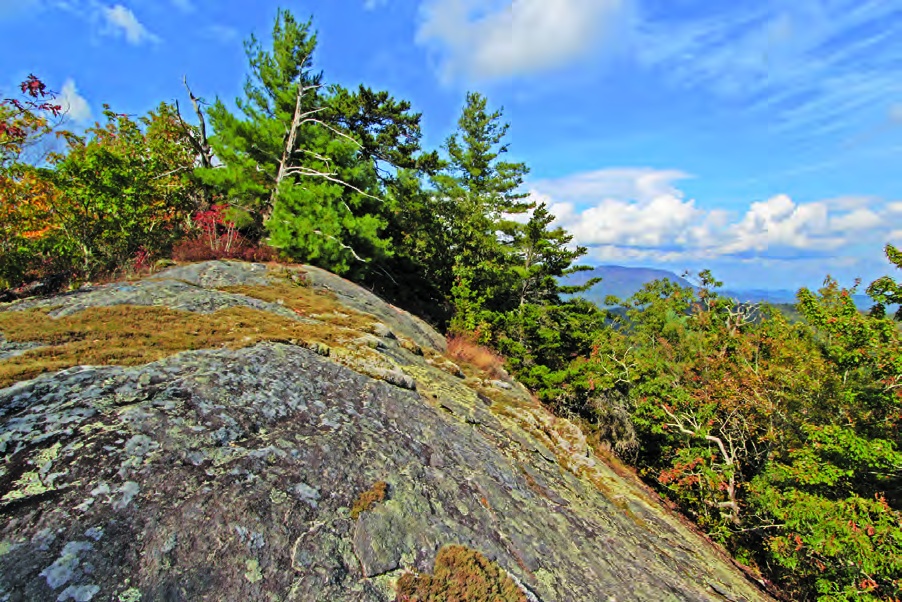
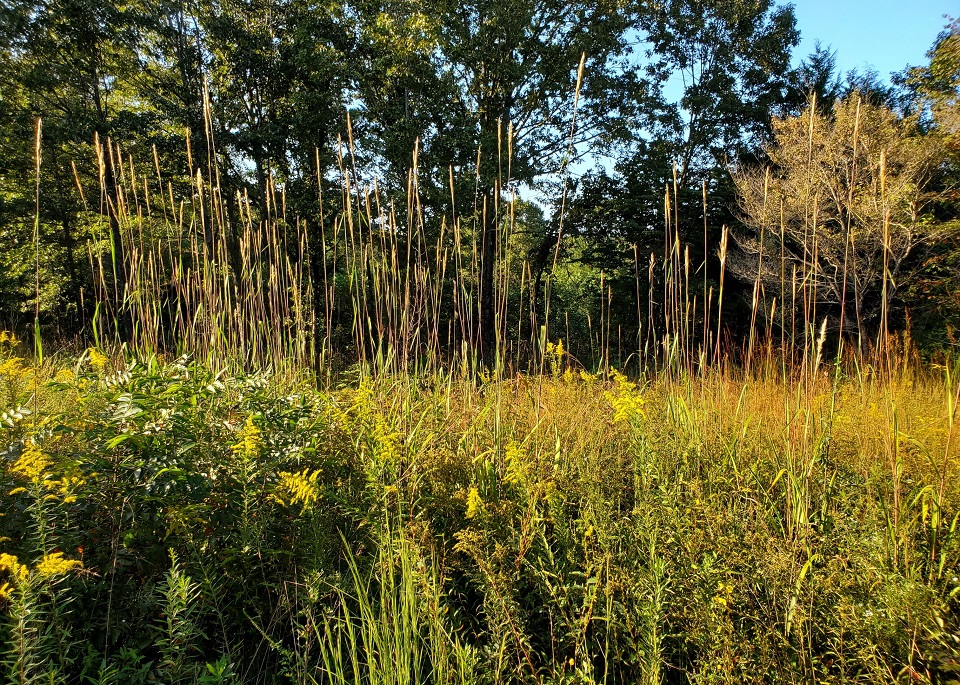
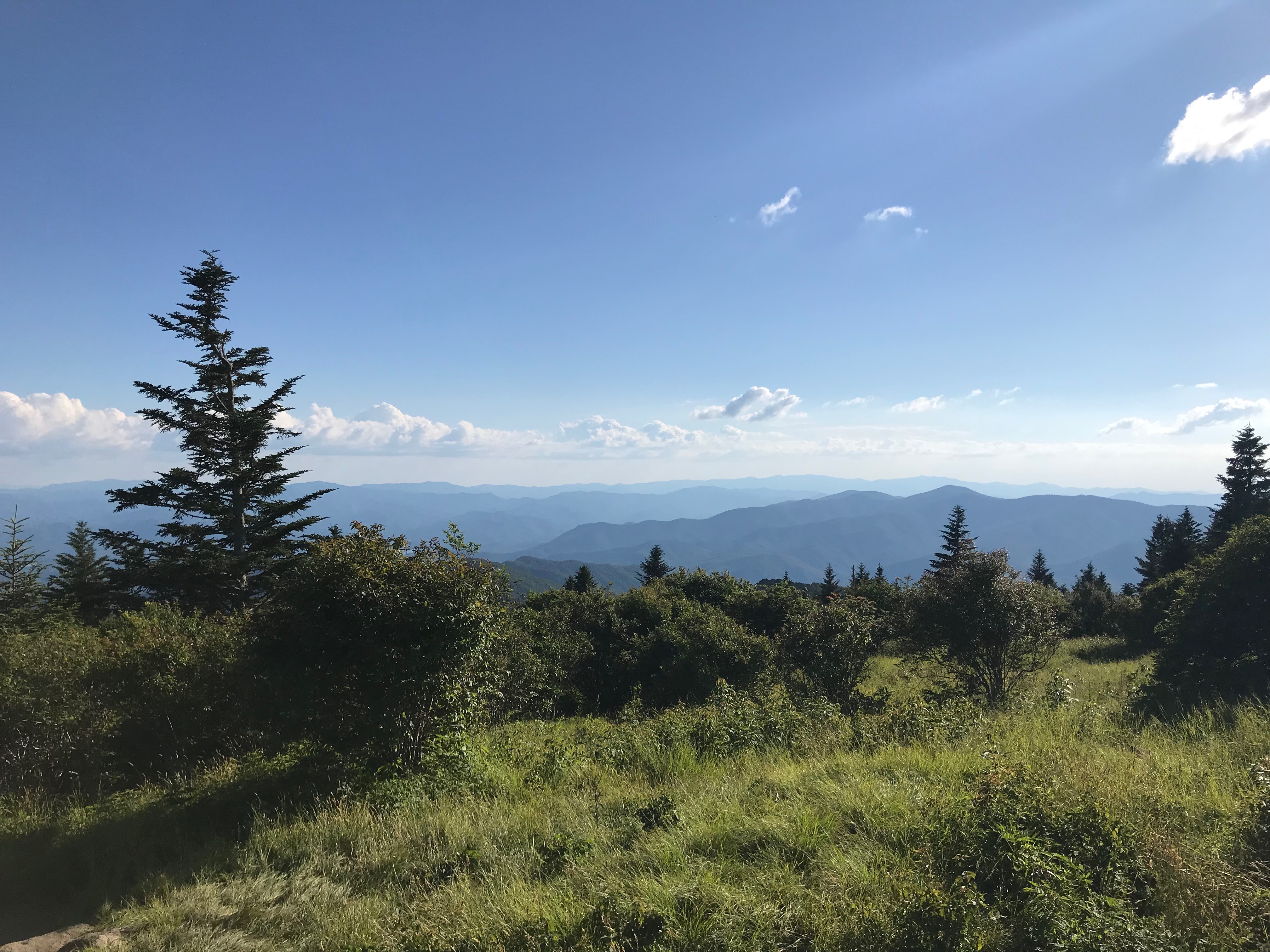
Found in sandhills; cliffs, ledges and rocky summits; forests and woodlands; prairies and grasslands; mountain balds; glades, barrens and outcrops on mafic or serpentine rock. Weakley, Flora of the Southeastern United States (2025), Northern Tier edition What its natural habitat tells you
Native to Virginia. How scores work Is it native here?
Profile 94%
- Height
- 4–8 feet
- Spread
- 2–3 feet
- Light
- Full sun
- Soil moisture
- Somewhat dry to moist
Space about 2.5 ft apart from its recorded spread, about 16 per 100 sq ft. Enter your bed size for a count
Will it fit your yard?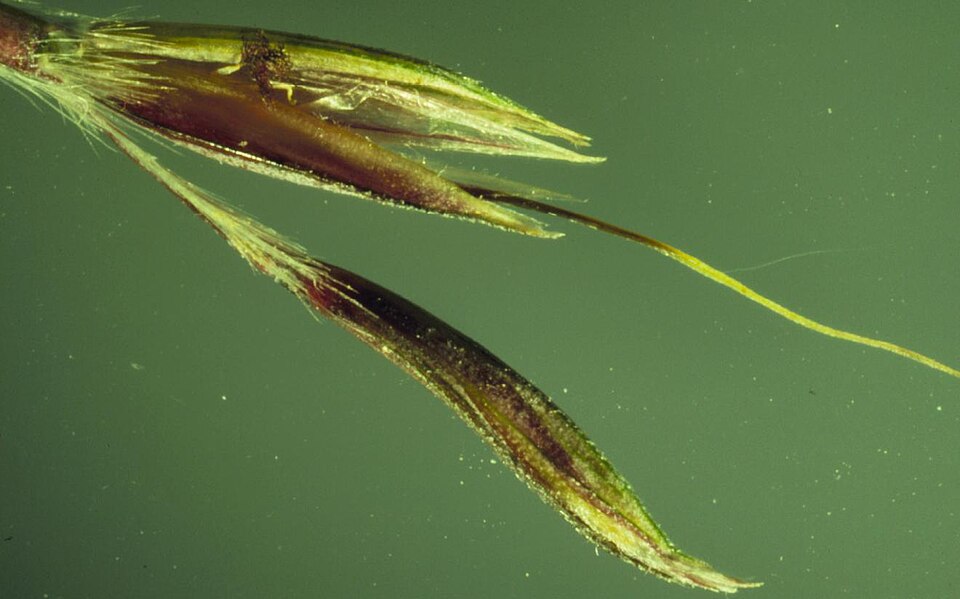
At a glance
- Life cycle
- Perennial
- Bloom
- July to November
Not yet recorded · Leaves
Recorded in 69 Virginia counties.
Natural habitats
Places it grows wild. Not a planting requirement. Each habitat page lists the plants and wildlife also found there.
Cliffs, ledges and rocky summits
Dry, deep-sand ridges with longleaf pine and turkey oak, kept open by fire.
Forest or woodland where the source does not say how moist or dry.
Glades, barrens and outcrops on mafic or serpentine rock
Open, thin-soil openings, outcrops and cliffs on dark, magnesium- or iron-rich rock such as serpentine, diabase or gabbro.
Also found with this plant
Wildlife whose habitat models include habitats this plant grows in, in Virginia. Shared habitat, not food. 143 animals.
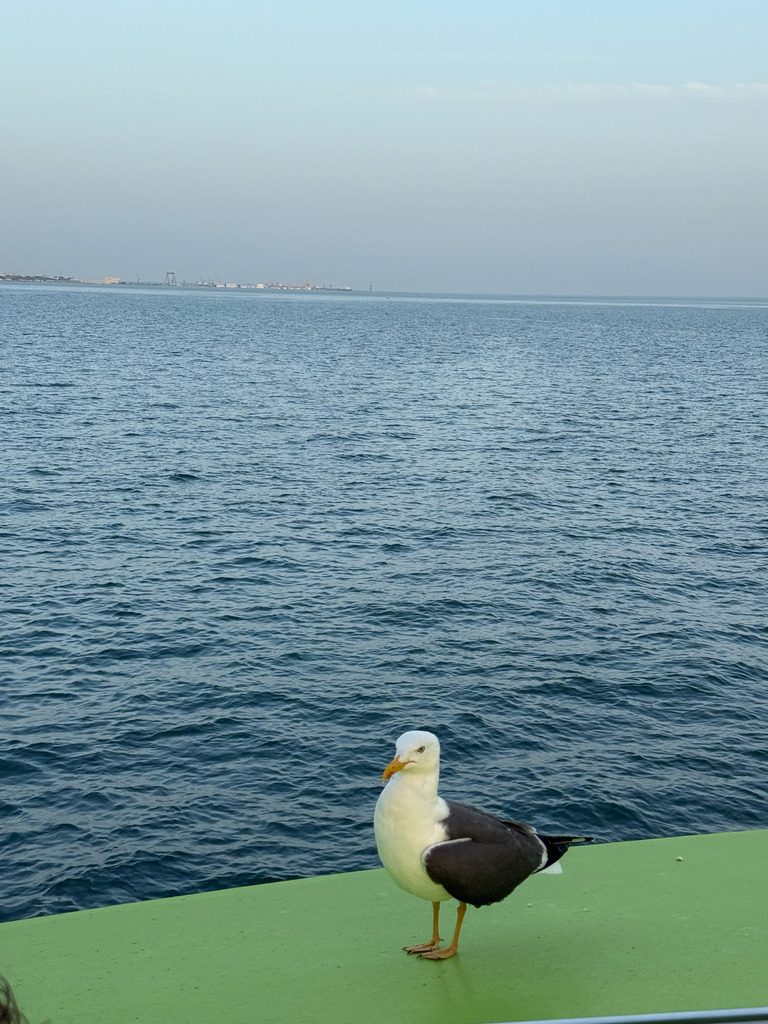
- Lesser Black-backed GullLarus fuscus
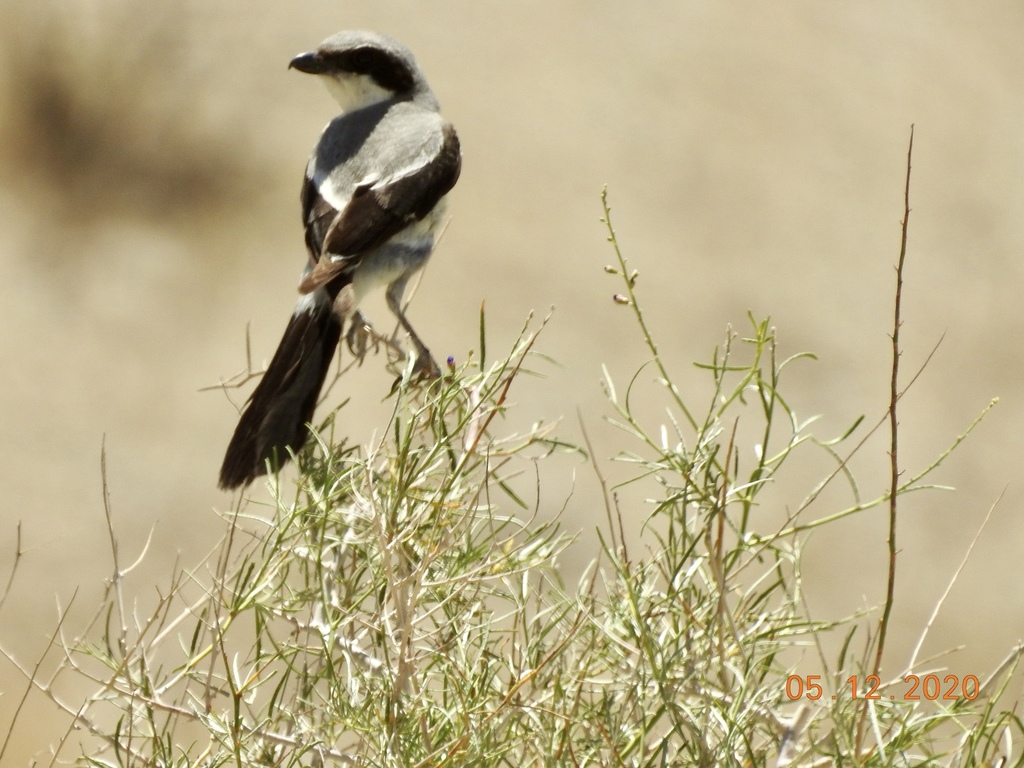
- Loggerhead ShrikeLanius ludovicianus
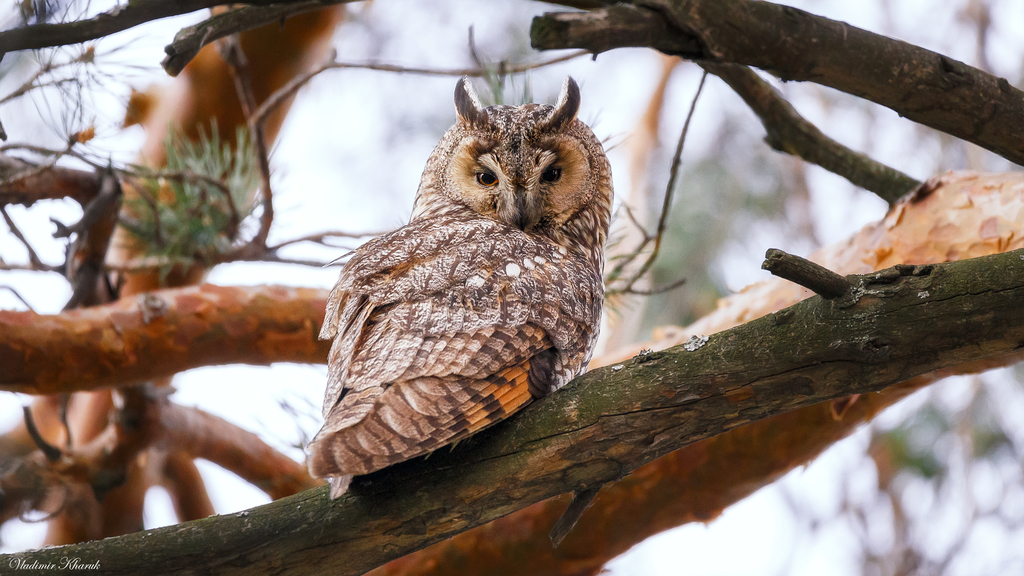
- Long-eared OwlAsio otus
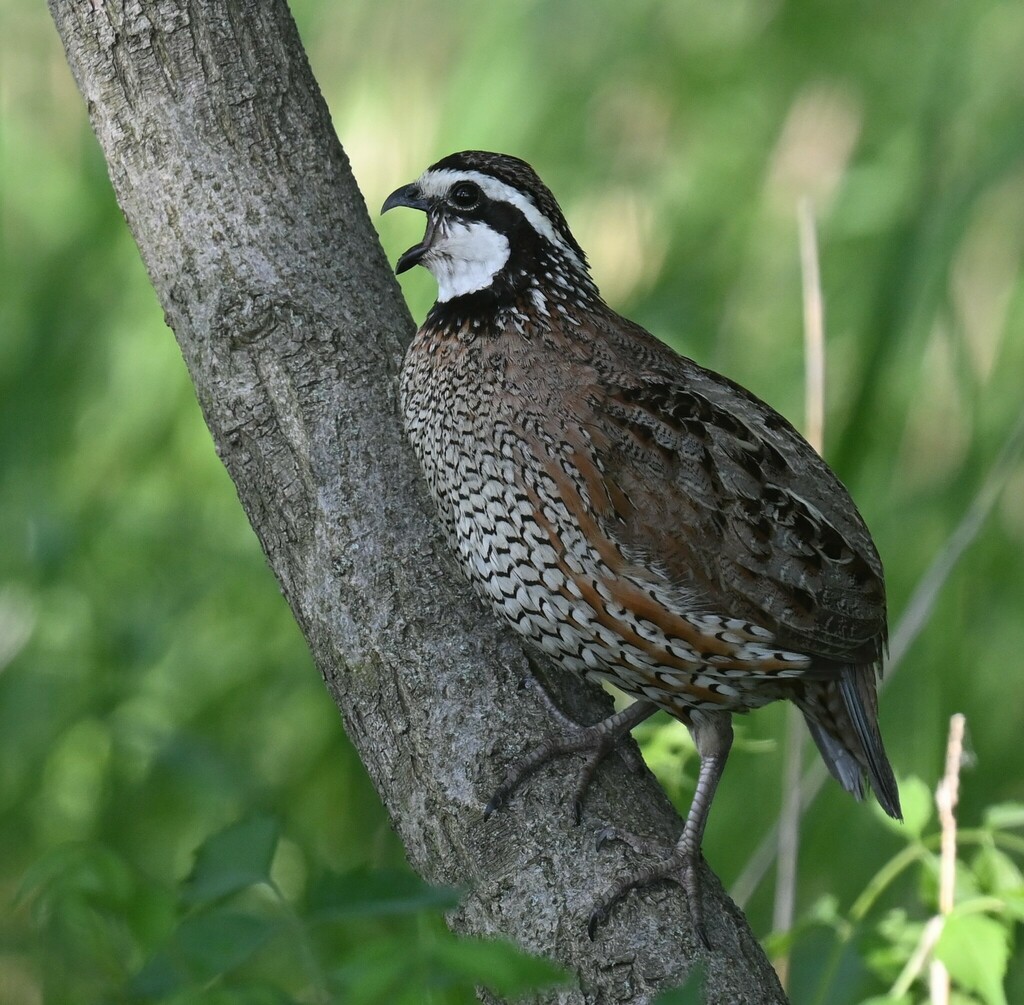
- Northern BobwhiteColinus virginianus
- Northern Rough-winged SwallowStelgidopteryx serripennis
- OvenbirdSeiurus aurocapilla
- Prairie WarblerDendroica discolor
- Red-shouldered HawkButeo lineatus
- Rose-breasted GrosbeakPheucticus ludovicianus
- Rough-legged HawkButeo lagopus
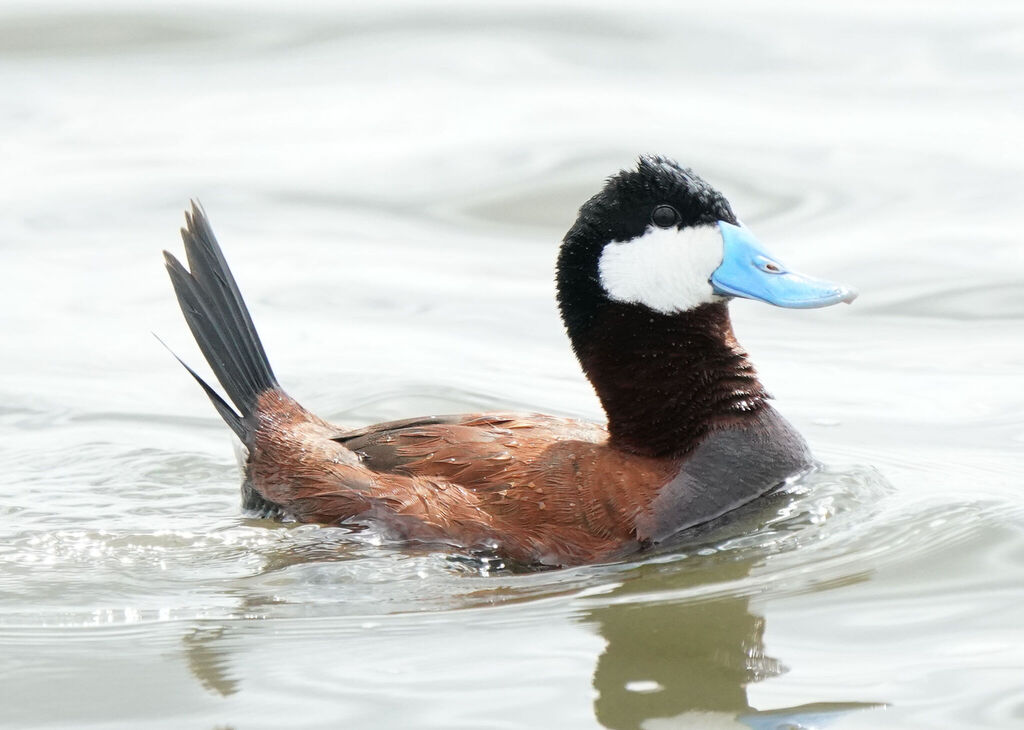
- Ruddy DuckOxyura jamaicensis
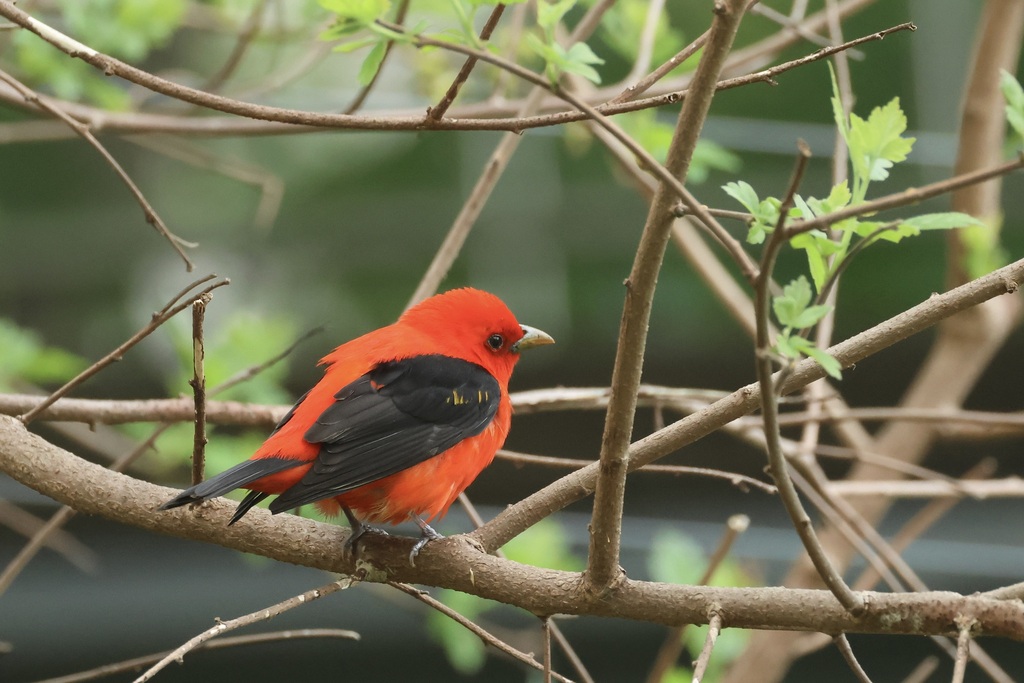
- Scarlet TanagerPiranga olivacea
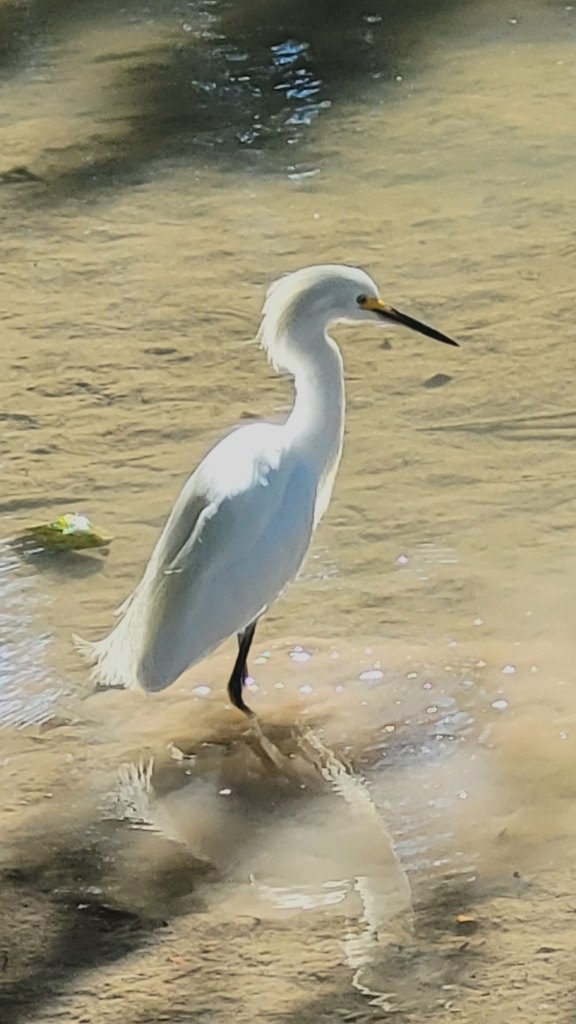
- Snowy EgretEgretta thula
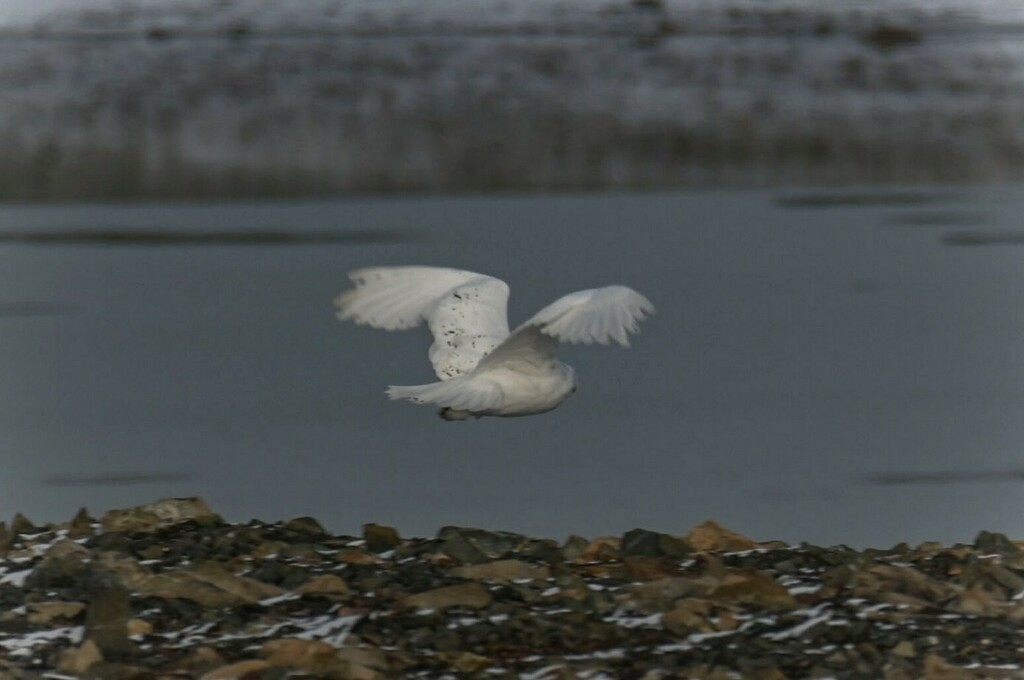
- Snowy OwlBubo scandiacus
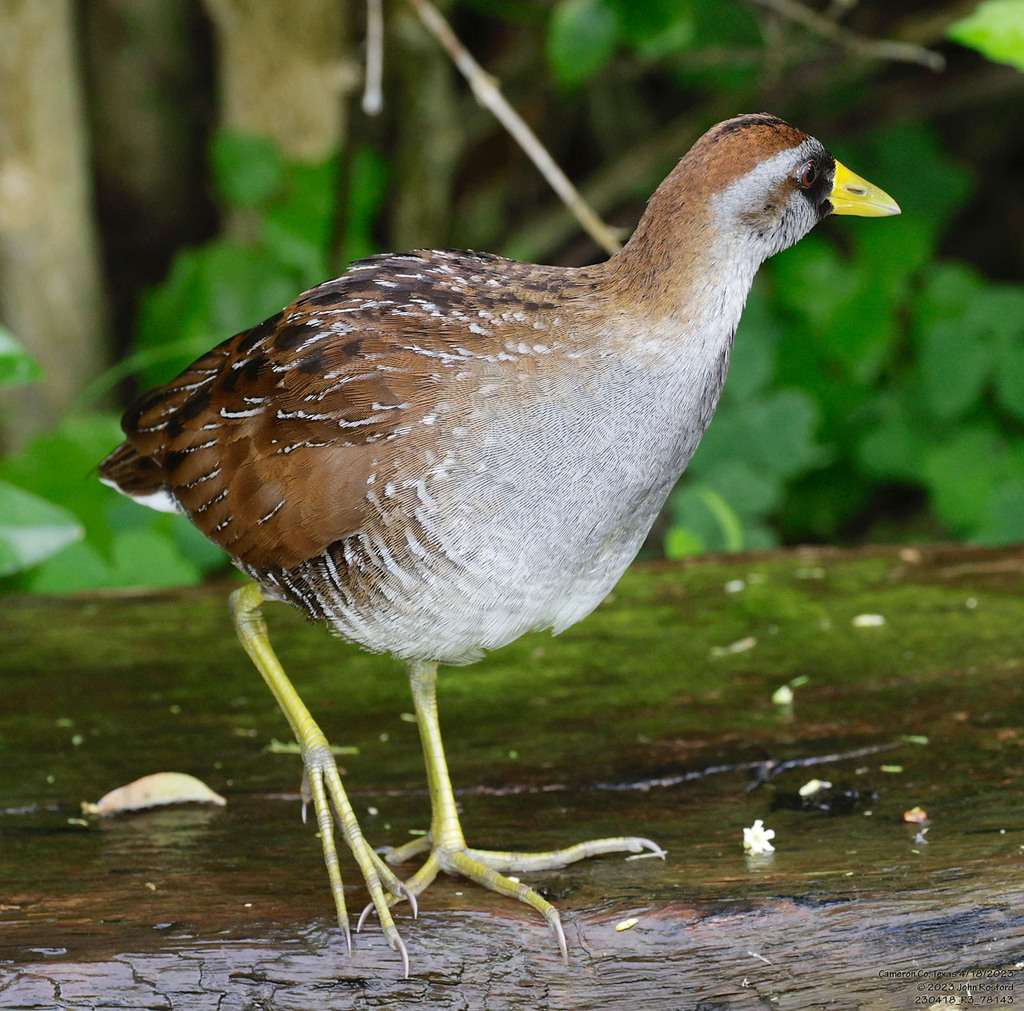
- SoraPorzana carolina
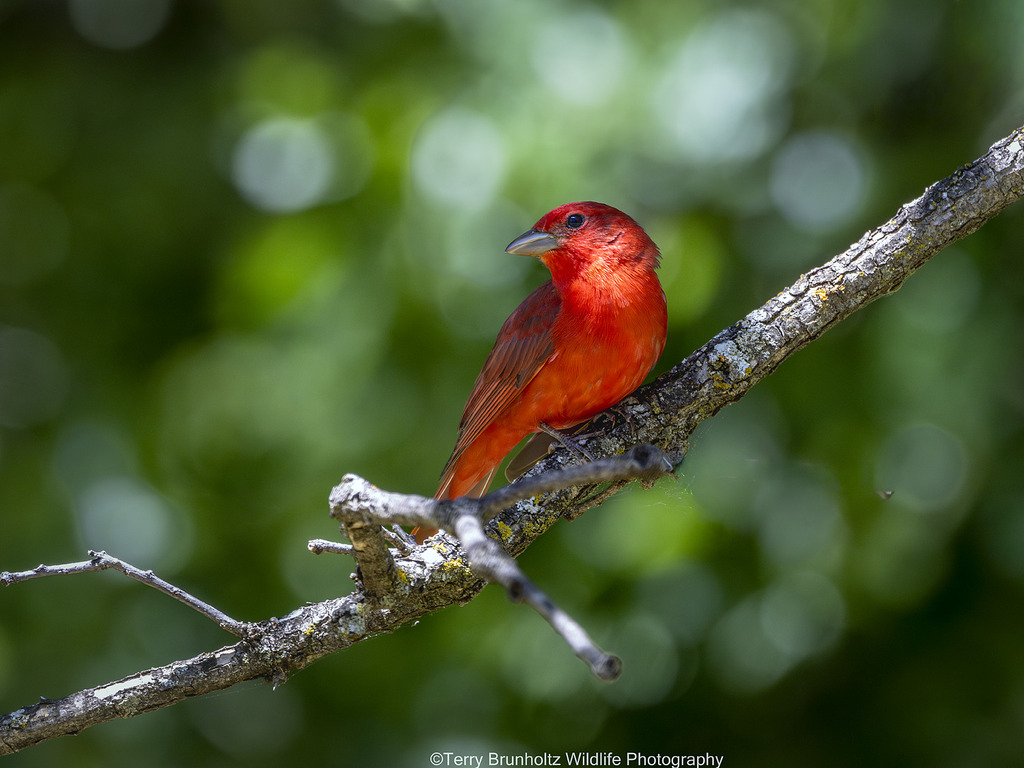
- Summer TanagerPiranga rubra
- Swainson's WarblerLimnothlypis swainsonii
- VeeryCatharus fuscescens
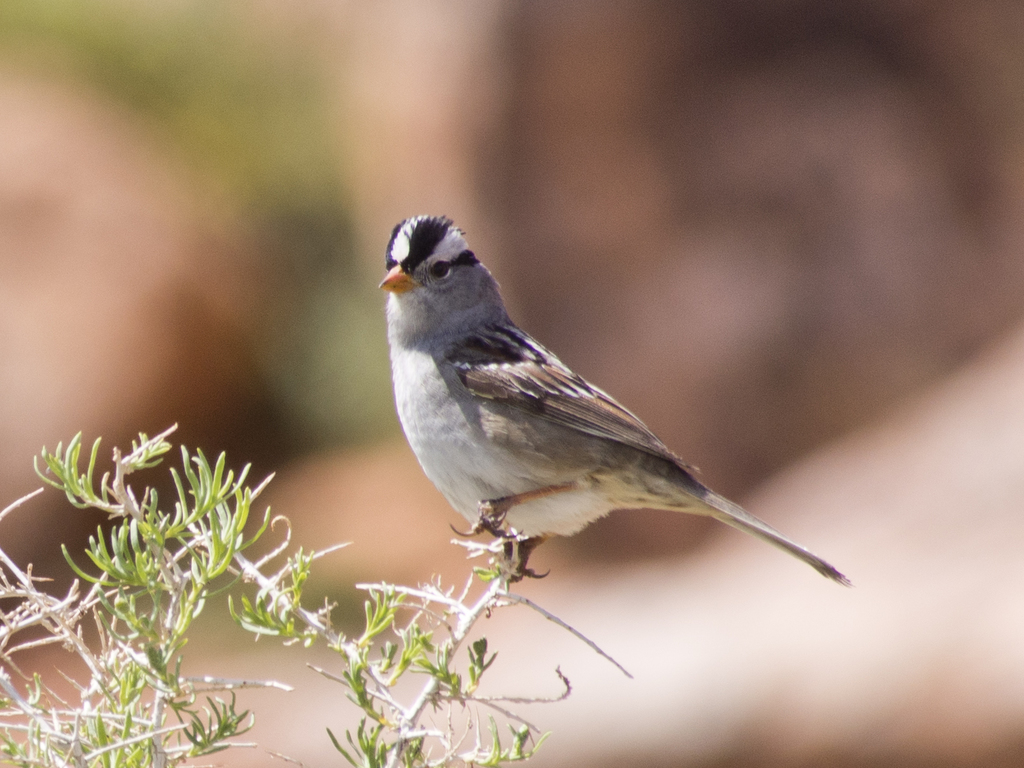
- White-crowned SparrowZonotrichia leucophrys
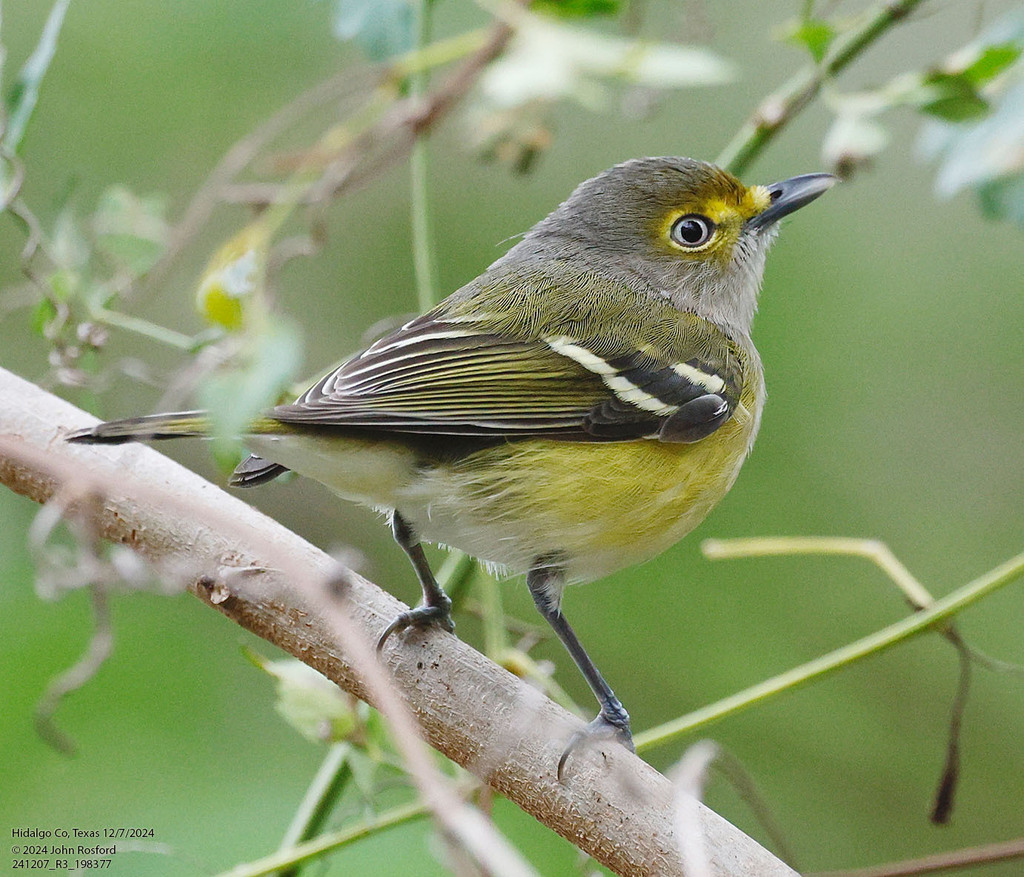
- White-eyed VireoVireo griseus
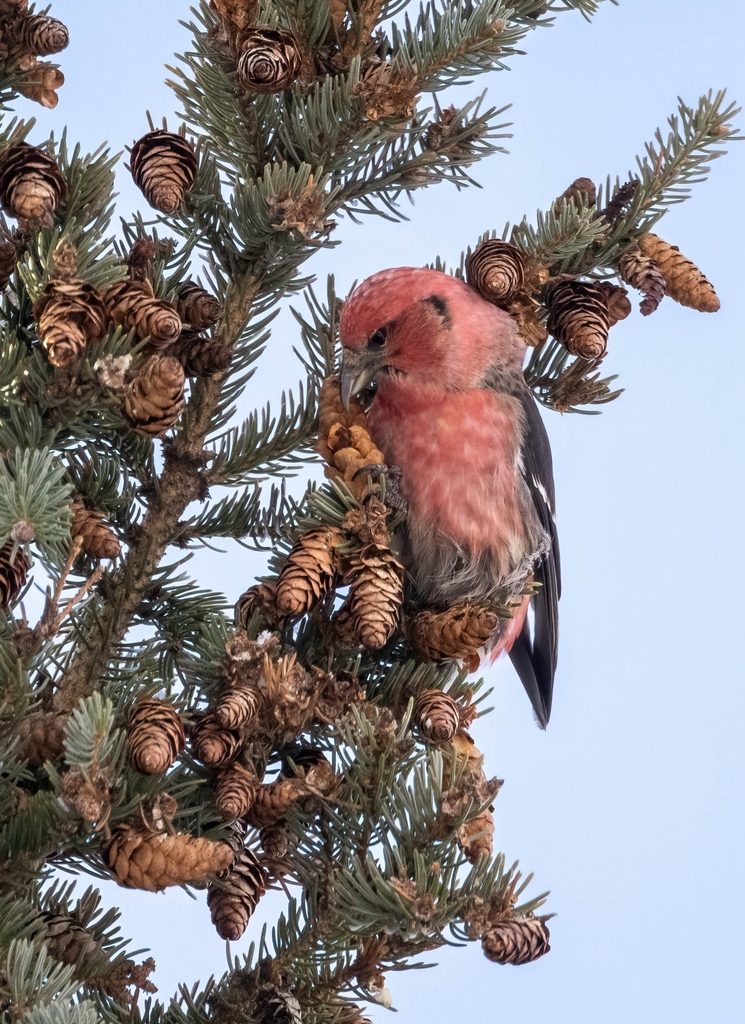
- White-winged CrossbillLoxia leucoptera
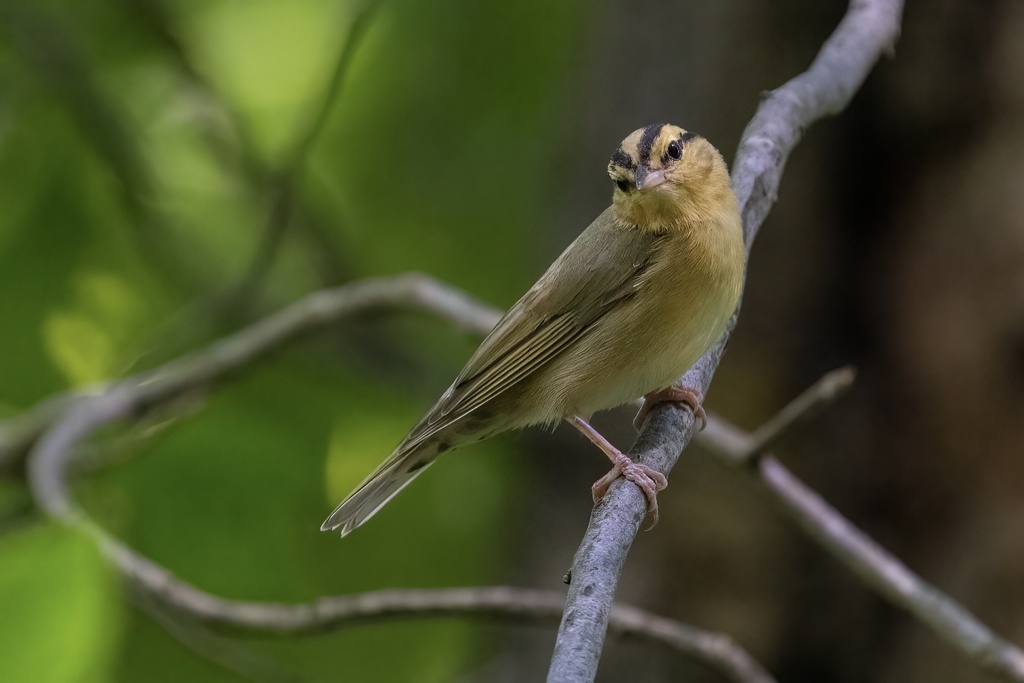
- Worm-eating WarblerHelmitheros vermivorum
- Yellow-throated WarblerDendroica dominica
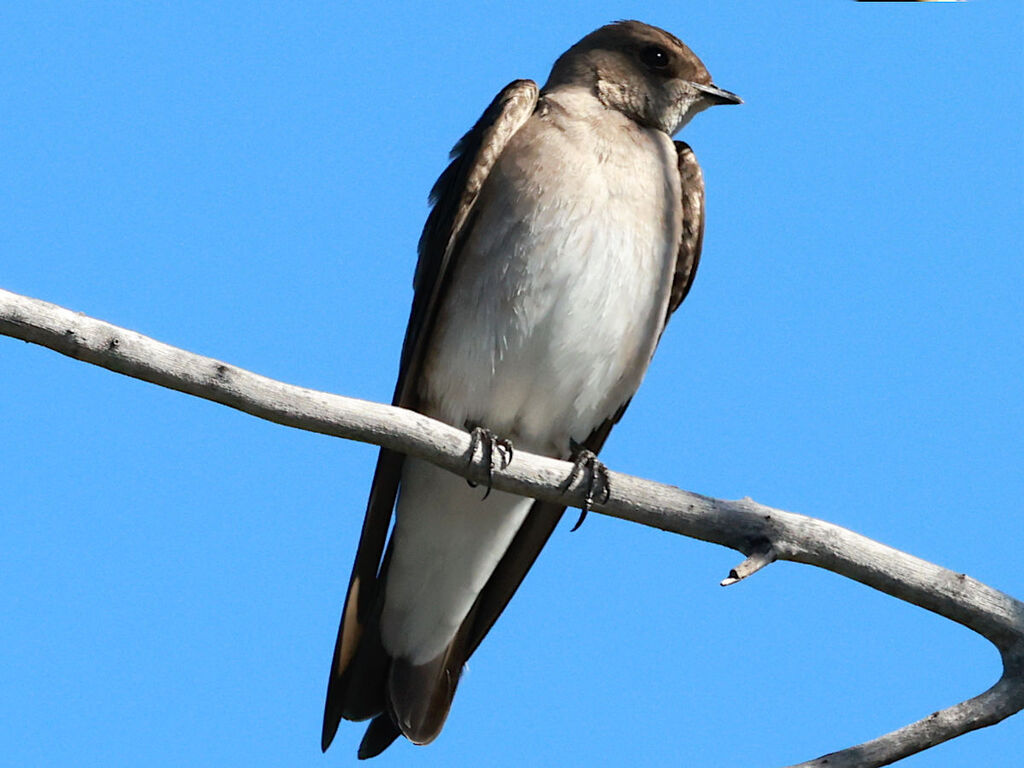

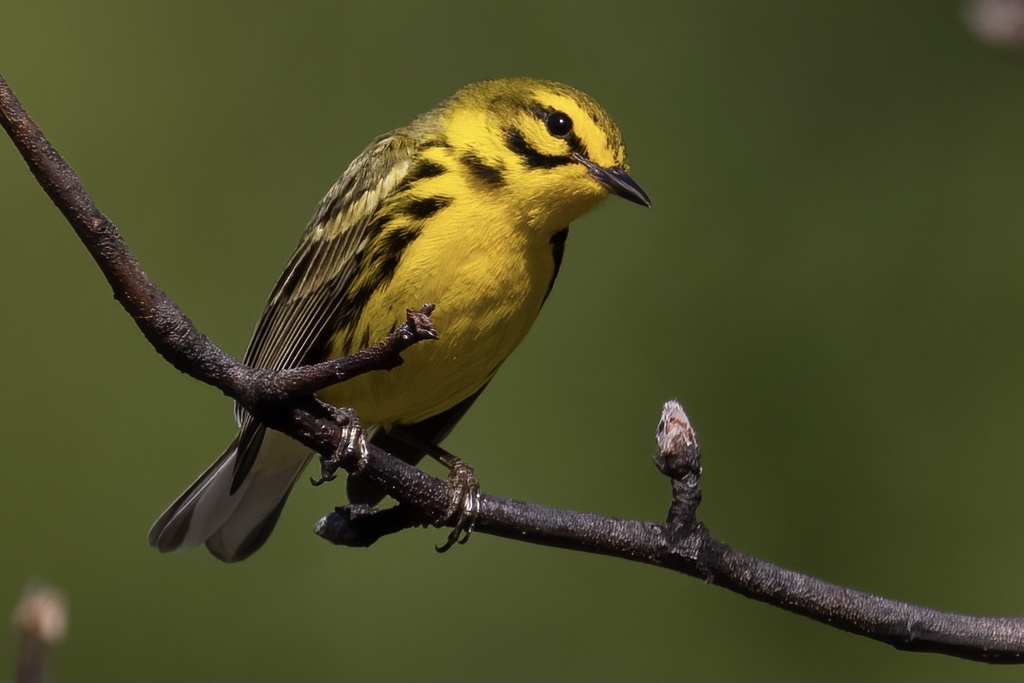

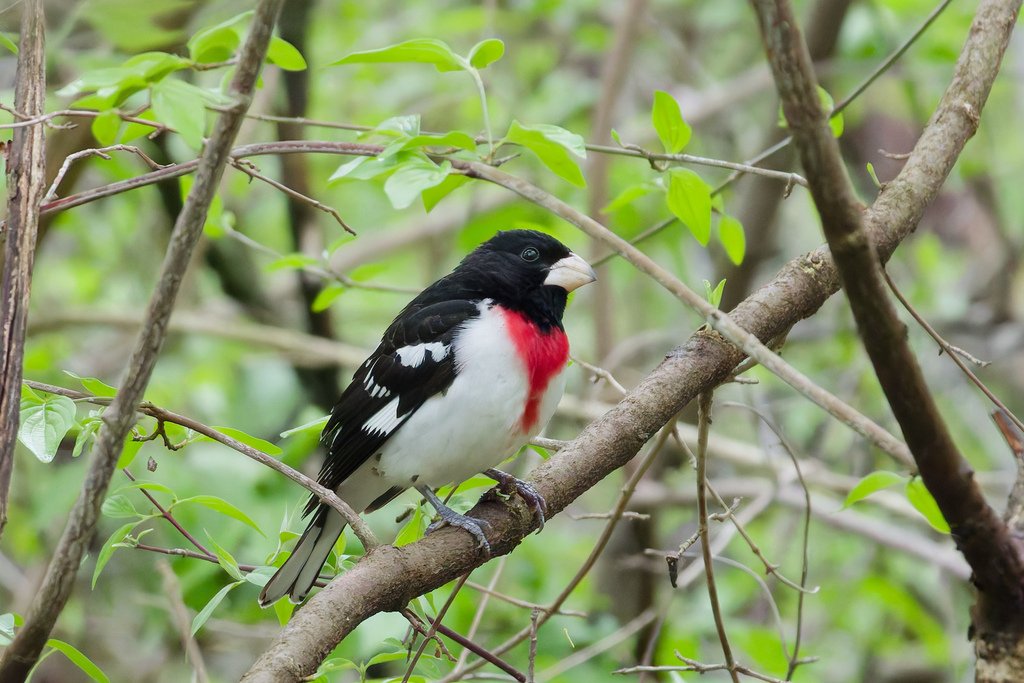
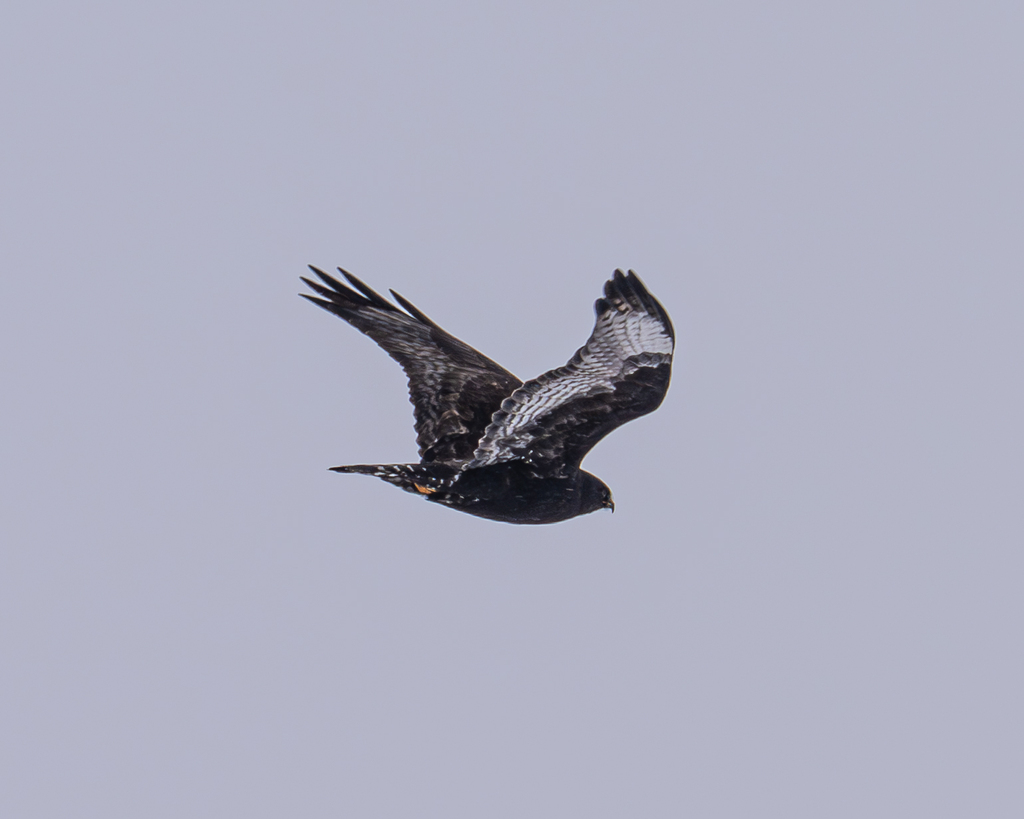





Who uses this plant?
 14CaterpillarsGenus host records with ranges including VA
Genus host records with ranges including VA · Andropogon
- Agrotis gladiariaSwordsman Dart, Clay-Backed Cut-Worm
- Amblyscirtes alternataDusky Roadside-Skipper, Least Florida Skipper, Dusky Little Skipper;
- Anatrytone loganDelaware Skipper, Logan Skipper, Black-Vein Skipper
- Atrytone arogosArogos Skipper, Beardgrass Skipper
- Atrytonopsis hiannaDusted Skipper
- Cercyonis pegalaCommon Wood Nymph
- Dargida diffusaWheat Head Armywotm Moth
- Hesperia meteaCobweb Skipper
- Lacinipolia meditataThe Thinker
- Lerema acciusClouded Skipper, Corn Leaf tier
Show all 14
- Limochores origenesCrossline Skipper
- Mocis texanaTexas Mocis
- Nastra lherminierSwarthy Skipper
- Spodoptera frugiperdaFall Armyworm Moth
 1BeesSoutheastern regional records
Southeastern regional records · Andropogon
Individual names are not available yet.
Noori, Seltmann & Orr 2026, A curated and integrated dataset for exploring global bee-plant interactions (GloBI), Zenodo, CC BY 4.0 0Specialist beesPollen specialists
 4BirdsRecorded genus food-resource interactions; not a state feeding claim
Recorded genus food-resource interactions; not a state feeding claim · Andropogon
- Agelaius phoeniceusRed-winged Blackbird
- Ammospiza leconteiiLeConte's Sparrow
- Meleagris gallopavoWild Turkey
- Molothrus aterBrown-headed Cowbird
Direct food only: birds recorded eating this genus across North America. Caterpillars on host plants also feed nesting birds. NC Native Plant Society: butterfly gardening
No records yet · Ants · Beetles · Flies · Adult butterflies / moths · Other wasps · Other insects
Plant details
- Family
- Poaceae
- Hardiness
- Zones 4a–9b
- Flower color
- Blue, brown/copper or red
Safety has not been reviewed for this plant; check toxicity and thorns before planting.
Growing sources and scope
- Bloom · “July to November” · Weakley, Flora of the Southeastern United States (2025), Carolinas & Georgia edition · Carolinas and Georgia
- Flower color · “Blue, brown/copper or red” · NC Extension Plant Toolbox (ranked first; Lady Bird Johnson Wildflower Center differs)
- Hardiness · “Zones 4a–9b” · NC Extension Plant Toolbox (ranked first; Missouri Botanical Garden Plant Finder differs)
- Height · “4–8 feet” · NC Extension Plant Toolbox (ranked first; Missouri Botanical Garden Plant Finder differs)
- Life cycle · “Perennial” · NC Extension Plant Toolbox
- Light · “Full sun (6 or more hours of direct sunlight a day)” · NC Extension Plant Toolbox (ranked first; Lady Bird Johnson Wildflower Center, Missouri Botanical Garden Plant Finder differ)
- Soil · “Moist; Occasionally dry; Occasionally wet” · NC Extension Plant Toolbox (ranked first; Lady Bird Johnson Wildflower Center, Missouri Botanical Garden Plant Finder differ)
- Spread · “2–3 feet” · NC Extension Plant Toolbox (ranked first; Missouri Botanical Garden Plant Finder differs)
Also known as
Andropogon gerardii
Conservation status
| Virginia rank | S5 |
|---|---|
| Global rank | G5 |
| VA status | Not verified |
| Federal status | Not verified |
Will it fit your yard?
Check this plant against your county, sun and soil moisture. Conditions are checked in your browser.
Sources
- Digital Atlas of the Virginia Flora
- Vascular Plants of North Carolina (NC Natural Heritage Program)
- Weakley, Flora of the Southeastern United States (2025)
- NatureServe Explorer
- Shropshire & Tallamy 2025, Lepidoptera of North America north of Mexico, ZooKeys 1261 (ODbL)
- Noori, Seltmann & Orr 2026, A curated and integrated dataset for exploring global bee-plant interactions (GloBI), Zenodo, CC BY 4.0
- Smith, Bachelder, Russell, Morales, Mosher & Seltmann 2024, Bee-Specialization-Modeling v0.6.1 (specialist host table compiled from J. Fowler's pollen specialist bee lists), Zenodo, CC BY 4.0
- Hurlbert, Olsen, Sawyer & Winner 2021, Avian Diet Database, Scientific Data 8: 260 (CC0)
- Narango, Tallamy & Shropshire 2020, Few keystone plant genera support the majority of Lepidoptera species, Nature Communications