

Garlic Mustard
Alliaria petiolata
Found in moist forests in bottomlands and on slopes. FloraQuest, phone app (app page) What its natural habitat tells you
-85
Severe harm
Not native to Virginia. How scores work Is it native here?
Profile 71%
- Height
- Mature plants produce erect flowering stems up to 4.13 feet high [15].
- Light
- Deep shade, Partial shade
- Soil moisture
- Usually moist
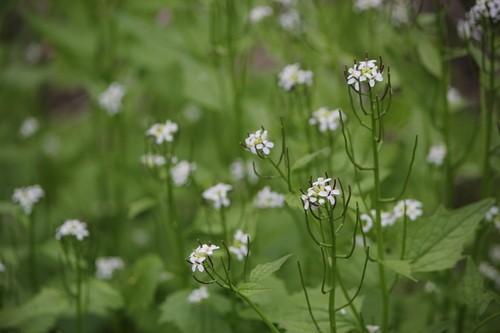
Do not plant. Listed invasive in Virginia.
At a glance
- Life cycle
- Biennial
- Bloom
- April to June
- Fruiting season
- May to June
JFMAMJJASOND
Not yet recorded · Spread · Leaves
Recorded in 67 Virginia counties.
Natural habitats
Places it grows wild. Not a planting requirement. Each habitat page lists the plants and wildlife also found there.
1 of 2
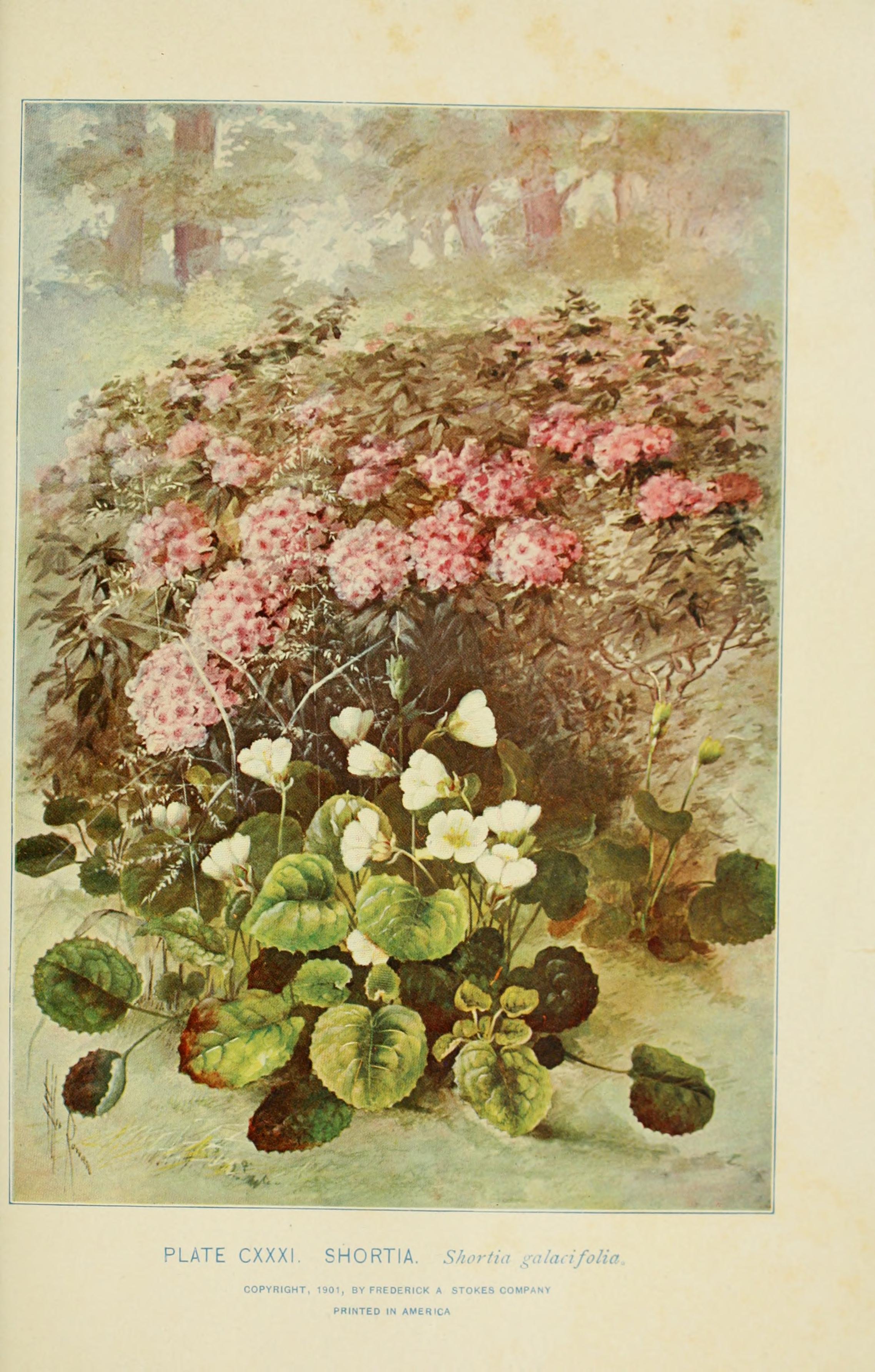
Floodplain and bottomland forests
Forests on low ground beside rivers and streams that flood from time to time.
Also found with this plant
Wildlife whose habitat models include habitats this plant grows in, in Virginia. Shared habitat, not food. 151 animals.
- Belted KingfisherMegaceryle alcyon
- Chimney SwiftChaetura pelagica
- Common NighthawkChordeiles minor
- Eastern KingbirdTyrannus tyrannus
- European StarlingSturnus vulgaris
- Great Horned OwlBubo virginianus
- Mourning DoveZenaida macroura
- Red-tailed HawkButeo jamaicensis
- Sharp-shinned HawkAccipiter striatus
- Turkey VultureCathartes aura
- Acadian FlycatcherEmpidonax virescens
- American CrowCorvus brachyrhynchos
- American GoldfinchCarduelis tristis
- American RedstartSetophaga ruticilla
- American RobinTurdus migratorius
- Bald EagleHaliaeetus leucocephalus
- Black-and-White WarblerMniotilta varia
- Blue GrosbeakPasserina caerulea
- Blue JayCyanocitta cristata
- Blue-gray GnatcatcherPolioptila caerulea
- Brown CreeperCerthia americana
- Carolina WrenThryothorus ludovicianus
- Cedar WaxwingBombycilla cedrorum
- Common YellowthroatGeothlypis trichas
























Ecological relationships
Who uses this plant?
 —CaterpillarsGenus host records with ranges including VA
 —BeesSoutheastern regional records
 1Specialist beesPollen specialists
 —BirdsRecorded genus food-resource interactions; not a state feeding claim
Growing and identification
Plant details
- Family
- Brassicaceae
- Hardiness
- Zones 6a–8b
- Soil pH
- Acidic to alkaline
- Flower color
- White
- Fruit begins
- May
- Fruit ends
- June
Safety has not been reviewed for this plant; check toxicity and thorns before planting.
Growing sources and scope
- Bloom · “April to June” · FloraQuest: Carolinas, Georgia (Southeastern Flora Team), phone app (app page) · Carolinas and Georgia
- Flower color · “White” · NC Extension Plant Toolbox
- Fruit begins · “May” · FloraQuest: Carolinas, Georgia (Southeastern Flora Team), phone app (app page) · Carolinas and Georgia
- Fruit ends · “June” · FloraQuest: Carolinas, Georgia (Southeastern Flora Team), phone app (app page) · Carolinas and Georgia
- Hardiness · “Zones 6a–8b” · NC Extension Plant Toolbox
- Height · “Mature plants produce erect flowering stems up to 4.13 feet (1.25 m) high [15].” · Fire Effects Information System: Alliaria petiolata (ranked first; Minnesota Wildflowers differs) · Source botanical description; original units and scope retained
- Life cycle · “Biennial” · NC Extension Plant Toolbox
- Light · “Deep shade (less than 2 hours to no direct sunlight); Partial shade (direct sunlight only part of the day, 2-6 hours)” · NC Extension Plant Toolbox
- primary_flower_color · “white” · NC Extension Plant Toolbox
- Soil · “Moist; Occasionally wet” · NC Extension Plant Toolbox
- Soil pH · “Acidic to alkaline” · NC Extension Plant Toolbox
Conservation status
| Virginia rank | SNA |
|---|---|
| Global rank | GNR |
| VA status | Not verified |
| Federal status | Not verified |
Native alternatives
Find natives for your gardenSources
- Virginia DCR invasive plant list
- Digital Atlas of the Virginia Flora
- USDA PLANTS
- NatureServe Explorer
- Shropshire & Tallamy 2025, Lepidoptera of North America north of Mexico, ZooKeys 1261 (ODbL)
- Noori, Seltmann & Orr 2026, A curated and integrated dataset for exploring global bee-plant interactions (GloBI), Zenodo, CC BY 4.0
- Smith, Bachelder, Russell, Morales, Mosher & Seltmann 2024, Bee-Specialization-Modeling v0.6.1 (specialist host table compiled from J. Fowler's pollen specialist bee lists), Zenodo, CC BY 4.0
- Hurlbert, Olsen, Sawyer & Winner 2021, Avian Diet Database, Scientific Data 8: 260 (CC0)
- Narango, Tallamy & Shropshire 2020, Few keystone plant genera support the majority of Lepidoptera species, Nature Communications