

Creeping Bentgrass
Agrostis stolonifera
Found in disturbed areas, wet, moist, or dry. Weakley, Flora of the Southeastern United States (2025), Northern Tier edition What its natural habitat tells you
Not native to Virginia. How scores work Is it native here?
Profile 76%
- Height
- About 2 feet
- Light
- Full sun
- Soil moisture
- Usually moist
No photograph yet. Looking for an old drawing…
Plant this instead
Choose your county to list local plants first.
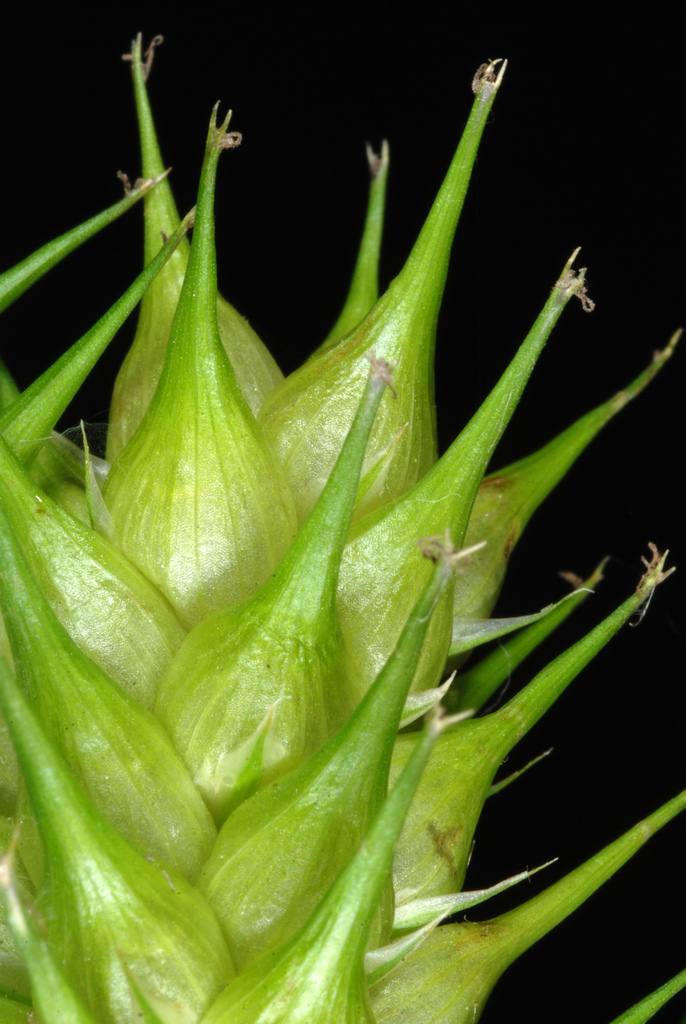
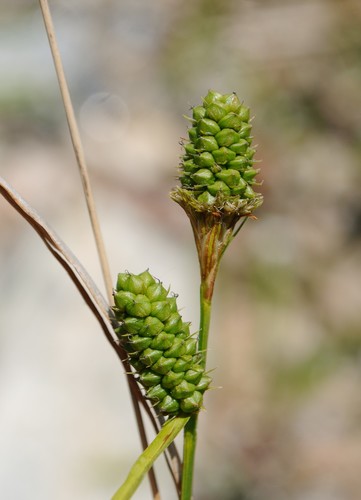
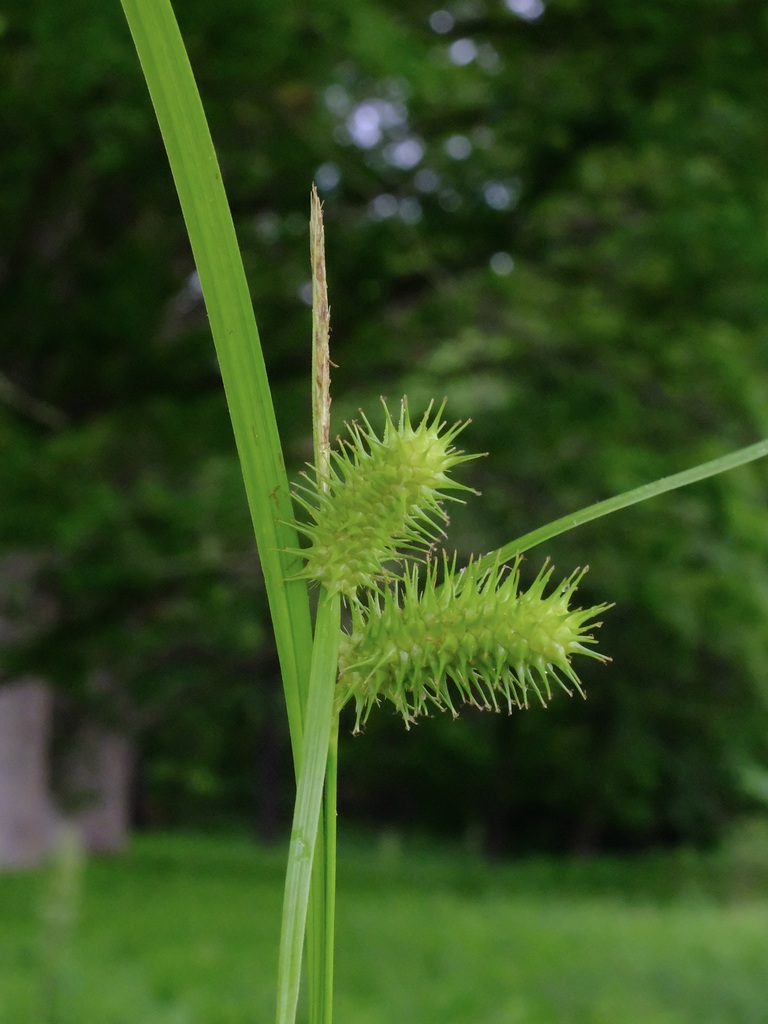
No recorded swaps for this county. Try the garden finder.
At a glance
- Life cycle
- Perennial
- Bloom
- June to October
- Fruiting season
- Summer
Not yet recorded · Spread · Leaves
Recorded in 49 Virginia counties.
Natural habitats
Places it grows wild. Not a planting requirement. Each habitat page lists the plants and wildlife also found there.
Roadsides, fields and disturbed ground
Ground opened by people: roadsides, old fields, pastures, fencerows and lots.
Also found with this plant
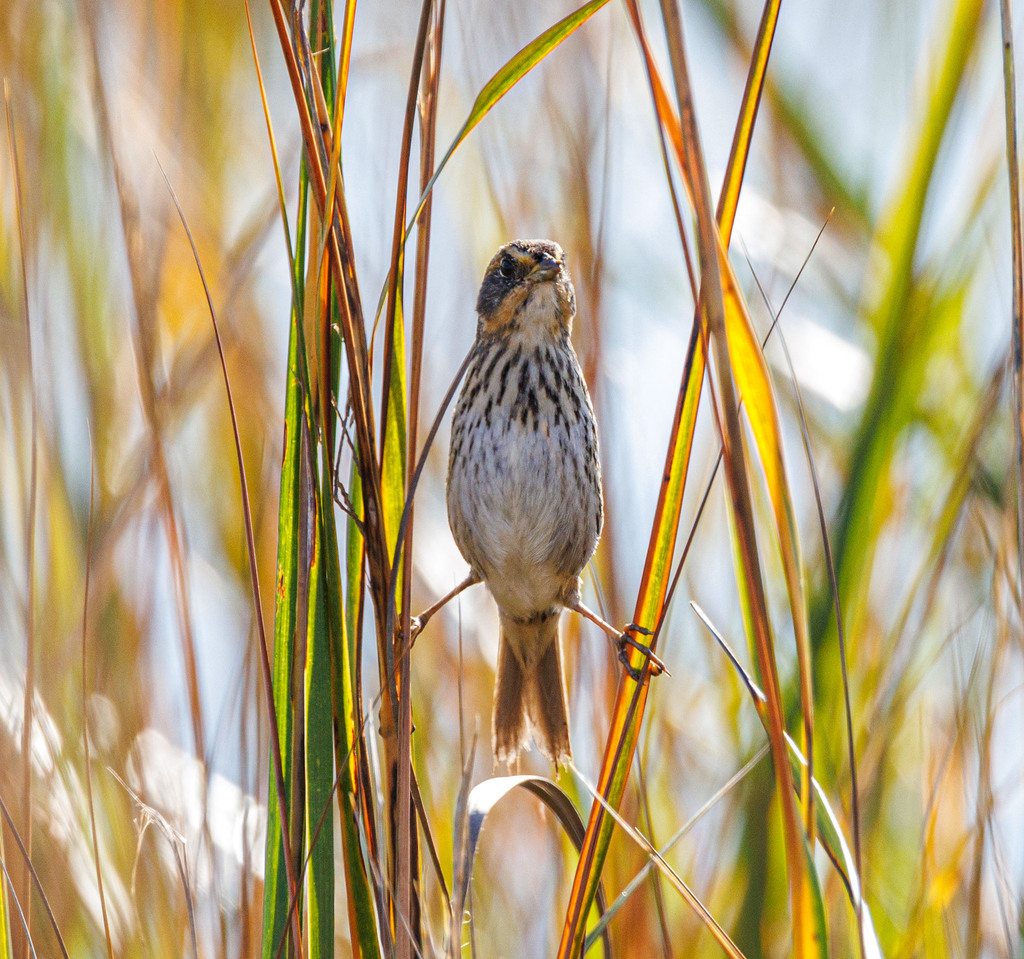
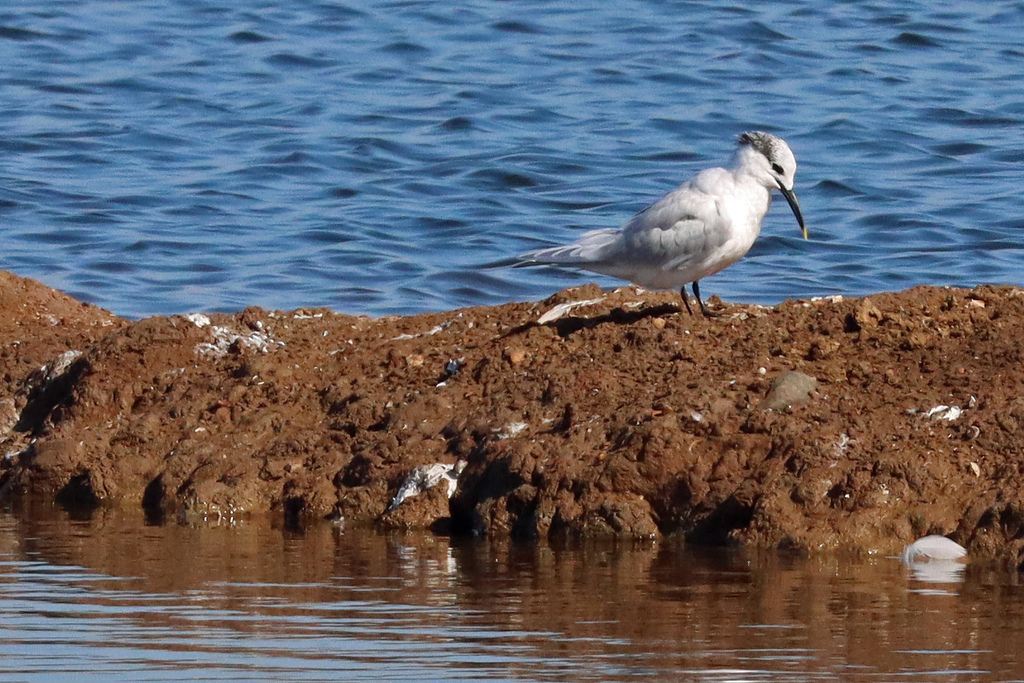
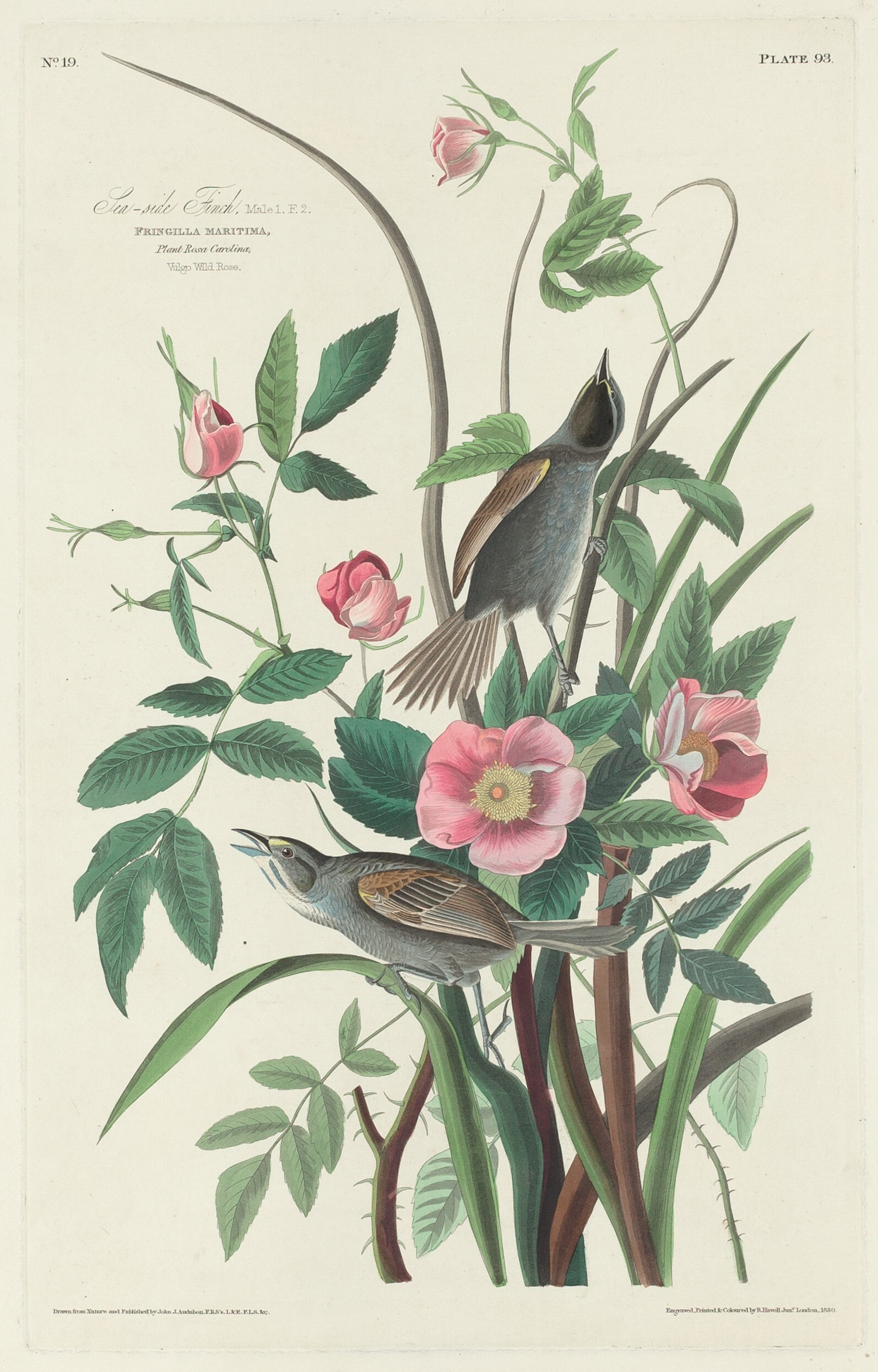
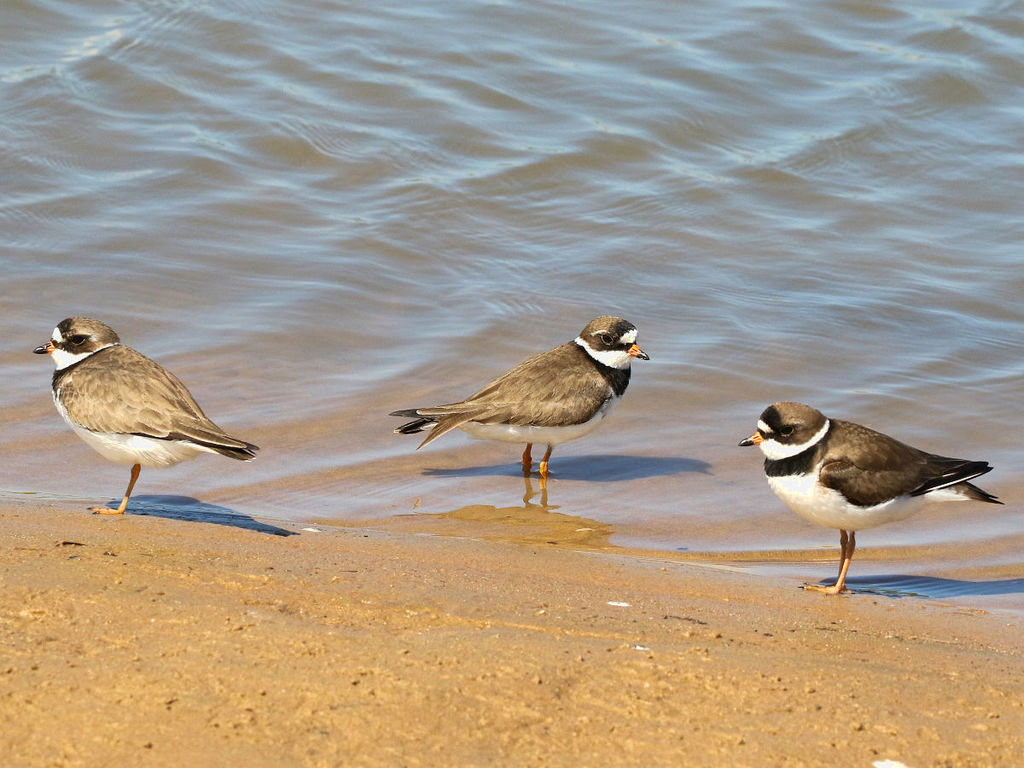
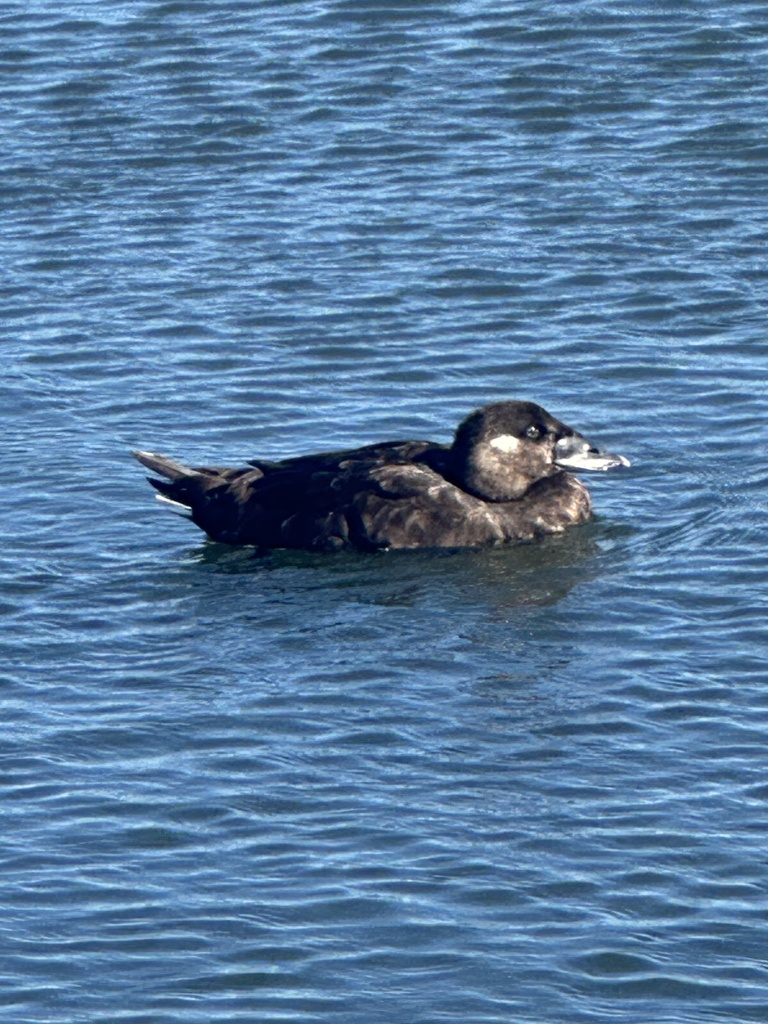
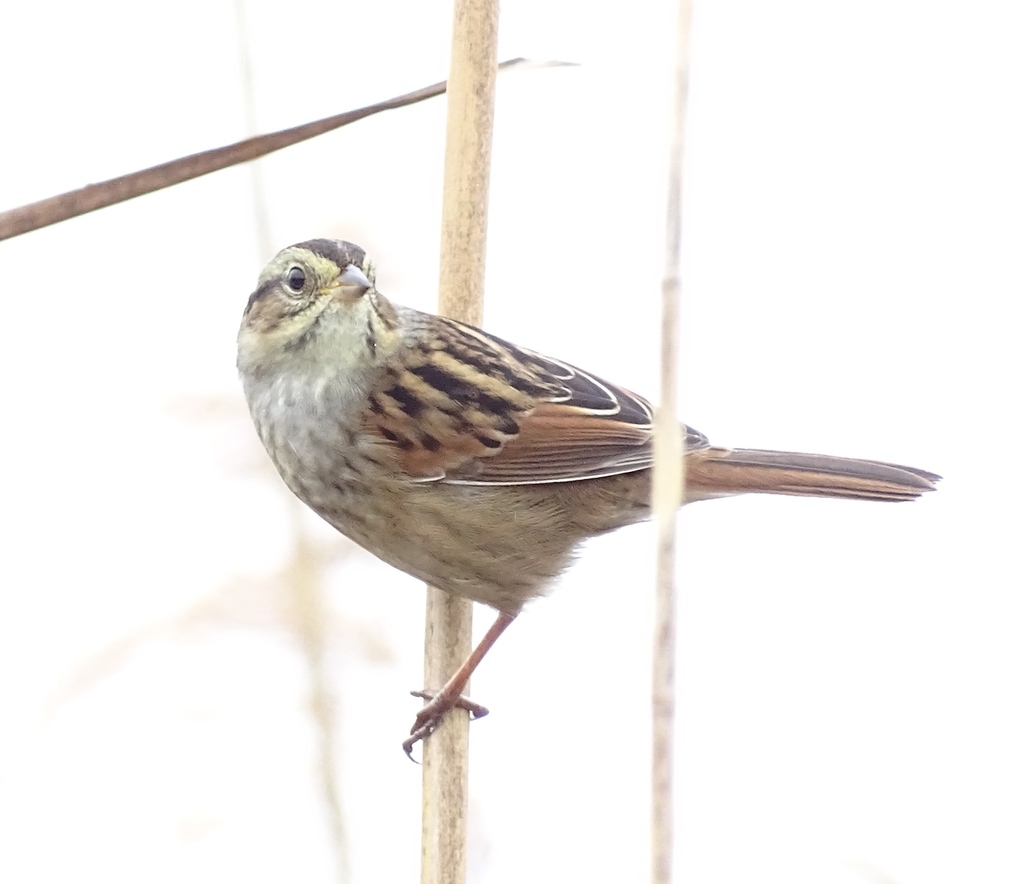
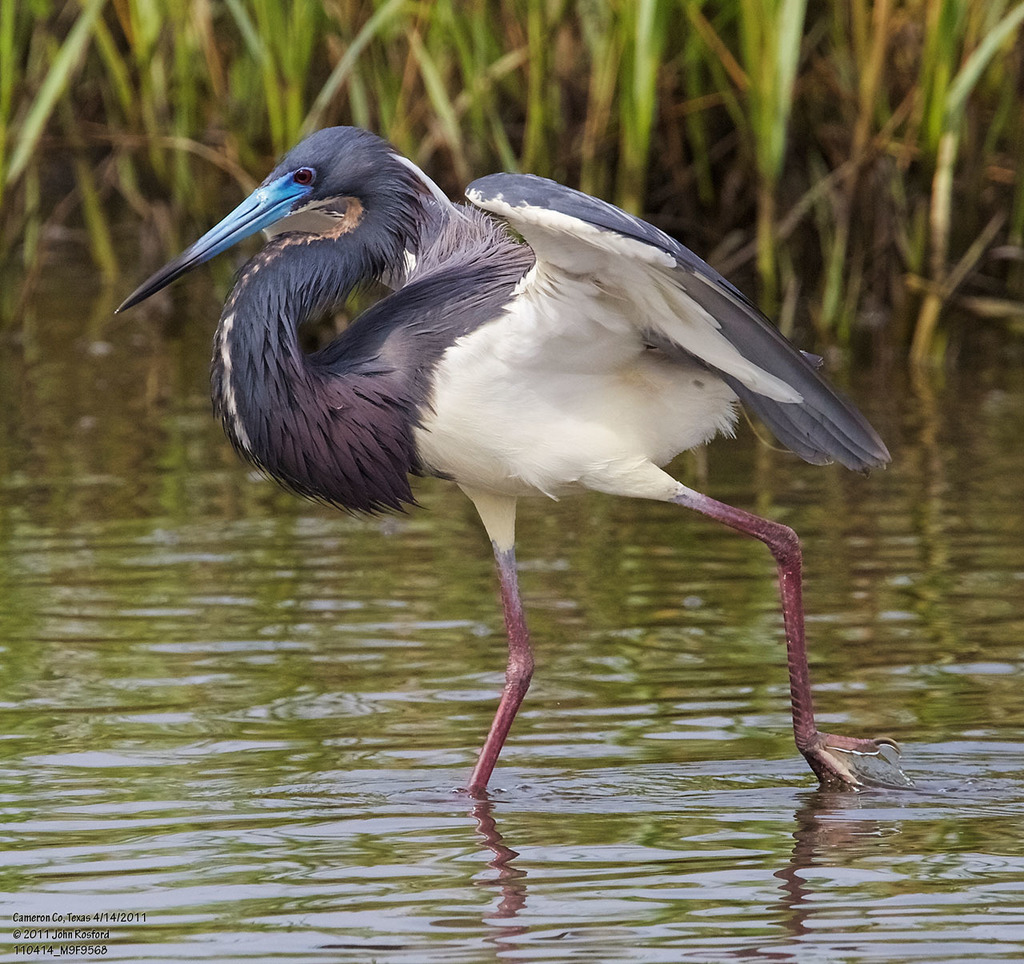
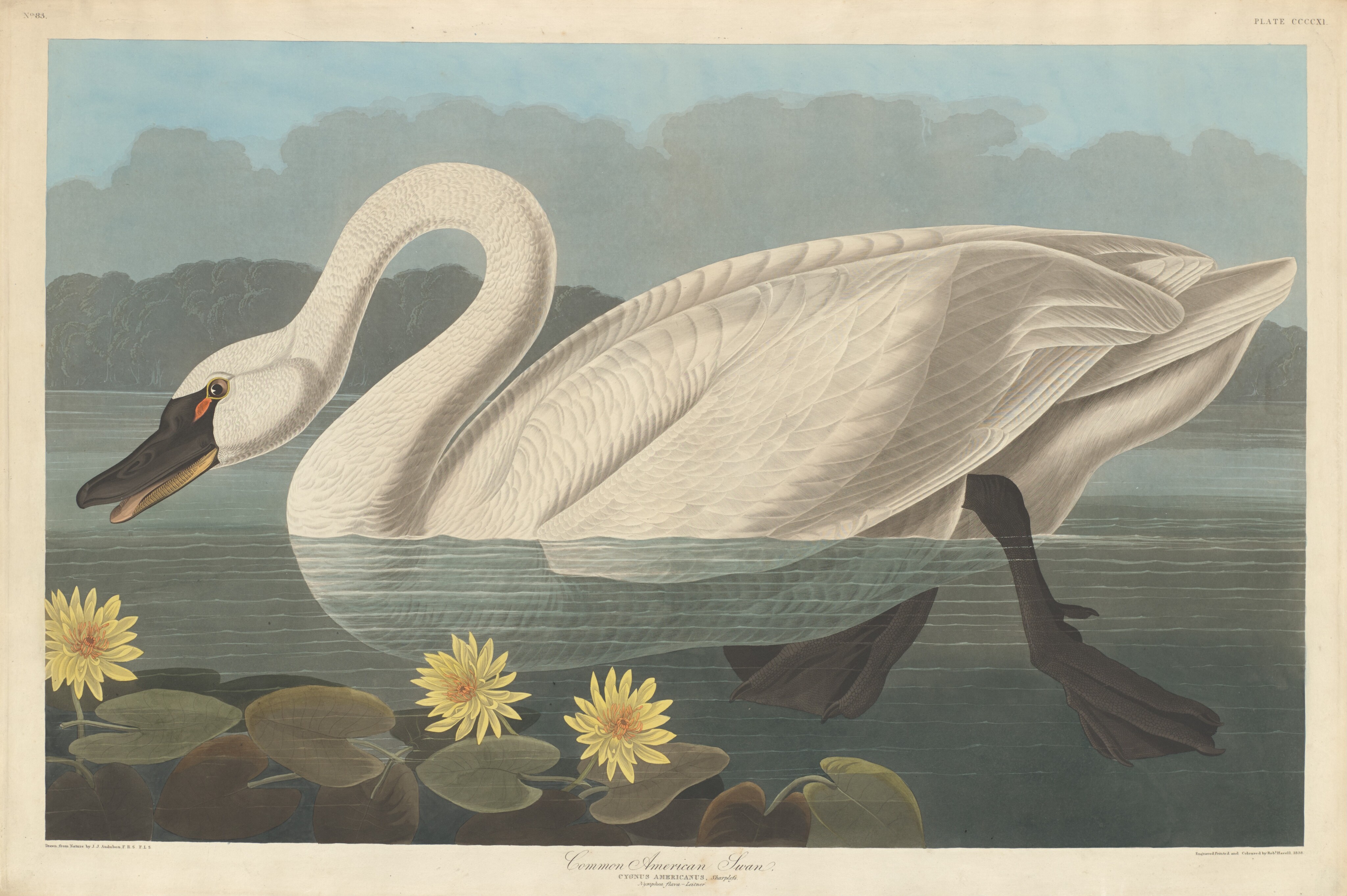
Wildlife whose habitat models include habitats this plant grows in, in Virginia. Shared habitat, not food. 127 animals.
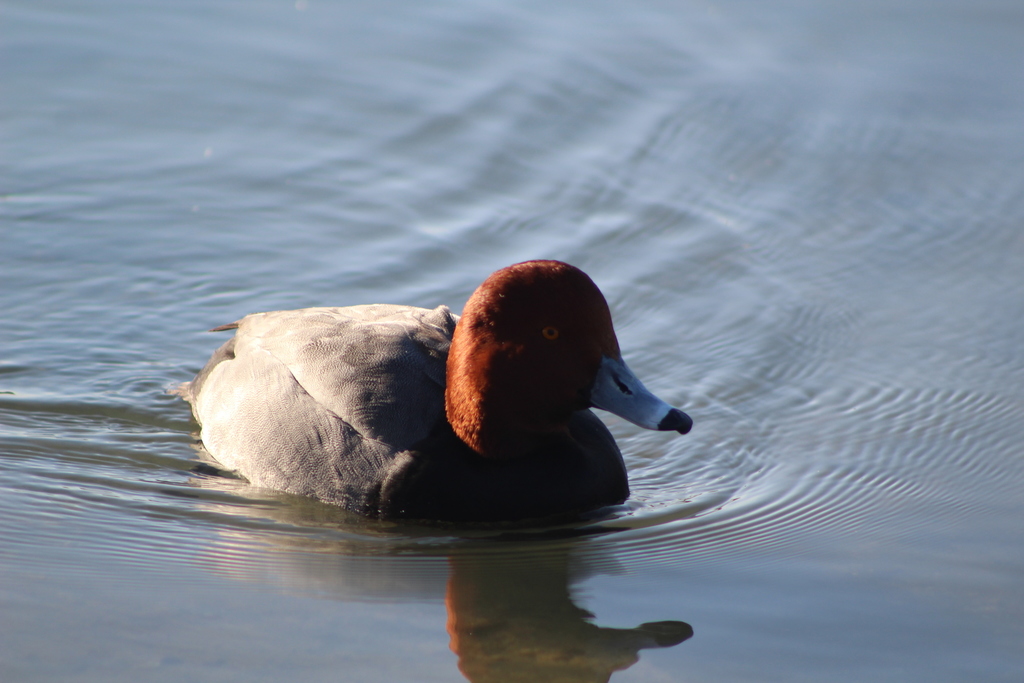
- RedheadAythya americana
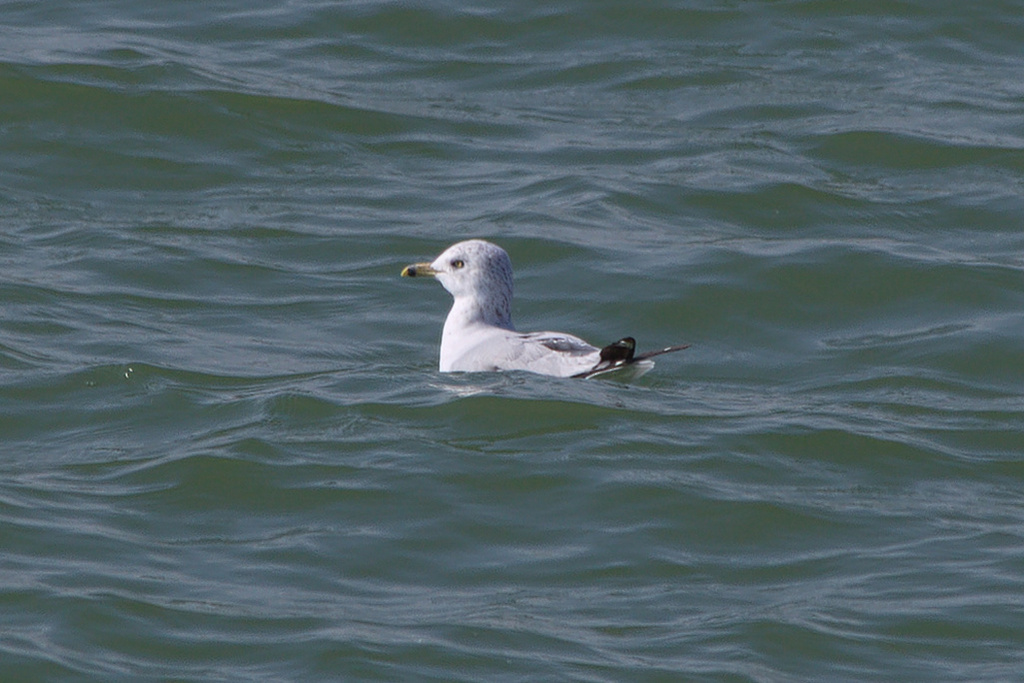
- Ring-billed GullLarus delawarensis
- Ring-necked DuckAythya collaris
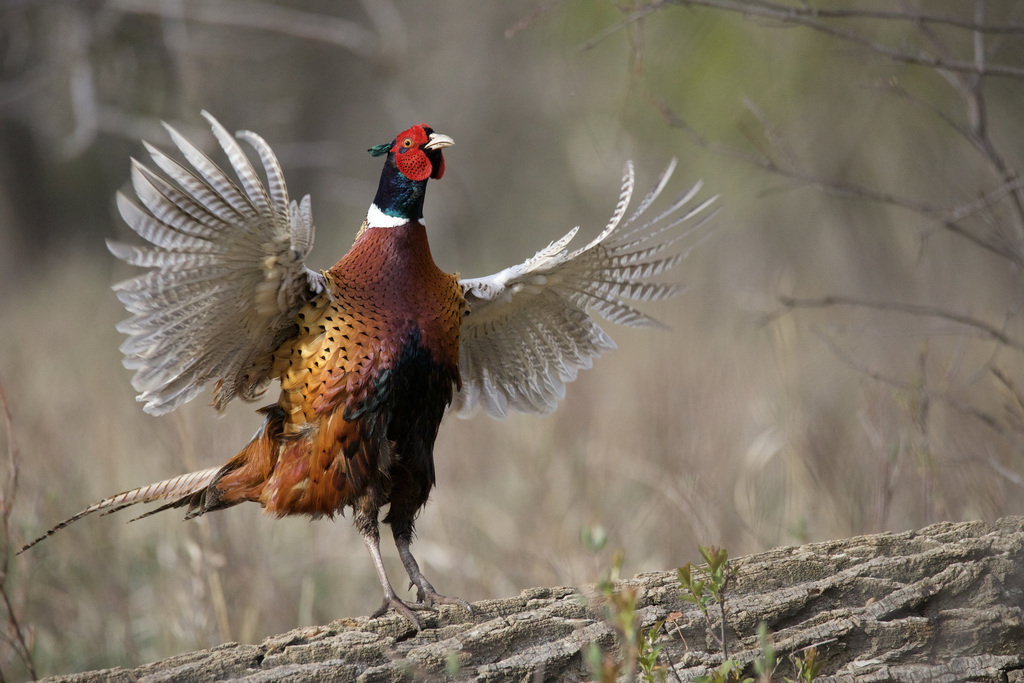
- Ring-necked PheasantPhasianus colchicus
- Royal TernThalasseus maximus
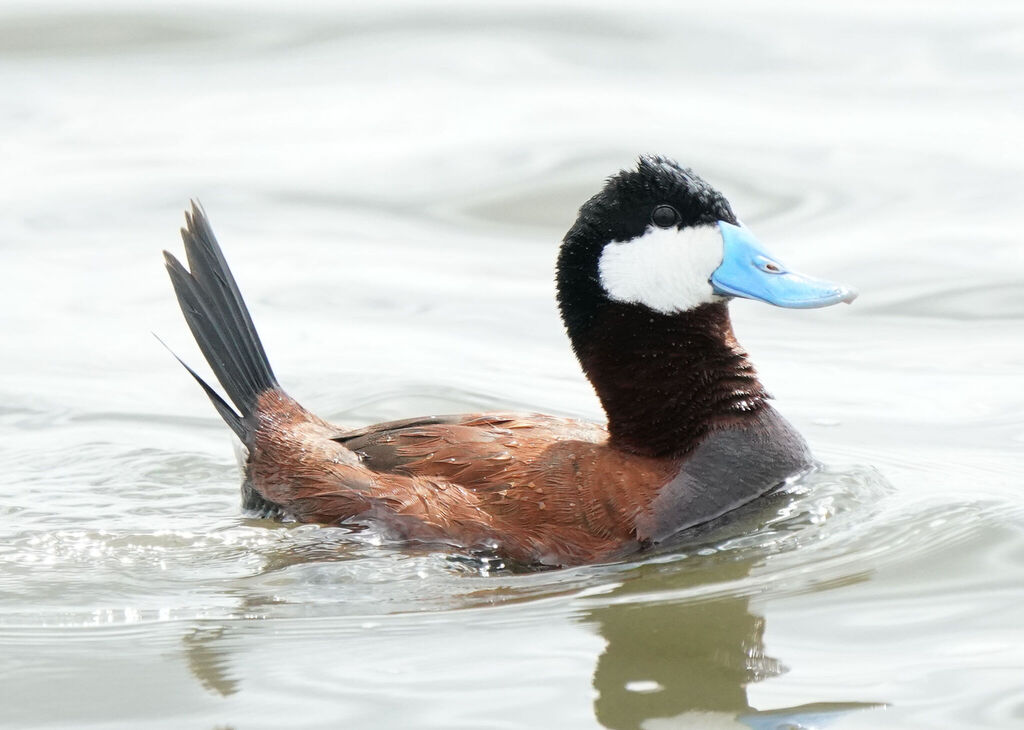
- Ruddy DuckOxyura jamaicensis
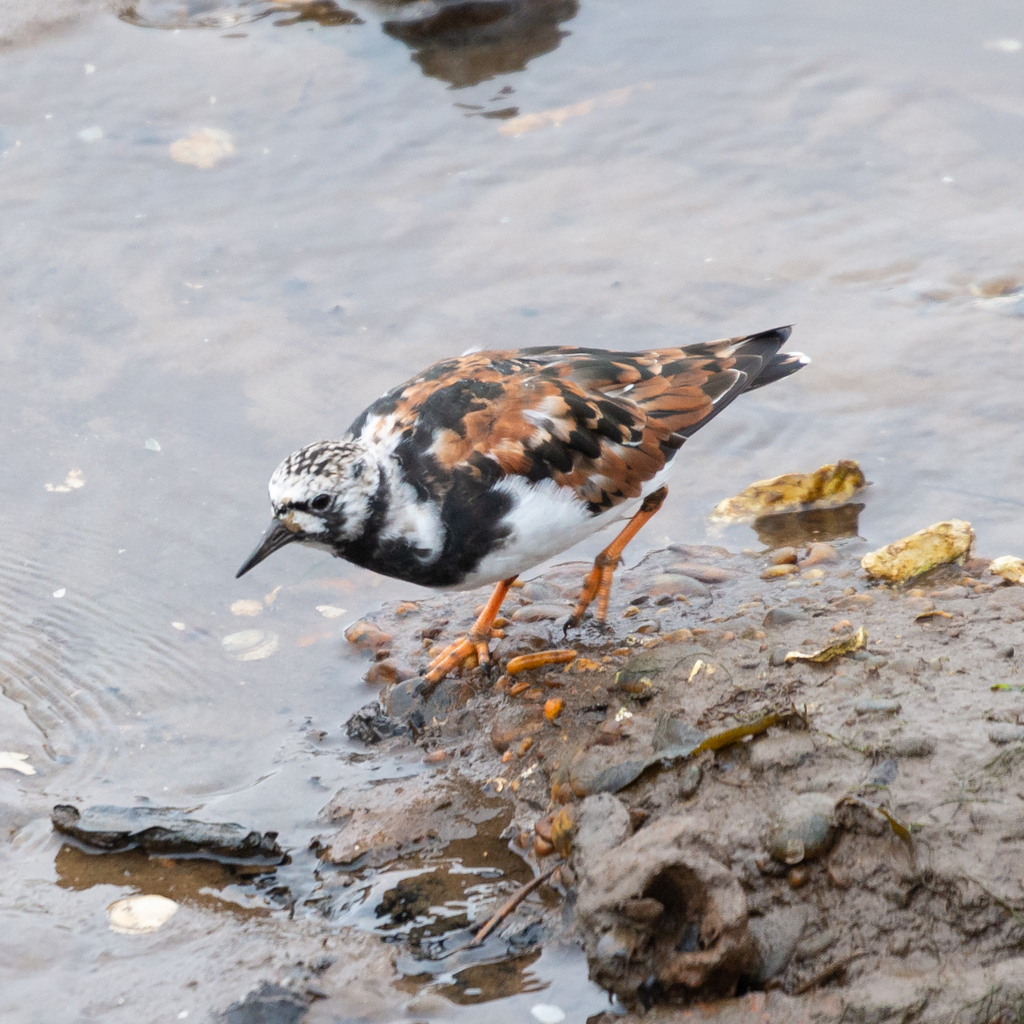
- Ruddy TurnstoneArenaria interpres
- Saltmarsh Sharp-tailed SparrowAmmodramus caudacutus
- Sandwich TernThalasseus sandvicensis
- Seaside SparrowAmmodramus maritimus
- Semipalmated PloverCharadrius semipalmatus
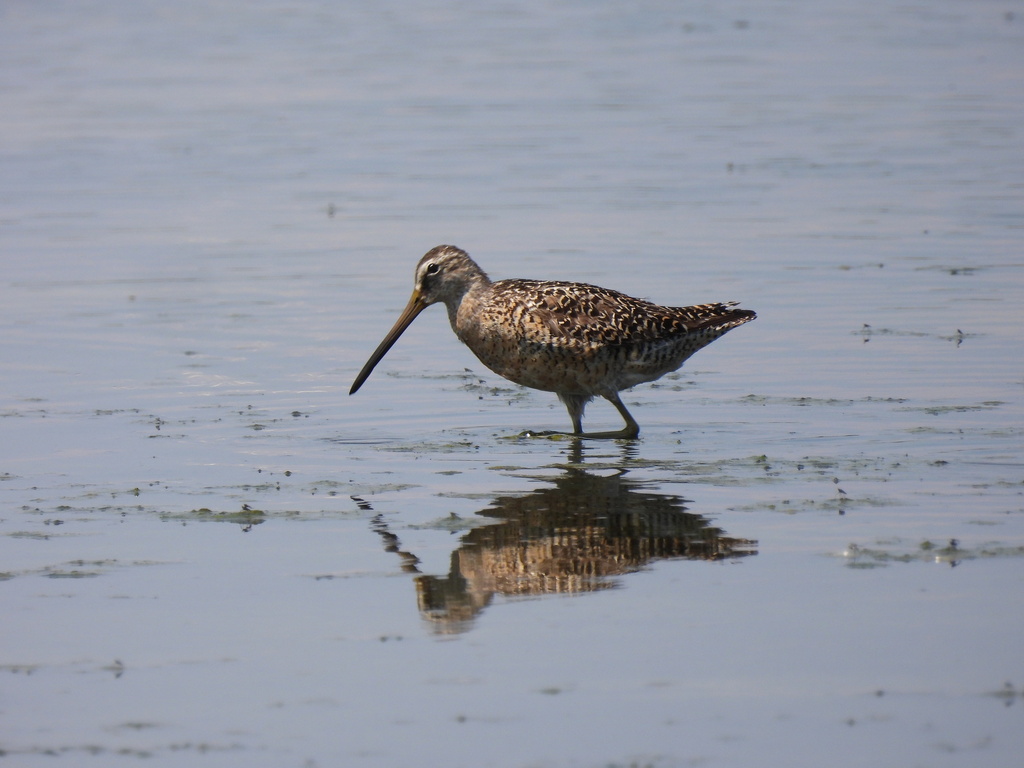
- Short-billed DowitcherLimnodromus griseus
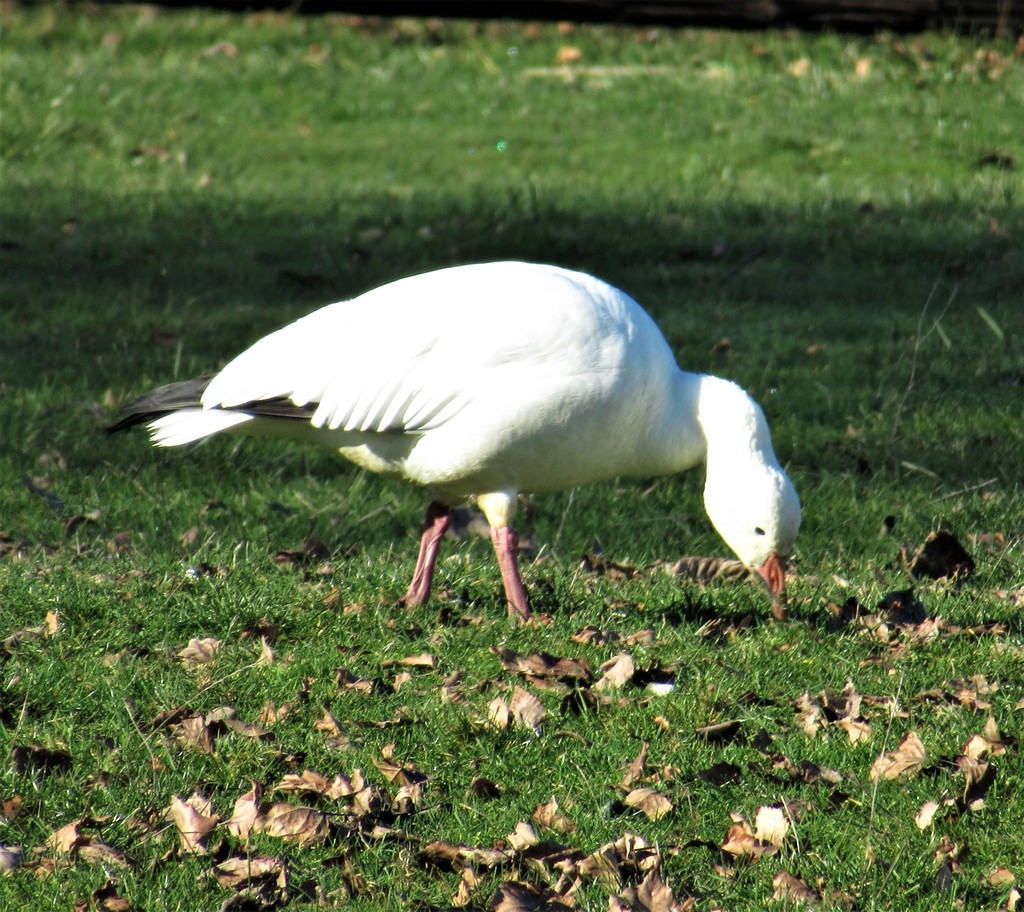
- Snow GooseChen caerulescens
- Snowy EgretEgretta thula
- Song SparrowMelospiza melodia
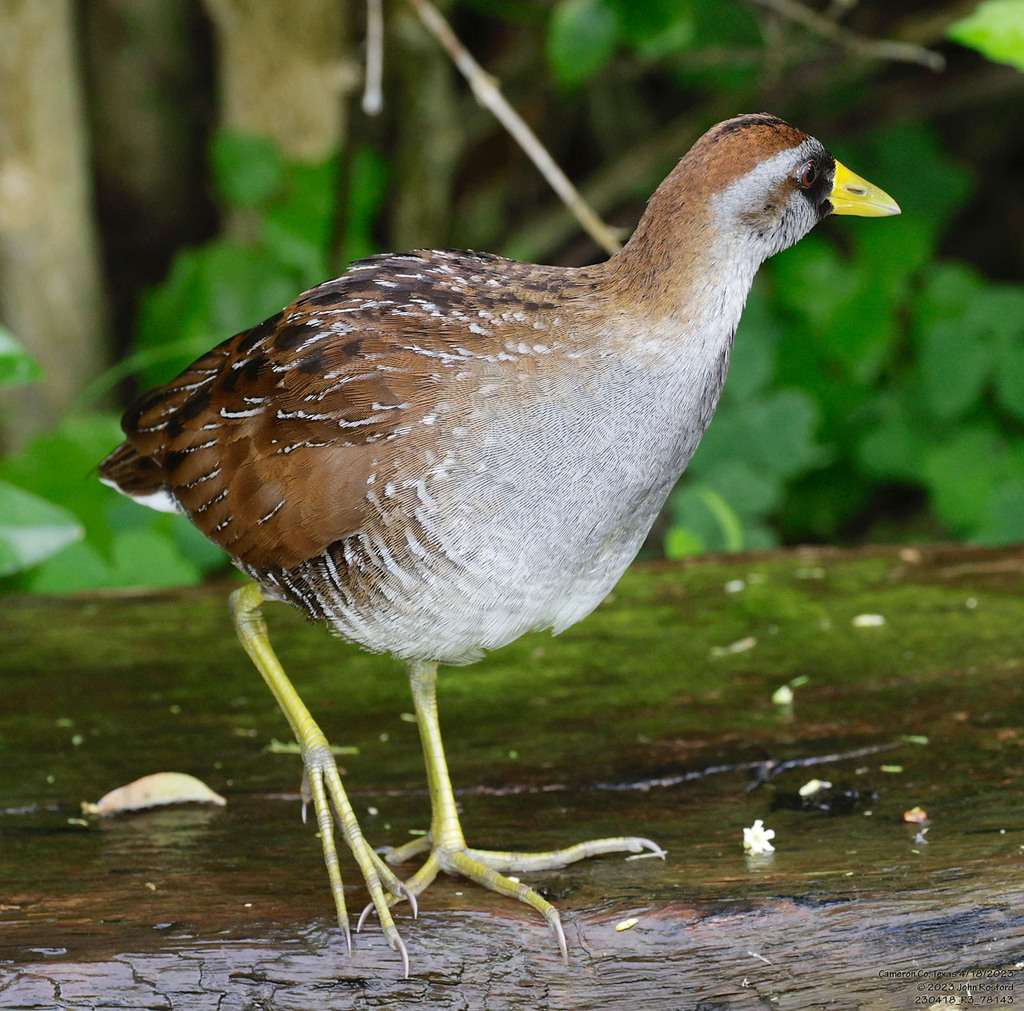
- SoraPorzana carolina
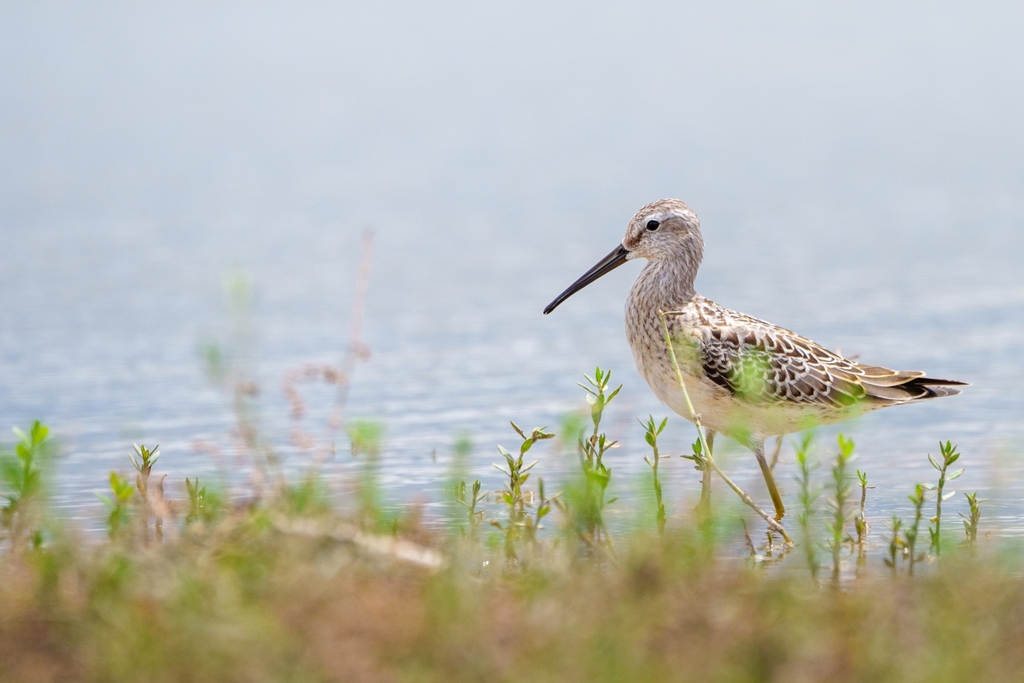
- Stilt SandpiperCalidris himantopus
- Surf ScoterMelanitta perspicillata
- Swamp SparrowMelospiza georgiana
- Tree SwallowTachycineta bicolor
- Tricolored HeronEgretta tricolor
- Tundra SwanCygnus columbianus
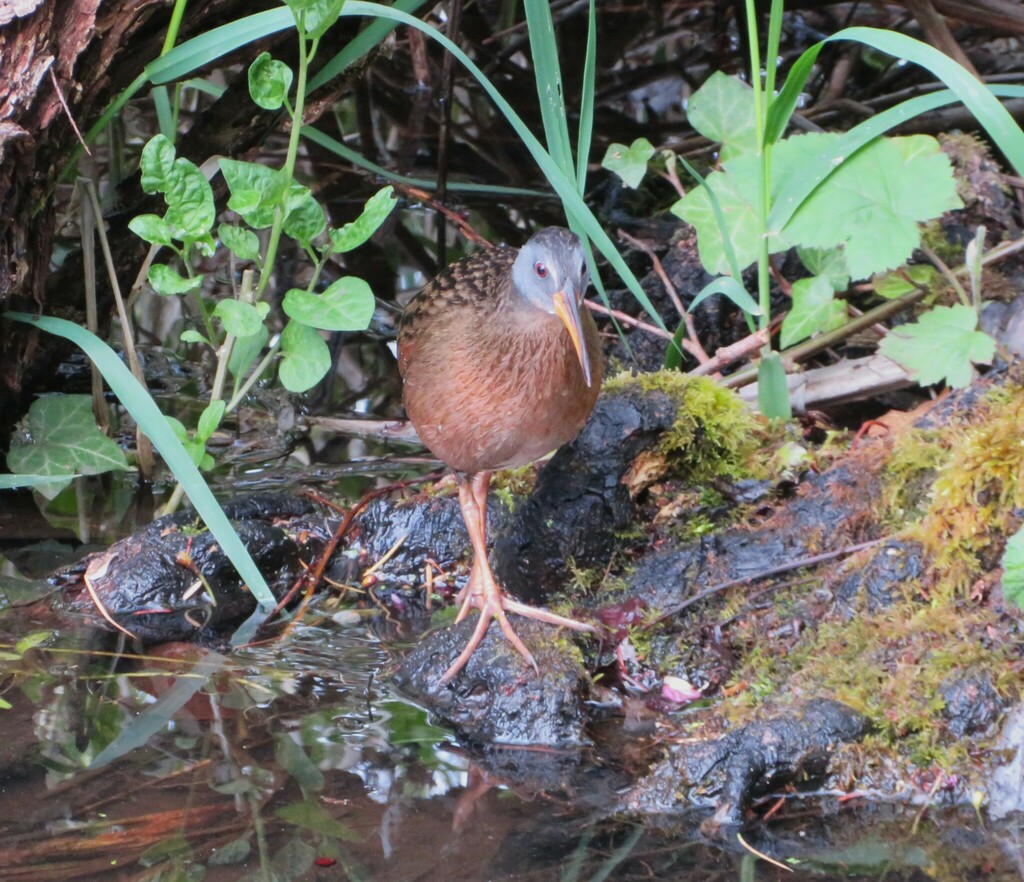
- Virginia RailRallus limicola
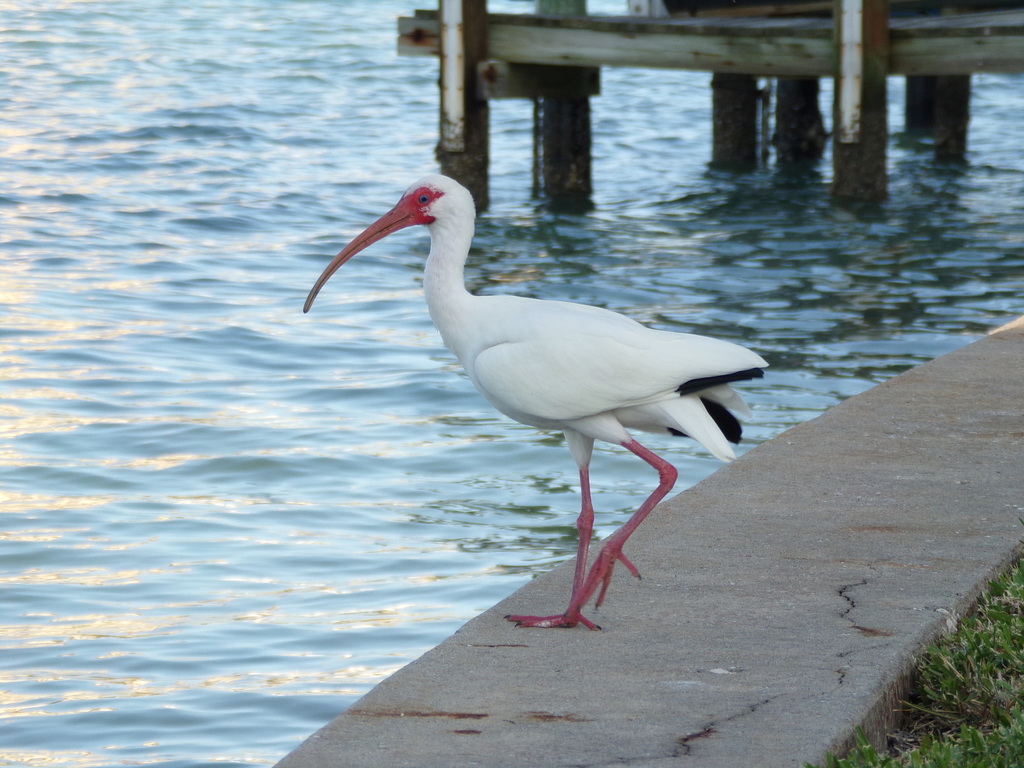
- White IbisEudocimus albus





Who uses this plant?
 18CaterpillarsGenus host records with ranges including VA
Genus host records with ranges including VA · Agrostis
- Agriphila ruricolellusSilver Striped Webworm, Lesser Vagabond Sod Webworm, Lesser Vagabond Crambid
- Agrotis ipsilonIpsilon Dart, Black Cutworm, Greasy Cutworm
- Amblyscirtes vialisCommon Roadside-Skipper, Black Little Skipper
- Apamea sordensBordered Apamea, Rustic Shoulder-Knot
- Cercyonis pegalaCommon Wood Nymph
- Chrysoteuchia topiariusCranberry Girder, Subterranean Webworm, Topiary Grass-Veneer
- Crambus praefectellusSilver Striped Webworm, Common Grass-Veneer
- Hesperia leonardusLeonard's Skipper, Blazing Star Skipper, Pawnee Prairie Skipper, Pawnee Montane Skipper
- Hylephila phyleusFiery Skipper
- Leucania pseudargyriaFalse Wainscot
Show all 18
- Limochores mysticLong Dash
- Lon zabulonZabulon Skipper
- Mythimna unipunctaArmyworm Moth, White Speck
- Papaipema nebrisStalk Borer
- Parapediasia teterrellusBluegrass Webworm
- Spodoptera frugiperdaFall Armyworm Moth
- Trichordestra legitimaStriped Garden Caterpillar Moth
- Elachista illectella
 —BeesSoutheastern regional records
 —Specialist beesPollen specialists
 2BirdsRecorded genus food-resource interactions; not a state feeding claim
Recorded genus food-resource interactions; not a state feeding claim · Agrostis
- Ammospiza leconteiiLeConte's Sparrow
- Dendragapus obscurusDusky Grouse
Direct food only: birds recorded eating this genus across North America. Caterpillars on host plants also feed nesting birds. NC Native Plant Society: butterfly gardening
Plant details
- Family
- Poaceae
- Hardiness
- Zones 3a–6b
- Soil pH
- Acidic to neutral
- Flower color
- Purple
- Growth rate
- Rapid
- Growth habit
- Spreads by runners
- Foliage color
- Green
- Fruit begins
- Summer
- Fruit ends
- Summer
Safety has not been reviewed for this plant; check toxicity and thorns before planting.
Growing sources and scope
- Bloom · “June to October” · Weakley, Flora of the Southeastern United States (2025), Carolinas & Georgia edition (ranked first; USDA PLANTS differs) · Carolinas and Georgia
- Flower color · “Purple” · NC Extension Plant Toolbox
- Foliage color · “Green” · USDA PLANTS · Nationwide species characteristics; local growing conditions may vary
- Fruit begins · “Summer” · USDA PLANTS · Nationwide species characteristics; local growing conditions may vary
- Fruit ends · “Summer” · USDA PLANTS · Nationwide species characteristics; local growing conditions may vary
- Growth habit · “Spreads by runners” · USDA PLANTS · Nationwide species characteristics; local growing conditions may vary
- Growth rate · “Rapid” · USDA PLANTS · Nationwide species characteristics; local growing conditions may vary
- Hardiness · “Zones 3a–6b” · NC Extension Plant Toolbox
- Height · “About 2 feet” · USDA PLANTS · Nationwide species characteristics; local growing conditions may vary
- Life cycle · “Perennial” · NC Extension Plant Toolbox
- Light · “Full sun (6 or more hours of direct sunlight a day)” · NC Extension Plant Toolbox
- Soil · “Moist; Occasionally wet” · NC Extension Plant Toolbox
- Soil pH · “Acidic to neutral” · NC Extension Plant Toolbox
Also known as
Creeping Bent Grass
Conservation status
| Virginia rank | SNA |
|---|---|
| Global rank | G5 |
| VA status | Not verified |
| Federal status | Not verified |
Sources
- Digital Atlas of the Virginia Flora
- USDA PLANTS
- Weakley, Flora of the Southeastern United States (2025), Carolinas & Georgia edition
- NatureServe Explorer
- Shropshire & Tallamy 2025, Lepidoptera of North America north of Mexico, ZooKeys 1261 (ODbL)
- Noori, Seltmann & Orr 2026, A curated and integrated dataset for exploring global bee-plant interactions (GloBI), Zenodo, CC BY 4.0
- Smith, Bachelder, Russell, Morales, Mosher & Seltmann 2024, Bee-Specialization-Modeling v0.6.1 (specialist host table compiled from J. Fowler's pollen specialist bee lists), Zenodo, CC BY 4.0
- Hurlbert, Olsen, Sawyer & Winner 2021, Avian Diet Database, Scientific Data 8: 260 (CC0)
- Narango, Tallamy & Shropshire 2020, Few keystone plant genera support the majority of Lepidoptera species, Nature Communications