

Sheep Sorrel
Acetosa acetosella
Also listed as Rumex acetosella
Found in pastures, fields, roadsides, rock outcrops, grassy balds, gardens. FloraQuest, phone app (app page) What its natural habitat tells you
Not native to Virginia. How scores work Is it native here?
Profile 76%
- Height
- 4–18 inches
- Spread
- 4–6 inches
- Light
- Full sun, Partial shade
- Soil moisture
- Dry to moist
No photograph yet. Looking for an old drawing…
Do not plant. Listed invasive in Virginia.
At a glance
- Life cycle
- Perennial
- Bloom
- March to September
- Fruiting season
- May to November
Not yet recorded · Leaves
Recorded in 100 Virginia counties.
Natural habitats
Places it grows wild. Not a planting requirement. Each habitat page lists the plants and wildlife also found there.
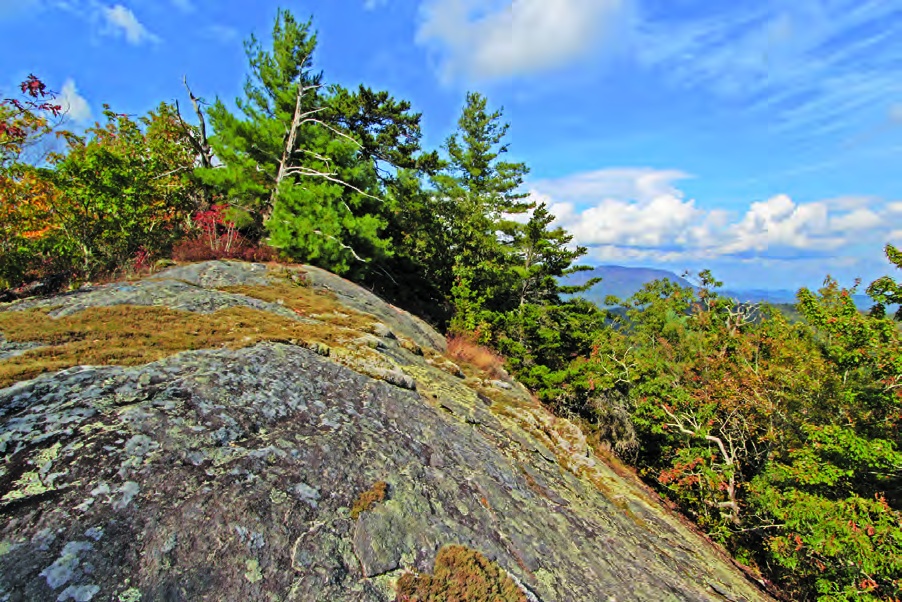
Cliffs, ledges and rocky summits
Roadsides, fields and disturbed ground
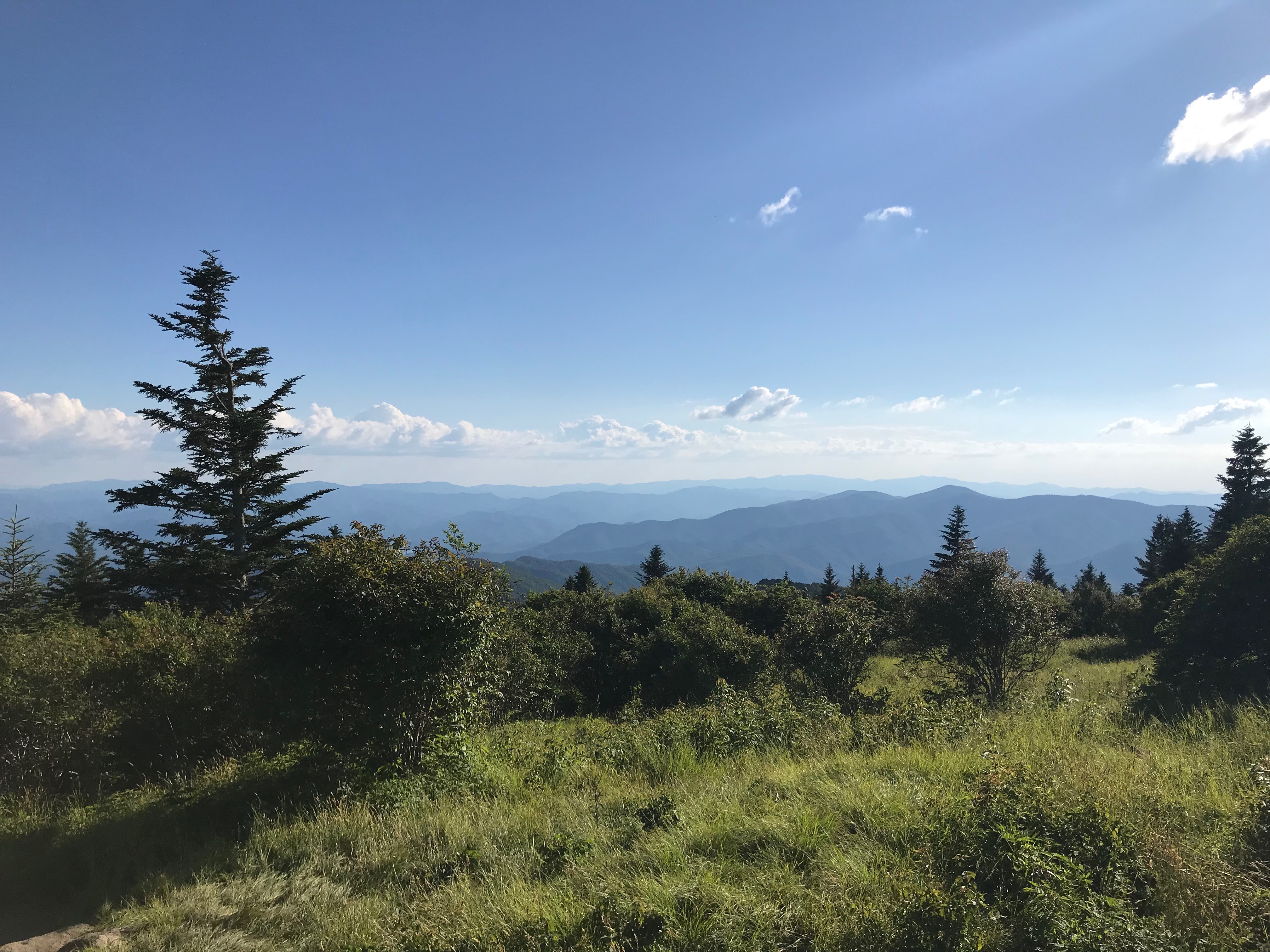
Ground opened by people: roadsides, old fields, pastures, fencerows and lots.
Also found with this plant
Wildlife whose habitat models include habitats this plant grows in, in Virginia. Shared habitat, not food. 125 animals.
- American GoldfinchCarduelis tristis
- American KestrelFalco sparverius
- American RobinTurdus migratorius
- Blue GrosbeakPasserina caerulea
- Chimney SwiftChaetura pelagica
- Chipping SparrowSpizella passerina
- Common NighthawkChordeiles minor
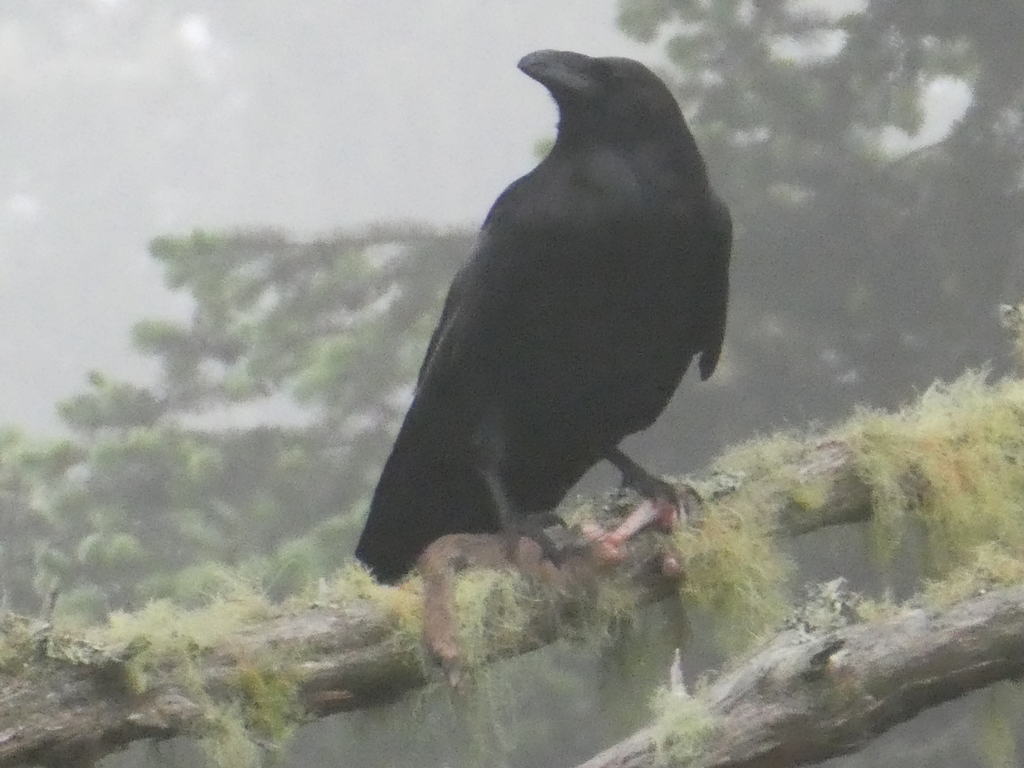
- Common RavenCorvus corax
- Cooper's HawkAccipiter cooperii
- Dark-eyed JuncoJunco hyemalis
- Eastern KingbirdTyrannus tyrannus
- European StarlingSturnus vulgaris
- Great Horned OwlBubo virginianus
- Indigo BuntingPasserina cyanea
- Northern CardinalCardinalis cardinalis
- Northern FlickerColaptes auratus
- Northern MockingbirdMimus polyglottos
- Purple FinchCarpodacus purpureus
- Red-tailed HawkButeo jamaicensis
- Sharp-shinned HawkAccipiter striatus
- Spotted SandpiperActitis macularius
- Turkey VultureCathartes aura
- Wild TurkeyMeleagris gallopavo
- Yellow-breasted ChatIcteria virens
























Who uses this plant?
 50CaterpillarsGenus host records with ranges including VA
Genus host records with ranges including VA · Rumex
- Achyra rantalisGarden Webworm Moth
- Agnorisma badinodisPale-Banded Dart
- Agrotis gladiariaSwordsman Dart, Clay-Backed Cut-Worm
- Anaplectoides prasinaGreen Arches Dart
- Anavitrinella pampinariaCommon Gray, Cranberry Spanworm
- Apantesis argeArge Tiger Moth
- Apantesis naisNais Tiger Moth
- Argyrogramma verrucaGolden Looper
- Calothysanis amaturariaCross-Lined Wave
- Chionodes discoocellellaEyeringed Chionodes
Show all 50
- Chloridea virescensTobacco Budworm Moth
- Chlorochlamys chloroleucariaBlackberry Looper Moth
- Chrysoteuchia topiariusCranberry Girder, Subterranean Webworm, Topiary Grass-Veneer
- Clepsis persicanaWhite Triangle Tortrix
- Dypterygia rozmaniAmerican Bird's-Wing
- Estigmene acreaSalt Marsh Moth, Acrea Moth
- Eupithecia miserulataCommon Eupithacia, Common Pug
- Euxoa tessellataTessellate Dart, Striped Cutworm
- Feltia jaculiferaDingy Cutworm
- Hahncappsia mancalisCommon Hahncappsia
- Hyles lineataWhite-Lined Sphinx
- Lacinipolia renigeraBristly Ground Cat, Bristly Cutworm Moth, Kidney Spotted "Mamestra"
- Leuconycta lepidulaMarble-Green Jaspidia, Marble-Green Leuconycta
- Lycaena hypophlaeasAmerican Copper
- Melanchra pictaPainted Arches, Zebra Caterpillar Moth
- Mythimna unipunctaArmyworm Moth, White Speck
- Nymphalis antiopaMourning Cloak
- Ochropleura implectaAmerican Flame-Shouldered Dart
- Olethreutes fasciatanaBanded Olethreutes
- Orthodes majusculaRustic Quaker, Rustic Groundcat
- Orthonama obstipataThe Gem
- Papaipema baptisiaeWild Indigo Borer, Indigo Stem Borer
- Papaipema marginidensBrick-Red Borer
- Papaipema nebrisStalk Borer
- Phlogophora irisOlive Angle Shades
- Platynota stultanaOmnivorous Leafroller
- Pseudeustrotia carneolaPink-Barred Lithacodia, Pink-Barred Pseudeustrotia
- Sparganothis sulfureanaSparganothis Fruitworm Moth, Sulfur Leafroller, False Yellow-Head
- Spilosoma virginicaVirginian Tiger Moth, Yellow Woolybear Moth, Yellow Bear
- Spodoptera eridaniaSouthern Armyworm Moth
- Spodoptera frugiperdaFall Armyworm Moth
- Spodoptera ornithogalliYellow-Striped Armyworm Moth, Cotton Cutworm
- Strymon melinusGray Hairstreak
- Sunira bicoloragoBicolored Sallow
- Thyridopteryx ephemeraeformisEvergreen Bagworm Moth
- Trachea delicataDelicate Moth
- Trichoplusia niNi Moth, Cabbage Looper Moth
- Xestia c-nigrumSpotted Cut-Worm, Setaceous Hebrew Character, Lesser Black-letter Dart
- Xestia dolosaGreater Black-Letter Dart, Greater Spotted Cutworm
- Xestia smithiiSmith's Dart
 —BeesSoutheastern regional records
 —Specialist beesPollen specialists
 26BirdsRecorded genus food-resource interactions; not a state feeding claim
Recorded genus food-resource interactions; not a state feeding claim · Rumex
- Alectoris chukarChukar
- Anthus rubescensAmerican Pipit
- Aythya affinisLesser Scaup
- Bonasa umbellusRuffed Grouse
- Callipepla californicaCalifornia Quail
- Columbina passerinaCommon Ground Dove
- Dendragapus obscurusDusky Grouse
- Haemorhous mexicanusHouse Finch
- Junco hyemalisDark-eyed Junco
- Lagopus leucuraWhite-tailed Ptarmigan
Show all 26
- Meleagris gallopavoWild Turkey
- Melospiza melodiaSong Sparrow
- Melozone crissalisCalifornia Towhee
- Oreortyx pictusMountain Quail
- Pheucticus melanocephalusBlack-headed Grosbeak
- Pinicola enucleatorPine Grosbeak
- Pipilo maculatusSpotted Towhee
- Plectrophenax nivalisSnow Bunting
- Sialia mexicanaWestern Bluebird
- Sialia sialisEastern Bluebird
- Spinus psaltriaLesser Goldfinch
- Spizella passerinaChipping Sparrow
- Spizella pusillaField Sparrow
- Turdus migratoriusAmerican Robin
- Zonotrichia atricapillaGolden-crowned Sparrow
- Zonotrichia leucophrysWhite-crowned Sparrow
Direct food only: birds recorded eating this genus across North America. Caterpillars on host plants also feed nesting birds. NC Native Plant Society: butterfly gardening
Plant details
- Family
- Polygonaceae
- Hardiness
- Zones 4a–8b
- Soil pH
- Acidic
- Flower color
- Yellow or green
- Fruit begins
- May
- Fruit ends
- November
Safety has not been reviewed for this plant; check toxicity and thorns before planting.
Growing sources and scope
- Bloom · “March to September” · FloraQuest: Carolinas, Georgia (Southeastern Flora Team), phone app (app page) · Carolinas and Georgia
- Flower color · “Yellow or green” · NC Extension Plant Toolbox
- Fruit begins · “May” · FloraQuest: Carolinas, Georgia (Southeastern Flora Team), phone app (app page) · Carolinas and Georgia
- Fruit ends · “November” · FloraQuest: Carolinas, Georgia (Southeastern Flora Team), phone app (app page) · Carolinas and Georgia
- Hardiness · “Zones 4a–8b” · NC Extension Plant Toolbox
- Height · “4–18 inches” · NC Extension Plant Toolbox (ranked first; Fire Effects Information System: Rumex acetosella differs)
- Life cycle · “Perennial” · NC Extension Plant Toolbox
- Light · “Full sun (6 or more hours of direct sunlight a day); Partial shade (direct sunlight only part of the day, 2-6 hours)” · NC Extension Plant Toolbox
- Soil · “Dry; Moist (documented habitat)” · FloraQuest: Carolinas, Georgia (Southeastern Flora Team), phone app (app page) · Carolinas and Georgia
- Soil pH · “Acidic” · NC Extension Plant Toolbox
- Spread · “4–6 inches” · NC Extension Plant Toolbox
Also known as
Field Sorrel; Rumex acetosella; dock
Conservation status
| Virginia rank | SNA |
|---|---|
| Global rank | GNR |
| VA status | Not verified |
| Federal status | Not verified |
Native alternatives
Find natives for your gardenSources
- Virginia DCR invasive plant list
- Digital Atlas of the Virginia Flora
- NatureServe Explorer
- Shropshire & Tallamy 2025, Lepidoptera of North America north of Mexico, ZooKeys 1261 (ODbL)
- Noori, Seltmann & Orr 2026, A curated and integrated dataset for exploring global bee-plant interactions (GloBI), Zenodo, CC BY 4.0
- Smith, Bachelder, Russell, Morales, Mosher & Seltmann 2024, Bee-Specialization-Modeling v0.6.1 (specialist host table compiled from J. Fowler's pollen specialist bee lists), Zenodo, CC BY 4.0
- Hurlbert, Olsen, Sawyer & Winner 2021, Avian Diet Database, Scientific Data 8: 260 (CC0)
- Narango, Tallamy & Shropshire 2020, Few keystone plant genera support the majority of Lepidoptera species, Nature Communications