Plant this instead
Choose your county to list local plants first.
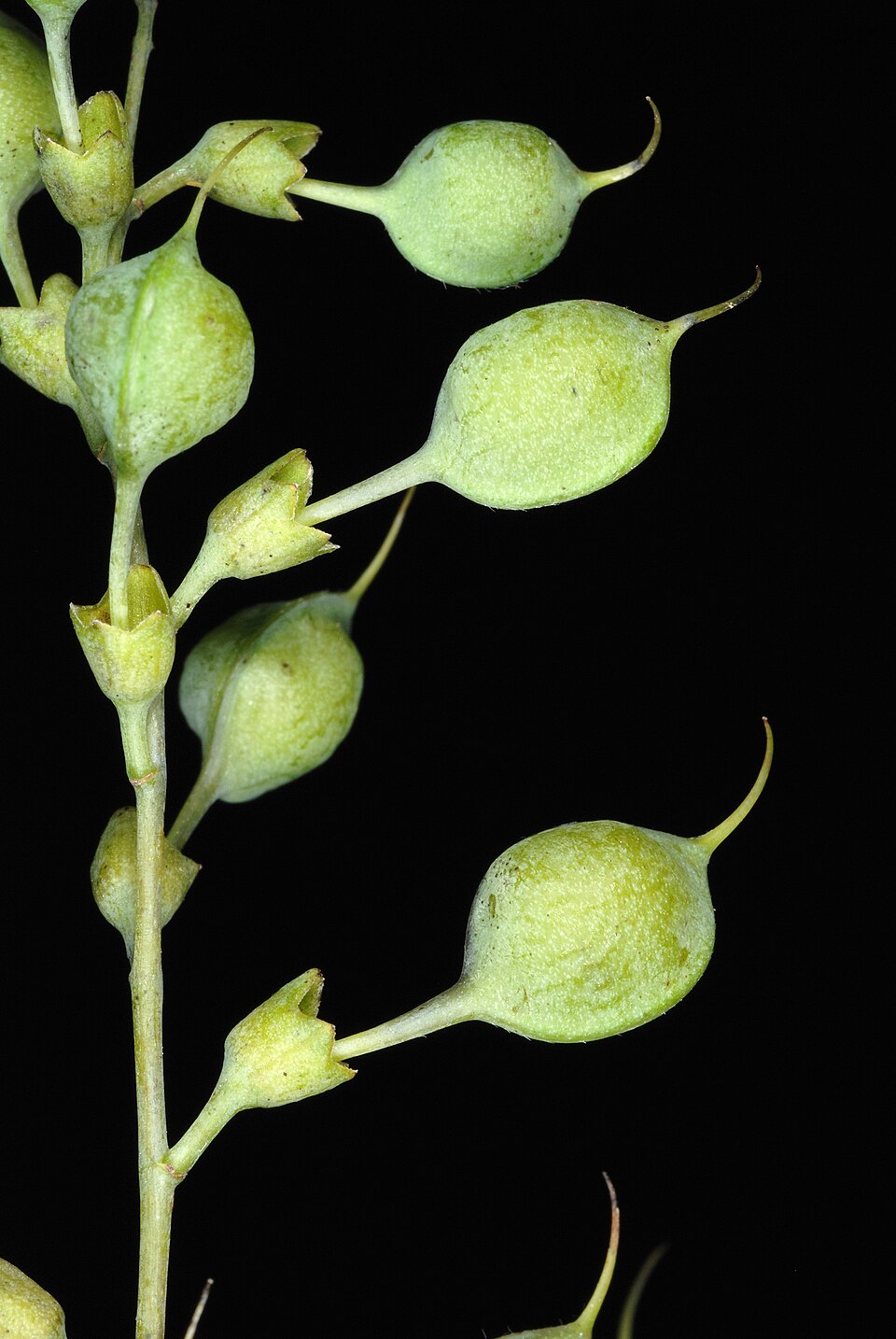
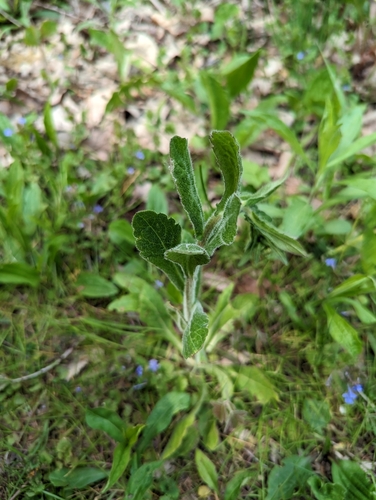
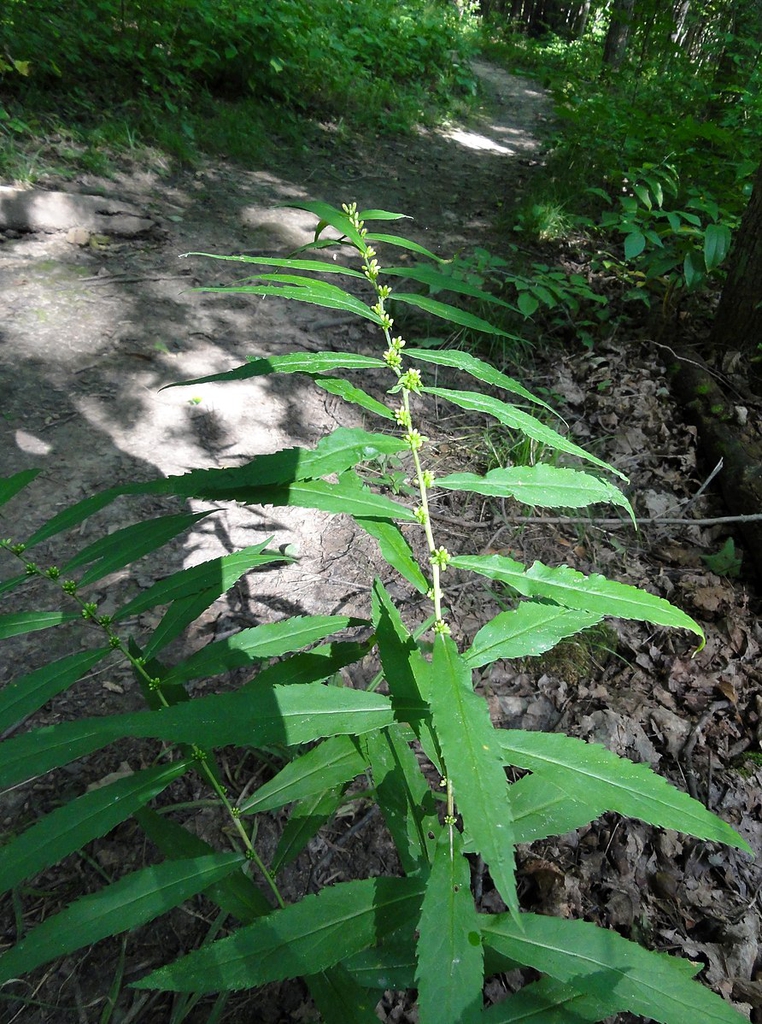
No recorded swaps for this county. Try the garden finder.
Ecological relationships
Who uses this plant?
 18CaterpillarsGenus host records with ranges including SC
Genus host records with ranges including SC · Vicia
- Anicla illapsaSnowy Dart
- Archips argyrospilaFruit-Tree Leafroller Moth
- Caenurgia chlorophaVetch Looper Moth
- Cecropterus pyladesNorthern Cloudywing
- Colias eurythemeOrange Sulphur, Alfalfa Butterfly
- Colias philodiceClouded Sulphur, Clover Butterfly
- Cupido comyntasEastern Tailed-Blue
- Elasmopalpus lignosellaLesser Cornstalk Borer
- Eurema dairaBarred Yellow, Barred Sulphur
- Gesta baptisiaeWild Indigo Duskywing, Baptisia Duskywing
Show all 18
- Glaucopsyche lygdamusSilvery Blue
- Helicoverpa zeaCorn Earworm Moth
- Hypena scabraGreen Cloverworm Bomolocha, Black Snout
- Mocis latipesSmall Mocis, Striped Grass Looper
- Spodoptera frugiperdaFall Armyworm Moth
- Strymon melinusGray Hairstreak
- Urbanus proteusLong-Tailed Skipper, Bean Leaf Roller
- Filatima xanthuris
 —BeesSoutheastern regional records
 1Specialist beesPollen specialists
 10BirdsRecorded genus food-resource interactions; not a state feeding claim
Recorded genus food-resource interactions; not a state feeding claim · Vicia
- Bonasa umbellusRuffed Grouse
- Callipepla californicaCalifornia Quail
- Colinus virginianusNorthern Bobwhite
- Columbina passerinaCommon Ground Dove
- Cyrtonyx montezumaeMontezuma Quail
- Francolinus francolinusBlack Francolin
- Meleagris gallopavoWild Turkey
- Oreortyx pictusMountain Quail
- Perdix perdixGray Partridge
- Zenaida macrouraMourning Dove
Growing and identification
Plant details
- Family
- Fabaceae
- Flower color
- Yellow
- Growth rate
- Moderate
- Growth habit
- Single crown
- Foliage color
- Dark green
- Fruit begins
- Summer
- Fruit ends
- Summer
Safety has not been reviewed for this plant; check toxicity and thorns before planting.
Growing sources and scope
- Bloom · “Spring” · USDA PLANTS · Nationwide species characteristics; local growing conditions may vary
- Flower color · “Yellow” · USDA PLANTS · Nationwide species characteristics; local growing conditions may vary
- Foliage color · “Dark green” · USDA PLANTS · Nationwide species characteristics; local growing conditions may vary
- Fruit begins · “Summer” · USDA PLANTS · Nationwide species characteristics; local growing conditions may vary
- Fruit ends · “Summer” · USDA PLANTS · Nationwide species characteristics; local growing conditions may vary
- Growth habit · “Single crown” · USDA PLANTS · Nationwide species characteristics; local growing conditions may vary
- Growth rate · “Moderate” · USDA PLANTS · Nationwide species characteristics; local growing conditions may vary
- Height · “About 2 feet” · USDA PLANTS · Nationwide species characteristics; local growing conditions may vary
- Leaf retention · “Deciduous” · USDA PLANTS · Nationwide species characteristics; local growing conditions may vary
- Light · “Partial shade; Full sun (documented habitat)” · FloraQuest: Carolinas, Georgia (Southeastern Flora Team) · Carolinas and Georgia
- primary_flower_color · “yellow” · USDA PLANTS
- Soil · “Dry; Moist; Wet (documented habitat)” · FloraQuest: Carolinas, Georgia (Southeastern Flora Team) · Carolinas and Georgia
Also known as
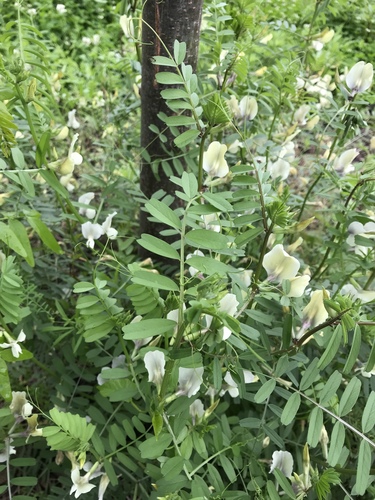
Large Yellow Vetch
Conservation status
| South Carolina rank | Not available |
|---|---|
| Global rank | GNR |
| SC status | Not verified |
| Federal status | Not verified |
Sources
- tnky_atlas
- usda
- South Carolina occurrence source
- Shropshire & Tallamy 2025, Lepidoptera of North America north of Mexico, ZooKeys 1261 (ODbL)
- Noori, Seltmann & Orr 2026, A curated and integrated dataset for exploring global bee-plant interactions (GloBI), Zenodo, CC BY 4.0
- Smith, Bachelder, Russell, Morales, Mosher & Seltmann 2024, Bee-Specialization-Modeling v0.6.1 (specialist host table compiled from J. Fowler's pollen specialist bee lists), Zenodo, CC BY 4.0
- Hurlbert, Olsen, Sawyer & Winner 2021, Avian Diet Database, Scientific Data 8: 260 (CC0)
- Narango, Tallamy & Shropshire 2020, Few keystone plant genera support the majority of Lepidoptera species, Nature Communications