Plant this instead
Choose your county to list local plants first.
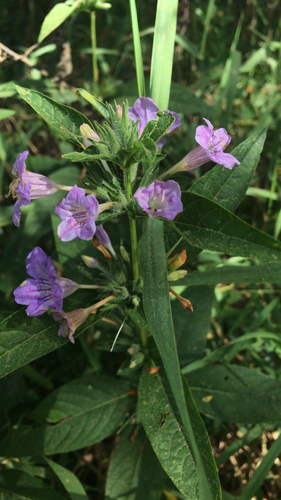
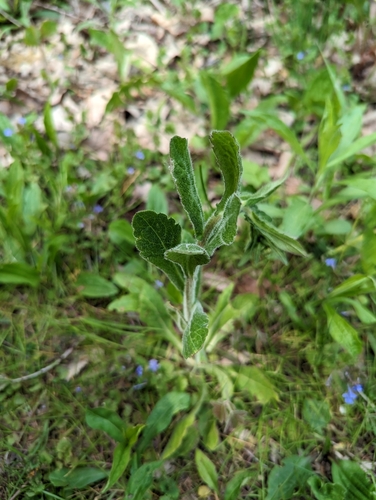
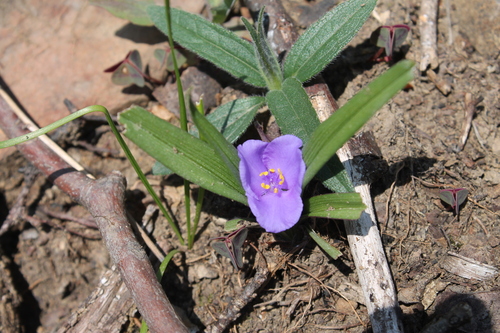
No recorded swaps for this county. Try the garden finder.
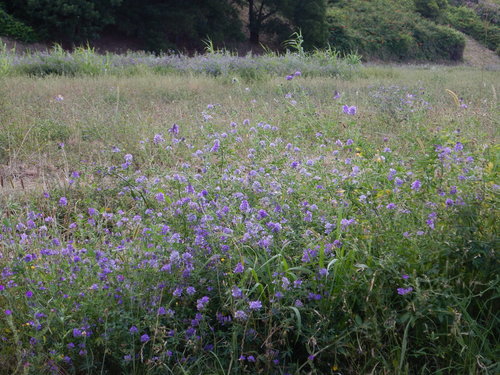
Ecological relationships
Who uses this plant?
 56CaterpillarsGenus host records with ranges including SC
Genus host records with ranges including SC · Medicago
- Achyra rantalisGarden Webworm Moth
- Agnorisma badinodisPale-Banded Dart
- Agrotis gladiariaSwordsman Dart, Clay-Backed Cut-Worm
- Agrotis ipsilonIpsilon Dart, Black Cutworm, Greasy Cutworm
- Agrotis venerabilisVenerable Dart, Dusky Cut-Worm
- Agrotis vetustaOld Man Dart
- Amyna strictaEight-Spot Moth
- Anagrapha falciferaCelery Looper Moth
- Anticarsia gemmatalisVelvetbean Caterpillar Moth
- Apantesis figurataFigured Tiger Moth
Show all 56
- Archips argyrospilaFruit-Tree Leafroller Moth
- Autographa precationisCommon Looper Moth
- Caenurgina crassiusculaForage Looper Moth, Clover Looper, Range Grass Moth
- Caenurgina erechteaClover Looper Moth, Common Grass Moth, Forage Looper
- Cecropterus pyladesNorthern Cloudywing
- Chloridea virescensTobacco Budworm Moth
- Chrysodeixis includensSoybean Looper Moth
- Colias eurythemeOrange Sulphur, Alfalfa Butterfly
- Colias philodiceClouded Sulphur, Clover Butterfly
- Cupido comyntasEastern Tailed-Blue
- Elaphria grataGrateful Midget
- Eurema dairaBarred Yellow, Barred Sulphur
- Feltia jaculiferaDingy Cutworm
- Feltia subgothicaSubgothic Dart
- Feltia subterraneaSubterranean Dart, Granulate Cutworm
- Glaucopsyche lygdamusSilvery Blue
- Helicoverpa zeaCorn Earworm Moth
- Heliothis phloxiphagaSpotted Straw Sun Moth, Darker Spotted Straw Moth
- Herpetogramma bipunctalisSouthern Beet Webworm, Two-Spotted Herpetogramma
- Hypena scabraGreen Cloverworm Bomolocha, Black Snout
- Iridopsis humariaSmall Purplish Gray
- Iridopsis larvariaBent-Line Gray
- Lacinipolia explicataExplicit Groundcat, Explicit Arches
- Lacinipolia loreaBridled Arches, Bridle Groundcat
- Lacinipolia renigeraBristly Ground Cat, Bristly Cutworm Moth, Kidney Spotted "Mamestra"
- Macrochilo litophoraAngulate Fan-Foot, Brown-Lined Owlet
- Megalographa bilobaBilobed Looper Moth
- Mythimna unipunctaArmyworm Moth, White Speck
- Nomophila nearcticaLucerne Moth, American Celery Webworm
- Papaipema nebrisStalk Borer
- Phoebis sennaeCloudless Sulphur
- Platynota flavedanaBlack-Shaded Platynota
- Platynota rostranaOmnivorous Platynota
- Platynota stultanaOmnivorous Leafroller
- Sparganothis sulfureanaSparganothis Fruitworm Moth, Sulfur Leafroller, False Yellow-Head
- Spilosoma virginicaVirginian Tiger Moth, Yellow Woolybear Moth, Yellow Bear
- Spodoptera eridaniaSouthern Armyworm Moth
- Spodoptera frugiperdaFall Armyworm Moth
- Spodoptera ornithogalliYellow-Striped Armyworm Moth, Cotton Cutworm
- Strymon melinusGray Hairstreak
- Trichoplusia niNi Moth, Cabbage Looper Moth
- Udea rubigalisCelery Leaftier
- Vanessa carduiPainted Lady, Cosmopolite
- Xestia dolosaGreater Black-Letter Dart, Greater Spotted Cutworm
- Zerene cesoniaSouthern Dogface
- Xenotemna pallorana
 —BeesSoutheastern regional records
 —Specialist beesPollen specialists
 10BirdsRecorded genus food-resource interactions; not a state feeding claim
Recorded genus food-resource interactions; not a state feeding claim · Medicago
- Antigone canadensisSandhill Crane
- Branta canadensisCanada Goose
- Callipepla californicaCalifornia Quail
- Callipepla gambeliiGambel's Quail
- Centrocercus urophasianusGreater Sage-Grouse
- Meleagris gallopavoWild Turkey
- Oreortyx pictusMountain Quail
- Perdix perdixGray Partridge
- Pheucticus melanocephalusBlack-headed Grosbeak
- Tympanuchus pallidicinctusLesser Prairie-Chicken
Growing and identification
Plant details
- Family
- Fabaceae
- Flower color
- Purple
- Growth rate
- Rapid
- Growth habit
- Single crown
- Foliage color
- Green
- Fruit begins
- Summer
- Fruit ends
- Summer
Safety has not been reviewed for this plant; check toxicity and thorns before planting.
Growing sources and scope
- Bloom · “Spring” · USDA PLANTS · Nationwide species characteristics; local growing conditions may vary
- Flower color · “Purple” · USDA PLANTS · Nationwide species characteristics; local growing conditions may vary
- Foliage color · “Green” · USDA PLANTS · Nationwide species characteristics; local growing conditions may vary
- Fruit begins · “Summer” · USDA PLANTS · Nationwide species characteristics; local growing conditions may vary
- Fruit ends · “Summer” · USDA PLANTS · Nationwide species characteristics; local growing conditions may vary
- Growth habit · “Single crown” · USDA PLANTS · Nationwide species characteristics; local growing conditions may vary
- Growth rate · “Rapid” · USDA PLANTS · Nationwide species characteristics; local growing conditions may vary
- Height · “About 2 feet” · USDA PLANTS · Nationwide species characteristics; local growing conditions may vary
- Life cycle · “Annual or perennial” · Minnesota Wildflowers
- primary_flower_color · “purple” · USDA PLANTS
Also known as
Alfalfa; Sickle Medic
Conservation status
| South Carolina rank | Not available |
|---|---|
| Global rank | GNR |
| SC status | Not verified |
| Federal status | Not verified |
Sources
- tnky_atlas
- usda
- South Carolina occurrence source
- Shropshire & Tallamy 2025, Lepidoptera of North America north of Mexico, ZooKeys 1261 (ODbL)
- Noori, Seltmann & Orr 2026, A curated and integrated dataset for exploring global bee-plant interactions (GloBI), Zenodo, CC BY 4.0
- Smith, Bachelder, Russell, Morales, Mosher & Seltmann 2024, Bee-Specialization-Modeling v0.6.1 (specialist host table compiled from J. Fowler's pollen specialist bee lists), Zenodo, CC BY 4.0
- Hurlbert, Olsen, Sawyer & Winner 2021, Avian Diet Database, Scientific Data 8: 260 (CC0)
- Narango, Tallamy & Shropshire 2020, Few keystone plant genera support the majority of Lepidoptera species, Nature Communications