Plant this instead
Choose your county to list local plants first.
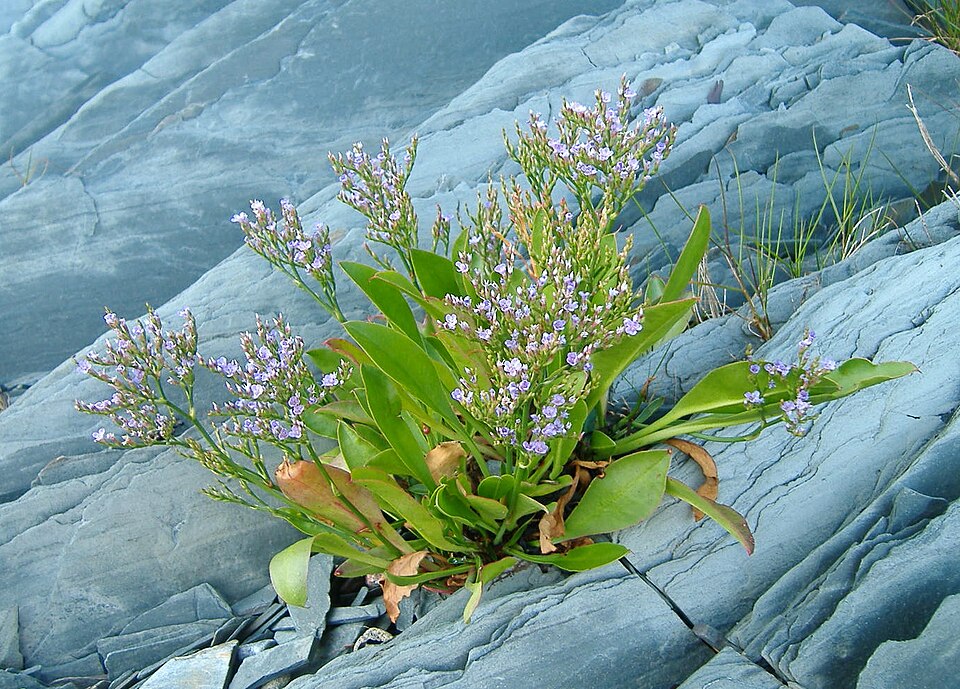
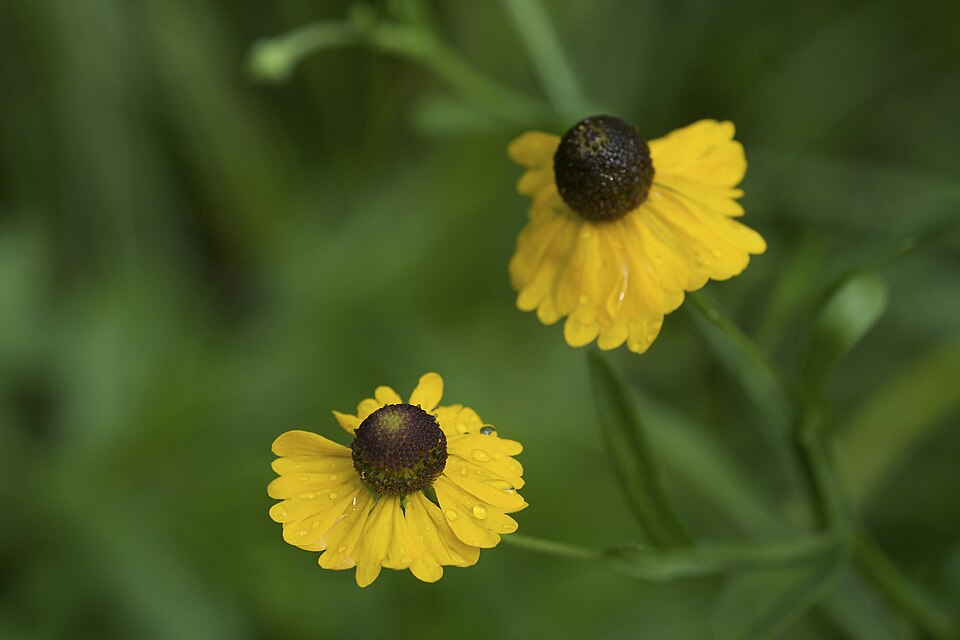
No recorded swaps for this county. Try the garden finder.
Ecological relationships
Who uses this plant?
 52CaterpillarsGenus host records with ranges including SC
Genus host records with ranges including SC · Glycine
- Achyra rantalisGarden Webworm Moth
- Allagrapha aereaUnspotted Looper Moth
- Allotria elonymphaFalse Underwing
- Anagrapha falciferaCelery Looper Moth
- Anavitrinella pampinariaCommon Gray, Cranberry Spanworm
- Anticarsia gemmatalisVelvetbean Caterpillar Moth
- Autographa precationisCommon Looper Moth
- Autoplusia egenaBean-Leaf Skeletonizer Moth
- Caenurgina erechteaClover Looper Moth, Common Grass Moth, Forage Looper
- Cecropterus bathyllusSouthern Cloudywing
Show all 52
- Chloridea subflexaSubflexus Straw, Groundcherry Sun Moth
- Chloridea virescensTobacco Budworm Moth
- Choristoneura rosaceanaOblique-Banded Leafroller Moth, Rosaceous Leaf Roller
- Chrysodeixis includensSoybean Looper Moth
- Colias eurythemeOrange Sulphur, Alfalfa Butterfly
- Ctenoplusia oxygrammaSharp-Stigma Looper Moth
- Diphthera festivaHieroglyphic Moth
- Elasmopalpus lignosellaLesser Cornstalk Borer
- Epargyreus clarusSilver-Spotted Skipper
- Estigmene acreaSalt Marsh Moth, Acrea Moth
- Euptoieta claudiaVariegated Fritillary, (?)Gulf Fritillary
- Eurema dairaBarred Yellow, Barred Sulphur
- Euxoa detersaRubbed Dart, Sandhill Cutworm
- Helicoverpa zeaCorn Earworm Moth
- Herpetogramma bipunctalisSouthern Beet Webworm, Two-Spotted Herpetogramma
- Hypena scabraGreen Cloverworm Bomolocha, Black Snout
- Iridopsis humariaSmall Purplish Gray
- Iridopsis larvariaBent-Line Gray
- Mocis latipesSmall Mocis, Striped Grass Looper
- Mythimna unipunctaArmyworm Moth, White Speck
- Nomophila nearcticaLucerne Moth, American Celery Webworm
- Omiodes indicataBean-Leaf Webworm Moth
- Phoebis sennaeCloudless Sulphur
- Platynota stultanaOmnivorous Leafroller
- Pyrisitia lisaLittle Yellow, Little Sulphur, Lisa Yellow
- Rachiplusia ouGray Looper
- Sparganothis sulfureanaSparganothis Fruitworm Moth, Sulfur Leafroller, False Yellow-Head
- Spilosoma virginicaVirginian Tiger Moth, Yellow Woolybear Moth, Yellow Bear
- Spodoptera albulaWhite-Spotted Armyworm, Gray-Streaked Armyworm
- Spodoptera eridaniaSouthern Armyworm Moth
- Spodoptera frugiperdaFall Armyworm Moth
- Spodoptera latifasciaOrange-Striped Armyworm, Velvet Armyworm Moth
- Spodoptera ornithogalliYellow-Striped Armyworm Moth, Cotton Cutworm
- Spoladea recurvalisHawaiian Beet Webworm
- Synchlora frondariaSouthern Emerald
- Syngrapha rectangulaSalt-and-Pepper Looper Moth
- Trichoplusia niNi Moth, Cabbage Looper Moth
- Udea rubigalisCelery Leaftier
- Urbanus proteusLong-Tailed Skipper, Bean Leaf Roller
- Utetheisa ornatrixOrnate Moth, Pink Underwing, Rattlebox Moth, Bella Moth
- Vanessa carduiPainted Lady, Cosmopolite
- Zerene cesoniaSouthern Dogface
 —BeesSoutheastern regional records
 —Specialist beesPollen specialists
 6BirdsRecorded genus food-resource interactions; not a state feeding claim
Recorded genus food-resource interactions; not a state feeding claim · Glycine
- Aix sponsaWood Duck
- Anser caerulescensSnow Goose
- Branta canadensisCanada Goose
- Colinus virginianusNorthern Bobwhite
- Meleagris gallopavoWild Turkey
- Phasianus colchicusRing-necked Pheasant
Growing and identification
Plant details
- Family
- Fabaceae
- Soil pH
- Neutral
- Flower color
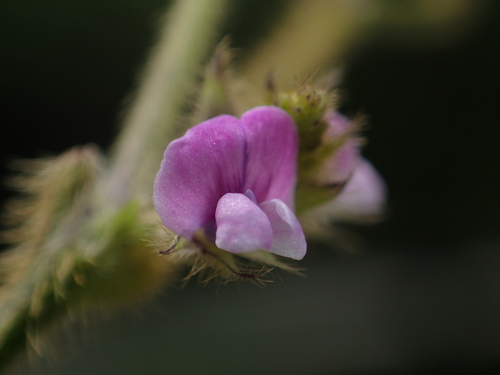
- Purple
- Growth rate
- Rapid
- Growth habit
- Single crown
- Foliage color
- Green
- Fruit begins
- Summer
- Fruit ends
- Fall
Safety has not been reviewed for this plant; check toxicity and thorns before planting.
Growing sources and scope
- Bloom · “Mid summer” · USDA PLANTS · Nationwide species characteristics; local growing conditions may vary
- Flower color · “Purple” · USDA PLANTS · Nationwide species characteristics; local growing conditions may vary
- Foliage color · “Green” · USDA PLANTS · Nationwide species characteristics; local growing conditions may vary
- Fruit begins · “Summer” · USDA PLANTS · Nationwide species characteristics; local growing conditions may vary
- Fruit ends · “Fall” · USDA PLANTS · Nationwide species characteristics; local growing conditions may vary
- Growth habit · “Single crown” · USDA PLANTS · Nationwide species characteristics; local growing conditions may vary
- Growth rate · “Rapid” · USDA PLANTS · Nationwide species characteristics; local growing conditions may vary
- Height · “1–2 feet” · NC Extension Plant Toolbox
- Life cycle · “Annual” · NC Extension Plant Toolbox
- Light · “Full sun (6 or more hours of direct sunlight a day)” · NC Extension Plant Toolbox
- primary_flower_color · “purple” · USDA PLANTS
- Soil · “Occasionally dry” · NC Extension Plant Toolbox
- Soil pH · “Neutral” · NC Extension Plant Toolbox
- Spread · “9 inches–2 feet” · NC Extension Plant Toolbox
Also known as
Soy Bean; Soya Bean; Soyabean; Soybean
Conservation status
| South Carolina rank | Not available |
|---|---|
| Global rank | GNR |
| SC status | Not verified |
| Federal status | Not verified |
Sources
- tnky_atlas
- usda
- South Carolina occurrence source
- Shropshire & Tallamy 2025, Lepidoptera of North America north of Mexico, ZooKeys 1261 (ODbL)
- Noori, Seltmann & Orr 2026, A curated and integrated dataset for exploring global bee-plant interactions (GloBI), Zenodo, CC BY 4.0
- Smith, Bachelder, Russell, Morales, Mosher & Seltmann 2024, Bee-Specialization-Modeling v0.6.1 (specialist host table compiled from J. Fowler's pollen specialist bee lists), Zenodo, CC BY 4.0
- Hurlbert, Olsen, Sawyer & Winner 2021, Avian Diet Database, Scientific Data 8: 260 (CC0)
- Narango, Tallamy & Shropshire 2020, Few keystone plant genera support the majority of Lepidoptera species, Nature Communications