Do not plant. Listed invasive in South Carolina.
Plant this instead
Choose your county to list local plants first.
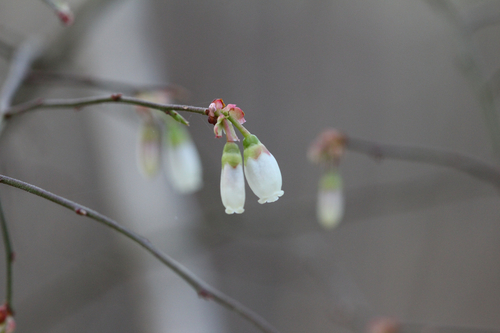
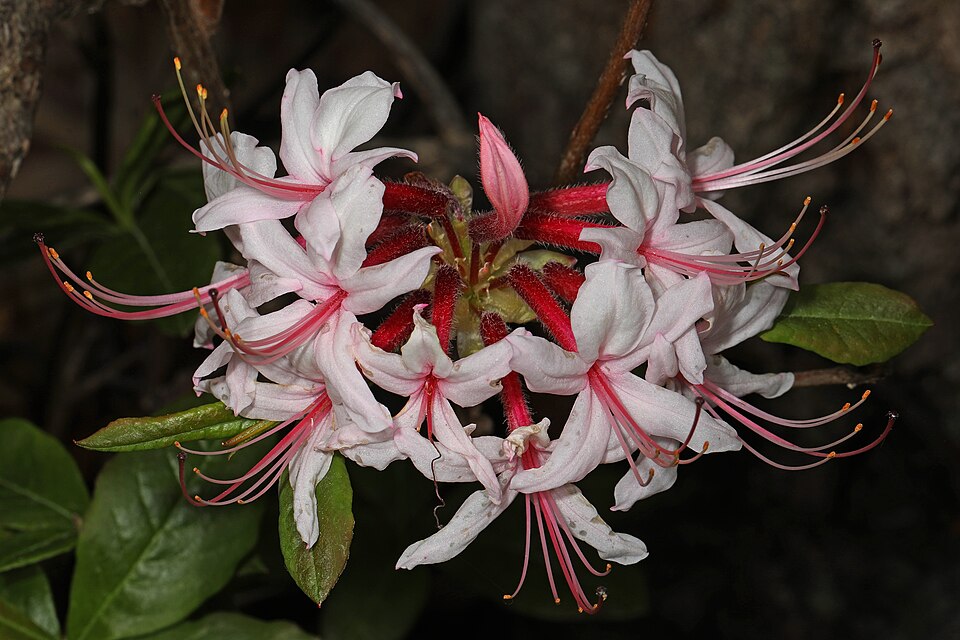
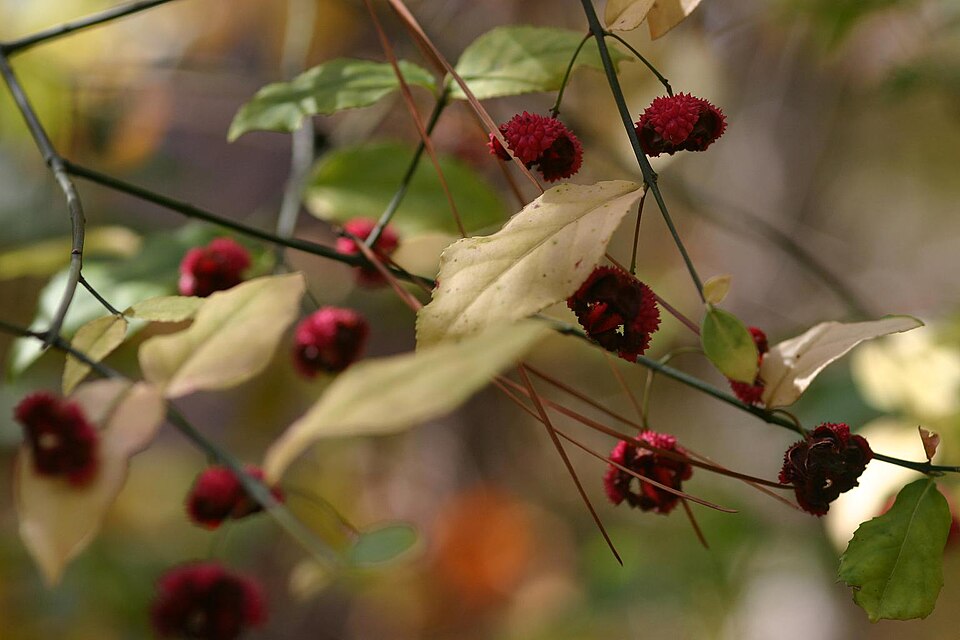
No recorded swaps for this county. Try the garden finder.
Photographs are not available yet.
Ecological relationships
Who uses this plant?
 6CaterpillarsGenus host records with ranges including SC
Genus host records with ranges including SC · Cytisus
- Aethalura intertextaFour-Barred Gray
- Apamea sordensBordered Apamea, Rustic Shoulder-Knot
- Colias philodiceClouded Sulphur, Clover Butterfly
- Ectropis crepusculariaThe Small Engrailed, Saddleback Looper
- Spilosoma virginicaVirginian Tiger Moth, Yellow Woolybear Moth, Yellow Bear
- Uresiphita reversalisGenista Caterpillar, Genista Cbroom Moth
 —BeesSoutheastern regional records
 —Specialist beesPollen specialists
 1BirdsRecorded genus food-resource interactions; not a state feeding claim
Recorded genus food-resource interactions; not a state feeding claim · Cytisus
- Callipepla californicaCalifornia Quail
Growing and identification
Plant details
- Family
- Fabaceae
- Hardiness
- Zones 5a–8b
- Soil pH
- Neutral
- Flower color
- Yellow, pink or red
- Growth rate
- Rapid
- Growth habit
- Several stems
- Foliage color
- Green
- Fruit begins
- Spring
- Fruit ends
- Summer
Safety has not been reviewed for this plant; check toxicity and thorns before planting.
Growing sources and scope
- Bloom · “Spring” · USDA PLANTS · Nationwide species characteristics; local growing conditions may vary
- Flower color · “Yellow, pink or red” · NC Extension Plant Toolbox
- Foliage color · “Green” · USDA PLANTS · Nationwide species characteristics; local growing conditions may vary
- Fruit begins · “Spring” · USDA PLANTS · Nationwide species characteristics; local growing conditions may vary
- Fruit ends · “Summer” · USDA PLANTS · Nationwide species characteristics; local growing conditions may vary
- Growth habit · “Several stems” · USDA PLANTS · Nationwide species characteristics; local growing conditions may vary
- Growth rate · “Rapid” · USDA PLANTS · Nationwide species characteristics; local growing conditions may vary
- Hardiness · “Zones 5a–8b” · NC Extension Plant Toolbox
- Height · “4–8 feet” · NC Extension Plant Toolbox
- Leaves · “Deciduous” · NC Extension Plant Toolbox
- Life cycle · “Woody perennial” · NC Extension Plant Toolbox
- Light · “Full sun (6 or more hours of direct sunlight a day)” · NC Extension Plant Toolbox
- Soil · “Occasionally dry; Occasionally wet” · NC Extension Plant Toolbox
- Soil pH · “Neutral” · NC Extension Plant Toolbox
- Spread · “4–8 feet” · NC Extension Plant Toolbox
Also known as
Broom; Scotch Broom
Conservation status
| South Carolina rank | Not available |
|---|---|
| Global rank | GNR |
| SC status | Not verified |
| Federal status | Not verified |
Sources
- tnky_atlas
- usda
- sc_invasive
- South Carolina occurrence source
- Shropshire & Tallamy 2025, Lepidoptera of North America north of Mexico, ZooKeys 1261 (ODbL)
- Noori, Seltmann & Orr 2026, A curated and integrated dataset for exploring global bee-plant interactions (GloBI), Zenodo, CC BY 4.0
- Smith, Bachelder, Russell, Morales, Mosher & Seltmann 2024, Bee-Specialization-Modeling v0.6.1 (specialist host table compiled from J. Fowler's pollen specialist bee lists), Zenodo, CC BY 4.0
- Hurlbert, Olsen, Sawyer & Winner 2021, Avian Diet Database, Scientific Data 8: 260 (CC0)
- Narango, Tallamy & Shropshire 2020, Few keystone plant genera support the majority of Lepidoptera species, Nature Communications