

Bird
Long-eared Owl
Asio otus
A winter visitor to Mississippi, found in 72 of 82 counties and 1 habitat.
- Here
- Winter
- Nesting
- Not known to nest here
- Range
- 72 of 82 counties
- Habitats
- 1
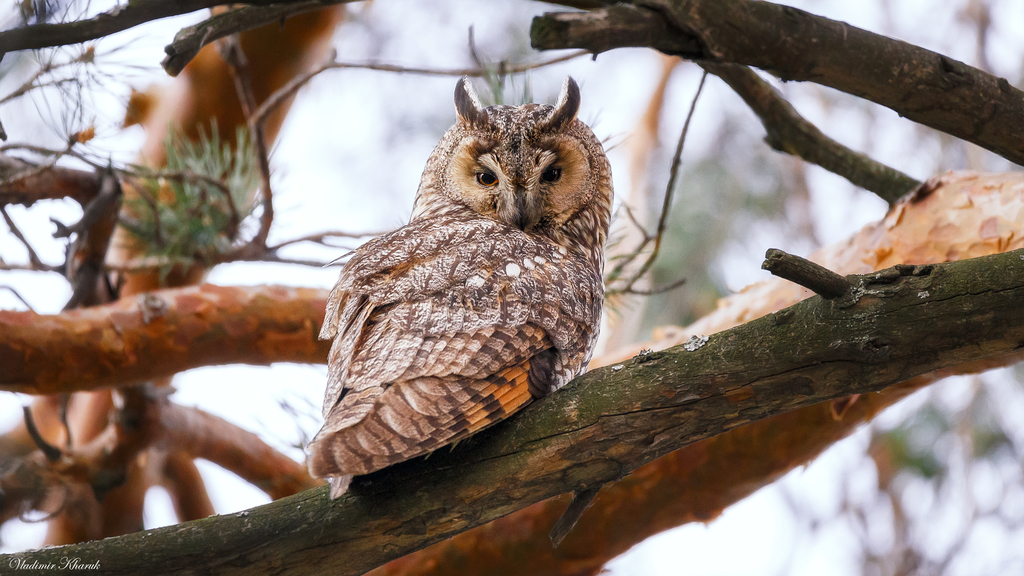
At a glance
- Group
- Birds
- Here
- Winter
- Nesting
- Not known to nest here
- Range
- 72 of 82 counties
- Habitats
- 1
- Habitat models
- Summer, Winter
Where it lives
The places its habitat model includes. It is not found everywhere a habitat occurs.
Habitats in Mississippi 1
Each habitat page lists the plants and wildlife also found there.
Roadsides, fields and disturbed ground
Ground opened by people: roadsides, old fields, pastures, fencerows and lots.
Other habitats in its models (45)
Land cover, or classes with no habitat page in Mississippi. Those recorded in Mississippi first, the rest by region.
Elsewhere in the South (13)
- Appalachian Shale Barrens Summer and winter, beside its main habitat.
- Central and Southern Appalachian Montane Oak Forest Summer and winter, beside its main habitat.
- Central and Southern Appalachian Northern Hardwood Forest Summer and winter, beside its main habitat.
- Central and Southern Appalachian Spruce-Fir Forest Summer and winter, beside its main habitat.
- Ridge and Valley Calcareous Valley Bottom Glade and Woodland Summer and winter, beside its main habitat.
- South-Central Interior Mesophytic Forest Summer and winter, beside its main habitat.
- Southeastern Great Plains Tallgrass Prairie Summer and winter.
- Southern and Central Appalachian Cove Forest Summer and winter, beside its main habitat.
- Southern and Central Appalachian Oak Forest Summer and winter, beside its main habitat.
- Southern Appalachian Low Mountain Pine Forest Summer and winter, beside its main habitat.
- Southern Appalachian Montane Pine Forest and Woodland Summer and winter, beside its main habitat.
- Southern Appalachian Northern Hardwood Forest Summer and winter, beside its main habitat.
- Southern Ridge and Valley Dry Calcareous Forest Summer and winter, beside its main habitat.
Northeast (7)
- Appalachian Hemlock-Hardwood Forest Summer and winter, beside its main habitat.
- Central Appalachian Alkaline Glade and Woodland Summer and winter, beside its main habitat.
- Central Appalachian Oak and Pine Forest Summer and winter, beside its main habitat.
- Central Appalachian Pine-Oak Rocky Woodland Summer and winter, beside its main habitat.
- North-Central Interior Wet Flatwoods Summer and winter, beside its main habitat.
- Northeastern Interior Dry-Mesic Oak Forest Summer and winter, beside its main habitat.
- Northern Atlantic Coastal Plain Dry Hardwood Forest Summer and winter, beside its main habitat.
Midwest (7)
- North-Central Interior Beech-Maple Forest Summer and winter, beside its main habitat.
- North-Central Interior Dry Oak Forest and Woodland Summer and winter, beside its main habitat.
- North-Central Interior Dry-Mesic Oak Forest and Woodland Summer and winter, beside its main habitat.
- North-Central Interior Maple-Basswood Forest Summer and winter, beside its main habitat.
- North-Central Interior Oak Savanna Summer and winter.
- North-Central Interior Sand and Gravel Tallgrass Prairie Summer and winter.
- North-Central Oak Barrens Summer and winter.
Land cover and other classes (18)
- Central Appalachian Floodplain - Forest Modifier Summer and winter, beside its main habitat.
- Central Appalachian Riparian - Forest Modifier Summer and winter, beside its main habitat.
- Central Interior and Appalachian Riparian Systems Summer and winter, beside its main habitat.
- Eastern Great Plains Floodplain Systems Summer and winter, beside its main habitat.
- Harvested Forest - Grass/Forb Regeneration Summer and winter.
- Introduced Upland Vegetation - Annual Grassland Summer and winter.
- Introduced Upland Vegetation - Forbland Winter.
- Introduced Upland Vegetation - Perennial Grassland Summer and winter.
- Introduced Upland Vegetation - Perennial Grassland and Forbland Winter.
- Northeastern Interior Dry Oak Forest - Mixed Modifier Summer and winter, beside its main habitat.
- Northeastern Interior Dry Oak Forest - Virginia/Pitch Pine Modifier Summer and winter, beside its main habitat.
- Northeastern Interior Dry Oak Forest-Hardwood Modifier Summer and winter, beside its main habitat.
- Recently Burned Grassland Summer and winter.
- Recently Burned Shrubland Summer and winter.
- Recently Logged Areas Summer and winter.
- Southern and Central Appalachian Oak Forest - Xeric Summer and winter, beside its main habitat.
- Southern Appalachian Grass and Shrub Bald - Herbaceous Modifier Summer and winter.
- Southern Ridge and Valley Dry Calcareous Forest - Pine modifier Summer and winter, beside its main habitat.
Seasons in Mississippi
- Winter: does not nest here, in 72 of 82 counties.
Also found in its main habitats
Its main habitats in Mississippi, by how much of its habitat model each one is, with the birds most characteristic of each and the plants that grow wild there. Shared habitat, not food.
Roadsides, fields and disturbed ground
Birds 129
- Cape May WarblerDendroica tigrina
- Grasshopper SparrowAmmodramus savannarum
- House SparrowPasser domesticus
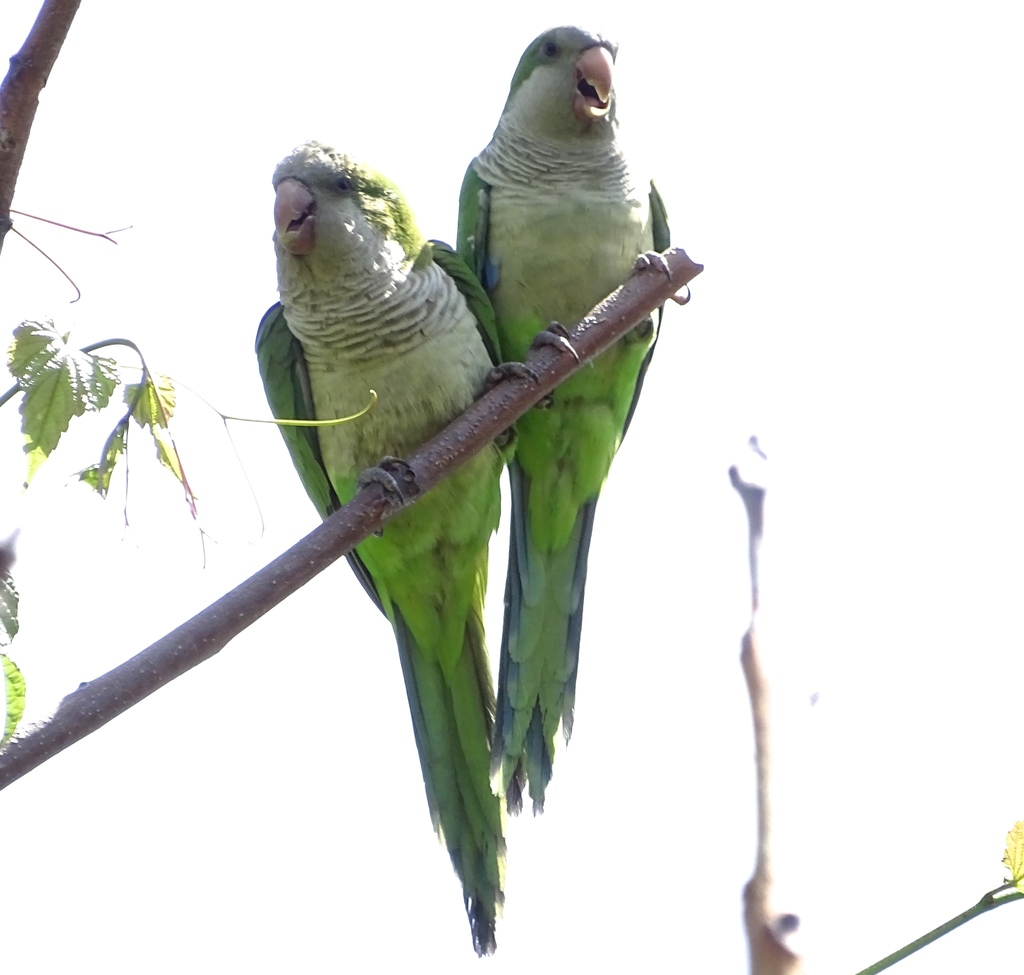
- Monk ParakeetMyiopsitta monachus
- Smith's LongspurCalcarius pictus
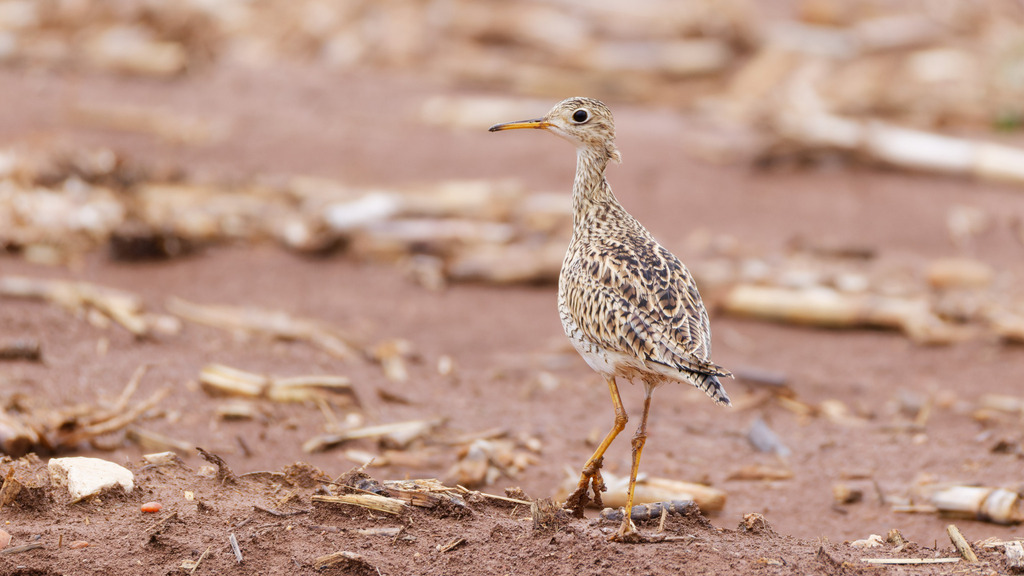
- Upland SandpiperBartramia longicauda
- Rock PigeonColumba livia
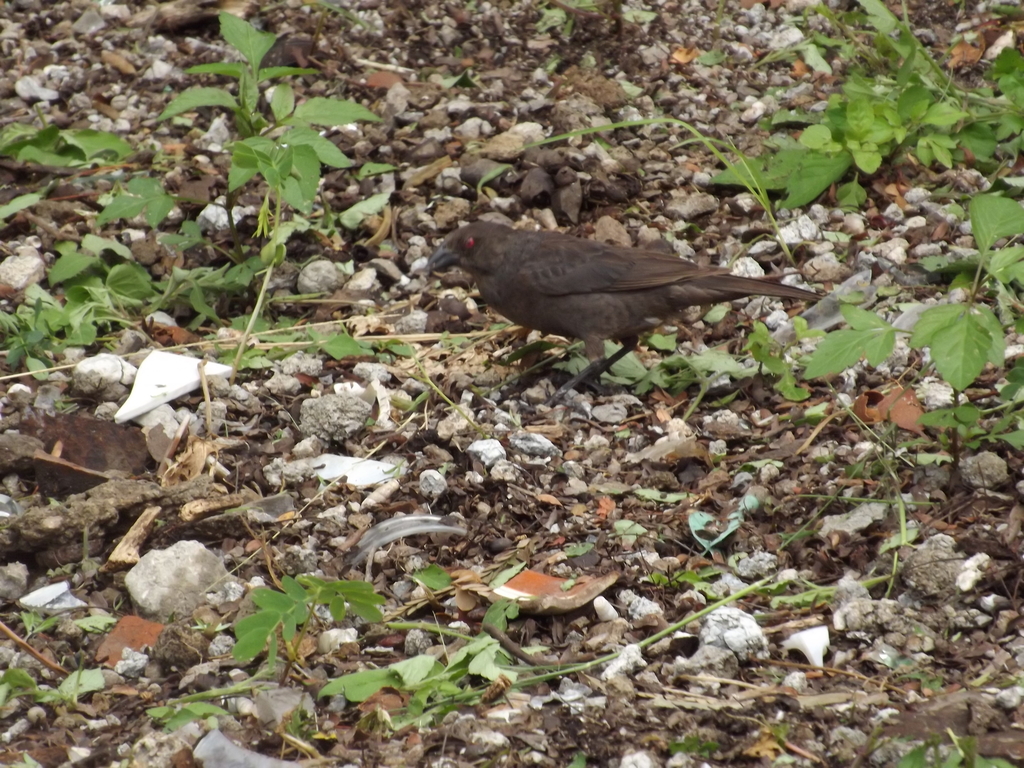
- Bronzed CowbirdMolothrus aeneus
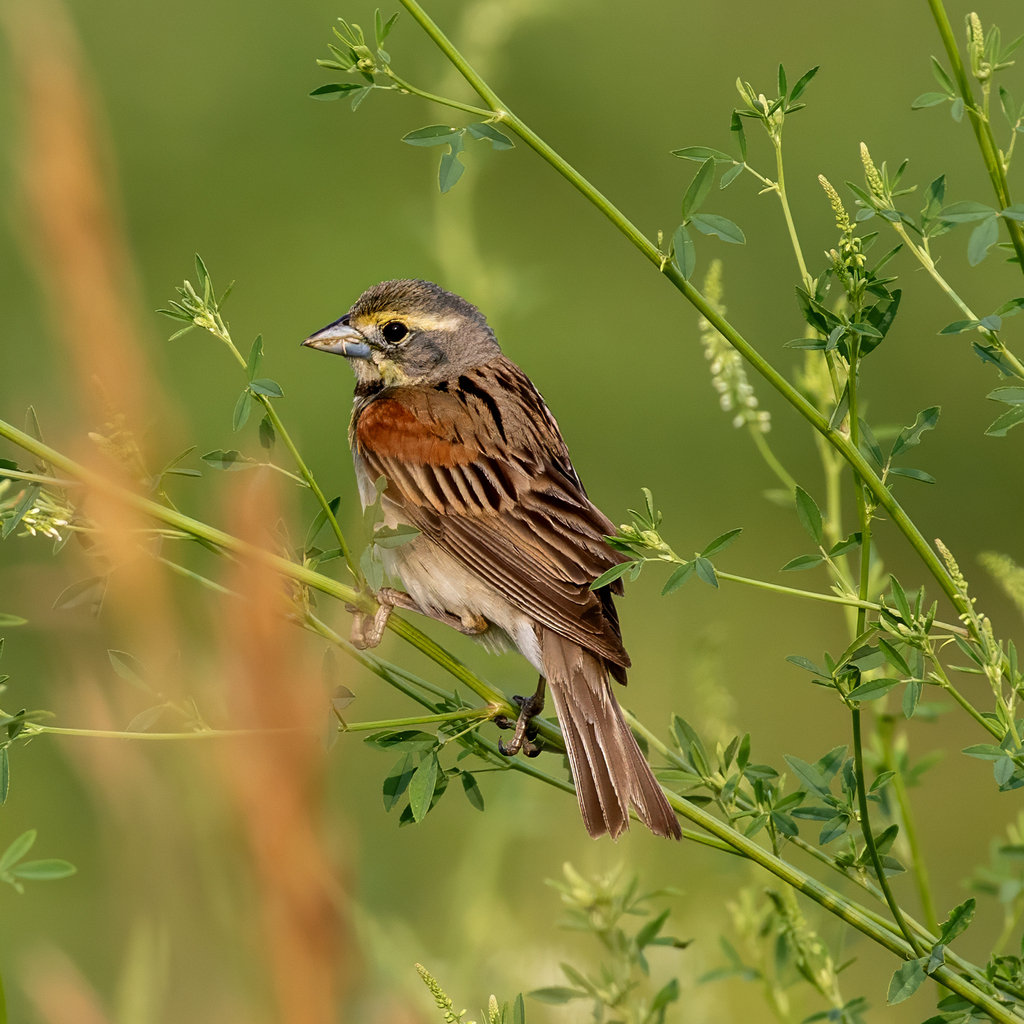
- DickcisselSpiza americana
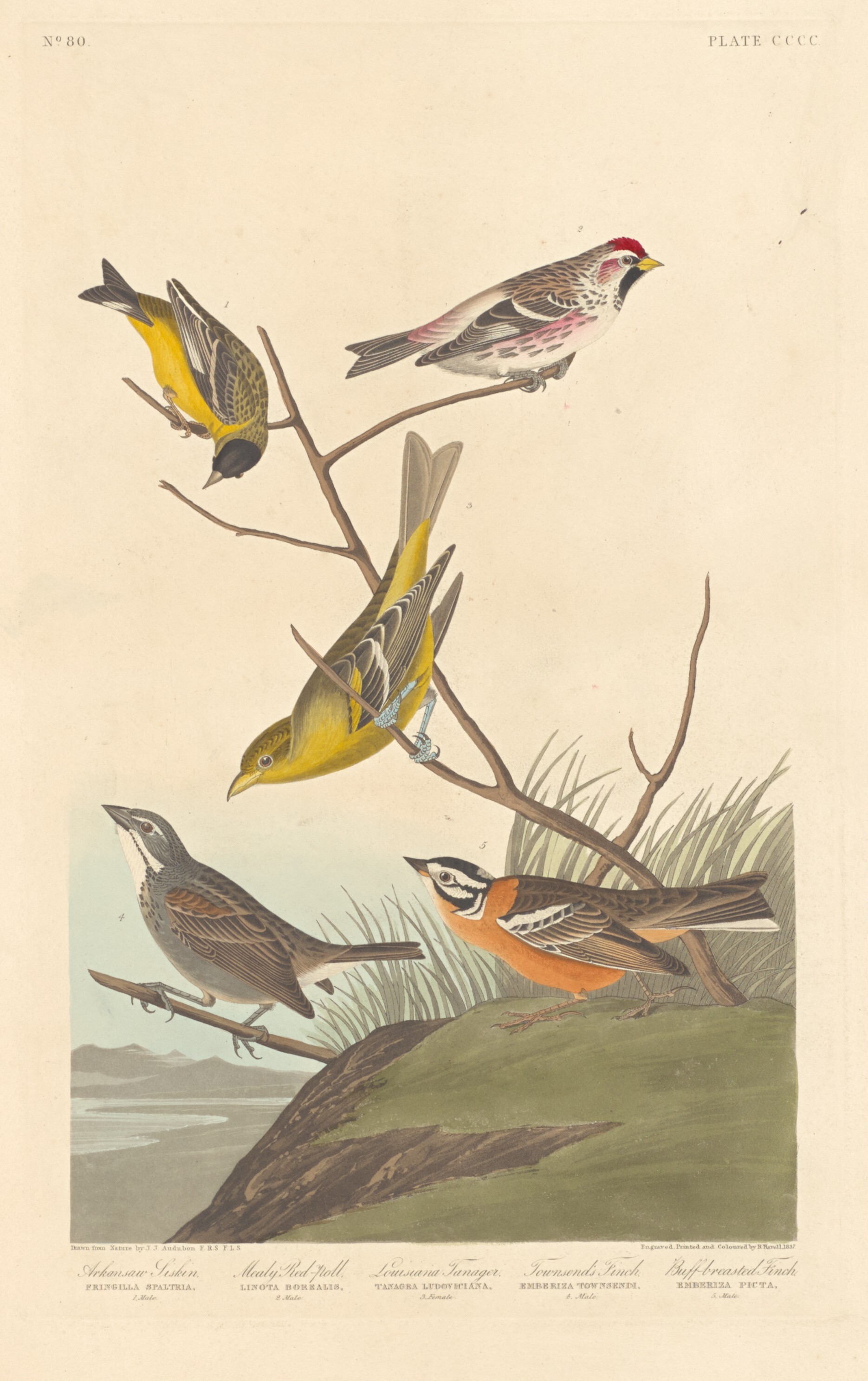
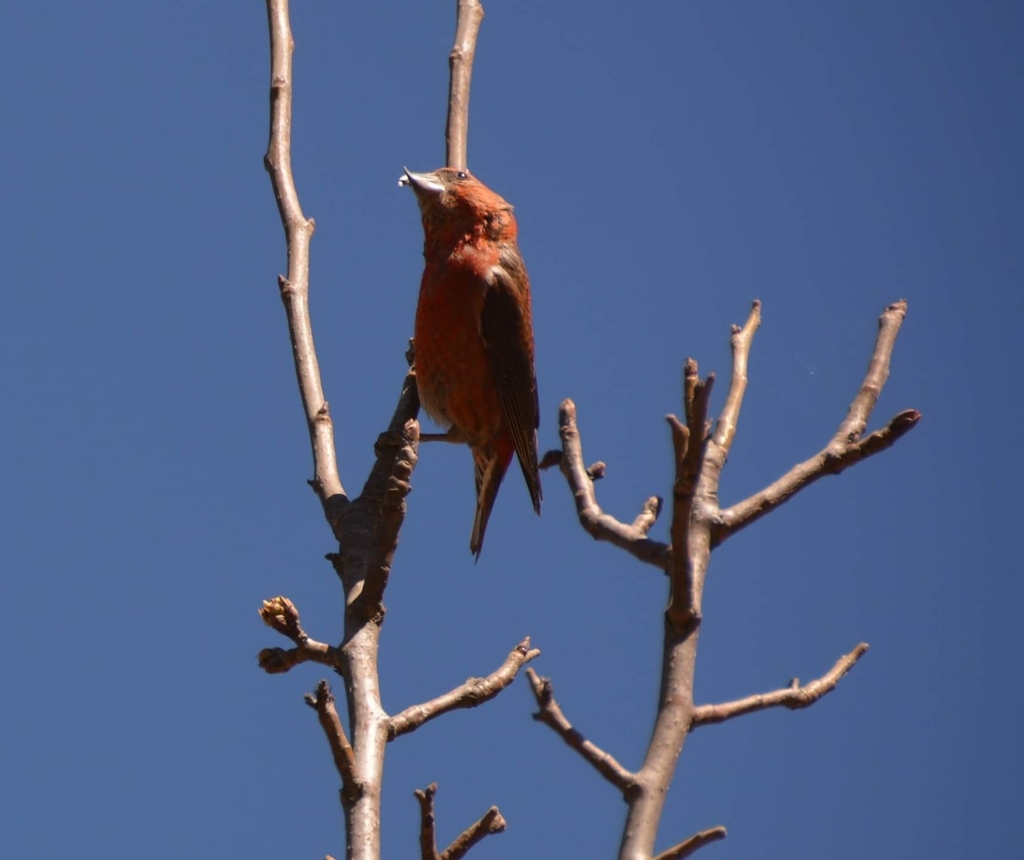
- Red CrossbillLoxia curvirostra
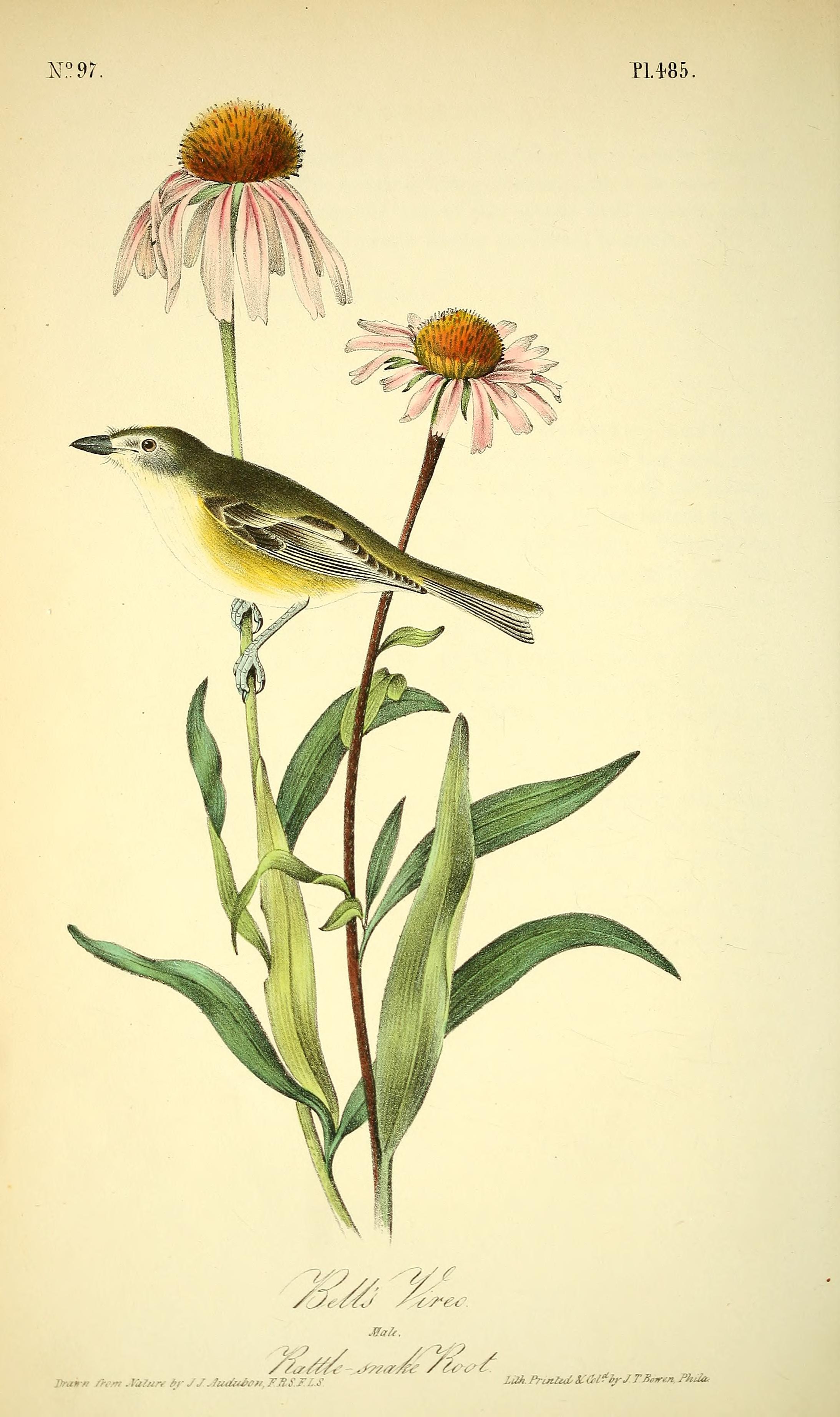
- Bell's VireoVireo bellii
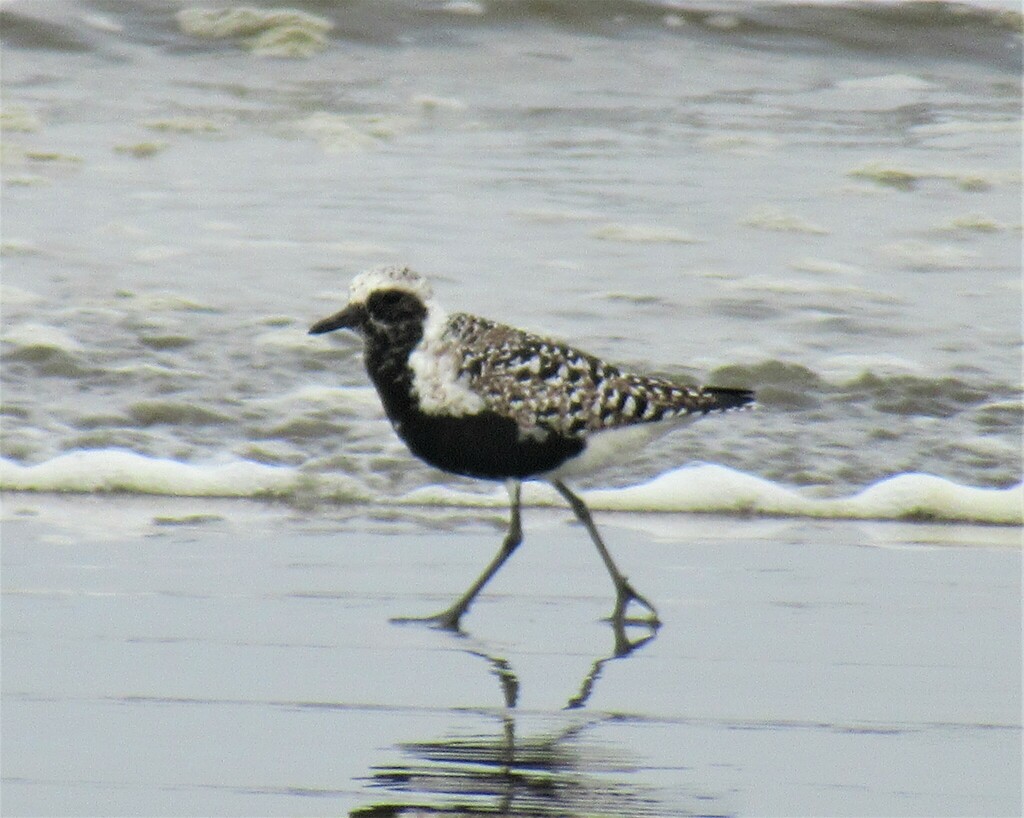
- Black-bellied PloverPluvialis squatarola
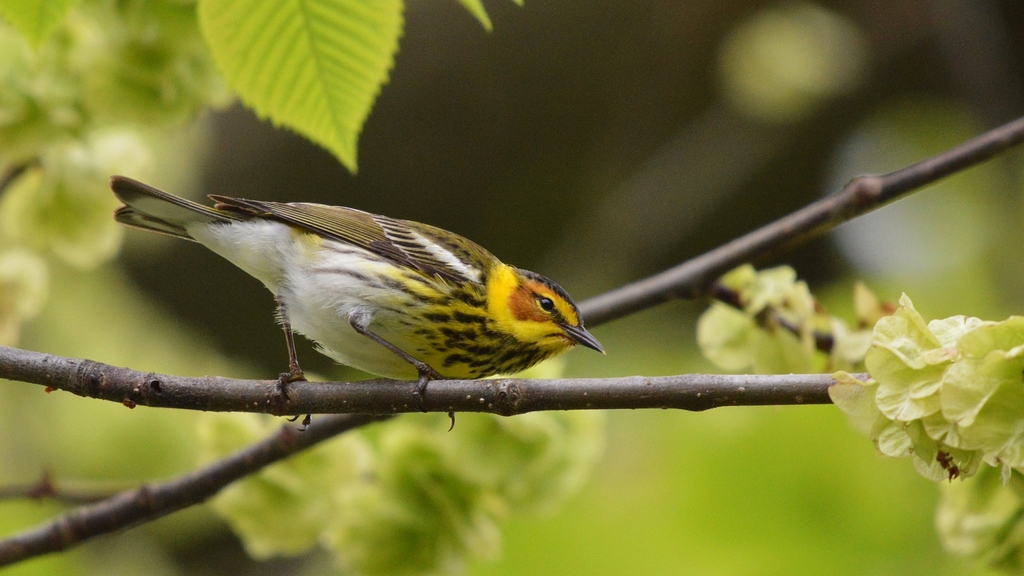
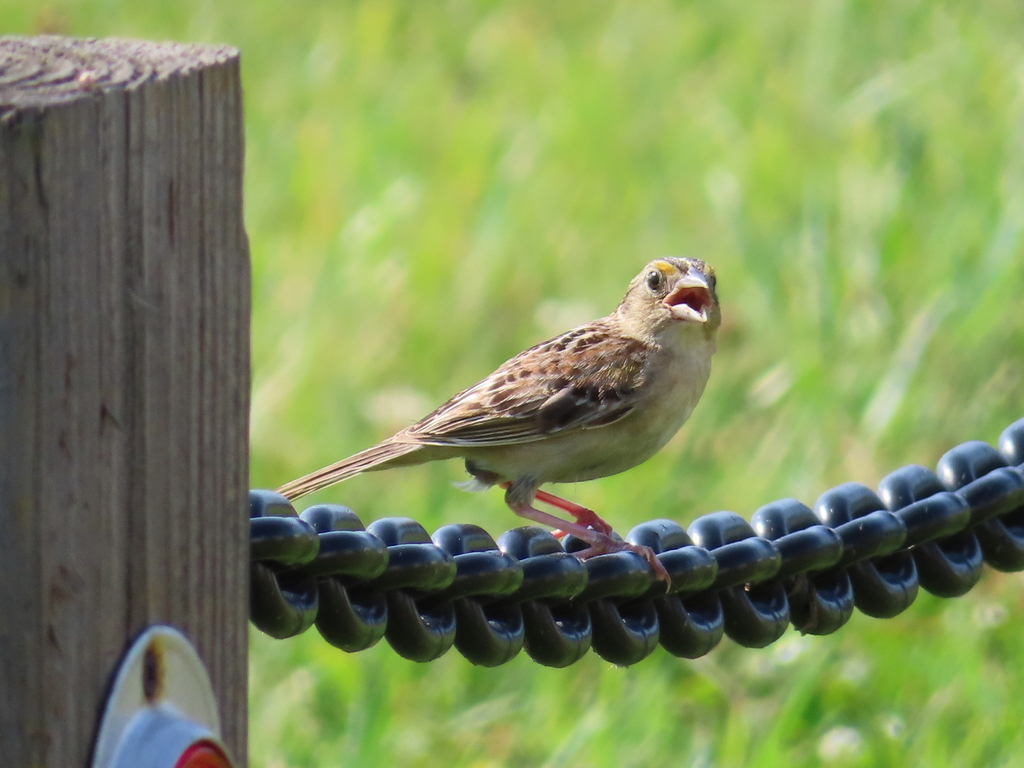
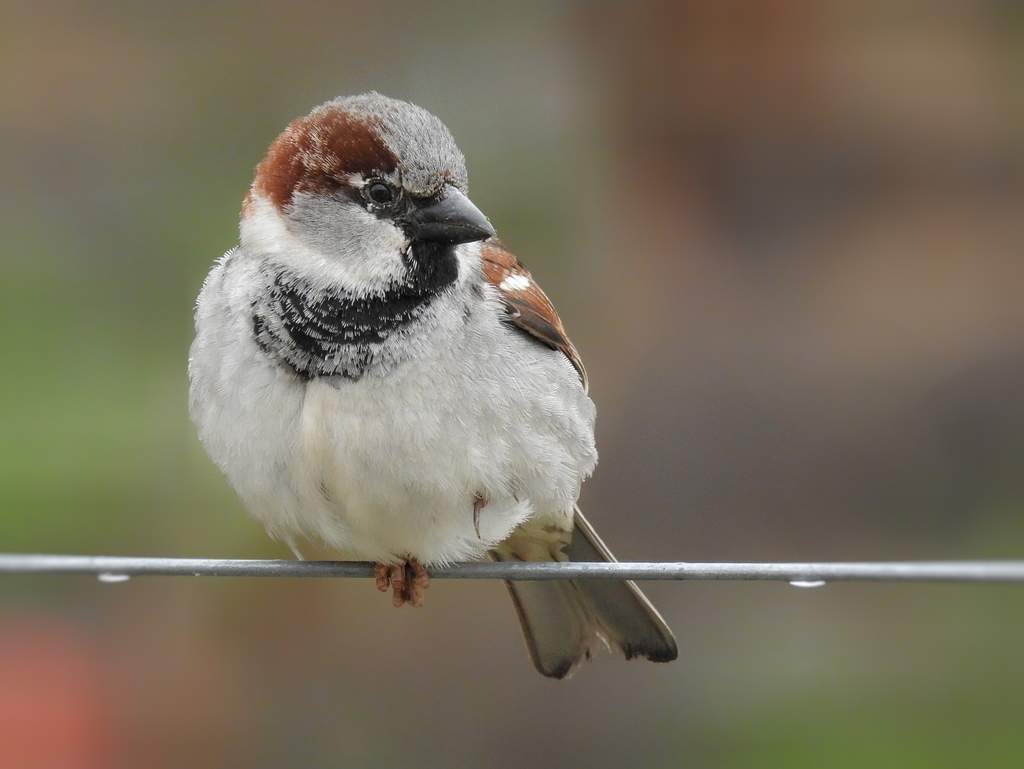

Plants 1094
- Muck SunflowerHelianthus simulans
- Annual FleabaneErigeron annuus
- Canada LettuceLactuca canadensis
- Common Evening-primroseOenothera biennis
- Cutleaf Evening-primroseOenothera laciniata
- Dog-fennelEupatorium capillifolium
- Threadleaf SundropsOenothera linifolia
- Carolina Crane's-billGeranium carolinianum
- Carolina HorsenettleSolanum carolinense var. carolinense
- Blackeyed SusanRudbeckia hirta var. pulcherrima
- Downy Ground-cherryPhysalis pubescens
- Gray Ground-cherryPhysalis grisea
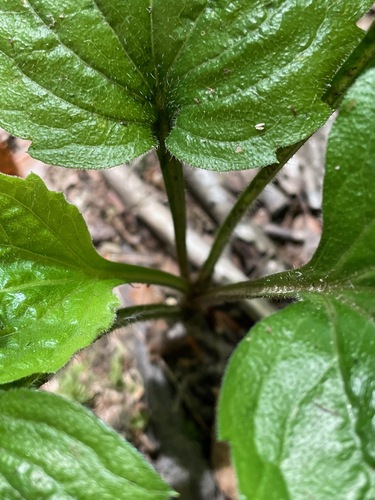
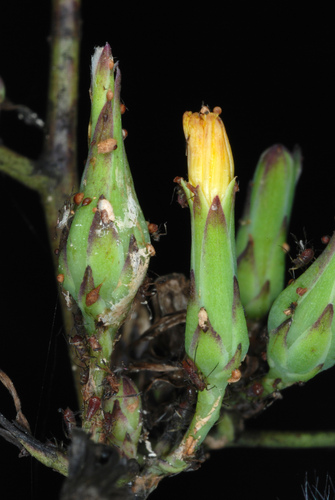
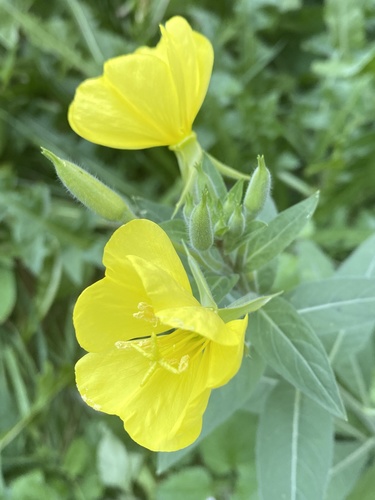
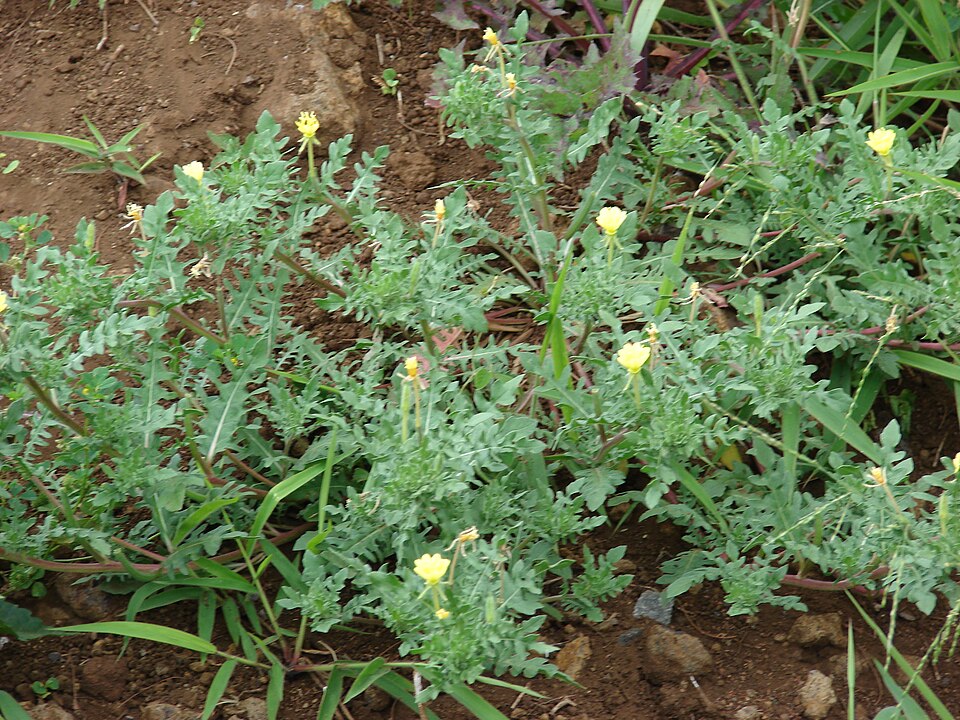
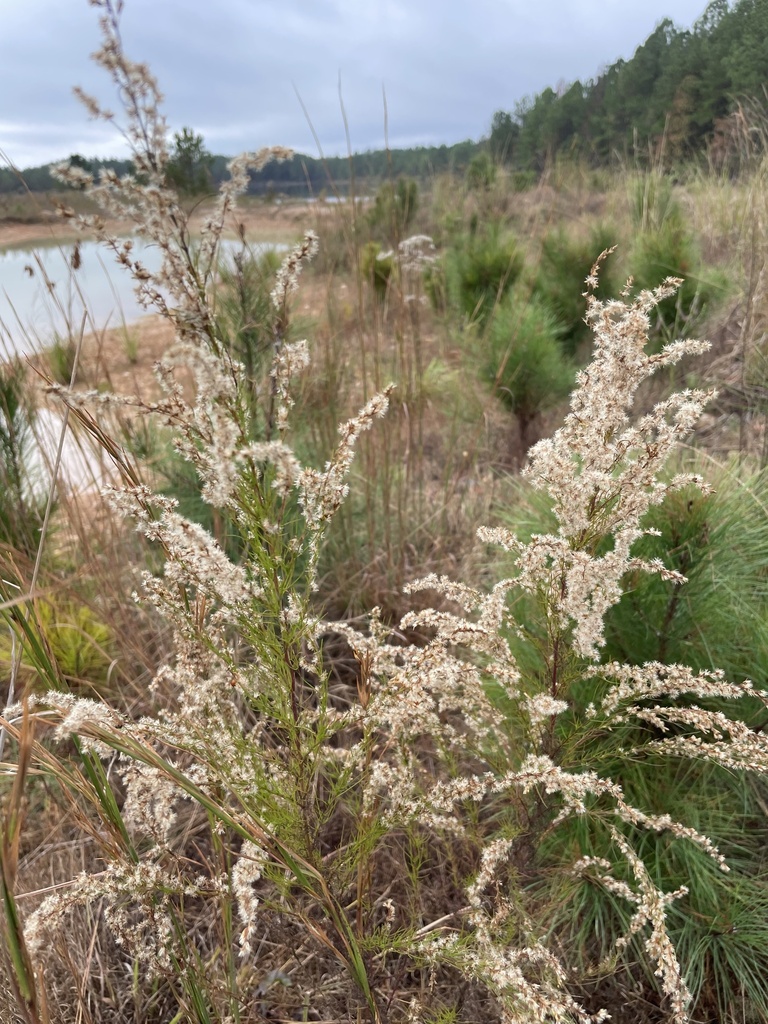
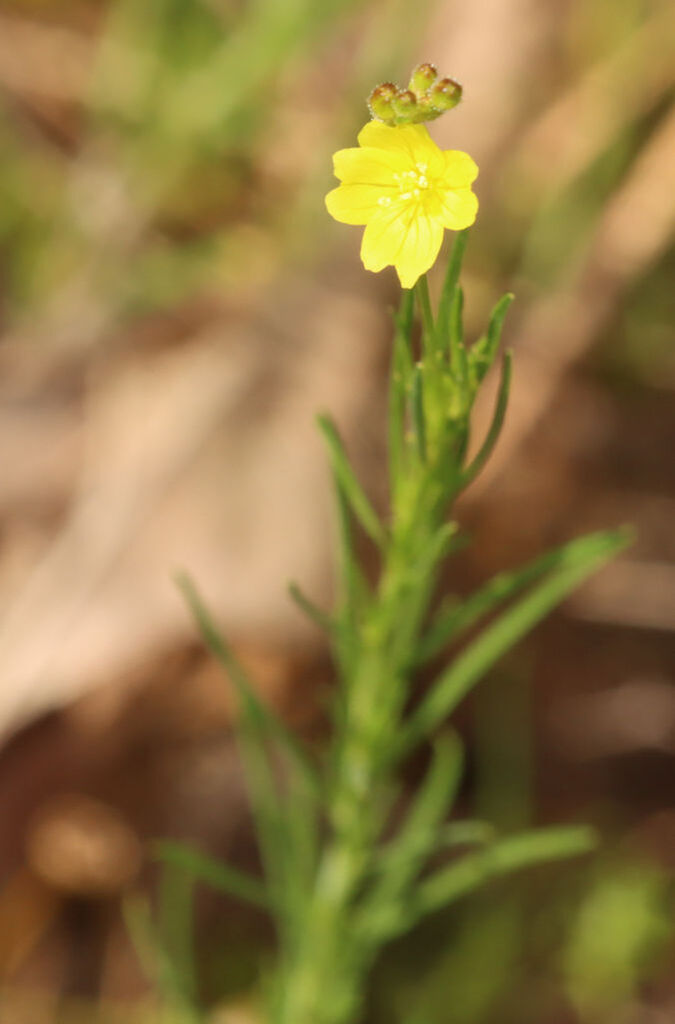
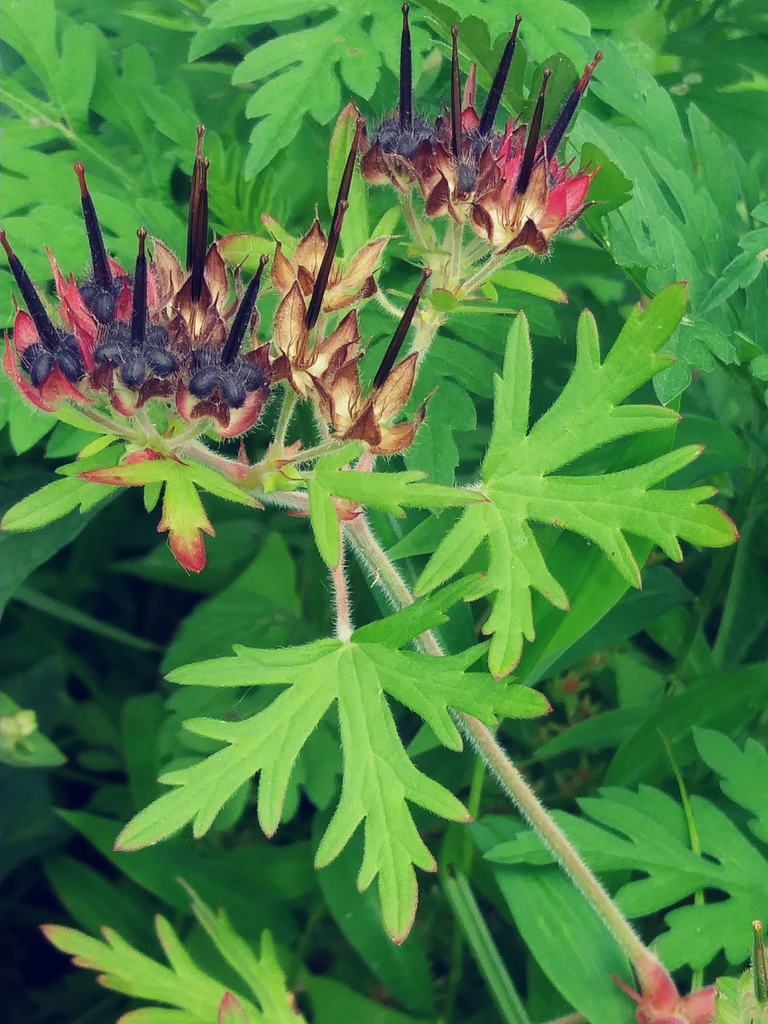
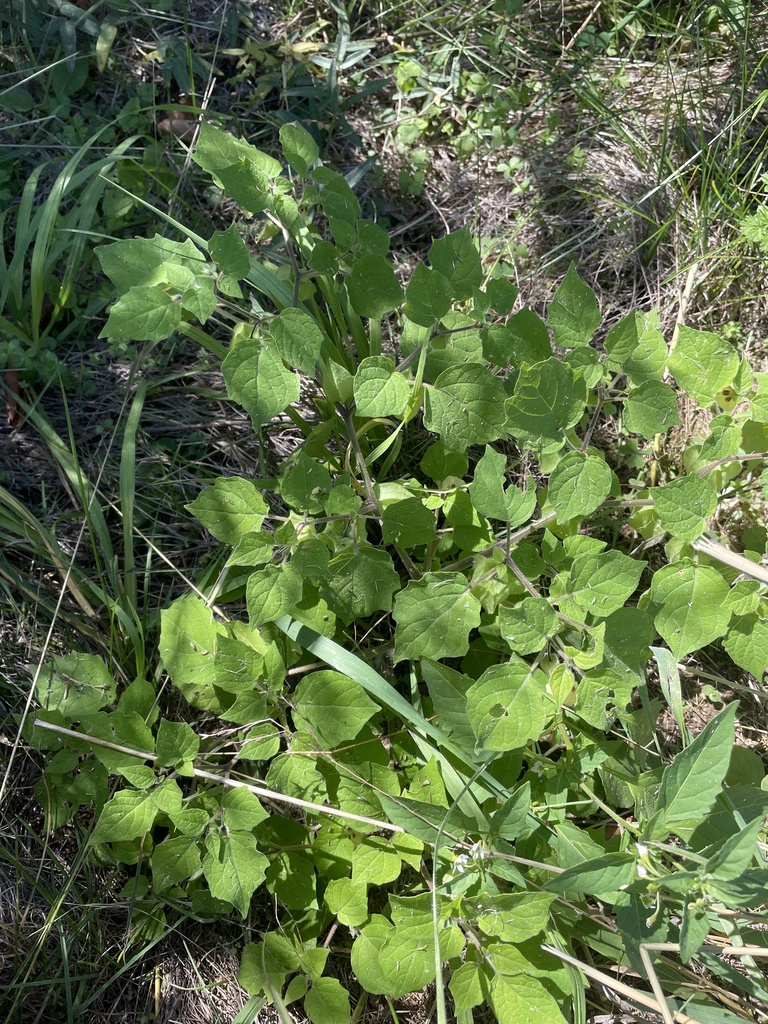
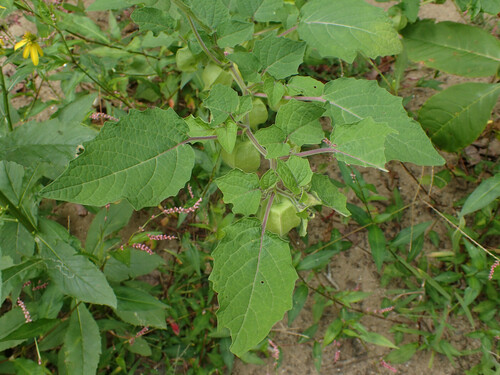
All of roadsides, fields and disturbed ground in Mississippi
Sources
- USGS Gap Analysis Project habitat models (2001)
- USGS GAP winter habitat model for Long-eared Owl
- USGS Gap Analysis Project range maps (2001), modeled by watershed; migratory gives no dates
- NatureServe Explorer (CC BY 4.0), habitat names
- US Census TIGER/Line counties
- Names follow the USGS Gap Analysis Project (2001)