

Bird
Black Vulture
Coragyps atratus
Lives in Mississippi all year and nests here. Found in all 82 counties, across 13 habitats.
- Here
- All year
- Nesting
- Nests here
- Range
- All 82 counties
- Habitats
- 13

At a glance
- Group
- Birds
- Here
- All year
- Nesting
- Nests here
- Range
- All 82 counties
- Habitats
- 13
- Habitat models
- Year-round
Where it lives
The places its habitat model includes. It is not found everywhere a habitat occurs.
Habitats in Mississippi 13
Each habitat page lists the plants and wildlife also found there.
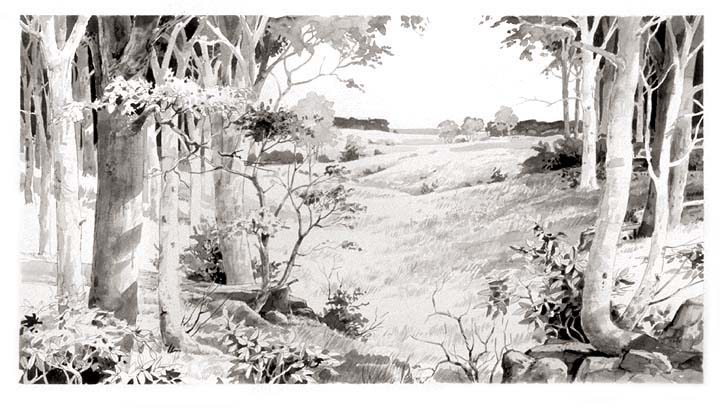
Open sand of beaches, dunes and the hollows between them.
Dense, evergreen groves of live oak, magnolia and other hardwoods in the southern Coastal Plain, from dry oak domes to wet hydric hammocks and south Florida's tropical hammocks; salt-shaped maritime hammocks are maritime forests.
Forests and open woodlands on dry ridges and slopes, often oak or pine.
Floodplain and bottomland forests
Forests on low ground beside rivers and streams that flood from time to time.
Flat, poorly drained uplands and terraces with oaks, sweetgum and sometimes loblolly pine, wet in winter and dry in summer, but neither a floodplain nor a swamp.
Forests between dry and moist, often oak-hickory on slopes.
Forests on moist but not wet ground, such as rich slopes and ravines.
Flat, sandy Coastal Plain pine woodlands, wetter than sandhills and denser than savannas.
Open, grass-dominated places kept open by fire, grazing or thin soil, from tallgrass prairie to Piedmont prairies.
Roadsides, fields and disturbed ground
Ground opened by people: roadsides, old fields, pastures, fencerows and lots.
Forested wetlands with standing water much of the year, such as cypress and gum swamps.
Tree plantations and managed pine
Planted or intensively managed stands of pine or hardwoods grown for timber; a land use rather than a natural community.
Other habitats in its models (91)
Land cover, or classes with no habitat page in Mississippi.
- Developed, Low Intensity Year-round.
- Quarries, Mines, Gravel Pits and Oil Wells Year-round.
- Barren Land Year-round.
- Unconsolidated Shore (Lake/River/Pond) Year-round.
- Unconsolidated Shore Year-round.
- East Gulf Coastal Plain Northern Loess Plain Oak-Hickory Upland - Hardwood Modifier Year-round.
- East Gulf Coastal Plain Northern Loess Plain Oak-Hickory Upland - Juniper Modifier Year-round.
- Ridge and Valley Calcareous Valley Bottom Glade and Woodland Year-round.
- Southern and Central Appalachian Oak Forest - Xeric Year-round.
- Southern Interior Low Plateau Dry-Mesic Oak Forest Year-round.
- Southern and Central Appalachian Oak Forest Year-round.
- Allegheny-Cumberland Dry Oak Forest and Woodland - Hardwood Year-round.
- South Florida Hardwood Hammock Year-round.
- Atlantic Coastal Plain Dry and Dry-Mesic Oak Forest Year-round.
- Central and South Texas Coastal Fringe Forest and Woodland Year-round.
- South Florida Pine Rockland Year-round.
- Southern Piedmont Mesic Forest Year-round.
- East Gulf Coastal Plain Interior Shortleaf Pine-Oak Forest - Hardwood Modifier Year-round.
- Southern Piedmont Dry Oak-(Pine) Forest - Hardwood Modifier Year-round.
- East Gulf Coastal Plain Black Belt Calcareous Prairie and Woodland - Woodland Modifier Year-round.
- Northeastern Interior Dry Oak Forest - Virginia/Pitch Pine Modifier Year-round.
- Southern Piedmont Dry Oak-(Pine) Forest - Loblolly Pine Modifier Year-round.
- East Gulf Coastal Plain Northern Dry Upland Hardwood Forest - Offsite Pine Modifier Year-round.
- Allegheny-Cumberland Dry Oak Forest and Woodland - Pine Modifier Year-round.
- Southern Ridge and Valley Dry Calcareous Forest - Pine modifier Year-round.
- East Gulf Coastal Plain Interior Shortleaf Pine-Oak Forest - Mixed Modifier Year-round.
- Southern Piedmont Dry Oak-(Pine) Forest - Mixed Modifier Year-round.
- Southern Piedmont Dry Oak-Heath Forest - Mixed Modifier Year-round.
- Northern Atlantic Coastal Plain Dry Hardwood Forest Year-round.
- Southeastern Interior Longleaf Pine Woodland Year-round.
- Southern Piedmont Dry Oak-(Pine) Forest Year-round.
- Central Appalachian Oak and Pine Forest Year-round.
- Appalachian Hemlock-Hardwood Forest Year-round.
- Southern Ridge and Valley Dry Calcareous Forest Year-round.
- Central Appalachian Pine-Oak Rocky Woodland Year-round.
- Southern and Central Appalachian Cove Forest Year-round.
- South-Central Interior Mesophytic Forest Year-round.
- Atlantic Coastal Plain Mesic Hardwood and Mixed Forest Year-round.
- East Gulf Coastal Plain Interior Upland Longleaf Pine Woodland - Offsite Hardwood Modifier Year-round.
- Florida Longleaf Pine Sandhill - Open Understory Modifier Year-round.
- Florida Longleaf Pine Sandhill - Scrub/Shrub Understory Modifier Year-round.
- Atlantic Coastal Plain Fall-Line Sandhills Longleaf Pine Woodland - Loblolly Modifier Year-round.
- Atlantic Coastal Plain Fall-line Sandhills Longleaf Pine Woodland - Open Understory Modifier Year-round.
- Atlantic Coastal Plain Fall-line Sandhills Longleaf Pine Woodland - Scrub/Shrub Understory Modifier Year-round.
- East Gulf Coastal Plain Interior Upland Longleaf Pine Woodland - Loblolly Modifier Year-round.
- East Gulf Coastal Plain Interior Upland Longleaf Pine Woodland - Open Understory Modifier Year-round.
- East Gulf Coastal Plain Interior Upland Longleaf Pine Woodland - Scrub/Shrub Modifier Year-round.
- Atlantic Coastal Plain Upland Longleaf Pine Woodland Year-round.
- Southern Appalachian Low Mountain Pine Forest Year-round.
- Atlantic Coastal Plain Fall-line Sandhills Longleaf Pine Woodland - Offsite Hardwood Modifier Year-round.
- Florida Peninsula Inland Scrub Year-round.
- Southern Piedmont Glade and Barrens Year-round.
- Nashville Basin Limestone Glade Year-round.
- Cumberland Sandstone Glade and Barrens Year-round.
- Recently Logged Areas Year-round.
- Harvested Forest - Grass/Forb Regeneration Year-round.
- Recently Burned Year-round.
- Recently Burned Forest Year-round.
- Recently Burned Grassland Year-round.
- Recently Burned Shrubland Year-round.
- Introduced Upland Vegetation - Shrub Year-round.
- Introduced Upland Vegetation - Forbland Year-round.
- Introduced Upland Vegetation - Perennial Grassland Year-round.
- Introduced Upland Vegetation - Perennial Grassland and Forbland Year-round.
- Atlantic Coastal Plain Large Natural Lakeshore Year-round.
- Central Interior and Appalachian Shrub-Herbaceous Wetland Systems Year-round.
- Atlantic Coastal Plain Nonriverine Swamp and Wet Hardwood Forest - Taxodium/Nyssa Modifier Year-round.
- Atlantic Coastal Plain Nonriverine Swamp and Wet Hardwood Forest - Oak Dominated Modifier Year-round.
- Southern and Central Appalachian Bog and Fen Year-round.
- South Florida Cypress Dome Year-round.
- Central Florida Herbaceous Pondshore Year-round.
- East Gulf Coastal Plain Southern Depression Pondshore Year-round.
- Atlantic Coastal Plain Depression Pondshore Year-round.
- Atlantic Coastal Plain Blackwater Stream Floodplain Forest - Forest Modifier Year-round.
- Central Appalachian Floodplain - Forest Modifier Year-round.
- Central Appalachian Riparian - Forest Modifier Year-round.
- South-Central Interior Large Floodplain - Forest Modifier Year-round.
- Southern Piedmont Large Floodplain Forest - Forest Modifier Year-round.
- Southern Coastal Plain Hydric Hammock Year-round.
- West Gulf Coastal Plain Small Stream and River Forest Year-round.
- West Gulf Coastal Plain Large River Floodplain Forest Year-round.
- Southern Piedmont Small Floodplain and Riparian Forest Year-round.
- Atlantic Coastal Plain Small Brownwater River Floodplain Forest Year-round.
- Atlantic Coastal Plain Small Blackwater River Floodplain Forest Year-round.
- Atlantic Coastal Plain Brownwater Stream Floodplain Forest Year-round.
- South-Central Interior Small Stream and Riparian Year-round.
- East Gulf Coastal Plain Near-Coast Pine Flatwoods - Offsite Hardwood Modifier Year-round.
- South Florida Pine Flatwoods Year-round.
- Central Atlantic Coastal Plain Wet Longleaf Pine Savanna and Flatwoods Year-round.
- Atlantic Coastal Plain Southern Wet Pine Savanna and Flatwoods Year-round.
- Central Florida Pine Flatwoods Year-round.
Seasons in Mississippi
- Year-round: nests here, in all 82 counties.
Also found in this habitat
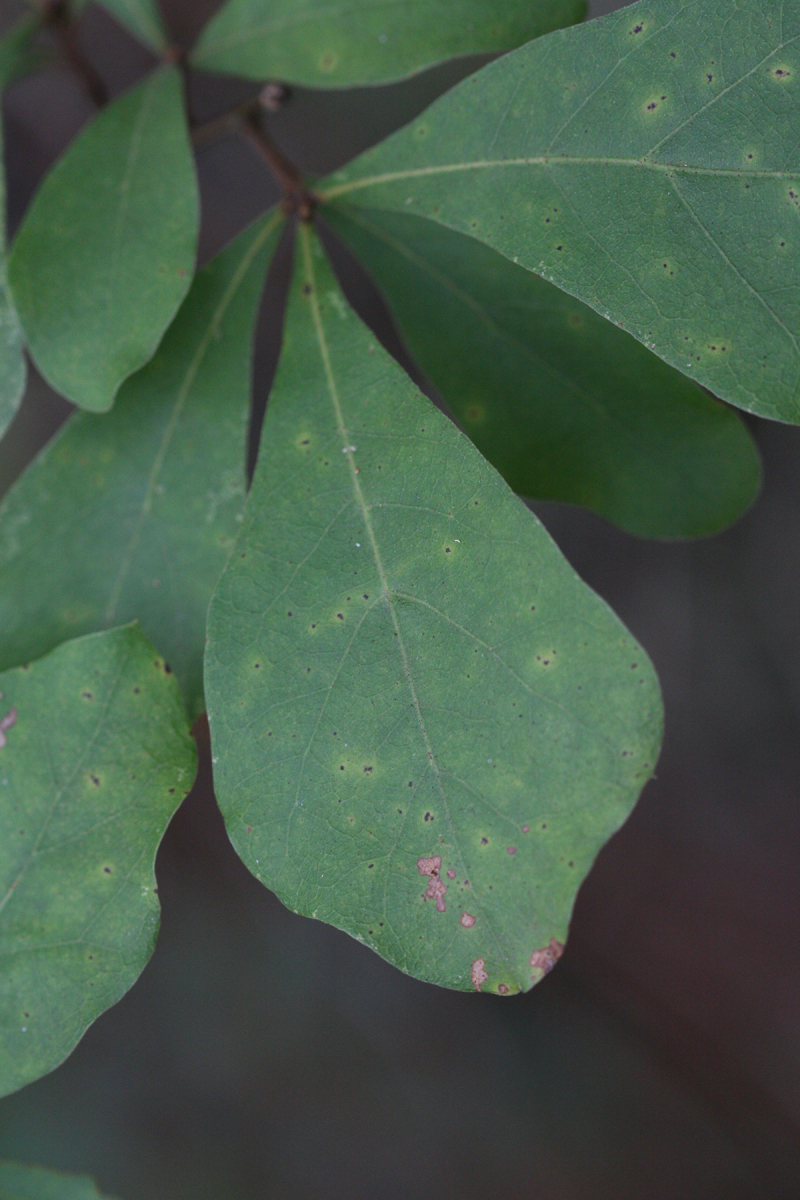
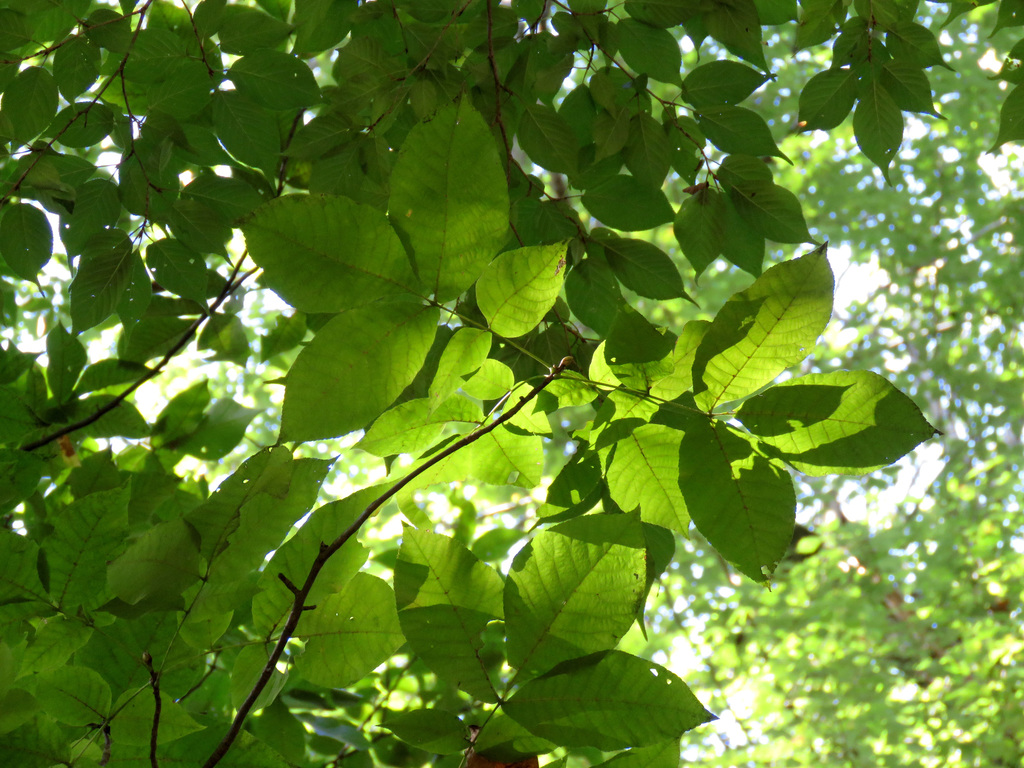
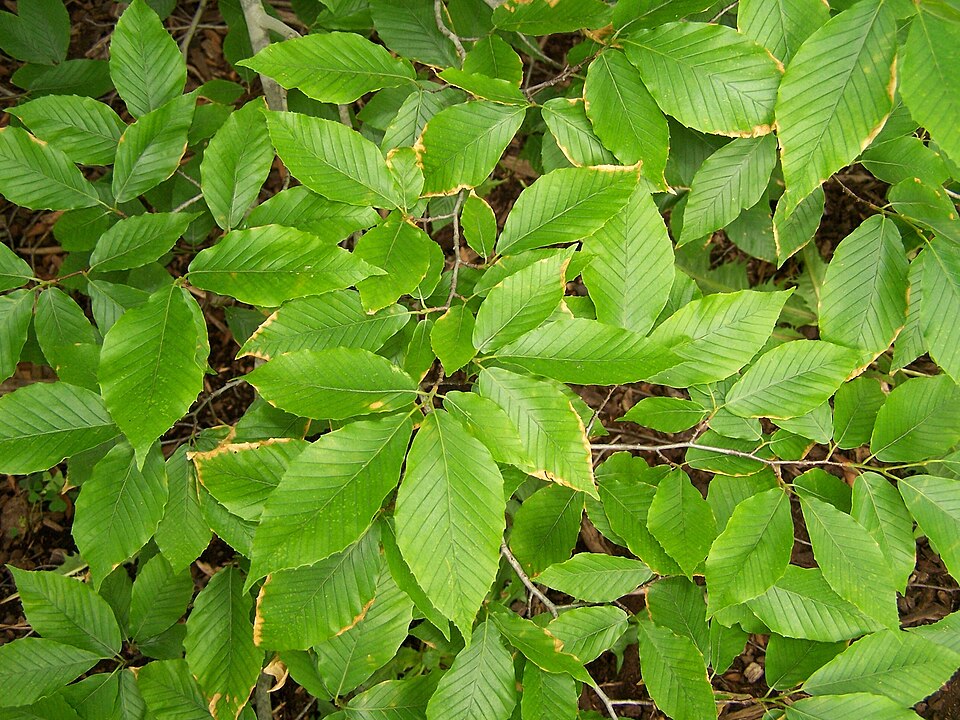
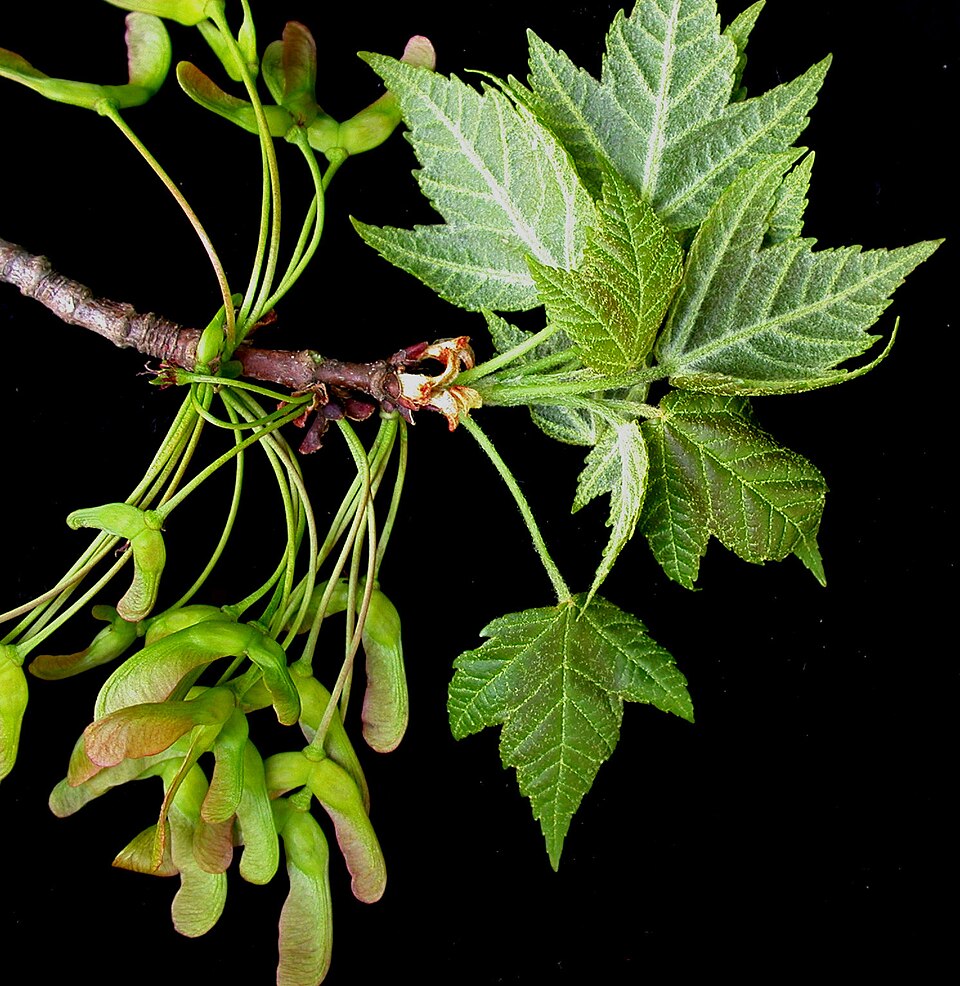
Plants 453
Plants named in NatureServe descriptions of these habitats that grow in Mississippi. Shared habitat, not food.
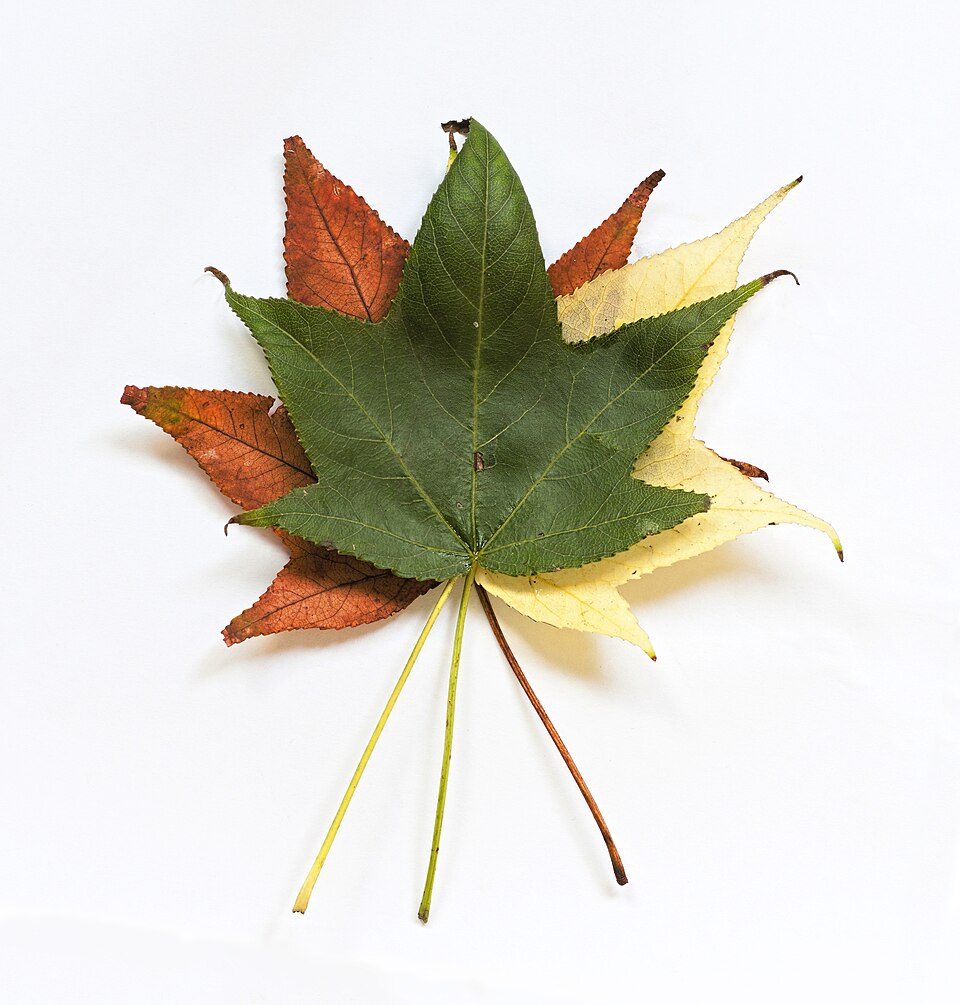
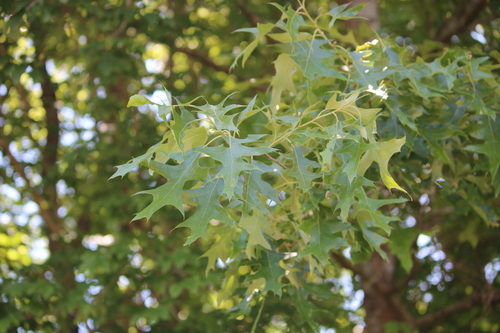
- SweetgumLiquidambar styraciflua
- Cherrybark OakQuercus pagoda
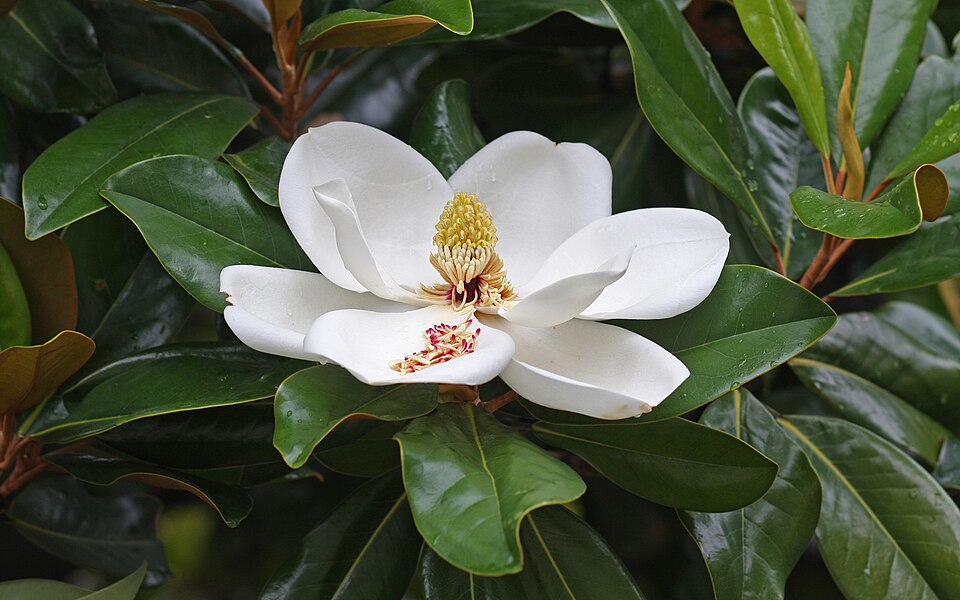
- Southern MagnoliaMagnolia grandiflora
- Water OakQuercus nigra
- Pignut HickoryCarya glabra
- American BeechFagus grandifolia
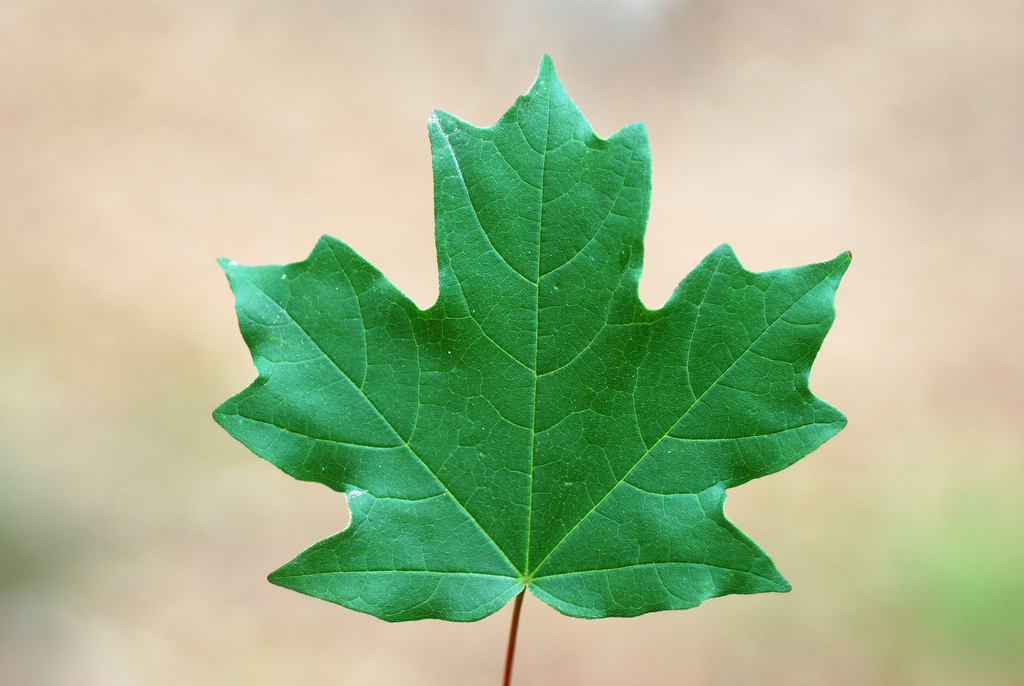
- Red MapleAcer rubrum
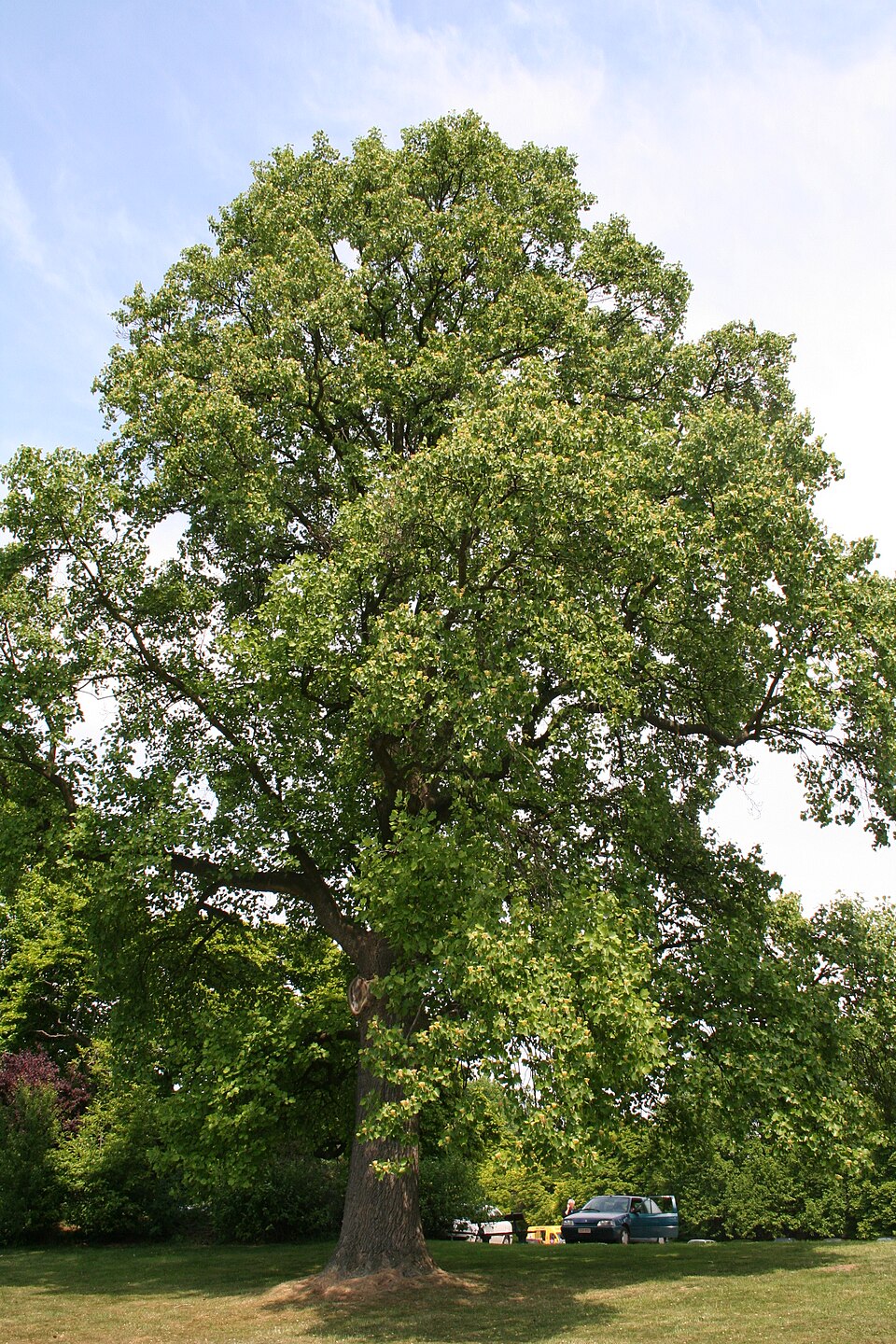
- TuliptreeLiriodendron tulipifera
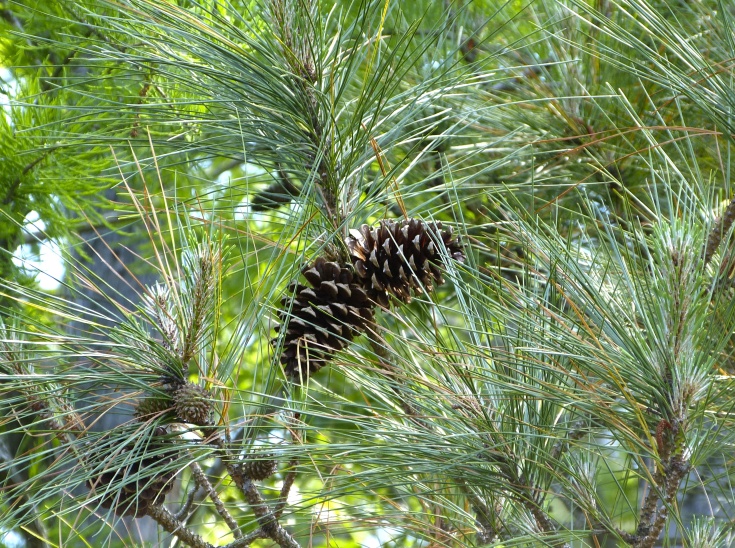
- Loblolly PinePinus taeda
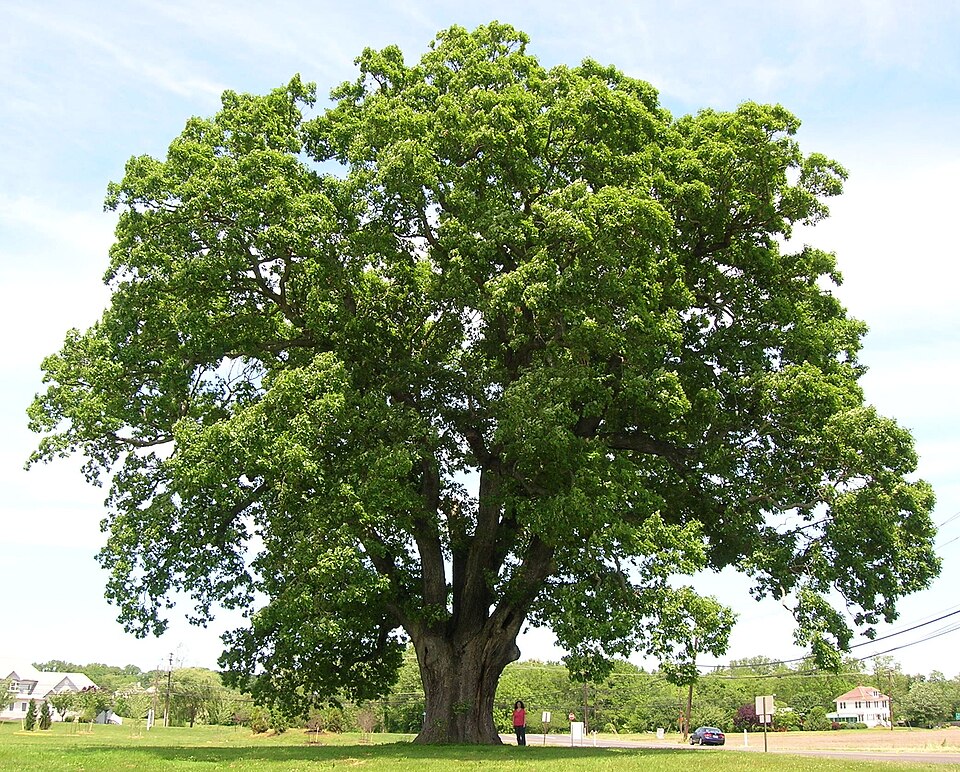
- White OakQuercus alba
- Ravine SedgeCarex impressinervia
- Longleaf SpikegrassChasmanthium sessiliflorum
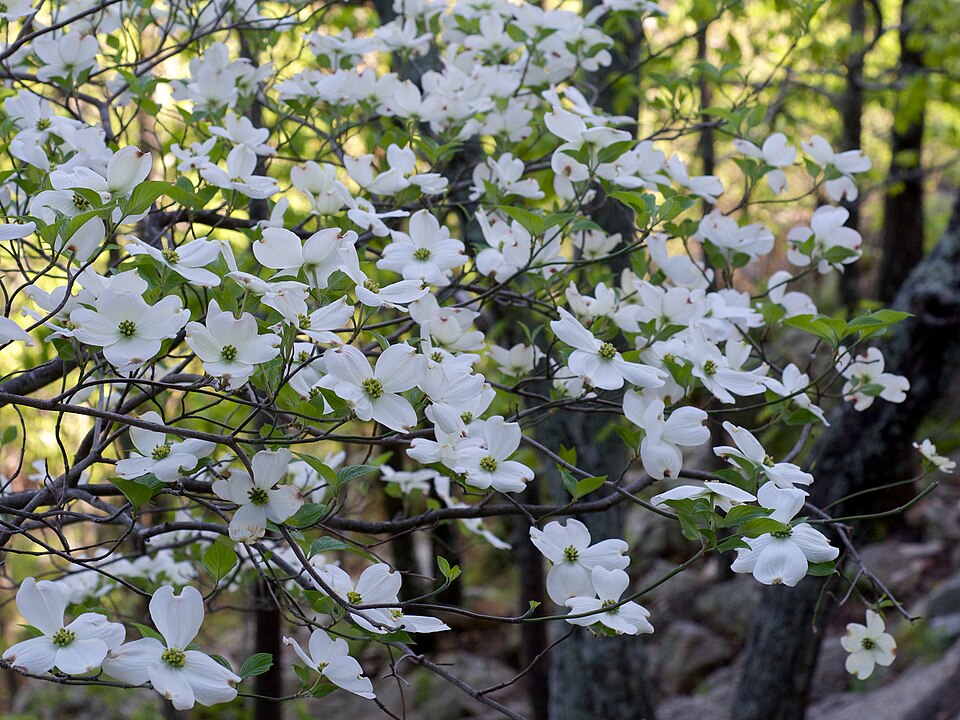
- Flowering DogwoodCornus florida
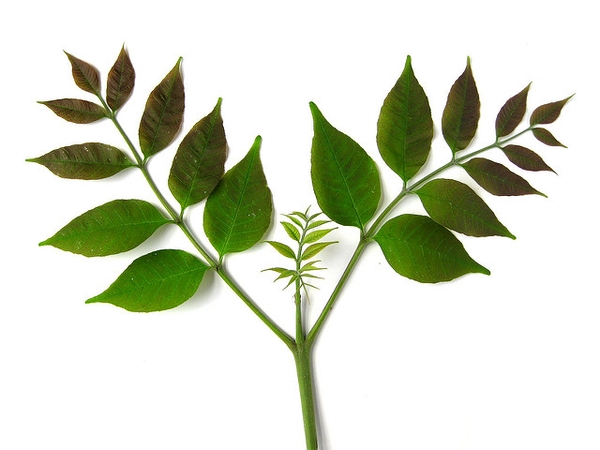
- White AshFraxinus americana
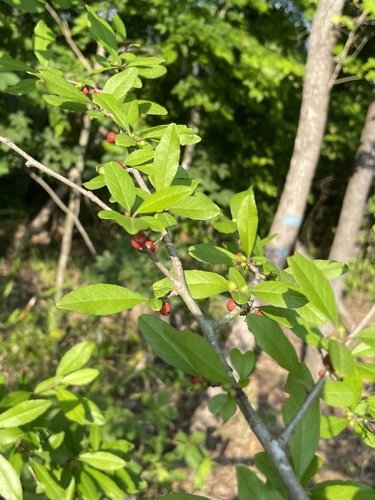
- Possumhaw HollyIlex decidua
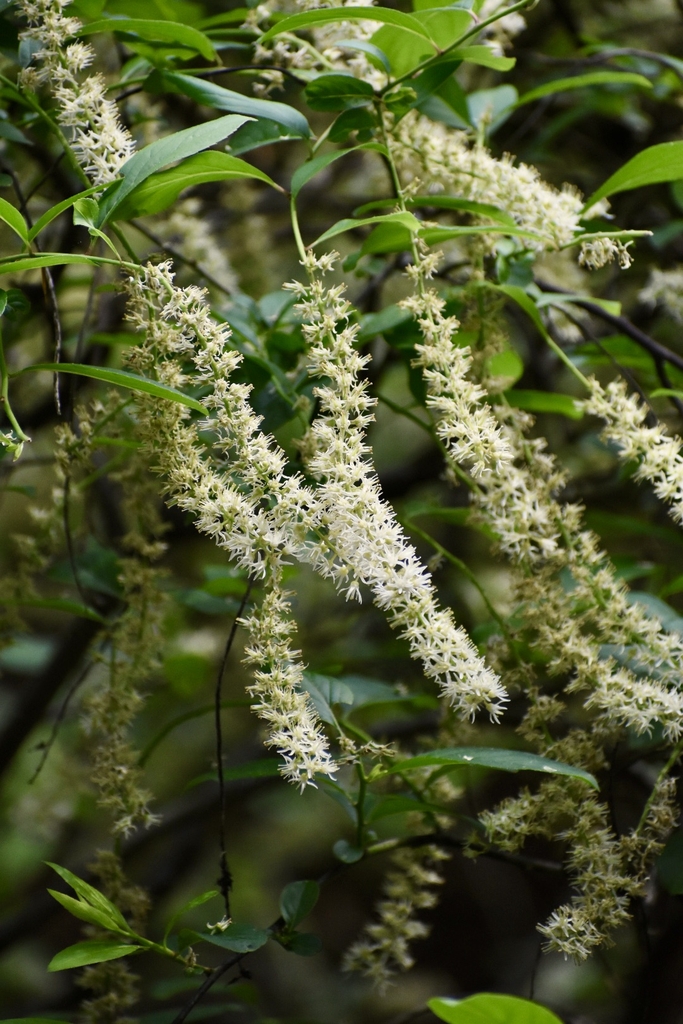
- Virginia SweetspireItea virginica
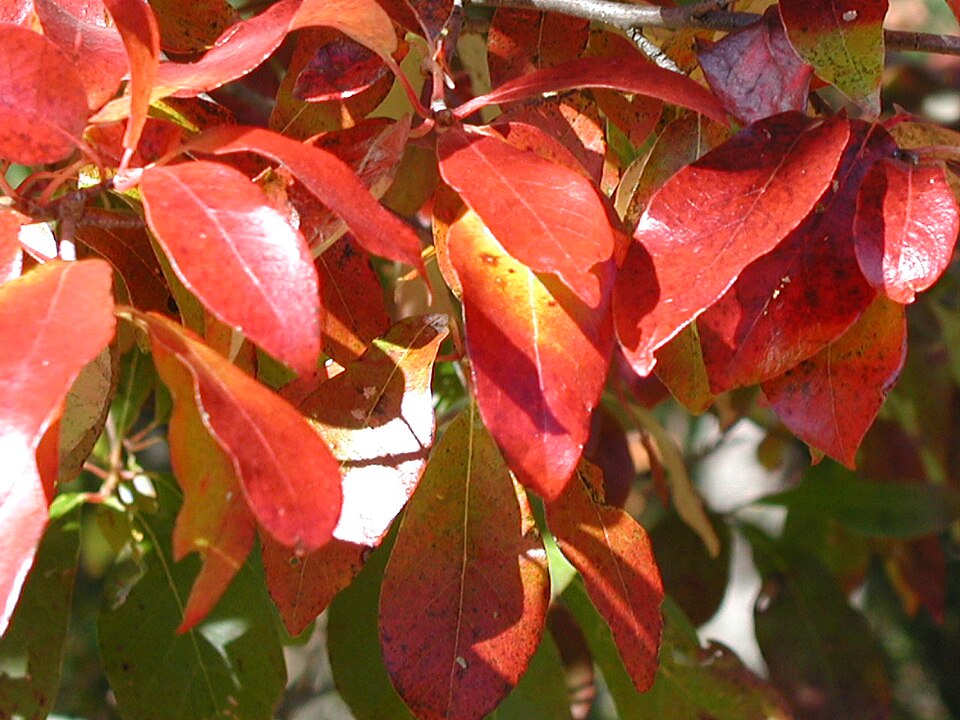
- BlackgumNyssa sylvatica
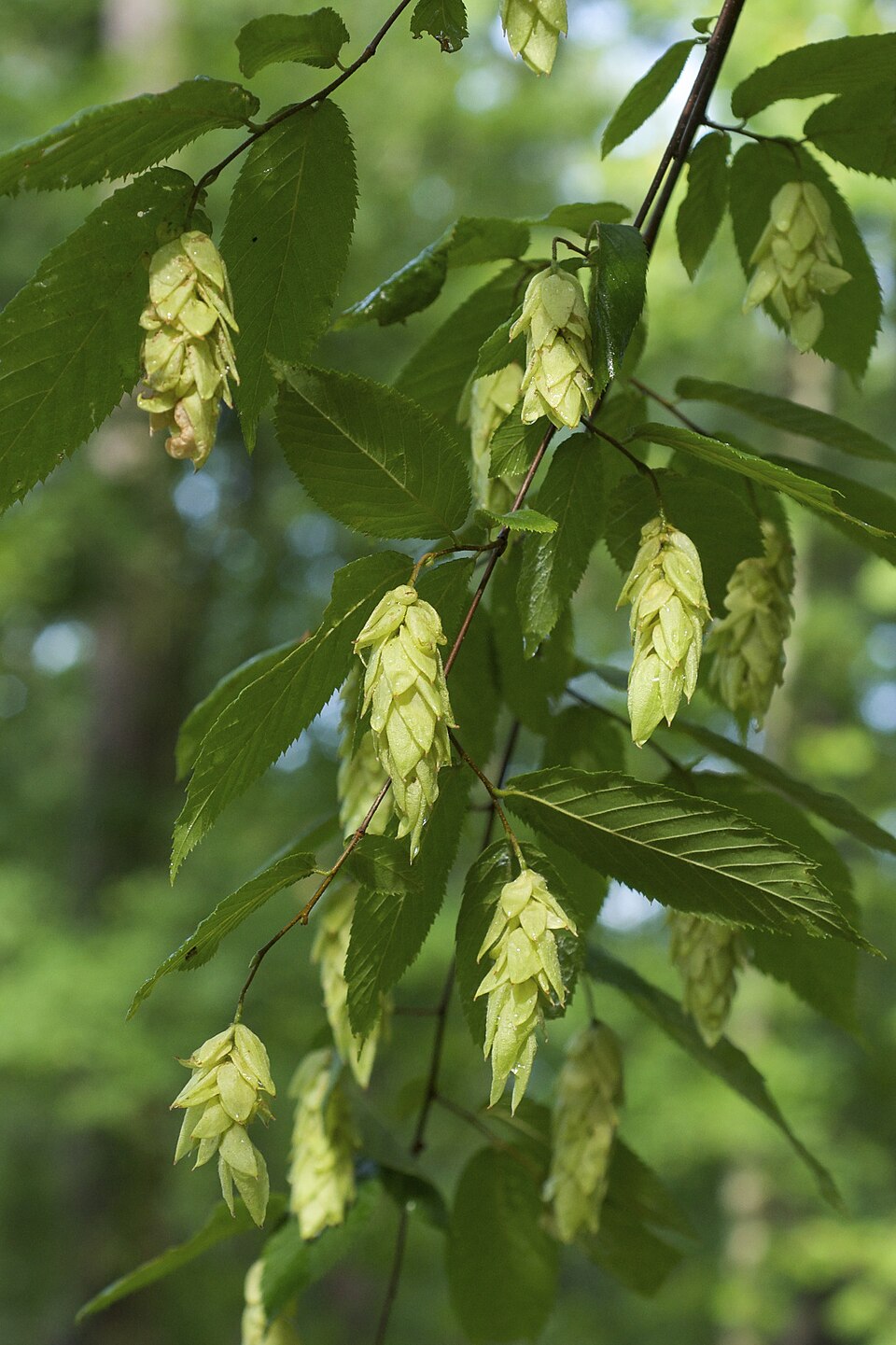
- American Hop-hornbeamOstrya virginiana
- Spruce Pine; Walters Pine; Cedar PinePinus glabra
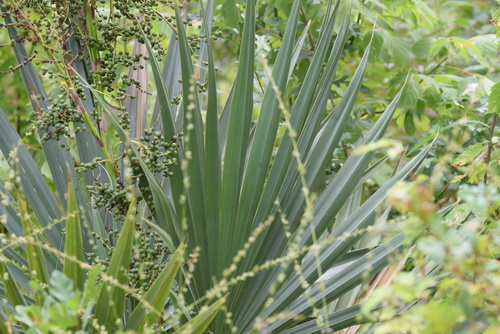
- Rhapidophyllum hystrixRhapidophyllum hystrix
- Dwarf PalmettoSabal minor
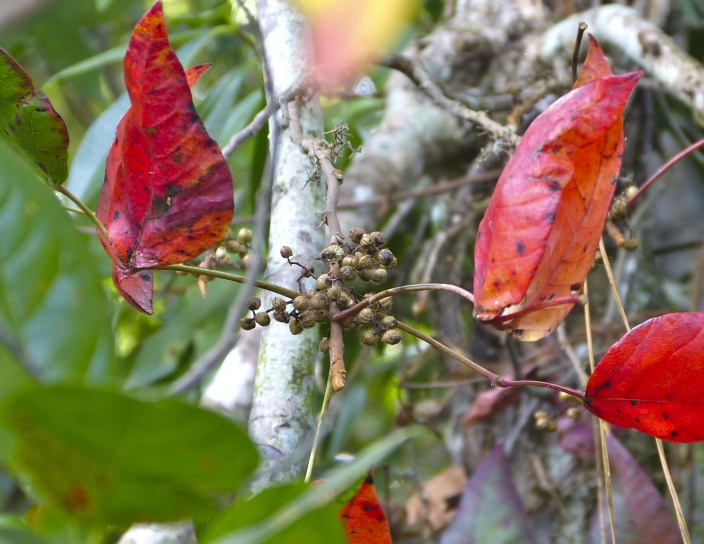
- Poison-ivyToxicodendron radicans
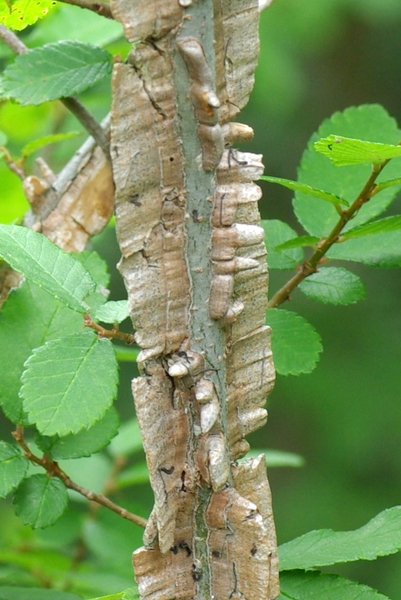
- Winged ElmUlmus alata
- Florida MapleAcer floridanum
Wildlife 263
Other animals whose habitat models include the same habitats in Mississippi. Not sighting records.
- Dark-eyed JuncoJunco hyemalis
- Eastern BluebirdSialia sialis
- Hairy WoodpeckerPicoides villosus
- Least FlycatcherEmpidonax minimus
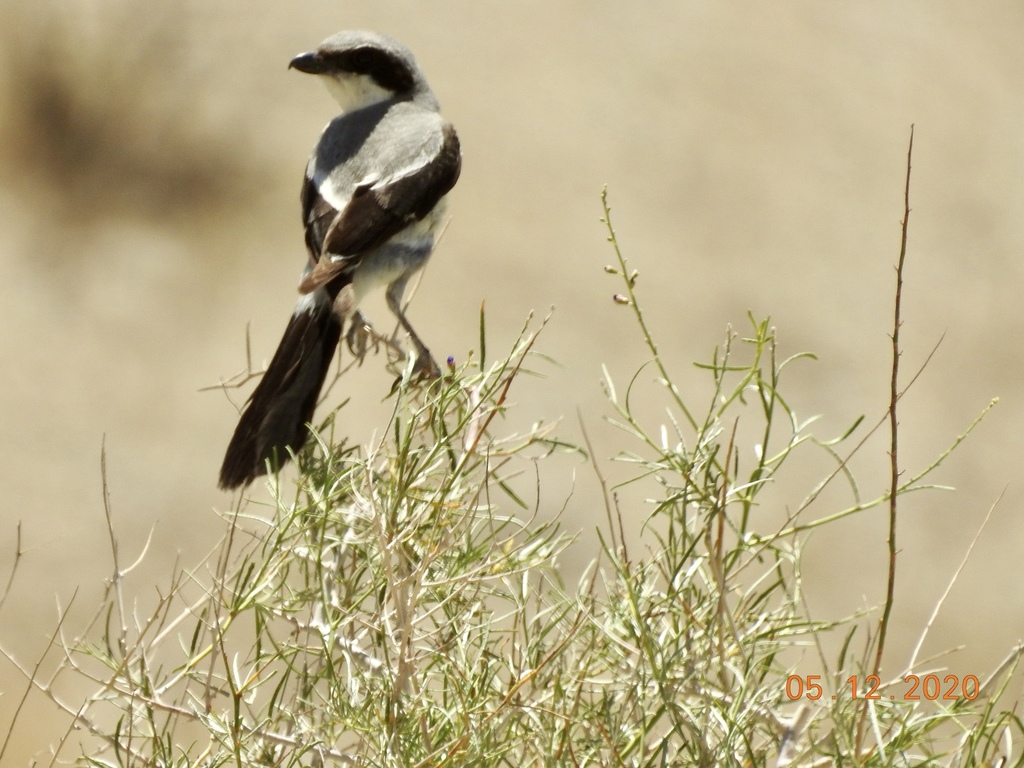
- Loggerhead ShrikeLanius ludovicianus
- Northern BobwhiteColinus virginianus
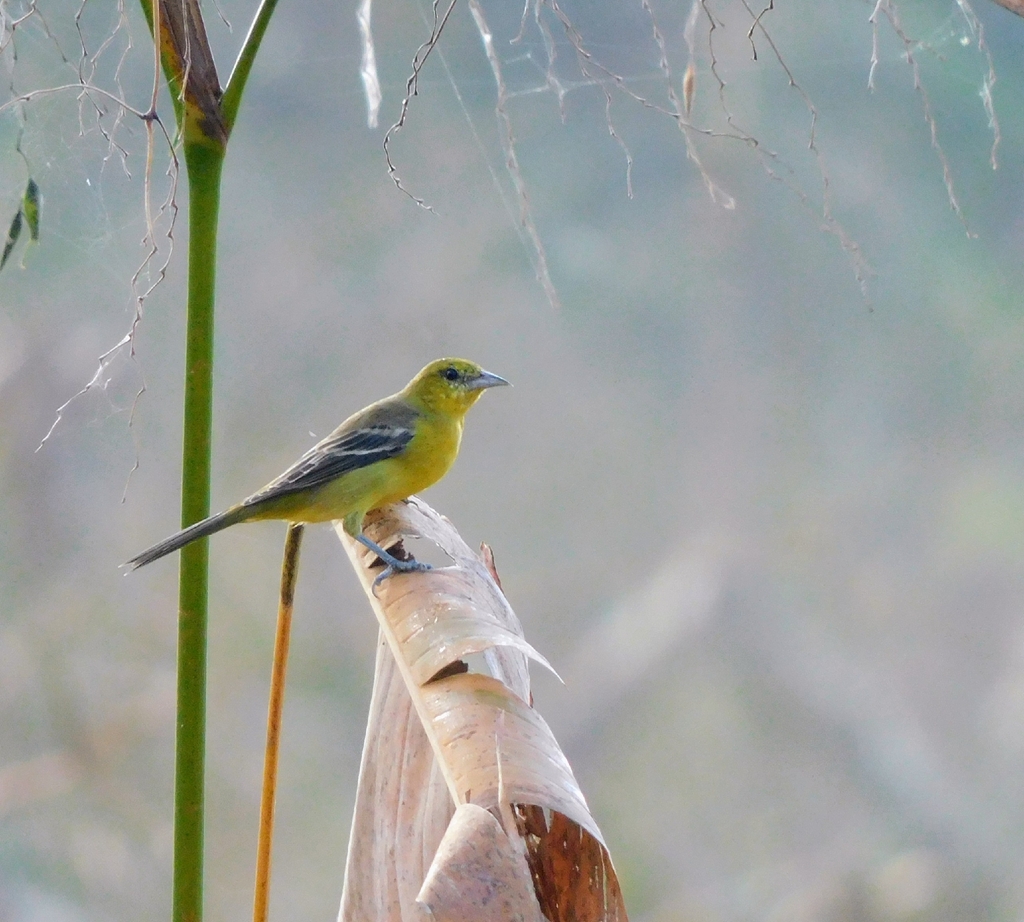
- Orchard OrioleIcterus spurius
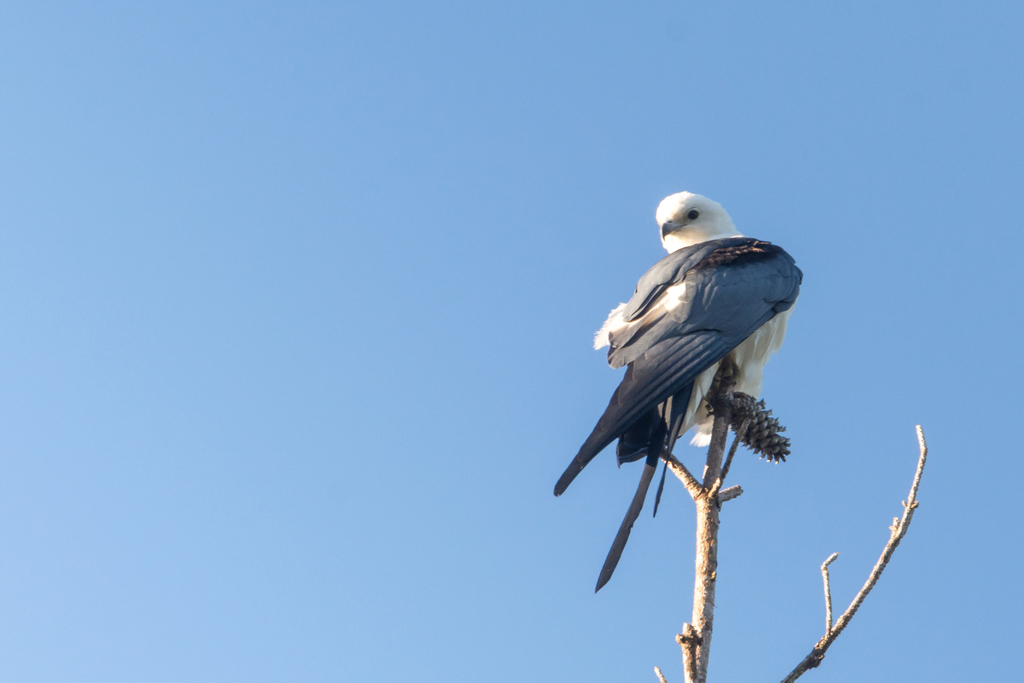
- Swallow-tailed KiteElanoides forficatus
- White-breasted NuthatchSitta carolinensis
- Wood ThrushHylocichla mustelina
- Acadian FlycatcherEmpidonax virescens
- Barred OwlStrix varia
- Gray CatbirdDumetella carolinensis
- Hooded WarblerWilsonia citrina
- Orange-crowned WarblerVermivora celata
- Painted BuntingPasserina ciris
- Summer TanagerPiranga rubra
- Broad-winged HawkButeo platypterus
- Eastern PhoebeSayornis phoebe
- Fox SparrowPasserella iliaca
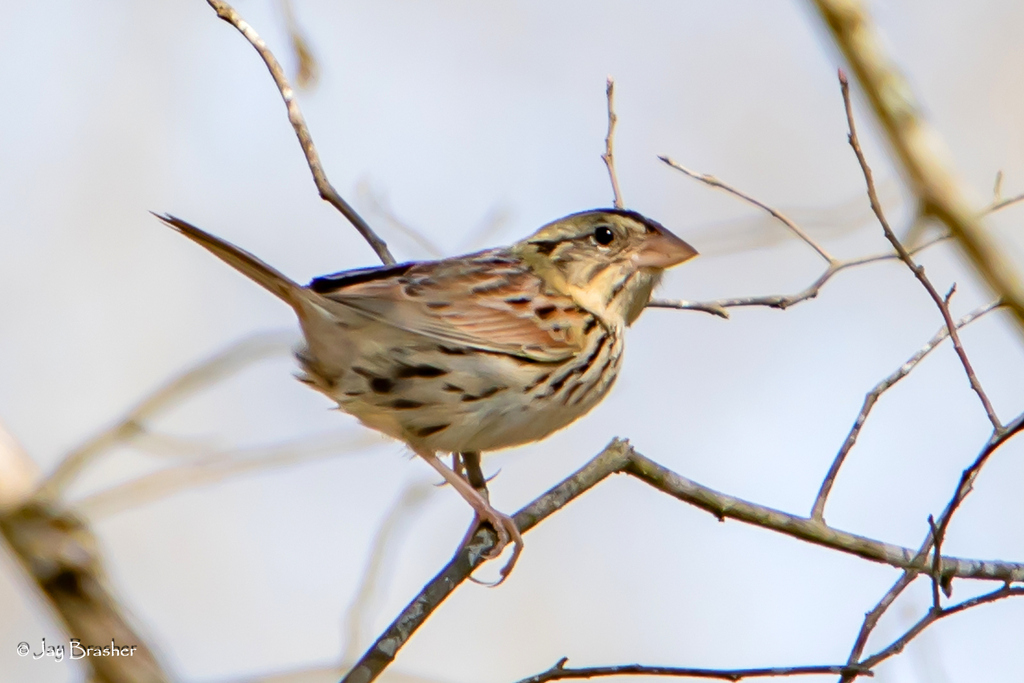
- Henslow's SparrowAmmodramus henslowii
- Hermit ThrushCatharus guttatus
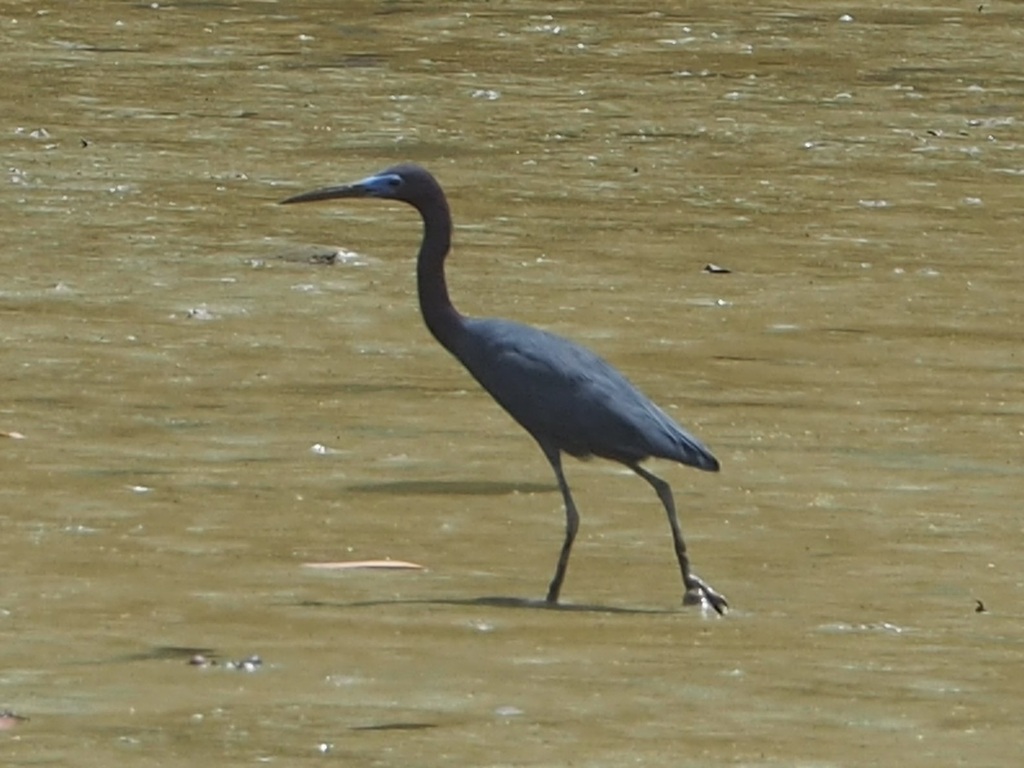
- Little Blue HeronEgretta caerulea
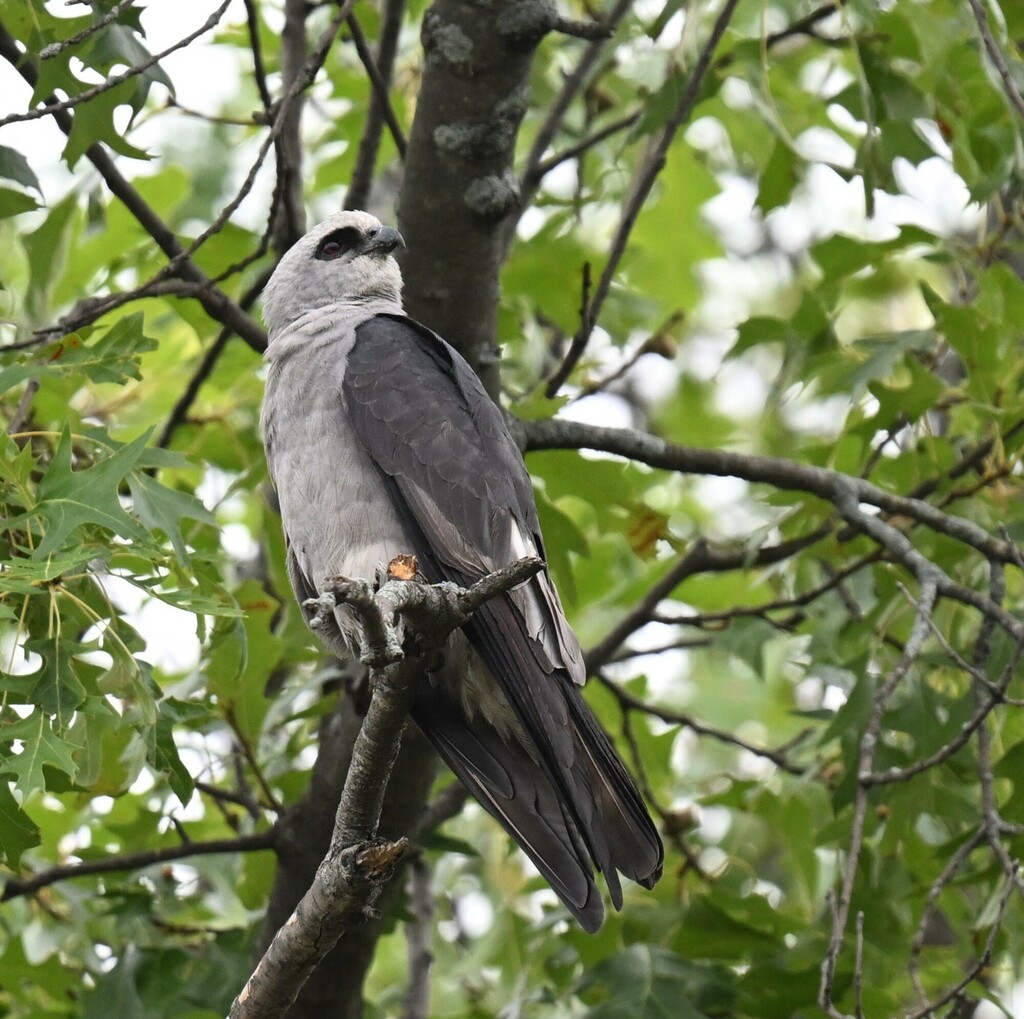
- Mississippi KiteIctinia mississippiensis











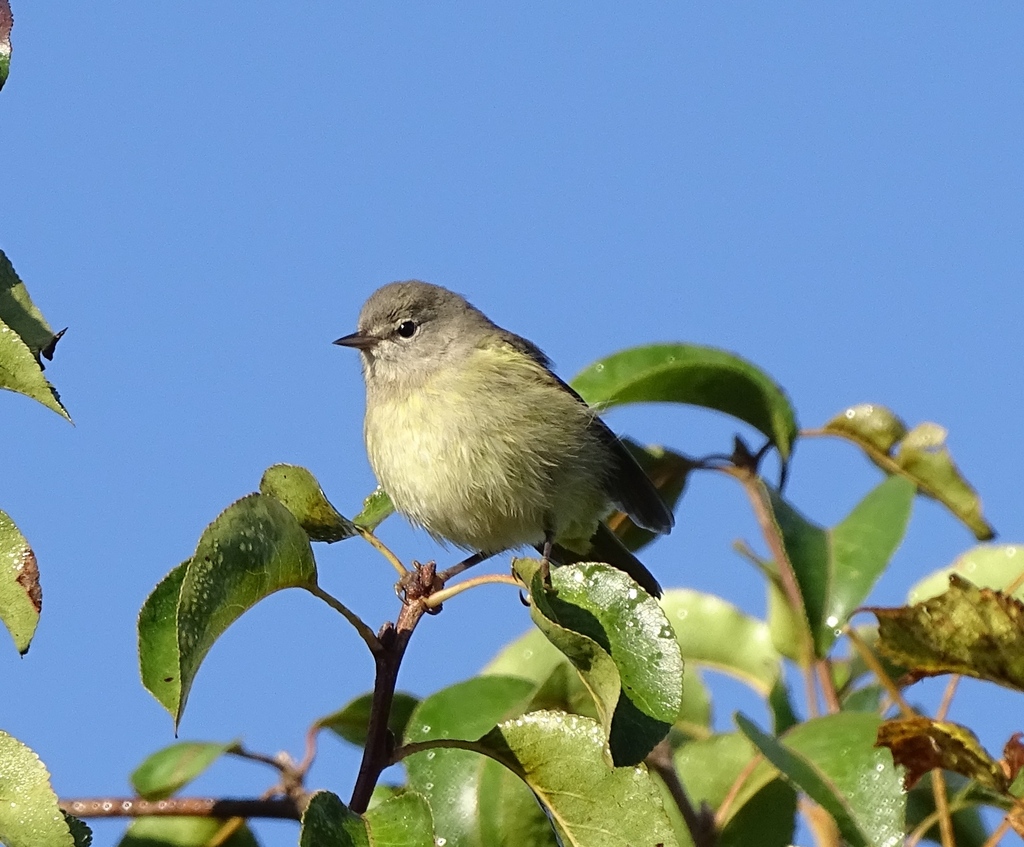
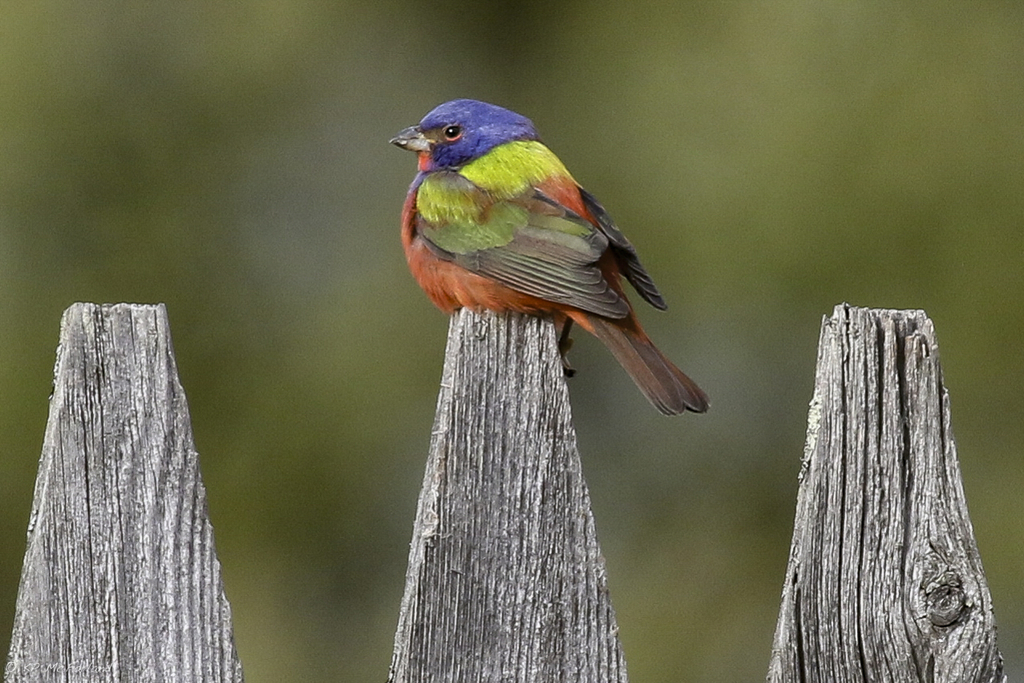
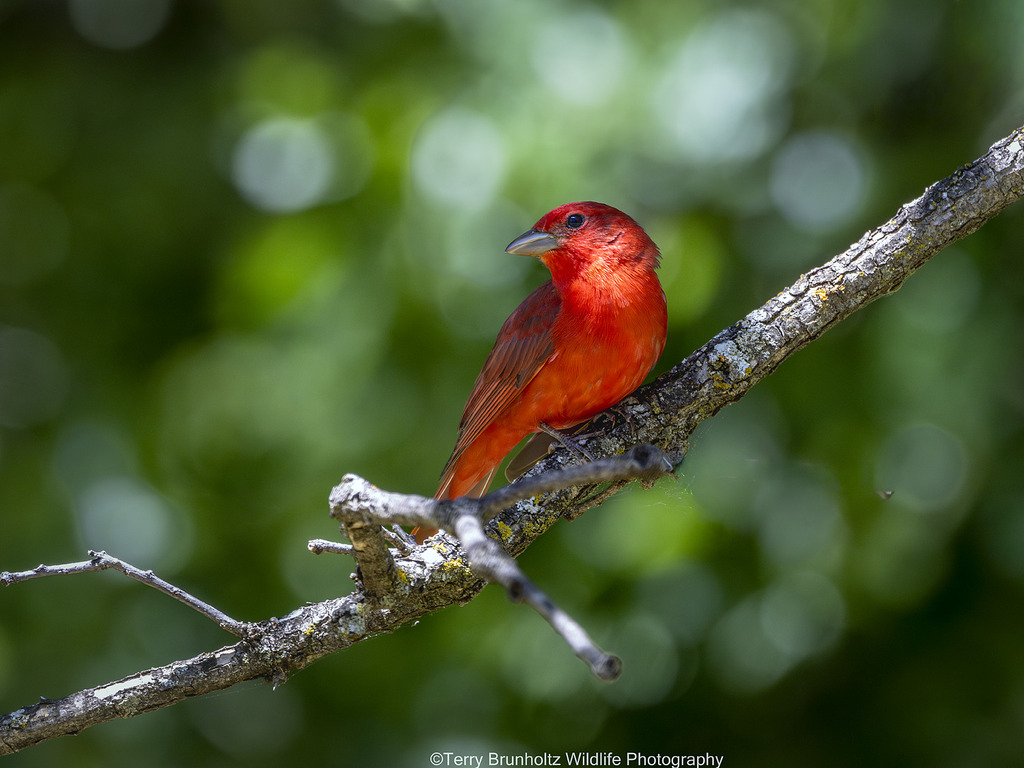


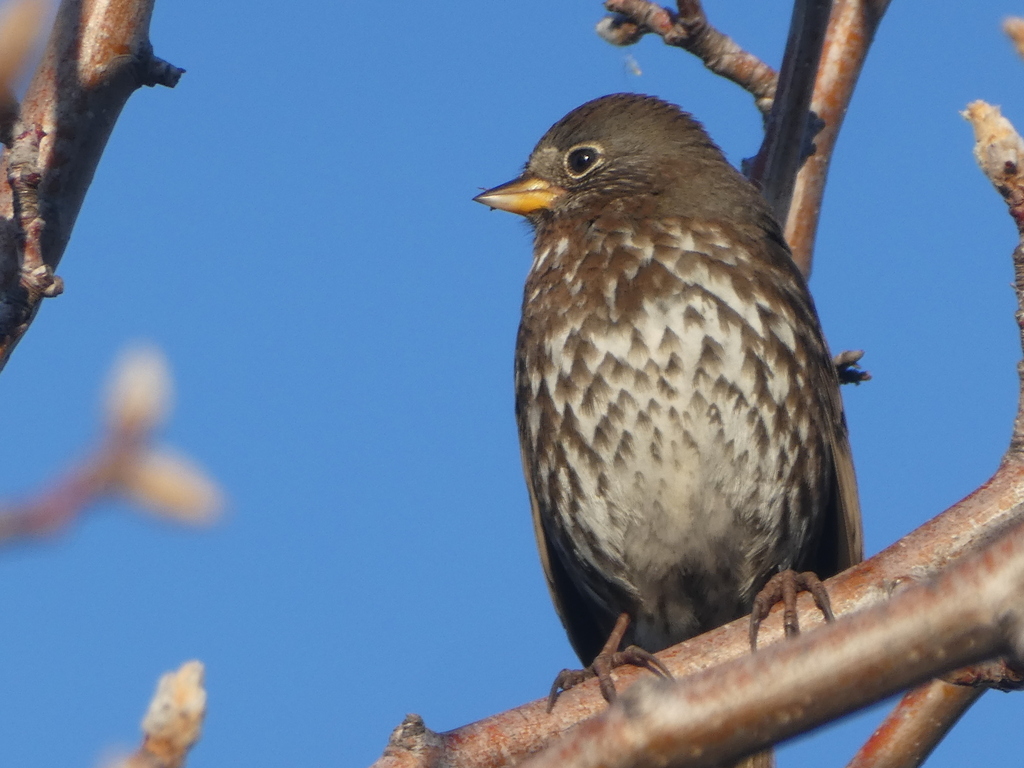

NatureServe Explorer, CC BY 4.0. USGS Gap Analysis Project habitat models.
Sources
- USGS Gap Analysis Project habitat models (2001)
- USGS GAP year-round habitat model for Black Vulture Elevation up to 1,300 m
- USGS Gap Analysis Project range maps (2001), modeled by watershed; migratory gives no dates
- NatureServe Explorer (CC BY 4.0), habitat names
- US Census TIGER/Line counties
- Names follow the USGS Gap Analysis Project (2001)