

Bird
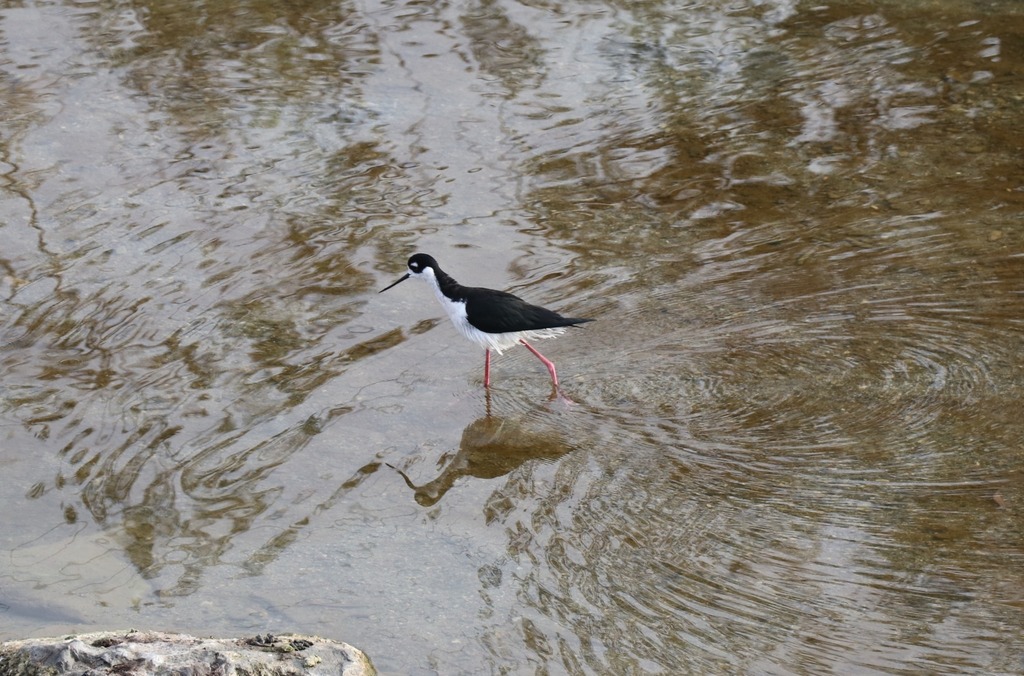
Black-necked Stilt
Himantopus mexicanus
Lives in Mississippi all year and nests here. Found in 46 of 82 counties, across 8 habitats.
- Here
- All year
- Nesting
- Nests here
- Range
- 46 of 82 counties
- Habitats
- 8
At a glance
- Group
- Birds
- Here
- All year
- Nesting
- Nests here
- Range
- 46 of 82 counties
- Habitats
- 8
- Habitat models
- Summer, Winter
Where it lives
The places its habitat model includes. It is not found everywhere a habitat occurs.
Habitats in Mississippi 8
Each habitat page lists the plants and wildlife also found there.
Open sand of beaches, dunes and the hollows between them.
Open, wet, seepage-fed bogs of the Coastal Plain and Sandhills, often with pitcher plants.
Coastal tidal marshes (salinity not stated)
Tidal marshes of the Atlantic and Gulf coasts where the source does not say whether the water is fresh, brackish or salt. A stated salinity files the marsh under freshwater tidal marshes or salt and brackish marshes instead.
Disturbed and introduced wetlands
Wet ground taken over by weedy or introduced plants after disturbance, such as common reed, Chinese tallow or tamarisk stands; the upland counterpart is roadsides, fields and disturbed ground.
Open, fire-kept longleaf pine stands over grasses and wildflowers on wet to moist sandy soil.
Still water and its edges: ponds, lakes, millponds and reservoirs.
Coastal marshes flooded by salty or brackish tides.
Salt and brackish open water of sounds, bays and estuaries, with the mud and sand flats and seagrass beds that tides cover and uncover; the vegetated marsh is salt and brackish marshes.
Other habitats in its models (25)
Land cover, or classes with no habitat page in Mississippi. Those recorded in Mississippi first, the rest by region.
Elsewhere in the South (14)
- Atlantic Coastal Plain Central Fresh-Oligohaline Tidal Marsh Summer and winter.
- Atlantic Coastal Plain Central Salt and Brackish Tidal Marsh Summer and winter.
- Atlantic Coastal Plain Embayed Region Tidal Freshwater Marsh Summer and winter.
- Atlantic Coastal Plain Embayed Region Tidal Salt and Brackish Marsh Summer and winter.
- Atlantic Coastal Plain Indian River Lagoon Tidal Marsh Summer and winter.
- Atlantic Coastal Plain Large Natural Lakeshore Summer and winter.
- Central Florida Herbaceous Pondshore Summer and winter.
- Central Florida Herbaceous Seep Summer and winter.
- Florida Big Bend Fresh-Oligohaline Tidal Marsh Summer and winter.
- Florida Big Bend Salt-Brackish Tidal Marsh Summer and winter.
- Floridian Highlands Freshwater Marsh Summer and winter.
- South Florida Everglades Sawgrass Marsh Summer and winter.
- South Florida Wet Marl Prairie Summer and winter.
- Texas Saline Coastal Prairie Summer and winter.
Northeast (2)
- Atlantic Coastal Plain Northern Fresh and Oligohaline Tidal Marsh Summer and winter.
- Atlantic Coastal Plain Northern Tidal Salt Marsh Summer and winter.
Land cover and other classes (9)
- Atlantic Coastal Plain Depression Pondshore Summer and winter.
- East Gulf Coastal Plain Large River Floodplain Forest - Herbaceous Modifier Summer and winter.
- East Gulf Coastal Plain Southern Depression Pondshore Summer and winter.
- Eastern Great Plains Wet Meadow, Prairie, and Marsh Summer and winter.
- Open Water (Aquaculture) Summer and winter.
- South-Central Interior Large Floodplain - Herbaceous Modifier Summer and winter.
- Unconsolidated Shore Summer and winter.
- Unconsolidated Shore (Lake/River/Pond) Summer and winter.
- Western Great Plains Depressional Wetland Systems Summer and winter.
Seasons in Mississippi
- Year-round: nests here, in 2 of 82 counties.
- Migratory: does not nest here, in 45 of 82 counties.
- Winter: does not nest here, in 2 of 82 counties.
- Summer: nests here, in 2 of 82 counties.
Also found in this habitat
Plants 123
Plants named in NatureServe descriptions of these habitats that grow in Mississippi. Shared habitat, not food.
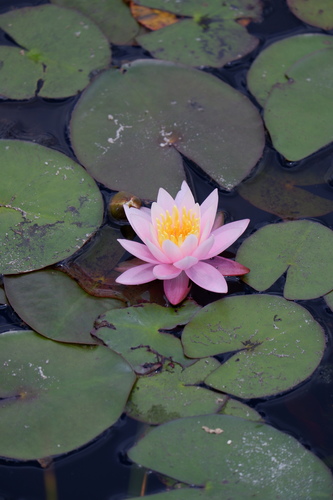
- Fragrant Water-lilyNymphaea odorata
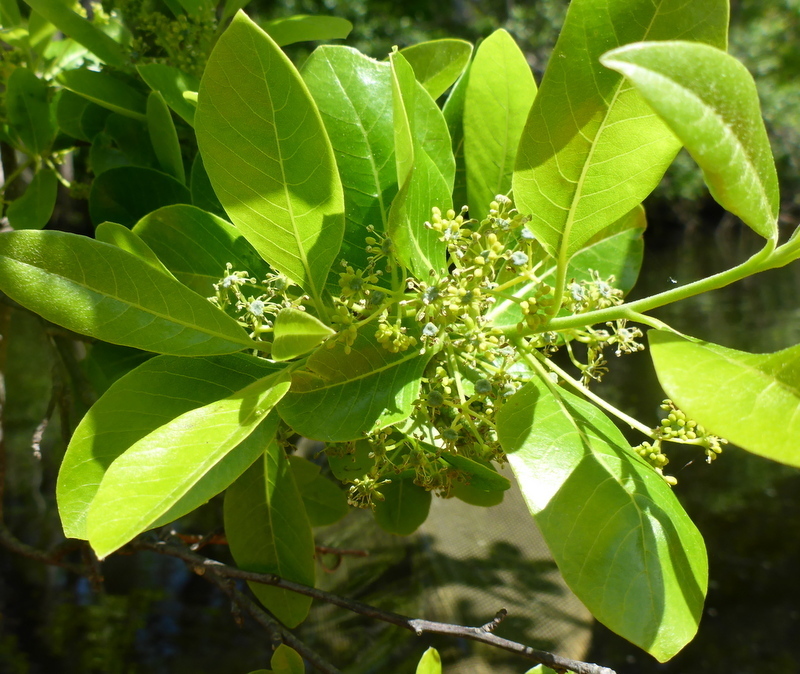
- Swamp TupeloNyssa biflora
- Panicum amarum var. amarulumPanicum amarum var. amarulum
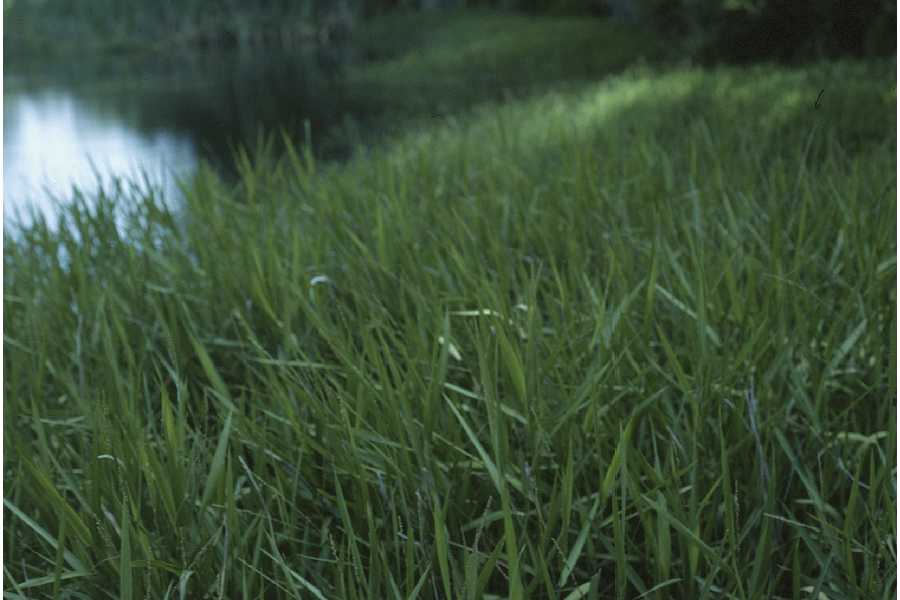
- MaidencanePanicum hemitomon
- Panicum tenerumPanicum tenerum
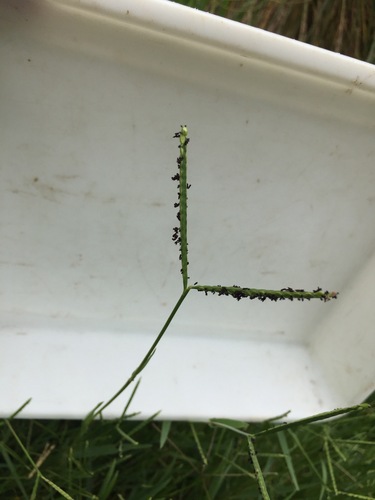
- KnotgrassPaspalum distichum
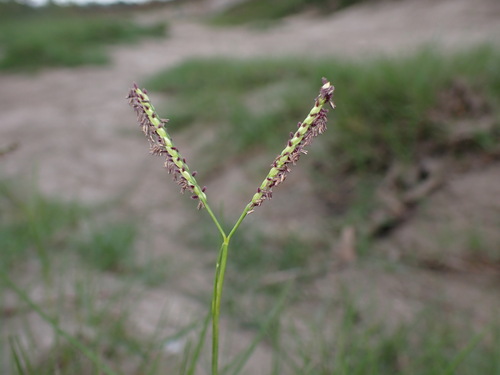
- Seashore CrowngrassPaspalum vaginatum
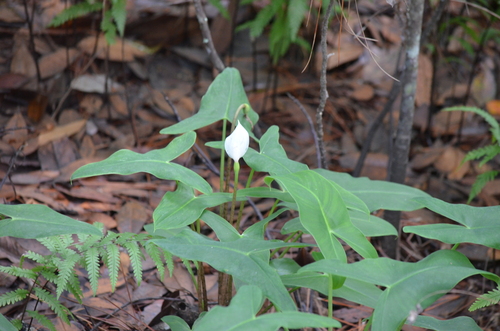
- White Arrow-arumPeltandra sagittifolia
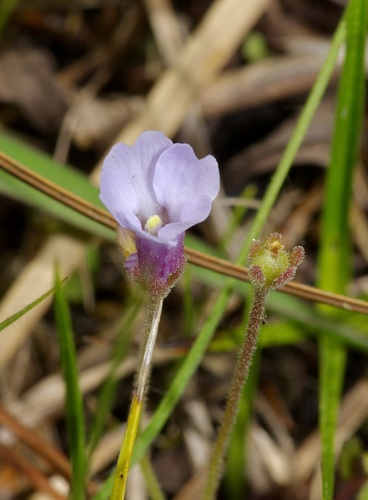
- Pinguicula primulifloraPinguicula primuliflora
- Small ButterwortPinguicula pumila
- Slash PinePinus elliottii
- Pinus elliottii var. elliottiiPinus elliottii var. elliottii
- Platanthera blephariglottis var. conspicuaPlatanthera blephariglottis var. conspicua
- Tall JointweedPolygonella gracilis
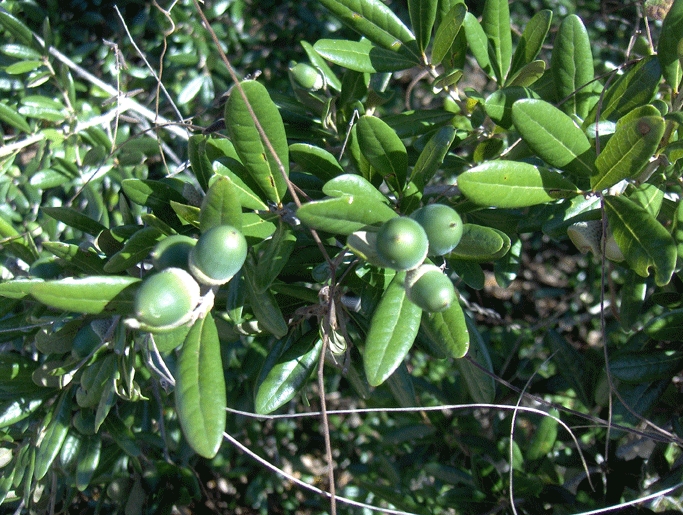
- Sand Live OakQuercus geminata
- Overcup OakQuercus lyrata
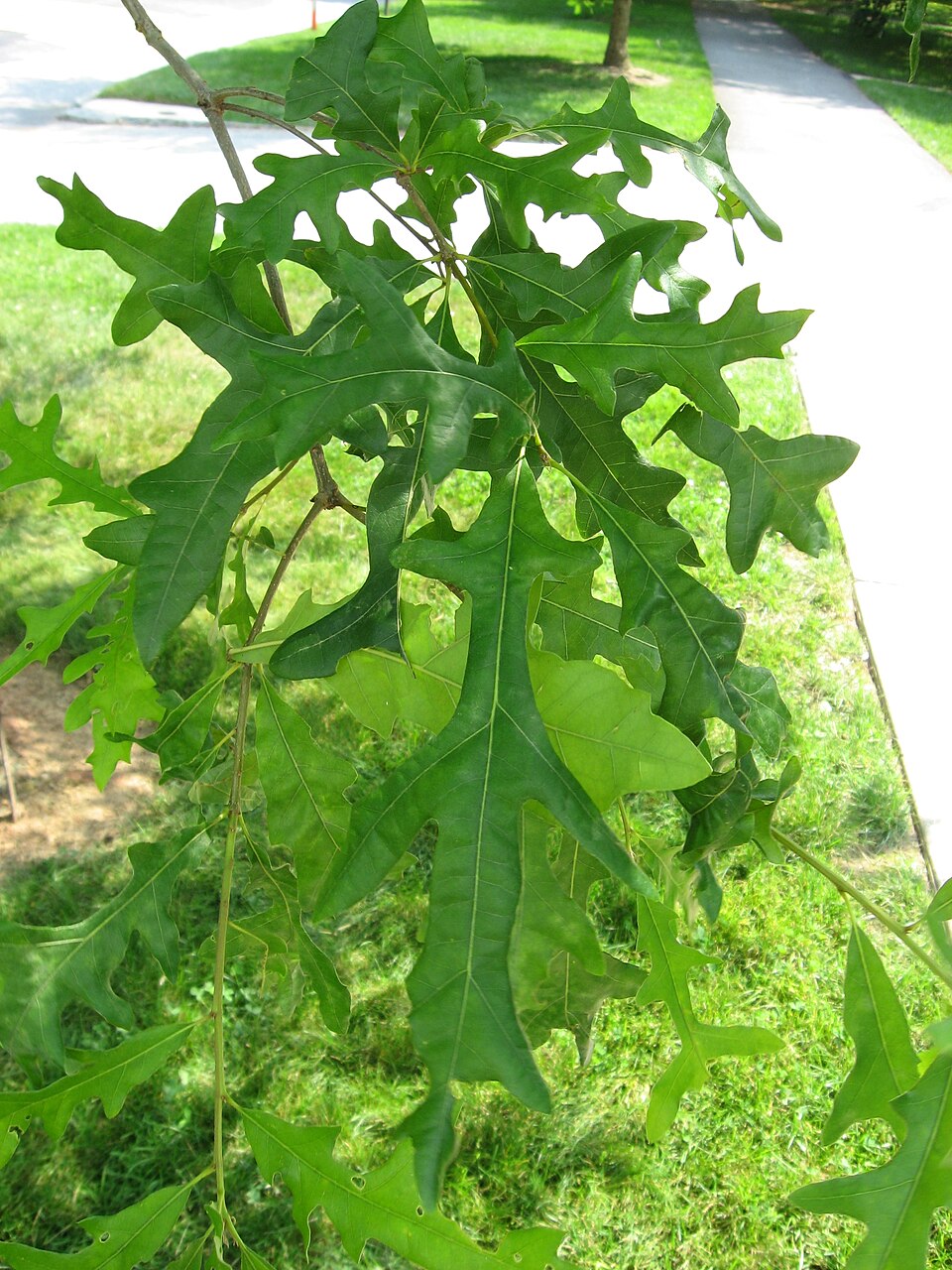
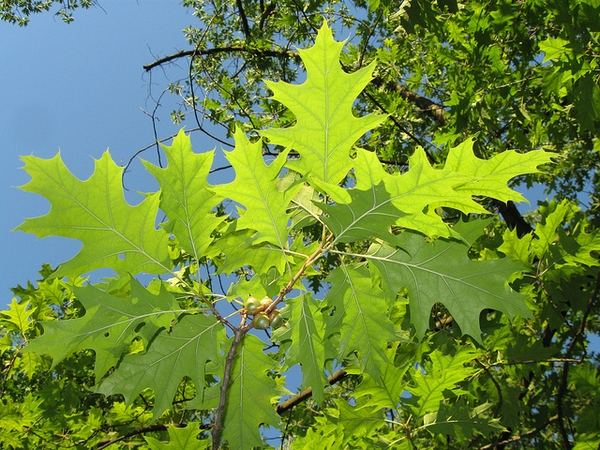
- Pin OakQuercus palustris
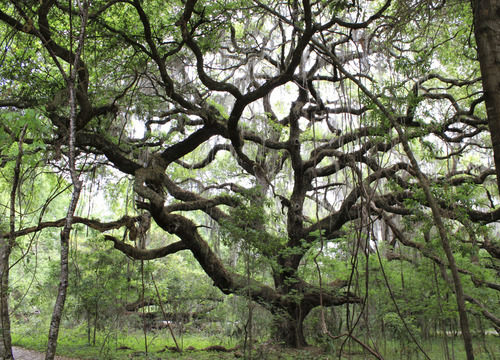
- Live OakQuercus virginiana
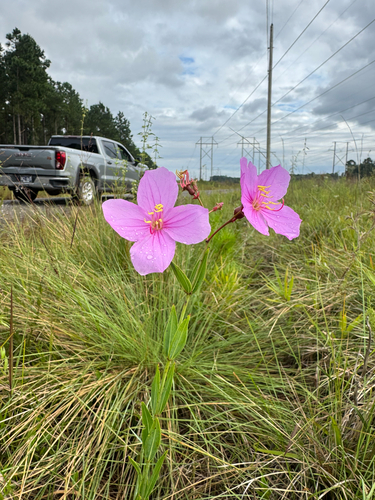
- Savanna Meadow-beautyRhexia alifanus
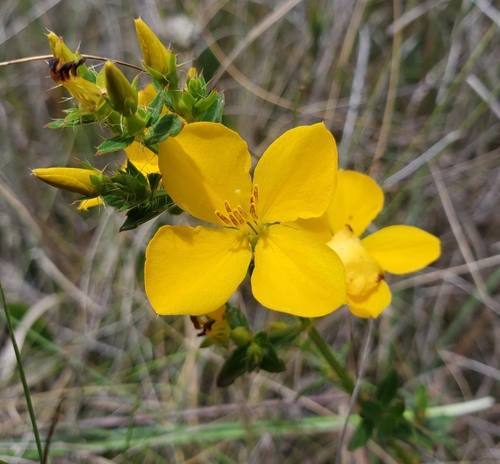
- Yellow Meadow-beautyRhexia lutea
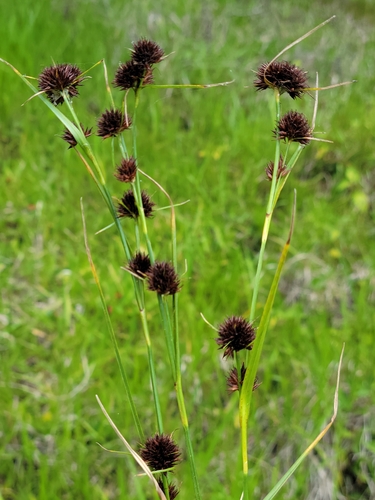
- Bunched BeaksedgeRhynchospora cephalantha
- Chapman's BeaksedgeRhynchospora chapmanii
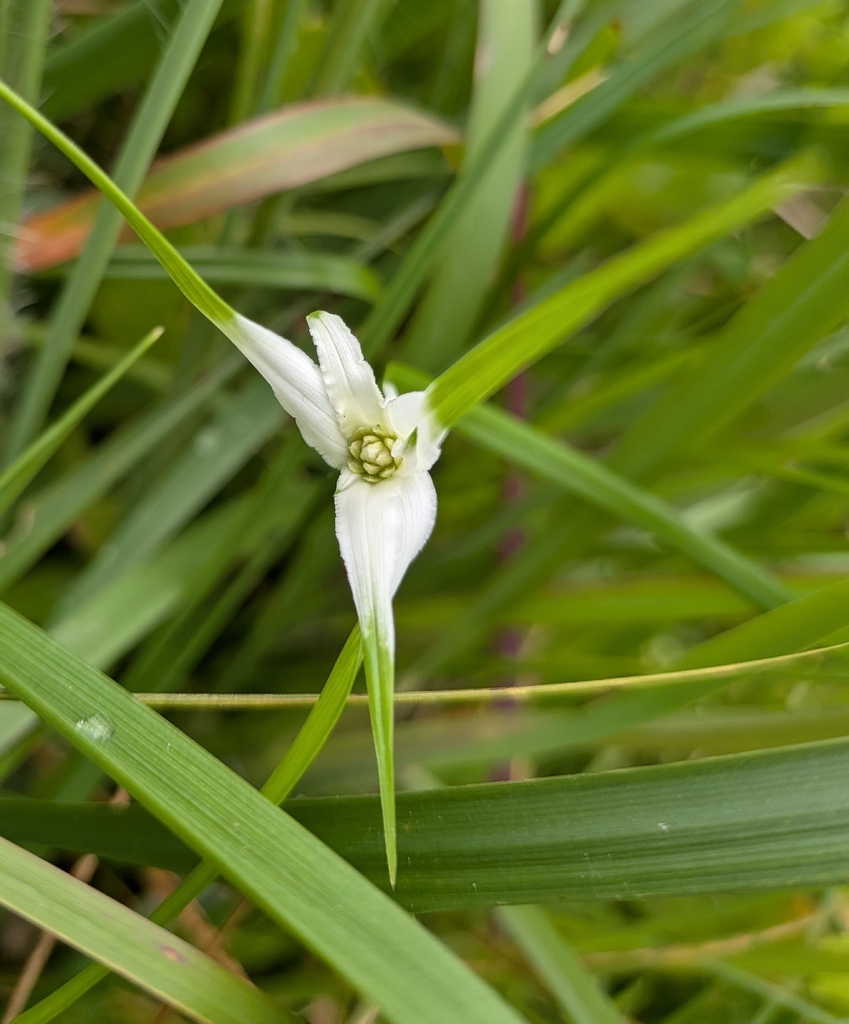
- Starrush Whitetop SedgeRhynchospora colorata
- Short-bristle Horned BeaksedgeRhynchospora corniculata
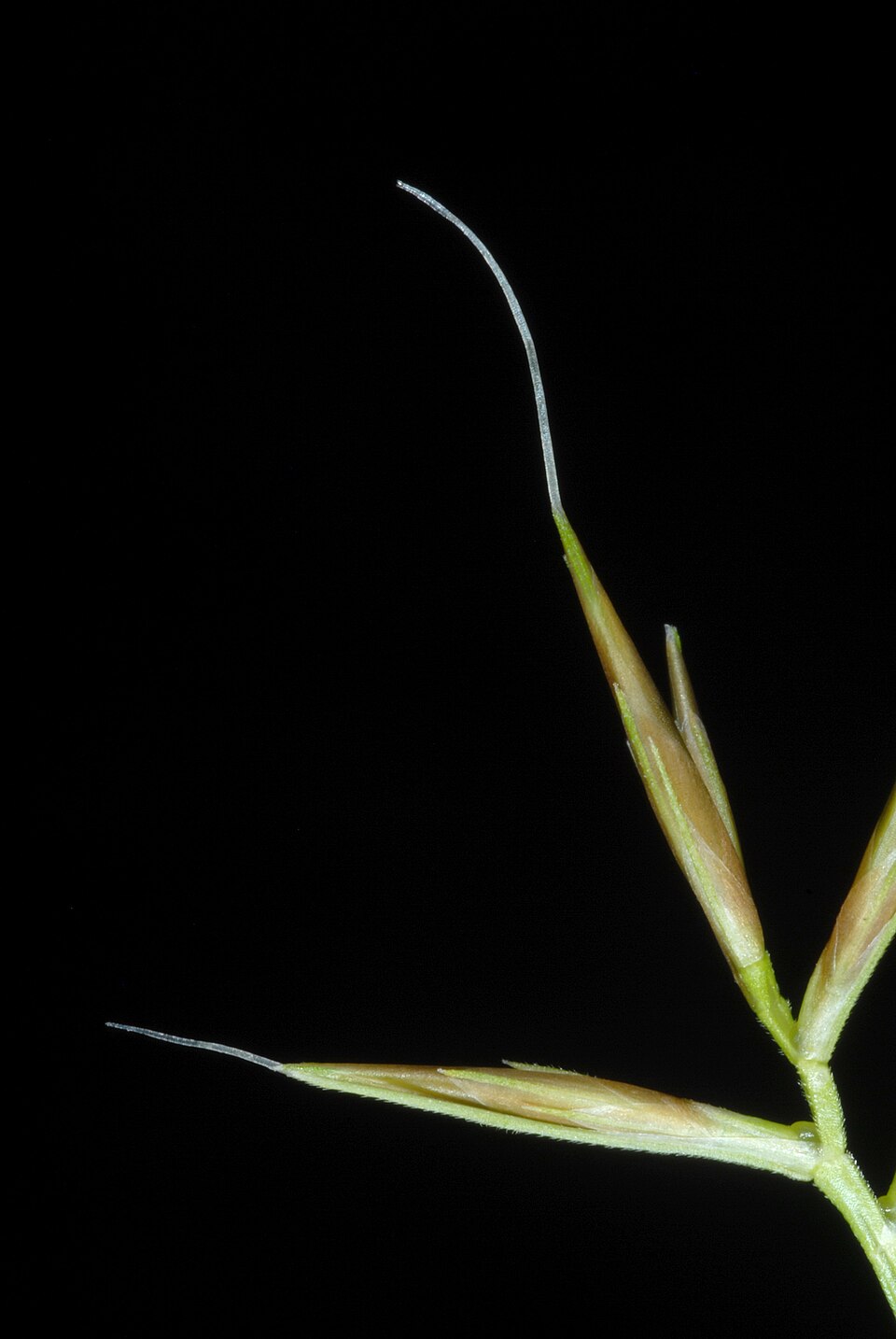
Wildlife 233
Other animals whose habitat models include the same habitats in Mississippi. Not sighting records.
- American Black DuckAnas rubripes
- American PipitAnthus rubescens
- Bank SwallowRiparia riparia
- Black-crowned Night-heronNycticorax nycticorax
- Boat-tailed GrackleQuiscalus major
- Canada GooseBranta canadensis
- Common NighthawkChordeiles minor
- Great Blue HeronArdea herodias
- Great EgretArdea alba
- Great Horned OwlBubo virginianus
- Least SandpiperCalidris minutilla
- Lesser YellowlegsTringa flavipes
- Mottled DuckAnas fulvigula
- Snowy EgretEgretta thula
- Stilt SandpiperCalidris himantopus
- Tree SwallowTachycineta bicolor
- Yellow-crowned Night-heronNyctanassa violacea
- American BitternBotaurus lentiginosus
- American CootFulica americana
- Belted KingfisherMegaceryle alcyon
- Blue-winged TealAnas discors
- CanvasbackAythya valisineria
- Chimney SwiftChaetura pelagica
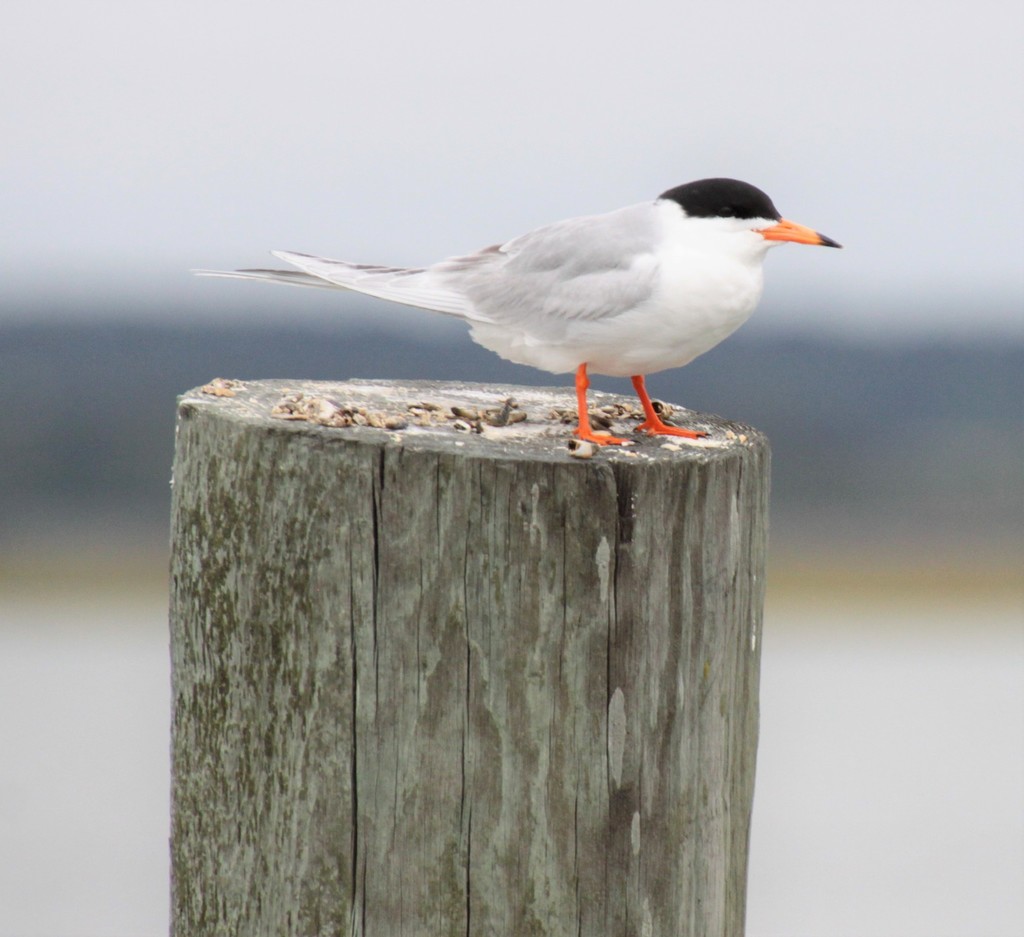
- Forster's TernSterna forsteri

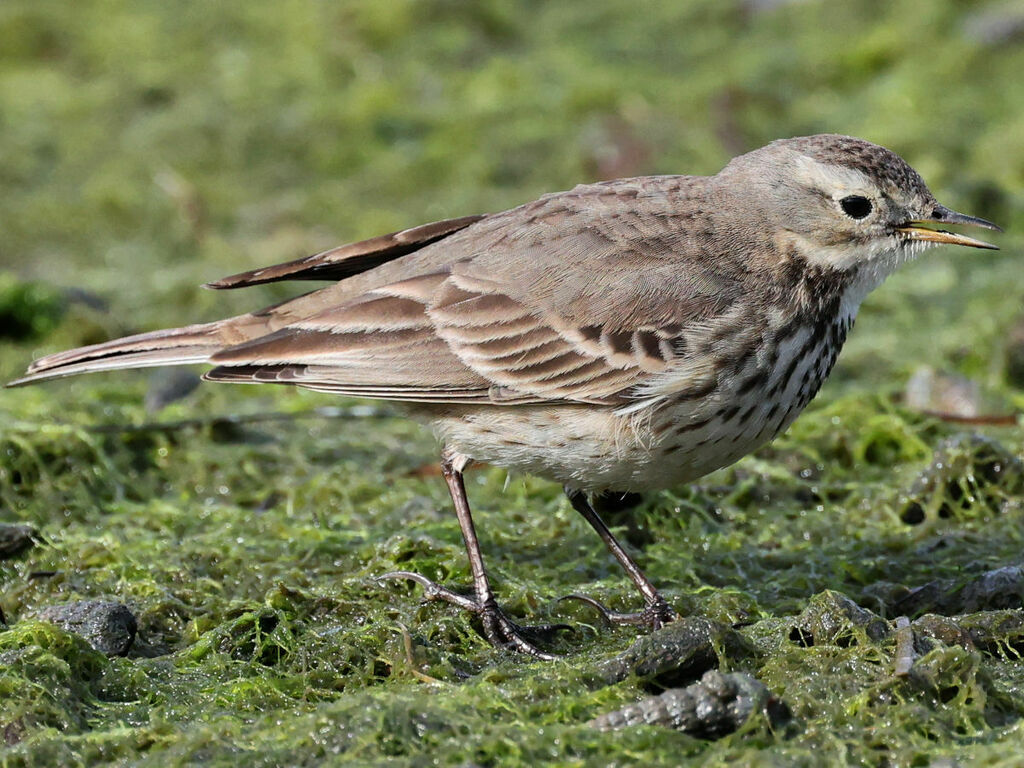


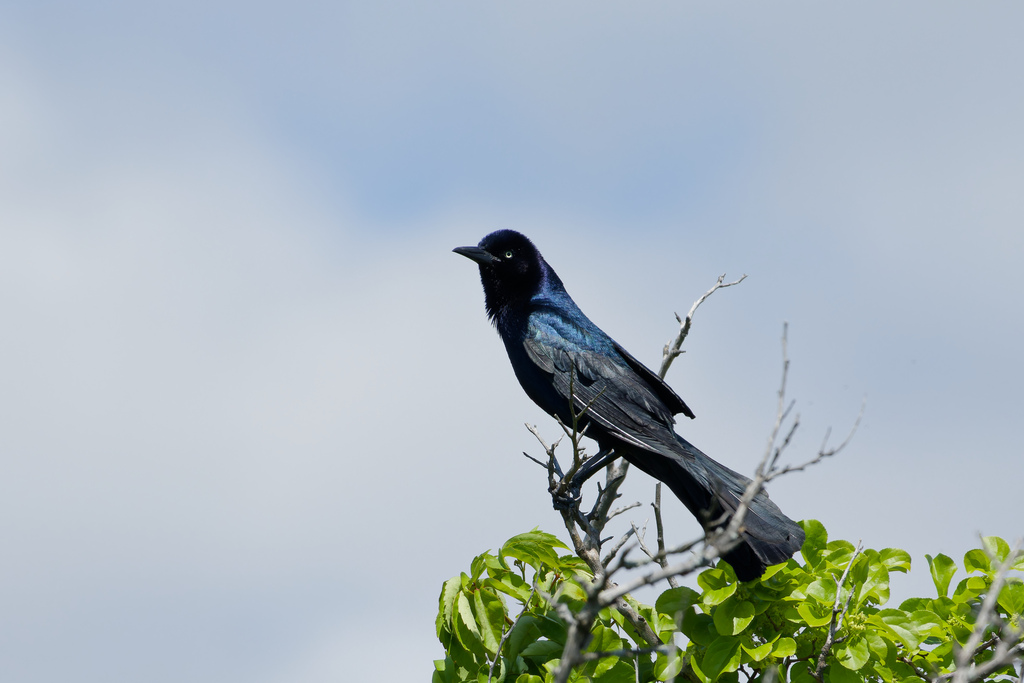


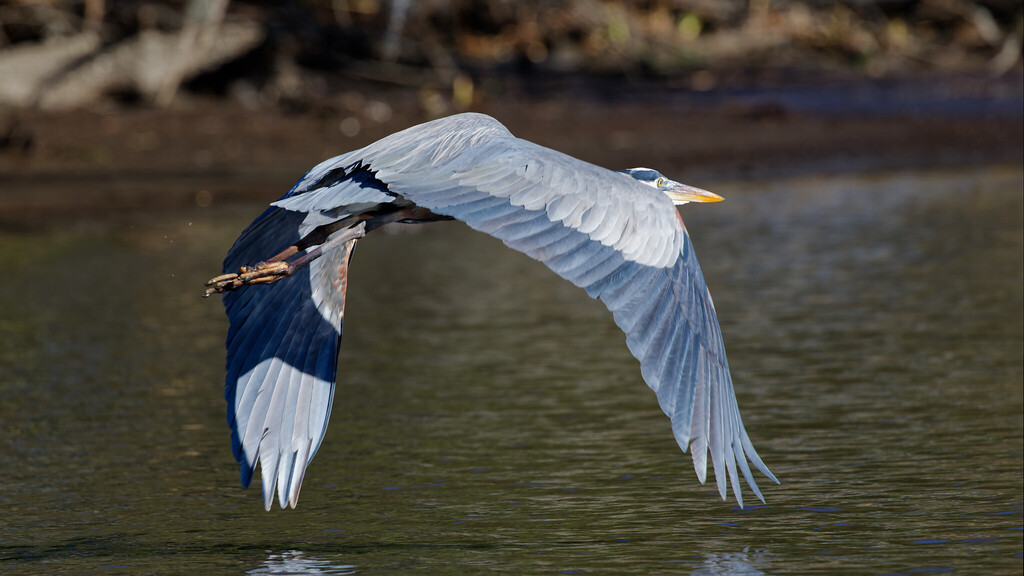


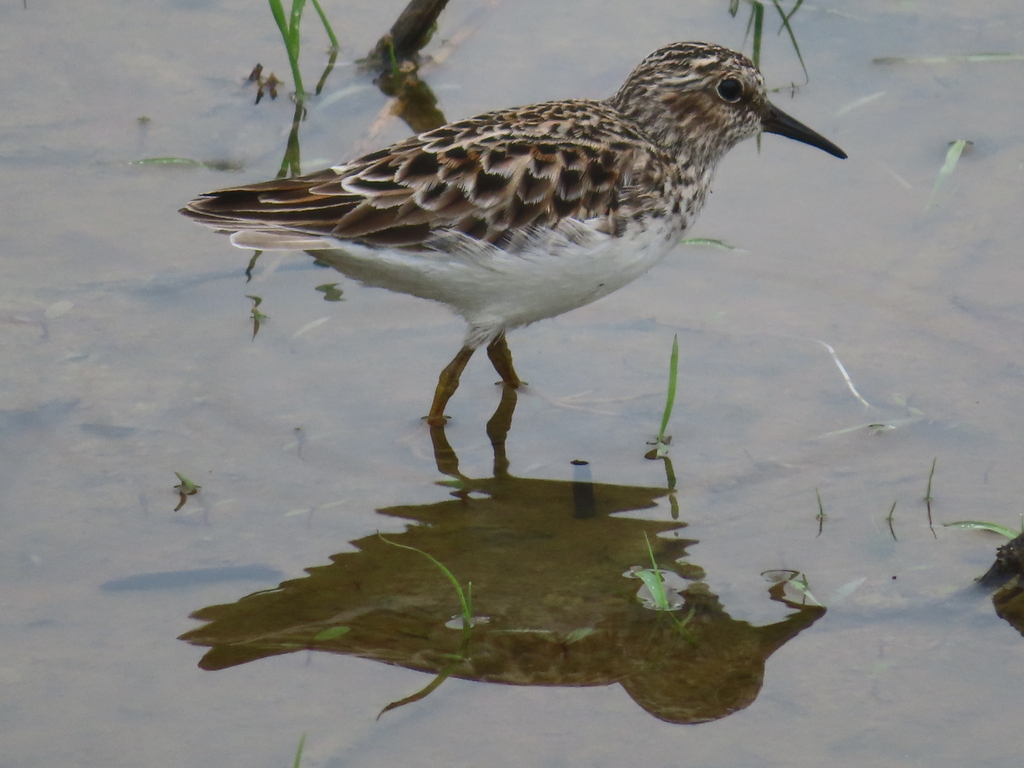
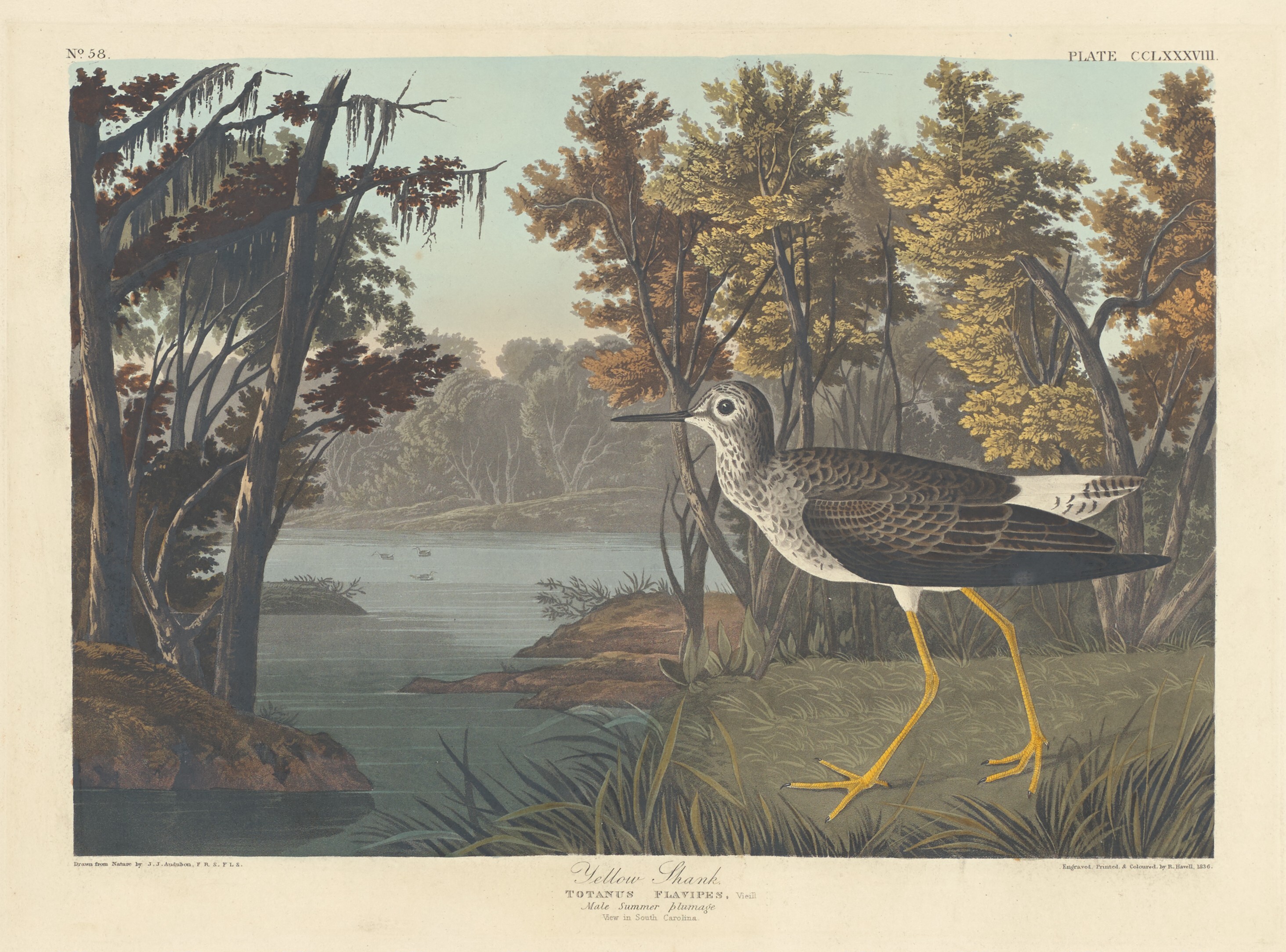
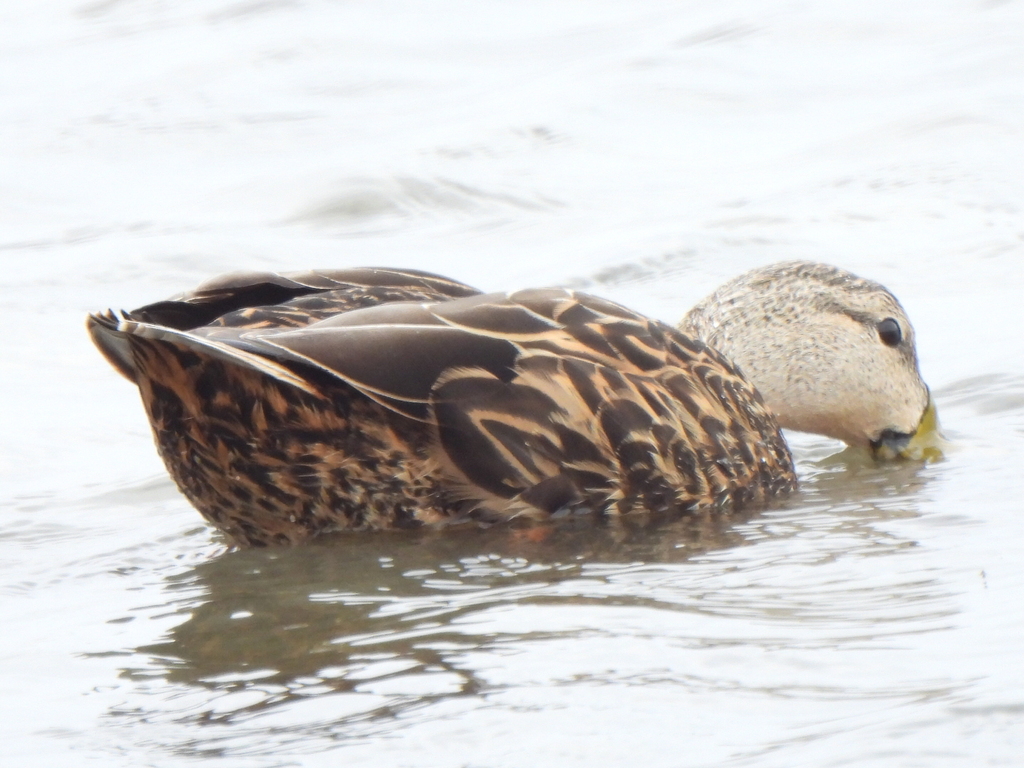
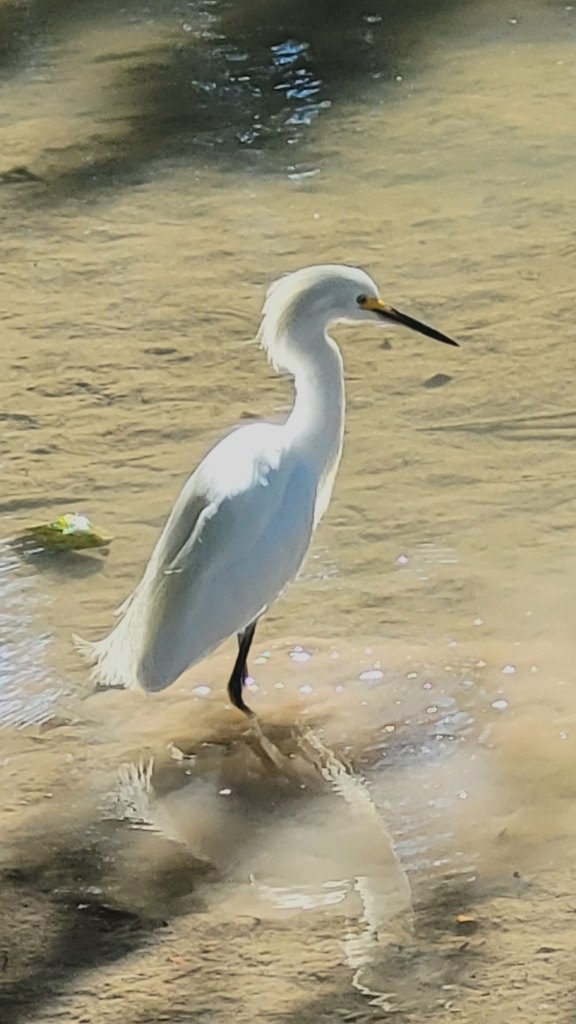
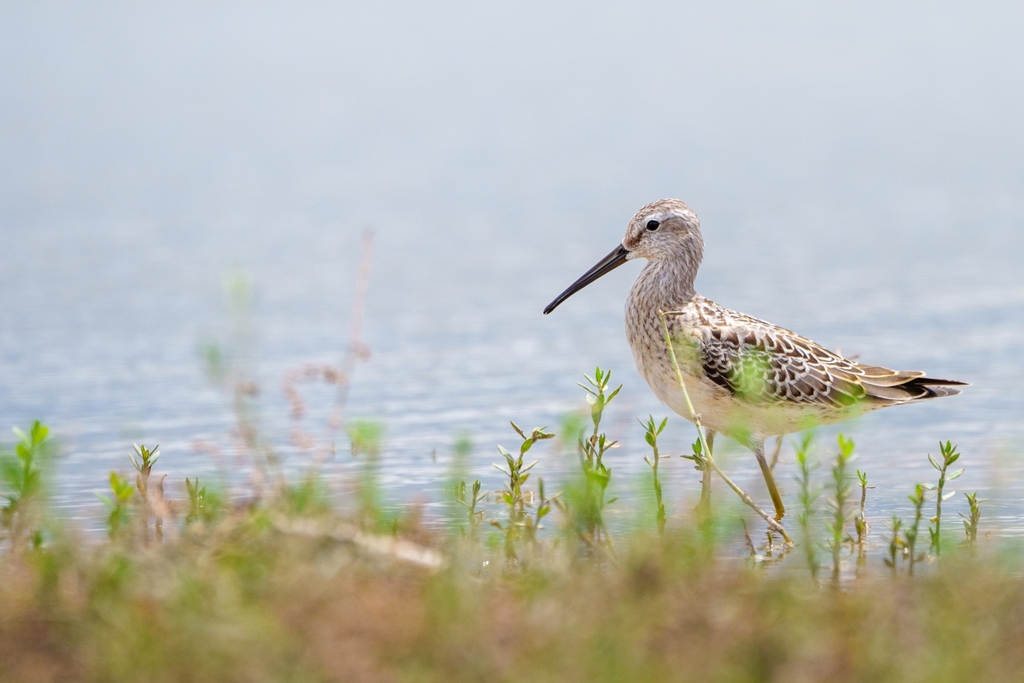


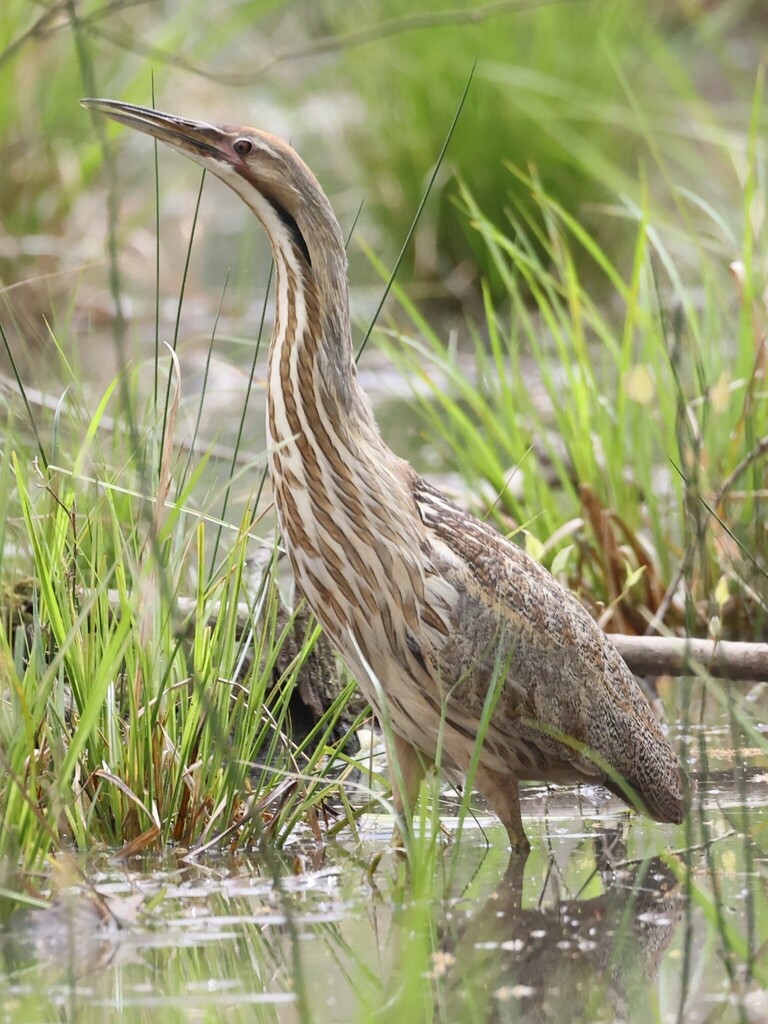
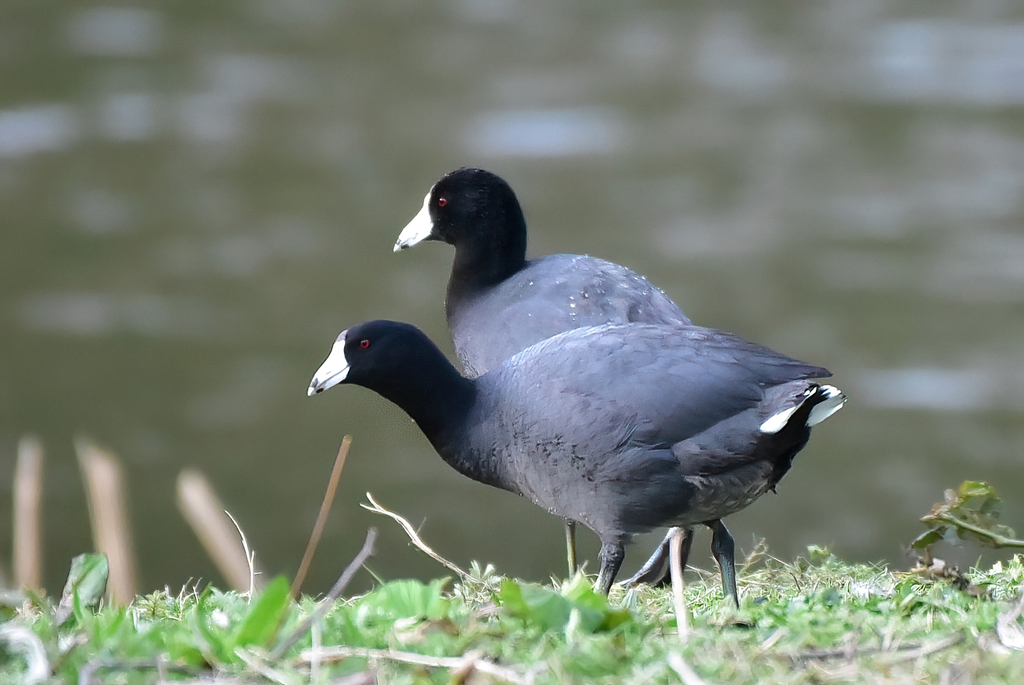

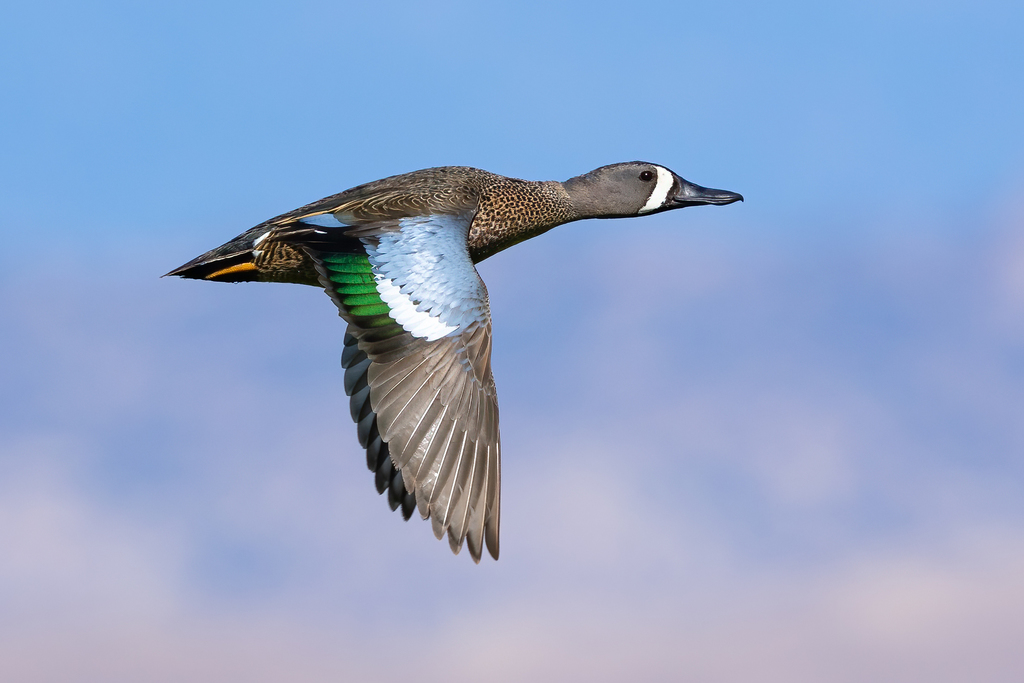


NatureServe Explorer, CC BY 4.0. USGS Gap Analysis Project habitat models.
Sources
- USGS Gap Analysis Project habitat models (2001)
- USGS GAP winter habitat model for Black-necked Stilt
- USGS Gap Analysis Project range maps (2001), modeled by watershed; migratory gives no dates
- NatureServe Explorer (CC BY 4.0), habitat names
- US Census TIGER/Line counties
- Names follow the USGS Gap Analysis Project (2001)