

Sparkleberry
Vaccinium arboreum
Found in sandhills; glades, barrens and outcrops on mafic or serpentine rock; glades, barrens and outcrops on limestone. Weakley, Flora of the Southeastern United States (2025), South Central edition What its natural habitat tells you
Native to Mississippi (estimated). How scores work Is it native here?
Profile 100%
- Height
- 8–15 feet
- Spread
- 4–10 feet
- Light
- Full sun, Partial shade
- Soil moisture
- Somewhat dry to moist
Space about 7 ft apart from its recorded spread. Enter your bed size for a count
Will it fit your yard?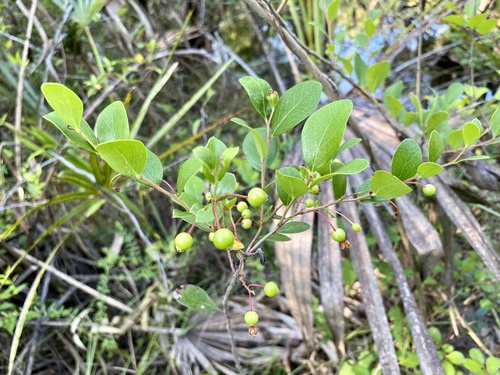
At a glance
- Life cycle
- Woody perennial
- Leaves
- Deciduous, semi-evergreen or evergreen
- Bloom
- Spring and summer
- Fruiting season
- September to October
Recorded in 67 Mississippi counties.
Natural habitats
Places it grows wild. Not a planting requirement. Each habitat page lists the plants and wildlife also found there.
Dry, deep-sand ridges with longleaf pine and turkey oak, kept open by fire.
Glades, barrens and outcrops on mafic or serpentine rock
Open, thin-soil openings, outcrops and cliffs on dark, magnesium- or iron-rich rock such as serpentine, diabase or gabbro.
Glades, barrens and outcrops on limestone
Open, thin-soil openings and rock on limestone, dolomite or other lime-rich rock, including cedar glades.
Also found with this plant
Wildlife whose habitat models include habitats this plant grows in, in Mississippi. Shared habitat, not food. 103 animals.
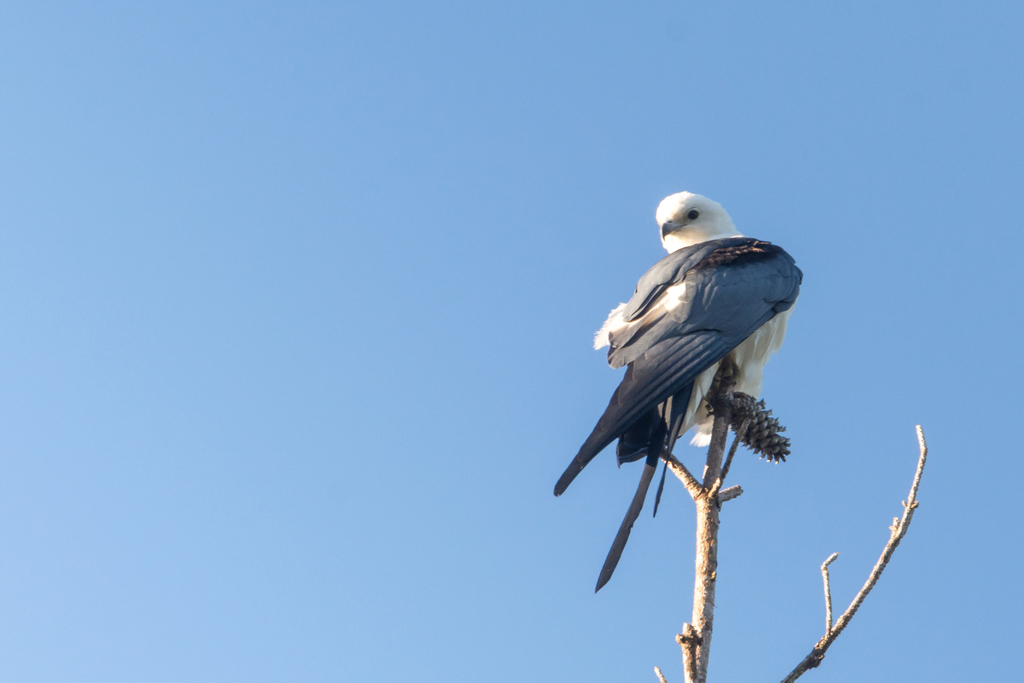
- Swallow-tailed KiteElanoides forficatus
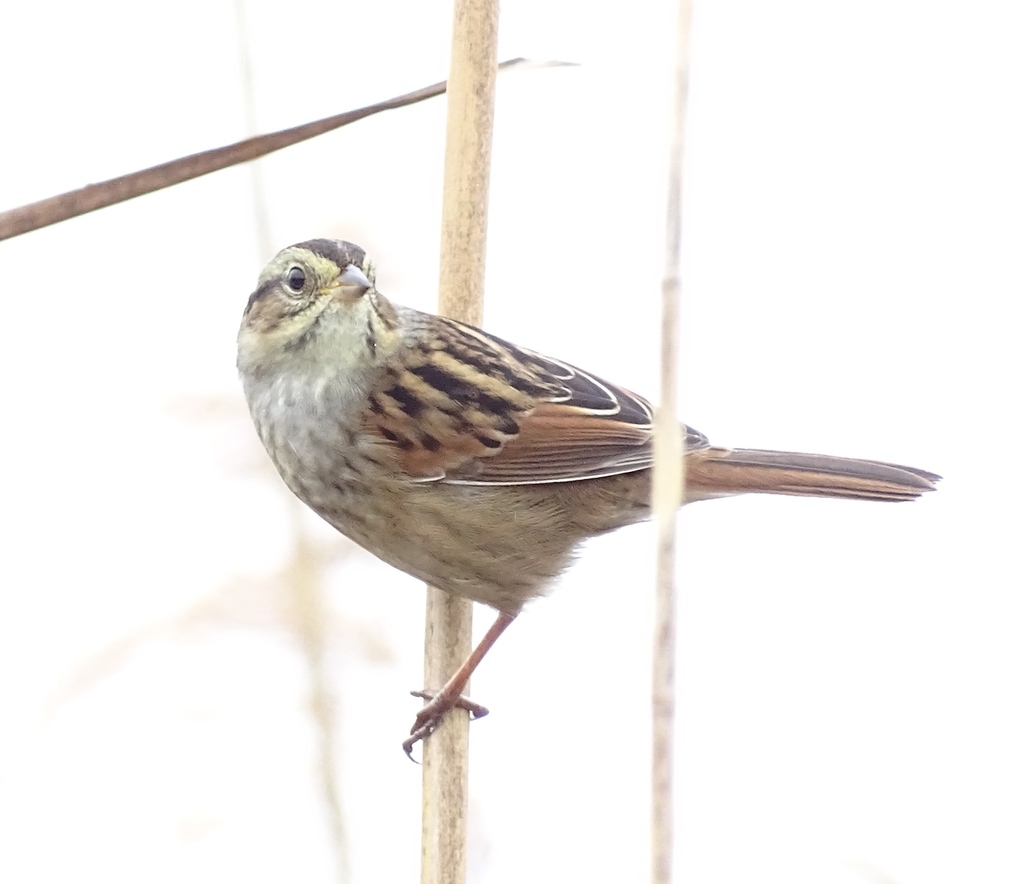
- Swamp SparrowMelospiza georgiana
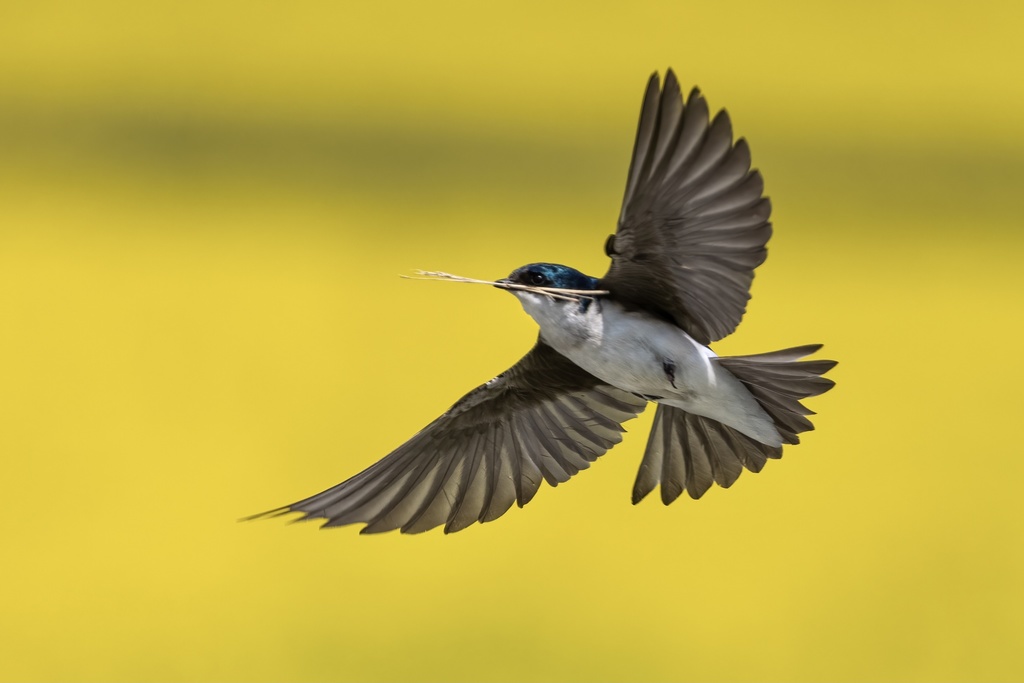
- Tree SwallowTachycineta bicolor
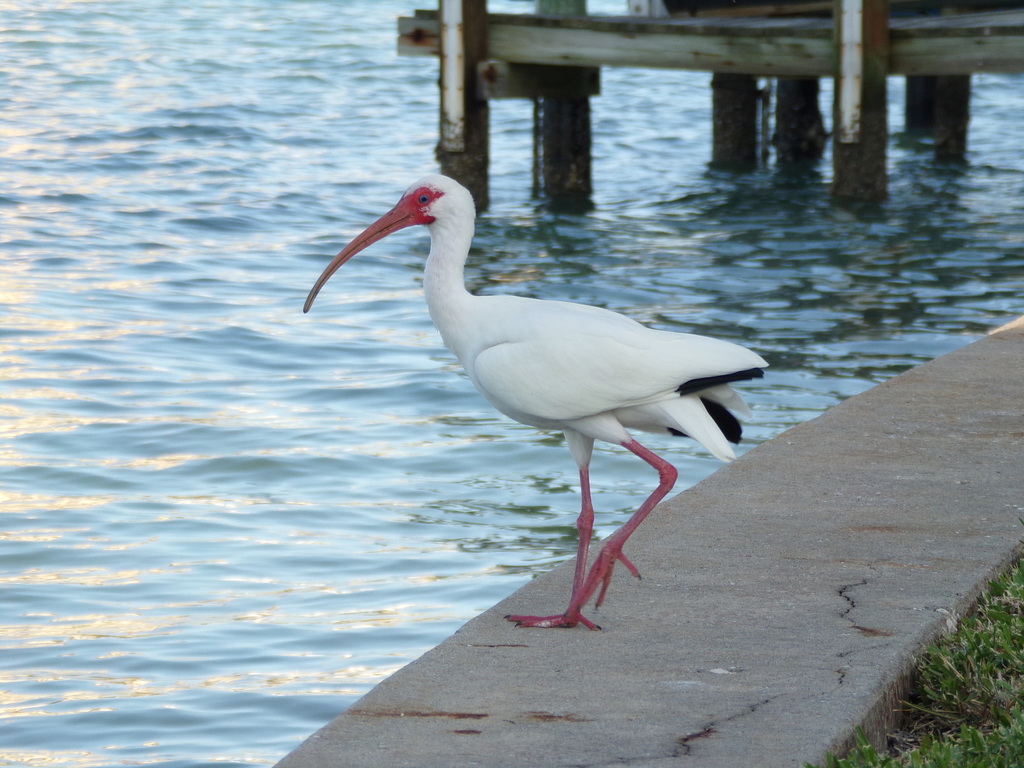
- White IbisEudocimus albus
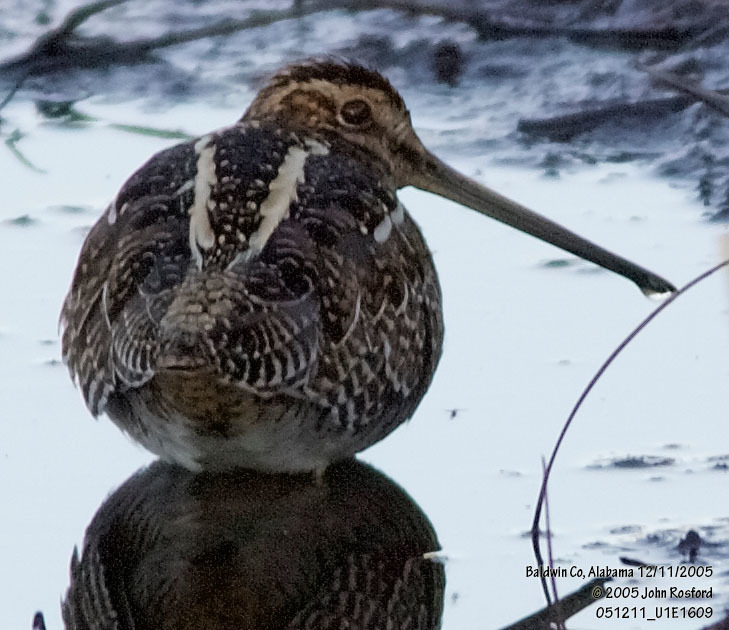
- Wilson's SnipeGallinago delicata
- Wood DuckAix sponsa
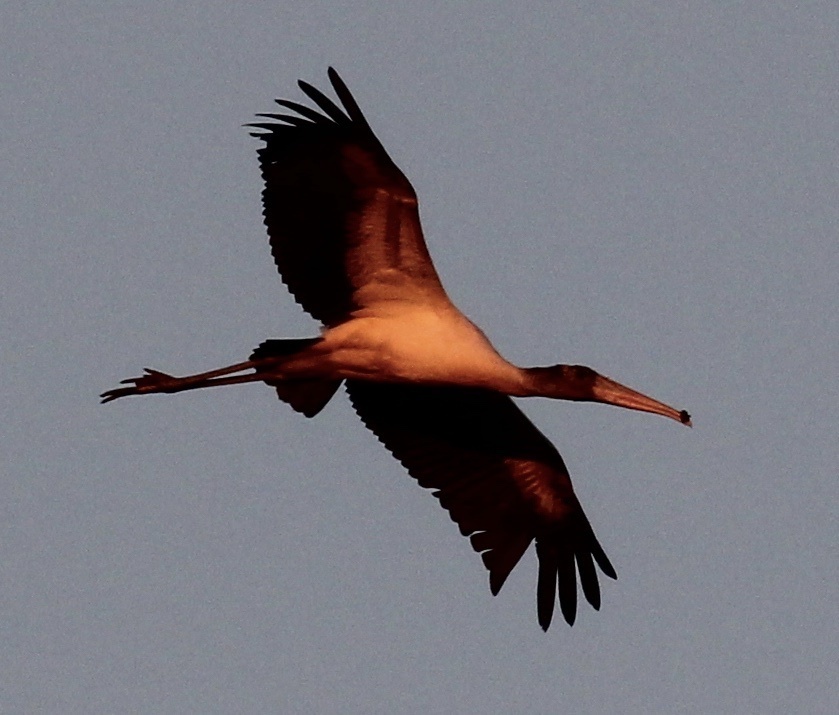
- Wood StorkMycteria americana

Widespread birds also seen here (33)
Found in many habitats here, so not listed above.
- American Crow
- American Goldfinch
- American Kestrel
- American Robin
- Bald Eagle
- Belted Kingfisher
- Black-crowned Night-heron
- Chimney Swift
- Common Grackle
- Common Nighthawk
- Common Yellowthroat
- Cooper's Hawk
- Eastern Kingbird
- Eastern Screech-owl
- Eastern Towhee
- Eurasian Collared-dove
- European Starling
- Fish Crow
- Great Crested Flycatcher
- Great Horned Owl
- Hooded Merganser
- Mourning Dove
- Northern Cardinal
- Northern Flicker
- Northern Mockingbird
- Osprey
- Red-tailed Hawk
- Red-winged Blackbird
- Sharp-shinned Hawk
- Turkey Vulture
- Yellow-breasted Chat
- Yellow-crowned Night-heron
- Yellow-rumped Warbler
Who uses this plant?
 166CaterpillarsGenus host records with ranges including MS
Genus host records with ranges including MS · Vaccinium
- Abagrotis alternataGreater Red Dart, Mottled Grey Cutworm
- Acharia stimuleaSaddleback Caterpillar Moth
- Achatia distinctaDistinct Quaker
- Acleris curvalanaBlueberry Leaftier Moth
- Acleris maculidorsanaStained-Back Leafroller Moth
- Acleris minutaLesser Apple Leaf Folder, Yellowheaded Fireworm
- Acrobasis vacciniiCranberry Fruitworm
- Acronicta americanaAmerican Dagger
- Acronicta funeralisFunerary Dagger, Paddle Caterpillar
- Acronicta impletaYellow-Haired Dagger
Show all 166
- Acronicta noctivagaNight-Wandering Dagger, Burglar Dagger
- Acronicta tritonaGray Dagger, Triton Dagger
- Agrotis ipsilonIpsilon Dart, Black Cutworm, Greasy Cutworm
- Alsophila pometariaFall Cankerworm Moth
- Amorbia humerosanaWhite-Lined Leafroller Moth
- Amphipyra pyramidoidesMiranda Underwing, Copper Underwing, Copper Amphipyra
- Anagrapha falciferaCelery Looper Moth
- Anania tertialisCrowned Anania, Crowned Phlyctaenia
- Anavitrinella pampinariaCommon Gray, Cranberry Spanworm
- Ancylis muricanaRed-Headed Ancylis
- Antaeotricha leucillanaWell-Marked Leaf Tier, Pale Gray Bird-Dropping Moth
- Antheraea polyphemusPolyphemus Moth
- Archips argyrospilaFruit-Tree Leafroller Moth
- Archips georgianaFireworm, Georgia Leafroller
- Archips purpuranaOmnivorous Leafroller Moth
- Argyrotaenia velutinanaRed-Banded Leafroller Moth, Jack Pine Tube Moth
- Aroga trialbamaculellaRed-Striped Fireworm Moth
- Caenurgina erechteaClover Looper Moth, Common Grass Moth, Forage Looper
- Callophrys augustinusThe Brown Elfin
- Callophrys henriciHenry's Elfin
- Caloptilia belfragellaDogwood Caloptilia
- Catocala andromedaeAndromeda Underwing
- Catocala gracilisGraceful Underwing
- Catocala sordidaSordid Underwing
- Cecrita guttivittaMaple Prominent, Saddled Prominent
- Cenopis diluticostanaSpring Dead-Leaf Roller Moth, Oak Cenopis
- Cenopis directanaChokecherry Leafroller Moth
- Cenopis pettitanaMaple-Basswood Leafroller Moth
- Cenopis reticulatanaReticulated Fruitworm Moth
- Cerastis tenebriferaReddish Speckled Dart
- Chaetaglaea sericeaSilky Sallow
- Chloropteryx tepperariaAngled-Winged Emerald
- Choristoneura rosaceanaOblique-Banded Leafroller Moth, Rosaceous Leaf Roller
- Coelodasys apicalisPlain Schizura
- Coelodasys unicornisUnicorn Caterpillar Moth
- Crocigrapha normaniNorman's Quaker
- Darapsa choerilusAzalea Sphinx
- Dasychira basiflavaYellow-Based Tussock Moth
- Datana drexeliiDrexel's Datana
- Datana majorMajor Datana, Azalea Caterpillar
- Datana ministraYellow-Necked Caterpillar Moth
- Datana ranaecepsPost-Burn Datana
- Dichomeris ligulellaPalmerworm
- Drasteria graphicaGraphic Moth, Coastal Graphic
- Ectropis crepusculariaThe Small Engrailed, Saddleback Looper
- Egira alternansAlternate Woodling
- Elaphria grataGrateful Midget
- Emmelina monodactylaMorning-Glory Plume Moth
- Epiglaea apiataRound-Loaf Sallow, Cranberry Sallow, Pointed Sallow Moth
- Erannis tiliariaLinden Looper Moth, Western Winter Moth, Lime Looper
- Estigmene acreaSalt Marsh Moth, Acrea Moth
- Eubaphe mendicaThe Beggar
- Euchlaena johnsonariaJohnson's Euchlaena
- Euchlaena madusariaScrub Euchlaena
- Eucirroedia pampinaScalloped Sallow
- Euclea delphiniiSpiny Oak-Slug Moth
- Eulithis diversilineataLesser Grapevine Looper Moth
- Eupithecia miserulataCommon Eupithacia, Common Pug
- Eutrapela clematariaCurved-Tooth Geometer, Purplish Brown Looper
- Feltia jaculiferaDingy Cutworm
- Glena cognatariaBlueberry Gray
- Glena cribratariaDotted Gray
- Grapholita packardiCherry Fruit Worm
- Halysidota tessellarisBanded Tussock Moth, Pale Tiger Moth
- Harrisimemna trisignataHarris's Three-Spot
- Hemaris diffinisSnowberry Clearwing
- Hemaris gracilisSlender Clearwing
- Hyalophora cecropiaCecropia Silkmoth, Cecropia Moth
- Hypagyrtis unipunctataOne-Spotted Variant
- Hyphantria cuneaFall Webworm
- Iridopsis ephyrariaPale-Winged Gray
- Iridopsis humariaSmall Purplish Gray
- Kocakina fidelisIntractable Quaker, Green Fruitworm, Fourlined Green Fruitworm
- Lambdina fiscellariaHemlock Looper, Western Oak Looper
- Limenitis archippusViceroy
- Limenitis arthemisBanded Purple, Red-Spotted Admiral
- Lithacodes fasciolaYellow-Shouldered Slug
- Lithophane antennataAshen Pinion
- Lithophane bethuneiBethune's Pinion
- Lithophane patefactaDiomorphic Pinion, Branded Pinion
- Lithophane viridipallensPale Green Pinion
- Machimia tentoriferellaGold-Striped Leaftier Moth
- Macrochilo orciferalisStreaked Fan-Foot, Bronzy Macrochilo
- Malacosoma americanaEastern Tent Caterpillar
- Malacosoma disstriaForest Tent Caterpillar
- Megalopyge crispataBlack-Waved Flannel Moth, Crinkled Flannel Moth
- Megalopyge pyxidiferaYellow Flannel Moth
- Melanolophia canadariaCanadian Melanolphia, Variable Redmarked Looper
- Melanomma auricinctariaGold-Lined Melanomma
- Metarranthis duariaRuddy Metarranthis
- Metarranthis hypochrariaCommon Metarranthis
- Metarranthis obfirmariaYellow-Washed Metarranthis
- Metaxaglaea australisSouthern Sallow
- Metaxaglaea semitariaFootpath Sallow
- Metaxaglaea viaticaRoadside Sallow
- Morrisonia confusaConfused Woodgrain
- Morrisonia evictaBicolored Woodgrain
- Morrisonia mucensGray Woodgrain
- Mythimna unipunctaArmyworm Moth, White Speck
- Nematocampa resistariaFilament Bearer, Horned Spanworm Moth
- Oedemasia concinnaRed-Humped Caterpillar, Red-Humped Appleworm
- Olethreutes appendiceumServiceberry Leafroller
- Olethreutes lacunanomLacuna Moth
- Olethreutes permundanaRaspberry Leafroller
- Orgyia definitaDefinite Tussock Moth
- Orgyia leucostigmaWhite-Marked Tussock Moth
- Orthodes detractaDisparaged Arches, Disparaged Groundcat
- Orthosia hibisciSpeckled Green Fruitworm Moth, Speckled Green Quaker
- Packardia geminataJeweled Tail Slug Moth
- Pandemis limitataThree-Lined Leafroller Moth
- Pangrapta decoralisDecorated Owlet
- Paonias astylusHuckleberry Sphinx
- Paonias myopsSmall-Eyed Sphinx
- Papilio glaucusEastern Tiger Swallowtail
- Paraclemensia acerifoliellaMaple Leafcutter, Maple Case-Bearer
- Parasa chlorisSmaller Parasa, Green Slug Moth
- Parasa indeterminaStinging Rose Caterpillar Moth, Rose Slug Caterpillar
- Phigalia strigatariaSmall Phigalia, Small Oak Looper
- Phigalia titeaThe Half-Wing Geometer, Spiney Looper, Eastern Oak Looper
- Phlogophora periculosaBrown Angle Shades
- Platynota flavedanaBlack-Shaded Platynota
- Platynota idaeusalisTufted Apple-Bud Moth
- Platynota rostranaOmnivorous Platynota
- Probole amicariaFriendly Probole
- Prochoerodes lineolaLarge Maple Spanworm Moth
- Prolimacodes badiaSkiff Moth, Skiff Caterpillar
- Protoboarmia porcelariaPorcelain Gray, Dashedlined Looper
- Protolampra brunneicollisBrown-Collared Dart
- Rhopobota naevanaBlackheaded Fireworm, Holly Bud Moth, Holly Tortrix
- Satyrium liparopsStriped Hairstreak
- Schizura ipomaeaeMorning-Glory Prominent, Checkered-Fringe Prominent
- Scopula limboundataLarge Lace-Border
- Seirarctia echoEcho Moth
- Sparganothis sulfureanaSparganothis Fruitworm Moth, Sulfur Leafroller, False Yellow-Head
- Sphinx canadensisCanadian Sphinx
- Sphinx drupiferarumWild Cherry Sphinx
- Spodoptera eridaniaSouthern Armyworm Moth
- Spodoptera frugiperdaFall Armyworm Moth
- Stenoptilodes taprobanesNarrow Plume Moth
- Sunira bicoloragoBicolored Sallow
- Thalera pistasciariaPistachio Emerald
- Thyridopteryx ephemeraeformisEvergreen Bagworm Moth
- Tortricidia testaceaEarly Button Slug
- Xanthotype urticariaFalse Crocus Geometer
- Xestia dilucidaDull Reddish Dart, Reddish Heath Dart
- Xestia dolosaGreater Black-Letter Dart, Greater Spotted Cutworm
- Xystopeplus rufagoRed-Winged Sallow
- Zale aeruginosaGreen-Dusted Zale
- Zomaria interruptolineanaBroken-Lined Zomaria
- Aroga argutiola
- Cenopis karacana
- Coptodisca matheri
- Dichomeris vacciniella
- Pseudexentera vaccinii
- Rhopobota finitimana
- Stigmella corylifoliella
 52BeesSoutheastern regional records
Southeastern regional records · Vaccinium
Individual names are not available yet.
Noori, Seltmann & Orr 2026, A curated and integrated dataset for exploring global bee-plant interactions (GloBI), Zenodo, CC BY 4.0 8Specialist beesPollen specialists
Pollen specialists · Vaccinium
- Andrena bradleyi
- Andrena carolina
- Colletes ultravalidus
- Colletes validus
- Melitta americana
- Melitta eickworti
- Osmia virga
- Panurginus atramontensis
 12BirdsRecorded eating Vaccinium in Mississippi
Diet records by plant genus, from studies across North America. Not a record from this state. Birds whose range includes Mississippi, most records first.
- American RobinFruit. 3 diet records
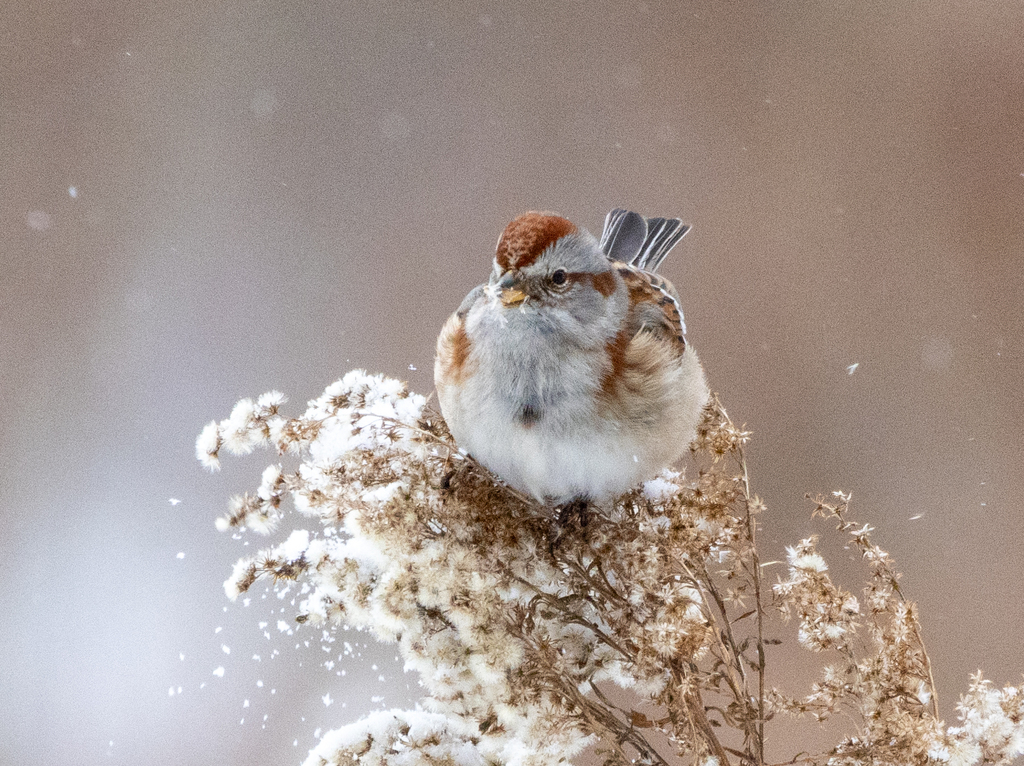
- American Tree SparrowSeeds and flowers. 3 diet records
- European Starling3 diet records
- Eastern BluebirdFruit. 1 diet record
- Eastern KingbirdFruit. 1 diet record
- Eastern Wood-peweeFruit. 1 diet record
- Hermit ThrushFruit and seeds. 1 diet record
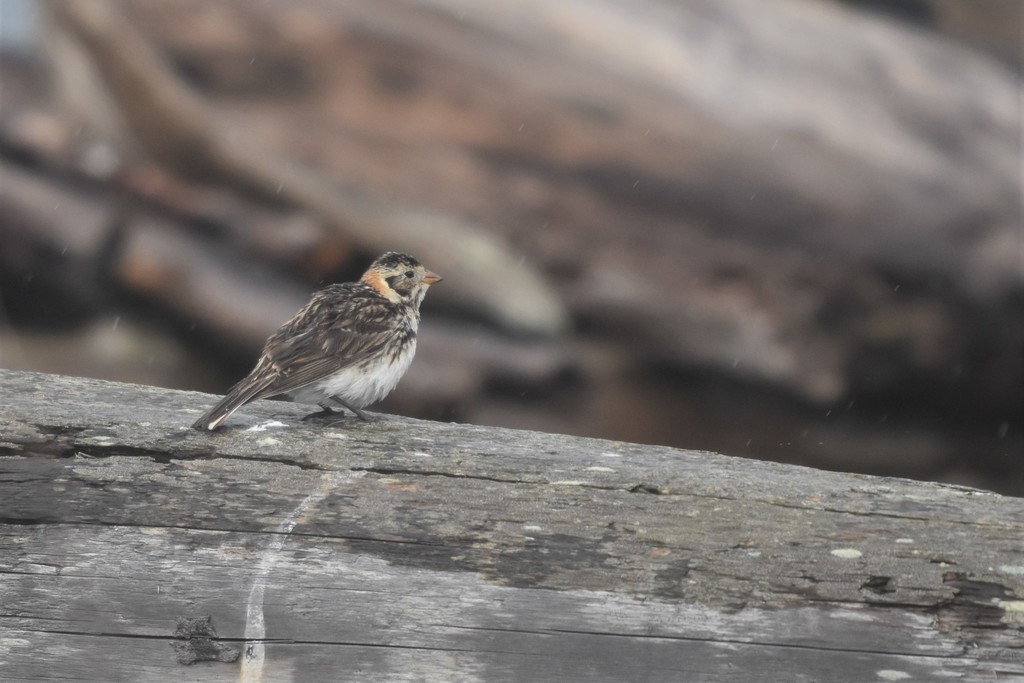
- Lapland Longspur1 diet record
- Northern CardinalSeeds. 1 diet record
- VeeryFruit and seeds. 1 diet record
Show all 12
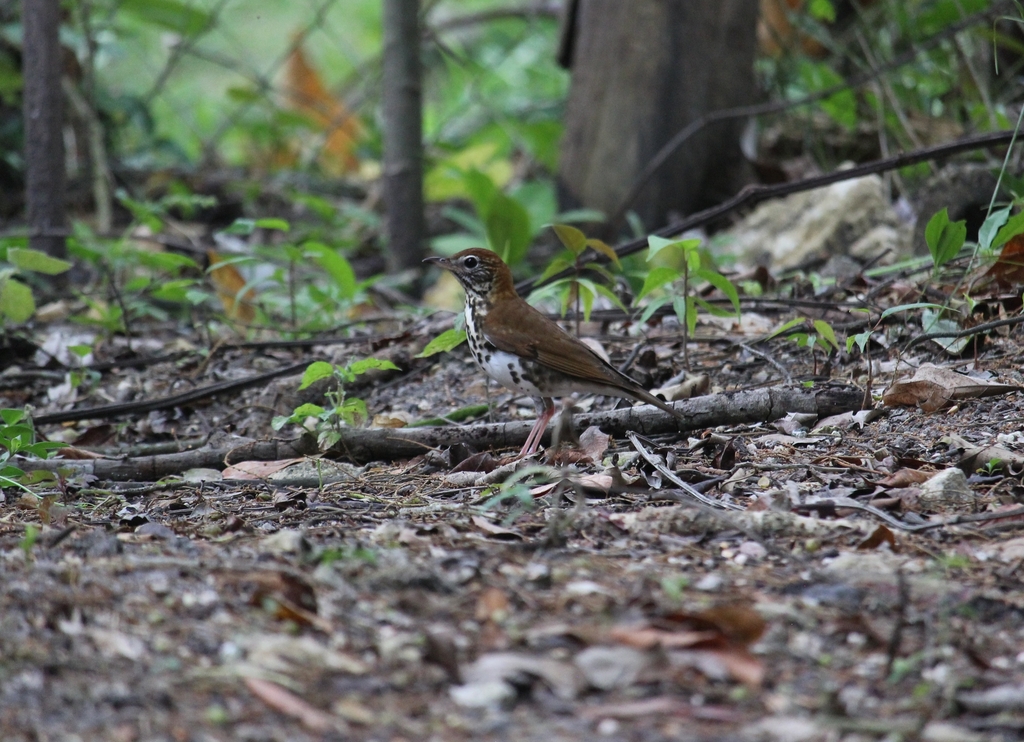
- Wood ThrushFruit and seeds. 1 diet record
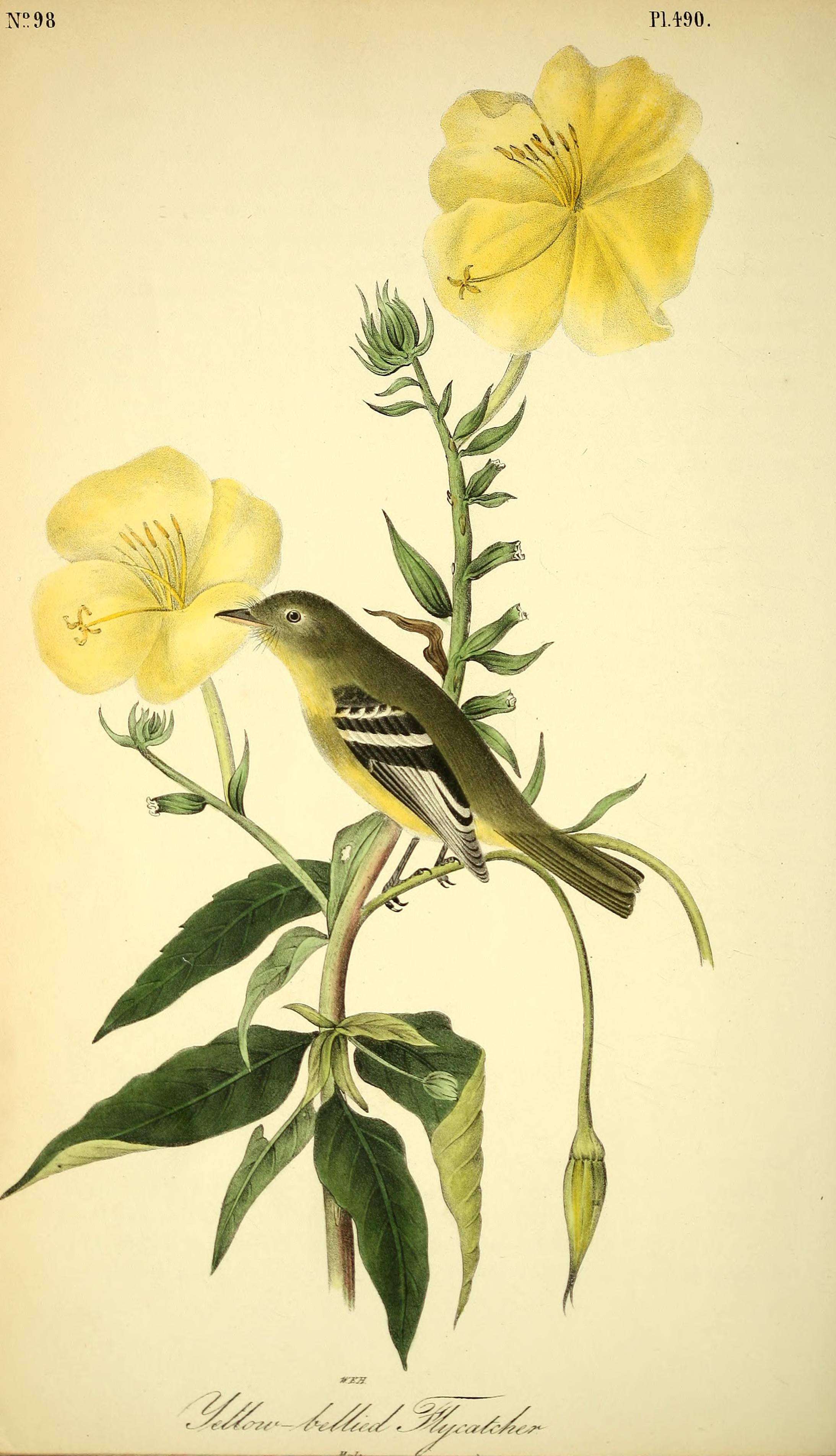
- Yellow-bellied FlycatcherFruit. 1 diet record
Direct food only. Caterpillars on host plants also feed nesting birds. NC Native Plant Society: butterfly gardening
No records yet · Ants · Beetles · Flies · Adult butterflies / moths · Other wasps · Other insects
Birds that eat Vaccinium 12
Diet records by plant genus, from studies across North America. Not a record from this state. Avian Diet Database (Hurlbert Lab), CC0 1.0.
- American RobinTurdus migratorius
- American Tree SparrowSpizella arborea
- European StarlingSturnus vulgaris
- Eastern BluebirdSialia sialis
- Eastern KingbirdTyrannus tyrannus
- Eastern Wood-peweeContopus virens
- Hermit ThrushCatharus guttatus
- Lapland LongspurCalcarius lapponicus
- Northern CardinalCardinalis cardinalis
- VeeryCatharus fuscescens
- Wood ThrushHylocichla mustelina
- Yellow-bellied FlycatcherEmpidonax flaviventris








Plant details
- Family
- Ericaceae
- Hardiness
- Zones 7a–9b
- Soil pH
- Acidic to neutral
- Flower color
- White
- Growth rate
- Moderate
- Growth habit
- Several stems
- Foliage color
- Dark green
- Fruit begins
- September
- Fruit ends
- October
Safety has not been reviewed for this plant; check toxicity and thorns before planting.
Growing sources and scope
- Bloom · “Spring and summer” · NC Extension Plant Toolbox (ranked first; Weakley, Flora of the Southeastern United States (2025), Carolinas & Georgia edition, USDA PLANTS differ)
- Flower color · “White” · NC Extension Plant Toolbox
- Foliage color · “Dark green” · USDA PLANTS · Nationwide species characteristics; local growing conditions may vary
- Fruit begins · “September” · Weakley, Flora of the Southeastern United States (2025), Carolinas & Georgia edition (ranked first; USDA PLANTS differs) · Carolinas and Georgia
- Fruit ends · “October” · Weakley, Flora of the Southeastern United States (2025), Carolinas & Georgia edition (ranked first; USDA PLANTS differs) · Carolinas and Georgia
- Growth habit · “Several stems” · USDA PLANTS · Nationwide species characteristics; local growing conditions may vary
- Growth rate · “Moderate” · USDA PLANTS · Nationwide species characteristics; local growing conditions may vary
- Hardiness · “Zones 7a–9b” · NC Extension Plant Toolbox
- Height · “8–15 feet” · NC Extension Plant Toolbox (ranked first; USDA PLANTS, Lady Bird Johnson Wildflower Center differ)
- Leaves · “Deciduous, semi-evergreen or evergreen” · NC Extension Plant Toolbox (ranked first; Lady Bird Johnson Wildflower Center differs)
- Life cycle · “Woody perennial” · NC Extension Plant Toolbox (ranked first; Lady Bird Johnson Wildflower Center differs)
- Light · “Full sun (6 or more hours of direct sunlight a day); Partial shade (direct sunlight only part of the day, 2-6 hours)” · NC Extension Plant Toolbox (ranked first; Lady Bird Johnson Wildflower Center differs)
- primary_flower_color · “white” · USDA PLANTS
- Soil · “Good drainage; Moist; Occasionally dry” · NC Extension Plant Toolbox (ranked first; Tennessee Smart Yards, Lady Bird Johnson Wildflower Center differ)
- Soil pH · “Acidic to neutral” · NC Extension Plant Toolbox
- Spread · “4–10 feet” · NC Extension Plant Toolbox
Also known as
Farkleberry
Conservation status
| Mississippi rank | SNR |
|---|---|
| Global rank | G5 |
| MS status | Not verified |
| Federal status | Not verified |
Will it fit your yard?
Check this plant against your county, sun and soil moisture. Conditions are checked in your browser.
Sources
- Weakley, Flora of the Southeastern United States (2025), South Central edition
- USDA PLANTS
- Vascular Plants of North Carolina (NC Natural Heritage Program)
- Mississippi occurrence source
- Shropshire & Tallamy 2025, Lepidoptera of North America north of Mexico, ZooKeys 1261 (ODbL)
- Noori, Seltmann & Orr 2026, A curated and integrated dataset for exploring global bee-plant interactions (GloBI), Zenodo, CC BY 4.0
- Smith, Bachelder, Russell, Morales, Mosher & Seltmann 2024, Bee-Specialization-Modeling v0.6.1 (specialist host table compiled from J. Fowler's pollen specialist bee lists), Zenodo, CC BY 4.0
- Hurlbert, Olsen, Sawyer & Winner 2021, Avian Diet Database, Scientific Data 8: 260 (CC0)
- Narango, Tallamy & Shropshire 2020, Few keystone plant genera support the majority of Lepidoptera species, Nature Communications