

Poison-ivy
Toxicodendron radicans
Native to Mississippi (estimated). Not suggested for planting. How scores work Is it native here?
Profile 88%
- Height
- Groundcover, shrub or climbing vine, climbing stems can reach 150 feet
- Spread
- 1–10 feet
- Light
- Dappled sunlight, Full sun, Partial shade
- Soil moisture
- Somewhat dry to moist
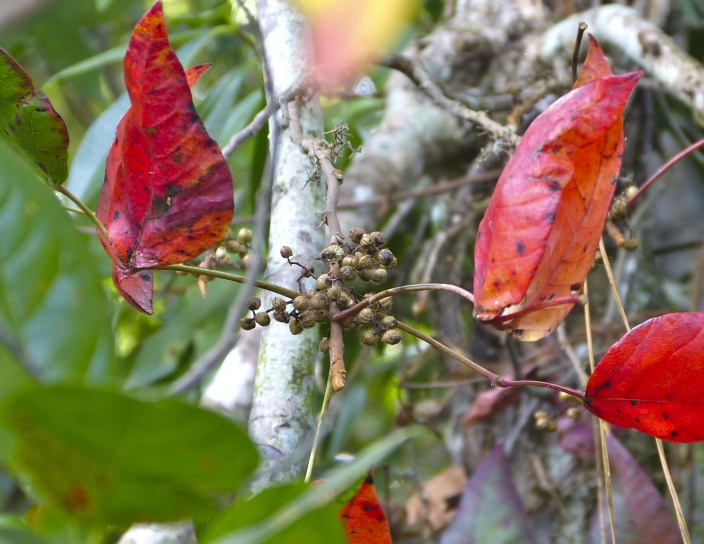
Contact hazard. Remove from paths and play areas; avoid contact and never burn. Follow Extension removal guidance and wear protective clothing. Plant caution source
Hidden from default planting suggestions. Wildlife value and native status remain unchanged.
At a glance
- Life cycle
- Woody perennial
- Leaves
- Deciduous
- Bloom
- Spring
Recorded in 27 Mississippi counties.
Also found with this plant
Wildlife whose habitat models include habitats this plant grows in, in Mississippi. Shared habitat, not food. 118 animals.
- Dark-eyed JuncoJunco hyemalis
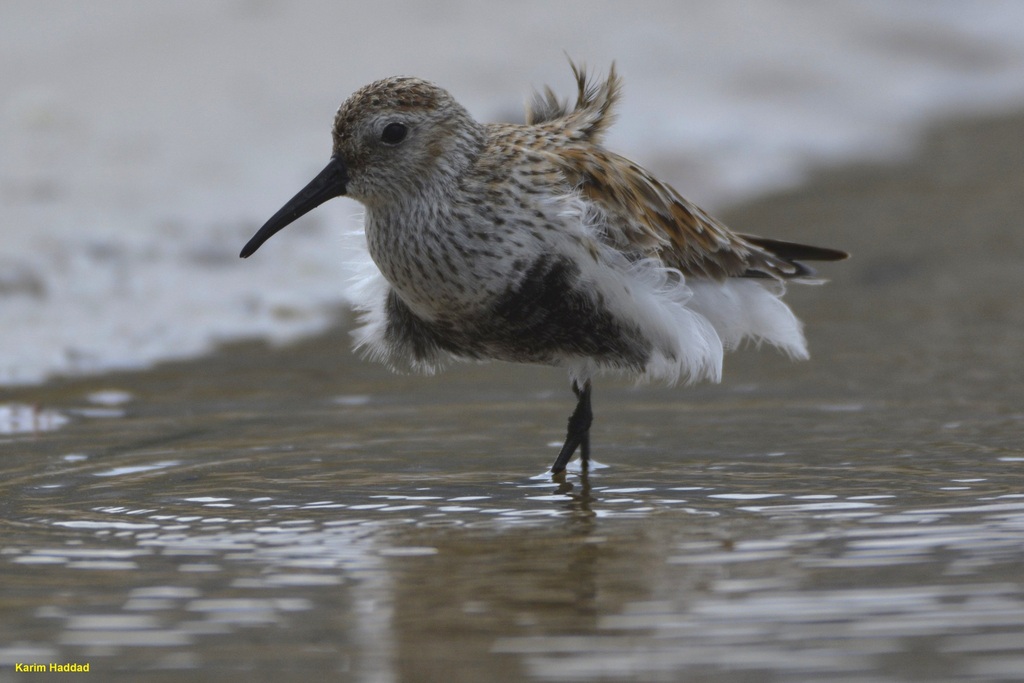
- DunlinCalidris alpina
- Eastern PhoebeSayornis phoebe
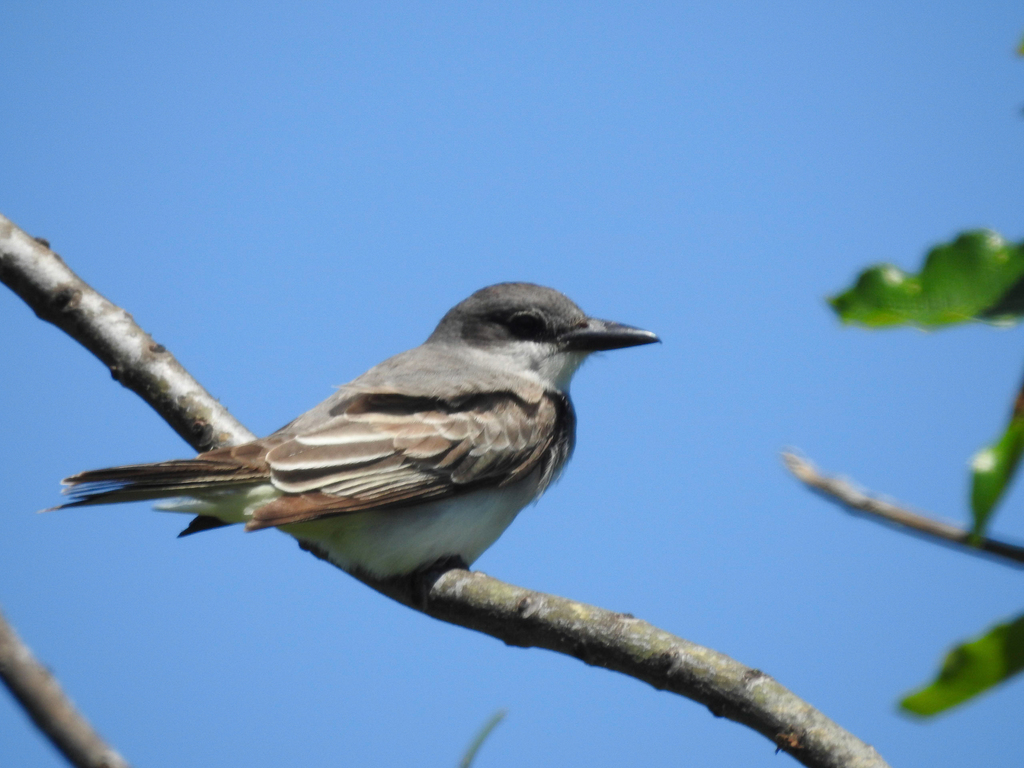
- Gray KingbirdTyrannus dominicensis
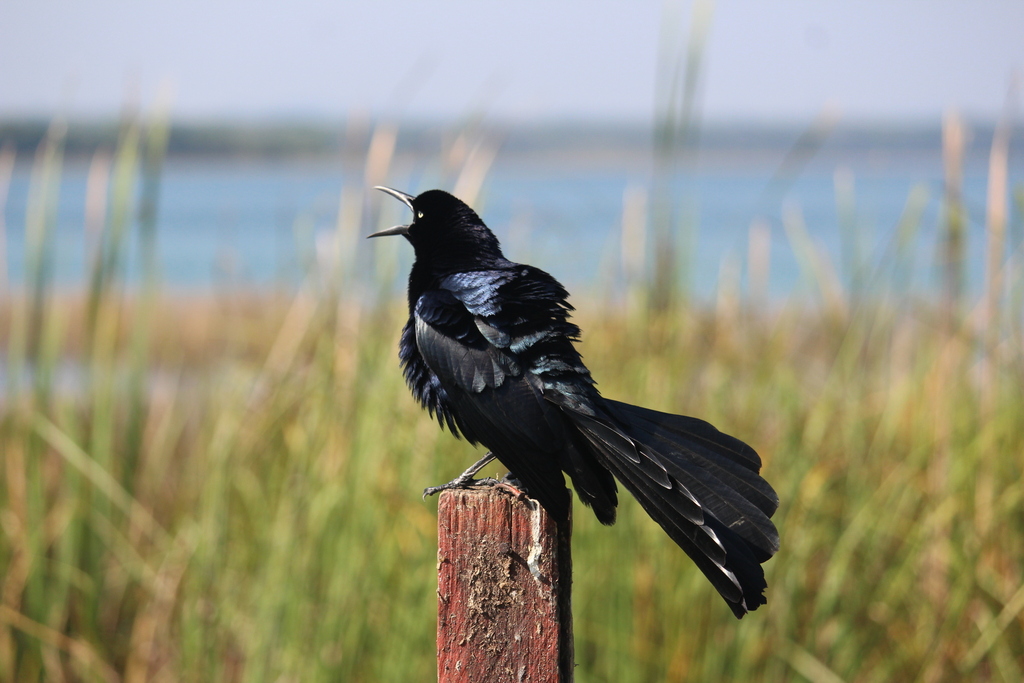
- Great-tailed GrackleQuiscalus mexicanus
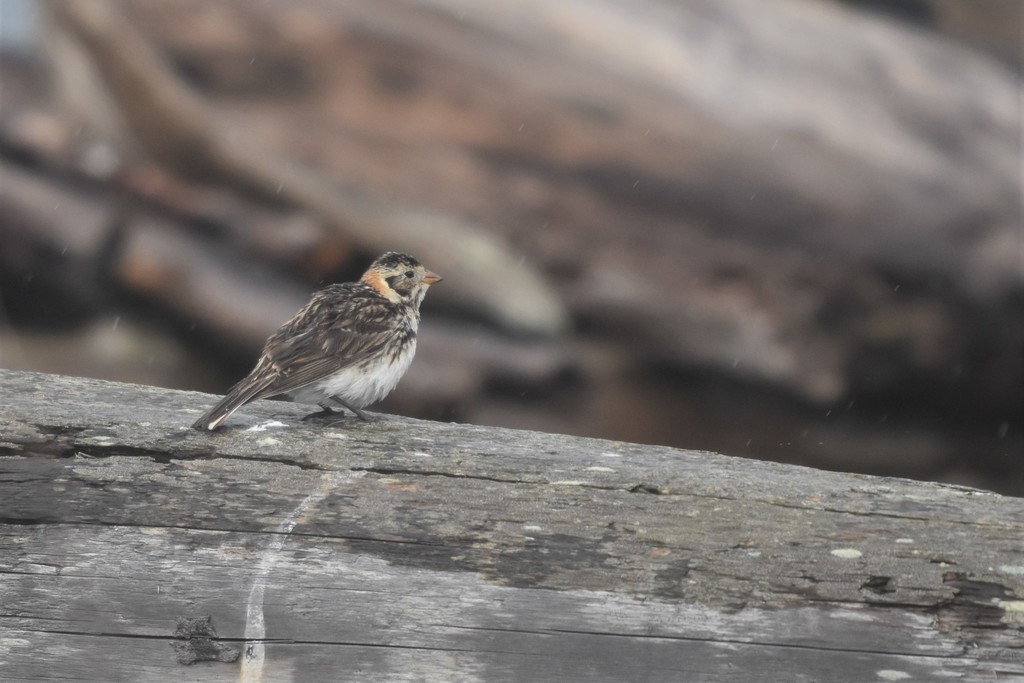
- Lapland LongspurCalcarius lapponicus
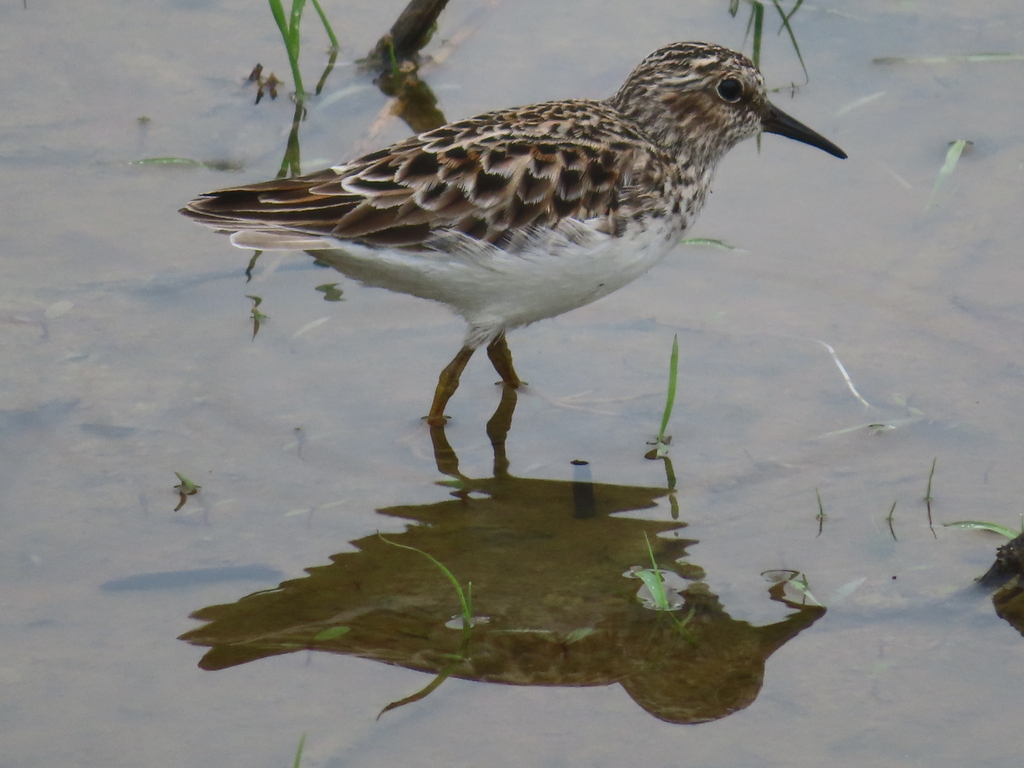
- Least SandpiperCalidris minutilla
- Lesser ScaupAythya affinis
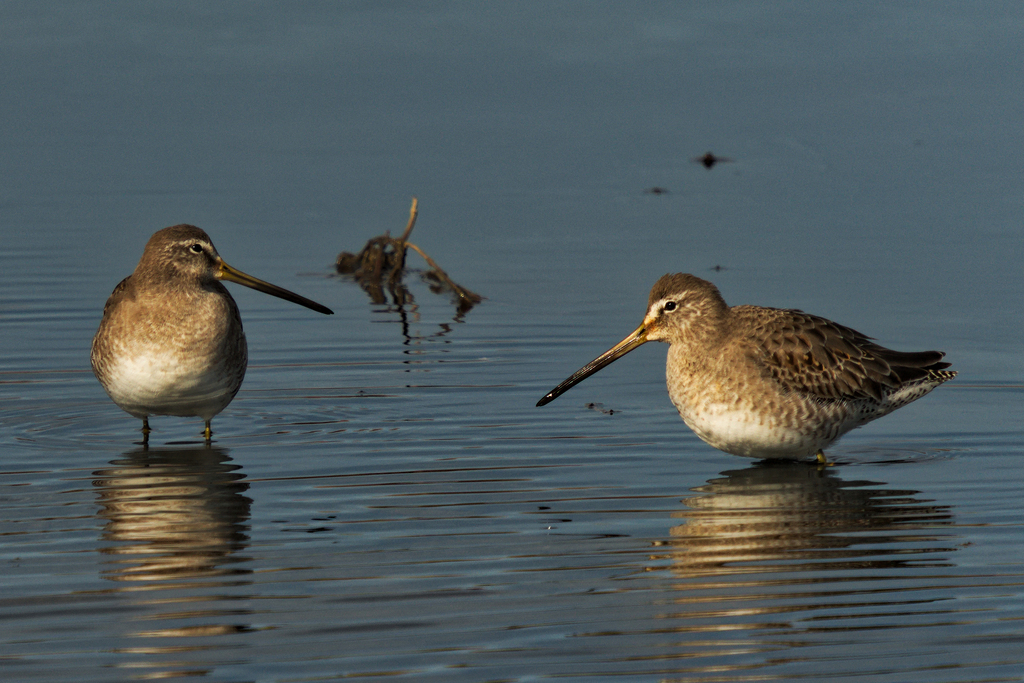
- Long-billed DowitcherLimnodromus scolopaceus
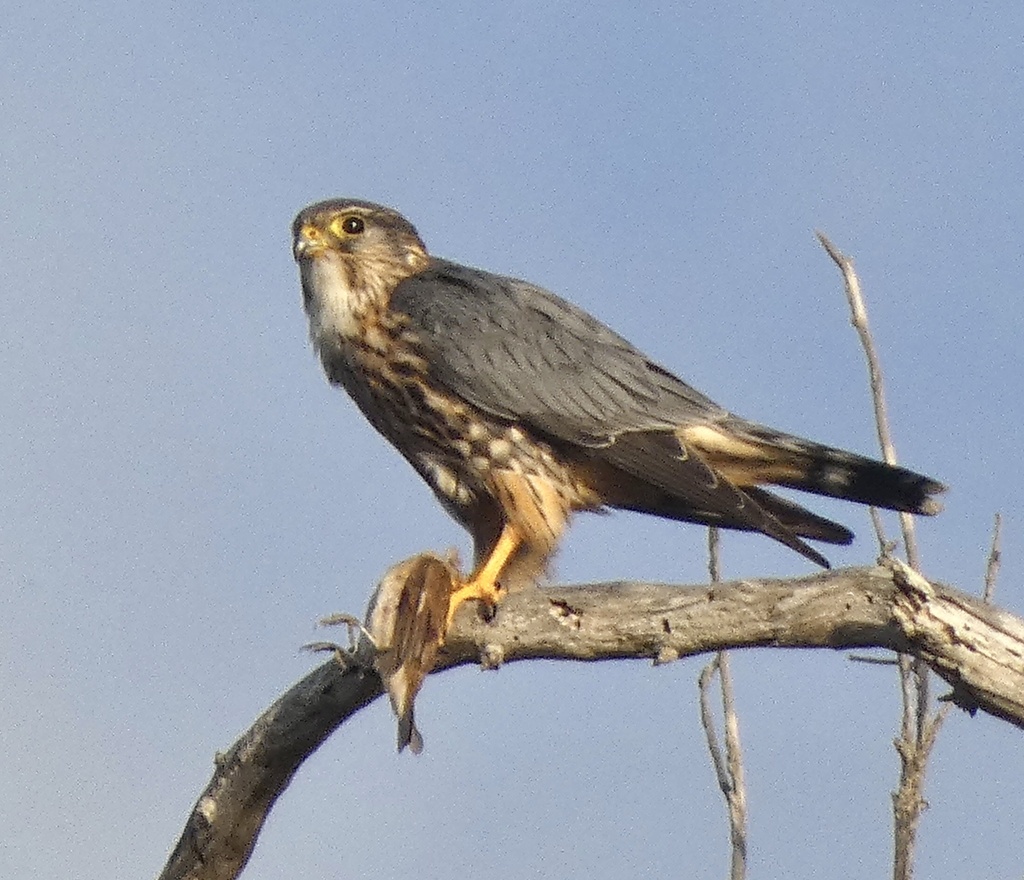
- MerlinFalco columbarius
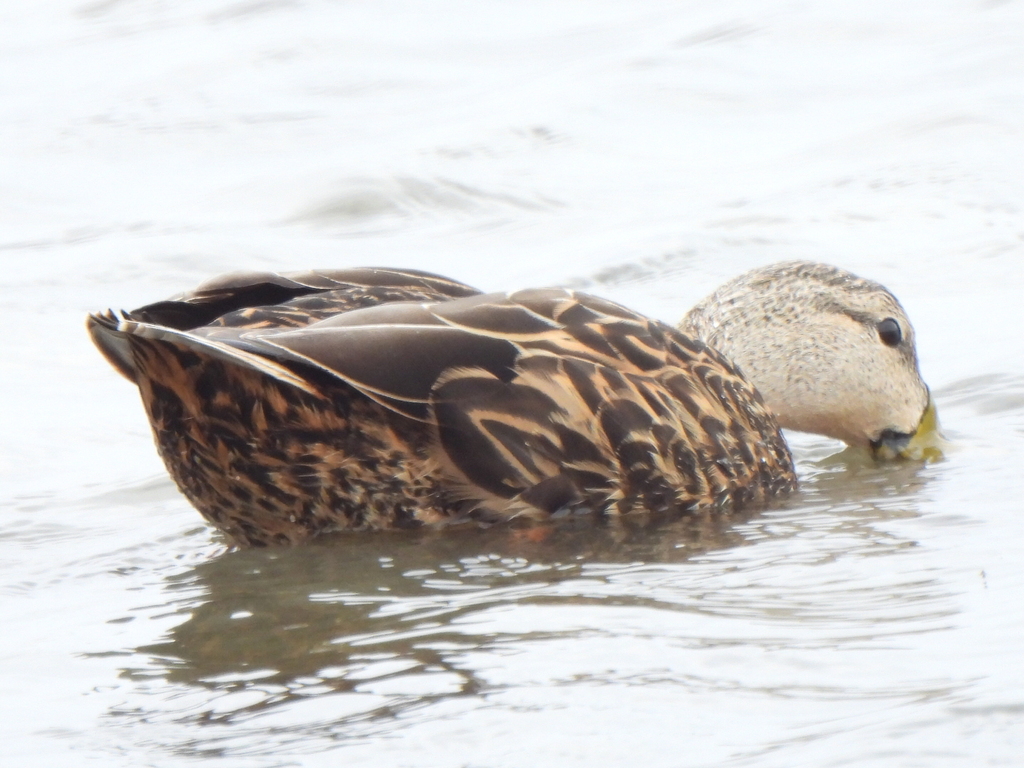
- Mottled DuckAnas fulvigula
- Northern BobwhiteColinus virginianus
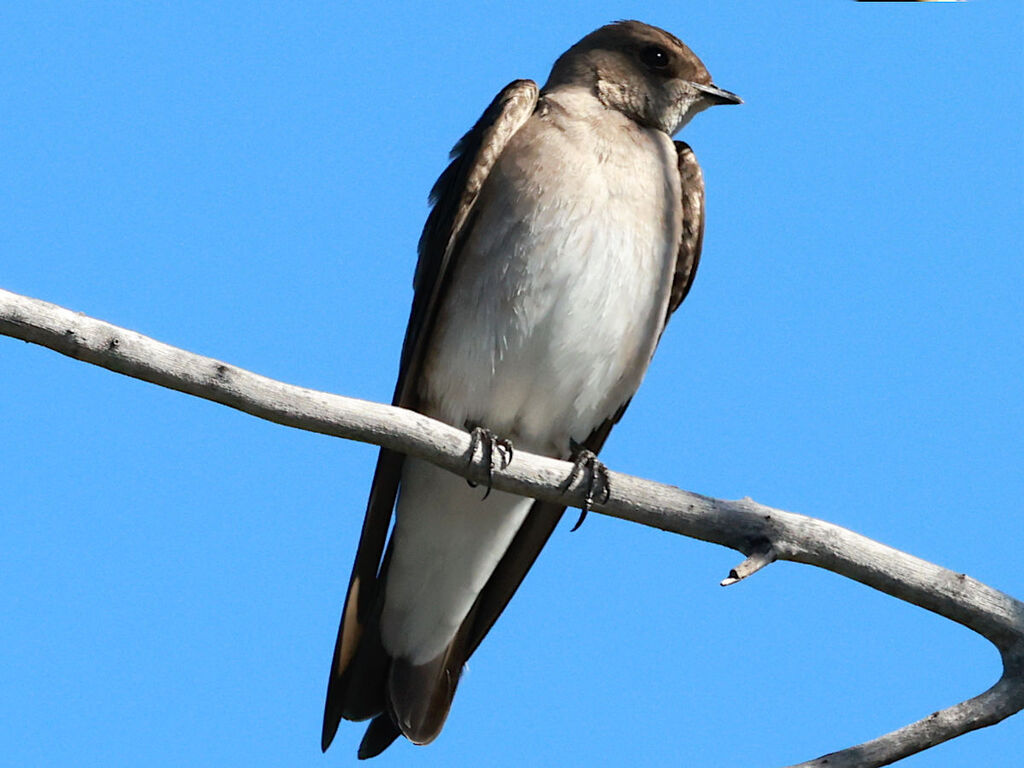
- Northern Rough-winged SwallowStelgidopteryx serripennis
- Northern Saw-whet OwlAegolius acadicus
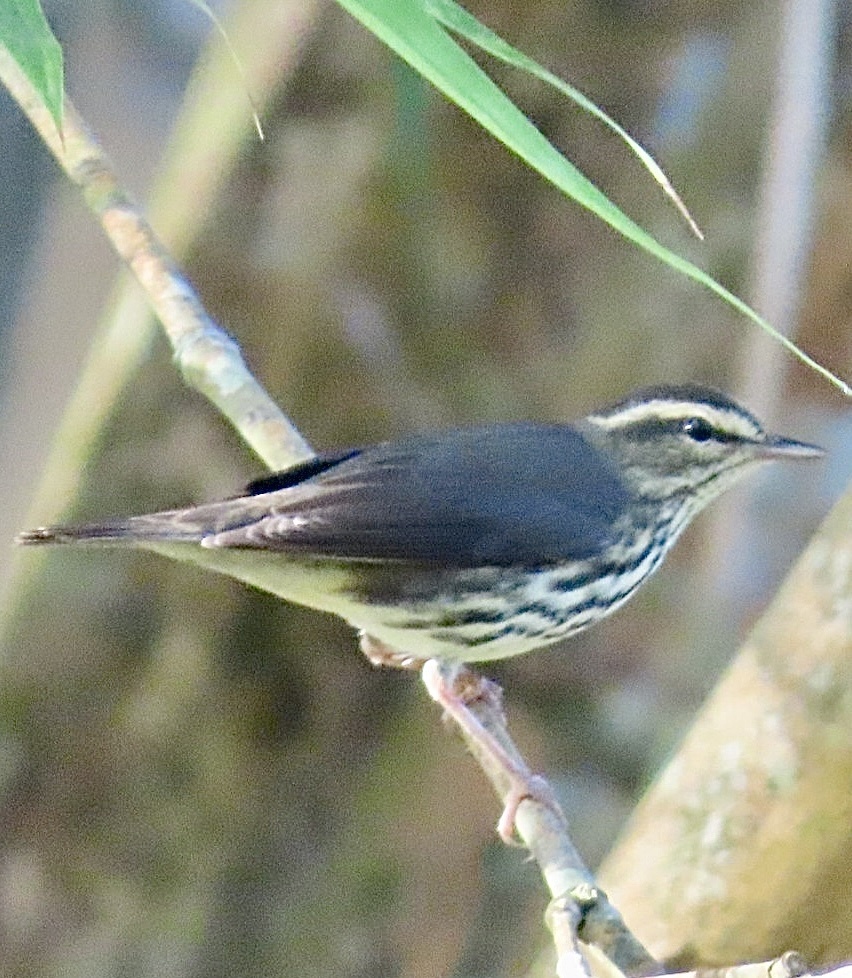
- Northern WaterthrushSeiurus noveboracensis
- Prairie WarblerDendroica discolor
- Ring-necked DuckAythya collaris
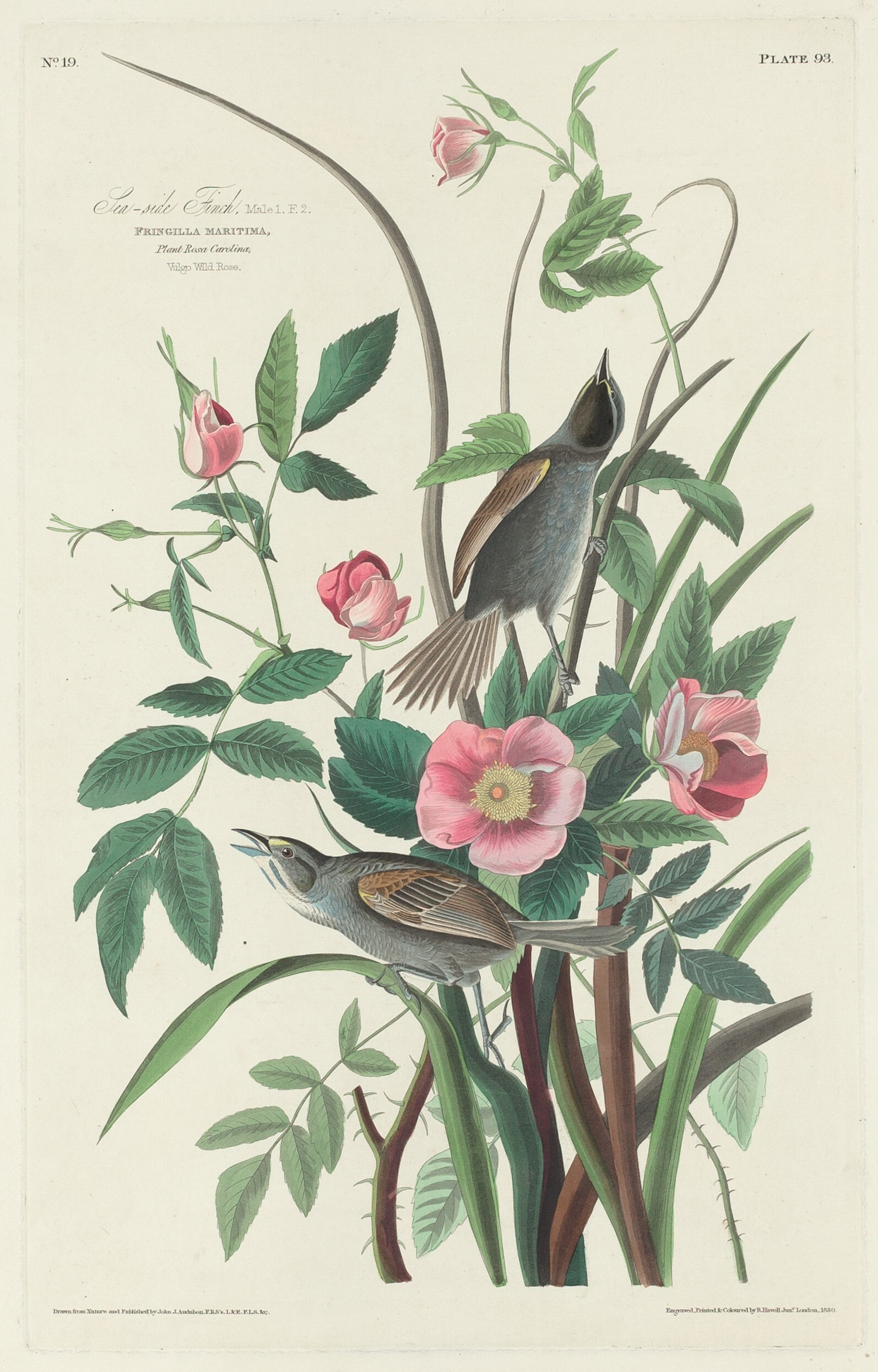
- Seaside SparrowAmmodramus maritimus
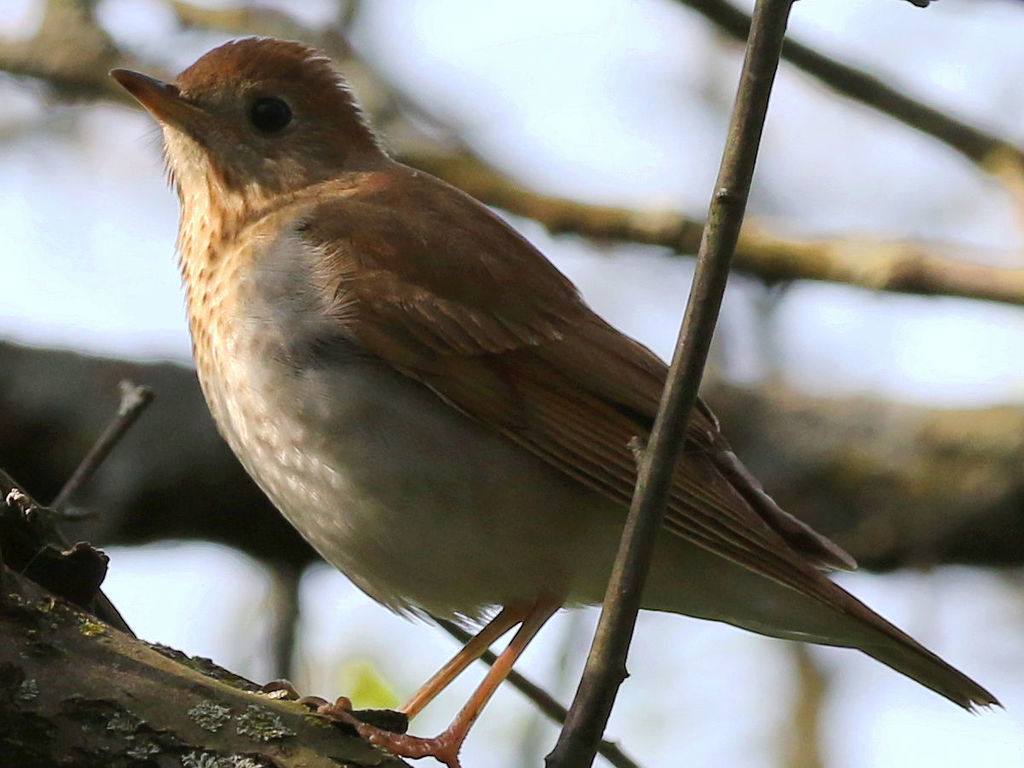
- VeeryCatharus fuscescens
- Willow FlycatcherEmpidonax traillii
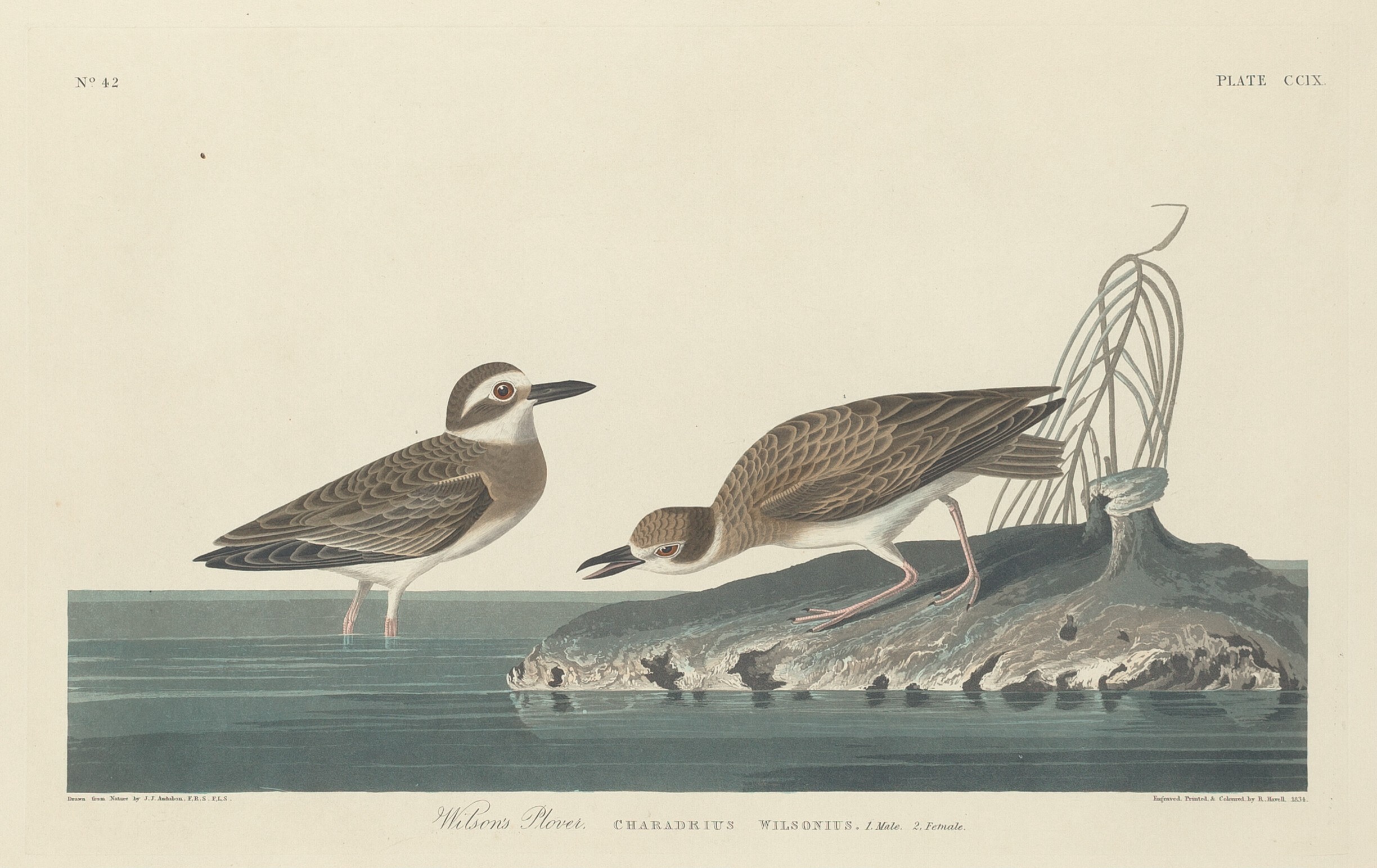
- Wilson's PloverCharadrius wilsonia
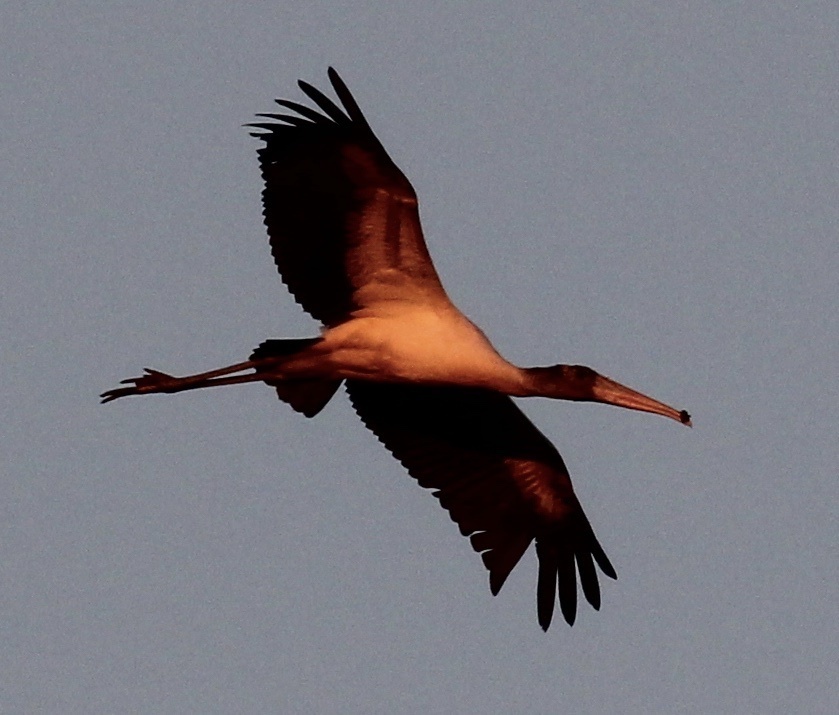
- Wood StorkMycteria americana







Widespread birds also seen here (33)
Found in many habitats here, so not listed above.
- American Crow
- American Goldfinch
- American Kestrel
- American Robin
- Bald Eagle
- Belted Kingfisher
- Black-crowned Night-heron
- Chimney Swift
- Common Grackle
- Common Nighthawk
- Common Yellowthroat
- Cooper's Hawk
- Eastern Kingbird
- Eastern Screech-owl
- Eastern Towhee
- Eurasian Collared-dove
- European Starling
- Fish Crow
- Great Crested Flycatcher
- Great Horned Owl
- Hooded Merganser
- Mourning Dove
- Northern Cardinal
- Northern Flicker
- Northern Mockingbird
- Osprey
- Red-tailed Hawk
- Red-winged Blackbird
- Sharp-shinned Hawk
- Turkey Vulture
- Yellow-breasted Chat
- Yellow-crowned Night-heron
- Yellow-rumped Warbler
Who uses this plant?
 52CaterpillarsGenus host records with ranges including MS
Genus host records with ranges including MS · Rhus
- Achatia distinctaDistinct Quaker
- Acronicta longaLong-Winged Dagger, Darkish Dagger
- Actias lunaLuna Moth
- Amorbia humerosanaWhite-Lined Leafroller Moth
- Antepione thisoariaVariable Antepione
- Archips argyrospilaFruit-Tree Leafroller Moth
- Archips georgianaFireworm, Georgia Leafroller
- Archips purpuranaOmnivorous Leafroller Moth
- Argyrotaenia quercifolianaYellow-Winged Oak Leafroller Moth, Lined Oak Leafroller
- Caloptilia belfragellaDogwood Caloptilia
Show all 52
- Caloptilia rhoifoliellaSumac Leafblotch Miner Moth, Sumac Caloptilia
- Calycopis cecropsRed-Banded Hairstreak, Cecrops Hairstreak
- Cecrita guttivittaMaple Prominent, Saddled Prominent
- Chloropteryx tepperariaAngled-Winged Emerald
- Choristoneura rosaceanaOblique-Banded Leafroller Moth, Rosaceous Leaf Roller
- Citheronia regalisRoyal Walnut Moth, Hickory Horned Devil
- Cleora sublunariaDouble-Lined Gray
- Datana ministraYellow-Necked Caterpillar Moth
- Datana perspicuaSpotted Dantana
- Datana robustaRobust Datana
- Derrima stellataPink Star
- Dichorda iridariaShowy Emerald
- Eacles imperialisImperial Moth, Imperial Spiny Caterpillar
- Episimus argutanaSumac Leaftier
- Eupithecia miserulataCommon Eupithacia, Common Pug
- Holcocera chalcofrontellaSumac Holcocera
- Hyalophora cecropiaCecropia Silkmoth, Cecropia Moth
- Iridopsis defectariaBrown-Shaded Gray, Willow Looper
- Marathyssa basalisLight Marathyssa
- Marathyssa inficitaDark Marathyssa
- Marathyssa pulcherrimusBeautiful Eutelia
- Melanolophia canadariaCanadian Melanolphia, Variable Redmarked Looper
- Moodna ostrinellaDarker Moodna
- Morrisonia confusaConfused Woodgrain
- Nemoria bifilataWhite-Barred Emerald
- Olethreutes appendiceumServiceberry Leafroller
- Olethreutes permundanaRaspberry Leafroller
- Paectes oculatrixEyed Paectes
- Paectes pygmaeaPygmy Paectes
- Papaipema nebrisStalk Borer
- Pleuroprucha insulsariaCommon Tan Wave
- Pococera asperatellaMaple Webworm
- Pseudochelaria walsinghamiWalsingham's Moth
- Pyrrhia ciliscaAmerican Bordered Sallow, Noble Sun Moth
- Sciota subfuscellaStriped Sumac Leafroller
- Spilosoma virginicaVirginian Tiger Moth, Yellow Woolybear Moth, Yellow Bear
- Telphusa longifasciellaY-Backed Telphusa
- Tetracis crocallataYellow Slant-Line
- Thyridopteryx ephemeraeformisEvergreen Bagworm Moth
- Paralobesia cypripediana
- Paralobesia rhoifructana
- Stigmella intermedia
 52BeesSoutheastern regional records
Southeastern regional records · Rhus
Individual names are not available yet.
Noori, Seltmann & Orr 2026, A curated and integrated dataset for exploring global bee-plant interactions (GloBI), Zenodo, CC BY 4.0 0Specialist beesPollen specialists
 19BirdsRecorded eating Toxicodendron in Mississippi
Diet records by plant genus, from studies across North America. Not a record from this state. Birds whose range includes Mississippi, most records first.
- Red-headed WoodpeckerSeeds. 3 diet records
- Swainson's ThrushSeeds and fruit. 2 diet records
- Brown Thrasher2 diet records
- Eastern BluebirdFruit. 2 diet records
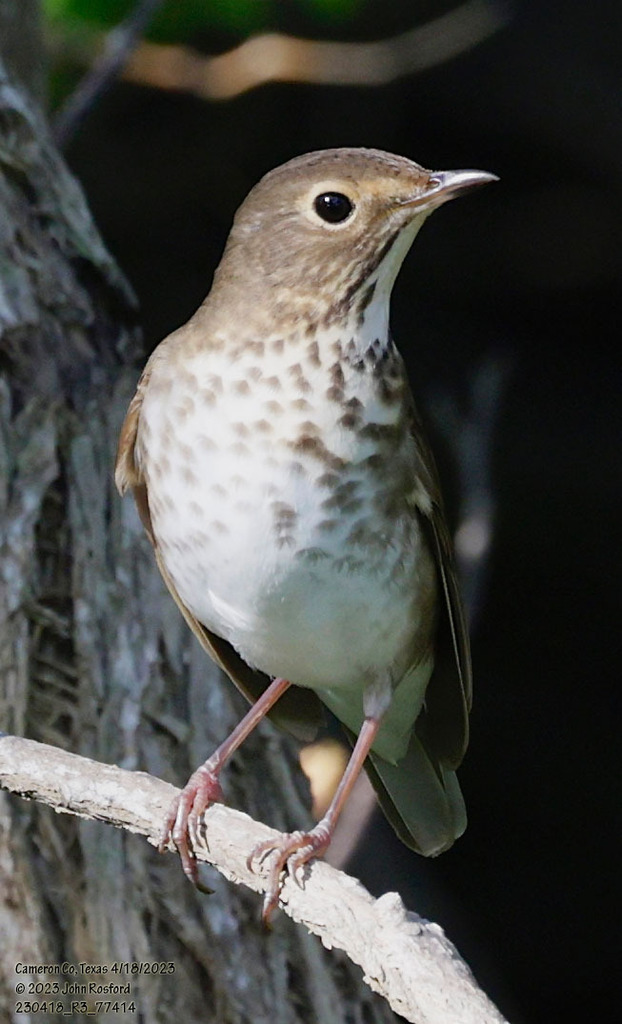
- Hermit ThrushFruit and seeds. 2 diet records
- American RobinFruit. 1 diet record
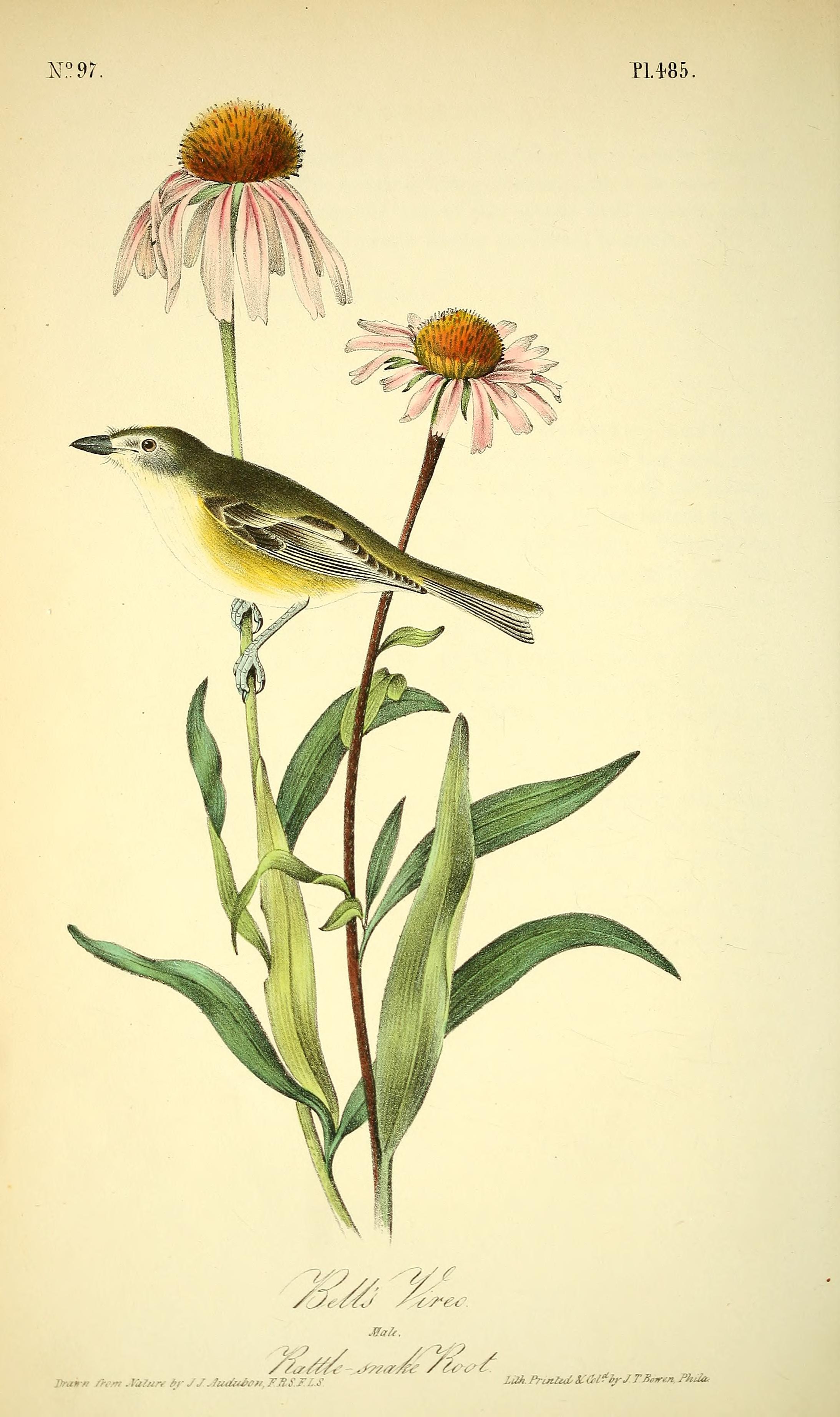
- Bell's Vireo1 diet record
- Common GrackleFruit. 1 diet record
- Dark-eyed JuncoSeeds. 1 diet record
- Downy WoodpeckerSeeds. 1 diet record
Show all 19
- Eastern Wood-peweeSeeds. 1 diet record
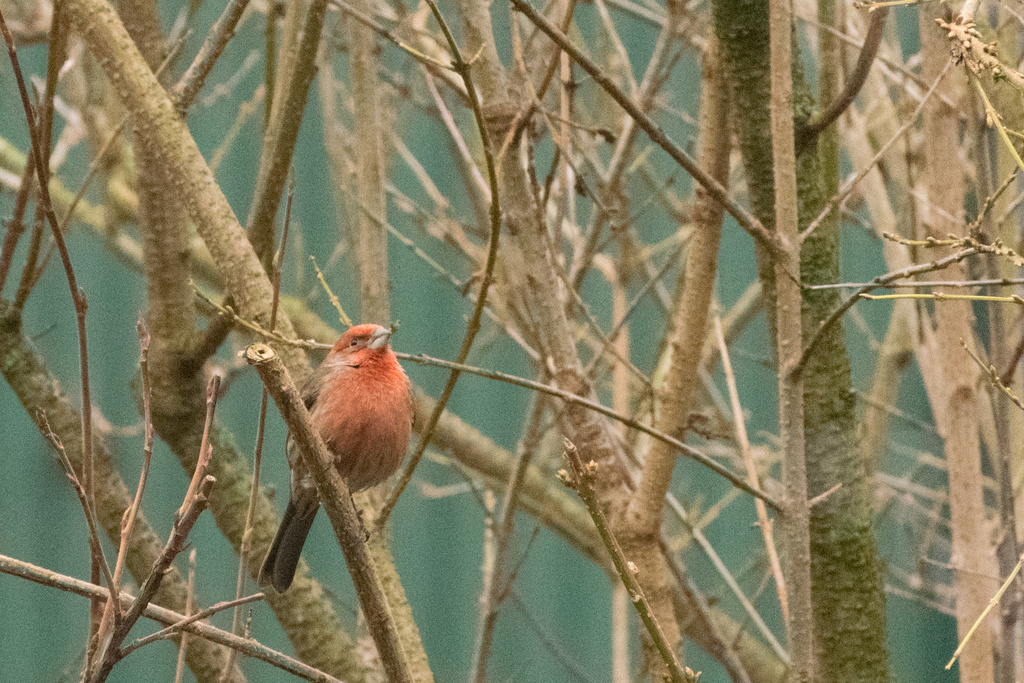
- House FinchSeeds. 1 diet record
- Northern CardinalFruit. 1 diet record
- Red-bellied WoodpeckerSeeds. 1 diet record
- Rock Pigeon1 diet record
- Song SparrowSeeds. 1 diet record
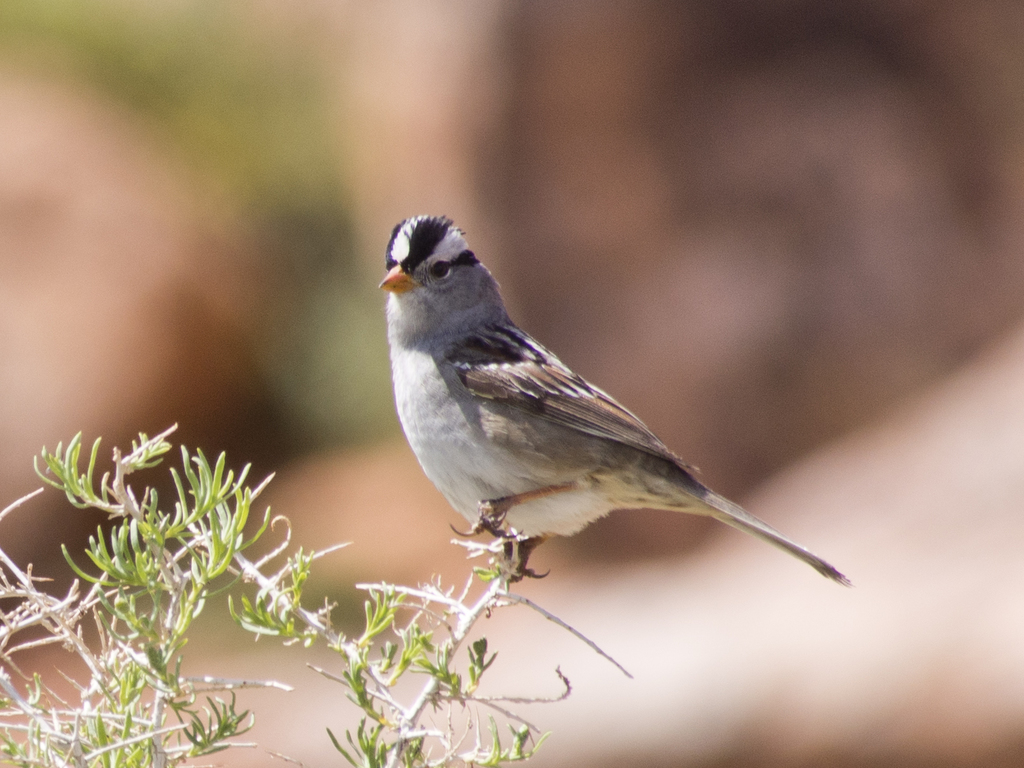
- White-crowned SparrowSeeds. 1 diet record
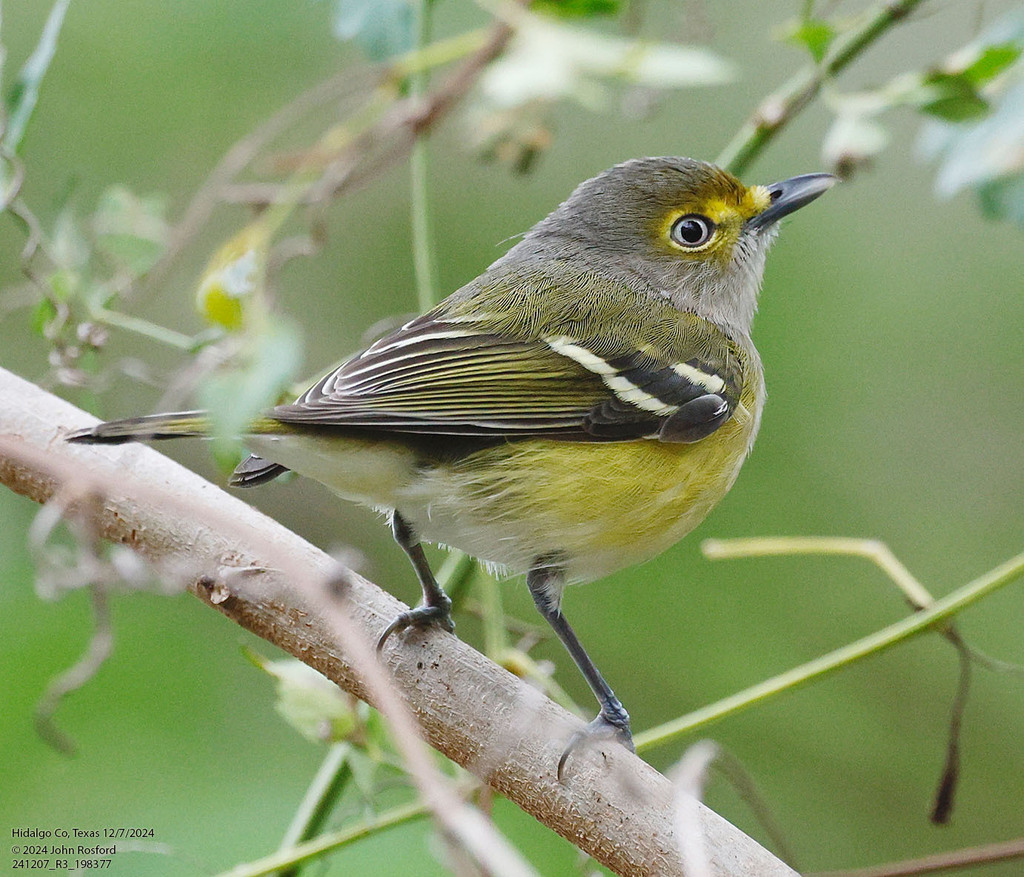
- White-eyed Vireo1 diet record
- Yellow-bellied FlycatcherSeeds. 1 diet record
Direct food only. Caterpillars on host plants also feed nesting birds. NC Native Plant Society: butterfly gardening
No records yet · Ants · Beetles · Flies · Adult butterflies / moths · Other wasps · Other insects
Birds that eat Toxicodendron 19
Diet records by plant genus, from studies across North America. Not a record from this state. Avian Diet Database (Hurlbert Lab), CC0 1.0.
- Red-headed WoodpeckerMelanerpes erythrocephalus
- Swainson's ThrushCatharus ustulatus
- Brown ThrasherToxostoma rufum
- Eastern BluebirdSialia sialis
- Hermit ThrushCatharus guttatus
- American RobinTurdus migratorius
- Bell's VireoVireo bellii
- Common GrackleQuiscalus quiscula
- Dark-eyed JuncoJunco hyemalis
- Downy WoodpeckerPicoides pubescens
- Eastern Wood-peweeContopus virens
- House FinchCarpodacus mexicanus
- Northern CardinalCardinalis cardinalis
- Red-bellied WoodpeckerMelanerpes carolinus
- Rock PigeonColumba livia
- Song SparrowMelospiza melodia
- White-crowned SparrowZonotrichia leucophrys
- White-eyed VireoVireo griseus
- Yellow-bellied FlycatcherEmpidonax flaviventris












Plant details
- Family
- Anacardiaceae
- Hardiness
- Zones 4a–10b
- Soil pH
- Acidic to alkaline
- Flower color
- Green or white
What its natural habitat tells you
Size. Height depends on growth form and support. This is not a single mature garden height and is not converted to a planner midpoint. Source
Growing sources and scope
- Bloom · “Spring” · NC Extension Plant Toolbox
- Flower color · “Green or white” · NC Extension Plant Toolbox
- Hardiness · “Zones 4a–10b” · NC Extension Plant Toolbox
- Height · “Groundcover, shrub or climbing vine; climbing stems can reach 150 feet” · NC State Extension · reviewed species facts
- Leaves · “Deciduous” · NC Extension Plant Toolbox
- Life cycle · “Woody perennial” · NC Extension Plant Toolbox
- Light · “Dappled sunlight (shade through upper canopy all day); Full sun (6 or more hours of direct sunlight a day); Partial shade (direct sunlight only part of the day, 2-6 hours)” · NC Extension Plant Toolbox
- Soil · “Moist; Occasionally dry” · NC Extension Plant Toolbox
- Soil pH · “Acidic to alkaline” · NC Extension Plant Toolbox
- Spread · “1–10 feet” · NC Extension Plant Toolbox
Also known as
Poison Ivy; Rhus radicans; sumac
Conservation status
| Mississippi rank | Not available |
|---|---|
| Global rank | G5 |
| MS status | Not verified |
| Federal status | Not verified |
Will it fit your yard?
Check this plant against your county, sun and soil moisture. Conditions are checked in your browser.
Sources
- USDA PLANTS
- Vascular Plants of North Carolina (NC Natural Heritage Program)
- Mississippi occurrence source
- Shropshire & Tallamy 2025, Lepidoptera of North America north of Mexico, ZooKeys 1261 (ODbL)
- Noori, Seltmann & Orr 2026, A curated and integrated dataset for exploring global bee-plant interactions (GloBI), Zenodo, CC BY 4.0
- Smith, Bachelder, Russell, Morales, Mosher & Seltmann 2024, Bee-Specialization-Modeling v0.6.1 (specialist host table compiled from J. Fowler's pollen specialist bee lists), Zenodo, CC BY 4.0
- Hurlbert, Olsen, Sawyer & Winner 2021, Avian Diet Database, Scientific Data 8: 260 (CC0)
- Narango, Tallamy & Shropshire 2020, Few keystone plant genera support the majority of Lepidoptera species, Nature Communications