

Swamp Redbay
Tamala palustris
Found in swamps, pocosins, bay forests, maritime forests, generally in wet peaty soils, but also in fairly dry, sandy soils in maritime forests. Weakley, Flora of the Southeastern United States (2025), South Central edition What its natural habitat tells you
Native to Mississippi (estimated). How scores work Is it native here?
Profile 100%
- Height
- About 35 feet
- Light
- Full sun, Partial shade
- Soil moisture
- Somewhat dry to moist
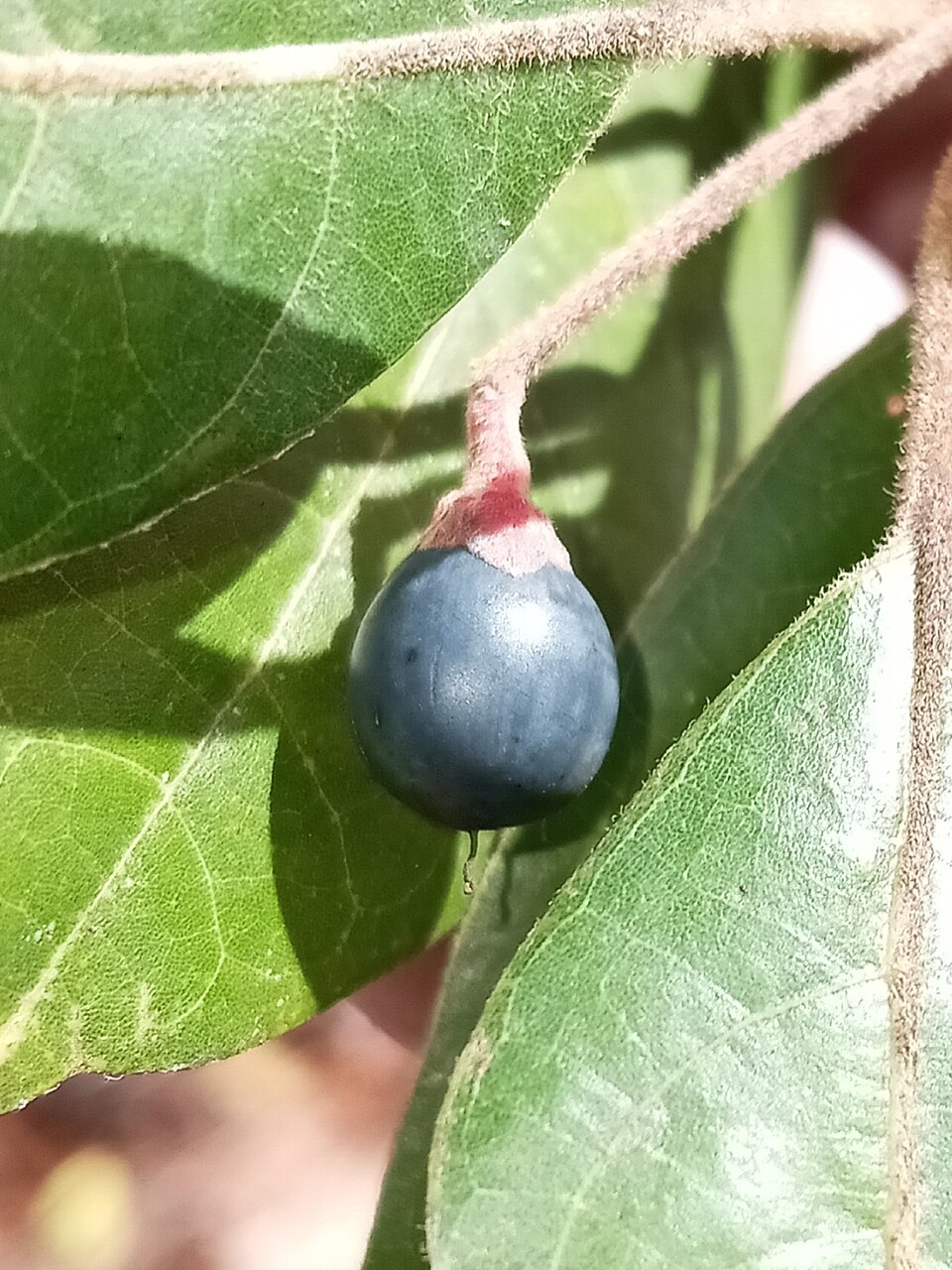
At a glance
- Life cycle
- Woody perennial
- Leaves
- Evergreen
- Bloom
- May to June
- Fruiting season
- September to October
Not yet recorded · Spread
Recorded in 18 Mississippi counties.
Natural habitats
Places it grows wild. Not a planting requirement. Each habitat page lists the plants and wildlife also found there.
Forested wetlands with standing water much of the year, such as cypress and gum swamps.
Salt-pruned forests and shrub thickets behind coastal dunes.
Also found with this plant
Wildlife whose habitat models include habitats this plant grows in, in Mississippi. Shared habitat, not food. 141 animals.
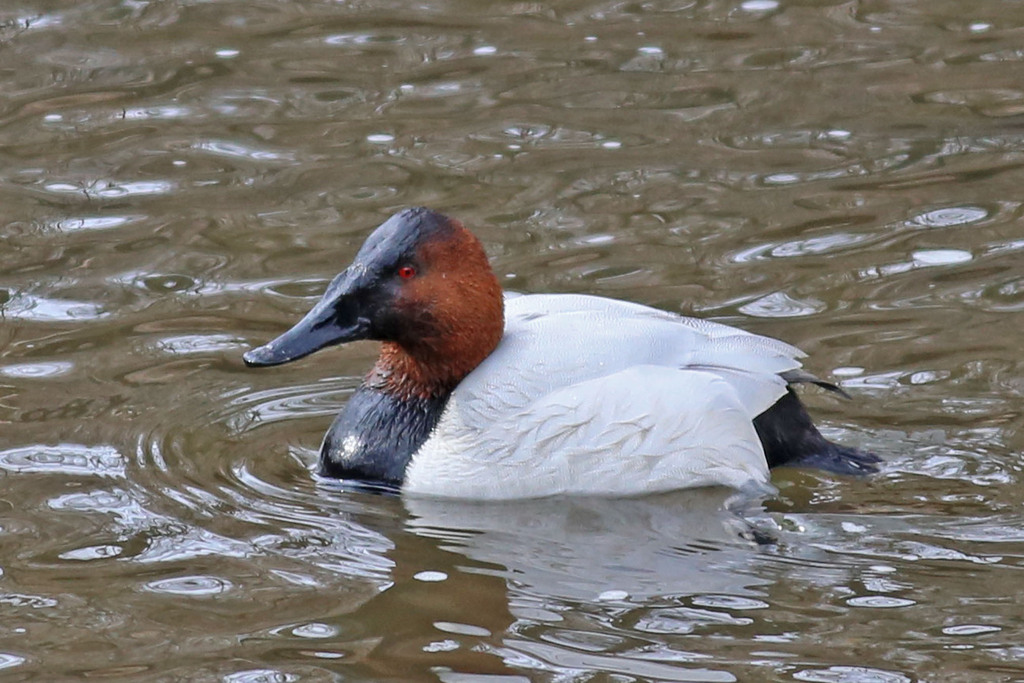
- CanvasbackAythya valisineria
- Eastern PhoebeSayornis phoebe
- Kentucky WarblerOporornis formosus
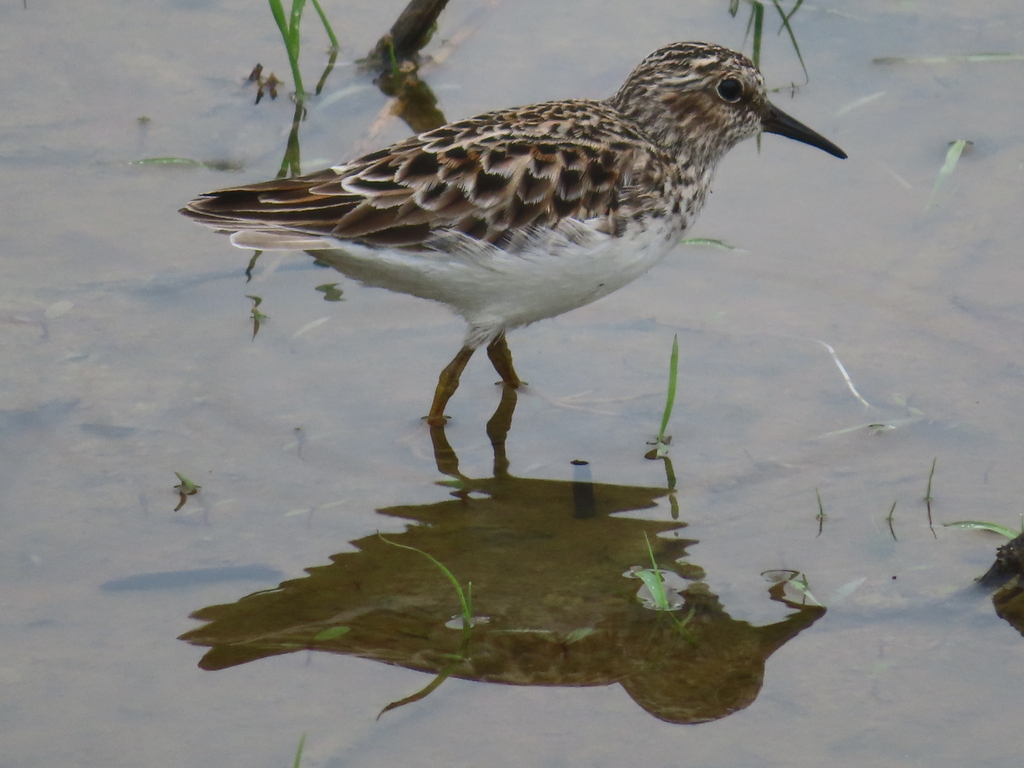
- Least SandpiperCalidris minutilla
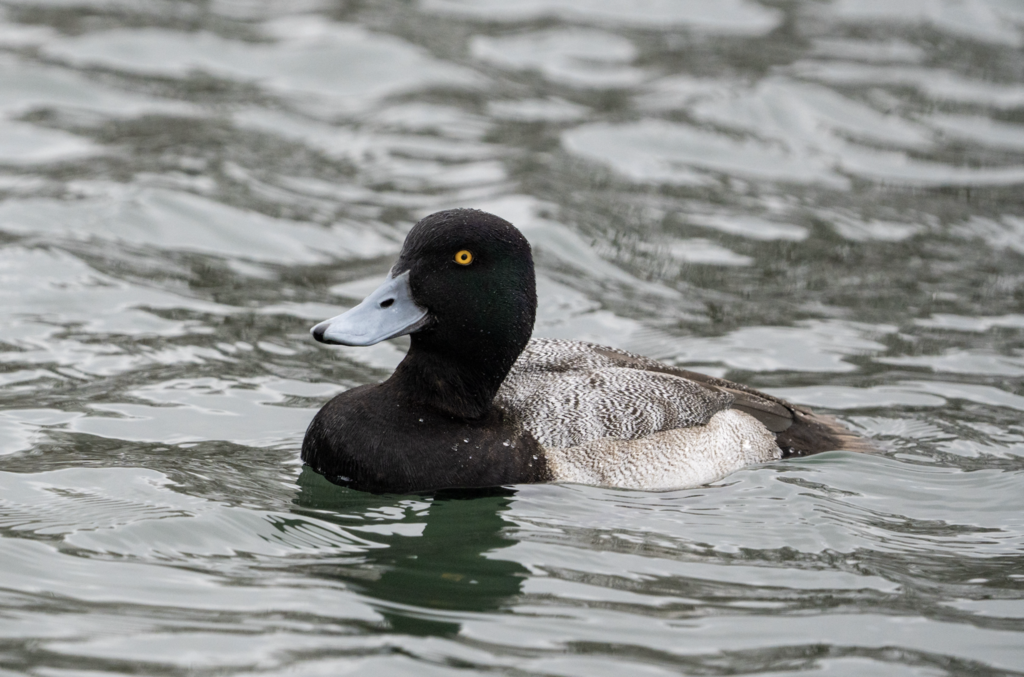
- Lesser ScaupAythya affinis
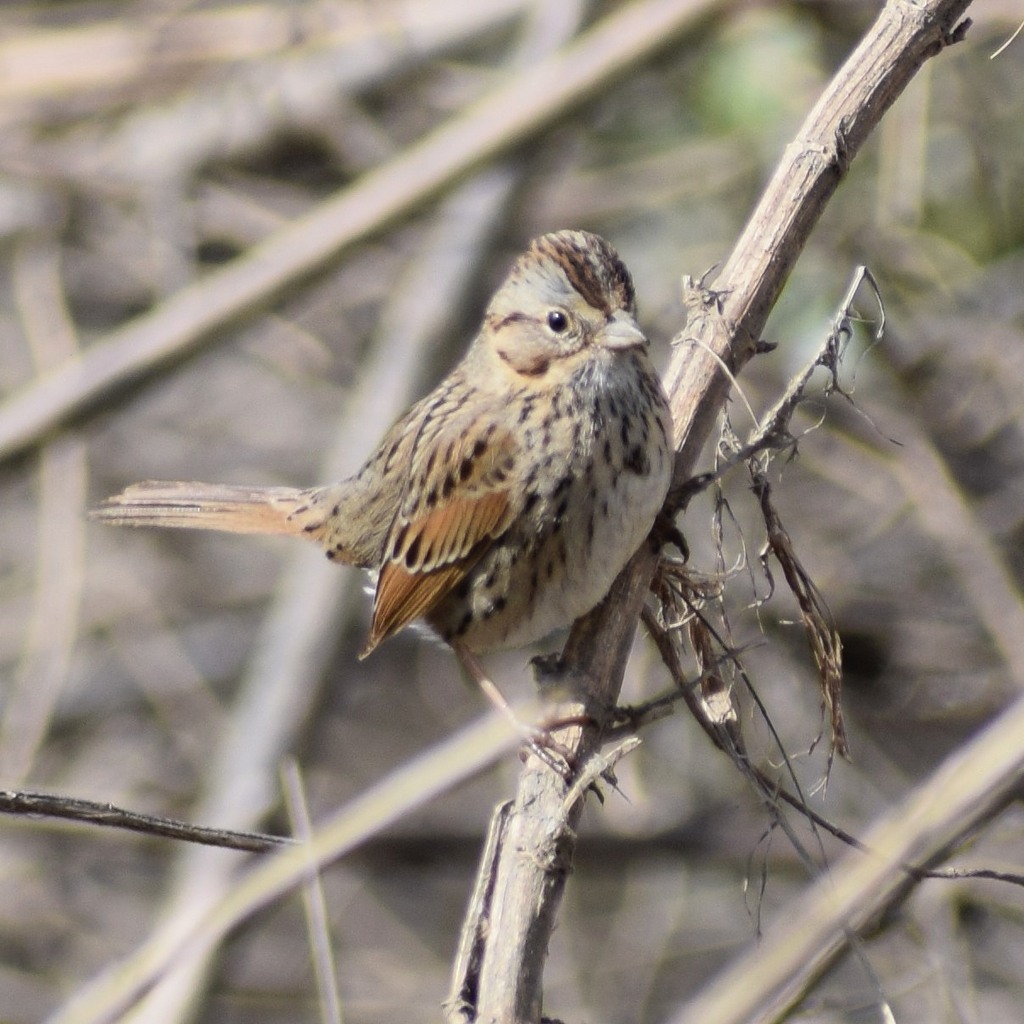
- Lincoln's SparrowMelospiza lincolnii
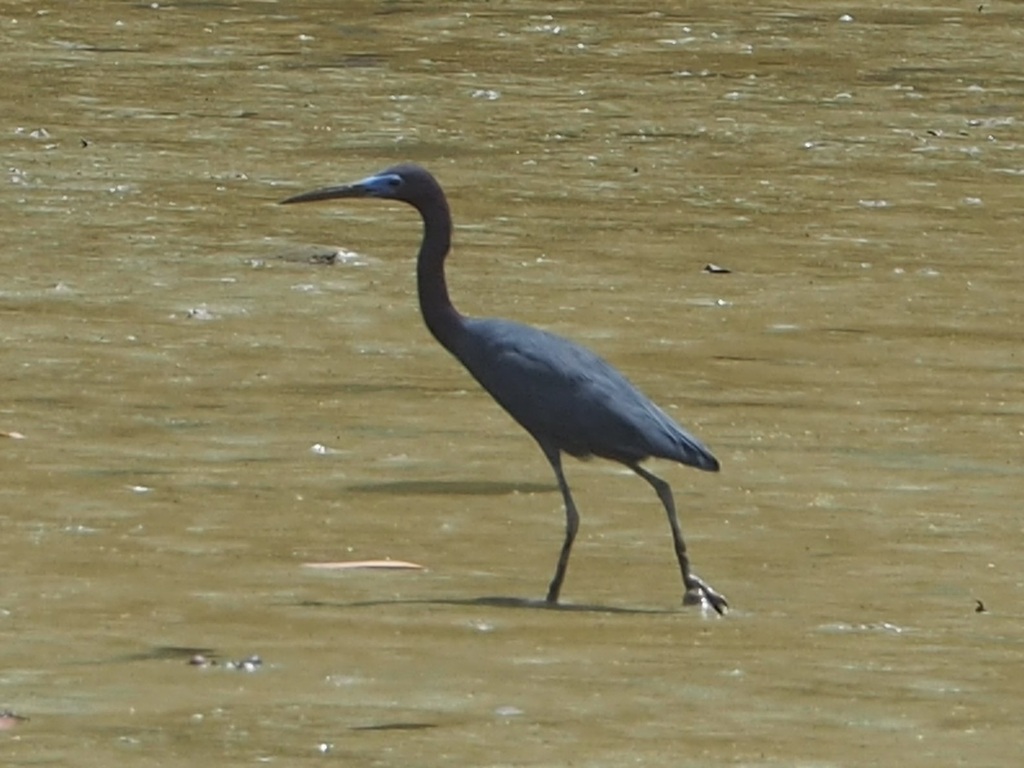
- Little Blue HeronEgretta caerulea
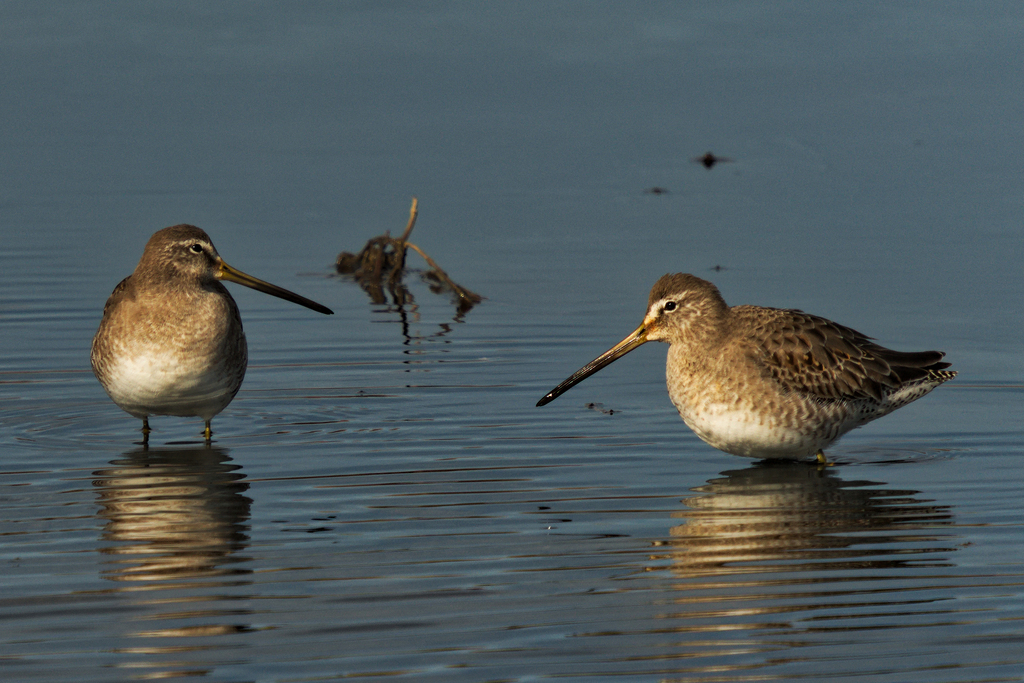
- Long-billed DowitcherLimnodromus scolopaceus
- Louisiana WaterthrushSeiurus motacilla
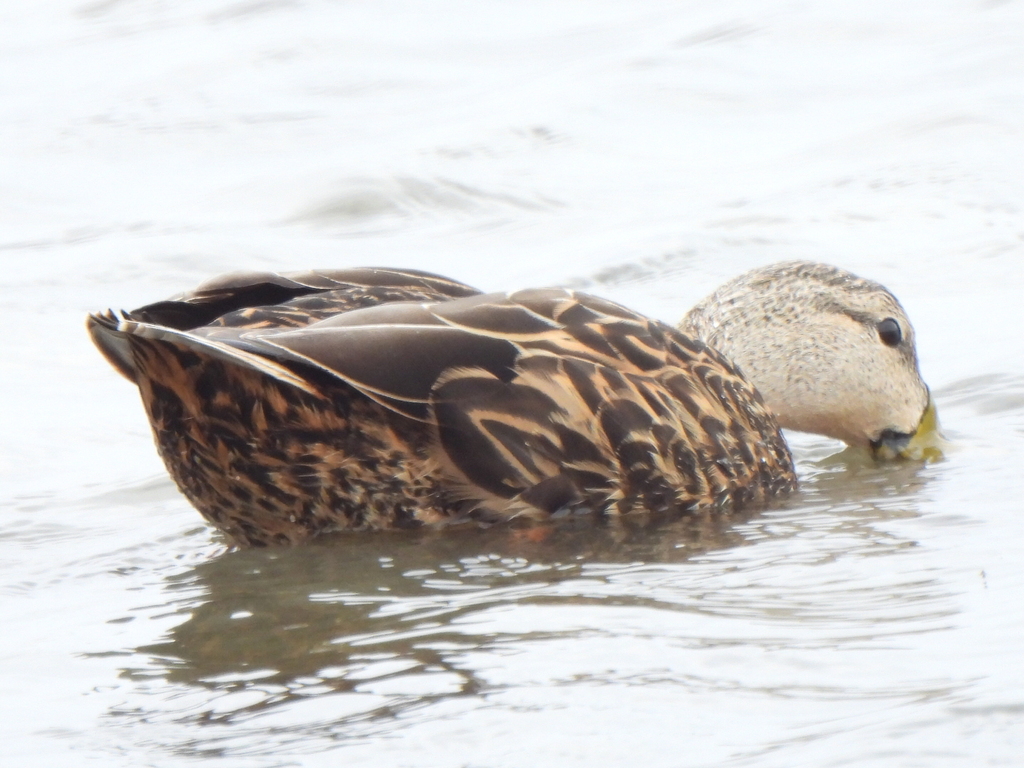
- Mottled DuckAnas fulvigula
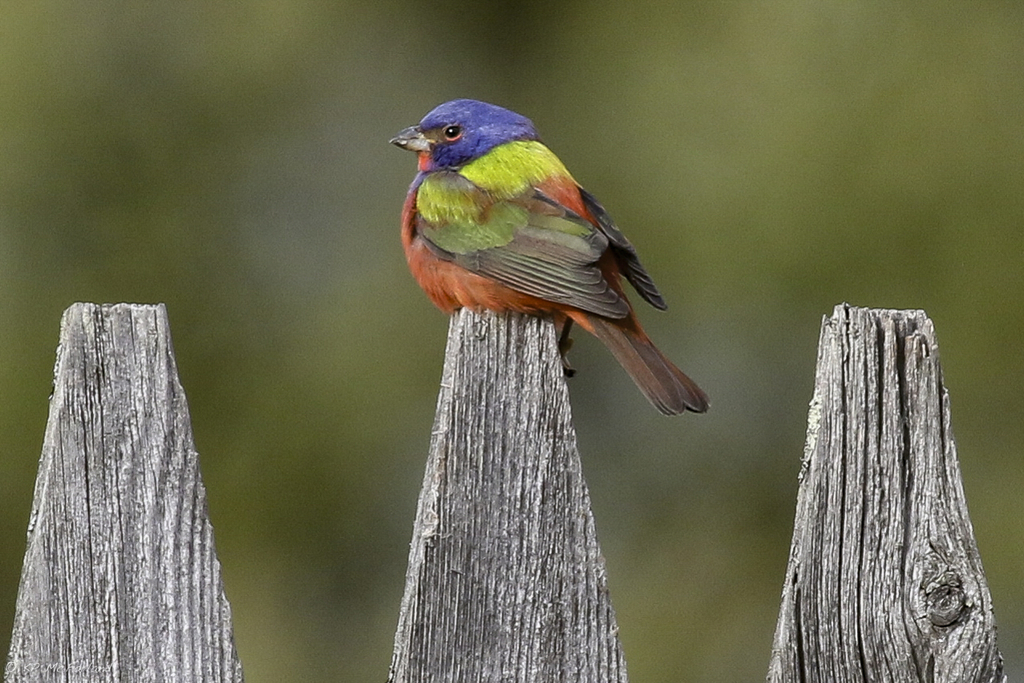
- Painted BuntingPasserina ciris
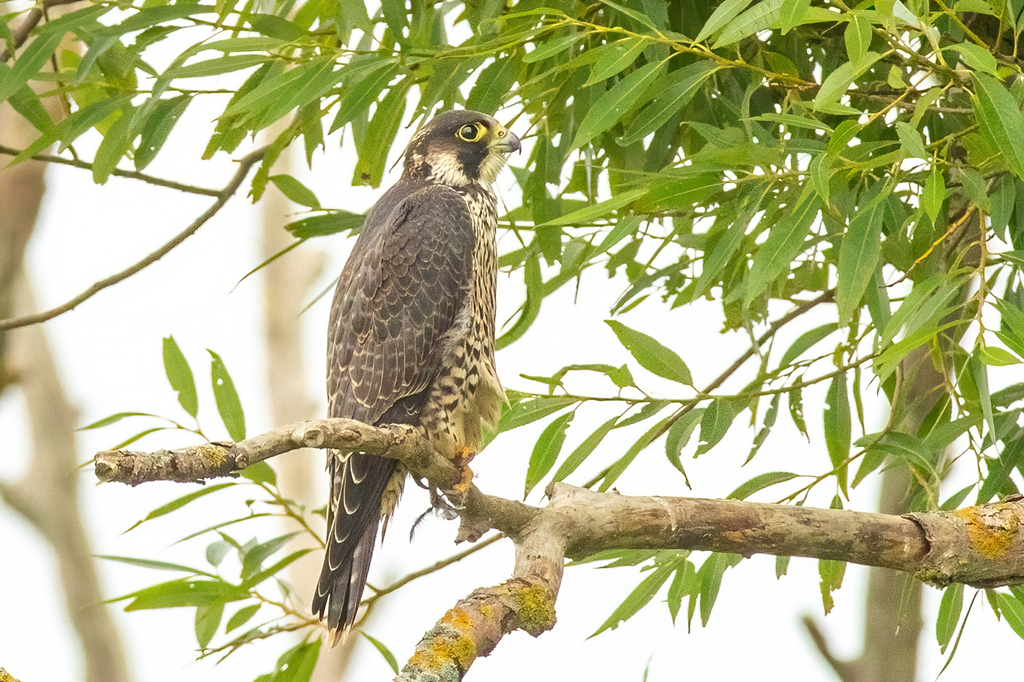
- Peregrine FalconFalco peregrinus
- Red-breasted NuthatchSitta canadensis
- Red-headed WoodpeckerMelanerpes erythrocephalus
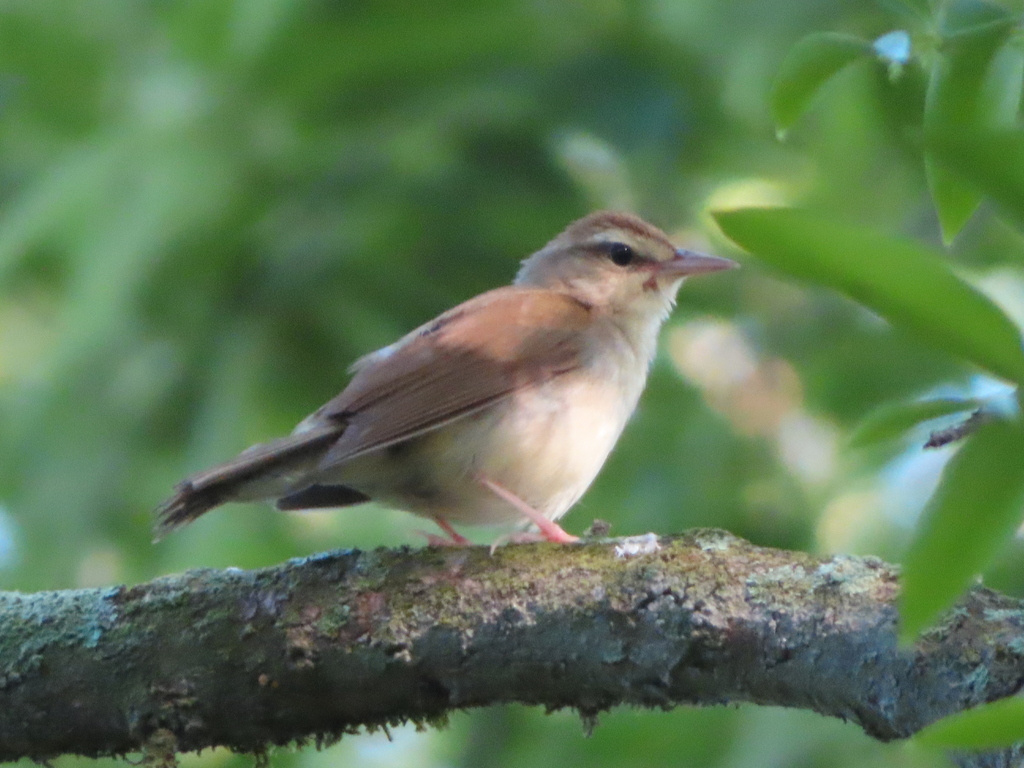
- Swainson's WarblerLimnothlypis swainsonii
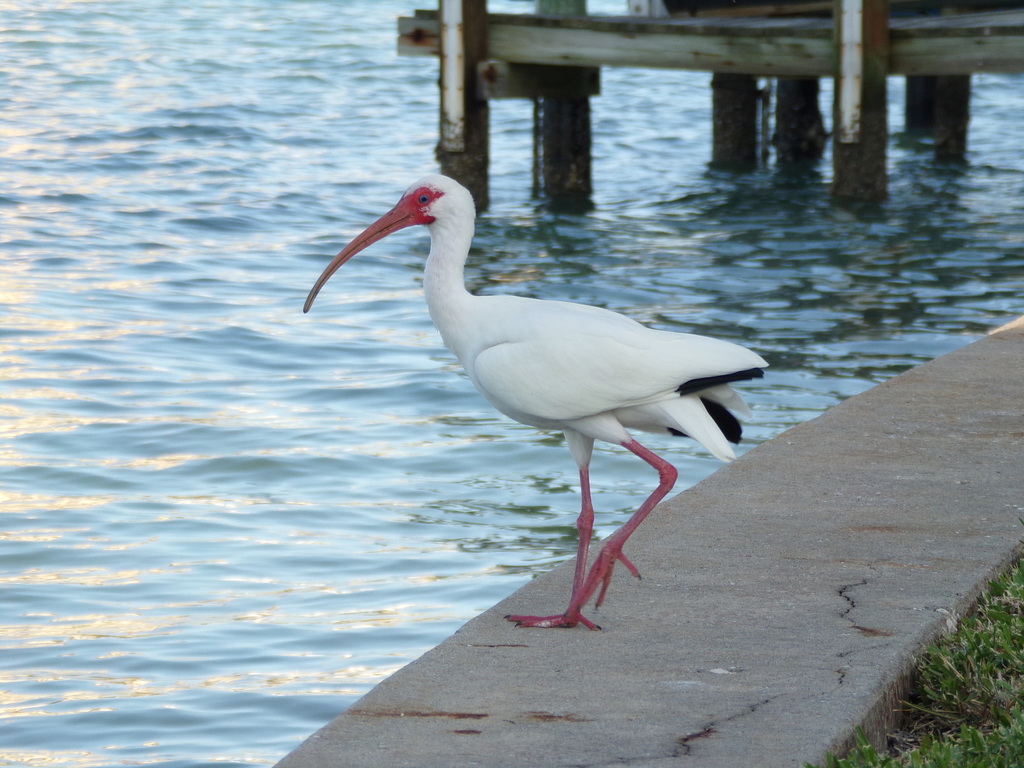
- White IbisEudocimus albus
- White-breasted NuthatchSitta carolinensis
- Wild TurkeyMeleagris gallopavo
- Wilson's SnipeGallinago delicata
- Wood ThrushHylocichla mustelina
- American PipitAnthus rubescens
- Bewick's WrenThryomanes bewickii
- Blue-headed VireoVireo solitarius
- Broad-winged HawkButeo platypterus







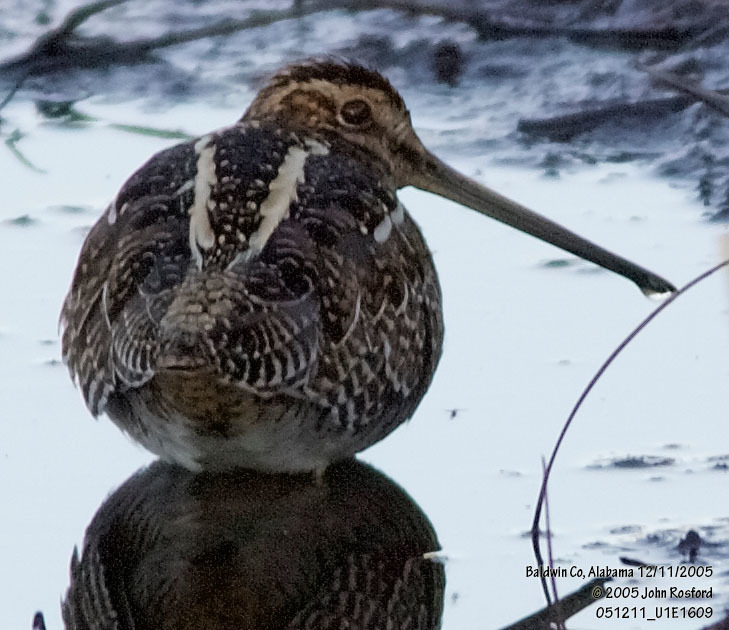
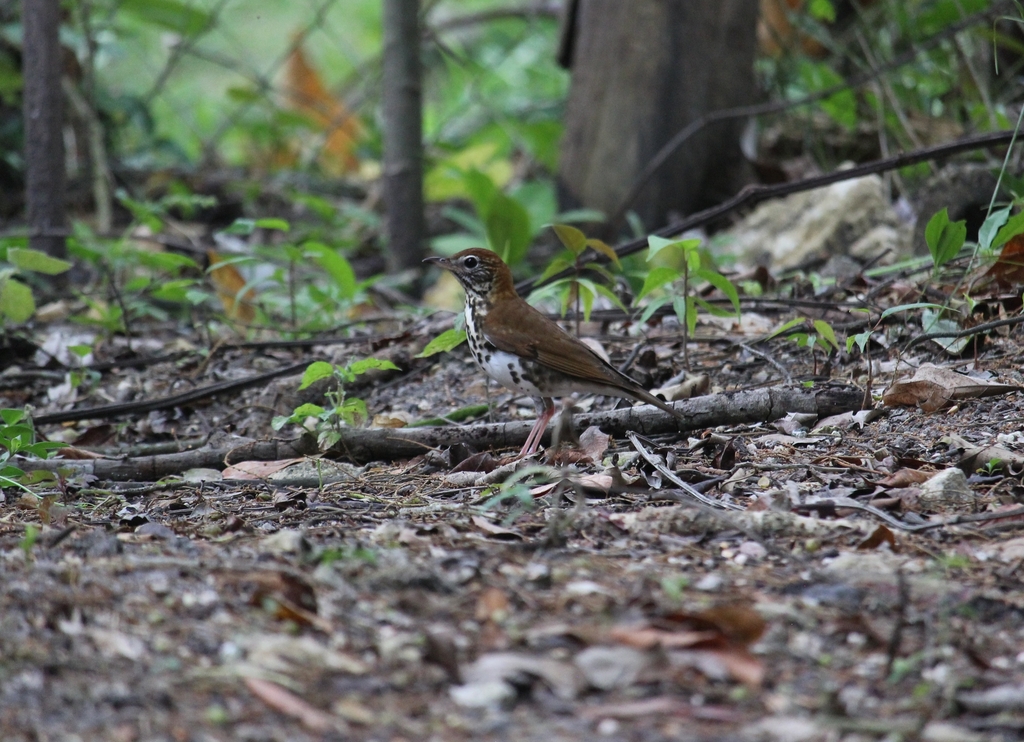
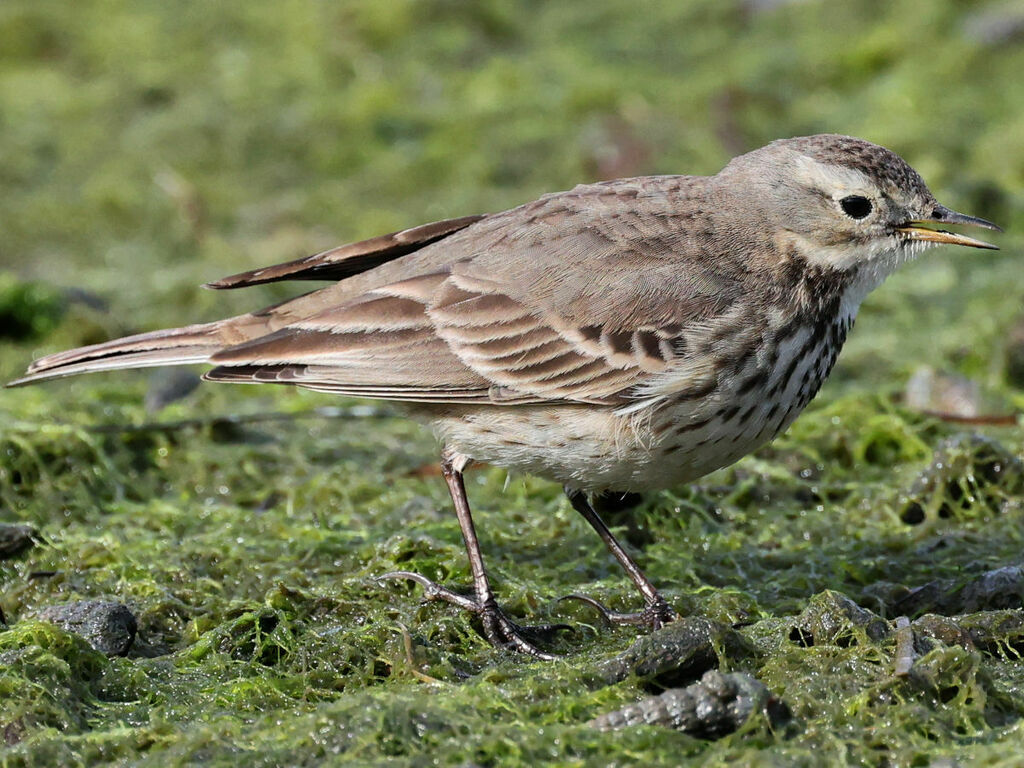
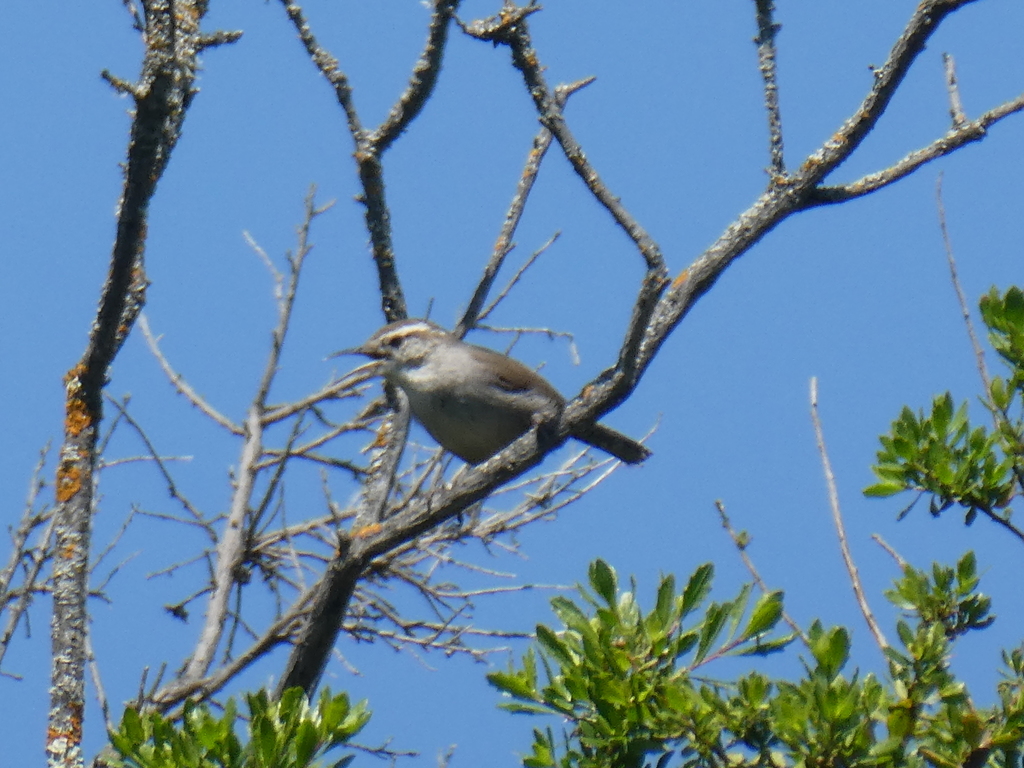



Who uses this plant?
 27CaterpillarsGenus host records with ranges including MS
Genus host records with ranges including MS · Persea
- Papilio troilusSpicebush Swallowtail
- Automeris ioIo Moth
- Caloptilia violacellaTick-Trefoil Caloptilia
- Choristoneura rosaceanaOblique-Banded Leafroller Moth, Rosaceous Leaf Roller
- Chrysodeixis includensSoybean Looper Moth
- Cryptaspasma bipenicillaWhite-Dotted Cryptaspasma
- Cryptothelea gloveriiOrange Bagworm
- Eacles imperialisImperial Moth, Imperial Spiny Caterpillar
- Epimecis hortariaTulip-Tree Beauty
- Feltia subterraneaSubterranean Dart, Granulate Cutworm
Show all 27
- Helicoverpa zeaCorn Earworm Moth
- Hypercompe scriboniaGiant Leopard Moth, Great Leopard Moth
- Oedemasia concinnaRed-Humped Caterpillar, Red-Humped Appleworm
- Oiketicus abbotiiAbbot's Bagworm Moth
- Orgyia detritaLive Oak Tussock Moth, Fir Tussock Moth
- Oxydia vesuliaSpurge Spanworm Moth
- Papilio cresphontesEastern Giant Swallowtail
- Papilio glaucusEastern Tiger Swallowtail
- Papilio palamedesPalamedes Swallowtail
- Platynota rostranaOmnivorous Platynota
- Platynota stultanaOmnivorous Leafroller
- Prolimacodes badiaSkiff Moth, Skiff Caterpillar
- Spodoptera eridaniaSouthern Armyworm Moth
- Spodoptera frugiperdaFall Armyworm Moth
- Thyridopteryx ephemeraeformisEvergreen Bagworm Moth
- Urodus parvulaBumelia Webworm
- Cenopis lamberti
 8BeesSoutheastern regional records
Southeastern regional records · Tamala
Individual names are not available yet.
Noori, Seltmann & Orr 2026, A curated and integrated dataset for exploring global bee-plant interactions (GloBI), Zenodo, CC BY 4.0 0Specialist beesPollen specialists
 2BirdsRecorded genus food-resource interactions; not a state feeding claim
Recorded genus food-resource interactions; not a state feeding claim · Persea
- Sialia sialisEastern Bluebird
- Turdus migratoriusAmerican Robin
Direct food only: birds recorded eating this genus across North America. Caterpillars on host plants also feed nesting birds. NC Native Plant Society: butterfly gardening
No records yet · Ants · Beetles · Flies · Adult butterflies / moths · Other wasps · Other insects
Plant details
- Family
- Lauraceae
- Hardiness
- Zones 7a–11b
- Flower color
- Yellow
- Growth rate
- Moderate
- Growth habit
- Single stem
- Foliage color
- Green
- Fruit begins
- September
- Fruit ends
- October
Safety has not been reviewed for this plant; check toxicity and thorns before planting.
Growing sources and scope
- Bloom · “May to June” · Weakley, Flora of the Southeastern United States (2025), Carolinas & Georgia edition (ranked first; USDA PLANTS differs) · Carolinas and Georgia
- Flower color · “Yellow” · NC Extension Plant Toolbox
- Foliage color · “Green” · USDA PLANTS · Nationwide species characteristics; local growing conditions may vary
- Fruit begins · “September” · Weakley, Flora of the Southeastern United States (2025), Carolinas & Georgia edition (ranked first; USDA PLANTS differs) · Carolinas and Georgia
- Fruit ends · “October” · Weakley, Flora of the Southeastern United States (2025), Carolinas & Georgia edition (ranked first; USDA PLANTS differs) · Carolinas and Georgia
- Growth habit · “Single stem” · USDA PLANTS · Nationwide species characteristics; local growing conditions may vary
- Growth rate · “Moderate” · USDA PLANTS · Nationwide species characteristics; local growing conditions may vary
- Hardiness · “Zones 7a–11b” · NC Extension Plant Toolbox
- Height · “About 35 feet” · USDA PLANTS · Nationwide species characteristics; local growing conditions may vary
- Leaves · “Evergreen” · NC Extension Plant Toolbox
- Life cycle · “Woody perennial” · NC Extension Plant Toolbox
- Light · “Full sun (6 or more hours of direct sunlight a day); Partial shade (direct sunlight only part of the day, 2-6 hours)” · NC Extension Plant Toolbox
- primary_flower_color · “yellow” · USDA PLANTS
- Soil · “Occasionally dry; Occasionally wet” · NC Extension Plant Toolbox
Also known as
Persea palustris
Conservation status
| Mississippi rank | SNR |
|---|---|
| Global rank | G5 |
| MS status | Not verified |
| Federal status | Not verified |
Will it fit your yard?
Check this plant against your county, sun and soil moisture. Conditions are checked in your browser.
Sources
- Weakley, Flora of the Southeastern United States (2025), South Central edition
- USDA PLANTS
- Vascular Plants of North Carolina (NC Natural Heritage Program)
- Mississippi occurrence source
- Shropshire & Tallamy 2025, Lepidoptera of North America north of Mexico, ZooKeys 1261 (ODbL)
- Noori, Seltmann & Orr 2026, A curated and integrated dataset for exploring global bee-plant interactions (GloBI), Zenodo, CC BY 4.0
- Smith, Bachelder, Russell, Morales, Mosher & Seltmann 2024, Bee-Specialization-Modeling v0.6.1 (specialist host table compiled from J. Fowler's pollen specialist bee lists), Zenodo, CC BY 4.0
- Hurlbert, Olsen, Sawyer & Winner 2021, Avian Diet Database, Scientific Data 8: 260 (CC0)
- Narango, Tallamy & Shropshire 2020, Few keystone plant genera support the majority of Lepidoptera species, Nature Communications